


Amaranthus tricolor
Introduction
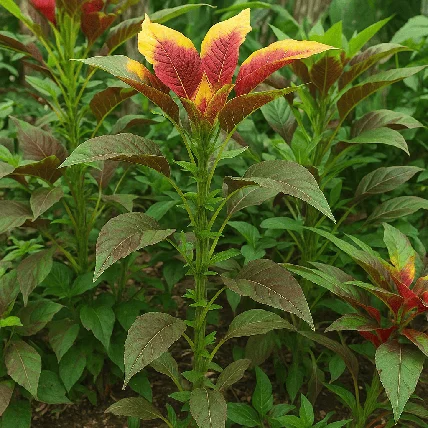
Amaranthus tricolor isn’t just a flashy ornamental — though, yes, the colors are surreal — but a quietly respected leafy herb in some parts of Ayurveda. Known more commonly as Joseph’s Coat, this vibrant plant stands out not just in your garden but also in nutritional and medicinal circles. Rich in flavonoids, iron, and chlorophyll, and commonly used in traditional diets, Amaranthus tricolor has carved out its own niche, especially in folk medicine systems across Asia. In this guide, we’ll look at the taxonomy, active compounds, ancient and modern uses, how it works in the body, what research says (or doesn’t say), and even what myths might need busting. All rooted in one plant: Amaranthus tricolor.
Botanical Description and Taxonomy
Scientific classification:
-
Kingdom: Plantae
-
Order: Caryophyllales
-
Family: Amaranthaceae
-
Genus: Amaranthus
-
Species: Amaranthus tricolor L.
This upright annual grows to about 60–150 cm tall, with an unmistakable pop of color — reds, purples, golds — swirling across its lance-shaped leaves. In India, it often shows up as both a decorative plant and a food crop, especially in regions like Odisha and Tamil Nadu. The leaves, soft when young and earthy-tasting when cooked, are the most commonly used part in Ayurveda. Sometimes the stems, too. Notably drought-tolerant and adaptable to poor soils, this plant thrives in subtropical climates and flourishes during monsoon. Chemically, the leaves are known to contain betacyanins, carotenoids like lutein, rutin, and phenolic acids — more on that later.
Historical Context and Traditional Use
Unlike many better-known Ayurvedic herbs with a long track record in Sanskrit texts, Amaranthus tricolor doesn’t always get front-page attention — but that doesn’t mean it lacks tradition. In southern Indian households, especially among Tamil and Telugu-speaking communities, it’s part of the everyday plate: stir-fried, steamed, or blended with lentils in recipes like “keerai kootu.” In Odisha, it’s added to pakhala bhata (fermented rice water dish), especially during summer to cool the body.
Some folk traditions in Bengal use it as a poultice for skin eruptions. The vibrant leaves are said to “cool the blood,” a common descriptor for anti-inflammatory or detoxifying herbs in classical regional Ayurveda. Interestingly, Amaranthus in general (and tricolor in particular) is known in some tribal medicine practices as a remedy for anemia or blood weakness — a claim likely tied to its iron and chlorophyll content. However, classical Ayurvedic texts like Charaka Samhita or Sushruta Samhita don’t list Amaranthus tricolor by this exact name, though broader categories like “shaka varga” (leafy vegetables) often include similar genera.
In Chinese medicine, Amaranthus is used for heat-clearing and bowel relaxation. In fact, some cross-cultural uses align: both in India and China, the plant is seen as balancing for excess heat — interpreted in Ayurveda as pitta-calming. One interesting thing: older practitioners in Kerala sometimes called this “cooling greens” and used it in early pregnancy or post-fever recovery. But this usage has largely remained oral, passed down in families rather than formalized in medical texts.
In modern wellness spaces — ironically far removed from rural kitchens — Amaranthus tricolor is suddenly being repackaged as a “supergreen.” But if you ask someone’s grandmother in Andhra Pradesh, she might just chuckle and say she’s been growing it since before your fancy supplements were even a thing.
Active Compounds and Mechanisms of Action
Let’s get a little nerdy here (but not too much). Amaranthus tricolor is rich in several potent bioactive compounds — especially in the pigment-packed leaves. The most discussed include:
-
Betacyanins: These are the red-violet pigments responsible for the eye-catching leaf coloration. They act as antioxidants and have shown free-radical scavenging activity in vitro.
-
Lutein and Zeaxanthin: Carotenoids that play a major role in eye health. These are fat-soluble, and their presence in the leaves suggests a protective role against oxidative damage in retinal tissues.
-
Phenolic acids: Including gallic acid, ferulic acid, and caffeic acid — all contribute to the plant’s reported anti-inflammatory and mild antimicrobial properties.
-
Rutin and quercetin: Flavonoids known for capillary-strengthening effects and blood vessel support, often tied to cardiovascular wellness in herbal systems.
Mechanistically, most of these compounds work through antioxidant pathways — neutralizing reactive oxygen species (ROS), reducing lipid peroxidation, and mildly influencing inflammatory cytokines. There’s also limited evidence showing these compounds can modulate gene expression related to detox enzymes, though most of this comes from in vitro studies and not full human trials.
In Ayurveda, the mechanism isn’t described in chemical terms, of course. The leaves are said to possess “tikta” (bitter) and “kashaya” (astringent) tastes, with a “sheeta” (cooling) virya — these energetics point toward a use for pitta disorders, skin flare-ups, and possibly even mild fevers. It’s not a heavy-hitter herb like neem, but it fits well into supportive dietary protocols.
Therapeutic Effects and Health Benefits
Ah, now we’re at the juicy part — the real-world effects. Let’s break it down into digestible chunks:
1. Iron-Rich Leafy Green for Anemia Support
In rural India, it’s common to hear elders recommend “lal saag” (red leafy greens like Amaranthus tricolor) for young girls or menstruating women. And there’s logic behind it — the plant is known to have a decent iron profile, especially when cooked lightly with ghee or sesame seeds (which increase bioavailability). Studies from Indian agriculture universities have noted a significant amount of bioavailable non-heme iron in the fresh leaves.
2. Eye and Skin Health Support
Because of its lutein, zeaxanthin, and beta-carotene content, Amaranthus tricolor contributes to eye protection, particularly from UV and oxidative stress. These same pigments are also beneficial for skin — reducing sun-induced damage and possibly aiding in skin tone balance, according to early research on dietary antioxidants.
3. Anti-Inflammatory and Cooling Effect in Summer
The plant is naturally “cooling,” and I don’t just mean that literally. It has been used in households as a post-illness dietary addition — particularly when someone has recovered from a fever or infection. Anecdotally, it helps restore appetite and calm internal heat, which corresponds to pitta pacification.
4. Digestive Tonic and Mild Laxative
The fiber content of cooked leaves supports gut health. Folk usage suggests benefits in mild constipation, especially in children or postpartum women. Some traditional healers even recommend the juice of boiled leaves with a pinch of rock salt as a gentle laxative.
5. Blood Purification and Skin Clarity (Traditional Belief)
Though “blood purification” is a vague term, in Ayurvedic language it often means reducing toxins (ama) and balancing rakta dhatu. Consumed regularly, this leafy green is believed to support clear skin and fewer breakouts. Some rural Ayurveda centers in Maharashtra still recommend its inclusion in diets for chronic urticaria or acne-prone individuals.
6. Antioxidant Support for Chronic Fatigue
Emerging research (mostly in rats, to be fair) hints that Amaranthus tricolor may reduce oxidative stress markers in muscle tissue. While far from conclusive, this could explain why some local herbalists recommend it for people with low stamina or recurring viral fatigue.
So — is it a miracle herb? No. But is it quietly powerful when used consistently and wisely? Definitely.
Dosage, Forms, and Administration Methods
Fresh leaves of Amaranthus tricolor are the most commonly used form — usually incorporated into cooked meals like stir-fries, soups, or steamed mixes. In Ayurveda-based households, a typical dose for dietary wellness ranges from 50–100 grams of fresh leaves per serving, consumed 2–3 times weekly. There isn’t a standardized “therapeutic” dose in classical Ayurvedic texts, but some folk formulations use decoctions (boiled leaf infusions) or leaf pastes applied externally.
In powdered form (dried and crushed leaves), practitioners in rural Tamil Nadu recommend 2–3 grams daily, taken with warm water after meals. This preparation is sometimes offered to manage heat-related rashes or minor skin inflammation. There’s also a growing trend of freeze-dried or encapsulated Amaranthus tricolor powders marketed for “supergreen” supplementation, but these should be used cautiously due to potential concentration of nitrates.
For vulnerable populations like children, pregnant women, or those with kidney issues (due to oxalate content), consumption should be supervised. In pregnancy, some midwives suggest its use only during second trimester as a post-fever or anemia support — never in excess. Overconsumption (especially raw juice or extract) may lead to mild bloating or discomfort. Traditional wisdom emphasizes seasonal use — ideally in warmer months when its cooling properties help maintain internal balance.
Always consult an Ayurvedic expert before using Amaranthus tricolor in a medicinal context — especially if you're considering extracts or concentrated forms. To speak with qualified professionals, visit Ask-Ayurveda.com.
Quality, Sourcing, and Manufacturing Practices
Amaranthus tricolor flourishes in tropical to subtropical climates, particularly across India, Southeast Asia, and parts of Africa. The most vibrant pigmentation — and thus highest betacyanin content — comes when the plant is grown in full sun with moderate water supply. Loamy, slightly alkaline soils tend to produce broader, more nutrient-rich leaves.
Traditionally, it’s harvested young — when leaves are tender and before seed stalks develop. In village setups, cutting in the early morning (before full sun exposure) is preferred to retain chlorophyll and moisture. Post-harvest handling is minimal: sun drying for powders or immediate cooking is common.
When buying Amaranthus tricolor supplements or powders, look for:
-
Bright coloration (deep red or tri-toned hues), which indicates bioactive pigment content.
-
Minimal processing — avoid those with added flavors or preservatives.
-
Organic certification if sourcing from commercial farms.
Artisanal Ayurvedic manufacturers may label it under regional names like “Lal Saag Powder” or “Chilaka Thota Kura.” Just ensure it’s specifically Amaranthus tricolor, not general Amaranthus species.
Safety, Contraindications, and Side Effects
For most healthy individuals, moderate consumption of Amaranthus tricolor is considered safe. However, a few important caveats apply. The plant contains oxalates, which may exacerbate kidney stone formation in those with pre-existing issues. People with a history of calcium oxalate stones should avoid overconsumption, especially in raw or concentrated form.
Nitrate accumulation in Amaranthus species is another consideration — especially when grown in nitrogen-rich soil. Excessive nitrate intake has been loosely associated with methemoglobinemia in infants, although rare.
In Ayurvedic contexts, its cooling nature (sheeta virya) may aggravate kapha in some individuals, leading to sluggish digestion or mucus buildup when taken during colder seasons. Signs of intolerance may include bloating, watery stools, or sinus heaviness.
Pregnant and lactating women should consult a professional before use. In some rural traditions, it’s cautiously avoided in the first trimester due to its perceived uterine-cooling effect, though no scientific data confirms this.
If you're taking iron supplements, remember that the non-heme iron in Amaranthus tricolor is absorbed better when paired with vitamin C and healthy fats — not on an empty stomach.
As always, if you're unsure — talk to an Ayurvedic doctor before use, especially if you have chronic conditions or take medications.
Modern Scientific Research and Evidence
Scientific interest in Amaranthus tricolor has grown in the last two decades, largely due to its pigment and nutritional density. A 2020 study in Journal of Functional Foods analyzed antioxidant capacity across 7 Amaranthus species — tricolor showed the highest betacyanin concentration and significant free radical scavenging ability.
Another study published in Food Chemistry (2019) confirmed its ability to reduce lipid peroxidation in vitro, suggesting a potential cardioprotective role. However, most of this research remains at the cellular or animal level.
A 2017 trial conducted in Bangladesh evaluated anemia outcomes in adolescent girls consuming tricolor leaf curry thrice weekly. While small, the results showed improved hemoglobin levels after 8 weeks. No side effects were reported. That’s something, right?
Still, there's a gap in robust clinical data. No major randomized trials yet exist testing Amaranthus tricolor for chronic disease outcomes. Its use in Ayurveda has also not been standardized across institutions, which makes it harder to compare across practices.
In summary: promising early-stage evidence, especially in antioxidant studies, but far from conclusive. Traditional knowledge and daily usage often guide practice more than peer-reviewed journals in this case.
Myths and Realities
Myth 1: “Amaranthus tricolor is the same as spinach.”
Reality: While it may look like a leafy green, it differs significantly in nutrient profile and bioactive content.
Myth 2: “It can cure all types of anemia.”
Reality: It may help mildly, due to iron content, but isn’t a replacement for clinical treatment in severe cases.
Myth 3: “It should be avoided entirely during pregnancy.”
Reality: Not always. It depends on the trimester and context. Always ask your healthcare provider.
Myth 4: “It’s just decorative.”
Reality: The colors are stunning, yes — but it’s a long-used functional food in rural traditions.
Myth 5: “It has no place in modern wellness.”
Reality: On the contrary, it’s already being used in superfood blends — though not always with the right sourcing or dosage knowledge.
There’s also a weird belief floating around that Amaranthus tricolor is “toxic when red.” That’s misleading. The red pigmentation is due to betacyanins — natural antioxidants also found in beets. Like anything, moderation is key.
At the same time, let’s not go overboard romanticizing it. It’s helpful, but it’s not magic. It won’t detox your soul or cure your heartbreak. Just... eat it right. Maybe talk to your grandma about how she used it.
Conclusion
Amaranthus tricolor is a colorful, underrated gem in the world of medicinal plants. While it might not headline ancient Ayurvedic scriptures, its real-world application in food, folk health, and emerging research makes it a worthy candidate for modern attention. With high antioxidant content, moderate iron levels, and gentle cooling energetics, it finds its sweet spot as a functional leafy green — best used with seasonal awareness and dietary balance.
We’ve seen how it can support eye health, digestion, and pitta imbalance, while also helping recover strength post-fever. But we’ve also noted important cautions — kidney issues, excess oxalates, or nitrate concentration concerns. So it’s all about mindful use.
In short: cook it, don’t idolize it, and ask for guidance if you’re unsure. Especially if you’re trying it medicinally or in capsule form.
Want to try Amaranthus tricolor for specific concerns? Always consult a trained Ayurvedic expert on Ask-Ayurveda.com before starting.
Frequently Asked Questions (FAQ)
1. What is Amaranthus tricolor used for in Ayurveda?
To cool the body, support digestion, and aid skin health.
2. Is it the same as red spinach?
No, though they look similar. Amaranthus tricolor is more pigmented.
3. Can I eat it raw?
It’s best cooked lightly to reduce oxalates and improve digestibility.
4. Is Amaranthus tricolor safe during pregnancy?
Sometimes, under guidance. Avoid in the first trimester.
5. Does it help with anemia?
It may support iron levels but isn't a substitute for supplements.
6. Is it considered a superfood?
Yes, in modern terms, due to its pigment and nutrient density.
7. What’s the best way to prepare it?
Stir-fried with ghee or cooked into dal. Avoid overcooking.
8. Where is it grown?
Common in India, Southeast Asia, and Africa.
9. Is there research supporting its benefits?
Yes, mostly on antioxidants and nutritional value.
10. What are its Ayurvedic properties?
Sheeta virya (cooling), tikta rasa (bitter), used for pitta.
11. Can it cause kidney stones?
In large amounts, possibly — due to oxalates.
12. Is it good for eye health?
Yes, because of lutein and zeaxanthin content.
13. Is it good for skin conditions?
Traditionally, yes — it may support skin clarity.
14. Does it interact with medications?
No major evidence, but consult a doctor.
15. Can children eat it?
Yes, in small cooked amounts. Avoid raw juice.
16. Is the color natural?
Yes. Pigments are betacyanins — antioxidant compounds.
17. Does it have side effects?
Only if overused — bloating or kidney concerns.
18. Can I use the stems?
Yes, young stems are edible.
19. Is it gluten-free?
Yes, completely.
20. Is it better than spinach?
It depends — each has different nutrients.
21. Can it be juiced?
Yes, but dilute and don’t consume raw in excess.
22. What’s its Sanskrit name?
No classical name confirmed — falls under “shaka varga.”
23. Can I grow it at home?
Yes, in pots or ground with full sun.
24. Is it used in cosmetics?
Not formally, but traditional face masks may include it.
25. What does it taste like?
Earthy, mildly bitter, slightly nutty.
26. Is it toxic when red?
No — red color is due to antioxidants.
27. Can diabetics eat it?
Yes, but monitor blood sugar responses.
28. Is it available as a supplement?
Yes — powders and capsules are sold online.
29. Does it help after fevers?
Traditionally, yes — used for strength recovery.
30. Should I talk to a doctor before use?
Absolutely — especially for medicinal use.


