


Acacia pennata
Introduction
Acacia pennata isn’t the kind of herb you stumble across in casual herbal lists. It’s wild, spiny, delicate in some ways—yet surprisingly powerful. Known in various regions of India and Southeast Asia for its medicinal and culinary roles, this climbing shrub has more to offer than just its feathery leaves and pungent smell. In Ayurveda, Acacia pennata has carved a specific niche, mostly due to its action on inflammatory disorders and digestive irregularities. In this article, we’ll explore the plant’s botanical details, historical context, documented active constituents, therapeutic effects, and dosage considerations. Whether you’re a practitioner or just herb-curious, Acacia pennata might surprise you.
Botanical Description and Taxonomy
Scientifically named Acacia pennata (syn. Senegalia pennata), this deciduous climbing shrub belongs to the Fabaceae family. Its classification is as follows:
Kingdom: Plantae
Order: Fabales
Family: Fabaceae
Genus: Acacia
Species: A. pennata
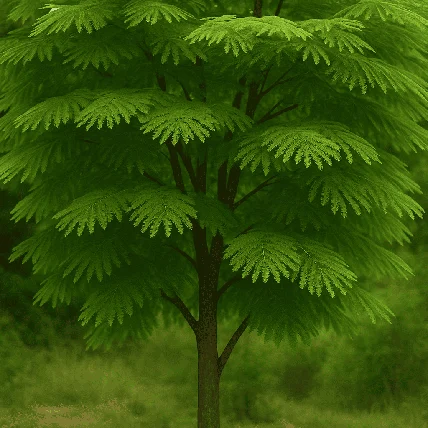
It’s recognized by its finely divided bipinnate leaves, slender thorny stems, and clusters of creamy-white flowers that carry a strong scent. The foliage is soft, almost mimosa-like, and often used as a vegetable in tribal cuisines. In Ayurveda, the leaves, bark, and root are utilized medicinally. Acacia pennata thrives in tropical and subtropical forests—particularly in northeastern India, Myanmar, Thailand, and parts of Malaysia. Active compounds specific to A. pennata include flavonoids like quercetin, various tannins, saponins, and phenolic acids—responsible for its antimicrobial and anti-inflammatory properties.
Historical Context and Traditional Use
Acacia pennata shows up quietly in the shadowed corners of traditional medicine. It’s not the star of classic Ayurvedic texts, but its presence is consistent in folk healing, especially in tribal belts like the Khasi Hills, Nagaland, and parts of Assam. The root decoction has been a go-to for intestinal worms and digestive issues, often administered in small doses under the supervision of village healers. Some references from Burmese herbal records speak of using the young shoots for treating fever, cough, and inflammation. In local Thai traditions, the leaves are still widely eaten, believed to cleanse the system and improve bile flow.
What’s fascinating is how the perception of Acacia pennata has shifted. In earlier times, its strong taste and thorny branches made it a last-resort herb. But now, with growing interest in wild edibles and natural antimicrobials, this plant is making a comeback. Ayurvedic practitioners in northeastern India, especially those with an ethnobotanical background, are revisiting its benefits—pairing it with modern diagnostic insights to treat gut infections, bloating, and localized skin conditions. Its usage isn’t uniform across the subcontinent, but where it's native, it holds strong cultural and medicinal significance.
Active Compounds and Mechanisms of Action
Acacia pennata’s medicinal kick largely comes from its well-documented flavonoids, tannins, and saponins. The bark contains high concentrations of condensed tannins, which are known for their astringent and antimicrobial properties. Studies suggest that its quercetin content contributes to anti-inflammatory and antioxidant activity, helping reduce oxidative stress in tissues. There are also phenolic acids, particularly gallic acid and ferulic acid, that seem to modulate immune response and suppress bacterial growth.
Saponins in the roots are linked with mild anthelmintic activity, aligning with its traditional use for intestinal worms. These compounds interact with the intestinal lining, potentially disrupting parasitic activity. Meanwhile, tannins form a protective layer on mucous membranes, which could explain why Acacia pennata was used in treating ulcers and inflamed throats. The mechanism isn’t yet fully mapped in modern pharmacological terms, but the synergy of its bioactive profile supports many of its traditional applications.
Therapeutic Effects and Health Benefits
When we talk about Acacia pennata’s benefits, we’re really talking about a multi-purpose herbal ally that works across a few specific systems. In Ayurveda, it’s described as having tikta (bitter) and kashaya (astringent) tastes, with laghu (light) and ruksha (dry) qualities. It is believed to pacify Kapha and Pitta doshas, which fits with its observed effects on inflammation, digestion, and microbial infections.
1. Antimicrobial and Antifungal Action
The bark and root decoction are used traditionally to tackle skin infections, ringworm, and bacterial ulcers. Laboratory studies confirm its activity against Staphylococcus aureus and Candida albicans, likely due to tannins and phenolics.
2. Anti-Inflammatory Support
In chronic swelling and localized inflammations—especially those linked to the digestive tract or skin eruptions—this plant helps reduce symptoms. Anecdotal evidence from tribal healers supports its topical use as a paste for boils, eczema, and hemorrhoids.
3. Digestive and Anthelmintic Uses
Its role in treating helminthiasis is perhaps the most widely acknowledged. Both the powdered root and decoction are used to expel worms and soothe the irritated gut lining.
4. Oral and Dental Health
In some regions, twigs of Acacia pennata were traditionally used as datun (herbal toothbrushes). The astringent properties help reduce gum inflammation and oral ulcers.
5. Potential Hepatoprotective Effects
Though clinical human data are lacking, rodent studies suggest extracts of Acacia pennata leaves may support liver function by reducing oxidative load and lipid peroxidation markers.
6. Menstrual Regulation and Wound Healing
Some folk applications point toward its use in regulating delayed menstruation and promoting faster wound clotting—though these uses require cautious exploration due to dose sensitivity.
Its growing popularity in natural healing circles is partly due to its effectiveness and partly the intrigue of rediscovering a lesser-known herb with a rich, regionally rooted history.
Dosage, Forms, and Administration Methods
Acacia pennata isn’t exactly the easiest herb to dose—mainly because it’s not widely standardized in commercial Ayurveda. That said, traditional use offers some practical guidelines. The root powder is typically administered at doses ranging from 500 mg to 1 gram, taken with warm water once or twice a day, usually on an empty stomach. When used as a decoction (kwath), about 10–20 ml is recommended per dose after boiling 5–10 grams of dried root or bark in 200 ml of water and reducing it to half.
As for forms, the most common preparations are:
-
Decoction (Kwath) of root or bark (for internal cleansing or infections)
-
Leaf paste applied topically for boils or itching
-
Powdered root in capsules for convenience (though not widely available commercially)
-
Fresh shoots, occasionally used in tribal cuisines, especially in northeast India
There’s no one-size-fits-all with Acacia pennata. For children, pregnant women, or elderly patients, consultation is essential. Due to its astringency and antimicrobial power, misuse could lead to gut dryness or excess heat in the body. Some patients have reported mild cramping when taken in higher doses. That’s why it’s crucial:
Before using Acacia pennata in any form, consult an Ayurvedic expert at Ask-Ayurveda.com to ensure it suits your body constitution, existing conditions, and current medications.
Quality, Sourcing, and Manufacturing Practices
Acacia pennata thrives in humid subtropical climates, particularly in the forested regions of northeastern India, Myanmar, and Thailand. Wild harvesting is the most common sourcing method, especially for leaves and roots. Unfortunately, this also introduces a risk—plants from polluted areas can accumulate heavy metals or pesticide residues.
For quality assurance, look for herbs:
-
Harvested in clean forest zones or certified organic plantations
-
Processed using traditional sun-drying methods, especially for leaves and bark
-
Free from artificial coloring or preservatives
Reputable suppliers may include cooperative forest communities or certified Ayurvedic pharmacies. Always ask for batch testing reports when buying online.
Safety, Contraindications, and Side Effects
Despite its reputation as a “safe” folk remedy, Acacia pennata isn’t without warnings. Its high tannin content can irritate the stomach lining if taken in large or prolonged doses. Reported side effects (usually from overuse) include:
-
Dryness in mouth or throat
-
Constipation
-
Mild abdominal cramping
Contraindications include:
-
Pregnancy and lactation (due to lack of safety data)
-
Children under 10 years (unless under direct Ayurvedic supervision)
-
Patients with ulcerative colitis, IBS, or chronic gastritis, due to its astringent nature
It may also interact with iron absorption and antibiotics, so inform your doctor if you’re combining it with modern treatments. As always: professional supervision matters. No herb, even a “natural” one like Acacia pennata, is universally safe.
Modern Scientific Research and Evidence
Research on Acacia pennata is relatively limited but growing. Several in vitro studies highlight its antimicrobial properties, particularly against E. coli, Pseudomonas aeruginosa, and Candida species. A 2018 study from Assam Agricultural University reported that ethanolic extracts of the root showed promising antioxidant and hepatoprotective effects in rodent models.
A 2020 Thai research paper evaluated its efficacy as a natural preservative due to its tannin and flavonoid content. While these findings reinforce its traditional use, human clinical trials are almost nonexistent. That leaves a gap between folklore and pharmacology.
Some Ayurvedic institutes in Northeast India are now studying its potential in treating intestinal parasites and skin infections, but these trials remain unpublished or in early phases. This underscores the need for more robust, peer-reviewed research to validate centuries-old knowledge.
Myths and Realities
Let’s get a few things straight—Acacia pennata isn’t a cure-all. While it does help with skin infections and gut issues, some people overstate its impact. Here are some common myths:
Myth 1: "Eating the leaves daily boosts immunity."
Reality: While it has antioxidants, there’s no evidence that long-term daily consumption is beneficial—or safe.
Myth 2: "It's safe for everyone because it's a food in tribal regions."
Reality: The way it's prepared (boiled, mixed with spices) matters. Raw or excessive intake could irritate the stomach or worsen certain conditions.
Myth 3: "It can replace antibiotics."
Reality: No. It may support recovery in mild cases, but not serve as a standalone treatment for serious infections.
Myth 4: "More is better."
Reality: Especially with tannin-rich herbs, less is often more. Overuse can lead to imbalances and side effects.
So yes, Acacia pennata is powerful—but only when used correctly, in the right context, and under supervision.
Conclusion
Acacia pennata might not be a mainstream Ayurvedic superstar, but it quietly holds its own with a legacy of regional use, emerging science, and potent bioactive constituents. From digestive cleansing to antimicrobial action, it offers a range of therapeutic benefits that justify deeper exploration.
However, because of limited modern data and some potential risks, it's best approached with respect and guidance—especially for vulnerable populations. As interest in wild and traditional herbs grows, this climbing, thorny shrub reminds us that sometimes, the most unassuming plants carry the strongest medicine.
To ensure safe and personalized use of Acacia pennata, connect with a qualified Ayurvedic doctor at Ask-Ayurveda.com.
Frequently Asked Questions (FAQ)
-
What is Acacia pennata used for in Ayurveda?
It's traditionally used for gut cleansing, deworming, and treating skin conditions. -
Can I eat Acacia pennata leaves daily?
Not recommended daily without guidance; prolonged use may irritate the gut. -
Is Acacia pennata good for digestion?
Yes, in small doses it helps with bloating and parasitic infections. -
Are there side effects of Acacia pennata?
Yes—possible dryness, constipation, or cramping if overused. -
Can pregnant women use Acacia pennata?
No, it's not advised during pregnancy or lactation. -
Is it safe for kids?
Only under professional supervision and in very small doses. -
Does it kill intestinal worms?
Traditionally, yes—especially root and bark decoctions. -
Is there scientific proof of its benefits?
Some lab studies exist, but human trials are still rare. -
Can I use Acacia pennata topically?
Yes—leaf paste is used for skin boils and itching. -
Where does Acacia pennata grow naturally?
Forested regions of northeastern India and Southeast Asia. -
What does the plant look like?
A climbing shrub with feathery leaves, thorns, and white flowers. -
Which part of the plant is used medicinally?
Mainly root, bark, and leaves. -
Is it available in capsule form?
Rarely—most use is in decoction or powder form. -
Can it be used for oral care?
Yes, twigs have been used traditionally as herbal toothbrushes. -
Does it affect blood sugar?
No conclusive data yet—use cautiously if diabetic. -
How long should I use it for gut issues?
Usually a few days to a week; consult a doctor for specifics. -
Is it bitter?
Yes, very bitter and astringent in taste. -
Does it help with skin rashes?
Yes, traditional use supports this, especially as a paste. -
Can it be used for fever?
Yes, in some folk systems, leaves are used for mild fevers. -
Does it boost immunity?
There’s no strong evidence for that. -
Is it the same as Acacia concinna?
No, they are different species with distinct uses. -
Can it be taken with other herbs?
Yes, but under guidance to avoid adverse interactions. -
Is it good for liver health?
Animal studies suggest potential, but human data is lacking. -
Can I make tea from the leaves?
Yes, but keep the dose light due to its potency. -
Where can I buy it?
From trusted Ayurvedic suppliers—check sourcing and purity. -
Does it have antioxidant properties?
Yes, due to flavonoids like quercetin. -
What are common names of Acacia pennata?
In Hindi: "Aakhara," in Thai: "Cha-om." -
Can it help with hemorrhoids?
Yes, it’s traditionally applied as a poultice for relief. -
Is it effective against fungus?
Yes, shows antifungal action in lab settings. -
Should I consult a doctor before using it?
Absolutely—especially if you have health conditions or take medication.


