मुफ्त! आयुर्वेदिक डॉक्टरों से पूछें 24/7

 तेज़ प्रतिक्रियाएँ
 1000+ सत्यापित डॉक्टर
Aconitum palmatum
Introduction
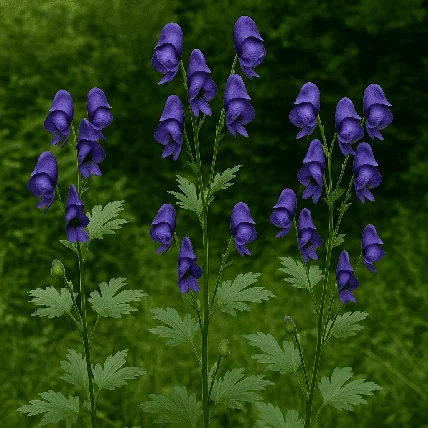
Aconitum palmatum, a lesser-known but intriguing species from the high-altitude Himalayan terrain, has long held a place in regional healing practices and classical Ayurvedic texts. Recognized for its palmate leaves and striking blue-purple flowers, this plant is part of a notorious genus known for potent alkaloids. But Aconitum palmatum isn’t just any aconite—it carries its own unique fingerprint, both in appearance and medicinal use. This article dives into its exact botanical identity, how it's been used historically, the compounds it contains, its benefits, and its risks. We’ll also talk about modern research, myths, sourcing tips, and how to use it safely—if at all.
Botanical Description and Taxonomy
Botanically, Aconitum palmatum D. Don belongs to the Ranunculaceae family. It’s a perennial herb, mainly found between 3000 to 4300 meters in altitude across parts of Kashmir, Himachal Pradesh, Nepal, and Tibet. The plant grows erect, often up to 1 meter tall, with deeply lobed palmate leaves—hence the species name “palmatum.” The flowers bloom in clusters and exhibit a characteristic hooded shape, typically in vivid shades of blue to indigo. Unlike some of its close relatives like Aconitum ferox, the root tubers of A. palmatum are comparatively less thick and bear a lighter tone. In Ayurveda, the dried root is the part traditionally used, albeit with extreme caution due to its toxic profile. Known compounds like aconitine and related alkaloids are extracted primarily from these roots.
Historical Context and Traditional Use
If you ask older practitioners in remote Himalayan villages—especially in parts of Himachal or Uttarakhand—they’ll probably recall stories of Aconitum palmatum being used to treat high fever, severe body pains, or as a counter to intense inflammatory conditions. It's not a plant that you'd find growing near homes, for obvious reasons—it was approached with respect, almost ritualistically. Ayurvedic references to Vatsanabha sometimes include A. palmatum, though most classical texts like the Charaka Samhita likely pointed toward A. ferox more often. Still, regional vaidyas have long distinguished between different aconites based on taste, potency, and reaction to shodhana (purification). In Tibetan medicine, Aconitum palmatum appears under different names and is included in formulations for cold disorders, neural issues, and energy stagnation. It’s not commonly found in mainstream Ayurvedic pharmacies today—partly due to conservation issues and partly due to its toxicity. Over the past century, documented usage has declined, giving way to more “trusted” alternatives, yet in ethnobotanical surveys, this species keeps reappearing, tied to elder knowledge and oral histories. Some older reports also indicate use of the powdered root—purified and administered in trace amounts—as a rasayana for extreme fatigue or altitude sickness, but again, such use was never casual. It was part of a tightly controlled, community-based approach to healing.
Active Compounds and Mechanisms of Action
Now here’s where things get both fascinating and tricky. Aconitum palmatum, like other members of its genus, contains highly bioactive diterpenoid alkaloids. These include aconitine, mesaconitine, and hypaconitine—though in slightly different proportions compared to A. ferox. These alkaloids interact with voltage-gated sodium channels in nerve cells, which explains both their potential for pain relief and their risk of neurotoxicity. In minute doses—traditionally after shodhana—these compounds may modulate nerve transmission and reduce chronic pain or inflammatory responses. Some in vitro studies suggest possible anti-inflammatory and antipyretic action, but there’s a scarcity of modern research focusing exclusively on A. palmatum. The unique alkaloid profile, combined with its slightly milder toxicity compared to other aconites, positions this plant as a potential subject for pharmacological exploration. Still, the margin of safety is razor-thin. The mechanism of action that provides relief is the same one that can cause arrhythmias, numbness, or worse, when used improperly. Ayurvedic theory treats this herb under “tikshna” (intense/sharp potency) and always recommends it be paired with grounding agents or antidotes, like cow's ghee or specific decoctions, following purification.
Therapeutic Effects and Health Benefits
Alright, let’s talk about the actual benefits—but keep in mind, they come with big caution signs. Aconitum palmatum has traditionally been used in very small, carefully detoxified doses to help manage conditions that modern terms might classify under chronic inflammation, nerve pain, fevers, and even arthritis. Himalayan folk traditions mention it in preparations for cold-weather joint stiffness and even altitude-induced fatigue. In some rare rasayana combinations, the root powder—after intense purification—was said to restore vitality and help with neurological debility.
But it’s not just hearsay. Ethnobotanical reports from Himachal and Nepal often list this plant under herbs used for neuralgia or sciatica. Some suggest that it helped improve blood circulation in cold climates or was given to those recovering from severe infections when fever had weakened the system. In Ayurveda, such sharp herbs are said to possess “ushna” (heating) and “tikshna” (piercing) qualities—both useful when kapha is high and stagnation has taken over.
Now, the tricky bit is modern validation. Unlike some well-researched Ayurvedic plants, A. palmatum hasn’t had its golden moment in peer-reviewed journals. But a few small-scale lab studies have looked at the alkaloids’ action on nerve pain and inflammation. The potential is there, but so is the danger—most benefits are tightly coupled with precise dosing. So while the relief from neuralgia, paralysis symptoms, or fibromyalgia-like discomfort may be promising, the risks are never far behind. Some practitioners in Tibetan and Siddha medicine also mention this species for heart-related symptoms—but again, no usage happens without shodhana and expert supervision. That’s the takeaway: Aconitum palmatum might help—but only in safe hands.
Dosage, Forms, and Administration Methods
Here’s the thing—there is no such thing as a “DIY” dose for Aconitum palmatum. Traditionally, the root undergoes rigorous purification through boiling in cow’s milk or decoctions of specific neutralizing herbs. This detoxification is known as shodhana. After that, it's dried, powdered, and stored carefully. Even then, only about 10 to 30 mg per day is typically administered—and even that can vary based on prakriti (body type), age, strength, and presence of disease.
Forms? Powder (churna) is the most common post-shodhana, sometimes blended with ghee or decoctions like Dashamoola or Bala. Rarely, it may appear in compound Ayurvedic formulations. No reputable pharmacy will ever sell raw A. palmatum to the public. And you should never, ever consume unprocessed root. It’s not bitter like neem; it’s potentially fatal.
For children, pregnant women, and the elderly, A. palmatum is strictly contraindicated. It’s a last-resort herb even for healthy adults. If you’re considering it—why not book a consultation at Ask-Ayurveda.com.You’ll find experts who know how to use this herb safely, if at all.
Quality, Sourcing, and Manufacturing Practices
Authentic Aconitum palmatum grows best in high-altitude regions like Lahaul-Spiti, Garhwal, and parts of Nepal. It's a slow-growing plant, adapted to cold temperatures and rocky soils. Ethical harvesting involves taking only mature roots and leaving young plants undisturbed—something often ignored by commercial collectors. Overharvesting and habitat loss have made the species rarer in the wild, and in some areas, it’s nearing threatened status.
When sourcing products, make sure the label specifically mentions Aconitum palmatum (not just “vatsanabha” or aconite). Reputable Ayurvedic pharmacies will provide information on purification steps and include safety warnings. If there’s no mention of shodhana, skip it. And don’t fall for glossy, imported supplements claiming “pain relief via aconite”—they often lack the nuance and safety checks of traditional systems.
Safety, Contraindications, and Side Effects
Now let’s get into the heavy part. Raw Aconitum palmatum is toxic. The alkaloids in it—aconitine, mesaconitine—are capable of causing numbness, tingling, slowed heartbeat, vomiting, seizures, and even death in high doses. Symptoms can appear in minutes and escalate quickly.
This herb is contraindicated in children, pregnant or breastfeeding women, anyone with heart disease, kidney disorders, or low body weight. Mixing it with sedatives or anti-arrhythmic drugs can increase risk. Even touching raw roots for too long may cause numbness or tingling.
That said, purified forms, when administered by skilled Ayurvedic physicians, rarely cause side effects. Still, reactions can vary—some people experience dry mouth, dizziness, or intestinal discomfort. It’s essential to disclose all medications and conditions before using any formula that contains A. palmatum.
Always—always—consult an Ayurvedic expert before considering this herb. It’s powerful, yes, but not for experimentation.
Modern Scientific Research and Evidence
Here’s where things taper off a bit. Unlike Ashwagandha or Brahmi, Aconitum palmatum hasn’t seen much modern lab attention. A few Indian and Chinese studies have tested crude extracts or isolated alkaloids on nerve channels, mostly in vitro. One 2004 study hinted at anti-inflammatory properties in rodents, but no human trials exist.
The problem is its toxicity—research ethics boards hesitate to approve trials. Still, there’s curiosity. Some pharmacologists are looking at how to modify the plant’s active alkaloids to retain pain relief but reduce toxicity. There’s also renewed interest in wild plant conservation, with ecological surveys tracking its dwindling wild populations. If you’re into the nerdy side, check out a few Himalayan botany papers—A. palmatum often features as an “underutilized medicinal species.”
In short: lots of traditional data, promising early signals—but we need more research, and better safeguards.
Myths and Realities
Let’s bust some myths, shall we?
Myth 1: “It’s natural, so it must be safe.”
Nope. Hemlock is natural too. So is Aconitum palmatum—and it can kill if not prepared right.
Myth 2: “You can use all aconites the same way.”
No. Each species has different toxicity profiles. A. ferox and A. palmatum are not interchangeable.
Myth 3: “Purification makes it 100% safe.”
Not entirely true. Shodhana reduces toxicity—but doesn’t eliminate risk. Only trained vaidyas know how to balance the dose and context.
Myth 4: “It’s a miracle cure for arthritis.”
There’s no miracle. It may help with pain, but only under expert supervision and with ongoing monitoring.
Myth 5: “Anyone can identify it in the wild.”
Not unless you’re a trained botanist. Many aconites look similar—some much deadlier than others.
So yes, it’s powerful, but not magical. Respect it, don’t romanticize it.
Conclusion
Aconitum palmatum stands at the edge of Ayurveda’s vast herbal tradition—a plant wrapped in caution and reverence. Its elegant hooded flowers hide potent alkaloids, capable of both healing and harm. Historical uses in the Himalayas and Tibetan regions show how carefully this herb was handled—always purified, never casual. Modern science is slowly beginning to explore its potential, but toxicity remains a major hurdle.
Should you ever use Aconitum palmatum? Only if advised by a seasoned Ayurvedic expert. It’s not for self-experimentation, not for trending wellness hacks. But if used wisely—respectfully—it may still hold a role in healing those conditions where other remedies fall short.
Curious about safe alternatives or proper consultation? Visit Ask-Ayurveda.com and speak directly with qualified professionals before making any decision.
Frequently Asked Questions (FAQ)
-
What is Aconitum palmatum used for in Ayurveda?
Used for pain relief, inflammation, and nerve disorders—but only in purified form. -
Is Aconitum palmatum the same as Vatsanabha?
Not exactly—Vatsanabha usually refers to A. ferox, though sometimes A. palmatum is included regionally. -
Can I grow Aconitum palmatum at home?
Not recommended. It’s toxic and requires high-altitude conditions. -
Which part of Aconitum palmatum is used medicinally?
The root, post-purification. -
Is Aconitum palmatum available commercially?
Very rarely. Only in specialized Ayurvedic formulations after detoxification. -
Can Aconitum palmatum be used without purification?
Absolutely not. It’s highly toxic. -
Are there any side effects of Aconitum palmatum?
Yes—tingling, slowed heartbeat, nausea, or worse if misused. -
Is it safe for pregnant women?
No, it’s strictly contraindicated. -
What is the dosage of Aconitum palmatum?
Usually 10–30 mg/day after purification. Only under expert supervision. -
What does shodhana mean for Aconitum palmatum?
A detoxification process using milk or herbal decoctions. -
Can it help with arthritis?
Traditionally, yes—but not without risk. -
Where is Aconitum palmatum found?
In the Himalayas—India, Nepal, Tibet. -
Is it used in modern medicine?
Not widely—due to safety concerns. -
Does it cause addiction?
No addictive properties, but misuse is dangerous. -
Can I touch the root directly?
Not advisable—it can cause numbness. -
What does it look like?
Tall herb with deeply lobed leaves and indigo hooded flowers. -
How long does it take to purify the root?
Several hours to days—depends on method. -
Can it treat fevers?
Historically, yes—especially severe, unrelenting fevers. -
How do I verify if a product contains purified A. palmatum?
Check for certifications and shodhana details on the label. -
Are there substitutes for Aconitum palmatum?
Yes—other less toxic herbs like Guduchi or Rasna. -
What’s the Sanskrit name of this plant?
Sometimes called Vatsanabha, but exact identity varies. -
Is it endangered?
In some regions, yes—due to overharvesting. -
Can it be used for mental disorders?
Some traditions claim benefits—but evidence is limited. -
Is it used in Siddha medicine?
Yes, but always purified and cautiously administered. -
What are the alkaloids in Aconitum palmatum?
Aconitine, mesaconitine, hypaconitine. -
How does it work on the body?
Affects sodium channels—modulates pain, nerve function. -
Is it suitable for daily use?
No. Only occasional, short-term, expert-guided use. -
How long has it been in use?
Centuries, particularly in Himalayan traditions. -
Is it mentioned in Charaka or Sushruta Samhita?
Indirectly—under broader references to aconites. -
Should I consult an Ayurvedic doctor first?
Absolutely. Always seek expert advice before use.


