What is osteoarthritis, really? You’ve probably heard the term tossed around — maybe your grandma mentioned it once while rubbing her knees, or you’ve felt that creaky, grinding sensation in your own joints and thought, “Is this it?” The thing is, osteoarthritis isn’t just “getting old.” It’s a complex, slow-burning condition that wears down the joints over time, sure — but it’s also deeply connected to how we move, eat, age, and even how we think about our bodies.
This article dives into the nature of osteoarthritis, how it differs from rheumatoid arthritis, and what both modern and Ayurvedic perspectives say about its root causes. We'll look at common osteoarthritis symptoms, what causes osteoarthritis, and explore whether ancient practices like Ayurveda offer a real alternative to conventional osteoarthritis treatment. Spoiler: it’s not all turmeric lattes and yoga. There’s nuance. There’s science. And there’s a surprising amount of wisdom in these old ideas — if you know how to apply them.
What Is Osteoarthritis and How Ayurveda Defines It
Degeneration of Joints as Vata Imbalance in Asthi Dhatu
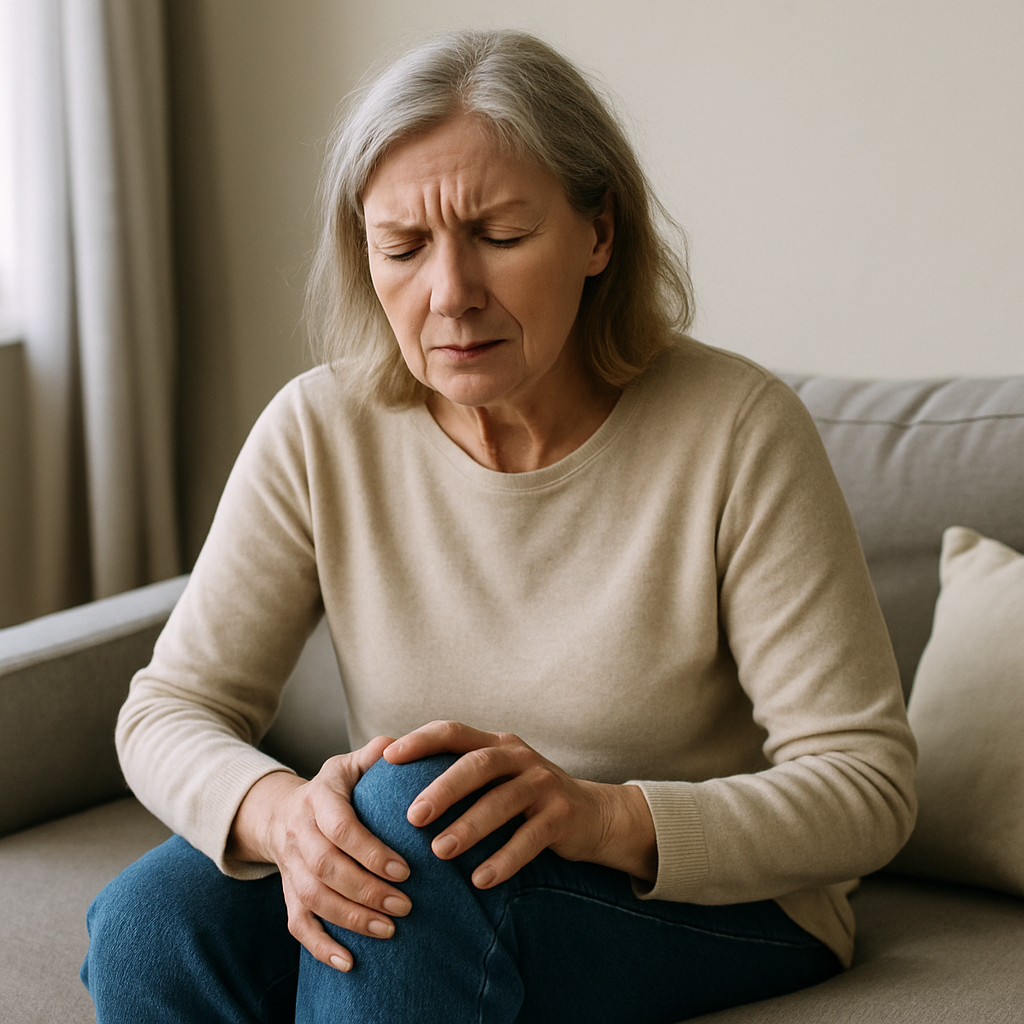
From a Western medical lens, osteoarthritis is a degenerative joint disease — cartilage wears away, bones rub against each other, and inflammation creeps in. It’s progressive, chronic, and often painful. It affects knees, hips, hands — pretty much anywhere you bend. But in Ayurveda? The story runs a little deeper. Here, osteoarthritis is seen through the lens of Vata dosha — the energy of movement, dryness, and aging.
Vata governs everything from our circulation to our nerve impulses. And as we age, or overdo it (think marathon training with zero warm-up), Vata increases. The joints — governed by Asthi Dhatu (the bone tissue) — become dry, brittle, and lose their natural lubrication. That creaking in your knees? That's not just old age. It’s Vata saying, “You’ve neglected me.”
Ayurveda doesn’t treat the symptoms in isolation. It looks at systemic imbalances — digestion, lifestyle, mental stress — and tries to re-balance the root energy causing the degeneration. It's fascinating, really.
Difference Between Osteoarthritis and Rheumatoid Arthritis in Ayurveda
Quick clarification, because people mix these up constantly: osteoarthritis and rheumatoid arthritis are not the same thing — not in Western medicine, and especially not in Ayurveda.
Osteoarthritis is about wear and tear. Cartilage fades, bones grind. It’s slow and mechanical. Rheumatoid arthritis, on the other hand, is an autoimmune condition. The body attacks its own joints — inflammation, redness, swelling, even deformity. In Ayurveda, RA is called Aamavata. It involves undigested toxins (ama) clogging the channels and inflaming joints. It's more fiery, more systemic.
That’s why the treatments differ, too. With osteoarthritis, the approach is about calming Vata, nourishing tissues, and bringing in warmth and unctuousness. With RA, it’s more about detoxifying and balancing the immune system. They're different beasts. Similar symptoms, but wildly different roots.
Osteoarthritis Symptoms and Causes
Common Symptoms of Osteoarthritis in Joints and Movement
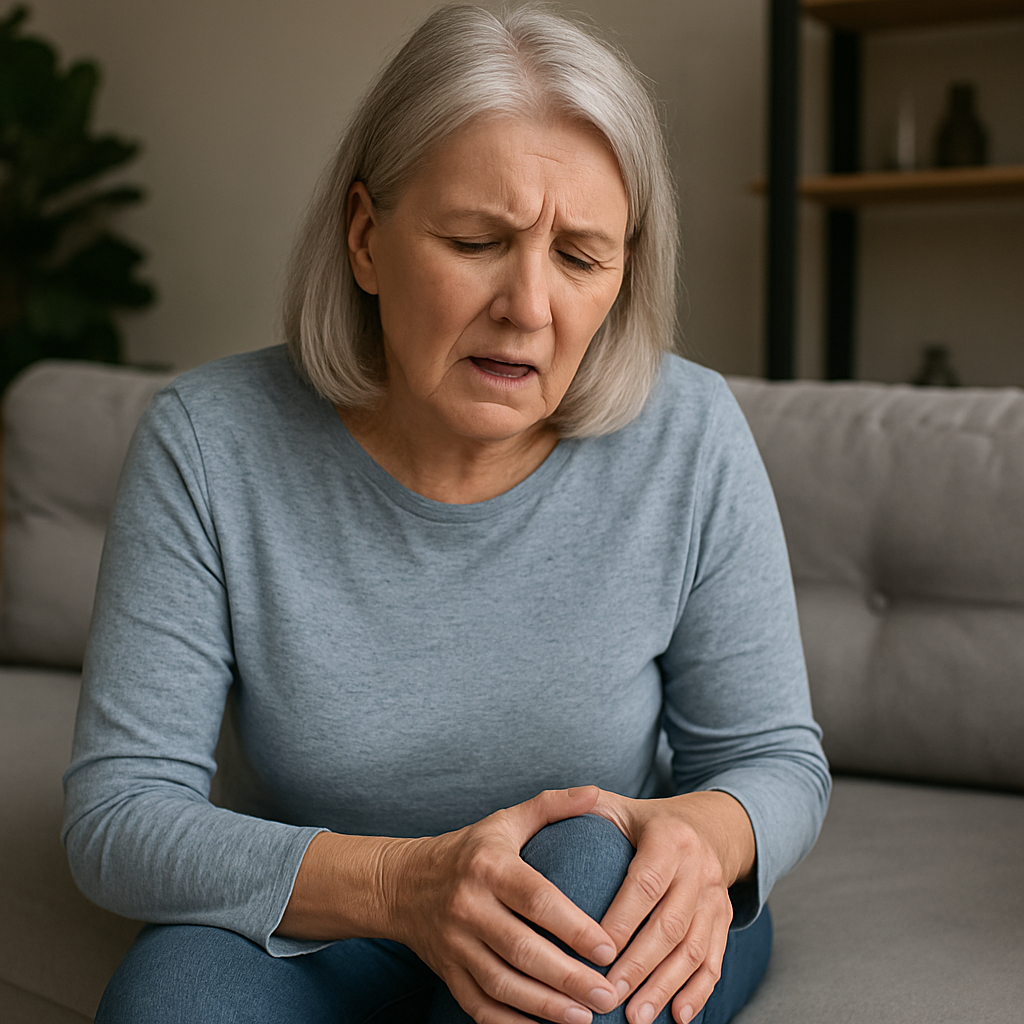
So what does osteoarthritis actually feel like in real life? It’s not always obvious at first. In fact, some people brush it off as “just stiffness” for years. But then it sticks around. Gets louder. Morning stiffness that takes a solid half-hour to shake off. A dull, persistent ache in the knees after climbing stairs. Or this weird, gritty crunching sound in your joints — especially the knees or fingers — like someone crushed dry leaves inside your body.
And it’s not just about pain. There’s a kind of fatigue in movement. You bend down to tie your shoe and it feels like your body’s arguing with you. Maybe there’s swelling, maybe not. But slowly, it chips away at ease and flexibility — you feel it when you dance less, walk slower, or stop kneeling to garden because “it’s just too much.”
These are the classic osteoarthritis symptoms:
-
Joint pain during or after movement
-
Tenderness when pressing on the joint
-
Stiffness, especially after periods of inactivity
-
Loss of flexibility
-
Grating or cracking sensation
-
Bone spurs forming around the joint
If you’re ticking off three or more, it might be time to take it seriously.
What Causes Osteoarthritis: Aging, Overuse, and Lifestyle Factors
Okay, let’s talk causes. We know age is a big one — cartilage naturally wears down over time. But here’s the thing: not everyone ages the same way. I’ve met 70-year-olds with flexible joints and 40-year-olds who can’t walk a block without pain. So what gives?
It’s a mix. Repetitive joint use (like if you’re a runner or do manual labor), obesity (more weight = more pressure on joints), previous joint injuries, and yes, genetics — they all play a part. But lifestyle matters a ton. Sedentary behavior stiffens the body. Bad posture adds wear and tear. Poor diet doesn’t nourish joints. Stress dries you out from the inside. It's not just about the cartilage. It’s about your entire system.
Vata Aggravation and Tissue Dryness Behind Joint Stiffness
Ayurveda would say this is a classic case of aggravated Vata. Vata is dry, cold, and mobile. When it gets out of balance, it dries out the synovial fluid that cushions your joints. That’s why people with osteoarthritis often feel better with warmth, massage, or oil therapies — because those soothe Vata.
Think of Vata like the wind: powerful when balanced, but chaotic when it blows too strong. It dries up the nourishment in the bones (Asthi Dhatu), leaving joints stiff, brittle, and noisy. So rather than just popping pain meds (which, honestly, only numb the issue), Ayurveda suggests grounding Vata through diet, lifestyle, and specific herbs.
And honestly, once you start looking at osteoarthritis not as a punishment, but as your body’s request for better balance — the whole thing becomes less scary. It’s more like a conversation. A complicated one, sure. But at least you’re talking now.
Ayurvedic Treatment and Remedies for Osteoarthritis
Osteoarthritis Cure in Ayurveda Through Diet, Oils, and Herbs
Let’s get this out of the way: Ayurveda doesn’t claim to “cure” osteoarthritis in the sense of snapping fingers and reversing joint damage overnight. But it does offer a path — one that’s slow, deeply personal, and rooted in restoring systemic balance.
So, can osteoarthritis be reversed in Ayurveda? In early stages, yes — symptoms can significantly ease, mobility can improve, and further degeneration might be prevented. In advanced stages, it’s more about managing pain, improving quality of life, and slowing the progression. The key? Diet, herbs, lifestyle, and oil therapies.
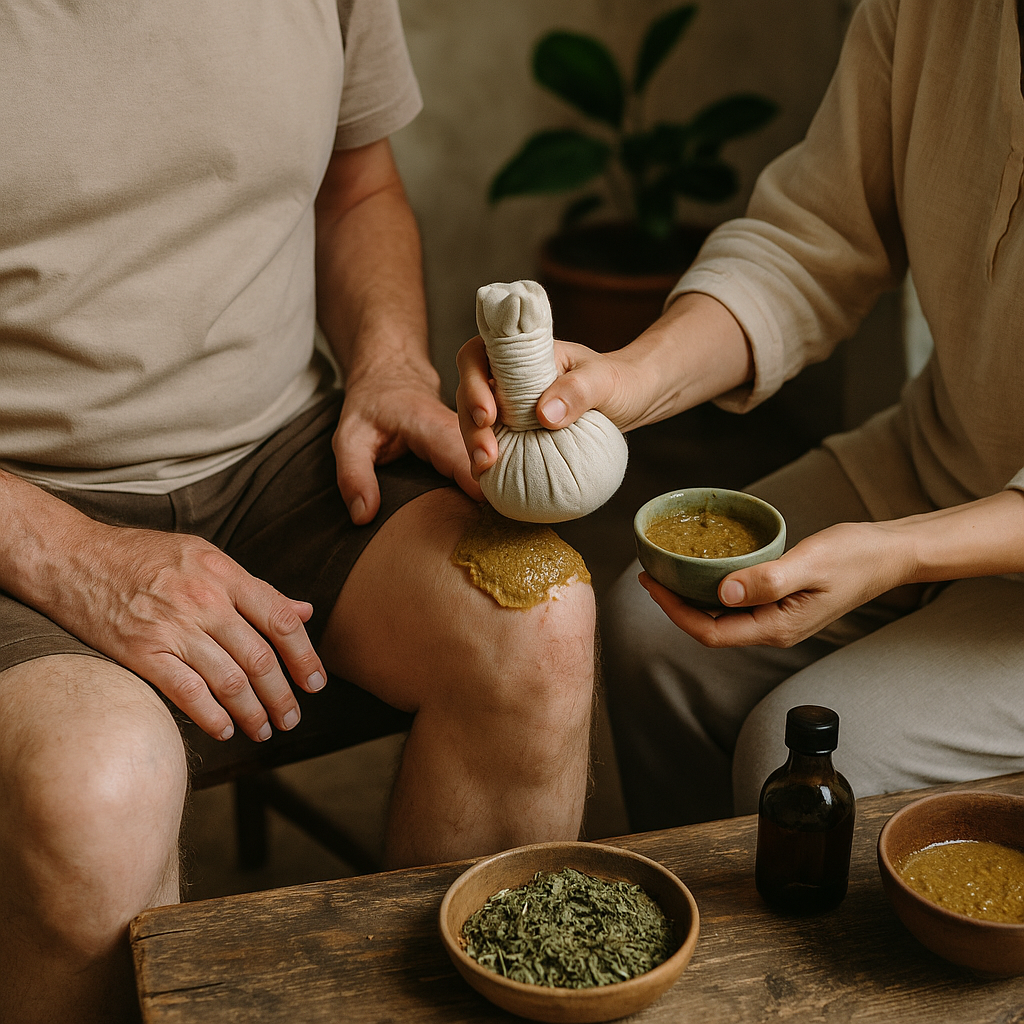
Warm, lubricating treatments are essential. Abhyanga (daily self-massage with medicated oils like Mahanarayana or Bala Taila) is often recommended. This calms Vata and nourishes the joints. Basti (medicated enemas) — which sounds weird at first, I know — is one of the most effective Panchakarma therapies for Vata disorders.
Then there’s diet. Ayurveda isn’t vague about it — no cold, dry, or processed food. Think warm, moist, cooked meals. Soups, stews, ghee, and grounding spices like ginger and turmeric. All geared toward calming that internal windstorm.
Ayurvedic Herbs for Osteoarthritis (e.g., Guggul, Shallaki, Ashwagandha)
There are specific Ayurvedic herbs for osteoarthritis that are genuinely powerful — and they’ve been used for centuries, long before supplements started marketing them as “joint support.”
-
Guggul (Commiphora mukul): Classic anti-inflammatory. Clears toxins, lubricates joints, and supports tissue regeneration.
-
Shallaki (Boswellia serrata): Often compared to NSAIDs in modern research. Reduces swelling and pain. Bonus: doesn’t harm your gut like ibuprofen might.
-
Ashwagandha (Withania somnifera): Not just an adaptogen for stress. It strengthens bones, calms Vata, and supports healing.
-
Guduchi, Haritaki, and Nirgundi: Also frequently used depending on the constitution and symptoms.
But — and here’s the thing — Ayurvedic treatment isn’t one-size-fits-all. These herbs work best when used in formulations tailored to your dosha type, stage of degeneration, and other health conditions. That’s why working with a qualified Ayurvedic practitioner matters.
Foods for Osteoarthritis in Ayurveda and Anti-Vata Guidelines
If you want to start somewhere right now — look at your plate. Ayurveda says food is medicine, and for osteoarthritis, anti-Vata eating is non-negotiable.
-
Favor warm, soft, oily foods: Kitchari, root veggies, mung dal soup.
-
Include natural oils and fats: Ghee, sesame oil, olive oil.
-
Spices are your allies: Turmeric, cumin, ginger, ajwain — they support digestion and reduce inflammation.
-
Avoid Vata-aggravating foods: Dry snacks, cold salads, frozen meals, too much caffeine.
One more tip? Don’t skip meals. Vata loves irregularity, and skipping meals fuels its imbalance. Eat warm, consistent meals at regular times. Your joints will thank you.
Conclusion
Osteoarthritis isn’t just about cartilage thinning or joints squeaking — it’s about how our bodies age, adapt, and sometimes rebel. Whether you’re newly diagnosed or have been dealing with stiffness and pain for years, there is hope beyond pills and passive suffering.
Ayurveda doesn’t promise miracles — it asks for participation. It sees your body as something sacred, alive, and dynamic. And that shift in perspective alone can be healing.
Start with food. Bring in herbs. Slow down. Oil your joints like you oil a squeaky door. Talk to a practitioner. Read your body’s signals before they scream.
The path is long, yes — but also beautiful.