Ask Ayurvedic doctor a question and get a consultation online on the problem of your concern in a free or paid mode. More than 2,000 experienced doctors work and wait for your questions on our site and help users to solve their health problems every day.
FREE! Ask Ayurvedic Doctors 24/7

 Fast responses
 1000+ verified doctors
Body DetoxEar, Nose, and Throat DisordersGeriatrics & RejuvenationImmunodeficiencyInfertility TreatmentNutritionOrthopedic DisordersPediatricsRespiratory DisordersSexually Transmitted Diseases (STDs)Surgery RecoveryUrological DisordersVascular DisordersDental DisordersEndocrinological DisordersGastrointestinal DisordersYoga TherapyGeneral MedicineAllergic DisordersCardio DisordersGynecology and ObstetricsCosmetologySkin and Hair DisordersEye DisordersInfectious DiseasesMental DisordersNeurological DisordersOncologyPanchakarmaSexual Health & DisordersSports Medicine
Published on 05/30/25
(Updated on 07/12/26)
2,208
What Are the First Signs of Kidney Stones: Early Symptoms and Ayurvedic Understanding

Let’s just say it — the first signs of kidney stones are sneaky. They don’t knock on your door and announce, “Hey, by the way, a jagged mineral blob is forming in your body!” Instead, they whisper. A little back twinge here. A weird bathroom sensation there. And before you know it, you’re doubled over, wondering why you didn’t catch it sooner.
So, here we are. Talking about it. Not because it's fun — kidney stones aren’t exactly cocktail party material — but because catching those early signs can save you from the ouch part later. We're going to look at the early symptoms of kidney stones, what the beginning stages feel like, and (because Western medicine doesn’t have all the answers) how Ayurveda, that ancient and beautifully weird Indian science, makes sense of it all.
Ready to decode the clues your body might be giving you? Let’s dive in.
What Are Kidney Stones and How Ayurveda Sees Them
You’ve probably heard the basic definition before: kidney stones are hard deposits — mostly of calcium, uric acid, or oxalate — that form in the kidneys and can move into the urinary tract. Science says it's a mix of dehydration, diet, genetics, and just bad luck.
But Ayurveda? Oh, Ayurveda gets poetic. It calls kidney stones Mutrashmari — literally meaning "stones in the urine." And it doesn't stop at naming. It goes deep into why your body starts cooking up these little rocks in the first place.
Kidney Stones as Mutrashmari: Dosha-Based Stone Formation
In Ayurvedic terms, it all starts with imbalanced doshas — Vata, Pitta, and Kapha. When Kapha becomes sluggish and sticky, it encourages binding. Pitta, the fiery one, overheats and crystallizes. Vata gets erratic and blocks flow. Throw in some poor digestion, and now Ama (toxins) are clogging up your internal pipes.
Together, these forces create a sort of metaphysical cement mixer in your kidneys. Slowly, methodically, stones begin to take shape.
Role of Pitta, Kapha, and Ama in Early Stone Development
Most people think the pain starts suddenly — and yes, when a stone starts to move, it really starts to hurt. But in the beginning stages of kidney stones, things are quieter. Kapha might cause a feeling of heaviness or dull ache in the lower back. Pitta can create inflammation — maybe a burning sensation during urination. And Ama? It just makes everything feel...off. You’re bloated, sluggish, thirsty all the time but still not peeing much.
You might even feel like something's up — but it’s easy to brush off. That’s why understanding the first signs of kidney stones is so important. It’s about learning to listen earlier.
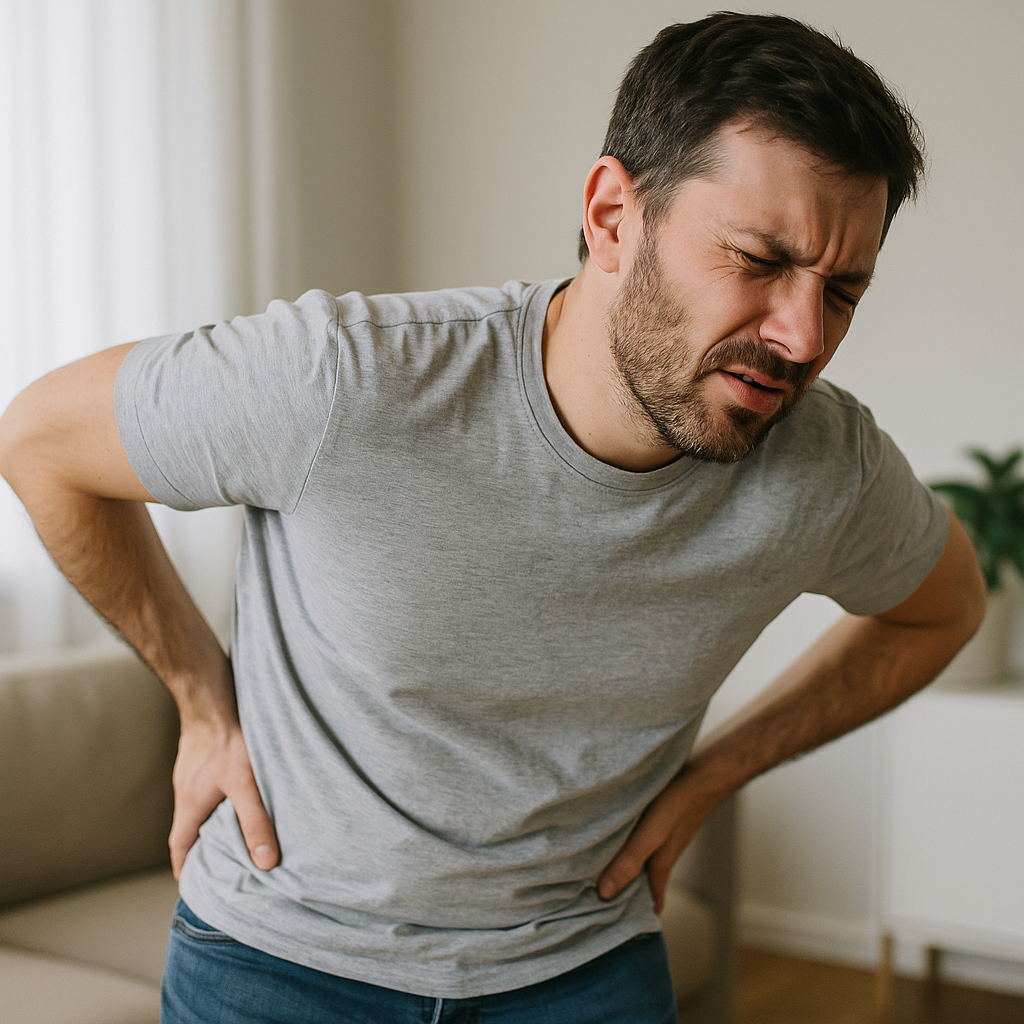
Early Signs of Kidney Stones and First Symptoms
Let’s get into the real-world stuff. The stuff that happens when you're sitting at your desk, minding your own business, and suddenly you feel...something. Maybe you wouldn’t call it pain just yet. Maybe it’s more like discomfort. A twinge. An “off” feeling. That’s the early stage.
And you’d be surprised — a lot of people actually do experience early kidney stone symptoms. They just don’t realize it’s a warning until later. So let’s break those subtle signs down.
First Sign of Kidney Stones: Flank Discomfort or Ache
This is the one most people mention after the fact.
“I thought I slept wrong.”
“It was probably just sore muscles.”
Nope. That dull ache in your lower back or side (what doctors call the ‘flank’) — that could be the first sign of kidney stones. It’s not screaming pain yet. It doesn’t send you to the ER. But it nags. You might stretch, massage it, change chairs — but it’s still there. Maybe not constant. Maybe it comes and goes. But it’s often the first real clue something’s brewing.
Changes in Urine: Color, Frequency, or Sensation
Another sneaky one.
In the early stages of kidney stones, your urine might start acting...weird. Sometimes it looks darker than usual — like tea. Other times, there’s a pinkish tint (a tiny bit of blood, often not even noticeable unless you’re looking closely).
You might also feel like you have to go all the time — but when you try, not much happens. Or the opposite: you're peeing a river but still feel like you’re not fully empty. There might be a burning sensation too — which people sometimes mistake for a UTI.
Honestly, these early kidney stone symptoms get misdiagnosed all the time. That’s why paying attention to even small changes can make a huge difference.
Early Kidney Stone Symptoms Before Severe Pain Begins
The key here is the before. Everyone talks about kidney stone pain like it’s the stuff of legends — which, to be fair, it kind of is. People have compared it to childbirth, broken bones, being stabbed. But what about the stuff that comes before all that drama?
-
Restlessness. A sense of unease.
-
A little bloating or nausea.
-
Mild fever (especially if there’s an infection creeping in).
-
Weird thirst — like you can’t drink enough water, but your mouth still feels dry.
In other words: your body is trying to say something. You just have to be willing to listen.
Beginning Stages of Kidney Stones in Ayurveda
Ayurveda looks at the beginning stages of kidney stones a bit differently. Instead of waiting for physical pain, it tracks the energy. It says that when Apana Vata — the downward-moving energy in the lower abdomen — gets disturbed, elimination becomes irregular. Urine gets stuck. Ama builds up. And stones form quietly, like mold in a damp room.
Some Ayurvedic texts even describe emotional indicators — irritation, sudden frustration, anxious moods — as signs of internal heat or blocked flow. Sound a little woo-woo? Maybe. But if you’ve ever felt “off” for no obvious reason, only to find out later your body was fighting something... well, it kind of checks out.
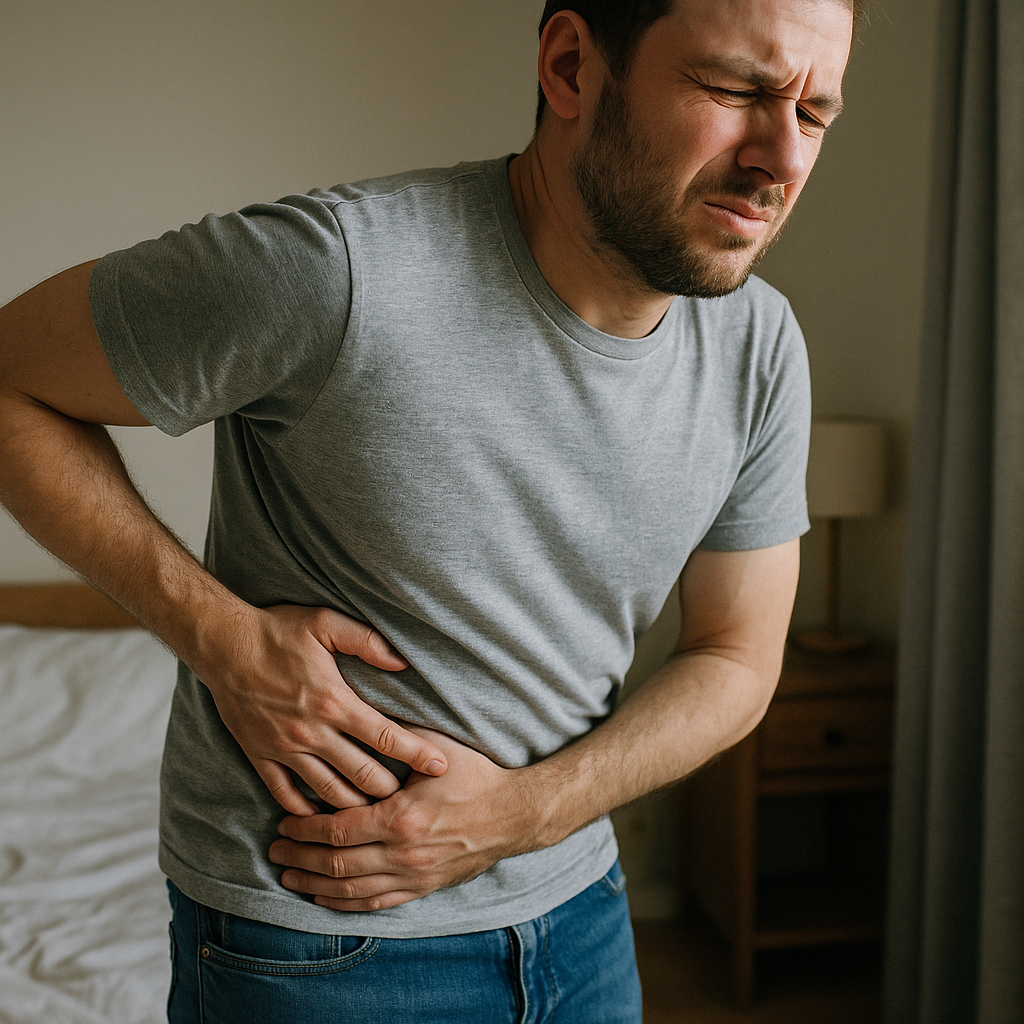
Ayurvedic Indicators and Hidden Symptoms of Stone Formation
Not all kidney stone symptoms show up in obvious ways. Some of the earliest signals, especially from an Ayurvedic perspective, live beneath the surface. They’re not about pain — not yet. They’re about pattern disruption. Systems going slightly out of sync.
Digestive and Metabolic Clues in Kidney Stone Onset
Here’s something most people don’t connect to kidney stones: your digestion.
In Ayurveda, digestion isn’t just about food — it’s about agni, the inner fire. When agni weakens, toxins (Ama) build up and start lodging in weak areas. The urinary tract? Prime real estate.
So in the very beginning, you might notice:
-
Heaviness after meals
-
Constipation or incomplete elimination
-
Gas that just lingers
-
Coated tongue in the morning (a major Ama indicator)
-
A weird taste in the mouth — metallic, bitter, or just “off”
These may not scream “kidney stone,” but together, they whisper it. Ayurveda tells us: treat the whisper before it becomes a scream.
Energetic Symptoms Linked to Apana Vata Disturbance
Now this part’s more subtle — and honestly, it can sound a bit esoteric. But stick with me.
Apana Vata governs all things elimination — urine, stool, menstruation, even childbirth. When it’s disturbed, things don’t move right. That stagnation creates an internal pressure cooker.
Some early energetic signs?
-
Feeling “stuck” mentally or emotionally
-
Lower belly heaviness or tension
-
Irregular bowel movements (even if they seem normal at a glance)
-
Lack of downward flow — think incomplete urination, or like you’re holding on without meaning to
It's like your body is trying to let go of something, but can't. That inner jam-up? That’s where kidney stones can start forming.
Urinary Channel Imbalance Before Pain Manifests
According to Ayurveda, the urinary system (Mutravaha srotas) has its own flow dynamics. Before pain begins, subtle imbalances occur:
-
Delay in urine flow starting
-
Stopping and starting midstream
-
Feeling of incomplete emptying
-
Unusual smell — often sharp or acidic
These aren’t full-blown symptoms, but they’re precursors. The early signs of a kidney stone don’t always shout — they simmer.
Conclusion
So yeah — kidney stones don’t always come charging in like a storm. Often, they start with a whisper. A slight change in your urine. A tug in your side. A shift in digestion you barely notice. The first symptoms of kidney stones are sneaky — and that’s kind of the problem. But now, you know what to watch for.
And maybe that’s the whole point: to pay more attention. Not just when pain forces us to, but before it gets there. Whether through modern signs or ancient Ayurvedic insights, your body’s always dropping hints. Start listening.
Don't wait or self medicate. Start chat with Doctor NOW
FAQs
What does a kidney stone feel like in the beginning?
Usually, it starts as a dull ache in the back or side — often confused with muscle pain. There may also be early urinary changes or mild discomfort during urination.
How do I check myself for kidney stones?
You can’t diagnose kidney stones at home with certainty, but paying attention to urine changes (color, frequency, sensation) and early back or abdominal discomfort can give you clues. A doctor may recommend an ultrasound or CT scan for confirmation.
What can be mistaken for kidney stones?
Kidney infections, UTIs, muscle strain, appendicitis, and even ovarian cysts can mimic early kidney stone symptoms. That’s why medical diagnosis matters — the symptoms overlap a lot.
Questions from users
How long does it typically take for kidney stones to develop?
Rory
14 hours ago
Kidney stones can vary greatly in the time they take to develop, often influenced by factors such as hydration levels, dietary habits, genetic predisposition, and, occasionally, just chance. It's difficult to pinpoint an exact timeline since stones can form over weeks, months, or even years. Early signs might be subtle, with mild discomfort or changes in urination, long before any severe symptoms occur. If you suspect symptoms or have a history of kidney stones, it's advisable to consult a healthcare provider for monitoring and potential dietary recommendations to prevent further problems.
What is the link between digestion and kidney stone formation according to Ayurveda?
Sydney
10 days ago
In Ayurveda, weak digestion (poor agni) can lead to ama, a kind of toxic buildup. When Vata's out of whack, it can block flow and allow these toxins to form stones. So your gut's fire plays a big role in preventing or causing kidney stones by affecting how well your body processes stuff. Keeping your agni strong helps avoid these blockages.
Is it safe to ignore minor signs of kidney stones if they're not causing severe pain?
Brooklyn
19 days ago
It's tricky to say it'd be safe to ignore those minor signs. In Ayurveda, early signs of kidney stones can reflect imbalances, like ama building up or aggravated doshas. Even if it's not causing severe pain, it could suggest that your body's trying to tell you something. Best to address these whispers early with lifestyle or dietary changes.
Can I use hydration strategies to help prevent kidney stones from forming?
Levi
28 days ago
Absolutely, staying hydrated is super important for preventing kidney stones! In Ayurveda, keeping your urine flowing smoothly helps avoid the crystallization process. Try sipping warm water throughout the day, maybe with a bit of lemon to balance your doshas. Listen to your body – notice the color of your urine. Light yellow is good, dark means more water might be needed. Remember too much of water isn’t great either!
What foods should I avoid if I want to prevent kidney stones from forming?
Evelyn
38 days ago
To help prevent kidney stones, it's good to avoid foods high in oxalates like spinach, nuts, and rhubarb. Limit salt and animal protein, as they can also increase stone risk. Staying hydrated is key too! Ayurveda suggests balancing Apana Vata energy and watching your agni. If your pitta's high, be mindful of spicy foods which can heat things up.
What tests do doctors use to confirm if it's kidney stones?
Oakley
47 days ago
Doctors usually go for an ultrasound or a CT scan to confirm kidney stones. These tests help them see the stones directly. And yeah, sometimes, X-rays or even tests of your urine could be involved too. If you've been feeling some weird pains, definitely chat with your doc about your options!
Can I use Ayurvedic herbs to help dissolve early kidney stones?
Claire
57 days ago
You defintely can! Ayurvedic herbs like punarnava, gokshura, and varun are popular for their potential to prevent and manage kidney stones by supporting kidney function and reducing ama (toxins). But, always consult with a healthcare professional for personal advice. Balancing doshas through diet and lifestyle is equally important too.
How can listening to my body help in the early detection of kidney stones?
Avery
66 days ago
Listening to your body helps you catch early signs of kidney stones like subtle discomfort or a weird tug on one side, even before any severe pain. Ayurveda suggests watching for ama (toxins) buildup, so being in tune with your body means noticing small changes. Pay attention to urine flow, any weird sensations, stuff like that—it could be a gentle nudge towards prevention!
What causes the dull ache in the back that can signal kidney stones?
Sierra
76 days ago
The dull ache in your back that's a sign of kidney stones usually comes from the stone moving in the kidney or down the urinary tract, causing discomfort or even blockage. It feels kinda like sore muscles but sneakier. Pay attention to your body, explore your diet and lifestyle—each can give you clues based on your body's unique tendencies!
What is the role of Apana Vata in overall digestion and elimination health?
Willow
85 days ago
Apana Vata plays a key role in digestion and elimination. It manages downward movement essential for removing waste like urine and stool, and even during menstruation and childbirth. If it's off balance, you might feel bloated, constipated, or have irregular periods. Keep your Agni strong & stay hydrated to help it function well!
Related articles

Endocrinological Disorders
What Causes a UTI?
What causes a UTI? Learn the top 10 causes of urinary tract infection, why women are more affected, and Ayurvedic remedies for UTI relief and prevention
2,673
Endocrinological Disorders
Ayurvedic Medicine for Hyperthyroidism: A Real Look at Natural Healing
Hyperthyroidism. Honestly, it’s one of those medical conditions that sounds more complicated than it feels—until you're the one dealing with it. Your body is buzzing, you're sweating when it's chilly, your heart races over nothing, and that weight you kee
3,147

Endocrinological Disorders
Hyperthyroidism Ayurveda: What You’ve Probably Overlooked About Your Overactive Thyroid
Hyperthyroidism — simply put — is when your thyroid gland (a tiny butterfly-shaped thing in your neck) starts producing way more hormones than your body actually needs. It’s like your internal thermostat is stuck on “overheat.” But while conventional medi
2,108

Endocrinological Disorders
Hyperthyroidism Ayurvedic Medicine: Ancient Wisdom for a Modern Hormonal Storm
Hyperthyroidism is one of those things you don’t really think about until your body starts acting like it drank three espressos too many. Racing heartbeat, unexplained weight loss, shaky hands, that weird, restless energy that feels like anxiety but doesn
2,776

Endocrinological Disorders
How to Detox Liver Naturally at Home Using Foods, Drinks, and Ayurveda
Learn how to detox liver naturally at home with Ayurvedic drinks, juices, foods. Discover signs of detox working and the best natural remedies to support liver
4,345

Endocrinological Disorders
Which Juice Is Good for Liver: Detox, Healing, and Ayurvedic View
Which juice is good for liver health? Learn the best juices for liver detox, problems, and overall wellness. Discover fruit juices and Ayurvedic tips
7,123

Endocrinological Disorders
Liv 52 Syrup or Tablet: Which Is Better for Liver Support?
Liv 52 syrup or tablet — which is better? Explore the uses, benefits, side effects, and differences between Liv 52 syrup vs tablet for liver care in Ayurveda
24,687

Endocrinological Disorders
Hormonal Imbalance Treatment in Ayurveda
Hormonal imbalances can cast a far-reaching shadow over one’s overall well-being, affecting mood, energy levels, metabolism, and even reproductive health.
3,250

Endocrinological Disorders
Vasant Kusumakar Ras – Benefits, Dosage, Ingredients, Side Effects
Exploration of Vasant Kusumakar Ras – Benefits, Dosage, Ingredients, Side Effects
4,076
Endocrinological Disorders
How to Get Rid of a UTI in 24 Hours: Ayurvedic Tips for Fast Relief
Learn how to get rid of a UTI in 24 hours using Ayurvedic herbs, hydration tips, and safe natural remedies. Stop discomfort quickly and effectively. Discover which herbs support urinary health
2,875
Related consultations on the topic
Legal
Additional Documents
© 2024 Ask Ayurveda. All rights reserved.