Ask Ayurvedic doctor a question and get a consultation online on the problem of your concern in a free or paid mode. More than 2,000 experienced doctors work and wait for your questions on our site and help users to solve their health problems every day.
FREE! Ask Ayurvedic Doctors 24/7

 Fast responses
 1000+ verified doctors
Body DetoxEar, Nose, and Throat DisordersGeriatrics & RejuvenationImmunodeficiencyInfertility TreatmentNutritionOrthopedic DisordersPediatricsRespiratory DisordersSexually Transmitted Diseases (STDs)Surgery RecoveryUrological DisordersVascular DisordersDental DisordersEndocrinological DisordersGastrointestinal DisordersYoga TherapyGeneral MedicineAllergic DisordersCardio DisordersGynecology and ObstetricsCosmetologySkin and Hair DisordersEye DisordersInfectious DiseasesMental DisordersNeurological DisordersOncologyPanchakarmaSexual Health & DisordersSports Medicine
Published on 07/04/25
(Updated on 07/07/26)
star_border 5
9,870
What Is Basti in Ayurveda: Panchakarma Therapy and Its Benefits

When you first hear the term basti in Ayurveda, it might sound like something mysterious or even intimidating. But here’s the thing—it’s actually one of the most profound and healing therapies in traditional Ayurvedic medicine. Used for thousands of years, basti panchakarma has been called the “king of therapies,” and for good reason. This gentle yet powerful practice involves herbal enemas that cleanse the colon, balance the doshas (especially vata), and promote long-lasting wellness. But what is basti in Ayurveda exactly? How does it work, and why do so many people swear by it?
In this article, we'll take a deep dive into basti in Ayurveda—from what it is, to the different types of basti in Ayurveda, including kati basti and even yoga basti. We'll also cover how the treatment works, what to expect, its benefits, and yes, even the side effects. If you're curious about this ancient detox method or just exploring natural ways to heal your gut, you’re in the right place.
What Is Basti in Ayurveda and Its Role in Healing
Basti, in the context of Ayurveda, refers to a therapeutic procedure where medicated oils or herbal decoctions are administered into the rectum. Sounds a little weird? Maybe. But this method is deeply rooted in Ayurvedic philosophy and has been practiced for centuries as a part of panchakarma—Ayurveda's fivefold detox method.
Basti is primarily used to balance vata dosha, which governs movement in the body, including nerve impulses, digestion, and even our thoughts. When vata goes out of balance, symptoms like constipation, anxiety, insomnia, and joint issues can show up. That’s where basti therapy steps in.
By directly targeting the colon, basti ayurvedic treatment helps remove accumulated toxins (ama), strengthens digestion, lubricates dry tissues, and nourishes the body from the inside out. It’s not just a physical cleanse—people often report feeling lighter emotionally and mentally, too.
Basti in Panchakarma: Why It’s Called the “King of Therapies”
Among all the panchakarma therapies, basti holds a special place. Often referred to as the "king of treatments", it is considered the most effective way to eliminate vata-related disorders. While other therapies like vamana (emesis) or nasya (nasal cleanse) target specific organs, basti in panchakarma works more holistically.
Why? Because the colon is seen as the primary seat of vata. So when you treat the colon, you’re essentially resetting the entire system. Think of it as pressing the reboot button on your body’s operating system.
And it’s not just about detox. Basti ayurveda doesn’t strip the body—it restores it. It’s nurturing, nourishing, and grounding. People who have experienced it often say it's surprisingly soothing.
Types of Basti in Ayurveda
There isn't just one type of basti—there are several, each with its unique ingredients and benefits. Let’s break them down quickly.
Niruha Basti (Decoction-Based)
This type uses a combination of herbal decoctions, oils, honey, and rock salt. It’s typically water-based and more cleansing than nourishing. Niruha basti is particularly useful for eliminating toxins and managing vata-predominant conditions like dry skin, arthritis, or bloating.
Anuvasana Basti (Oil-Based)
Unlike niruha, anuvasana basti uses warm medicated oils and is more lubricating. It’s administered after meals and is especially helpful for people who are weak, dry, or dealing with nervous system issues. It doesn’t purge the system; instead, it supports and strengthens.
Other Specialized Forms (Kati Basti, Yoga Basti)
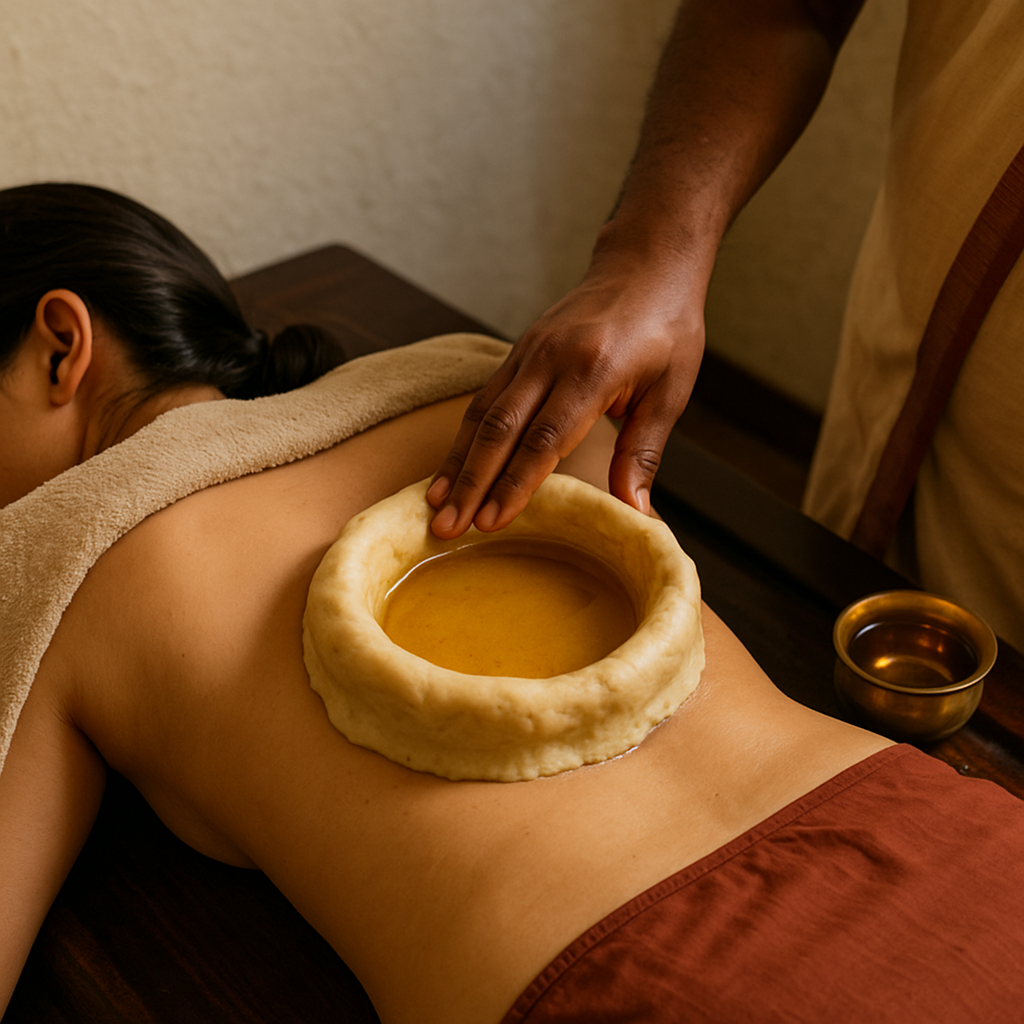
You’ve probably heard of kati basti treatment—where warm medicated oil is pooled over the lower back. It’s a localized therapy rather than an enema, but it still falls under the basti umbrella in some traditions.
Then there’s yoga basti, a more advanced form involving a specific sequence of oil and decoction bastis over eight days. Basti yoga is not about stretching on a mat—it’s a protocol aimed at deep, layered healing.
Kati Basti Treatment and Its Benefits
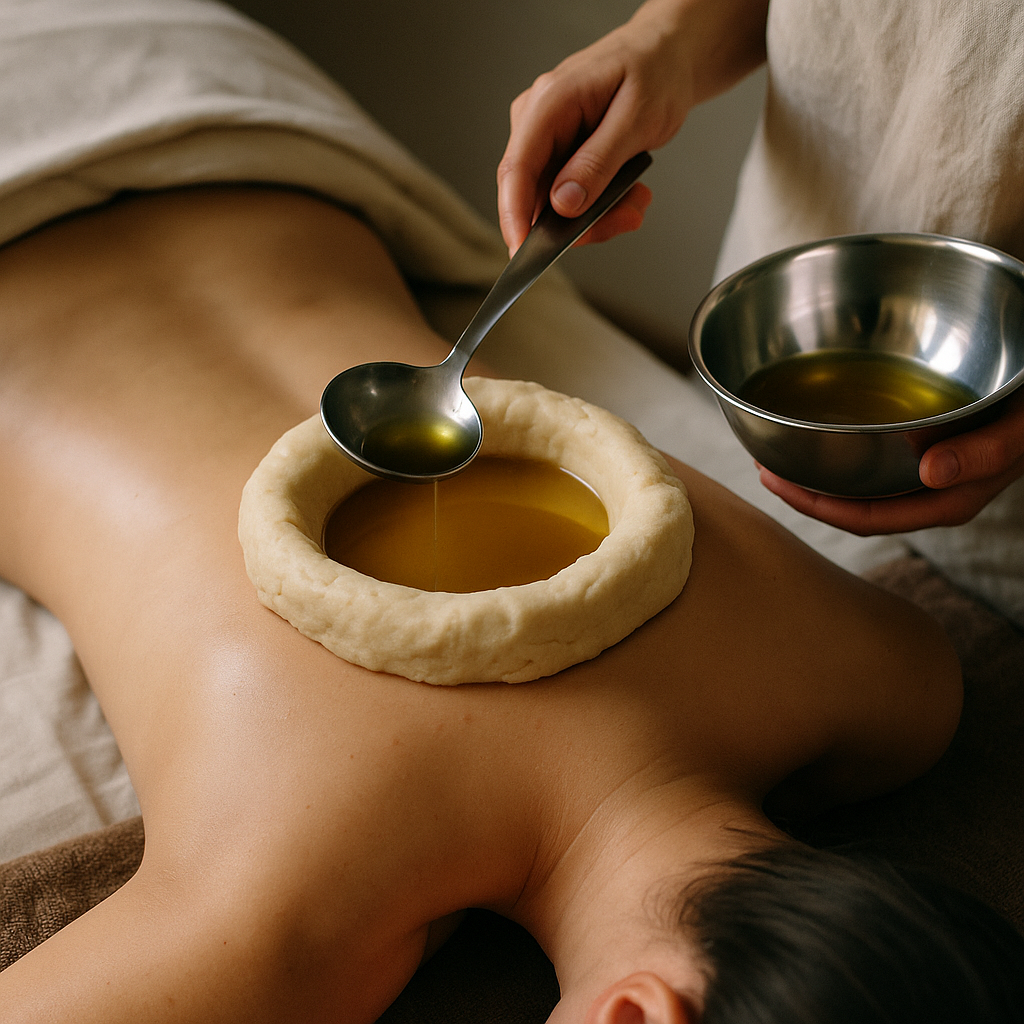
While the classical basti ayurvedic treatment is internal, kati basti stands out as a localized therapy with huge popularity—especially for people dealing with back pain or stiffness. You might’ve even come across images online where warm oil is held in place on the lower back with a dough ring. That’s kati basti!
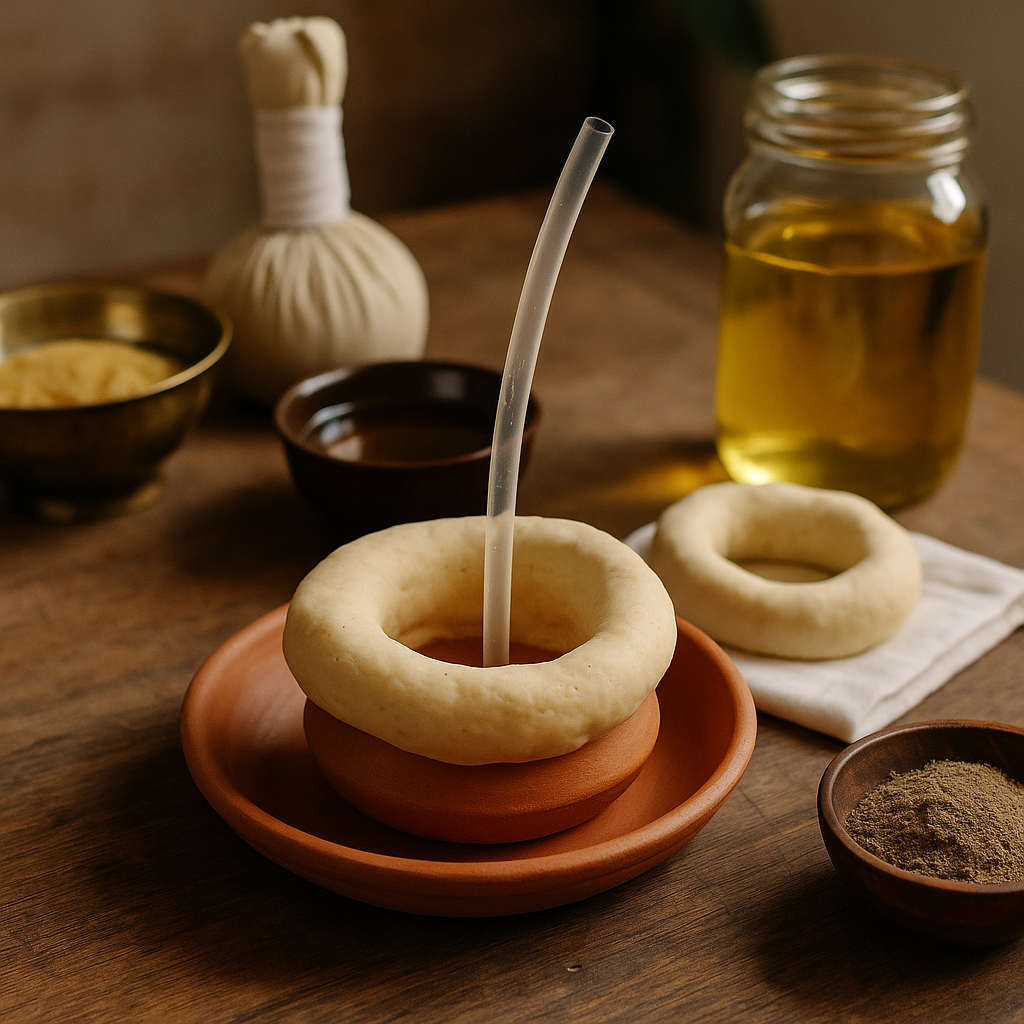
This soothing treatment involves placing a dam-like structure made of black gram flour dough on the lower back (or kati region) and pouring warm, medicated oil inside it. The oil is left to sit for 20 to 40 minutes, seeping slowly into the muscles, nerves, and tissues. It’s kind of like a spa treatment meets physical therapy—but rooted in ancient Ayurvedic wisdom.
Conditions Treated with Kati Basti
-
Kati basti treatment* is especially beneficial for:
-
Chronic lower back pain
-
Sciatica
-
Lumbar spondylosis
-
Slipped discs
-
Muscle spasms
-
Stiffness or inflammation in the lower spine
It’s also used for athletes or people with sedentary desk jobs who feel that constant “tight back” tension. In some cases, kati basti benefits even extend to menstrual cramps or uterine issues, thanks to its balancing effect on vata and the pelvic area.
Kati Basti Procedure and Duration
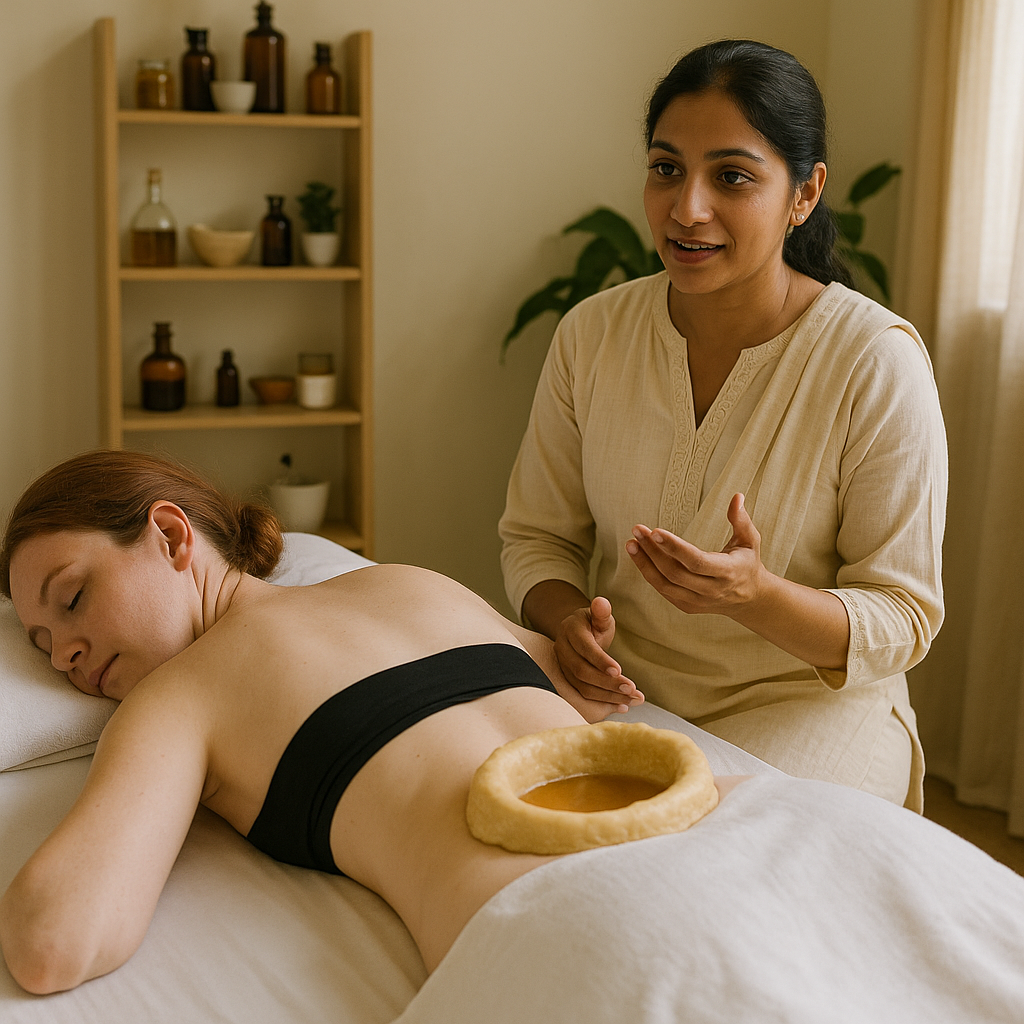
One session of kati basti typically takes around 45 minutes. First, the therapist prepares the dough ring and places it precisely on the affected area. Then, warm oil (like mahanarayan taila or dhanwantharam oil) is poured in and kept warm throughout.
The duration and number of sessions depend on your condition. For mild stiffness, 3-5 sessions might do the trick. For chronic pain? You might need a longer protocol, maybe 7-10 days. And honestly, the relief can be pretty dramatic—many people feel better after just one or two treatments.
Basti Ayurvedic Treatment Procedure and What to Expect
Okay, so what happens when you go for a traditional basti therapy session? It’s actually quite gentle—nothing scary or painful.
Before the basti, the therapist may recommend preparatory steps like snehana (oil massage) and swedana (herbal steam). These open up the body’s channels and soften toxins, making it easier for basti to flush them out.
The actual basti involves lying on your side while the warm oil or decoction is gently introduced through the rectum using a basti syringe or enema pot. You'll need to retain the oil for a period—anywhere from 15 minutes to overnight, depending on the type of basti.
Yes, it might feel weird the first time. But surprisingly, many people find it relaxing. Like... weirdly relaxing. You may feel grounded, calmer, and even notice improved digestion or sleep that night.
Post-treatment, a light diet is usually advised—think khichdi, soups, warm teas. Heavy or cold foods? Big no-no.
Don't wait or self medicate. Start chat with Doctor NOW
Basti Therapy Benefits: Detox, Vata Balance, and Gut Health
The real magic of basti lies in its multifaceted benefits. This isn’t just a glorified enema—it’s a full-body, mind-soothing detox.
Here’s what basti ayurveda can do:
-
Removes deep-seated toxins (ama) from the colon
-
Balances vata dosha (which is linked to over 50% of all diseases, by the way!)
-
Strengthens digestion and metabolism
-
Nourishes the nervous system
-
Reduces anxiety, restlessness, and insomnia
-
Improves skin health, energy levels, and immunity
And let’s not forget gut health. Your colon is your second brain—some say even your first. Basti therapy clears it out, tones the muscles, and supports healthy elimination. No more feeling bloated, sluggish or—let’s be real—backed up.
Ayurvedic Basti Side Effects and Contraindications
Even though basti is natural and generally safe, it’s not a one-size-fits-all thing. Some people might experience:
-
Cramping or discomfort if the basti is retained too long
-
Loose motions if the decoction is too strong
-
Temporary fatigue or emotional release (yes, crying during basti is a thing)
It’s not recommended for:
-
Pregnant women
-
People with severe diarrhea or rectal bleeding
-
Those with certain chronic conditions unless under expert supervision
Always do this under a qualified Ayurvedic practitioner. DIY basti kits? They exist, but it’s best to be cautious. Some things, like enemas with herbal oils, shouldn’t be a weekend experiment.
Conclusion
So, what is basti in Ayurveda? It’s not just some ancient detox trick—it’s a deeply therapeutic, time-tested way to heal from the inside out. Whether you're exploring basti in panchakarma for full-body cleansing, considering kati basti for back pain, or curious about the modern twist of basti yoga, this therapy offers real, tangible benefits.
From balancing vata dosha to rejuvenating the gut and calming the mind, basti therapy reaches into layers of health that most treatments barely touch. And unlike many one-size-fits-all wellness trends, basti ayurvedic treatment is tailored—customized to you, your constitution (prakriti), your imbalances, and your goals.
Yes, it sounds a little unusual at first—oil enemas and dough rings on your back? But the results speak for themselves. Relief from chronic constipation, back issues, skin problems, insomnia... even emotional stuckness. And with minimal (usually very mild) ayurvedic basti side effects, it’s definitely worth exploring under a trained practitioner.
Oh—and it’s not just for the sick or unwell. Basti is for anyone who wants to feel more grounded, lighter, clearer, more alive.
FAQs
How to perform Basti at home?
First off: do not attempt basti panchakarma or intense detox versions at home unless you’ve been guided by an experienced Ayurvedic doctor. That said, there are gentler ways to bring basti ayurveda into your home practice.
One simple method is a mild anuvasana basti (oil-based) using warm sesame oil and a sterile enema kit. Here's a basic overview:
-
Warm 50–100 ml of organic sesame oil to body temperature.
-
Lie on your left side with knees slightly bent.
-
Gently insert the enema nozzle and slowly administer the oil.
-
Try to retain it for at least 15–30 minutes (longer is fine).
-
Evacuate naturally and rest.
Avoid cold foods, stress, or intense activity that day. And again—consult a pro before making this a routine.
What happens after Basti?
After basti therapy, you might feel super chill, clear-headed, or just plain sleepy. That’s normal. Some people experience emotional release—crying, giggling, dreaming vividly. Others feel like they shed a hundred pounds (even if they didn't).
Expect mild urges to pass gas or have bowel movements. Drink warm fluids, eat light meals (khichdi is gold), and avoid heavy lifting or late-night parties. Your body is in “reset mode”—respect that.
Oh and, pro tip: have a good book or cozy blanket ready after your session. You're gonna want to snuggle.
How many Basti sessions are needed for results?
It really depends. For chronic issues like arthritis, constipation, or skin problems, your practitioner might suggest a full yoga basti program—usually 8 treatments over 8 days with a mix of oil and decoction bastis.
For preventative care or seasonal detox? Just 1 to 3 sessions can go a long way.
Kati basti treatment, being external, is often done over 5–7 days in a row to allow the oil to penetrate deeper and release tension or inflammation.
Always go with what your body tells you, and follow the guidance of someone who actually knows what they’re doing.
Final Thoughts
Basti is one of those things that sounds odd at first… but once you try it, you’ll wonder why you didn’t sooner. It's not just an Ayurvedic therapy—it’s the therapy for cleansing, grounding, and getting back in sync with yourself.
If you’re tired of temporary fixes and want a more holistic, deeply rooted healing path, basti ayurvedic treatment might just be your answer.
Curious to experience it firsthand? Talk to a licensed Ayurvedic practitioner near you, or look up wellness retreats that offer authentic basti in panchakarma programs. Share this article with a friend who’s open to trying something different—and powerful.
Your gut, your back, your mind… they’ll thank you later.
Questions from users
How does basti therapy support digestive health and regularity?
Elijah
6 days ago
Basti therapy is a component of Panchakarma that supports digestive health and regularity primarily by cleansing and rejuvenating the colon. This Ayurvedic enema treatment helps eliminate toxins, improves digestion, and lubricates the colon, which can enhance regular bowel movements. Typically, you may notice improvements after a series of treatments; however, outcomes can vary based on individual health conditions. It's important to seek advice from a qualified healthcare provider, especially if digestive issues persist, to rule out underlying conditions.
What should I do if I experience discomfort during my first basti therapy session?
Elizabeth
15 days ago
If you're feeling discomfort during basti, it's best to pause and communicate with whomever is guiding the session. Discomfort's not unusual, especially at first. Try relaxing your mind and body, breathe deeply. If discomfort persists or feels intense, it's a good idea to consult an Ayurvedic practitioner to adjust the treatment.
What are the main benefits of using sesame oil for anuvasana basti treatments?
Walker
25 days ago
Sesame oil is super for anuvasana basti 'cause it's nourishing and grounding. It helps lubricate and cleanse the colon, balances Vata dosha, and supports deeper relaxation. Plus, it strengthens agni, aiding digestion, and promotes vitality. Every person’s different, so always good to take a step by step approach to see what works best for you.
Is it safe to combine basti therapy with other Ayurvedic treatments?
Titus
34 days ago
Combining basti with other Ayurvedic treatments can be safe, but it's best to consult with an Ayurvedic practitioner. They can assess your unique prakriti and any dosha imbalances. The right combo needs to align with your constitution and health goals. Basti is powerful, so integrating it must be done thoughtfully for best results.
What is the role of a trained practitioner in guiding basti therapy sessions?
Daniel
43 days ago
A trained practitioner is super important in basti therapy sessions 'cause they guide the whole process, ensuring you get the right treatment for your unique constitution and condition. They understand dosha imbalances, ensuring safety and effectiveness, and adapt the treatment to your current needs. It's really best to have a skilled guide for this deep healing work!
Can basti therapy help with emotional release and improve mood in people dealing with stress?
Audrey
52 days ago
Yes, basti therapy can help with emotional release and may improve mood in stressed individuals. It works by balancing vata dosha, which often gets disrupted during stress. The ritual itself is calming, potentially leading to vivid dreams or crying, which can be relieving. Make sure to consult an Ayurvedic practitioner to find the best type of basti for you though!
What conditions can basti therapy specifically help with for chronic pain relief?
Harper
62 days ago
Basti therapy can be amazing for chronic pain relief, especially for vata-related issues. It's great for conditions like arthritis, lower back pain, and even some types of joint pain. It can also help with muscle stiffness and spasms. The therapy helps by balancing the vata dosha, improving circulation and detoxifying the tissues. Give it a shot!
Can kati basti treatment help improve sleep quality and reduce insomnia symptoms?
Maya
72 days ago
Yes, kati basti can help with sleep quality! The warm oil used in this treatment is super relaxing and grounding, which can calm the mind and body, potentially reducing insomnia symptoms. Plus, when your nervous system is relaxed, sleep is often naturally better. But how effective it is may depend on individual factors.
What is basti therapy and how does it promote overall wellness?
Jayden
81 days ago
Basti therapy is basically an Ayurvedic enema, using herbal substances to cleanse the colon. It helps in balancing the vata dosha, which can ease stiffness and promote gut health, improving overall wellbeing. It's like a detox from within. Remember, it's good to consult with a qualified Ayurvedic practitioner before trying it out to ensure it's suited for your individual needs.
What is the best time of year to consider doing a seasonal detox with basti therapy?
Lucas
91 days ago
The best time for a seasonal detox with basti therapy is generally during the transition periods between seasons, like early spring or fall. These times help balance the doshas as your body naturally wants to cleanse and rejuvenate. But it's best to consult an Ayurvedic practitioner who can guide you based on your individual needs and imbalances!
Related articles

Body Detox
Panchakarma for Stress Relief: Ayurvedic Therapy for Emotional Healing
Discover how Panchakarma therapy helps relieve stress and calm the mind. Explore Ayurvedic treatments for mental clarity, emotional balance, and inner peace
2,352

Body Detox
Pichu in Ayurveda: Therapy Types, Oils, and Healing Benefits
Learn what Pichu is in Ayurveda, how it works, and when it’s used. Explore Shiro Pichu, Yoni Pichu, and more therapies with healing oils and proven benefits
6,198

Body Detox
Shweta Parpati Benefits, Dosage, Ingredients, Side Effects
Exploration of Shweta Parpati Benefits, Dosage, Ingredients, Side Effects
3,186

Body Detox
Trivrit Lehyam Benefits, Dose, Side Effects, How To Use, Ingredients
Exploration of Trivrit Lehyam Benefits, Dose, Side Effects, How To Use, Ingredients
1,632

Body Detox
How to Make Green Juice: Recipes, Ingredients and Ayurvedic Benefits
Learn how to make green juice with easy recipes, ingredients, and Ayurvedic tips. Discover green juice for weight loss, glowing skin, detox, and daily wellness
5,869

Body Detox
Pizhichil: The Royal Ayurvedic Oil Bath Therapy You Never Knew You Needed
Let’s be real: “Pizhichil” probably isn’t the first word you’d throw into everyday conversation—unless you’re steeped in Ayurveda or grew up around someone who swore by it. But once you discover what it is, it’s hard not to talk about. I mean, how often d
2,672

Body Detox
Guggulu Marichadi Thailam: Benefits & Scientific Insights
Discover the Ayurvedic benefits, applications, proper usage, and scientific insights of Guggulu Marichadi Thailam, a traditional herbal oil for holistic healing.
2,847

Body Detox
Pitta in Human Body: What It Really Means and Why Ayurveda Obsessively Cares About It
In Ayurveda — the ancient, often-misunderstood system of wellness from India — pitta is one of the three primary doshas (energetic forces) that make up your body and mind. It's fiery, intense, transformative. Think of it as your internal engine, the thing
2,826

Body Detox
Why Understanding Your Pitta Body Type Can Change Everything
Pitta is the fire and a bit of water — transformation, metabolism, focus, intensity. It governs everything that heats, digests, processes, and sharpens. When it’s in balance, you’re sharp, courageous, perceptive. You get things done. But when it’s off? Oh
2,252

Body Detox
Mahasudarshan Kadha – Herbal, Benefits, Uses, Dosage
Exploration of Mahasudarshan Kadha – Herbal, Benefits, Uses, Dosage
3,986
Related consultations on the topic
Legal
Additional Documents
© 2024 Ask Ayurveda. All rights reserved.