Ask Ayurvedic doctor a question and get a consultation online on the problem of your concern in a free or paid mode. More than 2,000 experienced doctors work and wait for your questions on our site and help users to solve their health problems every day.
FREE! Ask Ayurvedic Doctors 24/7

 Fast responses
 1000+ verified doctors
Body DetoxEar, Nose, and Throat DisordersGeriatrics & RejuvenationImmunodeficiencyInfertility TreatmentNutritionOrthopedic DisordersPediatricsRespiratory DisordersSexually Transmitted Diseases (STDs)Surgery RecoveryUrological DisordersVascular DisordersDental DisordersEndocrinological DisordersGastrointestinal DisordersYoga TherapyGeneral MedicineAllergic DisordersCardio DisordersGynecology and ObstetricsCosmetologySkin and Hair DisordersEye DisordersInfectious DiseasesMental DisordersNeurological DisordersOncologyPanchakarmaSexual Health & DisordersSports Medicine
Published on 07/09/25
(Updated on 07/09/26)
star_border 5
13,819
Which Oil Is Best for Oil Pulling: Ayurvedic Guide to Choosing the Right Oil

If you’ve ever found yourself wondering “which oil is best for oil pulling?” or “which oil to use for oil pulling?”, you're not alone. This ancient Ayurvedic practice has exploded in popularity in recent years, especially among wellness seekers looking for simple, natural ways to improve oral health. But with so many options out there—coconut, sesame, sunflower, even olive—it’s easy to feel lost. And let’s face it, choosing the wrong oil can make the experience less pleasant (or effective) than it should be.
In this article, we’ll break down what oil pulling is, dive into its Ayurvedic roots, and most importantly, help you figure out what oil to use for oil pulling based on your body type, goals, and preferences. We’ll go over which oil is good for oil pulling, what makes an oil high-quality, and how to use it correctly. By the end, you’ll be ready to swish with confidence—and maybe even look forward to it.
What Is Oil Pulling and How It Works
Oil pulling might sound fancy or new-agey, but it's actually a centuries-old technique rooted in Ayurvedic medicine. Simply put, it involves swishing oil around in your mouth—like mouthwash—for about 10 to 20 minutes, then spitting it out. Done daily, this practice is believed to “pull” out toxins, bacteria, and impurities from the mouth and body.
The Ayurvedic Origins and Benefits of Oil Pulling
In Ayurveda, oil pulling is called Kavala Graha or Gandusha, and it's considered a daily ritual for maintaining balance and promoting longevity. Practitioners believe it supports not just oral health but also overall well-being. According to ancient Ayurvedic texts, regular oil pulling can help:
-
Strengthen teeth and gums
-
Eliminate bad breath (yes, really)
-
Improve skin clarity
-
Reduce headaches and sinus issues
-
Enhance digestion by detoxifying the mouth
While not all of these benefits have been clinically proven, many people report noticeable improvements in their oral hygiene and general health after adding oil pulling to their routine.
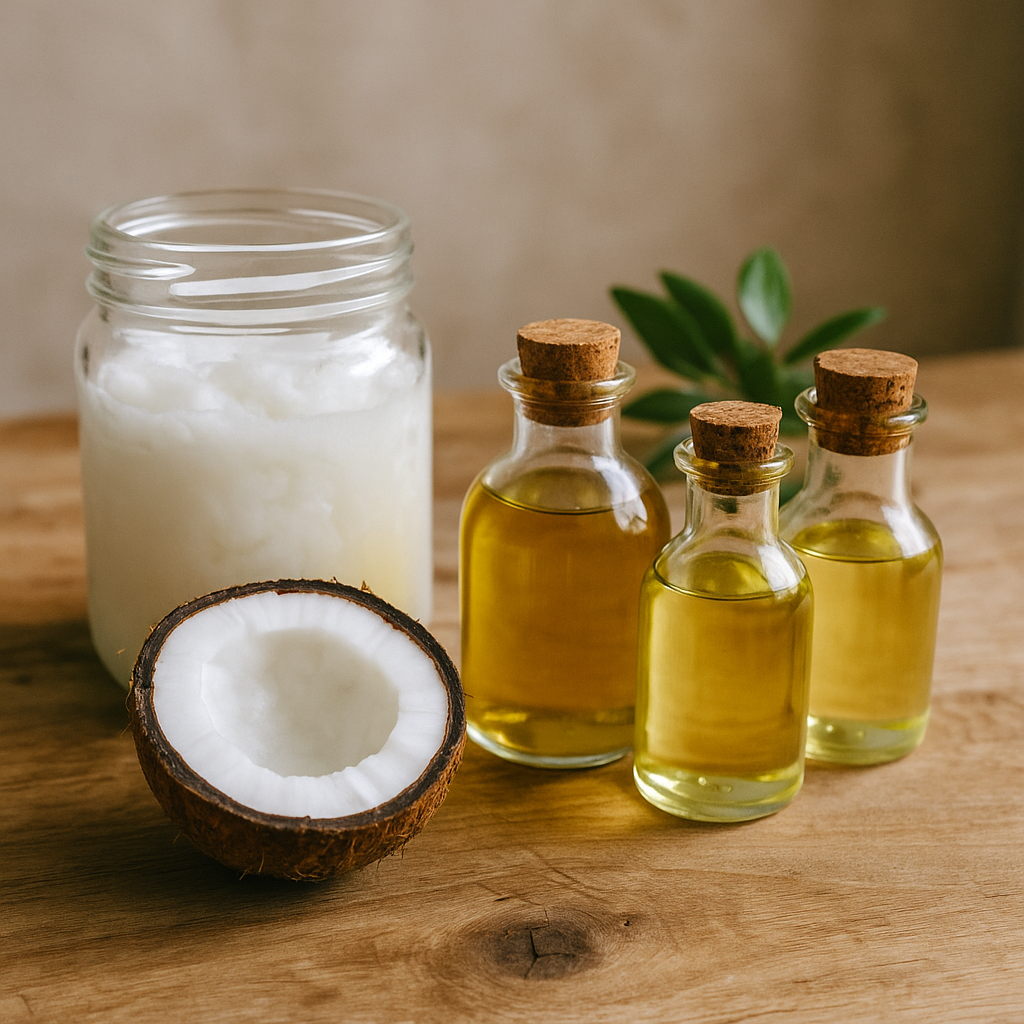
Which Oil Is Best for Oil Pulling According to Ayurveda
Here’s where things get interesting. There’s no one-size-fits-all answer to which oil is best for oil pulling. Ayurveda tailors recommendations based on your unique dosha (more on that later), but there are still a few oils that are commonly used and widely recommended.
Sesame Oil for Oil Pulling: The Classic Ayurvedic Choice
According to traditional Ayurveda, sesame oil is the OG—the best oil pulling oil for most people. It’s warming, nourishing, and penetrates deep into the tissues. Rich in antioxidants, it also has antibacterial and anti-inflammatory properties that support healthy gums and fight oral bacteria.
Some folks find the flavor a bit strong, but others actually enjoy it. If you're someone who appreciates a more robust, earthy taste, sesame oil might be perfect.
Coconut Oil for Oil Pulling: Popular for Its Taste and Antibacterial Properties
Coconut oil is the modern favorite—and it’s not hard to see why. It's mild, slightly sweet, and packed with lauric acid, which has proven antimicrobial power. Many people who ask which oil should be used for oil pulling gravitate toward coconut oil because of its smoother taste and texture.
It’s especially popular among beginners and those prone to inflammation, as it's considered cooling in Ayurvedic terms. Plus, it’s easy to find and relatively affordable.
Other Oils Used for Oil Pulling: Mustard, Sunflower, Olive
While sesame and coconut oils get the most love, other oils like sunflower, olive, and even mustard can be used. Each has unique properties:
-
Sunflower oil: Light and neutral-tasting, often used in clinical studies on oil pulling.
-
Olive oil: Rich in polyphenols and heart-healthy fats, though some find the flavor a bit too bold.
-
Mustard oil: Strong and spicy—great for certain body types, but may irritate sensitive mouths.
For oil pulling, which oil is best? It really depends on your goals, your dosha, and what you can stick with daily.
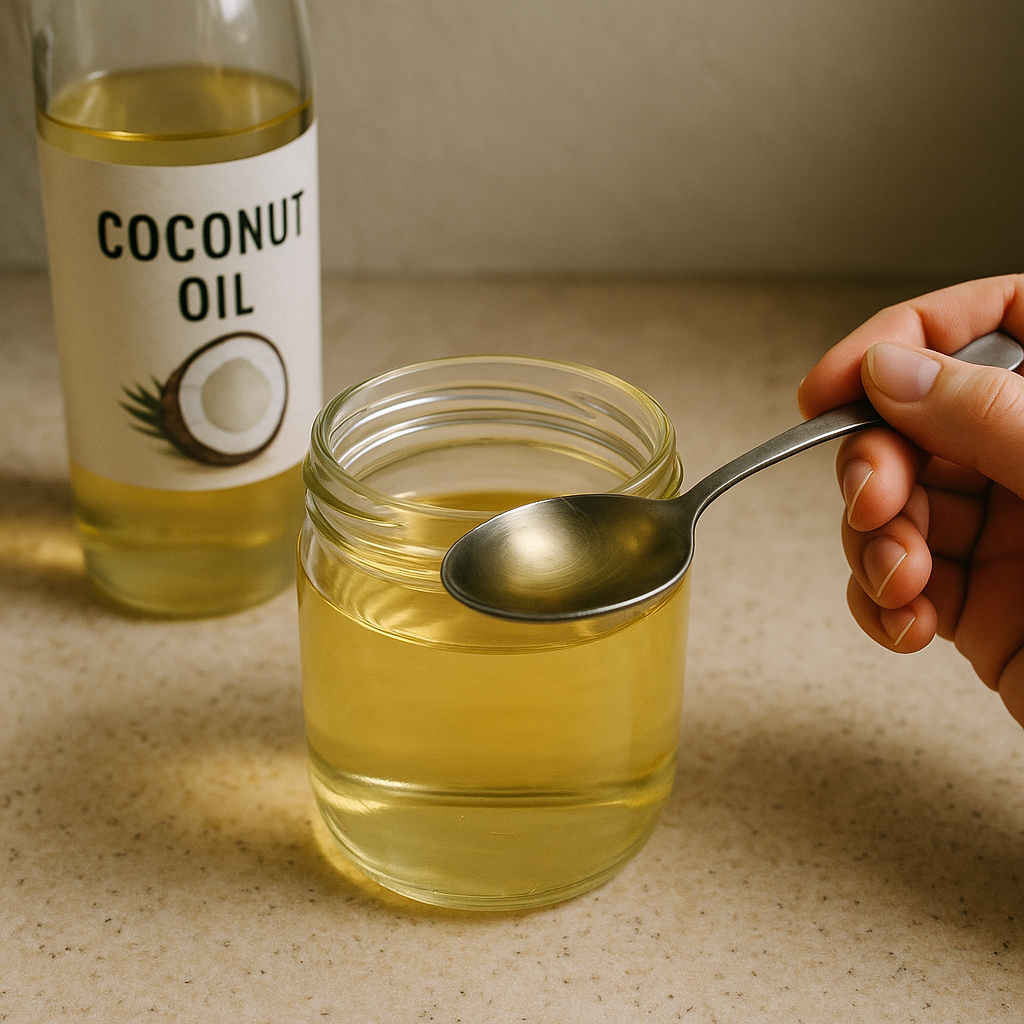
How to Choose the Best Oil for Your Dosha and Goals
So, we’ve covered which oil is best for oil pulling in general terms. But in Ayurveda, the real magic happens when you tailor your practices—like oil pulling—to your unique dosha, or body constitution. Understanding your dosha can help you figure out which oil is good for oil pulling specifically for you.
Which Oil Is Good for Oil Pulling for Vata, Pitta, and Kapha
Ayurveda classifies people into three main doshas: Vata, Pitta, and Kapha. Each has its own characteristics, and each responds differently to different types of oils. Here's a quick breakdown to help you decide:
-
Vata Dosha: Vatas tend to be dry, cold, and light. They benefit from warming, grounding oils like sesame. It's deeply nourishing and can help soothe their naturally dry gums and lips.
-
Pitta Dosha: Pittas run hot and can be prone to inflammation. For them, coconut oil is ideal—it’s cooling and calming, making it great for sensitive gums or if your mouth tends to get sore easily.
-
Kapha Dosha: Kaphas are heavy, cool, and often have excess mucus. Mustard oil works well here. It’s stimulating and sharp, which helps balance Kapha's sluggishness. It’s a bit intense, so start slow.
Not sure what your dosha is? No worries. There are plenty of online quizzes that can help you get a sense of your Ayurvedic profile. (They’re kinda fun, too.)
Quality Checklist: Best Oil Pulling Oil Characteristics
No matter which oil you choose—coconut, sesame, olive, or something else—quality matters a lot. You don’t want to be swishing around something that’s been overly refined or packed with preservatives. Ew, no thanks.
Here’s what to look for in the best oil pulling oil:
-
Cold-pressed: This preserves nutrients and keeps the oil as close to its natural form as possible.
-
Organic: Fewer pesticides, better for you.
-
Unrefined: Skip the deodorized, bleached stuff. You want all those natural enzymes and compounds intact.
-
Stored in dark glass bottles: This keeps the oil stable and prevents oxidation from light exposure.
Let’s be real for a sec: you’re going to be putting this in your mouth, so aim for food-grade, high-quality oils. It makes a difference. Don't cheap out, trust me on this one.
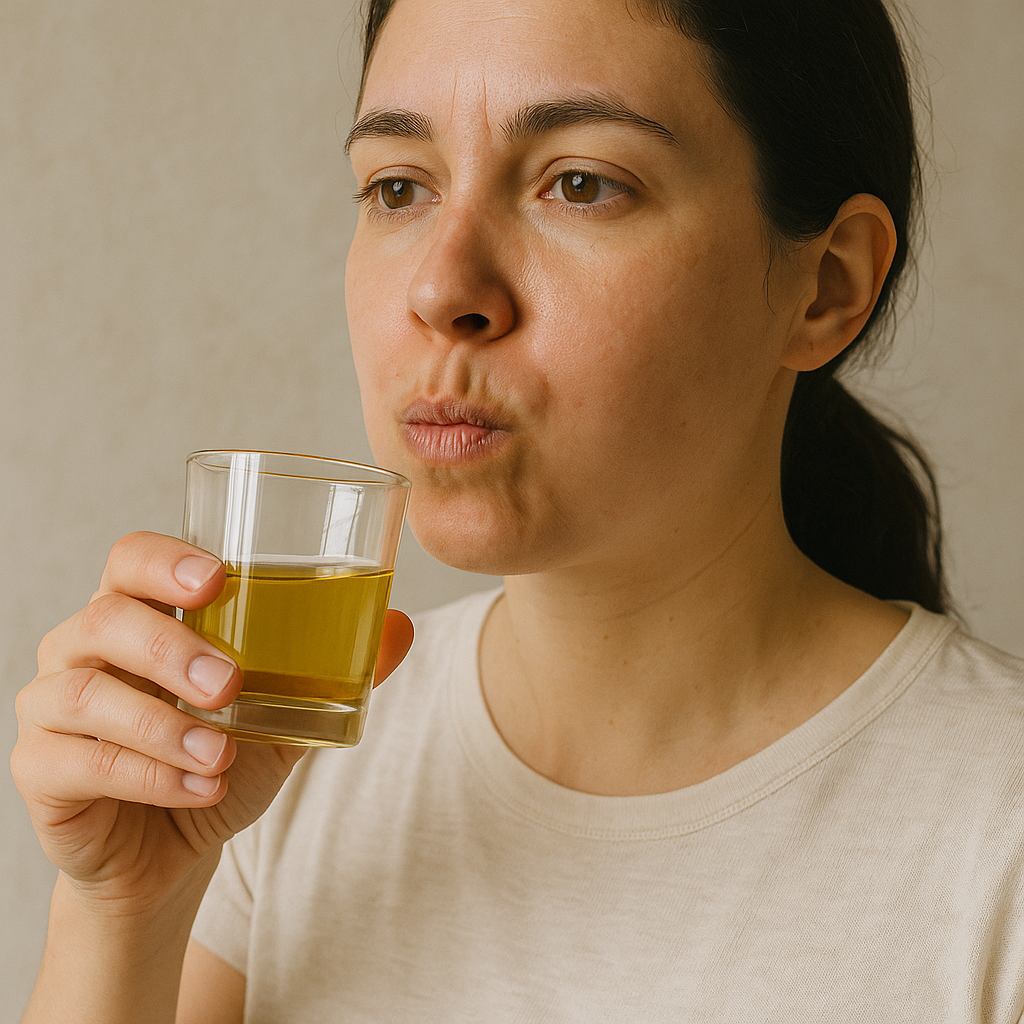
How to Use the Selected Oil for Maximum Effect
Now that you’ve picked your oil (go you!), here’s how to use it for maximum benefit. This isn’t rocket science, but a few simple guidelines can make or break your oil pulling experience.
-
Time it right: First thing in the morning is ideal—before you eat or drink anything, even water. Your mouth is full of bacteria after a night of sleep, and swishing helps get rid of them.
-
Use 1 tablespoon of oil: You don’t need a lot. A tablespoon is just enough to swish comfortably without gagging.
-
Swish for 10–20 minutes: Start with 5 minutes if you’re new. Work your way up to 20. (Yes, your jaw will feel like it's been to the gym.)
-
Spit it out in the trash, not the sink: Oils can clog drains over time. Be kind to your plumbing.
-
Rinse well: Use warm water, maybe even with a pinch of salt or a splash of warm water and baking soda for an extra clean feel.
-
Brush your teeth after: This removes any leftover residue or toxins.
By using these steps, you’re giving your mouth a fresh start every day. It’s simple, but surprisingly powerful.
Conclusion
Oil pulling might sound like just another health fad, but this practice has stood the test of time—and for good reason. With just a spoonful of the right oil, you can support better oral health, fresher breath, healthier gums, and even broader wellness benefits, depending on who you ask. And hey, worst-case scenario? Your mouth feels cleaner and your breath smells like coconut (or sesame, if that’s more your thing).
The key takeaway here is that for oil pulling, which oil is best really depends on your individual body, preferences, and goals. Whether you’re team sesame, team coconut, or curious about mustard or sunflower, the most important thing is consistency and choosing a high-quality oil that suits you.
So don’t stress over perfection. Start simple. Swish a little. See how you feel. You might be surprised by how something so basic can have such a refreshing impact.
And if your friends are still asking what oil to use for oil pulling, maybe send them this article. Sharing is caring, right?
Don't wait or self medicate. Start chat with Doctor NOW
FAQs
Which oil is best for oil pulling for daily use?
For daily use, coconut oil and sesame oil are top contenders. Coconut oil is gentle, antibacterial, and has a mild taste—perfect for beginners and daily routines. Sesame oil, on the other hand, is the classic Ayurvedic choice and deeply nourishing. Both are safe and effective when used regularly.
Can I use olive oil or sunflower oil for oil pulling?
Yes, you can! While not as commonly used as coconut or sesame oil, olive oil and sunflower oil are both acceptable for oil pulling. Sunflower oil has been used in clinical studies and is known for its light texture and neutral flavor. Olive oil is rich in antioxidants but can be a bit strong in taste for some people. Either one works if it suits your taste buds and wellness goals.
Which oil is recommended for oil pulling for sensitive gums?
If you have sensitive gums, coconut oil is often the most soothing option. It's naturally anti-inflammatory and cooling, making it ideal for people prone to irritation or tenderness in the mouth. It’s also less intense in flavor compared to stronger oils like mustard. Just make sure to start slowly—maybe with shorter swishing sessions—and monitor how your gums respond.
Final Thoughts
Alright, you made it to the end. Props to you. You now know which oil is best for oil pulling, how to pick it based on Ayurvedic principles, and how to use it effectively. You even know which oil is good for oil pulling for each dosha type, what qualities to look for, and how to get started without clogging your sink. Not bad for one read, huh?
So here’s what to do next:
-
Pick your oil (coconut, sesame, or whichever makes you smile).
-
Give oil pulling a try for one week.
-
See how you feel—and adjust as you go.
-
And maybe share this with a friend who keeps asking which is the best oil for oil pulling, because let’s be honest… they probably still don’t know.
Want more natural wellness tips like this? Subscribe to our newsletter, drop a comment with your oil pulling experience, or follow us on Instagram for daily inspiration. Happy swishing!
Questions from users
How to improve my gum health with oil pulling techniques?
Isaac
4 days ago
To improve gum health with oil pulling, use a tablespoon of oil, such as coconut or sesame oil, and swish it around your mouth for about 15-20 minutes daily. This practice can help reduce harmful bacteria, prevent plaque buildup, and improve overall oral health. Olive oil is also an option but can be too strong for some. Typically, improvements in gum health can be noticed within a few weeks of regular practice. If you notice persistent gum issues or experience discomfort, consult a dentist. Though oil pulling is rooted in Ayurveda, modern dental hygiene practices should not be overlooked.
Can I use mustard oil for oil pulling if I have dental crowns or fillings?
Jayden
13 days ago
You can use mustard oil for oil pulling even if you have dental crowns or fillings. Oil pulling is generally safe for dental work, but it's always a good idea to check with your dentist, since everyone's situation is a little different. Give it a try for short periods and see how it’s going for you.
Can I swish with oil for less than 10 minutes if I'm just starting oil pulling?
Elizabeth
23 days ago
Yeah, definitely, you can begin with less than 10 mins if you're new to oil pulling. Even just 3-5 minutes is a good start to get used to it without feeling too overwhelmed. Gradually, you can work your way up to longer times. Just be consistent with it, and you'll still enjoy the benefits. 😊
What is oil pulling and how does it work for oral health?
Sandra
32 days ago
Oil pulling is an ancient Ayurvedic practice where you swish oil in your mouth, like coconut or sesame, for a few minutes daily. It helps remove toxins, reduces plaque, and supports gum health. It's like a gentle detox for the mouth! Try to use an oil that matches your dosha for extra benefits.
Can I use flavored oils for oil pulling, or should they be pure?
Raven
41 days ago
You can totally use flavored oils for oil pulling, but just keep it simple. Flavored oils might have added ingredients that could mess with the pure benefits. Stick with pure oils like sesame or coconut oil, especially if you wanna sync with your dosha. But hey, if it makes the routine enjoyable for you, that's cool too!
How to choose the right oil for oil pulling based on my health needs?
Yara
50 days ago
To pick the right oil for oil pulling, think about your dosha balance. Coconut oil is cooling, good for Pitta types. Sesame oil is warming, great for Vata. People with Kapha dosha might choose some lighter oils like sunflower or safflower. If unsure, try both coconut and sesame, see how you feel—adjust as needed for your unique constitution!
Is it okay to mix different oils for oil pulling, or should I stick to one type?
Liam
60 days ago
Mixing oils for oil pulling can be fine and can provide varied benefits, as different oils have unique properties. Just make sure all oils are food-grade and high-quality. Some combinations might work better for a balance of doshas, like coconut for pitta and sesame for vata. If you're experimenting, keep track of any changes in how you feel, ya know?
What is the best way to start oil pulling for someone who's never done it before?
Jackson
70 days ago
Starting oil pulling? Go easy! Just take a tablespoon of coconut or sesame oil first thing in the morning. Swish it around in your mouth for about 15 mins. It might feel weird at first, but that's normal. Don't swallow it—it's pulling out toxins. Then spit it out into a trash bin, not sink. :) Rinse with warm water and brush as usual. Enjoy the fresh feeling!
What oil is best for oil pulling if I have a sensitive mouth?
Chloe
79 days ago
For a sensitive mouth, I'd say sunflower oil is your best bet. It's light and neutral-tasting, so it's less likely to cause irritation. Olive oil's another option if you don't mind its bolder taste. Definitely avoid mustard oil as it's strong and spicy, which might not suit you well. Just go with what feels comfy!
Is it safe to do oil pulling every day, and will it cause any side effects?
Landon
89 days ago
It's generally safe to do oil pulling daily but like anything else, it might not be perfect for everyone. You wanna watch for any unusual symptoms like jaw soreness or dryness. If your mouth feels comfy and happy, you’re good! Just in case of concerns, drop by an Ayurvedic practitioner to tweak it for your dosha.
Related articles

Dental Disorders
Which Fruit Is Good for Mouth Ulcer? Ayurvedic Tips and Best Choices
Which fruit is good for mouth ulcer? Discover the best fruits and juices for mouth ulcer relief, healing tips, and Ayurvedic diet suggestions
10,380

Dental Disorders
How to Remove Alcohol Smell from Mouth Naturally and Effectively
Learn effective ways to remove alcohol smell from mouth using natural remedies, Ayurveda tips, and quick tricks to stay fresh, odor-free, and confident
17,710

Dental Disorders
How to Get Rid of Bitter Taste in Mouth: Causes, Remedies, and Ayurvedic Treatment
How to get rid of bitter taste in mouth? Discover home remedies, Ayurvedic tips, and how to treat bitter taste after fever or when sick
6,317

Dental Disorders
How to Get Rid of Salty Taste in Mouth: Causes and Natural Remedies
Discover how to get rid of salty taste in mouth with Ayurvedic tips. Learn causes, possible illnesses, and natural treatments to restore oral freshness
3,978
Dental Disorders
Leukoplakia Treatment in Ayurveda – Natural Remedies & Holistic Approach
Discover effective Ayurvedic treatments for leukoplakia, a condition marked by white patches in the mouth. Learn about natural detoxification, herbal therapies, and dietary recommendations to support oral health.
4,154

Dental Disorders
How to Cure TMJ Permanently: Ayurvedic, Natural, and At-Home Treatments
How to cure TMJ permanently? Discover Ayurvedic methods, self-care techniques, home remedies, and effective exercises for TMJ pain relief and jaw joint healing
4,649

Dental Disorders
How to Use Clove for Toothache: Natural Relief for Pain
Discover how to use clove for toothache relief. Learn clove remedies, how it helps reduce pain, and safe ways to apply clove or clove oil on aching teeth
9,848

Dental Disorders
Ayurvedic Treatment for Teeth Cavities: A Holistic Guide
Discover how Ayurveda may help prevent and manage teeth cavities. Learn about scientific insights, holistic remedies, and tips for lasting oral health.
4,512

Dental Disorders
What Is Pyorrhea and How Can It Be Treated in Ayurveda?
Pyorrhea, or periodontitis or periodontal disease, is a severe and advanced form of gum disease.
4,414

Dental Disorders
How to Make Gums Strong at Home Using Natural Methods
Discover how to make gums strong at home using Ayurvedic remedies, vitamins, foods, and gum care practices. Improve your oral health naturally and effectively
5,089
Related consultations on the topic
Legal
Additional Documents
© 2024 Ask Ayurveda. All rights reserved.