Ask Ayurvedic doctor a question and get a consultation online on the problem of your concern in a free or paid mode. More than 2,000 experienced doctors work and wait for your questions on our site and help users to solve their health problems every day.
FREE! Ask Ayurvedic Doctors 24/7

 Fast responses
 1000+ verified doctors
Body DetoxEar, Nose, and Throat DisordersGeriatrics & RejuvenationImmunodeficiencyInfertility TreatmentNutritionOrthopedic DisordersPediatricsRespiratory DisordersSexually Transmitted Diseases (STDs)Surgery RecoveryUrological DisordersVascular DisordersDental DisordersEndocrinological DisordersGastrointestinal DisordersYoga TherapyGeneral MedicineAllergic DisordersCardio DisordersGynecology and ObstetricsCosmetologySkin and Hair DisordersEye DisordersInfectious DiseasesMental DisordersNeurological DisordersOncologyPanchakarmaSexual Health & DisordersSports Medicine
Published on 07/29/25
(Updated on 07/09/26)
star_border 4
5,100
How to Get Rid of Dust Allergy Naturally and Effectively

Struggling to breathe easy at home? You're not alone. Figuring out how to get rid of dust allergy can be exhausting, especially when you're sneezing all day and tossing at night. The good news? You don’t always need a cabinet full of medications. With the right mix of awareness, natural remedies, and some smart habits, you can reduce or even eliminate those pesky reactions. Whether you're wondering how to cure dust allergy permanently, searching for reliable dust mite allergy treatment, or just need some solid home remedies for dust allergy, this guide's got you covered.
Let’s dive into practical, effective, and down-to-earth tips to help you finally breathe easier — and live better. And no, we’re not gonna suggest wrapping yourself in plastic or living in a bubble. Real-life solutions, real relief.

What Is Dust Allergy and Why It Happens
Dust allergy is your body’s way of saying, “Hey, I don’t like this stuff!” when you inhale tiny particles floating around your home. But what’s actually causing the reaction? Hint: it's not just the dust.
Common Symptoms and Causes of Dust Allergy
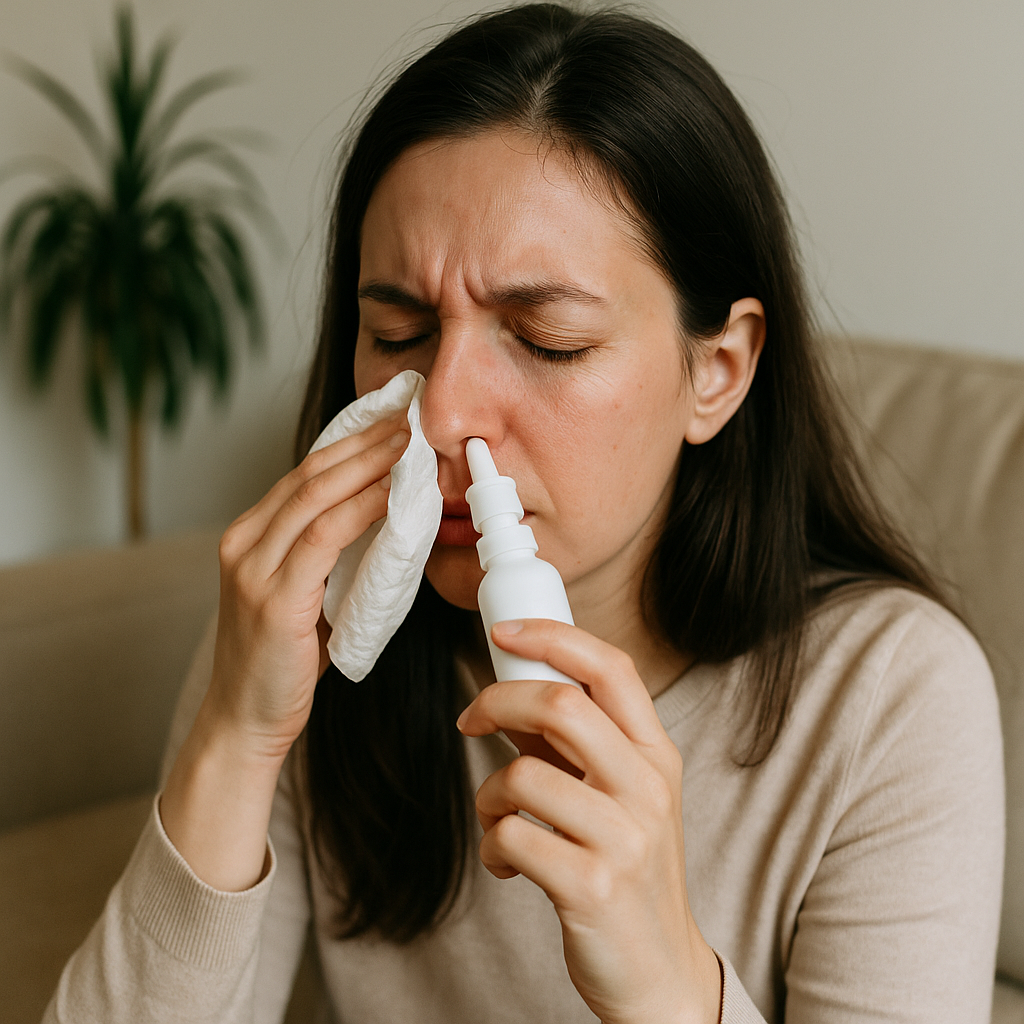
When you think “dust,” you probably picture clumps under the bed or on forgotten bookshelves. But what’s really triggering your allergy is a mix of dust mites, their waste, dead skin cells, pollen, mold spores, and even cockroach droppings. Lovely, huh?
The symptoms can sneak up on you and hang around like an uninvited guest:
-
Sneezing fits (often in threes or more)
-
Runny or blocked nose
-
Itchy, watery eyes
-
Coughing or wheezing
-
Shortness of breath or tightness in the chest
-
Itchy skin or eczema flare-ups
If you're constantly googling “how to treat dust allergy” or “how to avoid dust allergy,” you're probably all too familiar with these signs.
How to Cure Dust Allergy Permanently with Ayurvedic Support
Ayurveda, the ancient Indian system of healing, offers a holistic approach to tackling allergies by addressing their root cause — not just the symptoms. So, if you’re wondering how to cure dust allergy permanently, you might want to consider going the natural route.
Best Herbs and Practices to Cure Dust Allergy Permanently
Ayurvedic herbs like Tulsi (Holy Basil), Turmeric, and Licorice root are known for their anti-inflammatory and immune-boosting properties. They help reduce histamine reactions naturally — which is exactly what you need.
-
Tulsi tea: Drink 1-2 cups daily to boost respiratory health
-
Turmeric milk: Add a pinch of turmeric to warm milk before bed
-
Triphala: A gentle detoxifier that can help clear allergens from your system
Alongside herbs, practices like Nasya therapy (nasal oil application), Pranayama (breathing exercises), and oil pulling can create a strong internal defense against allergens. A lot of folks underestimate how powerful these can be!
How to Treat Dust Allergy Naturally and Safely
If popping pills isn’t your thing — and you’re aiming for long-term healing — these natural methods might just become your go-to:
-
Keep your sinuses clear with saline rinses (think neti pot, but gently)
-
Use eucalyptus oil in steam inhalation to soothe inflammation
-
Drink warm water throughout the day to flush toxins (it sounds too simple, but it works!)
Mistake alert: Not all “natural” is safe. Some herbs might interact with meds or not suit everyone. Always, and we mean always, check with a professional before going full herb mode.

Home Remedies for Dust Mite Allergy Treatment
Here’s the not-so-fun fact: Dust mites are everywhere — in your pillows, mattresses, carpets, curtains... even in your softest teddy bear. But you can reduce their impact without turning your house into a sterile lab.
Try these simple, budget-friendly home remedies for dust allergy:
-
Sun-dry your bedding once a week. Dust mites hate sunlight.
-
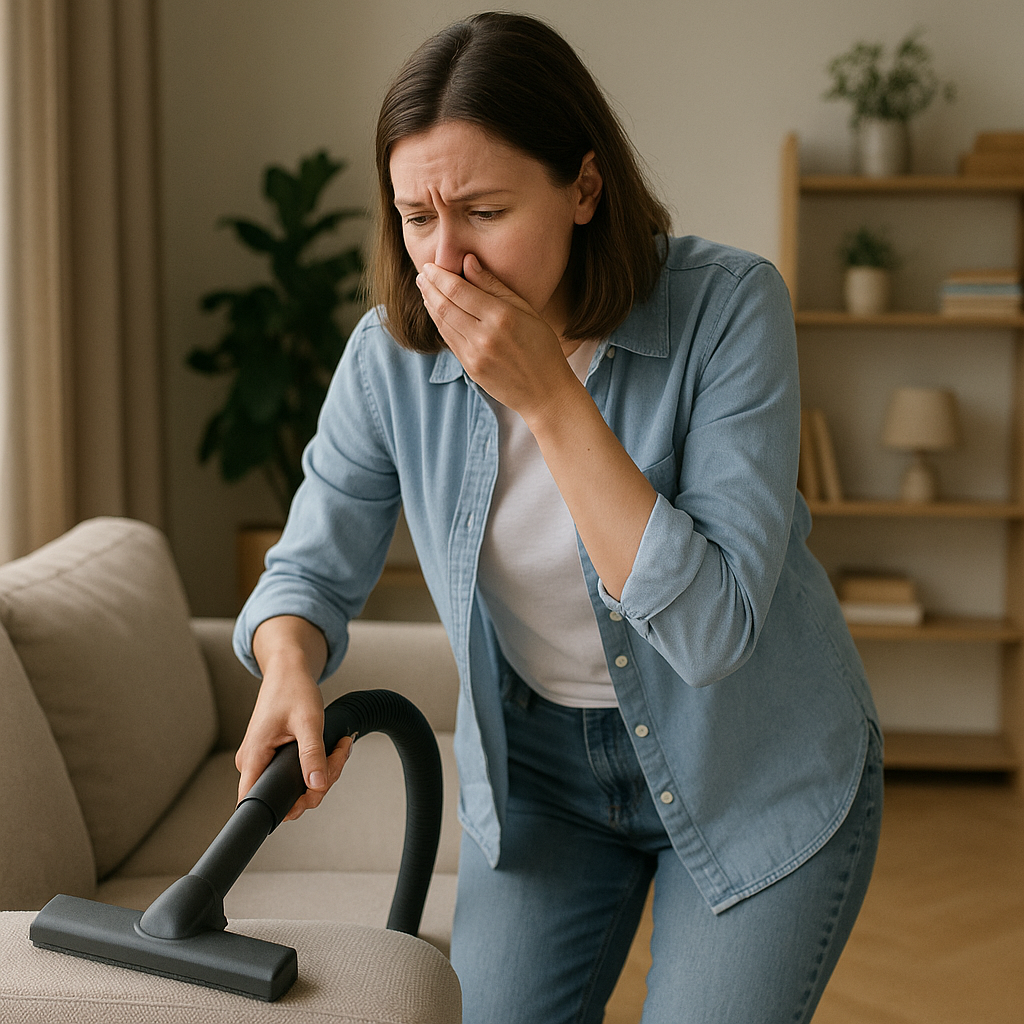
Vacuum with a HEPA filter — skip the cheap ones that just blow the dust back out.
-
Wash linens in hot water (130°F or higher) to kill mites and their eggs.
-
Use a homemade spray with eucalyptus and tea tree oil to disinfect soft surfaces.
Oh, and don’t forget to toss or freeze those stuffed animals now and then. Sounds odd, but it works!
How to Prevent and Avoid Dust Allergy at Home
Prevention is way better than sneezing all day. If you want to know how to avoid dust allergy without losing your mind, there’s good news: you don’t need to live in a hospital-clean environment — just a smarter one. Dust isn’t going away entirely, but you can keep it under control with a few lifestyle changes.
Cleaning Tips and Bedroom Modifications
The bedroom is often the worst place for dust allergies — which is rough, considering you spend 7-8 hours a night there (or at least try to). So how do you fight back?
-
Ditch the carpets: Wall-to-wall carpet = dust paradise. If you can replace them with wood, tile, or laminate, do it.
-
Cover your pillows and mattress with dust-mite-proof encasements. They're not the cheapest thing, but 100% worth it.
-
Wash bedding weekly — and yes, that includes pillowcases and comforters.
-
Use damp cloths instead of dry dusters, which just stir stuff up into the air.
-
Minimize soft surfaces — think curtains, fabric couches, and plush rugs — or clean them often.
Also, don't forget your air! An air purifier with a HEPA filter can be a game changer. You don’t have to spend $500 on one, either. Some budget options work surprisingly well.
One weird but helpful tip? Keep your bedroom cool and dry. Dust mites thrive in humidity, so using a dehumidifier to keep levels below 50% can stop them from multiplying.
How to Avoid Dust Allergy Triggers Naturally
Here’s a thing nobody tells you: dust isn’t the only problem. Your allergy might be flaring up because of triggers that combine with dust — like pet dander, mold, or even your cleaning products (yes, seriously).
Here are a few real-life strategies that work:
-
Remove shoes at the door. They track in allergens and particles.
-
Keep pets out of the bedroom — and off the bed, especially. Sorry, we know it’s hard.
-
Choose natural cleaning products or DIY sprays using vinegar and essential oils (but skip strong scents if you're sensitive).
-
Vacuum slowly. Rushing stirs up more particles.
-
Don't over-dry your air in winter. While dry air helps with dust mites, too little moisture can irritate your airways. Balance is key.
Small habit shifts add up fast. It’s not about living like a monk; it’s about understanding what sets your allergies off — and being one step ahead.
Dust Mite Allergy Treatment at Home
Wondering about dust mite allergy treatment at home that doesn’t involve prescription meds? You're in luck. Natural methods can be super effective if you’re consistent (keyword: consistent).
Best Natural Practices to Reduce Dust Mites
So, how to get rid of dust allergy at its root? Focus on making your home less cozy for mites:
-
Baking soda + vacuum combo: Sprinkle it on carpets, wait 15 mins, vacuum it up.
-
Freeze items you can’t wash: Toys, throw pillows, and even slippers — pop 'em in a plastic bag and freeze for 24 hours.
-
Essential oil blends: A few drops of eucalyptus, peppermint, or clove in your diffuser can make the air less mite-friendly (and it smells amazing).
Remember, this isn't an overnight fix. You'll need to repeat these steps weekly — sometimes daily — for best results.
How to Treat Dust Allergy Without Medication
A lot of folks are turning away from pills because they either don’t work long-term or cause drowsiness and side effects. So how to treat dust allergy without medication?
-
Try local honey (if you're not allergic) — it might help build tolerance over time.
-
Drink ginger tea — it’s anti-inflammatory and soothing for the throat.
-
Use saline nasal sprays or rinses to clear out allergens after exposure.
Here’s the thing, tho: natural remedies need patience. If you’re hoping for instant relief, it may not work that way. But for long-term results? Absolutely worth the effort.
Don't wait or self medicate. Start chat with Doctor NOW
Which Treatment for Dust Allergy Works Best?
Alright, let’s cut to the chase: when it comes to treatment for dust allergy, there’s no one-size-fits-all magic bullet. It really depends on the severity of your allergy, your lifestyle, and how committed you are to long-term changes.
That said, let’s look at the options — both natural and medical — so you can decide what actually works for you.
Natural Treatments (DIY-style)
We’ve already covered a bunch, but here’s a quick recap of the best remedies for dust allergy that you can use daily:
-
Steam inhalation with eucalyptus or peppermint oil
-
Saline nasal rinses to clear out allergens
-
Drinking turmeric milk or ginger tea
-
Using dust-proof bedding covers
-
Washing linens weekly in hot water
These work great for mild to moderate allergies and can even reduce the need for medications over time — but only if you stick to them. Honestly, most people give up after a week. Don’t be that person.
Medical Treatments
For more severe cases, or if you’ve already tried everything and still feel miserable, these might help:
-
Antihistamines: Great for quick relief, but not always ideal long-term.
-
Nasal corticosteroids: Help reduce inflammation but might cause dryness or irritation.
-
Allergy shots (immunotherapy): A long-term commitment (3-5 years), but the only potentially permanent cure out there. Yep, if you’re wondering how to cure dust allergy permanently, this is one real option — but it's not for everyone.
Here’s the honest truth: the best treatment for dust allergy is usually a combo. Some natural stuff, some lifestyle upgrades, and maybe a little help from medicine when things get bad. Think of it like managing a diet — you can cheat sometimes, but consistency wins.
Conclusion
Dust allergies can make everyday life frustrating. You sneeze when you wake up, cough at night, and sometimes wonder if you'll ever breathe normally again. But here’s the thing: you can take back control.
You’ve now got a full toolkit — from natural home remedy for dust allergy options to insights into how to prevent dust allergy and even long-term treatments. Whether you’re looking for a holistic approach, trying to figure out how to cure dust allergy, or just want to know the most practical dust mite allergy treatment at home, the key is to take consistent, manageable action.
And hey, don’t aim for “perfect.” Just aim for better.
If this guide helped even a little, share it with someone who's always sneezing around you (you know the one). Let's make breathing easy again — together.
FAQs
Q: How can I get rid of dust allergy permanently?
A: There’s no quick fix, but combining long-term natural habits (like Ayurvedic remedies and dust control at home) with medical treatments like allergy shots (immunotherapy) can help reduce or eliminate your allergy permanently over time.
Q: Can dust mite allergy be treated naturally?
A: Yes! Many people see improvement with consistent use of natural treatments like eucalyptus oil, turmeric, saline rinses, and keeping your living space mite-free. It takes patience, but it’s very doable.
Q: How to avoid dust allergy in daily life?
A: Keep your space clean (especially your bedroom), avoid soft surfaces like carpets, wash bedding weekly in hot water, and use HEPA filters. Small changes — big difference.
Questions from users
How long does it take for dust allergy symptoms to improve with treatment?
Henry
3 days ago
Dust allergy symptoms typically start to improve within a few weeks of consistent treatment. Common treatments include antihistamines, nasal corticosteroids, decongestants, or allergy shots, each catering to different severities of the allergy. Home remedies like using a fitted dust-mite-proof cover, washing bedding in hot water weekly, and keeping indoor humidity low can complement these efforts. If symptoms persist or worsen despite treatment, it's essential to consult a healthcare provider for a tailored allergy management plan.
Can I develop a dust allergy later in life even if I didn't have one before?
Jack
13 days ago
Yes, it's possible to develop a dust allergy later in life. Allergies can pop up due to changes in your environment, immune sysytem, or just plain genetic factors. If you've suddenly started sneezing around dust, it might be worth checking out why with a health specialist. And remeber, super clean environment doesn't always mean allergy-free!
What is the best way to clean my bedroom to reduce dust allergies effectively?
Quinn
22 days ago
To effectively clean your bedroom and reduce dust allergies, focus on dust-prone areas. Use a damp cloth for wiping surfaces, including furniture and baseboards—dry dusting can just stir things up! Also, vacuum carpets and rugs regularly (make sure your vacuum has a HEPA filter), wash bed linens in hot water weekly, and consider an air purifier to help filter out allergens. Keep it cool and dry because dust mites thrive in moist environments!
How often should I sun-dry my bedding to help with dust allergies?
Ellie
31 days ago
Sun-drying your bedding once a week is a great practice to reduce dust mites. The sunlight helps kill those pesky mites and keeps things fresh. Consistency really matters here! Some weeks if you can't manage it, that's okay too. Just try to keep it regular, it'll really help with allergies.
How to know if my dust mite allergy is triggered by household humidity levels?
Charles
40 days ago
To figure out if your dust mite allergy is triggered by humidity, try monitoring how your symptoms change with different humidity levels. Dust mites thrive in humid conditions, so if your symptoms get worse when it's humid, it might be a clue. Keeping a diary of symptoms and weather could help! If in doubt, maybe chat with a pro for tailored advice.
What indoor plants can help reduce dust and improve air quality in my home?
Henry
50 days ago
Indoor plants like spider plants, snake plants, and peace lilies can help improve air quality and reduce dust. They act as natural filters, absorbing toxins and dust particles. Just remember to keep their leaves clean, so they can breathe and do their job effectively! Plus, they're pretty low maintenance, which is nice.
What household items can I use to effectively trap or remove dust from surfaces?
Christian
60 days ago
A microfiber cloth is great for trapping dust because it holds onto particles instead of spreading them around. You can also use a damp cloth to wipe surfaces, as the moisture helps pick up dust. If you're into natural solutions, olive oil on a cloth can act as a dust magnet on wood surfaces! Just be careful not to saturate it too much.
Can I use eucalyptus oil to relieve dust allergy symptoms effectively?
Natalie
69 days ago
Yeah, eucalyptus oil can help relieve dust allergy symptoms for some people. It works as a natural decongestant and its strong scent can clear stuffy noses. But it's not a one-size-fits-all solution. Try inhaling steam with a few drops of eucalyptus oil, but make sure you're not sensitive to it first. It's also good to combine it with other Ayurvedic tips like turmeric and keeping dust at bay.
How to identify if my home has a dust mite problem that worsens allergies?
Lincoln
79 days ago
To spot a dust mite issue, look for allergy symptoms like sneezing, itchy eyes, or runny nose, especially when they're worse at home. Dust mites love warm, humid places. Check bedding or fabric-heavy areas. If your allergist or symptoms indicate mites, a thorough cleaning, regular airing out, and using mite-proof covers can help!
Is it safe to use air purifiers to help with dust allergies in my bedroom?
River
88 days ago
Yup, air purifiers can be helpful for dust allergies in the bedroom. They can remove tiny particles that float around and cause those sneezes. Just make sure you keep up with cleaning and change the filters regularly! It’s not a cure-all but definitely a handy tool in your allergy-busting efforts.
Related articles

Ear, Nose, and Throat Disorders
Dashmool Haritaki – A Powerful Ayurvedic Formula for Health and Vitality
Discover the benefits and uses of Dashmool Haritaki, a traditional Ayurvedic formulation known for enhancing digestion, boosting immunity, and promoting overall wellness.
3,317

Ear, Nose, and Throat Disorders
Ayurvedic Tips To Improve Hearing
In contemporary times, hearing loss has become increasingly prevalent, often attributed to factors like loud noise exposure, medications, infections, or the natural aging process.
4,968

Ear, Nose, and Throat Disorders
Swasahara Leham – Natural Ayurvedic Syrup for Respiratory Wellness
Discover Swasahara Leham, a traditional Ayurvedic syrup formulated to support respiratory health. Learn about its benefits, ingredients, usage, and how it promotes holistic wellness naturally.
2,410
Ear, Nose, and Throat Disorders
Amodini Tablet Uncovered: The Secret to Boosting Digestion & Gut Health!
Explore the health benefits of Amodini Tablet, an Ayurvedic remedy designed for hormonal balance, menstrual health, and overall wellness in women.
2,302

Ear, Nose, and Throat Disorders
Kasa in Ayurveda – Understanding Its Role, Causes, and Remedies
Explore the significance of Kasa in Ayurveda, its causes, symptoms, and Ayurvedic remedies. Learn how this ancient approach can help alleviate cough-related issues effectively.
4,129

Ear, Nose, and Throat Disorders
Karna Bindu Ear Drops: Ayurvedic Ear Care for Healthy Hearing
Explore Karna Bindu Ear Drops, an Ayurvedic formulation for ear health. Learn about its benefits, uses, dosage guidelines, and holistic applications for optimal auditory well-being.
3,244

Ear, Nose, and Throat Disorders
Why Is My Ear Ringing All of a Sudden? Ayurvedic and Spiritual Insights
Why is your ear ringing all of a sudden? Discover Ayurvedic and spiritual meanings behind ringing in the left or right ear and natural ways to restore balance
17,947

Ear, Nose, and Throat Disorders
Hearing Loss Treatment in Ayurveda – Natural Remedies for Enhanced Auditory Health
Explore hearing loss treatment in Ayurveda through ancient herbal therapies and holistic practices designed to restore auditory function, balance doshas, and promote overall well-being.
3,978

Ear, Nose, and Throat Disorders
Gandha Thailam Uses Dosage Side Effects Ingredients Reference
Exploration of Gandha Thailam Uses Dosage Side Effects Ingredients Reference
4,963

Ear, Nose, and Throat Disorders
Swarn Bhupati Ras – Ayurvedic Elixir for Rejuvenation and Holistic Wellness
Discover Swarn Bhupati Ras, an ancient Ayurvedic formulation renowned for its rejuvenating properties, dosha balancing, and enhancement of overall vitality and longevity.
2,724
Related consultations on the topic
Legal
Additional Documents
© 2024 Ask Ayurveda. All rights reserved.