Ask Ayurvedic doctor a question and get a consultation online on the problem of your concern in a free or paid mode. More than 2,000 experienced doctors work and wait for your questions on our site and help users to solve their health problems every day.
FREE! Ask Ayurvedic Doctors 24/7

 Fast responses
 1000+ verified doctors
Body DetoxEar, Nose, and Throat DisordersGeriatrics & RejuvenationImmunodeficiencyInfertility TreatmentNutritionOrthopedic DisordersPediatricsRespiratory DisordersSexually Transmitted Diseases (STDs)Surgery RecoveryUrological DisordersVascular DisordersDental DisordersEndocrinological DisordersGastrointestinal DisordersYoga TherapyGeneral MedicineAllergic DisordersCardio DisordersGynecology and ObstetricsCosmetologySkin and Hair DisordersEye DisordersInfectious DiseasesMental DisordersNeurological DisordersOncologyPanchakarmaSexual Health & DisordersSports Medicine
Published on 08/05/25
(Updated on 07/07/26)
star_border 4.94
16,390
How to Eat Fenugreek Seeds: Ayurvedic Guide to Daily Use and Benefits

Fenugreek seeds might not be the prettiest ingredient in your kitchen, but these tiny golden gems pack some seriously powerful health perks. From balancing hormones to boosting hair growth, fenugreek (or methi, as it's known in many parts of the world) has been used in Ayurvedic medicine for centuries. In recent years, it’s caught the attention of health-conscious folks looking for natural ways to support wellness.
But here’s the catch: knowing how to eat fenugreek seeds properly matters — a lot. Whether you're curious about how to consume fenugreek seeds for hair growth or wondering, can we eat fenugreek seeds without soaking them? — we’ve got you covered. In this article, we’ll explore traditional and modern ways to use fenugreek, address health concerns, and even drop a few tasty fenugreek seed recipes into the mix.
How to Eat Fenugreek Seeds According to Ayurveda
In Ayurveda, food is medicine — and fenugreek is one of those ancient herbs that proves it true. Its warming, slightly bitter properties make it ideal for balancing vata and kapha doshas. Traditionally, fenugreek seeds are used to support digestion, blood sugar balance, lactation, and more. The method of consumption matters, especially if you’re looking to include it in your routine long-term.
Can We Eat Fenugreek Seeds Daily for Long-Term Use?
Short answer? Yes, but it depends.
According to Ayurvedic principles, you can eat fenugreek seeds daily, but moderation is key. About 1 teaspoon per day is a common recommendation. Overdoing it can lead to gastrointestinal issues like bloating or upset stomach — and nobody wants that.
If you're taking it for a specific benefit, like how to consume fenugreek seeds for testosterone or diabetes control, the dosage might vary. Always consult with an Ayurvedic practitioner or a health pro to get it right. One size doesn’t fit all here, trust me.
Can We Eat Fenugreek Seeds Without Soaking?
A popular question — can you eat fenugreek seeds raw?
Technically, yes, but would you want to? Raw fenugreek seeds are hard, bitter, and tough on digestion. If you're brave enough to chew them raw, more power to you! But for most people, soaking is the gentler route.
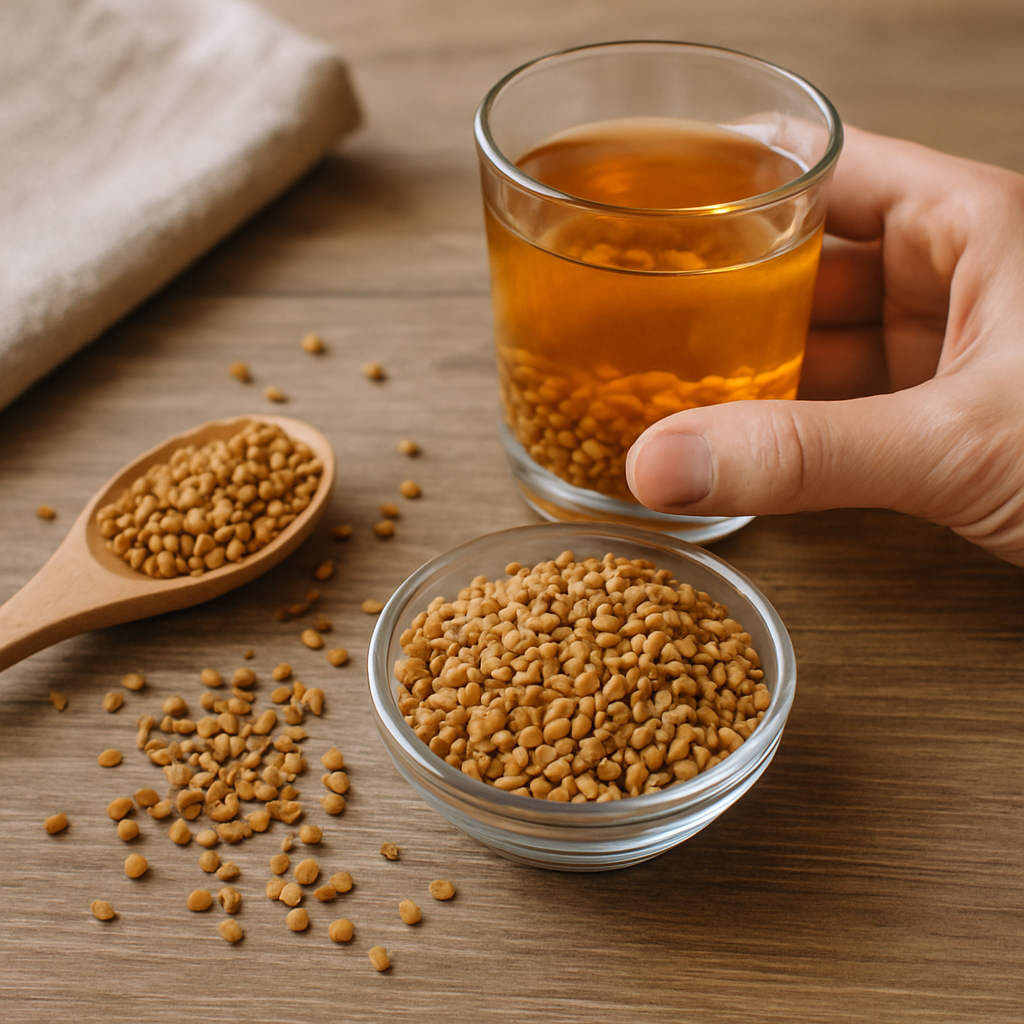
Soaking the seeds overnight (around 8–12 hours) softens them, reduces bitterness, and boosts nutrient absorption. So yeah, if you're looking for the best way to consume fenugreek seeds, soaked is usually the winner.
Best Ways to Consume Fenugreek Seeds
There’s no “one right way” to take fenugreek — it’s all about what works best for your lifestyle and goals. Here are a few methods you can try.
Soaked, Sprouted, Powdered: Best Way to Consume Fenugreek Seeds
-
Soaked: Soak 1 tsp of seeds in a glass of water overnight. In the morning, drink the water and chew the softened seeds. Great for diabetes, hormone balance, and digestion.
-
Sprouted: Let the soaked seeds sprout for 2–3 days. These are easier to digest and perfect for salads or smoothies.
-
Powdered: Toast the seeds lightly, grind them, and store the powder. Add to soups, teas, or sprinkle on food. It's a go-to option if you're wondering how to eat fenugreek seeds for testosterone or even hair growth.
Fenugreek Seeds Recipe Ideas for Easy Inclusion
-
Fenugreek tea: Boil 1 tsp of crushed seeds in water. Sip warm. Add honey if the bitterness is too much.
-
Spiced yogurt: Mix fenugreek powder with curd, cumin, and a pinch of salt. A tasty side with digestive perks.
-
Methi rice: Toss cooked rice with ghee, fenugreek seeds, and spices. An easy way to enjoy fenugreek without overthinking it.
How to Consume Fenugreek Seeds for Hair, Hormones, and Health
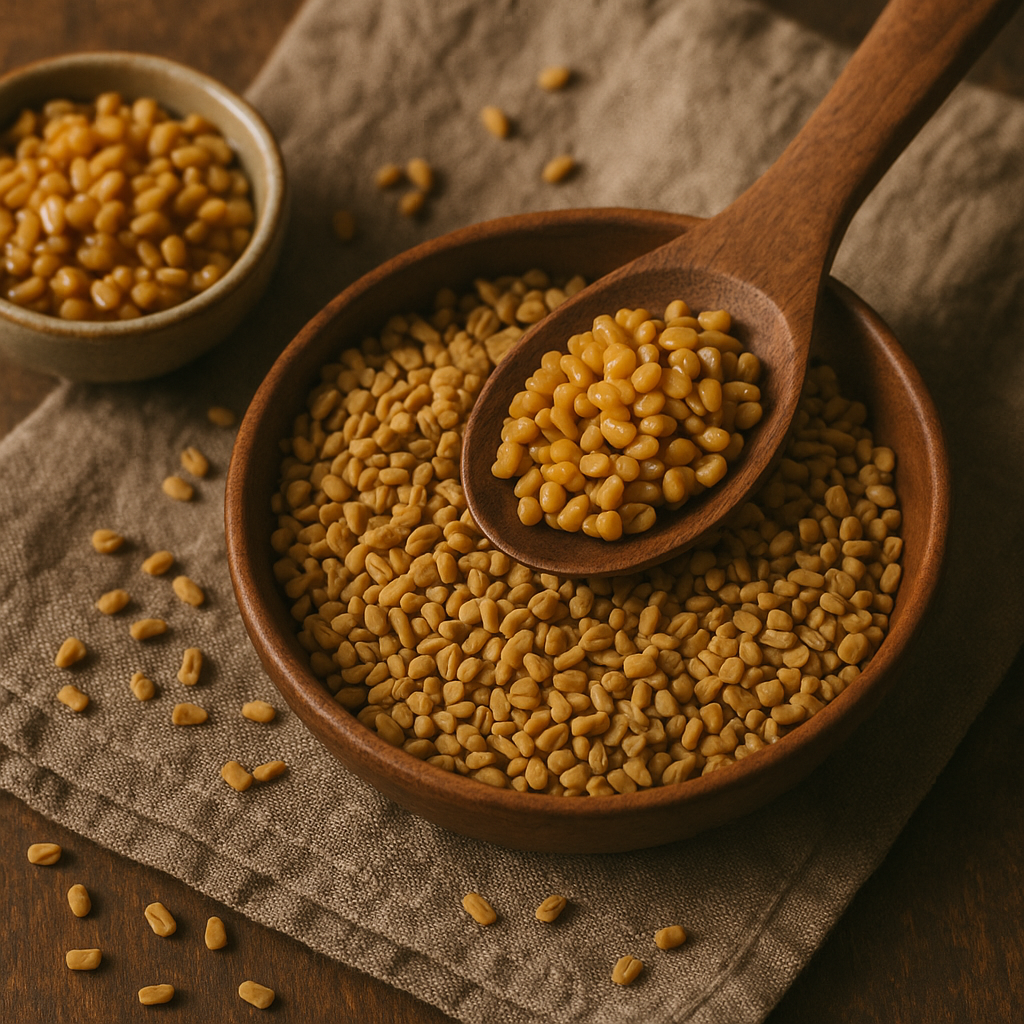
Fenugreek isn’t just for spice racks or obscure home remedies — it’s a powerhouse herb with legit benefits for everything from hair growth to hormone regulation. The key is knowing how to consume fenugreek seeds for each specific goal. So let’s break it down, one benefit at a time.
How to Eat Fenugreek Seeds for Hair Growth Naturally
If you’ve been battling hair thinning or a flaky scalp, fenugreek might become your new BFF. Its high protein and nicotinic acid content nourish hair follicles, reduce dandruff, and encourage growth.
How to use it:
-
Internal use: Soak 1 tsp of seeds overnight. Eat them in the morning on an empty stomach. This supports hair health from the inside out.
-
Topical use: Grind soaked seeds into a paste, mix with coconut oil or aloe vera, and apply as a scalp mask once a week.
So yeah, if you’re searching for how to consume fenugreek seeds for hair growth, this two-way approach — internal + topical — is a game changer.
How to Consume Fenugreek Seeds for Breast Growth Support
One of the more surprising things people ask is how to consume fenugreek seeds for breast growth. While the evidence is mostly anecdotal, fenugreek is known to mimic estrogen-like effects due to its phytoestrogen content. This can support hormonal balance, especially in women.
Try this:
-
Fenugreek tea: Simmer 1 tsp of fenugreek seeds in water for 10 minutes. Drink daily.
-
Fenugreek and fennel mix: Combine equal parts powdered fenugreek and fennel. Take ½ tsp with warm milk once a day.
It's not a miracle overnight fix, obviously. But consistency is key. Give it a few weeks, and you might start to notice some subtle changes — just be sure not to go overboard.
How to Eat Fenugreek Seeds for Testosterone Boost
It’s not just for the ladies — fenugreek is a secret weapon for men, too. Multiple studies suggest fenugreek may help raise free testosterone levels, improve strength, and support libido.
Best way?
-
Fenugreek powder capsules: Super convenient and less bitter than the seeds.
-
Morning method: Soaked seeds taken first thing in the morning — paired with a healthy fat like ghee — can help with hormone absorption.
So if you’re into fitness or just want to feel more energized, knowing how to eat fenugreek seeds for testosterone could give you an edge. Not saying it’s magic... but it kind of is.
How to Consume Fenugreek Seeds for Diabetes Control
Now onto something really practical — blood sugar. Fenugreek is often recommended for people managing type 2 diabetes due to its soluble fiber, which can slow down digestion and carb absorption.
Here's how:
-
Fenugreek water: Soak 1–2 tsp of seeds overnight, drink the water and eat the seeds in the morning. Do this daily.
-
Sprouted seeds: Add to salads, soups, or just snack on them raw (after sprouting). The bitterness is a little much, but they’re effective.
Research backs this up — regular use can help reduce fasting blood glucose and improve insulin sensitivity. But again, talk to your doc if you're on meds, just to be safe.
Conclusion
So, what’s the final verdict? Fenugreek seeds are more than just another health fad — they’re a versatile, time-tested remedy that’s earned its place in both the kitchen and the medicine cabinet. Whether you're looking for how to consume fenugreek seeds for breast growth, boosting testosterone, enhancing hair health, or managing blood sugar, there’s a natural method out there that fits your needs.
Just remember: It’s not about guzzling handfuls of bitter seeds in desperation. It’s about finding the best way to consume fenugreek seeds that feels good, fits your routine, and — most importantly — works for you. Soak them, sprout them, grind them, sip them in tea, or throw them into a spiced rice dish. You’ve got options, and they’re all pretty darn powerful.
And hey — a quick word of caution. Like any potent natural remedy, moderation is key. If you’re on medications or have specific health conditions, check with a healthcare provider before diving in headfirst.
💬 Have you tried fenugreek seeds before? Got a go-to fenugreek seeds recipe or tip that works for you? Share it with a friend — or better yet, post it online and spread the wellness! This stuff deserves to be talked about.
FAQs
Can you eat fenugreek seeds raw?
Technically yes, but — heads up — raw fenugreek seeds are hard and really bitter. They're tough on your teeth and stomach too. It’s better to soak them overnight or lightly toast them first. That way, your gut (and your taste buds) will thank you.
Is it safe to eat fenugreek seeds daily?
In general, yes, you can eat fenugreek seeds daily — as long as you stick to small amounts. Around 1 teaspoon per day is commonly recommended. Going overboard could lead to stomach upset, or even a strange maple-syrup-like smell in your sweat (yes, that’s a real thing).
Also, if you’re pregnant, breastfeeding, or managing a chronic illness, always talk to a healthcare provider before making it a daily habit.
Can fenugreek seeds help control blood sugar or diabetes?
Absolutely. Several studies — and years of anecdotal evidence — suggest fenugreek can help lower blood sugar levels and improve insulin response. The how to consume fenugreek seeds for diabetes method often includes soaking them overnight and drinking the water first thing in the morning.
Just be cautious if you're already on medication for diabetes. Combining fenugreek with insulin or other drugs might cause your blood sugar to drop too low. Monitor regularly.
Don't wait or self medicate. Start chat with Doctor NOW
Final Thoughts
Fenugreek seeds are one of those rare things in wellness that are ancient, accessible, and actually effective. The best part? You don’t need fancy supplements or expensive powders. Just a handful of seeds, a little know-how, and a bit of consistency.
So if you were wondering can we eat fenugreek seeds without soaking, or looking for the best methods for how to consume fenugreek seeds for testosterone, breast growth, or hair health — now you know.
Here’s your gentle nudge to give fenugreek a real shot. Maybe start with a morning tea or a spoonful of soaked seeds. Who knows? It might become a quiet ritual you actually look forward to.
And if you found this helpful… go ahead, hit that share button. Let’s bring these ancient remedies back to life. 🌿
Questions from users
How long should I soak fenugreek seeds for optimal digestion benefits?
Noah
5 days ago
For optimal digestion benefits, soak fenugreek seeds for about 6 to 8 hours or overnight. This softens the seeds, making them easier to digest and more palatable. It also helps activate enzymes that increase the nutritional availability of the seeds. Once soaked, they can be consumed directly or added to dishes. However, if you experience any digestive discomfort, reduce the soaking time or consult a healthcare professional. Be cautious if you have diabetes, as fenugreek might lower blood sugar levels. Always consult with a healthcare provider if you're on medication.
Is it safe to soak fenugreek seeds overnight before consuming them?
Chloe
14 days ago
Yeah, it's generally safe to soak fenugreek seeds overnight before consuming them. It helps with digestion and reduces bitterness. Just be sure you’re not on any meds or got any health conditions, then check with a doc to be sure. But if you don't have those issues, a little overnight soak should be good! 😊
What is the best way to prepare fenugreek seeds for improving hair health?
Gabriella
24 days ago
For hair health, soak fenugreek seeds overnight (8-12 hours) to soften and enhance nutrient absorption. Next morning, grind them into a paste. Apply the paste directly to your scalp, leave it on for about 30 mins, then rinse with water. It's like a nourishing hair mask! Just be consistent, results take time, but you can see benefits by doing this regularly.
What is the best way to store ground fenugreek seeds for maximum freshness?
Chloe
33 days ago
Storing ground fenugreek properly keeps it fresh! You want to put it in an airtight container, like a glass jar with a tight lid, to keep air and moisture out. Store it in a cool, dark place, like a cupboard, away from direct sunlight or heat. This way you can maintain the aroma and effectiveness. Honestly, just make sure it's tight and away from heat, it's not rocket science!
What is the best way to take fenugreek for boosting libido effectively?
Chloe
42 days ago
For boosting libido with fenugreek, fenugreek powder capsules are super convenient and less bitter. Alternatively, taking soaked fenugreek seeds in the morning with a healthy fat like ghee can help hormone absorption. The consistency really matters tho, so make it a routine. If unsure, consulting an Ayurvedic practitioner could be helpful!
Is it safe to take fenugreek seeds while pregnant or breastfeeding?
Zoe
51 days ago
Taking fenugreek seeds during pregnancy or breastfeeding needs a bit of caution. While they're generally safe in small amounts, like you’d find in food, larger doses might mess with hormones or milk supply. It's a good call to chat with your healthcare provider before using them, just to be sure everythin's good for you and baby!
Can fenugreek seeds boost testosterone levels and how does it work?
Teagan
61 days ago
Yeah, fenugreek seeds might help boost testosterone levels! They contain compounds like furostanolic saponins that might help manage the hormones involved. It's not instant magic tho, you gotta give it some time and consistency. Just chew the soaked seeds or drink the water in the morning. But remember, talk to your doc if you're on meds!
What is the best time of day to take fenugreek seeds for optimal results?
Ellie
71 days ago
There's not a specific "best" time to take fenugreek seeds — it really depends on your goal and daily routine. Some people find taking them in the morning before breakfast helps kickstart digestion and energy, while others prefer late afternoon. You might want to try both and see what feels best for you. It's about what fits your flow!
Can I use fenugreek seeds to help with hair growth and how should I prepare them?
Sage
80 days ago
Yes, fenugreek seeds can be helpful for hair growth. You can soak a teaspoon of seeds overnight. In the morning, drink the water and chew the softened seeds. Alternatively, make a paste by grinding the soaked seeds and apply it to your scalp for about 30 mins before washing it off. Remember, consistency is key!
What is the best way to soak fenugreek seeds for maximum benefits?
Elijah
90 days ago
The best way to soak fenugreek seeds is overnight in a cup of water. This helps to release all those good nutrients and soften the seeds. In the morning, just drink the water and chew the seeds. Overnight soaking is enough but you can lightly toast them before soaking if you like a nutty flavor. Just remember, moderation is key in Ayurveda!
Related articles

Nutrition
Can I Drink Chia Seeds with Water? Benefits, Uses, and Ayurvedic View
Exploration of Discover the Benefits and Precautions of Drinking Chia Seed Water Daily
7,995

Nutrition
Can We Eat Beetroot During Periods? Ayurvedic Perspective
Can we eat beetroot during periods? Learn Ayurvedic views on eating beetroot, drinking beetroot juice, its benefits, risks, and role in irregular periods
12,815

Nutrition
Jeerakarishtam Benefits – Natural Ayurvedic Digestive Tonic & Rejuvenator
Discover the jeerakarishtam benefits, a traditional Ayurvedic digestive tonic that enhances digestion, relieves flatulence, boosts metabolism, and promotes overall well-being through natural, rejuvenative properties.
5,013

Nutrition
Burcalvin Soft Gel Capsule
Exploration of Burcalvin Soft Gel Capsule
2,454

Nutrition
Discovering the Ayurvedic Diet
The Ayurvedic Diet is a traditional Indian nutritional practice that aligns eating habits with one's dosha to promote health and balance.
2,501

Nutrition
How to Use Barley Seeds: Recipes and Ayurvedic Benefits
Exploration of Explore the Versatility and Health Benefits of Barley Seeds in Everyday Life
3,670

Nutrition
How to Eat Butter Fruit: Simple Ways, Raw or in Recipes
Learn how to eat butter fruit, the best time to consume it, and delicious butter fruit recipes for babies and breakfast. Discover if you can eat it raw
5,309

Nutrition
Ayurveda: Ancient Wisdom for Health
Ayurveda is an ancient Indian system of medicine that focuses on achieving a balance between the body, mind, and spirit for overall well-being.
2,473

Nutrition
Curd Benefits for Stomach: What Ayurveda Has to Say (And Why You Should Care)
If you’ve ever reached for a bowl of curd after a heavy meal, you’re not alone. I do it. My grandma did it. Half of India probably does it. But here’s the question we often forget to ask: why does curd feel so comforting to the stomach? And more important
5,441
Related consultations on the topic
Legal
Additional Documents
© 2024 Ask Ayurveda. All rights reserved.