Ask Ayurvedic doctor a question and get a consultation online on the problem of your concern in a free or paid mode. More than 2,000 experienced doctors work and wait for your questions on our site and help users to solve their health problems every day.
FREE! Ask Ayurvedic Doctors 24/7

 Fast responses
 1000+ verified doctors
Body DetoxEar, Nose, and Throat DisordersGeriatrics & RejuvenationImmunodeficiencyInfertility TreatmentNutritionOrthopedic DisordersPediatricsRespiratory DisordersSexually Transmitted Diseases (STDs)Surgery RecoveryUrological DisordersVascular DisordersDental DisordersEndocrinological DisordersGastrointestinal DisordersYoga TherapyGeneral MedicineAllergic DisordersCardio DisordersGynecology and ObstetricsCosmetologySkin and Hair DisordersEye DisordersInfectious DiseasesMental DisordersNeurological DisordersOncologyPanchakarmaSexual Health & DisordersSports Medicine
Published on 08/05/25
(Updated on 07/04/26)
star_border 5
14,729
How Much Fennel Seeds to Eat Daily: Ayurvedic Guidelines, Benefits, and Safety

Fennel seeds have long held a special place in Indian kitchens—not just as a post-meal mouth freshener but as a powerful Ayurvedic herb. They’re tiny, aromatic, and surprisingly potent. But how much fennel seeds to eat daily? Is more better? Or can it backfire? Let’s be honest—we’ve all had those moments after a heavy meal when we pop a few and hope for relief. But there’s way more to these little green seeds than meets the eye. From aiding digestion and balancing hormones to helping you shed stubborn belly fat, the benefits of fennel seeds are truly remarkable. But there’s also a flip side: fennel seeds side effects can pop up when consumed incorrectly.
In this guide, we'll break down Ayurvedic wisdom and modern insights to help you use fennel seeds safely and smartly. So whether you're curious about fennel seeds for weight loss, dealing with acidity, or just want to know what happens if we eat fennel seeds daily, this one’s for you.
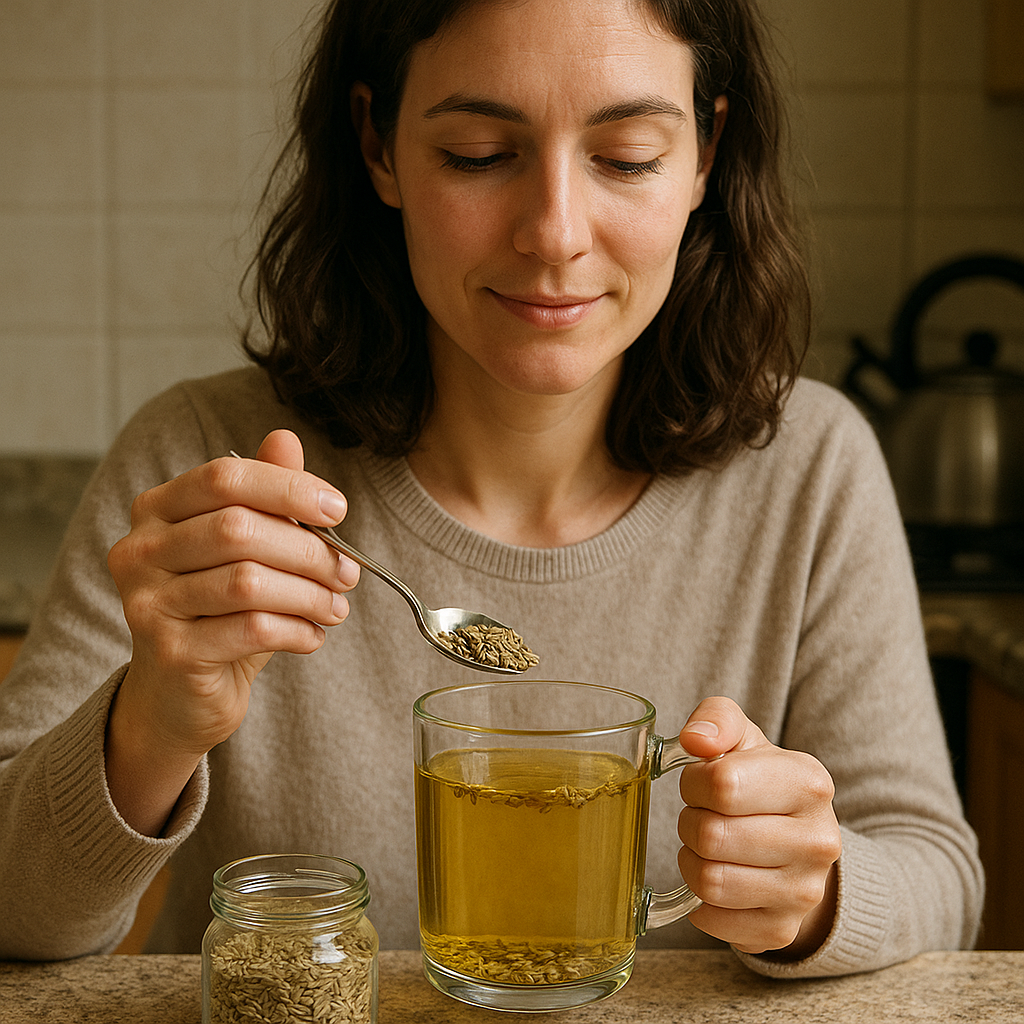
How Much Fennel Seeds to Eat Daily According to Ayurveda
Daily Dosage of Fennel Seeds for General Health
According to Ayurveda, moderation is key—even with natural herbs. For general health maintenance, eating fennel seeds daily in small amounts is not only safe but encouraged. A typical recommended dose is 1/2 to 1 teaspoon per day—ideally split across the day. That might not sound like much, but fennel seeds are highly concentrated in volatile oils and act on the body powerfully.
A lot of people sprinkle them into teas or chew them raw after meals. You don't need a huge amount to get the benefits of eating fennel seeds—they’re potent in small doses. Overdoing it, though, especially without balancing your dosha type (vata, pitta, kapha), might lead to side effects.
How Much Fennel Seeds to Eat Daily for Weight Loss Support
Now, let’s talk weight loss—because let’s face it, many of us want natural solutions that actually work. How much fennel seeds to eat daily for weight loss? Ayurveda and modern wellness experts suggest 1–1.5 teaspoons daily, often divided between morning and after meals. This helps boost metabolism and reduce cravings.
Soaking fennel seeds overnight and drinking the water on an empty stomach is one popular method. It's easy, hydrating, and said to curb bloating—more on that soon.
Benefits of Eating Fennel Seeds Daily
Benefits of Eating Fennel Seeds for Digestion and Detox
One of the best-known benefits of eating fennel seeds daily is their effect on digestion. Fennel seeds relax gastrointestinal muscles, reducing bloating, flatulence, and cramps. They act as a natural carminative—so they help release trapped gas and improve gut motility.
On top of that, they’re mildly diuretic, which supports natural detoxification. So, if you’re prone to sluggish digestion or that uncomfortable “food baby” feeling after eating, fennel could be your new best friend.
Fennel Seeds for Acidity, Bloating, and Gas
Fennel seeds shine when it comes to soothing the stomach. Whether you're dealing with heartburn, gas, or uncomfortable bloating, they provide quick relief. The volatile oils in fennel (like anethole) help soothe the lining of the gut and neutralize acid. That’s why chewing fennel after meals is more than just a cultural habit—it’s functional medicine.
If you’re wondering how to eat fennel seeds for acidity, try lightly roasting them and chewing slowly after a meal. Or make a fennel tea—steep 1 tsp in hot water for 5–7 mins.
Benefits of Eating Fennel Seeds Daily for Hormonal Balance
Here’s something not everyone knows: fennel seeds contain phytoestrogens. These are plant-based compounds that mimic estrogen in the body, making fennel especially useful for hormonal balance in women. Regular consumption may help regulate menstrual cycles, ease symptoms of PMS, and even reduce menopausal discomfort.
But as always—balance is key. Too much might throw things off, especially for people with hormone-sensitive conditions. We'll get into that in the side effects section.
How to Eat and Consume Fennel Seeds Correctly
How to Eat Fennel Seeds: Raw, Roasted, or Soaked
So, now that we’ve covered how much fennel seeds to eat daily, let’s talk how to eat fennel seeds. There's more than one way to enjoy their benefits, and each method has its own perks.
-
Raw: This is the most common method—simply chew a pinch after meals. It’s great for freshening breath and kickstarting digestion.
-
Roasted: Lightly roasting fennel seeds enhances their aroma and makes them a bit sweeter. Many people find this easier on the stomach.
-
Soaked: For those with stronger digestive issues or using fennel seeds for weight loss, soaking 1 tsp of seeds overnight and drinking the water in the morning on an empty stomach works wonders. The seeds swell and release nutrients, and the water becomes a mild detox tonic.
Honestly, try all three and see what your body vibes with. There’s no one-size-fits-all.
How to Consume Fennel Seeds After Meals or During Fasting
One common question is about how to consume fennel seeds after meals or when doing a fast. After meals, chewing fennel helps prevent gas and that sluggish, bloated feeling. But can you use them during a fast?
Absolutely. Since fennel is light, cooling, and not calorie-dense, it’s often allowed during Ayurvedic fasting routines. Many even chew it to manage hunger pangs or make a simple fennel tea to soothe acidity, which can spike during longer fasts.
And by the way, if you're wondering how to eat fennel seeds for acidity, soaking and boiling them is probably your best bet. Raw might be a bit intense for some sensitive stomachs.
Can We Eat Fennel Seeds in Fast or Ayurvedic Cleansing?
Yes, can we eat fennel seeds in fast?—you totally can, and in fact, you should if you’re struggling with sluggish digestion, headaches, or excess pitta (heat) during a cleanse. In Ayurveda, fennel is known for its cooling and soothing properties. It doesn’t aggravate vata or pitta, making it one of the rare herbs safe during most detox programs.
But don’t overdo it. 1–1.5 teaspoons is usually plenty in a day. It's easy to go overboard thinking more is better, but nope. Not in Ayurveda.
Types of Fennel Seeds and Their Ayurvedic Qualities
Sweet Fennel vs Bitter Fennel: What’s the Difference?
Ah yes, the types of fennel seeds. Not all fennel is created equal, and this is where many people get it wrong.
-
Sweet fennel (Foeniculum vulgare var. dulce): This is the most common variety used in cooking and Ayurvedic remedies. It has a pleasant, mildly sweet flavor and is what you usually find in Indian households.
-
Bitter fennel (Foeniculum vulgare var. vulgare): As the name suggests, it’s more bitter and intense in flavor. It has stronger medicinal properties but is not as palatable, especially for casual chewing.
Most of the time, when people talk about the benefits of eating fennel seeds daily, they’re referring to sweet fennel.
Choosing the Right Fennel Type for Digestion, Detox, or Cooling
Which one should you choose? That depends on your goal.
-
For digestion and bloating relief, sweet fennel is ideal.
-
For deep detoxification or medicinal teas, bitter fennel might be used in very small doses.
-
For cooling the body during hot seasons or balancing pitta dosha, sweet fennel again wins.
You can often find both in Ayurvedic stores, but if you’re not sure, stick with sweet fennel—it’s safe, effective, and easier on the tastebuds.
Fennel Seeds Side Effects and When to Avoid Them
What Happens If We Eat Fennel Seeds Daily in Excess?
We’ve talked about how amazing fennel can be, but let’s get real for a second. Even the best herbs can backfire if you go overboard. So… what happens if we eat fennel seeds daily in excess?
Well, for starters, you might experience:
-
Stomach cramps or mild nausea (especially if taken raw in large amounts)
-
Hormonal imbalances—fennel contains phytoestrogens, which may mess with estrogen-sensitive conditions if overused
-
Photosensitivity—some studies show that high doses could make skin more sensitive to sunlight. Weird, right?
-
Allergic reactions—rare, but it happens. If you notice itchiness or swelling, better to stop immediately
If you're sticking to the recommended how much fennel seeds to eat daily, you're probably safe. But don’t double up just because it "feels natural". Nature still needs boundaries.
Possible Fennel Seeds Side Effects for Certain Body Types or Conditions
Ayurveda teaches us that herbs act differently based on body constitution. That’s where things get interesting.
-
People with kapha dominance (sluggish digestion, water retention) usually benefit the most from fennel seeds.
-
Those with vata imbalance (gas, dryness) may also benefit, but too much can increase lightness and make them feel ungrounded.
-
For pitta types (hot-headed, prone to inflammation), fennel is cooling—but if combined with other heat-producing herbs, it could worsen acidity.
Also, avoid excessive fennel if you:
-
Are pregnant or breastfeeding (check with your doctor)
-
Have hormone-sensitive conditions like PCOS, endometriosis, or breast cancer
-
Take medications that interact with estrogens or blood thinners
Remember, the key isn’t just “is it healthy?” but “is it right for you?”
Don't wait or self medicate. Start chat with Doctor NOW
Conclusion
So, to wrap it all up—eating fennel seeds daily can be a small but powerful addition to your wellness routine. Whether you’re aiming to boost digestion, soothe bloating, or even support weight loss, this tiny herb packs a serious punch.
Just keep in mind:
-
Stick to 1–1.5 teaspoons per day (unless advised otherwise)
-
Choose sweet fennel for general use and bitter fennel for deeper cleansing
-
You can enjoy them raw, roasted, or soaked, depending on your needs
-
Don’t overconsume, especially if you have hormonal imbalances or sensitive skin
-
And yes, you can eat fennel seeds in fast, especially for calming the digestive fire
Sometimes it’s the smallest changes—like chewing a few fennel seeds after lunch—that bring the biggest results.
If this helped you, share it with someone who’s always complaining about acidity, sluggish digestion, or low energy. And maybe remind them to stop popping antacids like candy 😅.
FAQs
Can I eat fennel seeds every day without harm?
Yes, as long as you stick to small amounts—about 1 tsp a day—and you're not allergic or sensitive. Listen to your body.
What are the best times to consume fennel seeds?
After meals is ideal for digestion. Early morning (especially soaked fennel water) works well for detox and weight loss goals.
How to eat fennel seeds for acidity and bloating?
Try roasted fennel after meals or make fennel tea. Both calm the digestive tract and reduce gas and acid buildup.
Is it okay to eat fennel seeds during fasting?
Totally. Fennel is cooling, light, and digestion-friendly, making it a good fit for most fasts or Ayurvedic cleanses.
Questions from users
Is it safe to eat fennel seeds if I have a nut allergy?
Caroline
8 days ago
Absolutely, fennel seeds are safe even with a nut allergy. They're a completely different thing! Fennel seeds help digestion and won't trigger nut-related reactions. Just keep in mind your dosha balance and try not to overdo—even good things in excess can cause imbalances. Stay connected to how your body feels. 😊
What is the effect of fennel seeds on metabolism and weight loss?
Joshua
18 days ago
Fennel seeds can boost metabolism due to their ability to enhance agni (digestive fire), potentially aiding in weight loss. They help balance Vata and Kapha doshas, reducing bloating and improving digestion. Just be mindful not to overconsume! 1-2 teaspoons a day can be good, but everyone's different so listen to your body, okay?
Can I soak fennel seeds overnight to enhance their health benefits?
Dylan
27 days ago
Yes, soaking fennel seeds overnight can actually enhance their health benefits! Soaking makes the seeds swell up and release nutrients into the water, turning it into a mild detox tonic. Just remember not to overdo it – too much of anything can backfire! Try soaking and see if your body feels great with it. 😄
What is the best way to prepare fennel seeds to enhance their digestive benefits?
Yvonne
36 days ago
The best way to prep fennel seeds for digestion is to lightly roast them, then chew them slowly after meals. This roasting helps bring out their flavors and enhances their digestive benefits. Just keep it moderate; too much can be too heating for some, especially if you have a Pitta imbalance. If in doubt, try them in hot water to make a soothing tea!
What is the best way to soak fennel seeds for health benefits?
Allison
45 days ago
Best way to soak fennel seeds? Just soak about 1-2 teaspoons in a glass of water overnight. The next morning, strain and drink the water on an empty stomach. This can help in digestion and detoxification. If you're unsure about how it might interact with your body, its' good to start small and see how you feel!
Can fennel seeds help improve digestion if taken in other forms like tea or capsules?
Joseph
55 days ago
Yes, fennel seeds can definitely help digestion in forms like tea or capsules! Fennel seeds are great for soothing the stomach and can be really effective even if not chewed directly. Fennel tea can be calming and help ease bloating or gas, and capsules might be more convenient if you prefer that. Just keep it balanced and see what works best for you! 😊
What are the best ways to roast fennel seeds for maximum flavor?
Sofia
64 days ago
Roasting fennel seeds is super simple. Just toss them into a dry pan on medium heat - no oil needed. Stir often till they turn light brown and you catch that sweet smell. Takes only a few mins. Don't overdo it, or they might get bitter. Enjoy the aroma and the digestion boost!
Is it safe to consume fennel seeds daily for hormonal balance?
Violet
74 days ago
Yes, fennel seeds can be safe for daily use to help with hormonal balance due to their estrogen-like properties. But just keep it moderate, around 1–1.5 teaspoons a day, as overdoing it might mess with digestion or hormones, you know? Everyone's different, so it's good to listen to your body and maybe chat with a health pro if unsure.
Can I use fennel seeds to help manage hunger during fasting?
Brooklyn
83 days ago
Yep, fennel seeds can be helpful for managing hunger during fasting. They're known to curb appetite and soothe acidity. Just chew a few seeds when hunger pangs hit. But hey, remember everyone's body is different, so if it doesn't feel right, listen to your body!
What is the Ayurvedic perspective on the benefits of fennel seeds during fasting?
Rory
93 days ago
Fennel seeds during fasting are great from an Ayurvedic angle. Besides freshening breath, they cool down your system & support digestion. They help manage gas and acidity, making them a nice companion for fasts. Just keep the amount in check, about 1–1.5 teaspoons a day is all you need. Enjoy 'em, but don't overdo it!
Related articles

Gastrointestinal Disorders
Santarpana Janya Vyadhi – Understanding the Ayurvedic Approach to Nutritional Imbalances
Explore the concept of Santarpana Janya Vyadhi in Ayurveda, a category of diseases caused by excessive nourishment, and learn about its causes, symptoms, and treatment options.
2,643
Gastrointestinal Disorders
Ayurvedic Medicine for Gastritis: What Actually Works (And What Doesn’t)
One day, I’m sipping my second coffee on an empty stomach (bad idea, by the way), and the next, I’m curled up in bed, feeling like my insides are staging a protest. Burning, bloating, that weird nausea that doesn’t quite become vomiting—it was all there.
5,638

Gastrointestinal Disorders
Pilex Tablet Uses: Dosage, Duration, and Ayurvedic Benefits
Explore Pilex tablet uses, dosage instructions, and duration of intake. Learn how it helps with piles and what to know before use during pregnancy
16,408

Gastrointestinal Disorders
Kalamegha Strong: Benefits, Dosage & Science-Backed Insights
Discover the proven benefits, proper dosage, uses, and scientific research behind Kalamegha Strong, the powerful Ayurvedic formulation for liver health and overall wellness.
3,988
Gastrointestinal Disorders
Natural Ayurvedic Medicine for Creatinine: Lower Levels Safely & Effectively
Explore how Ayurvedic medicine addresses high creatinine levels naturally, with insights on herbs, dosage, benefits, and scientific evidence behind these remedies.
2,472

Gastrointestinal Disorders
Vata Prakopa Lakshana: A Comprehensive Guide to Symptoms, Causes, and Management
Discover Vata Prakopa Lakshana, its root causes, and evidence-based tips for managing Vata imbalance to enhance overall health and well-being.
3,086

Gastrointestinal Disorders
Vilwadi Gutika: Scientific Insights & Practical Applications
Explore the science behind Vilwadi Gutika, its Ayurvedic origins, research findings, and expert tips for safe, effective use in holistic healthcare.
3,009

Gastrointestinal Disorders
Shaddharanam Gulika – Benefits, Uses & Dosage in Ayurveda
Learn about Shaddharanam Gulika, an Ayurvedic remedy known for its detoxifying, digestive, and therapeutic properties, and how it supports overall health.
3,586

Gastrointestinal Disorders
Virechana Dravya: A Comprehensive Ayurvedic Detox Guide
Discover the benefits of Virechana Dravya for Ayurvedic detoxification, backed by scientific insights, safety guidelines, and expert tips.
2,874

Gastrointestinal Disorders
Liver & Gall
The liver is closely linked to other organs and body systems.
3,034
Related consultations on the topic
Legal
Additional Documents
© 2024 Ask Ayurveda. All rights reserved.