Ask Ayurvedic doctor a question and get a consultation online on the problem of your concern in a free or paid mode. More than 2,000 experienced doctors work and wait for your questions on our site and help users to solve their health problems every day.
FREE! Ask Ayurvedic Doctors 24/7

 Fast responses
 1000+ verified doctors
Body DetoxEar, Nose, and Throat DisordersGeriatrics & RejuvenationImmunodeficiencyInfertility TreatmentNutritionOrthopedic DisordersPediatricsRespiratory DisordersSexually Transmitted Diseases (STDs)Surgery RecoveryUrological DisordersVascular DisordersDental DisordersEndocrinological DisordersGastrointestinal DisordersYoga TherapyGeneral MedicineAllergic DisordersCardio DisordersGynecology and ObstetricsCosmetologySkin and Hair DisordersEye DisordersInfectious DiseasesMental DisordersNeurological DisordersOncologyPanchakarmaSexual Health & DisordersSports Medicine
Published on 08/22/25
(Updated on 07/06/26)
star_border 5
10,744
How to Consume Watermelon Seeds: Ayurvedic Guide to Benefits and Safe Use

Most people spit them out without thinking. But if you’ve ever wondered how to consume watermelon seeds or whether eating watermelon seeds can actually be good for you, you’re not alone. Ayurveda, the ancient system of Indian healing, has long highlighted the hidden nutritional value in these tiny black or white seeds. While some dismiss them as just annoying extras inside the fruit, they’re actually a powerful source of nutrients when used properly. Learning how to eat watermelon seeds—whether raw, roasted, or blended into a recipe—can unlock benefits you didn’t expect.
In this article, we’ll explore the Ayurvedic perspective on watermelon seeds, covering the best time to eat watermelon seeds, the best way to eat watermelon seeds, and even simple watermelon seeds recipes you can try at home. By the end, you’ll see why it’s time to rethink tossing them away.
How to Consume Watermelon Seeds for Health
Watermelon seeds are small, yes, but don’t underestimate them. They’re rich in magnesium, zinc, iron, healthy fats, and protein. From an Ayurvedic lens, these seeds balance pitta (heat in the body) and provide cooling energy, especially when consumed in summer.
But it’s not enough to just chew a few randomly—you need to know the right ways to prepare and consume them for maximum effect. Let’s break down the options.
How to Eat Watermelon Seeds Raw or Roasted
You can eat watermelon seeds raw, but it’s not the most enjoyable experience. The outer shell can feel a bit tough, and your digestive system might struggle with them if not chewed properly. Ayurveda usually recommends soaking them first—this softens the shell and makes digestion smoother.
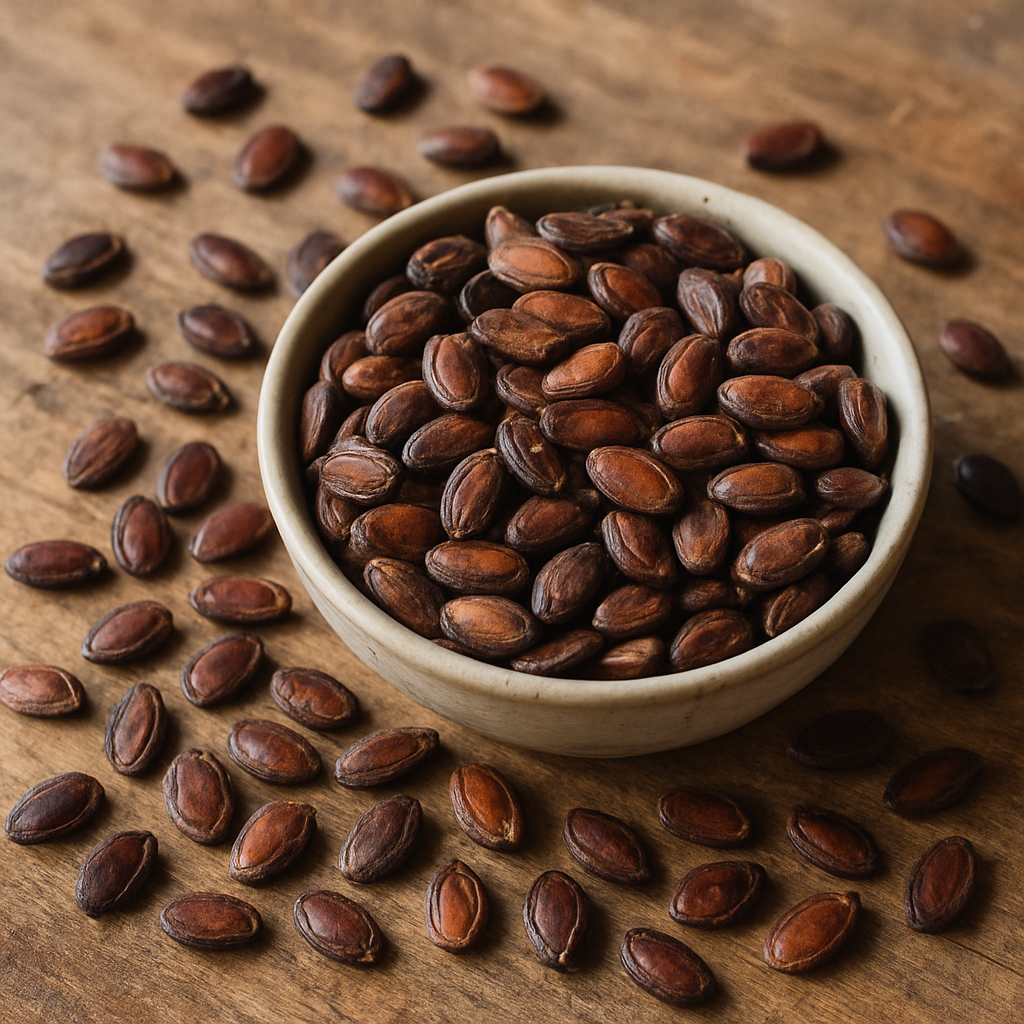
For most people though, the best way to eat watermelon seeds is roasted. Lightly roasting them brings out a nutty, crunchy flavor similar to sunflower or pumpkin seeds. Sprinkle a bit of salt or mild spices, and suddenly you’ve got a healthy snack that doesn’t feel like health food at all.
Roasted watermelon seeds are not just tasty—they’re convenient. You can keep them in a jar and grab a handful when hunger strikes, rather than reaching for chips or candy.
Best Time to Eat Watermelon Seeds
Ayurveda often emphasizes timing. The best time to eat watermelon seeds is generally during the day, ideally as a mid-morning or mid-afternoon snack. This is when your digestion (or agni) is strongest, which helps absorb all the nutrients efficiently.
Some also suggest consuming them after a workout because the protein and minerals help muscle recovery. Eating them late at night isn’t ideal; seeds can be slightly heavy and may interfere with sleep if your digestion is already slowing down.
How Much Watermelon Seeds to Eat Daily
Moderation is key. A common mistake is assuming that more seeds equal more benefits. In reality, Ayurveda suggests balance. About 1–2 tablespoons of watermelon seeds daily is enough for most adults. That’s roughly a small handful—enough to give you magnesium and good fats without overloading your digestive system.
If you overdo it, you might feel bloated or heavy. Remember, they’re nutrient dense, not empty calories. Listen to your body; if it feels like too much, scale back a little.
Benefits of Eating Watermelon Seeds in Ayurveda
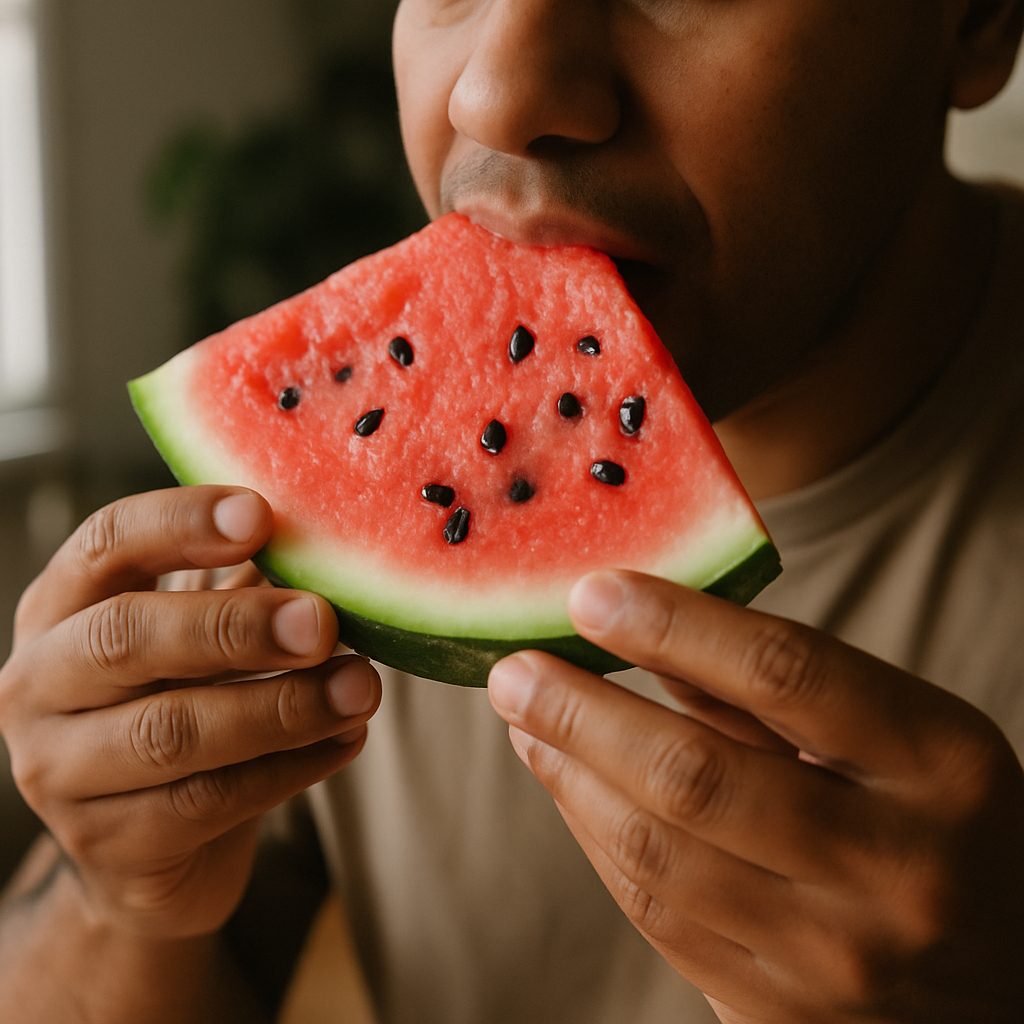
So why bother with these little seeds anyway? Ayurveda has a clear answer: they nourish both body and mind. According to Ayurvedic texts, watermelon seeds carry a sheetal (cooling) quality, which helps calm excessive body heat, reduce inflammation, and support the urinary tract. They’re also known to be mildly diuretic, assisting the body in flushing out toxins through urine.
From a modern nutrition perspective, eating watermelon seeds benefits your body in multiple ways:
-
Heart health: Thanks to magnesium and healthy fatty acids.
-
Better digestion: Fiber helps regulate bowel movement.
-
Energy boost: Seeds provide plant-based protein, which can be useful for vegans and vegetarians.
-
Skin & hair: Zinc and iron in the seeds are known to support clearer skin and stronger hair.
It’s interesting how Ayurveda and modern science seem to shake hands here. Both agree that eating them in moderation is highly beneficial.
Best Ways to Prepare and Use Watermelon Seeds
If you’re curious about the best way to eat watermelon seeds, the preparation matters as much as the act of eating. Ayurveda recommends processing seeds in ways that make them light, digestible, and flavorful. Let’s look at some practical methods.
Roasted Watermelon Seeds: Healthy Snack Option
Roasting is probably the easiest and most popular choice. Simply take soaked and dried seeds, place them on a pan, and roast over low heat. Don’t rush—if the heat is too high, the seeds can burn quickly and lose their nutrients.
Once roasted, you can sprinkle a bit of rock salt, cumin powder, or even chili flakes for a tasty twist. Some people like to drizzle a drop of ghee (clarified butter) for extra Ayurvedic goodness, but that part is optional.
The beauty of roasted watermelon seeds is their versatility. You can eat them straight, mix them into trail mix, or add them as a crunchy topping to salads. They are portable, shelf-stable, and frankly just fun to munch on.
Watermelon Seeds Recipe for Smoothies and Desserts
Here’s where things get creative. If the idea of chewing seeds doesn’t appeal to you, grinding them into powder is a brilliant workaround. Once powdered, the seeds can be added to smoothies, shakes, or even healthy desserts.
Quick recipe idea:
-
Take 1 tablespoon of roasted watermelon seeds.
-
Grind into fine powder.
-
Add to a banana smoothie with almond milk and a drizzle of honey.
This not only adds nutrition but also gives the smoothie a slightly nutty undertone.
Another Ayurvedic-inspired watermelon seeds recipe is using the powdered seeds in kheer (a traditional Indian rice pudding). Just stir a spoonful into the milk as it simmers—this thickens the texture and adds minerals.
If you love baking, you can also sprinkle the seeds on top of muffins, granola bars, or bread before putting them in the oven. They toast beautifully and give a rustic look to your dish.
Precautions and Side Effects of Eating Watermelon Seeds
While eating watermelon seeds benefits your health in many ways, moderation is still the golden rule. Ayurveda reminds us that even the healthiest foods can become harmful if consumed in excess or without proper awareness.
Some potential things to watch out for:
-
Digestive strain: Eating too many whole seeds without soaking or roasting may lead to bloating or constipation.
-
Calorie density: Seeds are nutrient-rich, but they’re also calorie-dense. If you’re trying to manage weight, don’t go overboard.
-
Allergies: Rare, but possible. If you notice itching, stomach upset, or any unusual symptoms, stop and check with a doctor.
Pregnant women should be cautious. Though generally safe, it’s always best to consult a healthcare provider before adding anything new in larger amounts. Kids too should have smaller portions — their digestion is more delicate.
In other words, enjoy them, but listen to your body.
Conclusion
So, what’s the bottom line? Watermelon isn’t just about the juicy red flesh we all crave in summer. Its seeds—often discarded—carry a hidden world of nutrition that Ayurveda has praised for centuries. Whether you learn how to eat watermelon seeds raw, or you prefer the crunch of roasted watermelon seeds, there are many ways to include them in your diet.
To recap quickly:
-
The best time to eat watermelon seeds is during the day, when your digestion is strongest.
-
The best way to eat watermelon seeds is roasted or powdered, so they’re easier to digest.
-
Stick to about how much watermelon seeds to eat daily: one to two tablespoons for adults.
-
Explore different watermelon seeds recipes to keep things exciting.
They may be small, but these seeds are mighty. Try keeping a jar handy on your kitchen counter—you’ll be surprised how fast you start reaching for them as a healthier alternative to processed snacks.
And if you found this helpful, why not share it with someone who still spits out every seed? You might just change their mind (and their health) for the better.
Don't wait or self medicate. Start chat with Doctor NOW
FAQs
What are the benefits of eating watermelon seeds?
Watermelon seeds provide magnesium, zinc, protein, and healthy fats. In Ayurveda, they balance body heat, support digestion, and improve urinary health. Modern nutrition adds benefits for heart, skin, and hair.
How many watermelon seeds should I eat daily?
For most adults, 1–2 tablespoons daily is enough. That gives you the nutrients without straining digestion. Eating too many at once might cause discomfort.
Are roasted watermelon seeds healthier than raw ones?
Both raw and roasted seeds have nutrients, but roasted watermelon seeds are easier to digest and taste better. Ayurveda often favors lightly processed foods (like soaking or roasting) to unlock the goodness inside.
Questions from users
How much magnesium do watermelon seeds contain per serving?
Lucy
6 days ago
Watermelon seeds contain approximately 21 milligrams of magnesium per ounce, which is around 28 grams or about 4 tablespoons. This means that a typical serving of 1–2 tablespoons provides roughly 5–10 milligrams of magnesium. Magnesium supports muscle function and bone health, but it's important not to consume excessive amounts of seeds to avoid digestive discomfort. If you're considering increasing your intake of magnesium-rich foods, consult with a healthcare professional for personalized advice, especially if you have underlying health conditions.
Is it safe to eat watermelon seeds if I have a history of digestive issues?
Presley
16 days ago
If you've got digestive issues, it could be tricky with watermelon seeds. Eating whole seeds might give your digestion some work, maybe even bloating. Consider roasting or soaking them first to lighten the load on your gut. Listen to your body and start small to see how it reacts. Take care!
Can I mix watermelon seeds with other ingredients for smoothies?
Owen
25 days ago
Absolutely, you can definitely mix watermelon seeds into smoothies! Roasted seeds can add a nice nutty flavor and crunch. Just make sure you roast them gently to avoid nutrient loss. Consider pairing them with ingredients that complement their taste like banana or spinach. Keep an eye on digestion though, as Ayurveda loves balancing different energies and flavors. Enjoy experimenting!
Is it safe to eat watermelon seeds before bedtime, or will it affect my sleep?
Paris
33 days ago
Eating watermelon seeds right before bedtime might not be the best idea. They can be a bit heavy and might interfere with sleep, especially if your digestion is slowing down for the night. It's all about balance and listening to your body! Maybe try having them earlier in the day. If you enjoy them, roasting can make 'em tasty!
How can I store roasted watermelon seeds to keep them fresh longer?
Asher
43 days ago
To store roasted watermelon seeds well, chuck 'em in an airtight container or a glass jar. Keeping them in a cool, dark place helps them stay fresh too. You can even pop 'em in the fridge if you want. Just make sure they are completely cool before sealing 'em up to avoid moisture. Enjoy crunching! 🫛
Can I eat watermelon seeds if I have a sensitive stomach?
Ruby
52 days ago
If your stomach's a bit sensitive, it's probably a good idea to avoid eating whole raw watermelon seeds. They can be a bit tough on digestion. Maybe try roasted and ground seeds instead—they're easier on the tummy! Just listen to your body, if it feels good, you're on the right track 😄.
Is it normal to feel bloated after eating watermelon seeds?
Isaac
62 days ago
Yep, it can happen. Eating too many watermelon seeds at once might cause bloating, especially if your digestion is sensitive or slowing down. Try 1-2 tablespoons daily at most; see how your body reacts. Balance your agni (digestive fire) with herbal teas or spices like ginger or fennel to help. Everyone's different, so tune into how your body feels.
Can I use watermelon seeds as a topping for salads or other dishes?
Reese
71 days ago
Absolutely, you can definitely use watermelon seeds as a topping for salads or other dishes! Roasted or salted, they add a nice, nutty crunch, a bit like sunflower seeds. Just make sure they're lightly roasted to bring out the best flavor and you’re good to go on salads, or soups, or even desserts.
Can I use watermelon seeds in baking, and how do I prepare them first?
Addison
81 days ago
Yep, you can totally use watermelon seeds in baking! First, soak and dry 'em, then you can roast them on low heat to make them more digestible and tasty. Once roasted, sprinkle these on muffins or bread right before baking to add crunch. Just don't go crazy with the amount. It’s best to roast the seeds gently so they stay nutritious!
Is it safe to eat whole watermelon seeds without soaking or roasting them?
Reese
91 days ago
Eating whole watermelon seeds without soaking or roasting can be safe in small amounts, but they might strain digestion, maybe causing bloating or constipation. Roasting or soaking helps make them more digestible! If you experience discomfort, it’s best to ease off and see how your body reacts. Remember, Ayurveda is all about balance and what suits your unique body type! 😄
Related articles

Nutrition
M2 Tone Syrup
Exploration of M2 Tone Syrup
5,181

Nutrition
Guduchi Satva: Benefits, Dosage, Ingredients, Side Effects
Exploration of Guduchi Satva: Benefits, Dosage, Ingredients, Side Effects
2,655

Nutrition
Unlocking Cardamom's Health Secrets
Cardamom has been a cornerstone of Ayurvedic medicine for centuries, valued for its numerous health benefits.
5,454

Nutrition
Can We Drink Coffee in Fast? What Ayurveda and Traditions Say
Can we drink coffee in fast? Learn if coffee, cold coffee, or milk coffee is allowed during Navratri, Sawan, Ekadashi, Monday, and other fasting days
18,298

Nutrition
Brinjal with Curd: Understanding the Side Effects
Brinjal with Curd
12,633

Nutrition
What Is Alsi: Ayurvedic Guide to Seeds, Oil, Benefits and Uses
Exploration of Unlocking the Health Benefits of Alsi: Flaxseeds in Ayurveda
3,745

Nutrition
Vidaryadi Ghritam – Traditional Ayurvedic Medicated Ghee for Holistic Wellness
Discover Vidaryadi Ghritam, a time-honored Ayurvedic medicated ghee formulation designed to rejuvenate tissues, balance doshas, and support nerve and digestive health naturally.
4,008

Nutrition
Curd Benefits for Stomach: What Ayurveda Has to Say (And Why You Should Care)
If you’ve ever reached for a bowl of curd after a heavy meal, you’re not alone. I do it. My grandma did it. Half of India probably does it. But here’s the question we often forget to ask: why does curd feel so comforting to the stomach? And more important
5,444

Nutrition
Medohar Guggulu Uses, Dose, Ingredients, Side Effects
Exploration of Medohar Guggulu Uses, Dose, Ingredients, Side Effects
5,834

Nutrition
Can We Eat Radish and Milk Together: Ayurvedic Perspective
Exploration of Is It Safe to Combine Radish and Milk? An Ayurvedic Perspective
12,574
Related consultations on the topic
Legal
Additional Documents
© 2024 Ask Ayurveda. All rights reserved.