FREE! Ask Ayurvedic Doctors 24/7

 Fast responses
 1000+ verified doctors
Is Pink Salt Good for Health? Benefits, Side Effects, and Ayurvedic View

Is pink salt good for health? That’s a question many people ask when they see those pretty crystals in gourmet shops or wellness blogs. Unlike the regular white table salt we grew up with, Himalayan pink salt is marketed as a healthier, even healing alternative. You’ll often hear about pink salt benefits like better digestion, skin health, or even detox effects. But what about the other side — could there be risks or side effects of pink salt if consumed daily?
In this article, we’ll break down the difference between pink salt and normal salt, compare pink salt vs sea salt, and look at the true benefits of pink salt for health, skin, and more. We’ll also dive into Ayurvedic uses, potential dangers, and answer common FAQs like “is pink salt good for high blood pressure?” By the end, you’ll have a balanced view of both pink salt benefits and side effects so you can decide if it deserves a place in your kitchen.
What Is Pink Salt and Why It’s Popular
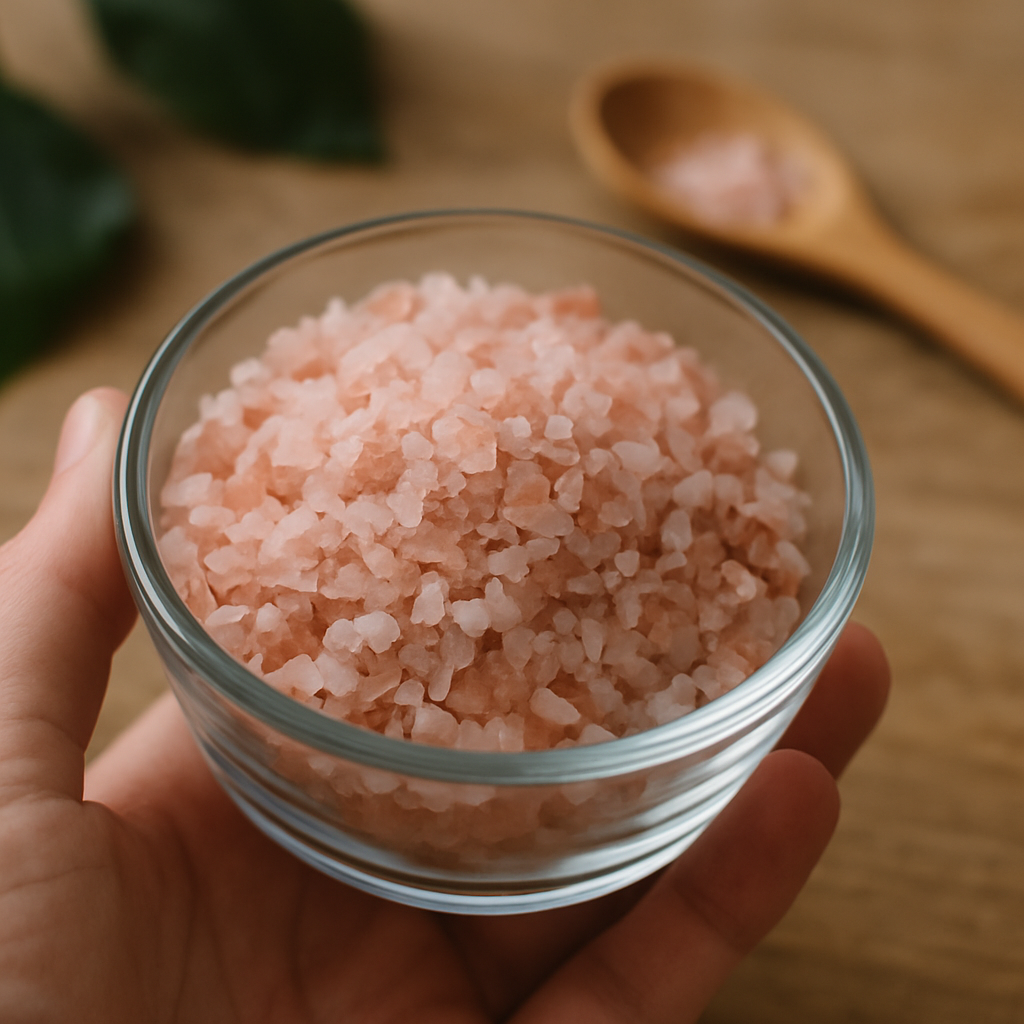
Pink salt, most commonly Himalayan pink salt, is a type of rock salt mined from ancient sea beds in the foothills of Pakistan’s Himalayas. Its pinkish color comes from trace minerals like magnesium, iron, potassium, and calcium. Unlike refined table salt, pink salt is often marketed as “natural” and “pure,” without chemical processing.
The popularity of pink salt really boomed in the last two decades. Partly due to the wellness movement, but also because of chefs and influencers highlighting its unique taste and “natural” benefits. It’s often seen as a status symbol in gourmet kitchens — even though sometimes people are not sure if the hype matches the health claims.
Difference Between Pink Salt and Normal Salt
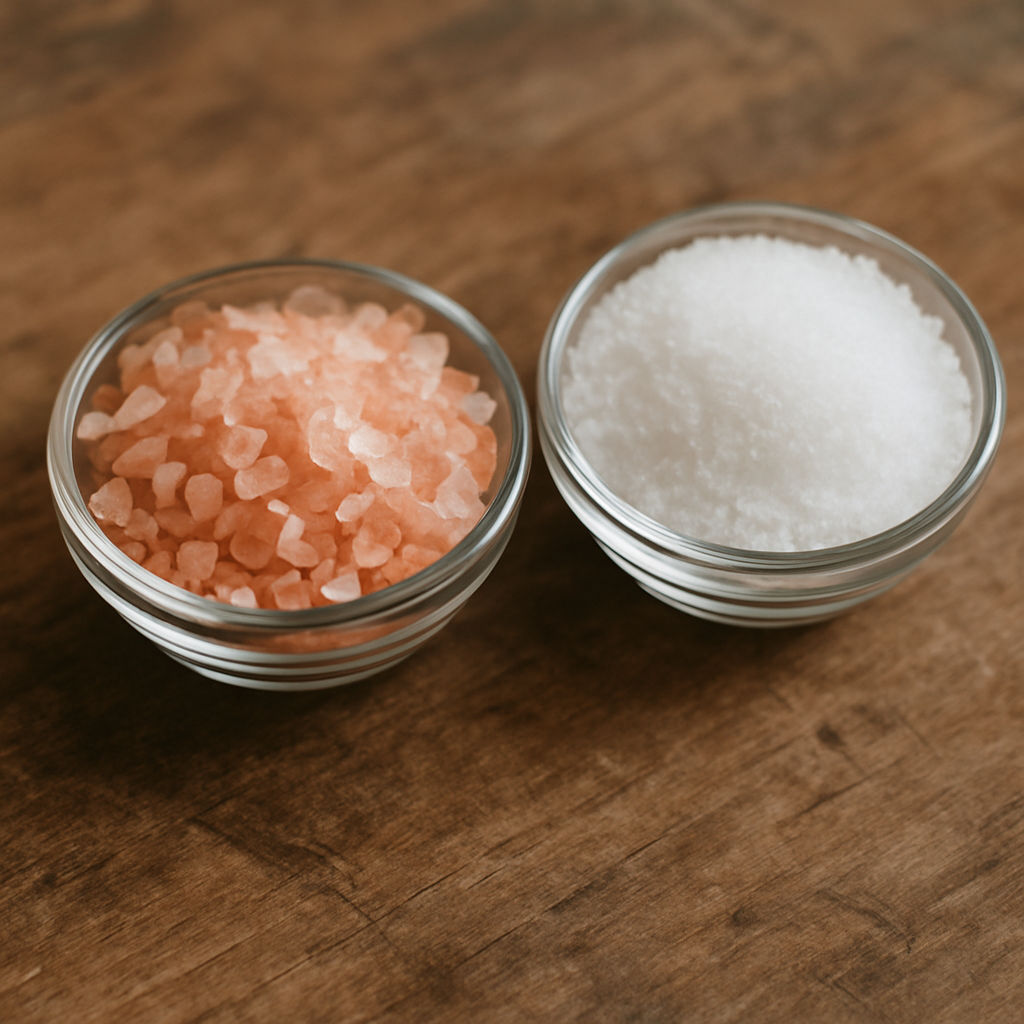
The main difference between pink salt and normal salt is processing. Regular white table salt is heavily refined, stripped of minerals, and often mixed with anti-caking agents. Pink salt, on the other hand, is less processed and naturally contains over 80 trace minerals.
But — here’s the catch — the amount of these minerals is very tiny. Too tiny to provide major health transformations. So while people love to say pink salt is good for health, the truth is that its benefits are mostly mild compared to eating a varied diet.
Pink Salt vs Sea Salt
Another common debate is pink salt vs sea salt. Sea salt comes from evaporated seawater, while pink salt comes from ancient salt deposits. Both can contain minerals, but sea salt may sometimes carry microplastics because of modern ocean pollution (yikes).
Taste-wise, both have a more complex flavor than plain table salt. Health-wise, they’re fairly similar. Some people prefer pink salt for its “cleaner” reputation, while others like sea salt for its availability and coarse texture. At the end of the day, the difference between pink salt and normal salt or sea salt often comes down to preference, marketing, and how you use it.
Pink Salt Benefits for Health
So, is pink salt really beneficial or just overhyped? Let’s dive into the most talked-about pink salt benefits.
Benefits of Pink Salt for Digestion and Energy
Many Ayurvedic practitioners and nutritionists claim that pink salt helps with digestion. It is believed to stimulate enzymes and digestive juices, which can support better nutrient absorption. Some even say it boosts energy by balancing electrolytes.
In reality, these effects are modest. If you’re already hydrated and eating a balanced diet, the extra minerals from pink salt won’t make a huge difference. Still, using pink salt instead of processed salt may give a slight edge in terms of mineral diversity.
Pink Salt Benefits for Skin
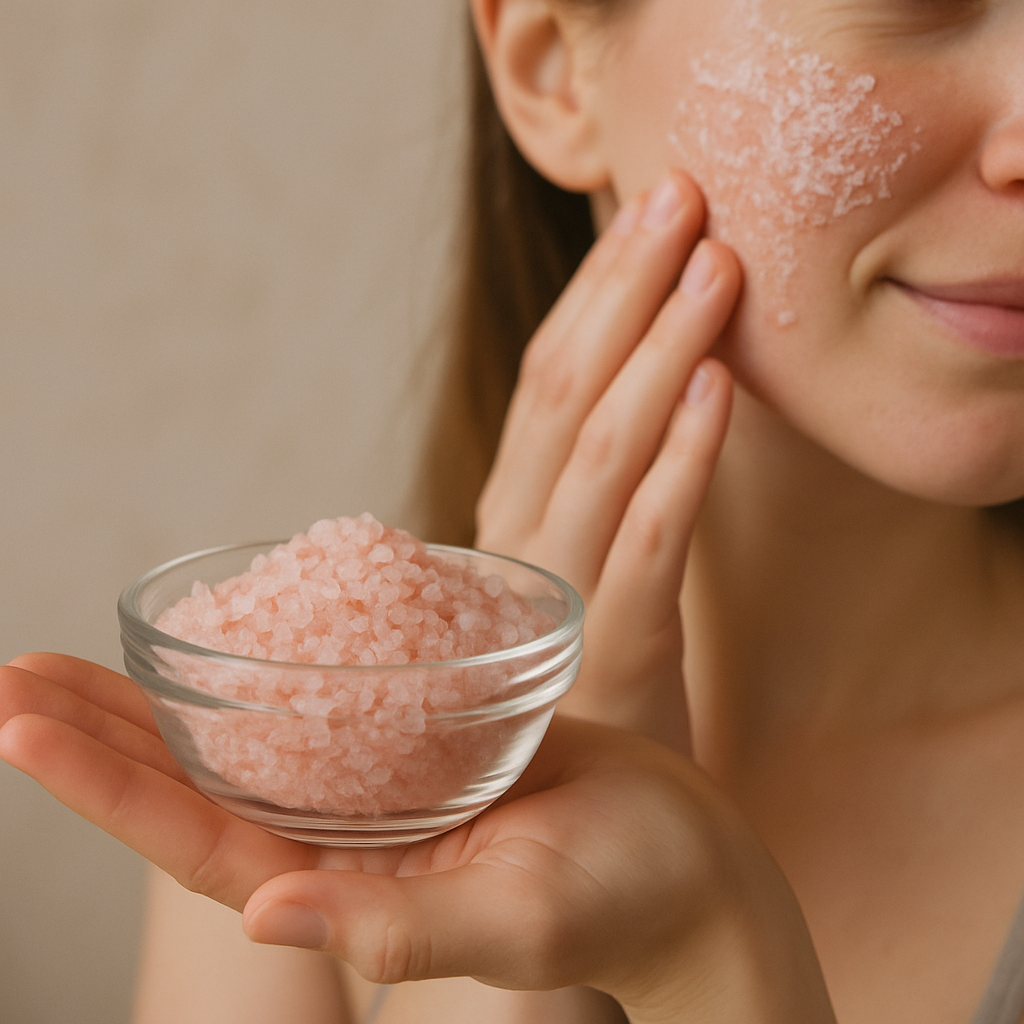
One reason people rave about pink salt benefits for skin is its use in scrubs, baths, and masks. Salt soaks with Himalayan pink salt are said to help detoxify, exfoliate dead skin, and even reduce irritation.
Does it work? Well, a warm salt bath can definitely feel relaxing, and the coarse texture makes it great for exfoliation. But don’t expect miracles — it won’t erase acne scars or wrinkles overnight. Think of it as a natural, soothing self-care ritual more than a medical solution.
Pink Salt Water Benefits and Daily Use
A trending practice is drinking “sole water,” a mix of pink salt dissolved in water. Fans claim it boosts hydration, improves sleep, and balances pH.
The pink salt water benefits might sound magical, but they’re not well-proven. Yes, a small pinch of mineral salt in water may help replenish electrolytes, especially if you sweat a lot. But too much can backfire — leading to bloating or even raising sodium intake.
Moderation is key. A glass of lightly salted water here and there won’t hurt most people, but making it a daily habit? That’s where you need caution.
Pink Salt in Ayurveda and Traditional Practices
In Ayurveda, salt isn’t just about taste — it’s about balance. Pink salt, often called “Sendha Namak” in traditional texts, is considered the purest form of salt. Unlike processed table salt, it’s believed to retain natural energy and pranic (life force) qualities.
Ayurvedic practitioners often suggest using pink salt for digestive health, detoxification, and balancing doshas (the body’s energy types). For example, people with excess Kapha (sluggishness, water retention) may benefit from its warming, stimulating qualities.
Still, keep in mind that Ayurveda views salt as medicine and food. Which means it should be used in moderation, not dumped into every meal just because pink salt is good for health.
Pink Salt Uses and Benefits in Ayurvedic Healing
Ayurvedic remedies often highlight pink salt uses and benefits beyond cooking. Some examples:
-
Salt gargles: To soothe sore throats and cleanse oral bacteria.
-
Salt baths: Believed to remove toxins and improve circulation.
-
Salt compresses: For relieving swelling or muscle stiffness.
Modern science doesn’t back up every claim, but many of these practices do have practical value. A warm salt gargle, for instance, really can ease throat irritation. In this sense, the benefits of pink salt overlap nicely with both tradition and everyday wellness.
Pink Salt for Weight Loss Support
One of the hot topics online is pink salt for weight loss. Does it really help? The truth is, pink salt won’t melt fat or burn calories directly. What it might do is support hydration and reduce bloating.
Some people replace regular salt with pink salt, hoping it’s a “lighter” option. But calorie-wise, salt is salt — it has no calories anyway. The possible weight loss effect comes from improved digestion and less water retention, which can make you feel slimmer.
So if you’re looking for miracles, pink salt isn’t the magic pill. But as part of a healthy lifestyle, it can play a small supporting role. Just don’t overdo it — too much sodium of any kind isn’t helpful for weight goals.
Pink Salt Side Effects and Risks
No matter how many pink salt benefits you read about, it’s important to balance the conversation with risks.
Side Effects of Pink Salt in Daily Diet
Here’s the reality check: pink salt is still salt. That means sodium. And too much sodium in the diet is linked to high blood pressure, kidney strain, and increased risk of heart disease.
Some people think they can consume more because “it’s natural.” But the side effects of pink salt are the same as regular salt when it comes to overconsumption. Headaches, dehydration, water retention — they don’t care whether your salt is pink or white.
Also, keep in mind that some Himalayan pink salt sold in markets may not be authentic. Adulteration or contamination is rare but possible, which adds another risk layer.
Is Pink Salt Good for High Blood Pressure?
A common question: is pink salt good for high blood pressure? The honest answer — not really. While the mineral content is slightly different, pink salt still contains high levels of sodium chloride. For people with hypertension, the priority is limiting sodium intake, not swapping one salt for another.
In fact, the American Heart Association recommends no more than 1,500 mg of sodium per day for adults with high blood pressure. That’s less than a teaspoon of salt, no matter if it’s pink, white, or sea salt.
So while marketers love to say pink salt is good for health, anyone struggling with hypertension should be very careful. Using pink salt in moderation is fine, but it should not replace medical advice or prescribed treatment.
Pink Salt vs Normal Salt: Which Is Better?
At the end of the day, many people want to know: pink salt vs normal salt, which one is better? The short answer — pink salt may have a slight nutritional edge, but the difference isn’t huge.
Nutritional Value of Pink Salt vs Regular Salt
The main selling point of Himalayan salt is its mineral content. Trace minerals like magnesium, potassium, and calcium give it the pink color and a subtle earthy taste. In contrast, normal table salt is usually refined, with iodine added to prevent thyroid issues.
Here’s the catch though: the amount of extra minerals in pink salt is very small, sometimes less than 1% of your daily needs. So while the difference between pink salt and normal salt exists, it’s not enough to transform your health by itself.
Regular salt, thanks to iodization, actually provides something vital: iodine. Without it, you risk goiter and thyroid problems. Ironically, many people who switch fully to pink salt might unknowingly reduce their iodine intake.
So instead of thinking “pink salt is good for health, regular salt is bad,” it’s smarter to mix both. Use pink salt for flavor and variety, but make sure you’re not missing iodine from other sources like fish, dairy, or iodized salt.
When to Use Pink Salt in Cooking and Remedies
Pink salt has become trendy not just for health, but also for aesthetics. The crystals look great sprinkled on dishes or used in fancy salt grinders. Chefs love it for finishing touches because it adds a gourmet vibe.
Practical uses include:
-
Cooking: Works just like regular salt but adds subtle flavor depth.
-
Remedies: Salt gargles, scrubs, and baths.
-
Wellness rituals: Pink salt water benefits are popular for hydration and detox routines, though again — moderation matters.
One mistake people make is using too much because it “feels healthier.” At the end of the day, salt is salt. Use it for flavor, but keep sodium levels under control.
Conclusion
So, is pink salt good for health? The answer is a balanced yes and no. Pink salt offers a small boost thanks to its mineral content, soothing uses for skin, and place in Ayurveda. But it also carries risks when consumed in excess — just like any other salt.
Think of it as a nice-to-have, not a miracle cure. If you enjoy the taste, the look, or the rituals around it, go ahead and use it. But remember: real health comes from an overall balanced lifestyle, not one ingredient.
If you found this guide useful, share it with a friend or family member. You never know who’s wondering about pink salt benefits and side effects right now.
FAQs
Can pink salt be used for skin care?
Yes! Pink salt scrubs and baths can exfoliate and relax skin. Just don’t expect overnight miracles for deeper skin issues.
Can pink salt help in weight loss?
Not directly. It may reduce bloating and support digestion, but it won’t burn fat. Use it alongside a healthy diet and exercise.
What are the side effects of pink salt if consumed daily?
Too much can lead to dehydration, bloating, and increased risk of high blood pressure. Moderation is essential.
Ask Ayurvedic doctor a question and get a consultation online on the problem of your concern in a free or paid mode.
More than 2,000 experienced doctors work and wait for your questions on our site and help users to solve their health problems every day.
Related articles