FREE! Ask Ayurvedic Doctors 24/7

 Fast responses
 1000+ verified doctors
Natural Ways to Reduce Acoustic Neuroma
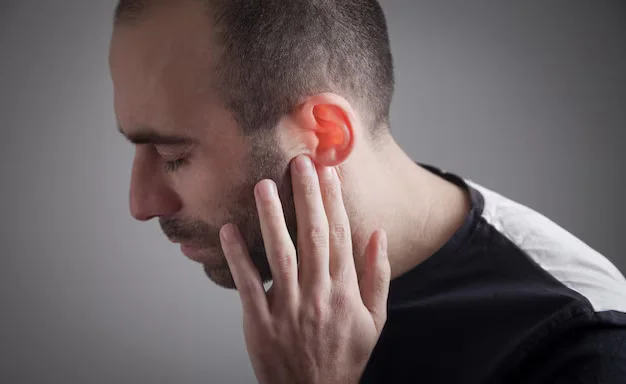
Acoustic neuroma — also called vestibular schwannoma — is a slow-growing, benign tumor that develops on the vestibulocochlear nerve (cranial nerve VIII) connecting the inner ear to the brain. Despite being non-cancerous, this tumor can cause progressive hearing loss, tinnitus, balance problems, and in rare cases life-threatening brainstem compression if left untreated. Roughly 2,000–3,000 new cases are diagnosed each year in the United States alone, and the incidence appears to be rising globally — likely because MRI technology catches smaller tumors that previously went undetected.
This guide covers everything you need to know: from the earliest warning signs and risk factors, through the Koos grading system no other major resource explains in detail, to a head-to-head comparison of treatment options, prognosis statistics, and practical advice for life after treatment. Whether you've just received a diagnosis or you're researching on behalf of someone you care about, you'll find actionable, evidence-based answers below.
What Is an Acoustic Neuroma?
An acoustic neuroma is a benign neoplasm arising from Schwann cells — the cells that form the myelin sheath around peripheral nerves. The tumor typically originates on the vestibular branch of cranial nerve VIII inside the internal auditory canal, though the common name "acoustic" neuroma persists from older medical literature. As the tumor grows, it can compress the cochlear nerve, the facial nerve (cranial nerve VII), and eventually the brainstem or cerebellum.
Acoustic neuromas account for approximately 6–8% of all primary intracranial tumors. The average age at diagnosis is between 40 and 60 years, and the condition affects men and women roughly equally, though some registry data suggests a slight female preponderance.
- ### Acoustic Neuroma vs.
- Vestibular Schwannoma — Terminology Explained
- You'll encounter several names for the same tumor. "Acoustic neuroma" remains the most widely searched term and is used interchangeably by most patients and even many clinicians. The technically accurate name is vestibular schwannoma, because the tumor arises from Schwann cells on the vestibular (not acoustic/cochlear) branch. Older literature may also use acoustic neurinoma or acoustic neurilemoma.
- All refer to the same pathology — terminology should not cause confusion at diagnosis.
How Common Is Acoustic Neuroma? (Epidemiology)
Population-based studies estimate an incidence of roughly 1.0–1.7 per 100,000 persons per year. A Danish registry study published in 2004 documented a threefold increase in incidence over two decades, which researchers attributed primarily to earlier detection through MRI rather than a true rise in occurrence. In India, large neurosurgery centers such as AIIMS Delhi and NIMHANS Bangalore report acoustic neuromas as one of the most common cerebellopontine angle tumors encountered in clinical practice.
Unilateral vs. Bilateral Acoustic Neuroma
The vast majority of cases (roughly 95%) are unilateral — affecting only one ear — and arise sporadically with no clear genetic driver.
Bilateral acoustic neuromas (tumors on both sides) are the hallmark of Neurofibromatosis Type 2 (NF2), a rare autosomal dominant genetic disorder. NF2-related bilateral vestibular schwannomas typically present earlier, often in the late teens or twenties, and carry a significantly more complex treatment course. If bilateral tumors are discovered, genetic testing and counseling are strongly recommended.
Types and Classification: The Koos Grading System
One of the most clinically useful — yet surprisingly under-discussed — frameworks for acoustic neuroma is the Koos classification, which grades tumors by size and extension. Understanding the grade helps predict symptoms, guides treatment selection, and frames prognosis conversations.
| Koos Grade | Tumor Size / Extension | Typical Clinical Picture |
|---|---|---|
| I | Small, intracanalicular (confined to the internal auditory canal); ≤ 10 mm | Mild hearing loss, tinnitus; may be incidental finding |
| II | Small-medium, protrudes into the cerebellopontine angle (CPA); 11–20 mm | Progressive hearing loss, balance issues begin |
| III | Medium-large, fills the CPA but does not displace the brainstem; 21–30 mm | Noticeable balance dysfunction, facial numbness possible |
| IV | Large, compresses and displaces the brainstem; > 30 mm | Brainstem compression symptoms: headaches, hydrocephalus, facial weakness, swallowing difficulties |
Koos grades I and II are the most common at diagnosis today, thanks to widespread MRI availability. Grade IV tumors, while rarer in countries with good imaging access, are still seen frequently in settings where patients present late — a reality in many parts of India and other developing regions.
Symptoms of Acoustic Neuroma
Symptoms depend heavily on tumor size and growth rate. Because the tumor grows slowly (average growth rate of about 1–2 mm per year, though some grow faster and some remain stable for years), early symptoms are often subtle and easily mistaken for age-related hearing changes.
Early Signs: Hearing Loss, Tinnitus, and Balance Problems
- Unilateral sensorineural hearing loss — the single most common presenting symptom, reported in roughly 90–95% of patients. It typically affects one ear, develops gradually over months or years, and may initially manifest as difficulty hearing phone conversations on one side.
- Tinnitus — persistent ringing, buzzing, or hissing in the affected ear, present in about 65–70% of cases at diagnosis.
- Balance disturbances — mild unsteadiness or a sense of "off-balance" rather than classic room-spinning vertigo. The brain often compensates for slow vestibular nerve damage, so acute vertigo is less common than you'd expect.
Advanced Symptoms: Facial Numbness, Paralysis, and Brainstem Compression
As the tumor grows beyond the internal auditory canal (Koos III–IV):
- Facial numbness or tingling (trigeminal nerve compression) — a feeling of "novocaine wearing off" on the affected side
- Facial muscle weakness or paralysis (facial nerve involvement) — drooping eyelid, difficulty smiling, incomplete eye closure
- Headaches — usually occipital, sometimes indicating raised intracranial pressure from hydrocephalus
- Swallowing and voice difficulties — if lower cranial nerves become compressed
- Ataxia and coordination problems — cerebellar compression in very large tumors
When to See a Doctor
Any new, unexplained one-sided hearing loss warrants medical evaluation — period. This is especially true if it develops suddenly or is accompanied by tinnitus or balance changes. While acoustic neuroma is not the most common cause of unilateral hearing loss, early diagnosis makes a dramatic difference in treatment outcomes and hearing preservation.

Causes and Risk Factors
Role of Schwann Cells and Chromosome 22
- Acoustic neuromas arise when Schwann cells on the vestibular nerve begin to proliferate abnormally. In sporadic (non-NF2) cases, the underlying molecular trigger remains incompletely understood, but research consistently points to mutations or loss of function of the merlin (schwannomin) gene located on chromosome 22q12.
- Merlin is a tumor suppressor protein — when both copies of this gene are inactivated in a Schwann cell, unchecked growth can follow.
Neurofibromatosis Type 2 (NF2)
NF2 is caused by a germline mutation of the same merlin gene. Patients inherit one faulty copy; when the second copy is lost somatically (Knudson's two-hit hypothesis), bilateral vestibular schwannomas develop — typically before age 30. NF2 accounts for only about 5% of all acoustic neuroma cases but carries a significantly higher disease burden including multiple other nervous system tumors.
Other Potential Risk Factors
- High-dose cranial irradiation — exposure during childhood (for example, treatment of a prior malignancy) has been identified as a risk factor in several case-control studies, including data cited by Brigham and Women's Hospital.
- Prolonged noise exposure and cell phone use — these have been widely studied but current evidence does not support a definitive causal link. The INTERPHONE study (2011) found no increased overall risk from cell phone use, though the authors noted some statistical uncertainty for heavy long-term users.
- Age — most sporadic cases occur in the 4th to 6th decades. Pediatric acoustic neuromas are exceedingly rare outside NF2.
How Is an Acoustic Neuroma Diagnosed?
Audiological Testing
- Pure-tone audiogram — the first-line test; reveals asymmetric sensorineural hearing loss in the majority of patients.
- Speech discrimination testing — often disproportionately poor relative to the degree of hearing loss on the audiogram, which is a classic red flag for retrocochlear pathology.
- Auditory Brainstem Response (ABR) — measures the electrical activity along the auditory pathway. Historically the main screening tool, ABR has a sensitivity of about 90–95% for tumors larger than 1 cm but can miss smaller tumors, which is why MRI has become the gold standard.
MRI — The Gold Standard
Gadolinium-enhanced MRI of the internal auditory canals and cerebellopontine angle is the definitive diagnostic study. It can detect tumors as small as 1–2 mm and provides precise information about size, location, and relationship to surrounding structures. If MRI is contraindicated (e.g., patients with certain metallic implants), a high-resolution CT scan with contrast is an alternative, though less sensitive for small tumors.
Balance and Additional Tests
- Electronystagmography (ENG) / Videonystagmography (VNG) — evaluates vestibular function by measuring eye movements.
- Vestibular evoked myogenic potentials (VEMPs) — can provide additional information about which branch of the vestibular nerve is affected.
Differential Diagnosis
An important step that many resources overlook: not every cerebellopontine angle mass is an acoustic neuroma. The differential includes meningioma (the second most common CPA tumor, accounting for about 10–15% of CPA lesions), epidermoid cyst, arachnoid cyst, facial nerve schwannoma, and rarely metastatic deposits. MRI characteristics, clinical presentation, and sometimes surgical biopsy help distinguish these from vestibular schwannoma.
Treatment Options for Acoustic Neuroma
Treatment decisions depend on tumor size, growth rate, the patient's hearing status, age, overall health and personal preferences. There are three primary approaches, and understanding the trade-offs between them is critical.
Observation (Watch-and-Wait)
- Also called conservative management.
- Because many acoustic neuromas grow very slowly — or not at all — regular monitoring with serial MRI scans (typically every 6–12 months initially) and audiograms may be appropriate for:
- Small tumors (Koos I–II) with minimal or stable symptoms
- Elderly patients or those with significant comorbidities
- Patients with useful hearing they wish to preserve
Studies show that roughly 40–50% of small acoustic neuromas show no measurable growth over 5 years of follow-up. However, observation carries the risk that the tumor grows and the window for hearing-preserving intervention closes.
When does observation stop being an option? Generally, if serial MRIs show consistent growth (especially >2–3 mm/year), if hearing deteriorates meaningfully, or if new neurological symptoms appear, active treatment is recommended.
Stereotactic Radiosurgery
Radiosurgery delivers a focused, high dose of radiation to the tumor in one to five sessions, aiming to halt growth rather than remove the tumor. Tumor control rates (defined as no further growth) are excellent — typically 92–98% at 10 years in published series.
Gamma Knife vs. CyberKnife vs. LINAC-Based Systems
| Feature | Gamma Knife | CyberKnife | LINAC (Fractionated) |
|---|---|---|---|
| Radiation Source | 192 Cobalt-60 sources | Single linear accelerator on a robotic arm | Standard linear accelerator |
| Frame | Rigid head frame (single session) | Frameless (mask-based) | Frameless (mask-based) |
| Sessions | Usually 1 | 1–5 (hypofractionated) | 3–30 (fractionated) |
| Precision | Sub-millimeter | ~1 mm | ~1–2 mm |
| Best For | Tumors ≤ 3 cm, well-defined margins | Tumors near critical structures, patient comfort | Larger tumors or those touching brainstem |
| Hearing Preservation (5-yr) | ~55–75% (varies by study) | ~60–77% | ~50–70% |
Gamma Knife has the longest track record and the largest body of evidence for acoustic neuroma specifically. CyberKnife offers frameless convenience and may allow fractionation that theoretically reduces cochlear radiation dose. LINAC-based systems are more widely available globally and can be used for hypofractionated or fully fractionated protocols. In practice, outcomes are broadly comparable, and the choice often depends on institutional availability and expertise.
Microsurgery (Surgical Removal)
Surgery aims to physically remove the tumor — either completely (gross total resection) or subtotally if complete removal would risk the facial nerve. Three surgical approaches exist.
Translabyrinthine Approach
Goes through the mastoid bone and inner ear. Sacrifices any remaining hearing on that side but provides excellent facial nerve visualization. Often preferred for patients who have already lost useful hearing.
Retrosigmoid (Suboccipital) Approach
Accesses the tumor through a craniotomy behind the ear. Offers the possibility of hearing preservation and good visualization of the entire tumor, including extension into the internal auditory canal. Most versatile approach for larger tumors.
Middle Cranial Fossa Approach
Reaches the internal auditory canal from above. Best suited for small tumors (generally < 1.5–2 cm) confined to the canal, with the primary goal of hearing preservation.
Surgical outcomes: In experienced centers, complete tumor removal is achieved in 90–98% of cases. Facial nerve preservation (House-Brackmann Grade I–II function) is achieved in roughly 90–95% of small-to-medium tumors and 50–75% of large tumors (> 3 cm). Recurrence rates after gross total resection are approximately 1–5% over 10 years.
Medication: Bevacizumab and Emerging Therapies
For patients with NF2-related bilateral schwannomas — where surgical options are limited by the risk of bilateral deafness — bevacizumab (Avastin®), a VEGF inhibitor, has shown the ability to shrink tumors and stabilize or improve hearing in approximately 40–50% of patients, according to multiple studies including Plotkin et al. (2009, 2012). It is administered intravenously and requires ongoing treatment.
Newer investigational agents include larotrectinib (a TRK inhibitor, primarily studied in NF-associated tumors), and several clinical trials are currently exploring the MEK pathway inhibitors and other targeted therapies. As of 2024–2025, none of these has replaced bevacizumab as the standard medical therapy, but the landscape is evolving.

Comparison of Treatment Approaches
| Factor | Observation | Radiosurgery | Microsurgery |
|---|---|---|---|
| Goal | Monitor for growth | Stop tumor growth | Remove tumor |
| Best for | Small, stable tumors; elderly | Small-medium tumors (< 2.5–3 cm) | Any size; especially large tumors |
| Hearing Preservation | Preserved initially; may decline over time | ~55–77% at 5 years | 30–70% (approach-dependent, size-dependent) |
| Facial Nerve Risk | None | ~1–3% significant weakness | 5–50% (size-dependent) |
| Hospital Stay | None | Outpatient or 1 night | 3–7 days typically |
| Recovery Time | N/A | Days | Weeks to months |
| Tumor Recurrence | N/A (tumor persists) | ~2–8% regrowth at 10 yr | ~1–5% after complete removal |
| Main Limitation | Tumor may grow; hearing may decline | Does not remove tumor; possible delayed complications | Surgical risks; general anesthesia |
Prognosis and Life Expectancy
This is a question nearly every patient asks, and yet most online resources fail to answer directly. Acoustic neuroma is not cancer and does not metastasize. Life expectancy for patients with sporadic unilateral acoustic neuroma is essentially normal — matching the general population — when the tumor is managed appropriately. Mortality directly attributable to acoustic neuroma is exceedingly rare in the modern era, typically only in cases of very large neglected tumors causing fatal brainstem compression.
The more relevant prognostic concern is functional outcome: preservation of hearing, facial nerve function, and balance. A 2015 systematic review in Otology & Neurotology analyzed long-term outcomes and found that quality-adjusted survival was not significantly different between observation, radiosurgery, and surgery groups for small-to-medium tumors — reinforcing that treatment choice should center on functional preservation and quality of life rather than survival.
Tumor Growth Rate: What the Data Shows
- Not all acoustic neuromas behave the same way.
- Studies tracking untreated tumors have found:
- About 40–50% show no growth over 3–5 years
- About 30–40% grow at 1–2 mm per year
- About 10–20% grow faster than 2 mm per year (these are candidates for early intervention)
- Rare cases of spontaneous shrinkage have been documented, though this is uncommon
Growth rate tends to be most useful in guiding the observation-vs-treatment decision and is assessed through serial MRI, typically at 6 and 12 months after diagnosis, then annually.
Recovery and Life After Treatment
Post-Surgical Recovery
- Most patients spend 3–7 days in the hospital after microsurgery. Full recovery takes 4–8 weeks for many, though fatigue and balance difficulties can persist for several months.
- Vestibular rehabilitation therapy — a specialized physiotherapy program — is strongly recommended after surgery and has been shown to significantly improve balance outcomes and reduce fall risk.
Adapting to Single-Sided Deafness
For patients who lose hearing in the affected ear (whether from the tumor itself, surgery, or radiation), several assistive technologies exist:
- CROS (Contralateral Routing of Signal) hearing aids — picks up sound from the deaf side and routes it to the hearing ear
- BiCROS aids — similar but also amplifies sound for the hearing ear if it has some degree of loss
- Bone-anchored hearing devices (BAHA / Osia) — surgically implanted; excellent for single-sided deafness
- Cochlear implants — increasingly used after translabyrinthine surgery if the cochlear nerve is intact; early data shows promising results for hearing rehabilitation
Impact on Quality of Life
A topic that deserves more attention than it usually gets. Research published in the Journal of Neurosurgery (2018) found that acoustic neuroma patients — regardless of treatment modality — report higher rates of:
- Chronic fatigue (reported by 40–60% of patients post-treatment)
- Depression and anxiety (prevalence roughly 2–3 times higher than age-matched controls)
- Cognitive difficulties — particularly concentration and multitasking
- Social isolation — partly from hearing loss, partly from invisible disability
Emotional support, patient advocacy groups (such as the Acoustic Neuroma Association), and mental health counseling should be considered integral parts of the treatment plan — not afterthoughts.
Acoustic Neuroma During Pregnancy
A niche but clinically important topic. Pregnancy does not cause acoustic neuromas, but hormonal changes and increased blood volume may theoretically accelerate growth. Case reports exist documenting rapid symptomatic progression during pregnancy. MRI without gadolinium can be performed safely during pregnancy if monitoring is needed. Treatment decisions must balance maternal and fetal risks and are best managed by a multidisciplinary team.
What Research Is Being Done?
The National Institute on Deafness and Other Communication Disorders (NIDCD) and other institutions are actively funding research in several areas:
- Molecular pathway studies — understanding the merlin/NF2 signaling cascade to identify drug targets
- Gene therapy — early-stage research into restoring merlin function
- Robotic and endoscopic surgery — improving precision and reducing morbidity of surgical approaches
- Drug delivery systems — intratympanic delivery of therapeutics directly to the tumor area
- Immunotherapy approaches — still in preclinical phases but represent a potentially paradigm-shifting direction
- Hearing restoration — including auditory brainstem implants for patients with bilateral deafness from NF2
Frequently Asked Questions
Can Acoustic Neuroma Be Reversed?
- Acoustic neuromas cannot be "reversed" in the traditional sense through natural remedies or lifestyle changes alone. The tumor is a physical growth of Schwann cells. However, some small tumors remain stable for years and, in rare documented cases, have shown spontaneous regression.
- Active treatments — surgery or radiation — can remove or halt tumor growth. Bevacizumab can shrink NF2-related tumors. Claims that herbal treatments or supplements can reliably shrink acoustic neuromas are not supported by rigorous clinical evidence.
What Should You Avoid with Acoustic Neuroma?
While there are no strict "foods to avoid," patients should be cautious about:
- Loud noise exposure — protect the hearing in your good ear
- Ototoxic medications (e.g., high-dose aspirin, certain aminoglycoside antibiotics) — discuss with your doctor before taking any new medication
- Delaying medical follow-up — skipping scheduled MRI scans during observation can allow undetected growth
- Unverified alternative therapies — relying solely on unproven remedies risks losing the window for effective treatment
What Is the Life Expectancy with Acoustic Neuroma?
For the vast majority of patients with sporadic acoustic neuroma, life expectancy is not reduced. This is a benign tumor with excellent long-term survival outcomes. The primary concern is functional morbidity (hearing loss, facial nerve issues) rather than mortality.
Are There Celebrities with Acoustic Neuroma?
Yes — several public figures have shared their experiences, helping raise awareness. Mark Ruffalo (actor) was diagnosed with an acoustic neuroma in 2001 and experienced a period of facial paralysis after surgery. His openness about the diagnosis has brought significant public attention to the condition.
What Were Your First Symptoms of Acoustic Neuroma?
Patient surveys consistently show that the most common first symptom is gradual hearing loss in one ear, often noticed initially during phone calls. Many patients also report tinnitus as an early symptom. Some discover the tumor incidentally through an MRI performed for unrelated reasons — this is increasingly common and accounts for up to 10–15% of diagnoses.
How Long Can You Live with an Untreated Acoustic Neuroma?
Many patients with small, slow-growing tumors live decades with minimal symptoms under observation alone. However, untreated large tumors (Koos IV) can eventually cause brainstem compression, hydrocephalus, and — in extreme cases — death. The key is regular monitoring so that intervention can be initiated if the tumor shows concerning growth.
Final Thoughts: Taking the Next Step
An acoustic neuroma diagnosis can feel overwhelming, but here's the reassuring truth — this is a benign, slow-growing tumor with multiple effective treatment options and an excellent overall prognosis.
The most important steps you can take right now are:
- 1.Get a gadolinium-enhanced MRI if you haven't already — it's the definitive diagnostic tool
- 2.Consult a multidisciplinary team — ideally including a neurotologist (ear surgeon), neurosurgeon, and radiation oncologist at a center experienced with acoustic neuromas
- 3.Understand your Koos grade — it frames everything about your treatment options
- 4.Don't rush the decision — for small tumors, you almost always have time to seek second opinions and weigh your options carefully
- 5.Connect with a support community — the Acoustic Neuroma Association (ANA) and online patient forums provide invaluable peer support
Whether your path leads to observation, radiosurgery, or microsurgery, knowledge is your most powerful tool. Share this guide with anyone navigating a similar journey, and remember — you don't have to face this alone.
Scientific Sources
- Give me a kiss! An integrative rehabilitative training program with motor imagery and mirror therapy for recovery of facial palsy — Paolucci T et al., 2020, European journal of physical and rehabilitation medicine
- Risk Factors of Acoustic Neuroma: Systematic Review and Meta-Analysis — Chen M et al., 2016, Yonsei medical journal
- Application and development of super minimally invasive surgery concept in acoustic neuroma resection(https://pubmed.ncbi.nlm.nih.gov/39266492/) — Zhang QJ et al., 2024, Zhonghua yi xue za zhi
- Diagnostics and therapy of vestibular schwannomas - an interdisciplinary challenge — Rosahl S et al., 2017, GMS current topics in otorhinolaryngology, head and neck surgery
- Ocular surface homeostasis instability in acoustic neuroma: corneal nerve density reduction and blink reflex abnormalities — Chen J et al., 2025, Graefe's archive for clinical and experimental ophthalmology = Albrecht von Graefes Archiv fur klinische und experimentelle Ophthalmologie
- Genetic variants of cancer‑associated genes analyzed using next‑generation sequencing in small sporadic vestibular schwannomas — Fujita T et al., 2023, Oncology letters
- Fully Endoscopic Resection of Cerebellopontine Angle Meningiomas — Setty P et al., 2016, Journal of neurological surgery. Part A, Central European neurosurgery
- RETRACTED: Brazilein induces apoptosis and G1/G0 phase cell cycle arrest by up-regulation of miR-133a in human vestibular schwannoma cells — Mou Z et al., 2019, Experimental and molecular pathology
- A novel method of translabyrinthine cranioplasty using hydroxyapatite cement and titanium mesh: a technical report — Bambakidis NC et al., 2010, Skull base : official journal of North American Skull Base Society ... [et al.]
- Electroacupuncture therapy for abducent palsy after acoustic neuroma surgery — Zhidan L et al., 2015, Acupuncture in medicine : journal of the British Medical Acupuncture Society
- Acupuncture for left lateral rectus muscle paralysis combined with facial nerve injury after acoustic neuroma surgery: a case report (https://pubmed.ncbi.nlm.nih.gov/41741991/) — Gu K et al., 2026, Zhongguo zhen jiu = Chinese acupuncture & moxibustion
- The aborted early history of the translabyrinthine approach: a victim of suppression or technical prematurity? — Nguyen-Huynh AT et al., 2007, Otology & neurotology : official publication of the American Otological Society, American Neurotology Society [and] European Academy of Otology and Neurotology
Ask Ayurvedic doctor a question and get a consultation online on the problem of your concern in a free or paid mode.
More than 2,000 experienced doctors work and wait for your questions on our site and help users to solve their health problems every day.
Related articles