Ask Ayurvedic doctor a question and get a consultation online on the problem of your concern in a free or paid mode. More than 2,000 experienced doctors work and wait for your questions on our site and help users to solve their health problems every day.
FREE! Ask Ayurvedic Doctors 24/7

 Fast responses
 1000+ verified doctors
Body DetoxEar, Nose, and Throat DisordersGeriatrics & RejuvenationImmunodeficiencyInfertility TreatmentNutritionOrthopedic DisordersPediatricsRespiratory DisordersSexually Transmitted Diseases (STDs)Surgery RecoveryUrological DisordersVascular DisordersDental DisordersEndocrinological DisordersGastrointestinal DisordersYoga TherapyGeneral MedicineAllergic DisordersCardio DisordersGynecology and ObstetricsCosmetologySkin and Hair DisordersEye DisordersInfectious DiseasesMental DisordersNeurological DisordersOncologyPanchakarmaSexual Health & DisordersSports Medicine
Published on 12/13/24
(Updated on 07/05/26)
2,685
Ayurvedic Treatment for Heel Pain: A Natural Path to Relief
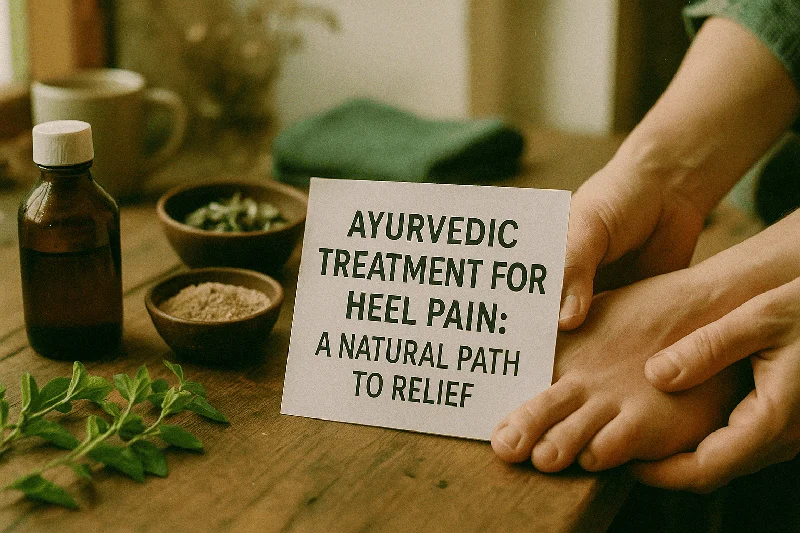
Heel pain — that sharp, stabbing sensation when your feet hit the floor each morning — affects roughly 10% of adults at some point in their lives. Ayurvedic treatment for heel pain works by addressing the root cause through herbal formulations, Panchakarma therapies like Abhyanga and Agnikarma, dietary corrections, and lifestyle modifications that rebalance aggravated Vata dosha. Unlike conventional treatments that often mask symptoms with painkillers, Ayurveda targets the underlying imbalance, offering lasting relief without side effects.
In this comprehensive guide, you'll find everything from classical Ayurvedic therapies and home remedies to specific dosages, recovery timelines, and evidence-backed insights — information most other resources simply don't cover.
Understanding Heel Pain in Ayurveda (Vatakantaka)
In Ayurvedic classical texts, heel pain is described as Vatakantaka — a condition first documented in the Sushruta Samhita and Madhava Nidana. The term literally translates to "Vata in the heel" (Kantaka = thorn-like sensation, Vata = the dosha responsible for movement and dryness).
According to Acharya Sushruta, when aggravated Vata dosha localizes in the Parshni (heel region), it causes intense pain that feels like walking on thorns. This directly correlates with what modern medicine identifies as plantar fasciitis, calcaneal spurs, and Achilles tendinitis.
How Heel Pain Differs from Plantar Fasciitis and Heel Spur
Many people use these terms interchangably, but they are distinct conditions:
| Feature | Heel Pain (General) | Plantar Fasciitis | Calcaneal Spur (Heel Spur) |
|---|---|---|---|
| What it is | Broad term for any pain in the heel area | Inflammation of the plantar fascia ligament | Bony calcium deposit on the calcaneus bone |
| Ayurvedic correlation | Vatakantaka | Vatakantaka with Pitta involvement | Asthi Dhatu Vikruti (bone tissue disorder) |
| Primary sensation | Dull ache to sharp pain | Stabbing pain at the bottom of the foot | Deep, localized pain under the heel |
| Worst time | Varies | First steps in the morning | After prolonged standing or walking |
| Visible on X-ray | Not always | No (soft tissue issue) | Yes (bony projection visible) |
Understanding which condition you're dealing with is crucial because the Ayurvedic treatment protocol differs for each stage and type.
Dosha-Based Classification of Heel Pain
Not all heel pain is the same in Ayurveda. Depending on the predominant dosha involvement, symptoms and treatment approaches vary:
- Vata-type heel pain: Dry, cracking skin on heels; shooting or radiating pain; worsens in cold weather and early morning; relieved by warmth and oil application
- Pitta-type heel pain: Burning sensation; visible redness and inflammation; feels worse in hot weather or after intense activity; associated with inflammatory conditions
- Kapha-type heel pain: Dull, heavy aching; noticeable swelling and stiffness; worse in damp, cold conditions; often linked to obesity and sedentary lifestyle
Most cases of chronic heel pain involve a Vata-Kapha combination — dryness and degeneration coupled with stiffness and weight-related stress.
What Are the Causes of Heel Pain?
Ayurvedic Causes (Nidana)
Classical Ayurvedic texts identify several specific causative factors for Vatakantaka:
- Vishamabhumi Gamana — Walking on uneven or rough surfaces
- Ati Gamana — Excessive walking or standing for prolonged periods
- Prahar / Abhighata — Direct trauma or injury to the heel
- Rooksha Ahara — Consuming dry, cold, and astringent foods that aggravate Vata
- Vega Dharana — Suppression of natural urges (especially of urination and flatulence)
- Ratri Jagarana — Staying awake late at night, which disturbs Vata rhythm
Modern Contributing Factors
From a contemporary perspective, the following factors compound the problem:
- Obesity — Excess body weight increases mechanical stress on the plantar fascia by up to 3 times body weight during walking
- Improper footwear — Flat shoes, worn-out soles, or high heels alter foot biomechanics
- Age-related degeneration — The fat pad under the heel thins with age, reducing natural cushioning
- Occupational hazards — Teachers, factory workers, security guards, and others who stand 8+ hours daily
- Vitamin D and B12 deficiency — Commonly observed in Indian populations; a 2018 study published in the Journal of Clinical Orthopaedics and Trauma found that 78% of patients with chronic heel pain had vitamin D levels below 20 ng/mL
Which Vitamin Deficiency Causes Heel Pain?
The most common deficiencies linked to heel pain are:
- Vitamin D — Essential for calcium absorption and bone health. Deficiency leads to weakened calcaneus bone and increased susceptibility to heel spurs
- Vitamin B12 — Deficiency causes peripheral neuropathy, which can manifest as burning or tingling pain in the heels
- Calcium and Magnesium — Insufficient levels contribute to muscle cramps and bone weakness in the foot
If you're experiencing heel pain alongside fatigue, muscle cramps, or numbness, getting these levels checked is a smart first step.
Stages of Heel Pain: From Early Signs to Chronic Condition
This is something most resources overlook entirely. Heel pain progresses through distinct stages, and the Ayurvedic treatment protocol should match the stage:
| Stage | Duration | Symptoms | Dosha State | Recommended Approach |
|---|---|---|---|---|
| Stage 1 — Acute | 0–2 weeks | Mild pain after activity; relieved by rest | Early Vata aggravation | Home remedies, oil massage, dietary correction |
| Stage 2 — Sub-acute | 2–6 weeks | Morning stiffness; pain during first steps; mild swelling | Vata with Ama accumulation | Internal medicines + external therapies (Lepa, Swedana) |
| Stage 3 — Chronic | 6 weeks – 6 months | Persistent pain; difficulty walking; possible fascia thickening | Deep-seated Vata-Kapha | Full Panchakarma protocol + sustained internal medication |
| Stage 4 — With Calcification | 6+ months | Constant pain; visible spur on X-ray; heel pad atrophy | Asthi Dhatu involvement | Agnikarma, Raktamokshana, long-term rehabilitation |
Key insight: Most people ignore Stage 1 and 2, arriving at a clinic only at Stage 3 or 4. Early intervention with simple Ayurvedic measures can prevent the need for intensive therapies altogether.
Panchakarma Therapies for Heel Pain
Panchakarma — Ayurveda's signature detoxification and therapeutic system — offers several highly effective procedures for heel pain. These should always be performed under a qualified Ayurvedic physician's supervision.
Abhyanga (Therapeutic Oil Massage)
Warm medicated oil is systematically massaged over the foot, ankle, and calf region. The oils penetrate deep into tissues, pacifying Vata dosha and improving local blood circulation.
Best oils used:
- Mahanarayana Taila — The gold standard for musculoskeletal pain; contains Ashwagandha, Shatavari, and over 20 herbs
- Kottamchukkadi Taila — A Kerala specialty oil particularly effective for inflammatory heel pain
- Dhanwantharam Taila — Excellent for Vata-predominant conditions with stiffness
- Ksheerabala Taila — Made with Bala (Sida cordifolia), milk, and sesame oil; deeply nourishing
Protocol: Daily massage for 15–20 minutes, followed by Swedana. Typical course is 7–14 days.
Swedana (Sudation / Steam Therapy)
After oil application, localized steam therapy is applied to the heel. This opens channels (Srotas), enhances oil absorption, and reduces stiffness.
Ishtika Sweda: A Unique Technique for Heel Pain
One particularly effective and lesser-known technique is Ishtika Sweda (brick fomentation).
Here's how it works:
- A brick is heated until red-hot
- It is placed in a shallow container
- Dhanyamla (fermented herbal liquid) or Dashamoola decoction is poured over the hot brick
- The patient places their foot over the rising medicated steam
- The procedure continues for 15–20 minutes
This generates intense, penetrating heat that reaches deep into the calcaneal tissues — far more effective than conventional steam for heel-specific conditions.
Agnikarma (Thermal Cauterization)
Agnikarma is considered one of the most effective para-surgical procedures for chronic heel pain, especially when other treatments have not delivered results.
Procedure details:
- A Panchadhatu Shalaka (five-metal probe made of gold, silver, copper, iron, and tin) is heated until red-hot
- Controlled, precise burns are made at specific tender points on the heel
- After cauterization, Aloe vera gel mixed with Yashtimadhu (Licorice) Churna is applied for wound healing
- Sessions are repeated at 7-day intervals
Clinical outcomes: A study published in Ayu Journal (2015) reported that Agnikarma provided significant pain relief in 87% of patients with chronic plantar fasciitis within 3 sessions, with effects lasting 6+ months without recurrence.
Lepa (Herbal Paste Application)
Medicinal pastes are applied directly to the heel and covered with a cloth or banana leaf:
- Grihadhoomadi Lepa — For Vata-dominant pain
- Dashanga Lepa — For inflammatory conditions with Pitta involvement
- Paste made from Devadaru (Cedrus deodara), Rasna (Alpinia galanga), and Eranda (Castor root) mixed with warm castor oil
Ksheeradhara (Medicated Milk Pouring)
Warm medicated milk — prepared by boiling milk with Bala, Dashamoola, and other Vata-pacifying herbs — is continuously poured over the affected heel for 30–45 minutes. This is a soothing therapy particularly beneficial for Pitta-type heel pain with burning sensations.
Raktamokshana (Therapeutic Bloodletting)
For stubborn, chronic cases with significant inflammation and Pitta-Rakta involvement:
- Siravedha (venous bloodletting): 50–100 mL of blood is drawn from a vein near the affected area
- Sessions are repeated at 7-day intervals for 3–4 sessions
- Post-procedure, the site is treated with a paste of turmeric and cow's ghee
- Particularly effective for heel pain associated with gout or rheumatoid conditions
This may sound intense, but the results can be remarkable for cases that haven't responded to other therapies.
Best Ayurvedic Medicine for Heel Pain
Internal Medicines (Oral Formulations)
Here's what most articles don't tell you — the actual dosages and duration:
| Medicine | Dosage | Timing | Duration | Best For |
|---|---|---|---|---|
| Kaishore Guggulu | 2 tablets (500 mg each) twice daily | After meals with warm water | 4–8 weeks | Inflammatory heel pain, gout-related |
| Yogaraja Guggulu | 2 tablets twice daily | After meals | 6–12 weeks | Chronic Vata disorders, joint degeneration |
| Dashamoola Kashaya | 15–20 mL with equal water twice daily | Before meals | 4–6 weeks | General Vata pacification, reducing Ama |
| Ashwagandha Churna | 3–5 gm with warm milk at bedtime | Before sleep | 8–12 weeks | Strengthening bones and muscles, stress-related pain |
| Rasnasaptak Kashaya | 15 mL with equal water twice daily | Before meals | 4–6 weeks | Acute Vata-dominant pain with stiffness |
| Maharasnadi Kashaya | 15 mL with equal water twice daily | Before meals | 4–8 weeks | Deep-seated musculoskeletal pain |
| Shallaki (Boswellia serrata) tablets | 400–800 mg twice daily | After meals | 8–12 weeks | Anti-inflammatory action for chronic conditions |
> Important: These dosages are general guidelines based on classical texts and standard clinical practice. Your Ayurvedic physician may adjust based on your Prakriti (constitution), Vikruti (current imbalance), age, and severity. Never self-prescribe Guggulu preparations if you have thyroid disorders.
Best Ayurvedic Oil for Heel Pain
For external application, these oils have the strongest evidence and clinical track record:
- 1.Mahanarayana Taila — Most comprehensive; works for almost all types of musculoskeletal pain
- 2.Kottamchukkadi Taila — Specifically formulated for pain and inflammation; a Kerala Ayurveda specialty
- 3.Sahacharadi Taila — Excellent for Vata disorders of the lower extremities
- 4.Murivenna — Best for acute pain with tissue damage or trauma
- 5.Pinda Taila — Ideal when there's burning sensation (Pitta involvement)
Application method: Warm the oil slightly. Apply generously to the heel, sole, and calf. Massage in circular motions for 15 minutes. Wrap with a warm cloth. Best done before bed and in the morning before walking.
Don't wait or self medicate. Start chat with Doctor NOW
Home Remedies for Heel Pain
These time-tested remedies can be done at home, especialy helpful for Stage 1 and 2 heel pain:
Oil-Based Remedies
- Warm sesame oil massage: Heat 2 tablespoons of cold-pressed sesame oil. Add a pinch of turmeric and massage into the heel for 10 minutes before bed. Cover with cotton socks overnight
- Castor oil pack: Soak a folded cotton cloth in warm castor oil. Apply to the heel, wrap with plastic, and place a hot water bottle over it for 30 minutes. Castor oil (Eranda Taila) is considered the best single oil for Vata disorders in classical texts
- Garlic-infused mustard oil: Crush 4–5 garlic cloves into 50 mL mustard oil, heat gently until garlic turns brown. Cool slightly and massage into the heel. Garlic's anti-inflammatory properties combined with mustard oil's warming effect provide quick pain relief
Kitchen-Based Remedies
- Turmeric milk (Haldi Doodh): Add 1 teaspoon of turmeric and a pinch of black pepper to a glass of warm milk. Drink nightly. Curcumin's anti-inflammatory action is enhanced 2000% by piperine in black pepper, according to research published in Planta Medica
- - Ginger compress: Grate fresh ginger, wrap in a thin cloth, and apply to the heel for 15 minutes.
- Ginger contains gingerols — compounds that inhibit COX-2 inflammatory pathways
- Epsom salt soak: Dissolve 2 tablespoons of Epsom salt in warm water. Soak feet for 20 minutes. The magnesium absorbs through skin, relaxing tight plantar fascia
Exercises and Stretches for Heel Pain
Calf Stretch
Stand facing a wall, place hands at shoulder height. Step one foot back, keeping the heel on the ground. Lean forward until you feel a stretch in the calf. Hold 30 seconds. Repeat 3 times each foot.
Towel Scrunches
Place a towel flat on the floor. Using only your toes, scrunch the towel toward you. This strengthens the intrinsic foot muscles that support the plantar fascia. Do 2 sets of 15 repetitions.
Heel Raises
Stand on a step with your heels hanging off the edge. Slowly lower your heels below the step level, then rise onto your toes. This eccentric loading has been shown to stimulate healing in the Achilles tendon and plantar fascia.
Frozen Bottle Roll
- Freeze a water bottle and roll it under your foot for 10 minutes.
- This combines massage with cryotherapy — reducing inflammation while breaking up fascial adhesions.
Diet Recommendations for Heel Pain
Foods to Include
A Vata-pacifying diet is fundamental to healing heel pain from within:
- Warm, cooked foods — Soups, stews, porridge, khichdi
- Healthy fats — Ghee (2 teaspoons daily), sesame oil, almonds, walnuts
- Anti-inflammatory spices — Turmeric, ginger, cumin, fenugreek (methi), cinnamon, black pepper
- Calcium-rich foods — Ragi (finger millet), sesame seeds, dairy products, green leafy vegetables
- Collagen-supporting foods — Bone broth, amla (vitamin C for collagen synthesis), dates
Foods to Avoid
- Cold beverages and ice cream (increases Vata and reduces digestive fire)
- Excess raw salads and cold fruits (especially in winter)
- Processed and packaged foods (high in preservatives that increase Ama)
- Excessive caffeine and alcohol (dehydrate tissues and aggravate Vata)
- Refined sugar (promotes systemic inflammation)
- Bitter gourd, raw sprouts, and dry snacks in excess (all Vata-aggravating)
Ayurveda vs Conventional Treatment: A Honest Comparison
This comparison helps you make an informed decision — or combine the best of both worlds:
| Parameter | Ayurvedic Approach | Conventional Approach |
|---|---|---|
| Philosophy | Treat root cause (dosha imbalance) | Treat symptoms and structural pathology |
| Medications | Herbal formulations (Guggulu, Kashaya, oils) | NSAIDs, corticosteroid injections |
| Procedures | Agnikarma, Raktamokshana, Panchakarma | Shockwave therapy, PRP injections, surgery |
| Side effects | Minimal when administered correctly | Gastric issues (NSAIDs), tendon weakening (steroids), surgical risks |
| Time to relief | 2–6 weeks for noticeable improvement | Immediate pain relief with medications; 6–12 months for structural healing |
| Recurrence rate | Low (addresses root cause) | Higher if only symptoms managed |
| Cost | Moderate (₹3,000–₹15,000 for a full course) | Variable (₹500 for NSAIDs to ₹1,50,000+ for surgery) |
| Best for | Chronic, recurring heel pain; patients wanting to avoid surgery | Acute severe pain requiring immediate relief; confirmed structural damage requiring surgical correction |
The practical approach: Many patients benefit from combining both systems. Use Ayurvedic oils and dietary changes as foundational therapy while using conventional diagnostics (X-ray, MRI) for accurate assessment. Reserve NSAIDs for acute flare-ups only, and pursue Panchakarma for long-term resolution.
Recovery Timeline: How Long Does Ayurvedic Treatment Take?
One of the most common questions — and here's a realistic timeline based on clinical practice:
| Treatment Type | Expected Relief Onset | Full Recovery | Best For |
|---|---|---|---|
| Home remedies (oil massage, diet) | 1–2 weeks | 4–8 weeks | Mild, early-stage pain |
| Internal medicines (Guggulu, Kashaya) | 2–3 weeks | 6–12 weeks | Moderate pain, sub-acute stage |
| Abhyanga + Swedana course | 3–5 days | 2–4 weeks | Pain with stiffness and restricted mobility |
| Agnikarma | Immediate to 24 hours | 1–3 sessions (spaced weekly) | Chronic, resistant cases |
| Full Panchakarma protocol | 1–2 weeks | 3–6 weeks | Severe, long-standing conditions |
| Raktamokshana | 24–48 hours | 3–4 sessions over a month | Inflammatory, Pitta-dominant conditions |
Note: These timelines assume consistent treatment, dietary compliance, and appropriate rest. Patients with diabetes, severe obesity, or autoimmune conditions may need longer treatment durations.
Ayurvedic Diagnostic Approach: What to Expect at Your First Visit
- When you visit an Ayurvedic physician for heel pain, the diagnostic process is quite different from a conventional orthopedic consultation.
- Here's what happens:
Ashtavidha Pariksha (Eightfold Examination)
- 1.Nadi Pariksha (Pulse diagnosis) — The physician assesses Vata, Pitta, and Kapha balance through radial pulse palpation at three levels
- 2.Mutra Pariksha (Urine examination) — Color, frequency, and sediment indicate metabolic waste and Ama levels
- 3.Mala Pariksha (Stool examination) — Constipation or irregular bowel habits confirm Vata aggravation
- 4.Jihva Pariksha (Tongue examination) — A coated tongue suggests Ama; dryness indicates Vata dominance
- 5.Shabda Pariksha (Voice assessment) — Hoarse or cracking voice points to systemic Vata imbalance
- 6.Sparsha Pariksha (Palpation) — Direct examination of the heel for temperature, tenderness, and swelling
- 7.Drik Pariksha (Eye examination) — Dry, dull eyes suggest chronic Vata derangement
- 8.Akriti Pariksha (General appearance) — Body frame, posture, and gait assessment
This holistic assessment determines not just what's wrong with your heel, but why your body developed this problem in the first place. Two patients with identical heel pain may recieve completely different treatment plans based on their constitution.
When Should You See a Doctor?
While Ayurvedic home remedies are effective for mild heel pain, seek professional help if:
- Pain persists beyond 7–10 days despite home treatment
- You cannot bear weight on the affected foot
- There is numbness or tingling in the heel or foot (could indicate nerve involvement)
- The heel is visibly swollen, red, or warm to touch
- You have fever along with heel pain (suggests infection)
- Pain occurs in both heels simultaneously (may indicate systemic conditions like rheumatoid arthritis or ankylosing spondylitis)
- You have diabetes — foot problems in diabetic patients require immediate medical attention
- Open wounds or cracks on the heel are not healing
Frequently Asked Questions
What Is the Best Treatment for Heel Pain?
The best treatment depends on the cause and severity. For most cases, a combination of Ayurvedic oil massage (Abhyanga with Mahanarayana Taila), internal anti-inflammatory herbs (Kaishore Guggulu, Shallaki), and dietary modifications provides comprehensive relief. Agnikarma is considered the single most effective procedure for chronic, resistant plantar fasciitis in Ayurvedic practice.
What Herbs Are Good for Heel Pain?
The most effective Ayurvedic herbs for heel pain include Shallaki (Boswellia serrata) for reducing inflammation, Ashwagandha for strengthening bones and muscles, Guggulu for breaking down tissue deposits, Rasna (Alpinia galanga) for pacifying Vata in the lower extremities, and Nirgundi (Vitex negundo) for its analgesic properties. Turmeric and ginger, while common kitchen spices, are also potent anti-inflammatory herbs that support healing.
What Is the Best Treatment for Painful Feet?
For generalized foot pain, Ayurveda recommends daily Padabhyanga (therapeutic foot massage) with Ksheerabala Taila, warm water soaks with Dashamoola decoction, wearing supportive footwear, and following a Vata-pacifying diet. If pain is specifically in the heel, targeted therapies like Agnikarma or Ishtika Sweda are more appropriate.
Can Heel Pain Be Cured Permanently with Ayurveda?
- Yes, in most cases.
- Ayurveda's strength lies in addressing the root cause — dosha imbalance, Ama accumulation, and tissue degeneration. When treatment is combined with long-term lifestyle and dietary changes, recurrence rates are significantly lower compared to symptomatic treatments alone. A 2017 observational study in the International Journal of Ayurveda Research followed 60 patients treated with Agnikarma and reported that 82% remained pain-free at 12-month follow-up.
Is Walking Good for Heel Pain?
Gentle walking on soft surfaces is acceptable and even beneficial, as it maintains circulation and prevents stiffness. However, avoid walking barefoot on hard floors, prolonged standing, walking on uneven terrain, and high-impact activities like running until the pain subsides. Wearing cushioned footwear with arch support is essential during recovery.
How Does Vatakantaka Treatment Differ From General Pain Management?
Vatakantaka is specifically a Vata-dominant condition of the heel, so treatment prioritizes Vata pacification through oleation (oil therapies), warmth, and nourishment — rather than just general pain relief. The treatment plan typically combines local therapies (Abhyanga, Swedana, Lepa) with systemic Vata correction through internal medicines and diet.
Final Thoughts: Taking the First Step Toward Healing
Heel pain doesn't have to control your mornings or limit your mobility. Ayurveda offers a well-documented, systematic approach that has been refined over thousands of years — from simple home remedies like warm sesame oil massage to advanced procedures like Agnikarma that deliver results where other treatments have failed.
The key is starting early and staying consistent. Begin with the home remedies and dietary changes outlined above. If improvement doesn't come within 2 weeks, consult a qualified Ayurvedic physician (BAMS or MD Ayurveda) who can design a personalized treatment protocol based on your dosha constitution and disease stage.
- Your heels carry the weight of your entire body.
- They deserve proper care — and Ayurveda knows exactly how to give it.
If you found this guide helpful, consult with a certified Ayurvedic doctor to create a treatment plan tailored specifically to your condition, body type, and lifestyle.
Scientific Sources
- A comparative diuretic evaluation of fruit and root of Gokshura (Tribulus terrestris Linn.) in albino rats — Sudheendran A et al., 2021, Ayu
- Effect of panchakarma and Ayurvedic treatment in postpartum rheumatoid arthritis (amavata): A case study — Deshpande SV et al., 2017, Journal of Ayurveda and integrative medicine
- Experimental evaluation of analgesic, anti-inflammatory and anti-platelet potential of Dashamoola — Parekar RR et al., 2015, Journal of Ayurveda and integrative medicine
- Ayurvedic management of papilledema — Rajagopala M et al., 2015, Ayu
- A brief review on chemoprofling and pharmacological potential of Desmodium gangeticum (L.) DC — Das M et al., 2026, Natural product research
- Chemical Diversity and Medicinal Potential of Vitex negundo L.: From Traditional Knowledge to Modern Clinical Trials — Sharma D et al., 2023, Chemistry & biodiversity
- Ayurvedic interventions for osteoarthritis: a systematic review and meta-analysis — Kessler CS et al., 2015, Rheumatology international
- Effect of kshara basti and nirgundi ghana vati on amavata (rheumatoid arthritis) — Thanki K et al., 2012, Ayu
- A clinical study of Nirgundi Ghana Vati and Matra Basti in the management of Gridhrasi with special reference to sciatica — Ali M et al., 2010, Ayu
- Evaluation of Comparative Efficacy of Polyherbal Steam Inhalation Versus Polyherbal Nasal Fumigation (Dhoopana) in Children With Rhinitis (Pratishyaya): Protocol for an Open-Label Randomized Controlled Trial — Kakar M et al., 2025, JMIR research protocols
- Pharmacological evaluation of Ashwagandha highlighting its healthcare claims, safety, and toxicity aspects — Mandlik Ingawale DS et al., 2021, Journal of dietary supplements
- Can Ashwagandha Benefit the Endocrine System?-A Review — Wiciński M et al., 2023, International journal of molecular sciences
- Clinician guidelines for the treatment of psychiatric disorders with nutraceuticals and phytoceuticals: The World Federation of Societies of Biological Psychiatry (WFSBP) and Canadian Network for Mood and Anxiety Treatments (CANMAT) Taskforce — Sarris J et al., 2022, The world journal of biological psychiatry : the official journal of the World Federation of Societies of Biological Psychiatry
- Effects of Withania somnifera (Ashwagandha) on Stress and the Stress- Related Neuropsychiatric Disorders Anxiety, Depression, and Insomnia — Speers AB et al., 2021, Current neuropharmacology
- Plant-derived nootropics and human cognition: A systematic review — Lorca C et al., 2023, Critical reviews in food science and nutrition
Questions from users
What is Vatakantaka and how does it specifically affect heel pain treatment?
Isaac
8 days ago
Vatakantaka is a condition related to Vata imbalance, affecting the heel with pain or stiffness. In Ayurveda, treating this involves more than general pain management: it focuses on pacifying Vata through warmth, nourishment, and oleation (using oils). So yep, unlike typical pain relief methods, it targets the imbalance at a deeper level, ensuring long-term relief. If you're thinking of treatment, consulting with an Ayurvedic practitioner could offer a tailored plan for your unique Prakriti and condition.
How do I properly massage my heel for pain relief using sesame oil?
Grace
17 days ago
To massage your heel, warm up 2 tablespoons of sesame oil and apply it to the heel. Use circular motions to gently massage for about 15 minutes. You can wrap your heel with a warm cloth afterwards. Best done before bed or in the morning! Pay attention to any discomfort and adjust pressure as needed. If pain persists, consider checking in with a practitioner.
Is it safe to perform heel raises if I have heel pain?
Walter
26 days ago
It sounds like you're already on the path to healing, which is great! Heel raises can be safe but proceed with caution — listen to your body. If the pain increases, it’s best to stop. Start slow, maybe without hanging off any edge. And remember, nourishments for Vata like oil massages and warmth can really ease things up along with cushioning.
What is the benefit of using ginger compress for heel pain relief?
Valerie
35 days ago
Using a ginger compress on your heel is like giving it a natural anti-inflammatory hug. Ginger is loaded with gingerols, which help reduce inflammation by blocking COX-2 pathways. So applying a warm ginger compress can soothe the pain and make walking feel a bit easier. Happy healing :)
Is it safe to use Ashwagandha for managing heel pain and inflammation?
Michael
46 days ago
Yes, Ashwagandha can be helpful for managing heel pain and inflammation due to its anti-inflammatory properties! It's great for balancing Vata, which often contributes to aches and pains. But remember to consult with a healthcare practitioner before starting, especially if you have any health conditions or are on medication. Consider also focusing on strengthening your Agni and reducing Ama with proper diet and routine!
What is Abhyanga and how does it help with heel pain in Ayurveda?
Warren
56 days ago
Abhyanga is a full-body warm oil massage in Ayurveda. It helps with heel pain by balancing the Vata dosha and improving circulation. The oils used nourish tissues and can reduce stiffness and pain. Just remember, it's best done regularly, as part of your routine, ideally with oils like sesame for dry conditions or joint issues.
How does Vasti therapy specifically help with inflammation related to heel pain?
Amelia
66 days ago
Vasti therapy helps with heel pain inflammation by balancing the Vata dosha, which can dry and aggravate tissues. The medicated enemas clear toxins from the gut, improving digestion and circulation, which in turn reduces inflammation and nurtures affected tissues. Like all Ayurveda, it's about bringing balance back! If your heel pain is connected to Vata imbalance, Vasti can be particularly effective. If still curious, consulting with an Ayurvedic practitioner to tailor treatments to your specific needs could be the next step.
Can I use Dhanwantharam oil for muscle recovery in addition to heel pain treatment?
Charlotte
75 days ago
Yes, Dhanwantharam oil can definitely be used for muscle recovery. It's great for enhancing tissue repair, which makes it helpful for both heel pain and muscle recovery. Just use it regularly to massage affected areas. Always keep an eye on how your body reacts and adjust if needed.
Can I use Nirgundi oil for relieving heel pain, and how effective is it?
Wade
85 days ago
Yes, Nirgundi oil can be used for relieving heel pain! It's known for its anti-inflammatory properties, making it helpful for reducing pain and swelling. As for its effectiveness, it might vary depending on the underlying cause. You can try gentle massage with the oil. If your heel pain persists, consider checking for a Vata imbalance or consult an Ayurvedic practitioner!
Is it safe to combine Pinda Sweda with other treatments for heel pain?
Miles
95 days ago
Combining Pinda Sweda with other treatments like Abhyanga or Vasti can be safe and even more effective for heel pain, as Ayurveda is all about a holistic approach. Just be sure to consult with an Ayurvedic practitioner who can help tailor the treatments to your specific dosha and health condition, keeping everything in balance!
Related articles

General Medicine
Malla Tel
Exploration of Malla Tel
1,671

General Medicine
Twak Plant: Uses, Benefits, and Scientific Insights
Discover how the Twak Plant’s science-backed benefits, traditional uses, and potential applications can support health and well-being.
3,513

General Medicine
How to Overcome Laziness and Sleepiness Naturally
Learn how to overcome laziness and sleepiness with Ayurvedic tips. Discover causes, natural remedies, lifestyle changes, and herbal support for lasting energy
3,590

General Medicine
Sitopaladi Churna Shloka – Ancient Ayurvedic Verse for Respiratory Health
Explore an ancient Sanskrit shloka detailing Sitopaladi Churna, a revered Ayurvedic formulation for managing cough, cold, and respiratory ailments through natural ingredients and holistic healing.
5,347

General Medicine
Ashwagandha: Benefits, Dosage, Side Effects & How to Choose the Right Supplement
What is Ashwagandha and how is it used in Ayurveda? Discover its benefits, uses for women and men, side effects, forms like powder, root, tea, and tablets
11,279

General Medicine
Brihat Varunadi Kadha: Uses and Benefits in Kidney and Urinary Health
Discover the uses, benefits, proper dosage, and scientific research behind Brihat Varunadi Kadha, a potent Ayurvedic herbal decoction for enhancing health and vitality.
5,966

General Medicine
Ashtavargam Kashayam: Benefits, Dose, Side Effects, Ingredients
Exploration of Ashtavargam Kashayam: Benefits, Dose, Side Effects, Ingredients
1,642

General Medicine
Shad Dharana Choornnam
Exploration of Shad Dharana Choornnam
1,857

General Medicine
Can We Take Allopathy and Ayurvedic Medicines Together Safely?
Explore the difference between ayurveda and allopathy, their benefits, and when combining both systems is safe. Learn if ayurveda is better than allopathy
6,211

General Medicine
Nagaradi Choornam: Ayurvedic Uses, Benefits & Dosage Guide
Discover the benefits, uses, dosage, and Ayurvedic insights of Nagaradi Choornam. Learn how this traditional remedy supports digestive health and vitality.
3,952
Related consultations on the topic
Legal
Additional Documents
© 2024 Ask Ayurveda. All rights reserved.