Ask Ayurvedic doctor a question and get a consultation online on the problem of your concern in a free or paid mode. More than 2,000 experienced doctors work and wait for your questions on our site and help users to solve their health problems every day.
FREE! Ask Ayurvedic Doctors 24/7

 Fast responses
 1000+ verified doctors
Body DetoxEar, Nose, and Throat DisordersGeriatrics & RejuvenationImmunodeficiencyInfertility TreatmentNutritionOrthopedic DisordersPediatricsRespiratory DisordersSexually Transmitted Diseases (STDs)Surgery RecoveryUrological DisordersVascular DisordersDental DisordersEndocrinological DisordersGastrointestinal DisordersYoga TherapyGeneral MedicineAllergic DisordersCardio DisordersGynecology and ObstetricsCosmetologySkin and Hair DisordersEye DisordersInfectious DiseasesMental DisordersNeurological DisordersOncologyPanchakarmaSexual Health & DisordersSports Medicine
Published on 12/20/24
(Updated on 07/11/26)
3,053
Crohn's Disease Ayurveda: Natural Management & Holistic Healing
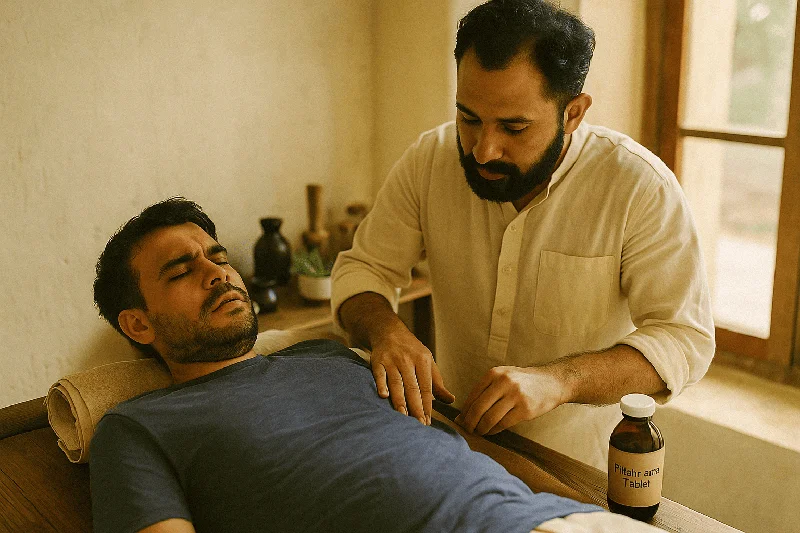
- Crohn's disease can be managed effectively with Ayurveda by addressing the root cause — a deep imbalance of Pitta dosha, weakened Agni (digestive fire), and accumulation of Ama (metabolic toxins) in the intestinal tract. While conventional medicine focuses on suppressing inflammation and immune response, Ayurveda works to restore the body's innate healing capacity through personalized herbal formulations, Panchakarma detoxification, therapeutic diet, and lifestyle modifications.
- Clinical evidence is growing: a 2019 scoping review published in the Journal of Clinical Medicine analyzed 25 full-text studies and found that Ayurvedic interventions significantly reduced inflammatory markers including TNF-α, IL-2, and PGE2 in patients with inflammatory bowel disease.
This comprehensive guide covers everything you need to know — from understanding Crohn's through an Ayurvedic lens to specific treatment protocols, herb dosages, dietary plans, and when Ayurveda may NOT be the right choice for you.
What Is Crohn's Disease? A Modern and Ayurvedic Overview
Crohn's disease is a chronic inflammatory bowel disease (IBD) that can affect any part of the gastrointestinal tract, from the mouth to the anus. Most commonly, it targets the terminal ileum and colon. Unlike ulcerative colitis, which affects only the inner lining, Crohn's inflammation penetrates through all layers of the intestinal wall — a feature called transmural inflammation.
In modern medicine, Crohn's is classified as an autoimmune condition where the body's immune system mistakenly attacks healthy gut tissue. There is no known permanent cure in either conventional or Ayurvedic medicine, but long-term remission is absolutely achievable.
Types of Crohn's Disease
| Type | Location | Key Feature |
|---|---|---|
| Ileocolitis | Ileum + colon | Most common form (~45% of cases) |
| Ileitis | Ileum only | Pain in lower right abdomen |
| Gastroduodenal | Stomach + duodenum | Nausea, vomiting, appetite loss |
| Jejunoileitis | Upper small intestine | Patchy inflammation in jejunum |
| Crohn's colitis | Colon only | Similar presentation to ulcerative colitis |
Signs and Symptoms
The hallmark symptoms include persistent diarrhea (often with blood or mucus), cramping abdominal pain, unexplained weight loss, fatigue, and fever. Extra-intestinal manifestations can include joint pain, skin lesions, eye inflammation, and even liver complications. Symptom severity fluctuates between active flares and periods of remission — a pattern that Ayurveda attributes to shifting doshic imbalances.
Causes and Risk Factors
- Modern science points to a combination of genetic predisposition, immune dysfunction, environmental triggers, and gut microbiome imbalance. Smoking doubles the risk. Stress doesn't cause Crohn's directly, but absolutely triggers flares.
- The Western diet — high in processed foods, refined sugars, and low in fiber — is strongly implicated.
How Ayurveda Understands Crohn's Disease: The Doshic Framework
Ayurveda doesn't have a single disease entity that maps perfectly onto Crohn's disease, but the condition correlates closely with several classical descriptions: Pittaja Atisara (Pitta-dominant diarrhea), Pittaja Grahani (Pitta-type malabsorption syndrome), and Raktatisara (bloody diarrhea). Understanding this correlation is crucial because it determines the entire treatment strategy.
The Primary Role of Pitta Dosha
Pitta dosha governs transformation, metabolism, and inflammation in the body. When aggravated, it creates excessive heat, acidity, and tissue destruction in the GI tract — exactly what we see in Crohn's. The burning pain, bloody stools, irritability, and intense inflammation are all classic signs of Pitta vitiation.
But here's what many sources miss: Crohn's disease is rarely a single-dosha problem.
Tridoshic Involvement: Vata, Pitta, and Kapha
In most Crohn's patients, all three doshas are disturbed to varying degrees:
- Vata contributes to irregular bowel movements, erratic pain, bloating, anxiety, and the unpredictable flare-remission cycle.
- One critical Ayurvedic concept — Ashayapakarsha — explains how displaced Vata literally "drags" Pitta from its natural seat in the small intestine into the colon, triggering inflammation in areas where Pitta doesn't belong.
- Pitta drives the active inflammation, ulceration, bleeding, and tissue destruction.
- Kapha when disturbed leads to mucus in stool, heaviness, sluggish digestion, and the formation of strictures and fistulae (which represent Kapha's tendency to create pathological growth and blockage).
Agni and Ama: The Root Cause
At the deepest level, Ayurveda traces Crohn's disease to impaired Agni (digestive fire) and the resulting accumulation of Ama (undigested metabolic waste that becomes toxic).
Three types of Agni disturbance are observed:
| Agni Type | Dosha Link | Effect on Crohn's |
|---|---|---|
| Tikshna Agni | Excess Pitta | Hypermetabolic state; food burns through too fast, nutrients not absorbed, acid damage to gut lining |
| Manda Agni | Excess Kapha | Sluggish digestion; incomplete digestion creates heavy Ama that coats intestinal villi |
| Vishama Agni | Excess Vata | Erratic digestion; alternating between overactive and underactive, causing unpredictable symptoms |
Most Crohn's patients exhibit Vishama Agni initially, which then shifts toward Tikshna Agni during acute flares. The treatment must address the current state of Agni, not follow a one-size-fits-all protocol.
Ayurvedic Treatment Principles for Crohn's Disease
- Ayurvedic management of Crohn's disease follows a staged approach that differs significantly depending on whether the patient is in an acute flare or in remission.
- This distinction — surprisingly — is almost never discussed by other sources, yet it's clinically critical.
Acute Flare Management
During active inflammation with bloody diarrhea, severe pain, and fever, the treatment priority is Pitta Shamana (pacifying Pitta) and Stambhana (arresting excessive discharge):
- Langhana (therapeutic fasting or light diet) — Reduces the burden on an already inflamed gut. Clear rice water (Manda), thin rice gruel (Peya), and pomegranate juice form the dietary base.
- Pitta-pacifying herbs at conservative doses — Kutaja (Holarrhena antidysenterica), Musta (Cyperus rotundus), and cooling formulations.
- Avoidance of Panchakarma — This is important. During acute flares with active bleeding, strong detox procedures like Virechana are contraindicated. The body is too depleted.
Remission Phase Management
Once the acute phase subsides, treatment shifts to deeper healing:
- Agni Deepana (rekindling digestive fire)
- Ama Pachana (digesting and clearing accumulated toxins)
- Panchakarma detoxification (detailed below)
- Rasayana (rejuvenation therapy) for long-term tissue repair
The Role of Rasayana in Long-Term Remission
Rasayana therapy — often overlooked in Crohn's discussions — is the Ayurvedic approach to rebuilding damaged tissues and strengthening immunity. For Crohn's patients in stable remission, Rasayana herbs like Amalaki (Emblica officinalis), Guduchi (Tinospora cordifolia), and Shatavari (Asparagus racemosus) help repair intestinal mucosa and prevent relapse. A 2020 study in Ayu Journal demonstrated that Guduchi Satva at 500 mg twice daily improved mucosal healing markers in IBD patients over 12 weeks.
Panchakarma for Crohn's Disease: A Detailed Protocol
Panchakarma is the most powerful Ayurvedic detoxification system, but it must be applied carefully and selectively for Crohn's disease.
Here's what a typical clinical protocol looks like:
Pre-Panchakarma (Purvakarma)
- Snehana (internal oleation): Medicated ghee (commonly Mahatiktaka Ghrita or Panchatikta Ghrita) is administered in gradually increasing doses over 3–7 days. This lubricates the intestinal tract and loosens deep-seated toxins.
- Abhyanga (external oil massage): Full-body massage with Pitta-pacifying oils such as Chandanadi Taila or coconut-based medicated oils.
- Swedana (mild sudation): Gentle steam therapy — but only mild forms. Excessive heat aggravates Pitta and is harmful for Crohn's patients.
Main Procedures (Pradhana Karma)
| Procedure | Indication in Crohn's | Contraindication |
|---|---|---|
| Virechana (therapeutic purgation) | Primary procedure; clears excess Pitta from the GI tract; uses mild purgatives like Trivrit (Operculina turpethum) or Aragvadha (Cassia fistula) | Active bleeding, severe dehydration, weakness, pregnancy |
| Basti (medicated enema) | Most important for Vata involvement; Piccha Basti (mucilaginous enema with Salmalia malabarica) specifically heals ulcerated colon lining | Severe rectal inflammation, active fistulae |
| Vamana (therapeutic emesis) | Rarely used; only if significant Kapha involvement with heavy mucus production | Active flare, weakness, elderly patients, children |
Piccha Basti deserves special mention — it's a specialized enema using the gum resin of Shalmali (Bombax ceiba), which forms a protective, healing coat over ulcerated intestinal mucosa. Clinical case reports from JAIMS (2024) documented significant symptomatic improvement with Piccha Basti administered over 8-day cycles.
Post-Panchakarma Diet (Samsarjana Krama)
This is a graduated re-feeding protocol that's absolutely essential — and almost never explained properly:
- 1.Days 1-2: Manda (thin rice water only)
- 2.Days 3-4: Peya (thin rice gruel with a pinch of salt and ginger)
- 3.Days 5-6: Vilepi (thick rice gruel with light spices)
- 4.Days 7-8: Akrita Yusha (plain lentil soup — typically mung dal)
- 5.Days 9-10: Krita Yusha (spiced lentil soup with ghee)
- 6.Days 11+: Gradual return to normal Crohn's-appropriate diet
Skipping or rushing this protocol can undo all the benefits of Panchakarma. The gut needs time to rebuild its digestive strength gradually.
Anti-Inflammatory Ayurvedic Herbs and Formulations with Dosages
- One of the biggest gaps in existing content is the lack of specific dosage information.
- Here are the key herbs with clinically-used dosages:
| Herb / Formulation | Active Mechanism | Typical Dosage | Duration |
|---|---|---|---|
| Kutaja (Holarrhena antidysenterica) | Anti-diarrheal, anti-dysenteric; primary herb for Crohn's | 500 mg tablet, 2x daily after meals | 4–12 weeks |
| Curcumin (Haridra/Turmeric) | Inhibits TNF-α, NF-κB; potent anti-inflammatory | 500–1000 mg standardized extract, 2x daily | 8–16 weeks |
| Boswellia serrata (Shallaki) | Blocks 5-LOX pathway; reduces PGE2 and leukotrienes | 400 mg (65% boswellic acids), 3x daily | 8–12 weeks |
| Guduchi (Tinospora cordifolia) | Immunomodulator; balances overactive immune response | 500 mg powder or Satva, 2x daily | 12+ weeks |
| Bilva (Aegle marmelos) | Astringent, heals intestinal mucosa; reduces frequency of stools | 500 mg, 2x daily | 6–12 weeks |
| Musta (Cyperus rotundus) | Agni deepana (kindles digestion); Ama pachana (clears toxins) | 500 mg, 2x daily before meals | 4–8 weeks |
| Dadimadi Ghrita | Medicated ghee formula; heals ulcers, reduces Pitta | 1 tsp (5 ml) with warm water, 2x daily | 8–12 weeks |
| Kutajarishta | Fermented liquid preparation for chronic diarrhea | 15–20 ml with equal water, after meals | 8–16 weeks |
Important: These dosages are general clinical guidelines. Individual dosing must be determined by a qualified Ayurvedic practitioner based on your Prakriti (constitution), Vikriti (current imbalance), body weight, and disease stage. Self-medication, especially during active flares, is not recommended.
A 2018 randomized study published in Phytomedicine showed that Boswellia serrata at 1200 mg/day was as effective as Mesalazine 2.4 g/day in maintaining remission in Crohn's patients over 12 months, with significantly fewer side effects.
Don't wait or self medicate. Start chat with Doctor NOW
Diet for Crohn's Disease in Ayurveda: What to Eat and Avoid
Diet isn't just supportive therapy in Ayurveda — it's considered Chikitsa (treatment) itself. The dietary approach for Crohn's revolves around reducing Pitta aggravation, strengthening Agni, and eliminating Ama.
Foods to Favor
- Mung dal (split green gram): The lightest, most digestible protein source; the cornerstone of any Crohn's diet
- Old Basmati rice (Purana Shali): Easy to digest, Pitta-pacifying, provides stable energy
- Ghee (clarified butter): Yes, ghee is not only okay for Crohn's — it's therapeutic. Ghee lubricates the intestinal lining, carries medicinal properties deep into tissues, and doesn't aggravate Pitta. Start with 1 tsp/meal and increase as tolerated.
- Pomegranate: Astringent, sweet, and mildly sour; directly addresses Pitta and diarrhea
- Bottle gourd (Lauki), ash gourd, tender coconut water: Cooling, easily digestible vegetables
- Buttermilk (Takra): Ayurveda's natural probiotic — churned yogurt diluted with water, with roasted cumin and a pinch of rock salt. Takra restores healthy gut flora and is specifically praised in classical texts for Grahani disorders
Foods to Strictly Avoid
- Spicy, fried, and fermented foods (except Takra)
- Raw salads and cold beverages — they extinguish Agni
- Nightshades (tomatoes, eggplant, bell peppers) — increase inflammation
- Dairy milk, cheese, and ice cream — heavy, Kapha-aggravating, and difficult to digest
- Caffeine, alcohol, carbonated drinks
- Refined sugar and processed foods
Sample One-Day Meal Plan
Early Morning (6:30 AM): Warm water with 1 tsp of Guduchi powder or Amalaki churna Breakfast (8:00 AM): Soft rice porridge (Peya) cooked with a pinch of ginger, cumin, and 1 tsp ghee Mid-Morning (10:30 AM): Pomegranate juice (100 ml, room temperature) or stewed apple with cardamom Lunch (12:30 PM): Steamed basmati rice + mung dal + bottle gourd sabzi with mild spices (cumin, coriander, turmeric) + 1 tsp ghee + small glass of Takra Afternoon (3:30 PM): Warm cumin-coriander-fennel tea (CCF tea) Dinner (6:30 PM): Kichdi (rice + mung dal cooked together) with a squeeze of lime and fresh coriander leaves + 1 tsp ghee Before Bed (9:00 PM): Warm water or Shatavari milk (Shatavari powder with warm water or almond milk)
Can Ayurveda Heal IBD? What the Research Shows
Let's be honest about the evidence. Ayurveda shows genuine promise for IBD (including Crohn's), but the research base is still developing.
What Science Supports
- A scoping review in Journal of Clinical Medicine (2019) analyzing 25 studies found significant reduction in pro-inflammatory cytokines (TNF-α, IL-2) with Ayurvedic interventions
- Boswellia serrata has the strongest evidence among individual herbs, with multiple RCTs showing equivalence to Mesalazine
- Curcumin as adjunct therapy reduced clinical relapse rates by 50% over 6 months in a study published in Clinical Gastroenterology and Hepatology (2006)
- Piccha Basti has documented case-series evidence for mucosal healing
- Several clinical trials are currently registered on ClinicalTrials.gov investigating multi-herb Ayurvedic formulations for IBD
Expected Timeline for Improvement
| Phase | Timeframe | Expected Changes |
|---|---|---|
| Initial response | 2–4 weeks | Reduced stool frequency, less urgency, mild pain relief |
| Moderate improvement | 6–12 weeks | Significant reduction in symptoms, improved appetite and energy |
| Substantial remission | 3–6 months | Near-normal bowel function, weight stabilization, lab markers improving |
| Deep healing | 6–12 months | Mucosal healing evidence, reduced inflammatory markers, stable remission |
These timelines are approximate. Some patients respond faster, especially those with milder disease. Patients on immunosuppressors may take longer as treatments are carefully integrated.
- Ayurveda vs Conventional Treatment: A Comparative View
| Parameter | Conventional Medicine | Ayurvedic Approach |
|---|---|---|
| Primary Goal | Suppress inflammation & immune response | Restore doshic balance, strengthen Agni, eliminate Ama |
| Speed of Action | Fast (days to weeks with steroids/biologics) | Gradual (weeks to months) |
| Side Effects | Significant: immunosuppression, bone loss, liver toxicity, infection risk | Minimal when properly prescribed; some herbs may cause mild GI upset initially |
| Cost (India) | ₹5,000–₹2,00,000/month (biologics are extremely expensive) | ₹2,000–₹15,000/month (herbs + consultations); Panchakarma packages: ₹30,000–₹1,50,000 per course |
| Long-term Sustainability | Often requires lifelong medication | Aims for medication-free remission through lifestyle change |
| Evidence Base | Extensive RCTs, meta-analyses, guidelines | Growing but limited; more case studies than large RCTs |
| Best For | Acute severe flares, complications, surgical emergencies | Mild-moderate disease, remission maintenance, quality of life improvement |
When Ayurveda is NOT Enough: Red Flags and Safety
This is perhaps the most important section — and one that no competitor addresses adequately.
When to Seek Conventional Medical Care Immediately
- High fever (>101°F / 38.3°C) with bloody diarrhea
- Signs of intestinal obstruction: severe abdominal distension, vomiting, inability to pass gas
- Suspected perforation: sudden severe abdominal pain, rigid abdomen
- Severe dehydration: sunken eyes, minimal urine output, rapid heart rate
- Suspected abscess or fistula formation
- Significant rectal bleeding requiring blood transfusion
- Failure to respond to Ayurvedic treatment within 4–6 weeks in moderate disease
Drug Interactions to Watch
If you're currently on conventional medications, be aware of these interactions:
- Curcumin + Immunosuppressants (Azathioprine, Methotrexate): Curcumin may enhance immunosuppressive effects — monitor blood counts more frequently
- Boswellia + Anticoagulants: Boswellia has mild blood-thinning properties; use cautiously with Warfarin or newer anticoagulants
- Triphala + Corticosteroids: Triphala has mild laxative effects that may worsen steroid-induced gastric irritation
- Any Ayurvedic formulation containing metals (Bhasmas) + hepatotoxic drugs: Risk of additive liver damage
- Always inform both your gastroenterologist and Ayurvedic practitioner about all medications and supplements you're taking.
- Integrative management — not replacement — is the safest approach for moderate to severe Crohn's disease.
Yoga and Lifestyle Practices for Crohn's Management
Ayurveda doesn't exist in isolation. The sister sciences of Yoga and meditation form an integral part of holistic Crohn's management.
Recommended Yoga Practices
- Pavanamuktasana (Wind-Relieving Pose): Directly addresses bloating and gas
- Marjaryasana-Bitilakasana (Cat-Cow): Gentle abdominal massage, improves peristalsis
- Shavasana with abdominal breathing: Activates parasympathetic nervous system, reduces cortisol
- Yoga Nidra: Deep relaxation technique; a 2015 study showed 30 minutes daily reduced perceived stress scores by 35% in IBD patients
Mind-Body Connection
Ayurveda explicitly recognizes that unresolved emotions — particularly suppressed anger, chronic anxiety, and grief — contribute to Pitta aggravation and Crohn's flares. This isn't just philosophy. Research from the Mayo Clinic confirms that psychological stress activates the hypothalamic-pituitary-adrenal axis, increasing intestinal permeability and pro-inflammatory cytokines. Practices like Pranayama (breathing exercises), particularly Sheetali (cooling breath) and Nadi Shodhana (alternate nostril breathing), directly pacify Pitta and calm the nervous system.
Seasonal Guidelines (Ritucharya)
Crohn's patients tend to flare more during Grishma (summer) and Sharad (autumn) — the seasons when Pitta naturally accumulates and aggravates.
During these periods:
- Increase cooling foods and herbs
- Avoid direct sun exposure during peak hours
- Favour sweet, bitter, and astringent tastes
- Consider preventive Virechana at the Pitta-Kapha junction (early autumn)
Differential Diagnosis in Ayurveda: Crohn's vs. Ulcerative Colitis vs. IBS
| Feature | Crohn's (Pittaja Grahani + Vata) | Ulcerative Colitis (Raktatisara) | IBS (Grahani) |
|---|---|---|---|
| Primary Dosha | Pitta + Vata (Tridoshic in advanced cases) | Pitta + Rakta (blood tissue) | Vata primary |
| Location | Any part of GI tract; skip lesions | Colon only; continuous | No structural damage |
| Bleeding | May or may not be present | Almost always present | Rarely present |
| Tissue Depth | Transmural (all layers) | Mucosal (inner layer only) | No tissue involvement |
| Ama Character | Deep-seated, variable | Blood-mixed, hot | Superficial, variable |
| Treatment Focus | Vata-Pitta Shamana + Basti | Pitta-Rakta Shamana + Raktamokshana | Vata Shamana + Agni Deepana |
Pediatric Crohn's Disease and Ayurveda
Approximately 25% of Crohn's cases are diagnosed before age 18.
Ayurvedic management for children requires careful adaptation:
- Dosages are typically halved for children aged 8-12, and quartered for those under 8
- Panchakarma is generally not recommended for children under 12 — milder Shamana (palliative) therapy is preferred
- Guduchi Satva and Amalaki are considered safest for pediatric use
- Bhasmas (metallic preparations) should be avoided entirely in children
- The dietary approach remains similar but must ensure adequate caloric and protein intake for growth — work with both an Ayurvedic practitioner and pediatric gastroenterologist
Frequently Asked Questions
Is Ghee OK for Crohn's?
Yes — and it's actively therapeutic. Ghee is considered the best cooking fat for Crohn's patients in Ayurveda. It contains butyric acid, which nourishes colonocytes (colon lining cells) and reduces inflammation. Medicated ghees like Dadimadi Ghrita and Panchatikta Ghrita are prescribed specifically for intestinal healing. Start with small amounts (1 tsp per meal) and increase gradually. Only avoid ghee during acute flares with active diarrhea where fat absorption is severely compromised.
Does Crohn's Get Worse with Age?
- Not necessarily. Crohn's disease behavior is highly individual. In Ayurvedic terms, as Pitta naturally decreases after age 50 (the Vata phase of life), some patients actually experience fewer inflammatory flares. However, cumulative intestinal damage from years of poorly managed disease can cause stricturing and fistulizing complications.
- Early and consistent Ayurvedic management — especially Rasayana therapy — can slow disease progression significantly.
How to Survive Crohn's Disease?
Beyond medical management, thriving with Crohn's requires a comprehensive lifestyle overhaul: follow a Pitta-pacifying diet consistently, manage stress through meditation and Yoga, get adequate sleep (before 10 PM is ideal in Ayurveda — the Pitta time), maintain regular meal timing, and build a support network. Ayurveda views Crohn's as a manageable chronic condition where long-term remission is achievable through disciplined adherence to Dinacharya (daily routine) and Ritucharya (seasonal regimen).
How Much Does Ayurvedic Treatment for Crohn's Disease Cost in India?
Costs vary depending on the treatment center and severity. Outpatient herbal medications typically range from ₹2,000–₹8,000 per month. A full Panchakarma course (14–28 days residential) costs between ₹30,000–₹1,50,000 in Kerala and ₹20,000–₹80,000 in other states. Follow-up consultations with experienced Ayurvedic gastroenterologists range from ₹500–₹2,000 per visit. Overall, Ayurvedic treatment is substantially more affordable than biologic therapy, which can cost ₹50,000–₹2,00,000 per month.
Can Crohn's Disease Be Treated Best in Kerala?
Kerala has the strongest infrastructure for authentic Panchakarma therapy, with government-regulated Ayurvedic hospitals, experienced practitioners, and access to fresh medicinal plants. However, excellent Ayurvedic Crohn's treatment is also available in Hyderabad, Coimbatore, Jaipur, and other cities with established Ayurvedic centers. The quality of the practitioner matters more than the location.
Conclusion: An Integrative Path Forward
Crohn's disease is complex, chronic, and deeply personal. Ayurveda offers a powerful complementary framework that addresses not just symptoms but the underlying doshic imbalance, digestive dysfunction, and accumulated toxicity that drive the disease. The combination of targeted herbal therapy, Panchakarma detoxification, therapeutic diet, Yoga, and stress management can help many patients achieve sustained remission and dramatically improved quality of life.
- But be pragmatic.
- For moderate-to-severe Crohn's, integrative management — combining the best of conventional medicine with Ayurvedic principles — offers the safest and most effective path. Work with qualified practitioners on both sides. Monitor your inflammatory markers. Listen to your body.
If you're considering Ayurvedic treatment for Crohn's disease, consult with a qualified Ayurvedic physician who has specific experience with IBD. The journey to healing starts with understanding your unique constitution and creating a treatment plan tailored to your body, your stage of disease, and your life.
Scientific Sources
- Ayurvedic medicine. Core concept, therapeutic principles, and current relevance — Chopra A et al., 2002, The Medical clinics of North America
- Ayurvedic medicine and arthritis — Chopra A, 2000, Rheumatic diseases clinics of North America
- Critical review on Bhaishajya Kaala (time of drug administration) in Ayurveda — Junjarwad AV et al., 2013, Ayu
- A case-control study for exploring the association of Prakriti with Rheumatoid Arthritis — Chinthala R et al., 2023, Journal of Ayurveda and integrative medicine
- Fundamental principles of ayurveda - part ii — Pandya VN, 1983, Ancient science of life
- Fundamental principles of ayurveda - part iv — Pandya VN, 1983, Ancient science of life
- Traumatic Optic Neuropathy (TON) and Ayurveda - A case report — Bhat PM, 2022, Journal of Ayurveda and integrative medicine
- Procedures of complementary medicine in rheumatology(https://pubmed.ncbi.nlm.nih.gov/38935116/) — Keyßer G et al., 2024, Zeitschrift fur Rheumatologie
- Personalized medicine: a confluence of traditional and contemporary medicine — Jafari S et al., 2014, Alternative therapies in health and medicine
- Efficacy of a Multimodal Ayurveda Regimen in the Management of Primary Knee Osteoarthritis: Protocol for an Open-Label Randomized Controlled Trial — Rai AK et al., 2025, JMIR research protocols
- A comprehensive review on pharmacotherapeutics of herbal bioenhancers — Dudhatra GB et al., 2012, TheScientificWorldJournal
- Foundational principles of classical Ayurveda research — Raha S, 2013, Journal of Ayurveda and integrative medicine
- Understanding COVID - 19 pandemic - A comprehensive Ayurvedic perspective — Adluri USP et al., 2022, Journal of Ayurveda and integrative medicine
- Ayurgenomics-based frameworks in precision and integrative medicine: Translational opportunities — Mukerji M, 2023, Cambridge prisms. Precision medicine
- The use and safety of non-allopathic Indian medicines — Gogtay NJ et al., 2002, Drug safety
- Group-Based Yogic Weight Loss with Ayurveda-Inspired Components: A Pilot Investigation of Female Yoga Practitioners and Novices — Braun TD et al., 2016, International journal of yoga therapy
- Maternal health, supraja (eugenics) and ayurveda — Nanal VV et al., 2008, Ancient science of life
- Ayurveda management of migraine - a case report — Patil G et al., 2024, Journal of Ayurveda and integrative medicine
- A Comprehensive Review on Physiological Effects of Curcumin — Ahsan R et al., 2020, Drug research
- A compendious review of Chitraka Haritaki Avaleha - A polyherbal Ayurveda formulation for bronchial asthma — Bhinde SM et al., 2020, Ayu
Questions from users
How long does it take to see improvements from Ayurvedic treatments for Crohn's Disease?
Zoe
1 day ago
Improvements from Ayurvedic treatments for Crohn's Disease can vary significantly from person to person. Generally, patients might notice subtle improvements in symptoms within a few weeks to months. However, for more substantial relief and remission, this integrative approach, combining Ayurveda with conventional medicine, often takes several months to more than a year. It's important to monitor symptoms and stay in touch with healthcare providers. Use of ghee and tailored diet plans are common, but if symptoms worsen or do not improve, it is crucial to see a doctor for further evaluation.
What cooling herbs can help reduce symptoms during the summer for Crohn's Disease patients?
Willow
11 days ago
A few cooling herbs that might help during summer are coriander, fennel, and mint. These can balance Pitta and might soothe the digestive system. Aloe vera juice is gentle and cooling too. Just make sure to talk with your healthcare provider, as individual needs can vary a lot when it comes to Crohn's. Stay cool!
Can I use ghee in my diet if I have Crohn's Disease?
Valerie
21 days ago
Yes, you can include ghee in your diet if you have Crohn's Disease. It's actually great because it helps soothe the digestive tract and is nourishing. Just make sure you start with small amounts to see how it goes with your system. Always listen to what your body tells you! If you’re uncertain, checking with an Ayurvedic practitioner too might help.
What is Rasayana therapy and how does it help with healing in Crohn's Disease?
Paul
30 days ago
Rasayana therapy is about rejuvenating and strengthening the body, which is key for healing in Crohn's Disease. It focuses on rebuilding tissues and boosting immunity by balancing doshas and improving digestion. It might not cure Crohn's on its own, but it supports long-term healing by addressing root issues like tissue damage and digestive imbalances.
What is the role of detoxification therapies in Ayurveda for managing Crohn's Disease?
Joshua
46 days ago
Detoxification therapies in Ayurveda can help with Crohn's by reducing ama (toxins) that might be causing inflammation. They aim to pacify the aggravated Vata dosha and improve agni (digestive fire). Panchakarma, it's a part of this, might be helpful, but always work with a qualified practitioner 'cause it needs to be personalized.
Can Ayurveda help improve energy levels for Crohn's patients dealing with fatigue?
Xander
56 days ago
Ayurveda can help Crohn's patients with their low energy levels by focusing on balancing that vata dosha, improving digestion, and using herbs such as ashwagandha or triphala. It's really important to work alongside your doc to ensure the remedies fits well with your existing treatments. A tailored diet can also boost your vitality!
Is it safe to use Ayurvedic supplements while on medication for Crohn's Disease?
Phillip
66 days ago
It can be safe, but it's definitely important to chat with your healthcare provider first. Ayurvedic supplements might interact with your medications, so clear guidance is key. Look for a practitioner who understands both Ayurveda and Crohn’s management, to balance doshas and ensure safety. Always prioritize your individual needs!
Can I use yoga and meditation to help manage Crohn's Disease symptoms effectively?
Caleb
76 days ago
Yes, yoga and meditation can help manage Crohn's symptoms by reducing stress and improving overall well-being. Stress can aggravate digestive issues, so calming practices like these can be beneficial. Start with gentle yoga and basic meditation, see how your body responds. Each person's needs can be different, so listen to your body and adjust as needed.
What is Ama in Ayurveda and how does it relate to Crohn's Disease?
Valerie
85 days ago
Ama in Ayurveda is basically undigested stuff or toxins that gunk up your system, 'cause the digestive fire (Agni) isn't working well enough. With Crohn's Disease, poor digestion can lead to more Ama, fueling inflammation and imbalance. So focusing on boosting Agni and reducing Ama can really help manage those symptoms better!
Is it safe to combine Panchakarma treatments with conventional medication for Crohn's Disease?
Kiley
95 days ago
It can be possible to combine Panchakarma with conventional meds, but it's super important to get advice from both your healthcare provider and an Ayurvedic practitioner. They can help tweak the treatments to avoid any unwanted interactions. Safety first, always!
Related articles

Gastrointestinal Disorders
Shaddharana Tablets for Weight Loss: Ayurvedic Slimming Solution
Discover Shaddharana Tablets for weight loss. Learn about their benefits, usage guidelines, dosage, and scientific insights for effective and natural slimming.
2,769

Gastrointestinal Disorders
Is Coconut Water Good for Acid Reflux and Acidity? Ayurvedic Insights
Exploration of Exploring the Benefits of Coconut Water for Acid Reflux Relief
19,296
Gastrointestinal Disorders
Parinama Shoola: Causes, Symptoms, and Ayurvedic Insights
Discover Parinama Shoola, its symptoms, scientific insights, and holistic management strategies backed by current research and Ayurvedic wisdom.
2,639

Gastrointestinal Disorders
Patolakaturohinyadi Kashayam – Benefits, Dose, Side Effects, Ingredients
Exploration of Patolakaturohinyadi Kashayam – Benefits, Dose, Side Effects, Ingredients
3,497

Gastrointestinal Disorders
Nephrotic Syndrome Ayurvedic Treatment & Remedies
Explore Ayurvedic treatments for nephrotic syndrome, including benefits, proper dosage, uses, and scientific evidence supporting these natural remedies.
3,236

Gastrointestinal Disorders
Jatiphaladi Churna – Traditional Ayurvedic Powder for Digestive & Systemic Health
Discover the benefits and uses of Jatiphaladi Churna, a traditional Ayurvedic powder known for promoting digestive health, detoxification, and overall vitality through a blend of potent herbs.
2,711

Gastrointestinal Disorders
Mahashankha Vati Benefits, Dosage, Ingredients, Side Effects
Exploration of Mahashankha Vati Benefits, Dosage, Ingredients, Side Effects
8,411
Gastrointestinal Disorders
Panchavalkala Kwatha Churna: Benefits, Dosage & Ayurvedic Insights
Explore the benefits, proper dosage, uses, and Ayurvedic foundations of Panchavalkala Kwatha Churna, a traditional herbal powder for digestive and overall health.
6,099

Gastrointestinal Disorders
Ayurveda's Guide to Conception
Ayurveda emphasizes the balance of doshas to support reproductive health, highlighting the importance of harmony in the body for fertility.
2,683

Gastrointestinal Disorders
H Pylori and Ayurveda – Natural Gut Health Solutions
Explore how Ayurveda addresses H. pylori infection naturally. Learn about holistic treatments, herbal remedies, dosage, precautions, and scientific perspectives.
7,291
Related consultations on the topic
Legal
Additional Documents
© 2024 Ask Ayurveda. All rights reserved.