Ask Ayurvedic doctor a question and get a consultation online on the problem of your concern in a free or paid mode. More than 2,000 experienced doctors work and wait for your questions on our site and help users to solve their health problems every day.
FREE! Ask Ayurvedic Doctors 24/7

 Fast responses
 1000+ verified doctors
Body DetoxEar, Nose, and Throat DisordersGeriatrics & RejuvenationImmunodeficiencyInfertility TreatmentNutritionOrthopedic DisordersPediatricsRespiratory DisordersSexually Transmitted Diseases (STDs)Surgery RecoveryUrological DisordersVascular DisordersDental DisordersEndocrinological DisordersGastrointestinal DisordersYoga TherapyGeneral MedicineAllergic DisordersCardio DisordersGynecology and ObstetricsCosmetologySkin and Hair DisordersEye DisordersInfectious DiseasesMental DisordersNeurological DisordersOncologyPanchakarmaSexual Health & DisordersSports Medicine
Published on 01/06/25
(Updated on 06/23/26)
star_border 4
5,067
Ayurvedic Treatment for Fingernail Fungus: Natural Remedies for Healthy Nails
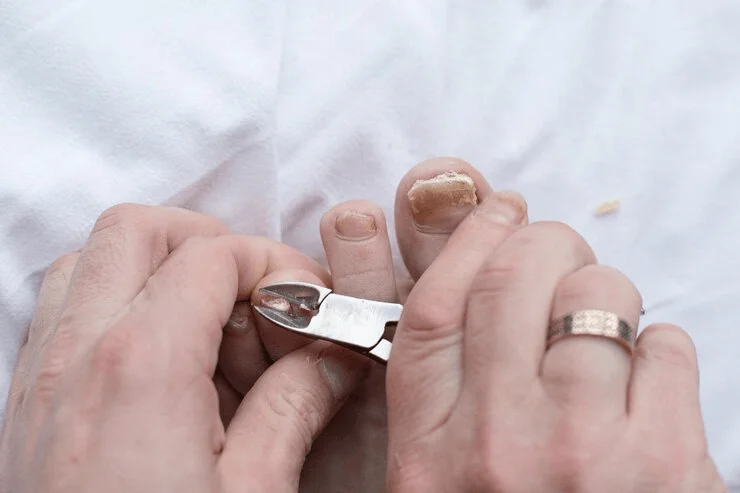
Fingernail fungus — medically called onychomycosis — is a fungal infection that grows beneath, on, or around your fingernails, causing them to turn yellow, thicken, crumble, and sometimes smell bad. While toenail fungus gets most of the attention, fingernail fungus affects roughly 2.5–5% of the population and can be surprisingly stubborn to treat. The good news? With the right approach, you can eliminate it completely.
In this comprehensive guide, we'll cover everything from what causes fingernail fungus and how to identify it at each stage, to the fastest medical treatments, home remedies, over-the-counter options, prevention strategies, and even the psychological impact nobody talks about. Whether you're dealing with a mild white spot or a severely damaged nail, you'll find actionable answers here.
What Is Fingernail Fungus (Onychomycosis)?
Fingernail fungus is an infection caused by microscopic organisms — primarily dermatophytes, yeasts, and non-dermatophyte molds — that invade the nail plate, nail bed, or nail matrix. The medical term is onychomycosis, derived from the Greek words onyx (nail) and mykes (fungus).
Here's something most people don't realize: approximately 50% of abnormal-looking nails are not actually fungal infections. Conditions like nail psoriasis, trauma, lichen planus, and bacterial infections can mimic fungal nails almost perfectly. This is why proper diagnosis matters before you start any treatment.
How Do Dermatologists Diagnose Nail Fungus?
A dermatologist typically uses a combination of methods:
- Visual examination — checking nail color, texture, thickness, and pattern of damage
- KOH microscopy — scraping nail debris, dissolving it in potassium hydroxide, and examining under a microscope for fungal elements
- Fungal culture — growing the organism in a lab to identify the exact species (takes 2–6 weeks)
- Nail biopsy with PAS stain — histopathological examination, considered the most sensitive diagnostic method (up to 92% sensitivity according to a 2015 study published in the Journal of the American Academy of Dermatology)
- PCR testing — newer molecular methods that can identify fungal DNA within days
If your doctor prescribes oral medication without testing first, it's worth asking for confirmation. You don't want to take months of antifungal drugs for a condition that isn't actually fungal.
What Does Fungus Look Like on Fingernails?
The appearance depends on the type of fungus and the stage of infection.
Generally, look for:
- White or yellowish spots or streaks on the nail surface
- Thickened nails that feel harder or spongy
- Brittle, crumbly, or ragged edges
- Nail lifting away from the nail bed (onycholysis)
- Discoloration — yellow, brown, green, or even black
- Distorted shape — warped or curved abnormally
- A foul smell in advanced cases
- Early-stage fingernail fungus might just look like a small white mark near the tip.
- Many people ignore it at this point, which is unfortunate — because early treatment is dramatically more effective.
The Different Types of Nail Fungus and Their Causes
Not all nail fungus is the same. Understanding the clinical type helps determine the best treatment approach, and honestly, most online articles lump them all together, which isn't helpful.
What Are the Different Types of Nail Fungus?
There are four primary clinical classifications:
| Type | Appearance | Common Cause | Where It Starts |
|---|---|---|---|
| Distal/Lateral Subungual Onychomycosis (DLSO) | Yellow-brown discoloration at the nail tip or sides, debris under the nail | Trichophyton rubrum | Free edge or lateral nail fold, spreads inward |
| White Superficial Onychomycosis (WSO) | Chalky white patches on the nail surface | T. mentagrophytes | Top surface of the nail plate |
| Proximal Subungual Onychomycosis (PSO) | White area near the cuticle, progresses outward | T. rubrum, often linked to immunodeficiency | Proximal nail fold (near cuticle) |
| Candidal Onychomycosis | Swollen, red, painful nail folds; yellowish-green nails | Candida albicans | Nail folds, common in fingernails specifically |
DLSO is the most common type overall. However, Candidal onychomycosis is disproportionately common in fingernails compared to toenails — particularly in people who frequently immerse their hands in water (dishwashers, healthcare workers, bartenders).
What Causes Fingernail Fungus?
Three groups of organisms cause nail fungus:
- 1.Dermatophytes — Trichophyton rubrum and T. mentagrophytes are responsible for roughly 80–90% of all nail fungus cases. These fungi produce keratinases — enzymes that break down keratin, the protein your nails are made of. They literally digest your nail.
- 2.Yeasts — Primarily Candida albicans. More common in fingernails than toenails. A 2014 study in Mycopathologia found that Candida species accounted for up to 70% of fingernail onychomycosis cases in some populations.
- 3.Non-dermatophyte molds — Fusarium, Aspergillus, Scopulariopsis. These are emerging pathogens and can be resistant to standard antifungal drugs. They account for roughly 2–12% of cases depending on geographic region.
The fungus enters through tiny cracks in the nail or the gap between the nail and nail bed (hyponychium). Once established, it feeds on keratin and spreads progressively throughout the nail structure.
Key Risk Factors
- Diabetes — impaired circulation and immune function make fungal infections more likely and harder to treat
- Immunodeficiency — HIV, organ transplant recipients, chemotherapy patients
- Age — prevalence increases significantly after age 60 due to slower nail growth and reduced blood flow
- Psoriasis — nail psoriasis creates an environment conducive to fungal colonization
- Wet occupations — frequent hand-washing, dishwashing, cleaning
- Nail trauma — even minor injuries can create entry points
- Genetic predisposition — research has identified an autosomal dominant pattern of susceptibility to dermatophyte infections in some families
- Shared nail tools — using contaminated clippers, files, or buffers
- Nail salons — improperly sterilized instruments are a significant transmission vector
- Fingernail Fungus vs Toenail Fungus: Key Differences
Everyone mentions that fingernail fungus is less common than toenail fungus but nobody actually compares them systematically.
Here's a side-by-side breakdown:
| Factor | Fingernail Fungus | Toenail Fungus |
|---|---|---|
| Prevalence | ~2.5–5% of cases | ~85–90% of cases |
| Most common pathogen | Candida albicans (especially in wet environments) | Trichophyton rubrum |
| Growth rate of nail | Fingernails grow ~3.5 mm/month | Toenails grow ~1.6 mm/month |
| Time to full regrowth | 4–6 months | 12–18 months |
| Treatment duration | Generally shorter (6–12 weeks oral therapy) | Longer (12+ weeks oral therapy) |
| Response to topical treatment | Better (thinner nails, faster growth) | Poorer (thicker nails, slower growth) |
| Psychological impact | Higher — hands are always visible | Lower — can be hidden in shoes |
| Main risk factor | Wet hands, Candida exposure, manicures | Sweaty feet, tight shoes, athlete's foot |
| Prognosis | Generally better | More recurrence-prone |
The faster growth rate of fingernails is actually an advantage — the infected portion grows out quicker, and topical medications can penetrate the thinner nail plate more effectively.
How to Get Rid of Fingernail Fungus: Treatment Options
How Do Dermatologists Treat Nail Fungus?
The treatment approach depends on severity, the type of fungus, and your overall health. Let's break down every option.
Oral Antifungal Medications (Most Effective)
Oral antifungals are the gold standard for moderate to severe fingernail fungus. They work systemically, reaching the nail matrix through your bloodstream.
| Medication | Typical Dosage | Duration for Fingernails | Cure Rate | Key Side Effects |
|---|---|---|---|---|
| Terbinafine (Lamisil) | 250 mg daily | 6 weeks | 70–80% | Liver enzyme elevation, taste disturbance, headache |
| Itraconazole (Sporanox) | 200 mg twice daily (pulse therapy: 1 week on, 3 weeks off) | 2 pulses for fingernails | 60–70% | GI upset, liver toxicity, drug interactions |
| Fluconazole | 150–300 mg weekly | 3–6 months | 48–73% | Nausea, rash, hepatotoxicity (less common) |
- Terbinafine is generally preferred because it has the highest cure rate and fewest drug interactions.
- However, it requires liver function monitoring — your doctor should check liver enzymes before starting and during treatment.
Important: The nail won't look normal immediately after finishing medication. You'll need to wait for the new, healthy nail to grow out completely, which takes 4–6 months for fingernails. The medication eliminates the fungus; then you just wait for nature to replace the damaged nail.
Prescription Topical Treatments
These are applied directly to the affected nail and work best for mild to moderate cases or when oral medications aren't an option.
- Efinaconazole 10% (Jublia) — applied daily for 48 weeks. A 2013 clinical trial showed complete cure rates of 15–18% (sounds low, but "complete cure" means both clear nail and negative culture; clinical improvement rates are much higher)
- Tavaborole 5% (Kerydin) — applied daily for 48 weeks. Similar efficacy profile to efinaconazole
- Ciclopirox 8% lacquer (Penlac) — applied daily, removed weekly. Older medication with lower cure rates (~5–8% complete cure) but widely available
- Amorolfine 5% nail lacquer — applied once or twice weekly. Popular in India and Europe; not FDA-approved in the US
Pro tips for topical application:
- File down the nail surface before applying — this improves penetration significantly
- Apply to the entire nail plate and 5mm of surrounding skin
- Let it dry completely before touching water
- Using 40% urea cream to soften and thin thick nails before applying topicals dramatically improves effectiveness. Apply urea cream, wrap overnight, then scrape off softened nail material before applying antifungal.
Can You Use Non-Prescription Terbinafine Cream (Lamisil) to Treat Nail Fungus?
This is a really common question, and the short answer is: not effectively. OTC terbinafine cream is designed for skin fungus (athlete's foot, ringworm). The concentration and formulation can't penetrate the hard nail plate adequately. It might help mildly infected nails, but don't expect it to cure moderate or severe cases.
Laser Therapy
- Nd:YAG laser treatments have gained popularity and are marketed aggressively.
- Here's the reality: the FDA has approved laser devices for "temporary increase of clear nail" — not for curing nail fungus. A 2020 Cochrane review found insufficient evidence to recommend laser as a primary treatment. That said, some patients report improvement when laser is used alongside oral or topical antifungals.
Cost: Typically ₹3,000–₹8,000 per session in India, requiring 3–4 sessions. Not usually covered by insurance.
Surgical Nail Removal
In severe cases where the nail is extremely thickened, painful, or not responding to other treatments, a dermatologist may recommend nail avulsion — removing part or all of the nail. This is usually done under local anesthesia and allows direct application of antifungal medication to the nail bed. The nail regrows over 4–6 months.
What's the Best Over-the-Counter Nail Fungus Treatment?
Let's be honest — no OTC treatment has cure rates comparable to prescription oral antifungals. But for mild infections or as adjunct therapy, here are your options:
| OTC Product | Active Ingredient | How It Works | Effectiveness |
|---|---|---|---|
| Undecylenic acid solutions | Undecylenic acid (25%) | Fatty acid with antifungal properties | Mild cases only; limited clinical evidence |
| Tolnaftate (Tinactin) | Tolnaftate 1% | Inhibits squalene epoxidase | Primarily for prevention; poor nail penetration |
| Clotrimazole solutions | Clotrimazole 1% | Azole antifungal | Better for Candida; poor nail penetration |
| Medicated nail lacquers (OTC) | Various | Forms antifungal barrier | Modest improvement in mild cases |
Bottom line: OTC treatments may slow progression and help mild infections, but if you have moderate to severe fingernail fungus, see a dermatologist. Delaying proper treatment usually means a longer road to recovery.
Home Remedies: Can You Cure Fingernail Fungus Fast at Home?
Home remedies are popular, and some have limited scientific support.
Here's what the evidence actually says:
Tea tree oil — Contains terpinen-4-ol, which has demonstrated antifungal activity in vitro. A 1994 study in the Journal of Family Practice compared 100% tea tree oil with clotrimazole for toenail fungus and found similar improvement rates (~60% after 6 months). However, "improvement" isn't the same as "cure." Apply twice daily to clean, filed nails. Vicks VapoRub — Surprisingly, a 2011 pilot study in the Journal of the American Board of Family Medicine found that 15 out of 18 participants showed improvement after 48 weeks of daily Vicks application. The thymol and menthol may have antifungal properties. It's not a magic bullet, but at the price point, it might be worth trying for mild cases.
Why Does Vicks VapoRub Work on Nail Fungus?
The exact mechanism isn't fully understood. Researchers believe the combination of thymol (a known antifungal compound), eucalyptus oil, menthol, and camphor creates an environment hostile to fungal growth. The petroleum base may also help seal the nail and deprive fungi of moisture. It's important to note that this is a "might help" situation, not a proven cure.
Snakeroot extract (Ageratina pichinchensis) — A 2008 study in Planta Medica found it comparable to ciclopirox for superficial onychomycosis. Ozonized oils — Sunflower oil exposed to ozone showed antifungal activity in a small 2011 study. Early research, but interesting. Apple cider vinegar soaks — No clinical studies support this for nail fungus specifically, despite widespread popularity online. The acetic acid may create an unfavorable pH for fungi, but penetration through the nail plate is questionable. Ayurvedic approaches — Neem oil, turmeric paste, and other traditional remedies have demonstrated antifungal properties in laboratory settings. Neem contains nimbidin and azadirachtin, which show activity against Candida species. While clinical evidence specifically for nail fungus is limited, these remedies are generally safe as complementary treatments alongside medical therapy.
How Long Does It Take for Fingernail Fungus to Clear Up?
This is probably the most frustrating aspect of nail fungus treatment.
Here's a realistic timeline:
- Oral antifungals (terbinafine): The fungus is typically eliminated within 6–12 weeks of treatment.
- However, the damaged nail remains until it grows out — about 4–6 months for fingernails.
- Topical prescription treatments: Minimum 6–12 months of daily application. Full clearing can take up to 18 months.
- Home remedies: If they work at all, expect 6–12+ months of consistent daily application.
- Complete cosmetic recovery: Even after the fungus is gone, it takes 4–6 months for a completely new fingernail to replace the old one.
Can You Get Rid of Fingernail Fungus Quickly?
- Faster than toenail fungus — yes.
- Quickly in absolute terms — not really. The fastest route is oral terbinafine combined with topical treatment (a strategy called combination therapy), which a 2005 British Journal of Dermatology study showed increased cure rates to around 80% while potentially shortening treatment duration.
What Is the Outlook for People Who Have Nail Fungus?
The prognosis for fingernail fungus is generally better than for toenail fungus. Cure rates with oral antifungals reach 70–80% for fingernails vs. 50–70% for toenails.
However:
- Recurrence rates are about 10–25% within 3 years, even after successful treatment
- Patients with diabetes, peripheral vascular disease, or immunosuppression have lower cure rates and higher recurrence
- Elderly patients respond more slowly due to reduced nail growth and blood circulation
- Children actually respond quite well to treatment — their nails grow faster and are thinner, so even topical treatments can be effective
Don't wait or self medicate. Start chat with Doctor NOW
Fingernail Fungus in Special Populations
Fingernail Fungus in Children
Nail fungus in children is uncommon but not rare.
Key differences from adults:
- Children's nails grow faster, which aids treatment
- Topical treatments are more effective in children due to thinner nail plates
- Oral terbinafine is approved for children over 4 years (weight-based dosing)
- Always confirm diagnosis with lab testing — many childhood nail abnormalities are not fungal
Fingernail Fungus During Pregnancy and Lactation
This is a genuine gap in most online resources.
Here's what you need to know:
- Oral antifungals are generally contraindicated during pregnancy (Category B/C depending on the drug)
- Topical ciclopirox and amorolfine are considered relatively safer, though data is limited
- Many dermatologists recommend delaying treatment until after pregnancy and breastfeeding for non-severe cases
- Never self-medicate during pregnancy — consult your OB-GYN and dermatologist together
Drug Interactions With Oral Antifungals
If you take multiple medications, this is critical information:
- Terbinafine can interact with SSRIs, beta-blockers, and tricyclic antidepressants (it inhibits CYP2D6)
- Itraconazole has extensive drug interactions — statins (risk of rhabdomyolysis), benzodiazepines, calcium channel blockers, anticoagulants. It should NOT be taken with certain heart medications
- Both require liver function monitoring, especially if you consume alcohol regularly or take other hepatotoxic drugs
- Always provide your dermatologist with a complete medication list before starting oral antifungals
Cost of Treating Fingernail Fungus in India
- Nobody talks about this, but cost significantly impacts treatment decisions.
- Here's a realistic breakdown:
| Treatment | Approximate Cost (India) | Duration |
|---|---|---|
| Terbinafine 250mg (generic) | ₹300–600 for 6-week course | 6 weeks |
| Itraconazole (generic) | ₹500–1,200 for pulse therapy | 2 pulses |
| Ciclopirox nail lacquer | ₹200–500 per bottle | 6–12 months |
| Amorolfine nail lacquer (Loceryl) | ₹500–800 per bottle | 6–12 months |
| Efinaconazole (if available) | ₹1,500–3,000 per bottle | 48 weeks |
| Laser treatment | ₹3,000–8,000 per session (3–4 sessions) | Weeks |
| Surgical nail removal | ₹2,000–5,000 | One-time |
| Tea tree oil (quality brand) | ₹300–600 per bottle | Months |
| Dermatologist consultation | ₹500–1,500 | Per visit |
Generic oral terbinafine is by far the most cost-effective treatment with the highest cure rate. This is worth knowing if your budget is a concern.
Prevention: How to Stop Fingernail Fungus From Coming Back
Prevention is especially important given the 10–25% recurrence rate.
Nail Hygiene and Care
- Keep fingernails short, dry, and clean
- Don't bite your nails or pick at cuticles — this creates entry points for fungi
- Dry hands thoroughly after washing, especially between fingers
- Use your own nail clippers, files, and tools — never share
- Disinfect nail tools with 70% isopropyl alcohol or 10% bleach solution after each use
Are You Hiding an Infected Nail With Nail Polish?
This is important: covering fungal nails with polish traps moisture and can worsen the infection. If you're using medicated topical treatments, most cannot be applied over nail polish. Some dermatologists allow occasional polish use between treatment applications, but check with yours first.
If you do paint your nails, use antifungal base coats specifically designed for this purpose and avoid acrylic or gel extensions until the infection is fully cleared.
Nail Salon Safety
Nail salons are a documented source of fungal infections.
Protect yourself:
- Choose salons that use autoclaved (heat-sterilized) metal instruments
- Ensure disposable items (files, buffers, orange sticks) are genuinely new
- Don't shave or wax legs before a pedicure — micro-cuts increase infection risk
- Consider bringing your own tools
- Avoid salons where foot baths aren't cleaned between clients
- If a technician cuts your cuticle and draws blood, the infection risk increases significantly
Diet, Immunity, and Recurrence
There's growing evidence that immune function plays a major role in susceptibility to fungal infections:
- Probiotic-rich foods (yogurt, kefir, fermented vegetables) may support immune defense against Candida overgrowth
- Adequate protein and biotin support healthy nail growth
- Zinc and iron deficiency have been linked to increased fungal susceptibility
- High sugar diets may feed Candida species — though direct evidence for nail fungus specifically is limited
- Managing underlying conditions like diabetes (maintaining HbA1c below 7%) significantly reduces recurrence
The Psychological Impact Nobody Talks About
Let's address something the medical articles usually skip.
Fingernail fungus can genuinely affect your quality of life:
- - Social embarrassment — unlike toenail fungus, you can't hide your hands.
- Handshakes, passing documents, eating with others — these everyday actions become sources of anxiety.
- Professional impact — especially in client-facing roles, food service, healthcare, or any job requiring visible hands
- Relationship anxiety — reluctance to hold hands or allow others to see your nails
- Self-esteem issues — studies show nail diseases can cause psychological distress comparable to other chronic skin conditions
A 2018 study in the Journal of the European Academy of Dermatology and Venereology found that patients with onychomycosis had significantly lower quality-of-life scores compared to controls, with fingernail involvement causing more distress than toenail involvement.
If fungal nails are affecting your mental health, this is a valid reason to pursue aggressive treatment. Don't let anyone tell you it's "just cosmetic."
Frequently Asked Questions
What kills nail fungus the fastest?
Oral terbinafine (250 mg daily for 6 weeks) combined with topical antifungal treatment is the fastest proven method for eliminating fingernail fungus. The fungal infection is typically eradicated within 6–12 weeks, though the damaged nail takes 4–6 months to grow out completely.
Can tea tree oil or a cough-suppressing ointment cure nail fungus?
They may help mild cases. Tea tree oil has demonstrated antifungal activity in some studies, and Vicks VapoRub showed improvement in 83% of participants in a 2011 pilot study. However, neither has been proven to achieve complete cure rates comparable to prescription antifungals. They're best used as supplementary treatments.
What's the best fungal nail treatment for severe cases?
For severe fingernail fungus — where the nail is significantly thickened, crumbling, or completely discolored — oral terbinafine or itraconazole combined with nail debridement (filing or partial removal) offers the best outcomes. In extreme cases, complete nail removal followed by topical antifungal therapy to the exposed nail bed may be recommended.
Is fingernail fungus contagious?
Yes, but it's not highly contagious. You're more likely to catch it from contaminated surfaces (nail salons, shared tools) than from casual contact with an infected person. That said, sharing towels, nail clippers, or files with someone who has nail fungus increases your risk. The fungus requires a break in the nail's natural barrier to establish an infection.
Can I get fingernail fungus from a manicure?
Absolutely. Improperly sterilized tools at nail salons are a well-documented transmission source. The risk increases if the technician cuts your cuticle aggressively or if tools aren't sterilised between clients. Always choose reputable salons and don't hesitate to ask about their sterilization protocols.
Should I see a doctor or can I treat fingernail fungus at home?
If the infection is limited to a small white or yellow spot at the tip of one nail, you can try OTC or home treatments for 2–3 months. If the infection covers more than half the nail, affects multiple nails, is causing pain, or you have diabetes or a weakened immune system — see a dermatologist promptly. Delayed treatment allows the infection to spread and become harder to treat.
Final Thoughts: Take Action Early
Fingernail fungus is common, treatable, and nothing to be ashamed of. The single most important factor in successful treatment is starting early. A small white spot responds dramatically better than a fully thickened, discolored nail.
If you suspect fingernail fungus, get it properly diagnosed — remember that half of abnormal-looking nails aren't fungal at all. Once confirmed, discuss treatment options with your dermatologist, considering the severity, your health status, budget, and preference for oral vs. topical therapy.
Don't hide it. Don't ignore it. And definitely don't just paint over it. Treat it, and in a few months you'll have healthy nails again.
This article is for informational purposes only and does not replace professional medical advice. Always consult a qualified dermatologist for diagnosis and treatment of nail conditions.
Scientific Sources
- Catharanthus roseus (L.) G.Don: A review of its ethnobotany, phytochemistry, ethnopharmacology and toxicities — Kumar S et al., 2022, Journal of ethnopharmacology
- Ayurveda for Animals — Dohmen L, 2025, The Veterinary clinics of North America. Small animal practice
- Botanical drugs in Ayurveda and Traditional Chinese Medicine — Jaiswal Y et al., 2016, Journal of ethnopharmacology
- Ayurvedic plumbism — Sadler M et al., 2017, Internal medicine journal
- Cancer--an ayurvedic perspective — Balachandran P et al., 2005, Pharmacological research
Questions from users
What should I do if my fingernail fungus gets worse despite home treatment?
Ava
5 days ago
If your nail fungus is getting worse despite home treatment, it might be time to see a dermatologist. Home treatments can be slow, and not always enough if the infection is bad. Docs can offer stronger options. Plus, it ensures you don't have something else going on. Better safe than sorry!
What is the best way to strengthen my nails after treating fungal infections?
Jayden
14 days ago
Strengthening your nails after a fungal infection requires a gentle approach. It's important to keep your nails clean and moisturized. You can apply coconut or almond oil for their nourishing properties. Incorporate foods rich in biotin, like eggs and nuts, but give it time, nail health improves gradually! Keep nails short and avoid harsh chemicals too.
Can I use tea tree oil daily to treat nail fungus safely?
Mateo
26 days ago
Tea tree oil can be potentially used daily for nail fungus, but make sure to do a patch test first to ensure your skin doesn't react negatively. Dilute it with a carrier oil to avoid irritation. If you're unsure, it’s a good idea to consult with a healthcare professional, especially if you're using other treatments.
Is it safe to apply turmeric paste directly on infected nails for fungal treatment?
Patrick
35 days ago
Applying turmeric paste directly on infected nails can be safe, but it's important to check for any skin sensitivity or allergies first. Turmeric has natural anti-inflammatory and antifungal properties, but if the infection is severe, it’s best to also consult a healthcare provider. And yeah, keeping your agni balanced and supporting your body's natural healing processes is key.
How does aloe vera help with fingernail fungus in Ayurvedic treatment?
Owen
45 days ago
Aloe vera can be soothing and helpful in managing fingernail fungus by reducing inflammation, thanks to its anti-inflammatory properties. In Ayurveda, it supports healthy skin and nails by balancing pitta dosha and promoting healthy agni (digestive fire). The antifungal nature of aloe vera can aid in target fungal growth, but consistency in application is key!
Can I prevent nail fungus by improving my overall hygiene practices?
Chloe
55 days ago
Yes, definitely! Improving your hygiene can help prevent nail fungus. Make sure to keep your nails clean and dry, trim them regularly, and avoid walking barefoot in damp areas. From an Ayurvedic perspective, balancing your Kapha dosha by avoiding overly damp environments and eating lighter, warm foods can also help! Consider consulting with an Ayurvedic practitioner to tailor prevention methods to your unique constitution.
Is it safe to mix apple cider vinegar with other oils for treating nail fungus?
Zoey
64 days ago
Mixing apple cider vinegar with other oils like tea tree oil can be safe, as both have antifungal properties. Just be careful! Tea tree oil is super potent, so using just a few drops mixed with water or a carrier oil can help. If you're unsure or concerned, maybe best to patch test or chat with a healthcare professional.
What causes nail fungus to recur after treatment, and how can I prevent it?
Nova
74 days ago
Nail fungus might come back if the root causes, like imbalanced doshas or weak agni (digestive fire), aren't addressed. Keep nails dry and clean, improves your diet to boost immunity, and you might want to consult an Ayurvedic practitioner. They can help you figure out your prakriti (constitution) and imbalances.
Can I use turmeric or curcumin to prevent fungal infections naturally?
Reid
83 days ago
Yes, turmeric and curcumin can help prevent fungal infections naturally! They're known for their antifungal and anti-inflammatory properties, which can help balance Kapha dosha. To use turmeric, you can include it in your diet or maybe in a paste. Just remember everyone's different, so check what works for your unique body!
What are some common misconceptions about Ayurvedic treatments for fingernail fungus?
Aaliyah
159 days ago
A big misconception is believing Ayurvedic herbs work instantly for nail fungus. They often take time as they work on balancing doshas and boosting agni (digestive fire) to promote healing. Also, many think you only need topical treatment, but diet and lifestyle changes are key in Ayurveda to address the root causes.
Related articles

General Medicine
Ushirasava Uses, Ingredients, Side Effects, And Dose
Exploration of Ushirasava Uses, Ingredients, Side Effects, And Dose
3,603
General Medicine
Chandanbala Lakshadi Taila: Ayurvedic Oil for Strength and Wellness
Discover the benefits, proper dosage, uses, and scientific evidence behind Chandanbala Lakshadi Tail, a potent Ayurvedic herbal oil for holistic health.
2,669

General Medicine
Chandanasava Uses, Dosage, Ingredients and Side Effects
Exploration of Chandanasava Uses, Dosage, Ingredients and Side Effects
2,581

General Medicine
What Causes Dry Mouth and How to Treat It Naturally
What causes dry mouth? Discover common and sudden causes of dry mouth at night, plus Ayurvedic treatments for constant or extreme dry mouth
2,934

General Medicine
Nishamalaki Benefits, Dosage, Ingredients
Exploration of Nishamalaki Benefits, Dosage, Ingredients
2,486

General Medicine
Kumar Kalyan Ras Benefits, Dosage, Ingredients, Side Effects
Exploration of Kumar Kalyan Ras Benefits, Dosage, Ingredients, Side Effects
1,807

General Medicine
Brahmiprash: Benefits, Dosage & Health Insights
Discover the proven benefits, uses, dosage, and science behind Brahmiprash, the powerful Ayurvedic formula for brain health and wellness.
3,123

General Medicine
Anand Bhairav Ras – Benefits, Dosage, Ingredients and Side Effects
Exploration of Anand Bhairav Ras – Benefits, Dosage, Ingredients and Side Effects
2,124

General Medicine
Panchatikta Kashayam – Natural Ayurvedic Detox & Healing Decoction
Discover the benefits and uses of Panchatikta Kashayam, a traditional Ayurvedic bitter decoction known for detoxification, balancing doshas, and promoting skin and digestive health.
2,931

General Medicine
Ichhabhedi Ras – Benefits, Dosage, Ingredients, Side Effects
Exploration of Ichhabhedi Ras – Benefits, Dosage, Ingredients, Side Effects
3,138
Related questions on the topic
Legal
Additional Documents
© 2024 Ask Ayurveda. All rights reserved.