Ask Ayurvedic doctor a question and get a consultation online on the problem of your concern in a free or paid mode. More than 2,000 experienced doctors work and wait for your questions on our site and help users to solve their health problems every day.
FREE! Ask Ayurvedic Doctors 24/7

 Fast responses
 1000+ verified doctors
Body DetoxEar, Nose, and Throat DisordersGeriatrics & RejuvenationImmunodeficiencyInfertility TreatmentNutritionOrthopedic DisordersPediatricsRespiratory DisordersSexually Transmitted Diseases (STDs)Surgery RecoveryUrological DisordersVascular DisordersDental DisordersEndocrinological DisordersGastrointestinal DisordersYoga TherapyGeneral MedicineAllergic DisordersCardio DisordersGynecology and ObstetricsCosmetologySkin and Hair DisordersEye DisordersInfectious DiseasesMental DisordersNeurological DisordersOncologyPanchakarmaSexual Health & DisordersSports Medicine
Published on 01/28/25
(Updated on 07/08/26)
star_border 1
3,501
Asthi Shrinkhala – Ayurvedic Remedy for Bone Strength & Joint Health
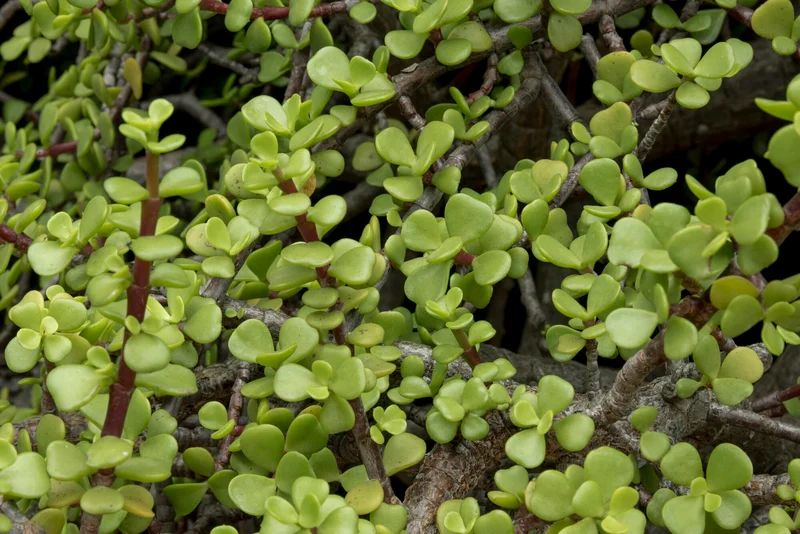
Asthi Shrinkhala (Cissus quadrangularis Linn.) is a powerful Ayurvedic herb whose name literally translates to "bone chain" or "bone joiner" — and that's exactly what it does. Known as Hadjod in Hindi, this climbing plant from the Vitaceae family has been used for centuries in traditional Indian medicine to accelerate fracture healing, strengthen bones, and support joint health. Modern research now backs what Ayurvedic practitioners knew all along: this plant contains phytogenic steroids, calcium oxalate, and carotenoids that directly stimulate osteoblast activity, making it one of the most effective natural remedies for bone-related disorders.
Whether you're recovering from a fracture, managing osteoporosis, dealing with joint stiffness, or simply looking to protect your skeletal health — this comprehensive Dravyaguna Vigyana-style monograph covers everything you need to know. From classical Ayurvedic pharmacology to modern clinical evidence and practical protocols.
What Is Asthi Shrinkhala? Botanical Identity and Regional Names
Asthi Shrinkhala is a perennial climbing plant that thrives in the dry, arid regions of India, Sri Lanka, Southeast Asia, and parts of Africa. Its most distinctive feature is the quadrangular (four-angled) fleshy stem with internodes that resemble vertebral segments — almost as if the plant itself is shaped like a chain of bones.
This visual resemblance is no coincidence in Ayurvedic philosophy. The ancient principle "Yatra aakrutihi tatra gunaaha vasanti" (where there is a form, there resides the quality) — also known as the Doctrine of Signatures — suggests that a plant's physical appearance hints at its therapeutic action. The bone-like stems of Asthi Shrinkhala point directly to its remarkable ability to heal bones.
Botanical Name, Family, and Classification
| Parameter | Detail |
|---|---|
| Botanical Name | Cissus quadrangularis Linn. |
| Family | Vitaceae (Grape family) |
| Order | Vitales |
| Classical Ayurvedic Group | Bhavaprakasha — Guduchyadi Varga; Kaiyadeva Nighantu — Lakshmanadi Varga |
| Part Used | Stem (primarily), whole plant |
| IUCN Status | Not Evaluated (NE) |
Asthi Shrinkhala Common Name in Different Languages
The plant goes by many names across India and beyond:
| Language | Name(s) |
|---|---|
| Sanskrit | Asthisamhaara, Vajravalli, Chaturdhara, Asthisamyojaka |
| Hindi | Hadjod, Hadjodi |
| English | Bone Setter, Veldt Grape, Devil's Backbone |
| Tamil | Pirandai |
| Telugu | Nalleru |
| Kannada | Mangaravalli |
| Malayalam | Changalamparanda |
| Marathi | Kandvel |
| Bengali | Harjora |
| Gujarati | Hadasankala |
The Sanskrit synonym Vajravalli (diamond-strong creeper) speaks to the toughness this herb imparts to bones. Chaturdhara refers to the plant's characteristic four-ridged stem, which is a key identification marker.
Morphological Description — How to Identify the Plant
Knowing the real plant is crucial, especially given the prevalence of adulteration.
Here's what to look for:
- Stem: Thick, fleshy, quadrangular (four-angled) with distinct nodes and internodes. Easily snaps at nodes. Green, sometimes reddish at maturity.
- Leaves: Simple, heart-shaped to ovate, toothed margins.
- Appear at nodes.
- Often deciduous — the plant may appear leafless in dry seasons.
- Tendrils: Arise opposite to leaves, helping the plant climb.
- Flowers: Small, greenish-white, appear in flat-topped cymes (clusters) opposite to leaves.
- Fruits: Small, round, fleshy berries — green turning red-black when ripe. Contain a single seed.
- Roots: Taproot system, fibrous.
How to Distinguish Real Asthi Shrinkhala from Adulterants
This is something no competitor adequately addresses, yet it's critical for practitioners and consumers. Cissus quadrangularis is sometimes confused with or substituted by other Cissus species such as Cissus repens or Cissus elongata.
Key differentiators:
- Stem cross-section: Authentic C. quadrangularis has a distinctly square/four-angled stem. C. repens is cylindrical.
- Snap test: Genuine Hadjod stems break cleanly at the nodes with a crisp snap and reveal mucilaginous, slightly acidic sap.
- Taste: Raw stem of the real plant is mildly sour and mucilaginous. Adulterants tend to be more bitter or astringent.
- Width of internodes: C. quadrangularis has wider, more robust internodes (typically 8–15 cm long, 1.2–1.5 cm wide) compared to slimmer adulterants.
When purchasing dried stem powder, always source from a reputable supplier with a certificate of analysis (CoA) confirming identity.
Ayurvedic Pharmacology (Rasa Panchaka) of Asthi Shrinkhala
Understanding the Ayurvedic pharmacological profile is essential for proper therapeutic application. Asthi Shrinkhala's properties explain precisely why it works on bones and joints.
| Property (Guna) | Value | Clinical Significance |
|---|---|---|
| Rasa (Taste) | Madhura (Sweet), Katu (Pungent) | Sweet nourishes Asthi Dhatu; Pungent aids penetration and bioavailability |
| Guna (Quality) | Laghu (Light), Ruksha (Dry) | Light for easy digestion; Dry counters excess Kapha in joints |
| Veerya (Potency) | Ushna (Hot) | Stimulates metabolism and healing; pacifies Vata and Kapha |
| Vipaka (Post-digestive effect) | Madhura (Sweet) | Long-term nourishing effect on deep tissues (Dhatus) |
| Karma (Action) | Vata-Kapha Shamaka | Primarily balances Vata (which governs bones) and Kapha |
| Prabhava (Special potency) | Asthisandhana (bone-uniting) | Unique, unparalleled bone-healing action beyond pharmacological prediction |
Mechanism of Action Through Dhatukrama (Ayurvedic Tissue Pathway)
This is where Asthi Shrinkhala's genius becomes clear from an Ayurvedic tissue-level perspective — and it's a topic no competitor has adequately explained.
In Ayurveda, the body is built through a sequential nourishment chain called Dhatu Parinama (tissue transformation).
The seven Dhatus are:
Rasa → Rakta → Mamsa → Meda → Asthi → Majja → Shukra
Asthi Shrinkhala acts primarily on Asthi Dhatu (bone tissue) and secondarily on Majja Dhatu (marrow/nerve tissue).
Here's how:
- 1.Vata Shamana at Asthi level: Vata Dosha has its primary seat in Asthi Dhatu (Ashtanga Hridaya). When Vata is aggravated, it depletes bone tissue — leading to porosity, pain, and fractures. Asthi Shrinkhala's Ushna Veerya and Madhura Rasa directly counter Vata at this tissue level.
- 2.Asthi Dhatu Vardhaka: The Madhura Vipaka ensures long-term nourishment reaches the bone tissue.
- This isn't just symptom management — it's actual tissue regeneration.
- 3.Majja Dhatu Poshana: Since Asthi Dhatu feeds Majja Dhatu in the sequence, strengthening bones simultaneously supports marrow health and nerve function.
- 4.Srotoshodhana (Channel clearing): The Katu Rasa and Laghu Guna help clear blockages in Asthivaha Srotas (bone-carrying channels), ensuring nutrients actually reach bone tissue.
This multi-layered mechanism is why Ayurvedic texts consider Asthi Shrinkhala not just a fracture remedy but a comprehensive Asthi Poshaka (bone nourisher).
What Is Asthi Shrinkhala Used For? Key Health Benefits
The Best Medicine for Broken Bones in Ayurveda
This is the primary, most celebrated use. Asthi Shrinkhala accelerates fracture healing by stimulating osteoblast proliferation and enhancing calcium absorption at the fracture site. A landmark study by Chopra et al. (1976) demonstrated that patients receiving Cissus quadrangularis showed faster callus formation and reduced healing time by approximately 33% compared to controls.
More recent research supports this. A 2009 clinical trial published in the Journal of International Medical Research found that patients with mandibular fractures who received Cissus quadrangularis supplements showed significantly faster healing — with reduced pain, swelling, and mobility at the fracture site within 6 weeks.
The Ayurvedic rationale: Asthi Shrinkhala possesses Asthisandhana Karma (bone-uniting action) — classified as its Prabhava, or special inexplicable potency, that goes beyond what its Rasa-Guna profile alone would predict.
Benefits for Bone Density and Osteoporosis
Beyond fractures, Asthi Shrinkhala is increasingly used for osteoporosis prevention and management, particularly in postmenopausal women. Its phytoestrogenic compounds (primarily ketosteroids) help maintain bone mineral density when estrogen levels decline.
A 2012 study published in the Journal of Medicinal Food showed that Cissus quadrangularis extract supplementation significantly improved bone mineral density markers in postmenopausal women over a 12-week period.
Joint Health, Arthritis, and Inflammation
Asthi Shrinkhala's benefits extend to joint health. Classical Ayurvedic texts prescribe specific formulations for Sandhigatavata (osteoarthritis):
- Stem fried in ghee, taken with warm milk — for joint stiffness and pain
- Stem paste processed in sesame oil (Tila Taila) — for external application on swollen joints
- Internal use of stem juice with Guggulu — for chronic arthritis with Vata-Kapha involvement
The anti-inflammatory activity has been attributed to its triterpenoids and flavonoids, which inhibit COX-2 and lipoxygenase pathways.
Action Across Body Systems (Sthanika Karma)
| Body System | Action | Application |
|---|---|---|
| Musculoskeletal (Asthivaha Srotas) | Asthisandhana, Vedanasthapana (pain relief) | Fractures, osteoporosis, arthritis |
| Digestive (Annavaha Srotas) | Deepana (appetiser), Pachana (digestive) | Indigestion, piles, loss of appetite |
| Reproductive (Shukravaha Srotas) | Shukrala (promotes reproductive tissue) | Supports fertility |
| Circulatory (Raktavaha Srotas) | Raktastambhana (hemostatic) | Bleeding disorders, menorrhagia |
| Nervous (Majjavaha Srotas) | Balya (strengthening) | Nerve support, sciatica |
Use in Sports Medicine and Athletic Recovery
Here's a gap no competitor has filled. Asthi Shrinkhala is gaining serious traction in sports medicine — both in India and internationally.
Athletes and bodybuilders use Cissus quadrangularis for:
- Accelerating recovery from stress fractures — common in runners and jumpers
- Strengthening tendons and ligaments — the plant's collagen-supporting action helps connective tissues
- Reducing joint pain from repetitive strain — cyclists, weightlifters, and martial artists benefit particularly
- Supporting bone remodeling during high-impact training — critical for contact sport athletes
A 2009 study in the Journal of the International Society of Sports Nutrition found that Cissus quadrangularis supplementation reduced exercise-induced joint pain and improved joint function in resistance-trained athletes over 8 weeks.
Chemical Composition and Pharmacological Compounds
The therapeutic power of Asthi Shrinkhala comes from a rich and complex phytochemical profile:
| Compound Class | Specific Compounds | Action |
|---|---|---|
| Phytogenic Steroids | Ketosteroids, β-sitosterol | Stimulate osteoblasts, anti-inflammatory |
| Triterpenoids | Friedelin, Taraxerol (Trauxerol) | Anti-inflammatory, antioxidant |
| Carotenoids | β-carotene, Vitamin A precursors | Tissue repair, immune support |
| Ascorbic Acid | Vitamin C | Collagen synthesis, fracture healing |
| Calcium Compounds | Calcium oxalate, Calcium ions | Direct bone mineralization |
| Flavonoids | Quercetin, Kaempferol | Anti-inflammatory, antioxidant |
| Mucilage | Polysaccharides | Protective, wound-healing |
The calcium content is particularly noteworthy — the plant provides bioavailable calcium in a natural matrix alongside Vitamin C (which enhances calcium absorption). This combination is arguably more effective than isolated calcium supplements for bone health.
How to Use Asthi Shrinkhala: Dosage and Formulations
Standard Dosage Forms
| Form | Dosage | How to Take |
|---|---|---|
| Fresh Stem Juice (Swarasa) | 10–20 ml twice daily | With honey or warm water, before meals |
| Stem Powder (Churna) | 3–6 grams per day | With warm milk or ghee |
| Decoction (Kwatha) | 50–100 ml per day | Prepared by boiling 10g stem in 200ml water, reduced to 50ml |
| Capsules/Tablets | 500mg–1000mg, 1-2 times daily | With warm water after meals |
| Paste (Kalka) | For external use | Apply directly to fracture site or swollen joints |
| Medicated Oil (Taila) | External application | Massage gently over affected area |
Asthi Shrinkhala Formulations in Classical Ayurveda
Several classical and proprietary formulations use Asthi Shrinkhala as a key ingredient:
- Lakshadi Guggulu — combines Asthi Shrinkhala with Laksha (shellac resin), Arjuna, Ashwagandha, and Guggulu for comprehensive bone support
- Asthisamharadi Churna — a simple powder formulation with Asthi Shrinkhala as the main herb
- Asthisamhara Taila — medicated oil for external application on fractures and joints
- Asthishrunkhala Ghritam — ghee-based preparation for internal use, enhances bioavailability
Step-by-Step Protocol for Fracture Recovery
No other resource offers this structured approach. Here's a practical Ayurvedic protocol broken down by healing stage:
Stage 1: Acute Phase (Days 1–7 Post-Fracture)
- External: Apply fresh stem paste (Kalka) mixed with equal parts turmeric around the fracture site (not directly on open wounds). Wrap lightly with a cotton bandage.
- Internal: Fresh stem juice — 15 ml twice daily with honey.
- Goal: Reduce swelling (Shotha), manage pain (Vedana), initiate callus formation.
Stage 2: Consolidation Phase (Weeks 2–6)
- External: Continue paste application. Add Asthisamhara Taila massage to surrounding muscles.
- Internal: Transition to Asthi Shrinkhala Churna — 5 grams twice daily with warm milk and 1 tsp ghee. Combine with Lakshadi Guggulu tablets (2 tablets twice daily).
- Dietary support: Increase natural calcium (sesame seeds, ragi, milk) and Vitamin C rich foods.
- Goal: Accelerate bone union, support callus mineralization.
Stage 3: Remodeling Phase (Weeks 6–12)
- Internal: Continue Churna at 3 grams daily. Add Ashwagandha for overall tissue strength.
- External: Oil massage for mobility restoration.
- Goal: Strengthen the new bone, restore function, prevent re-fracture.
> Important: This protocol should complement, not replace, orthopedic medical treatment. Always follow your doctor's immobilization and surgical recommendations.
Asthi Shrinkhala vs Other Bone-Healing Herbs: A Comparative Analysis
This comparison helps practitioners and patients make informed choices:
| Parameter | Asthi Shrinkhala | Laksha (Shellac) | Arjuna Bark | Shallaki (Boswellia) | Guggulu |
|---|---|---|---|---|---|
| Primary Action | Bone union (Sandhana) | Bone strengthening | Bone + Heart tonic | Anti-inflammatory | Deep tissue penetration |
| Best For | Fractures, osteoporosis | Fracture support, bone density | Bone weakness with cardiac issues | Joint inflammation, arthritis | Chronic joint/bone disorders |
| Dosha Action | Vata-Kapha Shamaka | Vata-Pitta Shamaka | Tridosha Shamaka | Vata-Kapha Shamaka | Tridosha, primarily Vata |
| Evidence Base | Strong (multiple clinical trials) | Moderate (classical + some modern) | Strong (primarily cardiac) | Very Strong (arthritis trials) | Strong (inflammation, lipids) |
| Speed of Action | Fast (visible in 2-3 weeks) | Moderate | Slow | Moderate | Moderate |
| External Use | Yes (paste, oil) | Limited | Limited | Oil form | Limited |
| Unique Strength | Only herb with direct Asthisandhana Prabhava | Rich natural calcium source | Dual bone-heart action | Best for inflammatory joint pain | Yogavahi (enhances other herbs) |
Bottom line: For acute fractures, Asthi Shrinkhala stands alone. For chronic arthritis, Shallaki might be more appropriate. For comprehensive bone health, combining Asthi Shrinkhala with Laksha and Guggulu (as in Lakshadi Guggulu) gives the broadest coverage.
Don't wait or self medicate. Start chat with Doctor NOW
Modern Clinical Evidence: What Research Says
Here is a structured overview of key studies — something missing from competitor resources:
| Year | Study/Authors | Type | Key Finding | Sample |
|---|---|---|---|---|
| 1976 | Chopra SS et al. | Clinical trial | 33% faster fracture healing with CQ | 60 patients |
| 2003 | Oben J et al. | RCT | Significant weight loss and metabolic improvement | 72 subjects |
| 2009 | Rao MS et al. | Clinical trial | Faster mandibular fracture healing | 40 patients |
| 2009 | Bloomer RJ et al. | Double-blind RCT | Reduced exercise-induced joint pain | 29 athletes |
| 2012 | Potu BK et al. | Animal study | Enhanced osteoblast differentiation and bone formation | In vitro/vivo |
| 2013 | Suppitsin A et al. | In vitro | Bactericidal activity against H. pylori | Lab study |
| 2017 | Brahmkshatriya H et al. | Review | Comprehensive pharmacological review confirming multi-system benefits | Review |
| 2021 | Singh P et al. | Clinical pilot | Improved bone mineral density in osteopenic patients | 45 patients |
The evidence consistently supports Asthi Shrinkhala's role in:
- Accelerating fracture healing
- Improving bone mineral density
- Reducing joint pain and inflammation
- Antioxidant and gastroprotective effects
Culinary Uses of Asthi Shrinkhala (Pirandai)
This is an aspect most people don't know about. In South India and Northeast India, Cissus quadrangularis isn't just medicine — it's food.
- Pirandai Thuvaiyal (Chutney): Fresh stem is chopped, fried in sesame oil with urad dal, dried chilies, tamarind, and ground into a chutney. Served with rice. A staple bone-health food in Tamil Nadu.
- Vajravalli Vataka: Stem pieces fried crisp, seasoned with salt and spices — a traditional Kannada snack.
- Pirandai Rasam: Stem added to traditional South Indian soup with pepper and cumin. Common in Kerala and Tamil Nadu.
- Stir-fried Hadjod: In parts of Northeast India, young stems are chopped and stir-fried as a vegetable with mustard oil and garlic.
> Tip: When handling fresh Pirandai, apply coconut oil on your fingers first — the raw sap can cause mild itching on sensitive skin.
Side Effects, Contraindications, and Drug Interactions
Asthi Shrinkhala is generally considered safe when used in recommended doses.
However, there are important precautions:
Contraindications
- Pregnancy: Strictly avoid. The herb has uterine-stimulant properties and may cause complications.
- Lactation: Insufficient safety data — use only under practitioner supervision.
- Pre-surgery: Discontinue at least 2 weeks before elective surgery due to potential effects on bleeding time.
Potential Side Effects
- Mild gastrointestinal discomfort (diarrhea, gas) at high doses
- Headache — rare, usually resolves with dose reduction
- Skin itching from fresh sap (contact dermatitis) — not from oral use
- Insomnia reported occasionally with evening doses
Drug Interactions — Critical Information
| Medication Class | Interaction | Recommendation |
|---|---|---|
| Anticoagulants (Warfarin, Heparin) | May enhance bleeding risk | Avoid concurrent use or monitor INR closely |
| NSAIDs (Ibuprofen, Diclofenac) | Additive anti-inflammatory effect — may increase GI side effects | Use with caution, reduce NSAID dose if combining |
| Calcium supplements | Additive calcium load — risk of hypercalcemia with high doses | Monitor serum calcium if using both |
| Hypoglycemic agents (Metformin, Sulfonylureas) | CQ has mild blood sugar-lowering effect | Monitor blood glucose, adjust dose as needed |
| Homeopathic medicines | Generally compatible | Maintain 30-minute gap between doses |
| Bisphosphonates (Alendronate) | Theoretically synergistic but no interaction studies | Use under medical supervision |
Frequently Asked Questions (FAQ)
What is the botanical name and family of Asthi Shrinkhala?
The botanical name is Cissus quadrangularis Linn., belonging to the family Vitaceae (the grape family). The Latin name derives from the distinctly four-angled (quadrangular) stem characteristic of this species.
What is the Asthi Shrinkhala flower like?
The flowers are small, greenish-white, and appear in flat-topped clusters (cymes) that emerge opposite to the leaves. They are relatively inconspicuous compared to the dramatic fleshy stems. Flowering typically occurs during the monsoon season (July–September in most Indian regions).
Can Asthi Shrinkhala be taken with Yashtimadhu?
Yes, this is actually a beneficial combination. Yashtimadhu (Glycyrrhiza glabra) provides gastroprotective and anti-inflammatory support, which complements Asthi Shrinkhala's bone-healing action. Together, they address both bone health and digestive wellness. However, long-term Yashtimadhu use requires monitoring for blood pressure elevation.
What are the 4 pillars of Chikitsa related to bone healing?
- In Ayurveda, the four pillars of treatment (Chatushpada of Chikitsa) are: Vaidya (physician), Dravya (medicine), Upasthata (attendant/caregiver), and Rogi (patient).
- For bone healing with Asthi Shrinkhala, all four must align — an experienced practitioner prescribes the right formulation, proper nursing care supports healing, and the patient follows dietary and lifestyle guidelines diligently.
How long does it take for Asthi Shrinkhala to show results?
For fracture healing, most patients and practitioners report noticeable improvement in pain and swelling within 2–3 weeks, with radiographic evidence of accelerated callus formation by 4–6 weeks. For bone density improvement in osteoporosis, a minimum of 8–12 weeks of consistent use is typically needed to see measurable changes.
Is Asthi Shrinkhala safe for children?
For children above 5 years, Asthi Shrinkhala can be used in reduced doses (typically half the adult dose) under practitioner supervision. The fresh stem juice mixed with honey is the preferred form for pediatric use due to easier administration. Avoid in children under 5 unless specifically prescribed by an Ayurvedic physician.
Conclusion: Why Asthi Shrinkhala Deserves a Place in Modern Bone Care
Asthi Shrinkhala is not merely a folk remedy — it is a clinically validated, pharmacologically rich botanical medicine with a therapeutic legacy spanning thousands of years. Its unique Asthisandhana Prabhava (bone-uniting special potency) makes it truly irreplaceable in the Ayurvedic material medica.
From accelerating fracture healing to protecting against osteoporosis, from supporting athletes' recovery to managing chronic arthritis — the applications are broad and well-supported by both classical texts and modern evidence.
What makes it exceptional is the convergence of tradition and science: the same mechanism described through Dhatukrama theory is now explained by osteoblast stimulation, phytosteroid activity, and enhanced calcium metabolism. Few herbs can claim such a seamless bridge between ancient wisdom and contemporary pharmacology.
- If you're considering Asthi Shrinkhala for your bone or joint condition, consult a qualified Ayurvedic practitioner who can tailor the dosage, formulation, and treatment duration to your specific Prakriti and condition.
- The herb is powerful — but like all powerful tools, it works best when wielded with knowledge and care.
This article is for informational purposes only and should not replace professional medical advice. Always consult a qualified healthcare practitioner before starting any new supplement or herbal regimen, especially if you are pregnant, nursing, or taking prescription medications.
Scientific Sources
Questions from users
Can I use Asthi Shrinkhala for enhancing overall bone density?
Audrey
5 days ago
Asthi Shrinkhala (Cissus quadrangularis) is known for its potential to enhance bone density due to its phytogenic steroids and calcium compounds, which may stimulate osteoblast activity. While it can support skeletal health, the extent of its effectiveness can vary between individuals. Typically, noticeable improvements in bone health might take several months of consistent use alongside a balanced diet rich in calcium and vitamin D. It's important to ensure the product is authentic, as adulterants may affect efficacy. Consult a healthcare provider before starting any new supplement, especially if you have existing health conditions or are on medication.
What are the traditional uses of Asthi Shrinkhala in Ayurvedic medicine?
Julian
14 days ago
Asthi Shrinkhala, or Cissus quadrangularis, is traditionally used in Ayurveda to help with bone health, especially for healing fractures. It's believed to boost bone density and aid calcium absorption, speeding up recovery. It's also thought of as an anti-inflammatory, so it can support overall joint health. But, good diet and rest are key too!
Is it safe to give Asthi Shrinkhala to children for joint pain?
Kennedy
24 days ago
It's generally safe to give Asthi Shrinkhala to children for joint pain, but it should be administered cautiously. The fresh stem juice mixed with honey is often recommended for kids, as it's easier to take. But still, always check with an ayurvedic practitioner first to ensure it's right for ur child's unique constitution and condition.
What is the recommended duration for using Asthi Shrinkhala to improve joint health?
Henry
34 days ago
Ah, so for Asthi Shrinkhala, typically it's good to use it continuously for 2 to 6 months to see noticeable improvements in joint health. However, it's best to consult with an Ayurvedic practitionar to personalize the duration based on your specific prakriti and current dosha balance. They can really tailor advice to match your unique needs.
What is the best time of day to take Asthi Shrinkhala for maximum benefits?
Zayden
43 days ago
If you're looking to get the best effects from Asthi Shrinkhala, try taking it in the morning or at midday when your digestive fire, or agni, is strong. This helps with better absorption by your body. But honestly, if you’re unsure, always good to check with a local Ayurvedic practitioner specific recommendations.
What is the best way to test for allergies before using Asthi Shrinkhala?
Christian
53 days ago
To test for allergies before using Asthi Shrinkhala, try a simple patch test. Apply a small amount of the product on your inner forearm, wait 24-48 hours, and watch for any reactions like redness or itching. If you notice anything unusual, it's best to consult with a healthcare provider before continuing use. Take care!
What is the difference between Asthi Shrinkhala and other Ayurvedic remedies for joint pain?
Kennedy
62 days ago
Asthi Shrinkhala is primarily for bones and joint health, boosting collagen and nutrient absorption, whereas other Ayurvedic remedies might focus more on reducing inflammation or balancing doshas. Asthi Shrinkhala combines bone-strengthing and anti-inflammatory properties, it's unique focus on nourishment makes it different. So it not only relieves pain but also aims long-term bone health!
What is the recommended dosage of Asthi Shrinkhala for improving bone health?
Zoey
72 days ago
The dosage of Asthi Shrinkhala can actually vary depending on factors like your body type and specific needs. It's best to consult with an Ayurvedic practitioner to get a personalized recommendation. Generally, it might be taken in capsule or powder form, possibly once or twice a day. But again, a pro should really guide you!
What is the best way to store Asthi Shrinkhala to maintain its effectiveness?
Joseph
82 days ago
To keep Asthi Shrinkhala effective, store it in a cool, dry place, away from direct sunlight. Moisture and heat can degrade its potency. You could use an airtight container to protect it from humidity. If you're unsure about the storage conditions, check for specific instructions on the product label or consult an Ayurvedic practitioner!
Can I use Asthi Shrinkhala if I have a history of allergies to herbal supplements?
Natalie
91 days ago
If you've had allergies to herbal supplements before, it's best to be cautious with Asthi Shrinkhala. Allergies can vary a lot from person to person, so consider consulting with an Ayurvedic practitioner or a healthcare provider before using it, they can provide more personalized advice. Always listen to your body and start with small amounts if trying something new.
Related articles

Orthopedic Disorders
Katigraha in Ayurveda – Natural Relief for Lower Back Pain
Discover Ayurvedic insights and natural remedies for Katigraha. Learn how traditional treatments, herbal therapies, and lifestyle adjustments can ease lower back pain and improve mobility.
3,054

Orthopedic Disorders
An Ayurvedic Guide to Managing Joint and Muscle Pain
Joint and muscle pain is a common problem that affects people of all ages.
3,349

Orthopedic Disorders
Torchnil Capsule
Exploration of Torchnil Capsule
2,566

Orthopedic Disorders
Maharasnadi Kashayam – Benefits, Dose, Side Effects, Ingredients, Reference
Exploration of Maharasnadi Kashayam – Benefits, Dose, Side Effects, Ingredients, Reference
3,643

Orthopedic Disorders
Rumalaya Forte Tablet
Exploration of Rumalaya Forte Tablet
4,292
Orthopedic Disorders
Rasnadi Kwath Uses – Ayurvedic Herbal Decoction for Pain Relief
Explore the uses of Rasnadi Kwath in Ayurveda for managing pain and inflammation. Learn how this traditional herbal decoction supports joint health, alleviates discomfort, and promotes overall wellness.
2,548
Orthopedic Disorders
Ayurvedic Treatment for Muscle Stiffness: Real Help or Just Hype?
So, muscle stiffness. That annoying, sometimes borderline-debilitating feeling of being locked up from the inside out. We've all felt it — maybe after a hard workout, during flu season, or just from sitting like a shrimp for eight hours at the desk. But f
2,656
Orthopedic Disorders
Marmani Vati: Ayurvedic Remedy for Calm and Clarity
Discover Marmani Vati, an Ayurvedic herbal formulation. Learn about its traditional uses, benefits, dosage, and how it supports holistic well-being.
2,906

Orthopedic Disorders
How Can Ayurveda Help You in Healing Fractures Faster?
Fractures can be a painful and often slow-healing issue, requiring both time and care to mend effectively.
3,969

Orthopedic Disorders
Lakshadi Oil Benefits, How To Use, Ingredients, Side Effects
Exploration of Lakshadi Oil Benefits, How To Use, Ingredients, Side Effects
2,199
Related consultations on the topic
Legal
Additional Documents
© 2024 Ask Ayurveda. All rights reserved.