Ask Ayurvedic doctor a question and get a consultation online on the problem of your concern in a free or paid mode. More than 2,000 experienced doctors work and wait for your questions on our site and help users to solve their health problems every day.
FREE! Ask Ayurvedic Doctors 24/7

 Fast responses
 1000+ verified doctors
Body DetoxEar, Nose, and Throat DisordersGeriatrics & RejuvenationImmunodeficiencyInfertility TreatmentNutritionOrthopedic DisordersPediatricsRespiratory DisordersSexually Transmitted Diseases (STDs)Surgery RecoveryUrological DisordersVascular DisordersDental DisordersEndocrinological DisordersGastrointestinal DisordersYoga TherapyGeneral MedicineAllergic DisordersCardio DisordersGynecology and ObstetricsCosmetologySkin and Hair DisordersEye DisordersInfectious DiseasesMental DisordersNeurological DisordersOncologyPanchakarmaSexual Health & DisordersSports Medicine
Published on 01/31/25
(Updated on 07/10/26)
2,301
Ashwa Kanchuki Ras – Traditional Ayurvedic Remedy for Health & Wellness

Ashwa Kanchuki Ras is a classical Ayurvedic herbo-mineral formulation (Rasaushadhi) primarily prescribed for respiratory disorders like chronic cough, bronchitis, asthma, and recurrent fevers. It contains processed mercury (Parada), sulphur (Gandhaka), and a synergistic blend of potent herbs — all prepared through rigorous Rasashastra purification methods to ensure safety under qualified medical supervision. This formulation works by pacifying aggravated Vata and Kapha doshas, clearing respiratory channels, and strengthening the body's natural immune response.
If you've been searching for a thorough, evidence-informed guide on Ashwa Kanchuki Ras — its exact composition, how each ingredient works, proper dosage, precautions, and how it compares to similar formulations — you're in the right place. This article goes far beyond surface-level information to give you actionable, clinically relevant knowledge.
What Is Ashwa Kanchuki Ras?
Ashwa Kanchuki Ras is a Rasa Yoga — a category of Ayurvedic medicines that incorporate purified metals and minerals alongside herbal ingredients. The word "Ashwa" relates to potency and strength, while "Kanchuki" means a covering or sheath, metaphorically implying the formulation's protective action on the body. It is classified under Kupipakva Rasayana preparations in some traditions, though it is more commonly described as a Khalviya Rasayana (prepared through trituration rather than heating in a glass bottle).
This medicine has been used for centuries across the Indian subcontinent by Vaidyas treating patients with stubborn respiratory conditions, unexplained fevers, and post-delivery complications. It remains widely prescribed in contemporary Ayurvedic clinical practice, manufactured by reputable companies including Baidyanath, Dhootapapeshwar, and Unjha Pharmacy.
Classical Reference — Ras Yog Sagar
The primary classical reference for Ashwa Kanchuki Ras is found in Ras Yog Sagar, verses 266/1065–1067. This text, one of the most comprehensive compendiums of Rasa Yoga formulations, documents the exact ingredients, proportions, method of preparation, and therapeutic indications. The formulation is also mentioned in certain recensions of Bhaishajya Ratnavali and other Rasa Shastra compilations, though the Ras Yog Sagar remains the most widely cited source.
Understanding the textual origin matters — it establishes the formulation's legitimacy within the Ayurvedic pharmacopoeia and provides practitioners with standardized reference points for quality control.
Historical Significance in Ayurveda
Rasaushadhi formulations like Ashwa Kanchuki Ras represent a sophisticated pharmaceutical tradition dating back over a thousand years. The Rasa Shastra school of Ayurveda developed elaborate purification protocols (Shodhana) and incineration techniques (Marana) specifically to render toxic metals like mercury and aconite therapeutically effective while minimizing harm.
During the medieval period of Indian medicine, Siddha and Ayurvedic practitioners recognized that small doses of properly processed minerals could achieve therapeutic outcomes that herbs alone could not — particularly in acute, severe, or chronic-recurrent conditions. Ashwa Kanchuki Ras emerged from this tradition as a targeted intervention for Kapha-Vata predominant respiratory and febrile diseases.
Dosha Balancing — Vata & Kapha
- Ashwa Kanchuki Ras primarily pacifies Vata and Kapha doshas.
- In Ayurvedic pathology, most respiratory conditions — including productive cough, bronchial congestion, asthma, and rhinitis — arise from Kapha aggravation in the Pranavaha Srotas (respiratory channels). When Vata becomes simultaneously disturbed, it drives the accumulated Kapha into deeper tissues, causing chronic or recurrent disease patterns.
This formulation addresses both doshas simultaneously: the heating (Ushna Virya) ingredients liquefy and expel accumulated Kapha, while the grounding, nourishing components stabilize erratic Vata. The result is cleared respiratory passages, reduced inflammation, and restored normal breathing patterns.
Ingredients (Composition) of Ashwa Kanchuki Ras
The formulation contains both herbal and mineral ingredients, each serving a specific pharmacological and energetic role within the compound.
Below is the complete composition:
| Ingredient | Sanskrit Name | Latin / Scientific Name | Category |
|---|---|---|---|
| Purified Mercury | Shuddha Parada | Hydrargyrum | Mineral |
| Purified Sulphur | Shuddha Gandhaka | Sulphur | Mineral |
| Purified Aconite | Shuddha Vatsanabha | Aconitum ferox | Herbo-toxic |
| Borax (Purified) | Shuddha Tankana Bhasma | Sodium borate | Mineral |
| Long Pepper | Pippali | Piper longum | Herbal |
| Black Pepper | Maricha | Piper nigrum | Herbal |
| Dry Ginger | Shunthi / Nagara | Zingiber officinale | Herbal |
| Bhringaraja Juice | Bhringaraja Swarasa | Eclipta alba | Herbal (Bhavana Dravya) |
Herbal Ingredients (with Sanskrit & Latin Names)
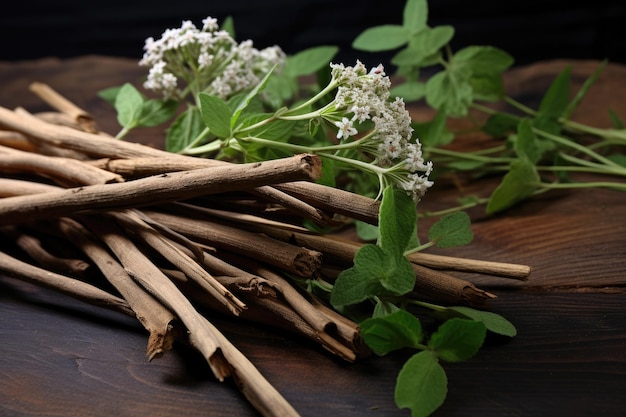
Trikatu — the combination of Pippali, Maricha, and Shunthi — forms the herbal backbone of Ashwa Kanchuki Ras. This classical trio is perhaps the most widely used bioavailability enhancer in Ayurvedic pharmacy:
- Pippali (Piper longum): A powerful Kapha-Vata pacifier with proven bronchodilatory and anti-inflammatory properties. A 2011 study published in the Journal of Ethnopharmacology demonstrated that piperine from Piper longum significantly enhanced mucosal immunity in the respiratory tract.
- Maricha (Piper nigrum): Provides deep penetrating heat (Teekshna Guna) that breaks up congestion in the sinuses and bronchi. Its active compound piperine also enhances the bioavailability of other ingredients by up to 2000%, according to research published in Planta Medica.
- Shunthi (Zingiber officinale): Anti-inflammatory, analgesic, and diaphoretic. It promotes sweating to reduce fever while simultaneously soothing irritated bronchial mucosa. Ginger's efficacy in managing nausea and respiratory inflammation is well-documented across both Ayurvedic and modern pharmacological literature.
Bhringaraja (Eclipta alba): Used as the Bhavana Dravya (trituration medium), Bhringaraja juice is not merely a processing agent — it actively contributes hepatoprotective and immunomodulatory properties. Given that the formulation contains mercury and sulphur, Bhringaraja's liver-protective action serves as an inbuilt safety mechanism, supporting the body's detoxification pathways during treatment.
Mineral & Metal Ingredients (Rasashastra Components)
- Shuddha Parada (Purified Mercury): The central Rasa Dravya. In Rasashastra, mercury is considered the most potent therapeutic substance when properly purified through 18 sequential Samskaras (processing steps).
- It acts as a Yogavahi — a carrier that enhances the potency and delivery of all other ingredients to target tissues. Unpurified mercury is toxic; the entire safety profile depends on meticulous classical processing.
- Shuddha Gandhaka (Purified Sulphur): Always paired with mercury in Rasa formulations. Sulphur undergoes Shodhana (purification) through melting in ghee and milk to remove toxic impurities. It acts as Krimighna (antimicrobial), Kushtaghna (skin-purifying), and Deepana (digestive stimulant). In this formulation, it synergizes with Parada to form Kajjali — a black sulphide of mercury that serves as the pharmacological base.
- Shuddha Vatsanabha (Purified Aconite — Aconitum ferox): Raw aconite is one of the most toxic plants known. However, after classical Shodhana in cow's urine (Gomutra) and subsequent processing, its toxicity is dramatically reduced while its febrifuge and analgesic properties are retained. A 2014 study in the International Journal of Research in Ayurveda and Pharmacy confirmed that Shodhana of Vatsanabha reduced aconitine content by over 80% while preserving therapeutic alkaloids.
- Shuddha Tankana (Purified Borax): Acts as a mucolytic — it breaks down thick, stubborn mucus in the respiratory tract, making it easier to expel. It also has mild antiseptic properties and helps in Kapha liquefaction (Kapha Vilayana).
Role of Each Ingredient in the Formulation
Here's something no other guide adequately explains — why these specific ingredients together:
The formulation is built on a layered pharmacological logic. Kajjali (mercury-sulphur compound) acts as the carrier and potentiator. Trikatu provides the penetrating heat to open blocked channels (Srotoshodhana). Vatsanabha delivers rapid antipyretic and analgesic action for acute symptoms. Tankana Bhasma handles the mucus directly. And Bhringaraja juice, used during processing, serves double duty as both a pharmaceutical binder and a hepatoprotective safety buffer.
This isnt a random collection of powerful substances. It's a carefully orchestrated system where each ingredient addresses a specific aspect of the disease process while compensating for potential adverse effects of other components.
Pharmacological Properties (Rasa, Guna, Virya, Vipaka)
No competitor has provided a comprehensive breakdown of the formulation's classical pharmacological profile.
Here it is:
| Property | Value | Clinical Significance |
|---|---|---|
| Rasa (Taste) | Katu (Pungent), Tikta (Bitter) | Kapha-liquefying and Ama-digestive |
| Guna (Quality) | Laghu (Light), Teekshna (Penetrating), Ushna (Hot) | Deep tissue penetration, fast-acting |
| Virya (Potency) | Ushna (Hot) | Counters cold, sluggish Kapha pathology |
| Vipaka (Post-digestive effect) | Katu (Pungent) | Sustains metabolic stimulation after digestion |
| Prabhava (Special action) | Jwarghna (Fever-reducing), Kasahara (Cough-relieving) | Specific therapeutic target beyond doshic action |
| Dosha Karma | Vata-Kapha Shamaka | Dual doshic pacification |
| Srotas (Channels affected) | Pranavaha, Rasavaha, Annavaha | Respiratory, plasma, and digestive channels |
Understanding these properties helps practitioners and informed patients predict how the medicine will behave in the body and why it's contraindicated in Pitta-predominant conditions.
Health Benefits & Therapeutic Indications
Respiratory Disorders (Cold, Cough, Bronchitis, Asthma)
This is the primary domain of Ashwa Kanchuki Ras.
It is prescribed for:
- Pratishyaya (Common cold / Rhinitis): Relieves nasal congestion, sneezing, and watery discharge
- Kasa (Cough): Particularly effective in productive cough with thick, white or clear sputum — classic Kaphaja Kasa
- Shwasa (Asthma / Breathlessness): Reduces bronchospasm and wheezing by clearing Kapha from the Pranavaha Srotas
- Chronic Bronchitis: Long-standing bronchial inflammation with recurrent episodes responds well to this formulation
Clinical practitioners frequently combine it with Sitopaladi Churna, Talisadi Churna, or Kantakari Avaleha for enhanced respiratory outcomes.
Fever (Jwara)
Ashwa Kanchuki Ras is particularly effective in Vishama Jwara (intermittent fever) and Kapha Jwara (fever with heaviness, congestion, loss of appetite, and body aches). The Vatsanabha component provides rapid temperature reduction, while Trikatu kindles Agni to digest the fever-causing Ama (metabolic toxins).
It should not be used as a first-line treatment for high Pitta fevers characterized by burning sensation, intense thirst, and yellowish discharges.
Post-Delivery Health Problems
After childbirth, women often experience Vata-Kapha imbalance manifesting as body pain, low-grade fever, respiratory vulnerability, and general weakness. Ashwa Kanchuki Ras is traditonally prescribed in small doses during the postnatal period to address these complaints — always under strict medical supervision, and never during breastfeeding without explicit guidance from a qualified Vaidya.
Body Pain & Headache
The Ushna Virya and Vata-pacifying properties make this formulation useful for headaches associated with cold and sinus congestion, as well as generalized body aches during viral fevers. Some practitioners also report benefit in Vataja Shirahshula (Vata-type headache) and Sandhivata (joint pain), though this is not its primary indication.
How Does Ashwa Kanchuki Ras Enhance Vitality?
Beyond disease management, this formulation supports vitality through multiple mechanisms. It strengthens Agni (digestive fire), promotes Ama Pachana (toxin digestion), and enhances Ojas (vital essence) indirectly by removing obstructions in the Srotas. When respiratory channels are clear and Vata-Kapha are balanced, prana (vital energy) flows optimally — resulting in improved energy, mental clarity, and physical resilience.
Detoxification & Immune Support
- The Bhringaraja-processed Kajjali base supports hepatic detoxification pathways. Meanwhile, Trikatu enhances gastrointestinal immunity, and the overall formulation stimulates the body's natural defense mechanisms against recurrent infections.
- This makes it valuable in patients with frequent colds — those who seem to catch every virus going around.
How Ashwa Kanchuki Ras Works (Mechanism of Action)
The synergistic mechanism operates on multiple levels simultaneously:
- 1.Srotoshodhana (Channel Cleansing): Trikatu and Tankana open blocked respiratory and digestive channels, allowing accumulated Kapha and Ama to be mobilized and expelled.
- 2.Agni Deepana (Digestive Fire Stimulation): Weak Agni is the root cause of Ama production. By rekindling metabolic fire, the formulation addresses the underlying cause rather than just symptoms.
- 3.Yogavahi Action of Kajjali: The mercury-sulphur base acts as a delivery system, carrying the therapeutic properties of all ingredients directly to affected tissues. This is why Rasa formulations often work faster than purely herbal medicines.
- 4.Vatsanabha's Rapid Antipyretic Action: Purified aconite acts almost immediately on fever — providing relief within hours rather than days, according to classical texts and clinical observation.
- 5.Kaphaghna & Vatanulomana: The overall formulation liquefies stagnant Kapha while redirecting Vata downward into its proper pathway, restoring normal respiratory and digestive function.
Don't wait or self medicate. Start chat with Doctor NOW
Recommended Dosage & Administration
Standard Dosage
| Patient Category | Dosage | Frequency | Anupana (Adjuvant) |
|---|---|---|---|
| Adults | 125 mg – 250 mg (1–2 tablets) | 1–2 times daily | Honey, fresh ginger juice, or betel leaf juice |
| Children (above 5 years) | 65 mg – 125 mg | Once daily | Honey only, under strict supervision |
| Elderly | 125 mg | Once daily | Warm water or honey |
Anupana Selection: The choice of adjuvant matters significantly:
- Honey (Madhu): Best for Kaphaja conditions — cough, congestion, bronchitis
- Fresh Ginger Juice (Ardraka Swarasa): Preferred in fever and digestive weakness
- Betel Leaf Juice (Tambula Patra Swarasa): Used specifically for cough and throat irritation
How Long Should the Course Last?
This is a significant gap in existing literature.
Based on classical guidelines and clinical practice:
- Acute conditions (fever, cold, acute bronchitis): 3–7 days
- Subacute conditions (recurrent cough, post-viral bronchitis): 2–4 weeks
- Chronic conditions (chronic bronchitis, recurrent asthma): 4–8 weeks, with periodic breaks
Never self-medicate beyond 7 days. This is a potent Rasaushadhi containing mercury and aconite — extended use without medical monitoring can lead to cumulative toxicity.
Pathya-Apathya (Diet & Lifestyle During Treatment)
No competitor covers this adequately, yet it's critical for treatment success.
Recommended (Pathya)
- Light, warm, freshly cooked foods
- Moong dal khichdi, vegetable soups, steamed vegetables
- Warm water throughout the day (avoid cold beverages completely)
- Tulsi tea, ginger tea, or black pepper milk
- Adequate rest, especially during acute illness
- Pranayama — particularly Kapalbhati and Anulom Vilom — after the acute phase resolves
Prohibited (Apathya)
- Cold foods and drinks, ice cream, refrigerated items
- Heavy, oily, fried foods
- Curd/yogurt (especially at night — it aggravates Kapha)
- Bananas, watermelon, and other Kapha-increasing fruits
- Sleeping during daytime (increases Kapha)
- Exposure to cold wind, rain, and air conditioning during treatment
- Smoking and alcohol (these directly contradict the medicine's action)
Side Effects, Precautions & Drug Interactions
Potential Side Effects
When taken in correct dosage under medical supervision, side effects are rare.
However, possible adverse effects include:
- Gastric irritation or burning sensation (due to Ushna Virya ingredients)
- Nausea in sensitive individuals
- Excessive salivation (a sign of mercury sensitivity — discontinue immediately)
- Metallic taste in the mouth
- Loose stools in Pitta-predominant individuals
Critical Precautions
- Pregnancy: Absolutely contraindicated. Mercury and aconite can cause teratogenic effects.
- Breastfeeding: Avoid unless specifically prescribed by a qualified Ayurvedic physician with clear clinical justification.
- Children under 5 years: Not recommended due to the mercury and aconite content.
- Pitta Prakriti individuals: Use with caution — the heating nature can aggravate Pitta.
- Liver or kidney disease: Contraindicated. Impaired detoxification pathways increase risk of mercury accumulation.
- Self-medication: Never.
- This is not a supplement — it is a prescription Rasaushadhi.
Drug Interactions
This is completely unaddressed by competitors, yet clinically important:
- With allopathic antipyretics (Paracetamol, Ibuprofen): Concurrent use may cause excessive reduction in body temperature. Space doses by at least 4 hours.
- With other Rasaushadhi formulations: Taking multiple mercury-containing formulations simultaneously increases the total mercury load. Inform your Vaidya about all current medications.
- With immunosuppressant drugs: The immune-stimulating action may interfere with immunosuppressive therapy.
- With anticoagulants: Pippali and Maricha may have mild blood-thinning effects; monitor if taking Warfarin or similar drugs.
- With antihypertensive medications: Vatsanabha may influence cardiac function. Disclose all medications to your practitioner.
Comparison with Similar Ayurvedic Formulations
| Feature | Ashwa Kanchuki Ras | Tribhuvankirti Ras | Laxmi Vilas Ras | Kasturi Bhairava Rasa |
|---|---|---|---|---|
| Primary Indication | Respiratory + Fever | Fever (Jwara) predominant | Wide-spectrum (respiratory, neuro, skin) | Pediatric fevers & respiratory |
| Key Differentiator | Vatsanabha + Trikatu synergy | Shuddha Hingula based | Abhrak Bhasma based | Contains Kasturi (musk) |
| Dosha Target | Vata-Kapha | Tridosha (mainly Kapha) | Tridosha | Vata-Kapha |
| Speed of Action | Fast (acute relief) | Fast | Moderate (works over weeks) | Fast |
| Safety Profile | Requires strict supervision | Requires strict supervision | Relatively broader safety margin | Limited availability; strict supervision |
| Pregnancy Safe | No | No | No | No |
| Best For | Cough + Fever + Congestion combo | Predominantly fever | Chronic, multi-system conditions | Children's fevers (under expert care) |
This comparison helps practitioners select the most appropriate formulation. Ashwa Kanchuki Ras is particularly advantageous when a patient presents with combined respiratory symptoms and fever — its dual action on both presentations makes it more efficient than using separate formulations.
Differences Among Manufacturers
Not all Ashwa Kanchuki Ras products are identical.
Different manufacturers may show slight variations:
- Baidyanath: Widely available, follows standard formulation. Available in tablet form (typically 40 or 80 tablets per bottle).
- Dhootapapeshwar: Known for rigorous quality control and classical processing methods. Often preferred by traditional practitioners.
- Unjha Pharmacy: Gujarat-based manufacturer with strong classical adherence.
When choosing a product, look for:
- GMP certification (mandatory per AYUSH Ministry guidelines)
- Batch number and expiry date clearly printed
- Classical reference mentioned on packaging
- ISM manufacturing license number
Storage Conditions
Store in a cool, dry place at temperatures below 30°C (86°F), away from direct sunlight and moisture. Keep the container tightly sealed. Shelf life is typically 5 years from the date of manufacture when stored properly. After opening, use within 12 months and ensure the lid is secured after each use to prevent oxidation of mineral components.
Modern Research & Scientific Evidence
While large-scale randomized controlled trials specifically on Ashwa Kanchuki Ras are limited (as with many classical Rasaushadhi formulations), relevant supporting evidence exists:
- A 2015 study published in the Journal of Ayurveda and Integrative Medicine demonstrated that properly prepared Kajjali (mercury-sulphur compound) showed no detectable free mercury in biological assays, supporting the safety of classical Shodhana methods.
- AYUSH Department clinical observations documented in various government hospital records show positive outcomes for Rasa Yoga formulations in managing recurrent respiratory infections, though formal publication remains limited.
- A 2019 review in Ancient Science of Life analyzed multiple Rasaushadhi formulations and concluded that classically processed mercury compounds showed tissue-reparative and immunomodulatory actions at therapeutic doses, with no evidence of bioaccumulation when used within prescribed durations.
- Individual ingredient studies — particularly on Pippali (Piper longum) and Shunthi (Zingiber officinale) — have robust evidence for anti-inflammatory, bronchodilatory, and antipyretic properties across multiple PubMed-indexed publications.
The gap between traditional clinical experience and published evidence is narrowing, but more rigorous clinical trials following CONSORT guidelines are needed.
Frequently Asked Questions (FAQ)
What joint conditions can benefit from Ashwa Kanchuki Ras?
While not its primary indication, Ashwa Kanchuki Ras may provide supportive relief in Vata-Kapha predominant joint conditions like Sandhivata (osteoarthritis) — especially when joint stiffness worsens in cold weather. The Ushna Virya and Vata-pacifying properties can reduce stiffness and pain. However, dedicated formulations like Yogaraja Guggulu or Maharasnadi Kashayam are more appropriate first-line treatments for joint disorders.
Is Ashwa Kanchuki Ras safe for long-term use?
No. This is not intended for continuous long-term use. Maximum recommended course duration is 8 weeks for chronic conditions, followed by a break. Long-term unsupervised use of any mercury-containing formulation carries risks of heavy metal accumulation. Always follow your Vaidya's prescribed duration exactly.
Can I take Ashwa Kanchuki Ras with modern medicine?
Potentially, but only under dual medical supervision. Inform both your allopathic doctor and Ayurvedic practitioner about all medications you're taking. There is a minimum 2-hour gap recommended between Ayurvedic Rasaushadhi and allopathic drugs to minimize interaction risks.
Which Ayurvedic medicine is best for bladder disease?
Ashwa Kanchuki Ras is not indicated for bladder or urinary conditions. For bladder-related problems, formulations like Chandraprabha Vati, Gokshuradi Guggulu, or Punarnavadi Kashayam are more appropriate. Consult a qualified Ayurvedic physician for proper diagnosis and prescription.
Is it available without prescription?
Legally, Rasaushadhi formulations should be dispensed under medical advice. While some retail outlets sell them over-the-counter, self-medication is strongly discouraged due to the mercury and aconite content. Please see a qualified BAMS or MD(Ayu) practitioner before starting this medicine.
What is the difference between Ashwa Kanchuki Ras and Ashwakanchuki Vati?
These names are sometimes used interchangeably. "Ras" indicates a Rasaushadhi (mineral-based preparation), while "Vati" simply refers to the tablet form. In most cases, they refer to the same formulation in pill/tablet form. Verify by checking the ingredient list on the packaging.
Can diabetic patients take Ashwa Kanchuki Ras?
When prescribed with honey as Anupana, diabetic patients should inform their practitioner about their condition. The honey quantity used (approximately 1–2 teaspoons) is small, but adjustments may be needed. Warm water can be substituted as Anupana in diabetic patients at the practitioner's discretion.
Conclusion — Is Ashwa Kanchuki Ras Right for You?
- Ashwa Kanchuki Ras remains one of the most effective classical Rasaushadhi formulations for managing the combination of respiratory disorders and fever rooted in Vata-Kapha imbalance.
- Its carefully designed composition — where Kajjali acts as a potent carrier, Trikatu opens blocked channels, Vatsanabha delivers rapid fever relief, and Bhringaraja provides hepatoprotective cover — represents sophisticated pharmaceutical thinking that holds remarkable relevance even today.
However, this is not a medicine you pick up casually from a store shelf. It demands proper diagnosis, correct dosage, appropriate Anupana, strict dietary compliance, and regular monitoring by a qualified Ayurvedic practitioner.
If you're experiencing chronic respiratory problems, recurrent fevers, or persistent cough that hasn't responded to standard treatment, consult a certified Ayurvedic physician (BAMS/MD-Ayu) to determine whether Ashwa Kanchuki Ras is appropriate for your specific condition. Your health deserves expert guidance — not guesswork. This article is for educational purposes only and should not replace professional medical advice. Always consult a qualified Ayurvedic practitioner before starting any Rasaushadhi formulation.
Scientific Sources
- Can Ashwagandha Benefit the Endocrine System?-A Review — Wiciński M et al., 2023, International journal of molecular sciences
- Pharmacological evaluation of Ashwagandha highlighting its healthcare claims, safety, and toxicity aspects — Mandlik Ingawale DS et al., 2021, Journal of dietary supplements
- Clinician guidelines for the treatment of psychiatric disorders with nutraceuticals and phytoceuticals: The World Federation of Societies of Biological Psychiatry (WFSBP) and Canadian Network for Mood and Anxiety Treatments (CANMAT) Taskforce — Sarris J et al., 2022, The world journal of biological psychiatry : the official journal of the World Federation of Societies of Biological Psychiatry
- Effects of Withania somnifera (Ashwagandha) on Stress and the Stress- Related Neuropsychiatric Disorders Anxiety, Depression, and Insomnia — Speers AB et al., 2021, Current neuropharmacology
- Plant-derived nootropics and human cognition: A systematic review — Lorca C et al., 2023, Critical reviews in food science and nutrition
- A Systematic Review and Meta-Analysis of Ayurvedic Herbal Preparations for Hypercholesterolemia — Gyawali D et al., 2021, Medicina (Kaunas, Lithuania)
- Complementary and alternative medicine in the (symptomatic) treatment of acute tonsillitis in children: A systematic review — Büttner R et al., 2023, Complementary therapies in medicine
- Ankylosing spondylitis — Edavalath M, 2010, Journal of Ayurveda and integrative medicine
- A comparative study of Kaishora Guggulu and Amrita Guggulu in the management of Utthana Vatarakta — Ramachandran AP et al., 2010, Ayu
- Oral toxicity evaluation of gokshuradi guggulu, an ayurvedic formulation — Wanjari MM et al., 2022, Drug and chemical toxicology
Questions from users
What are the respiratory benefits of Pippali in Ayurveda?
Maya
2 days ago
Pippali, or Piper longum, offers several respiratory benefits, particularly through its bronchodilatory and anti-inflammatory properties. It helps ease breathing by soothing irritated bronchial mucosa, thus reducing inflammation and promoting relaxation of airway passages. Studies have shown that piperine from Pippali enhances mucosal immunity in the respiratory tract, which might help fend off infections. While Ayurveda uses Pippali as a natural remedy to support respiratory health, consult a healthcare provider before using it, especially if you have pre-existing conditions or are taking medications.
Is Ashwa Kanchuki Ras effective for improving respiratory health?
Meredith
12 days ago
Ashwa Kanchuki Ras can potentially support respiratory health! Some ingredients like Piper longum and Piper nigrum improve mucosal immunity and help with congestion by providing heat. But remember, it’s important to follow your vaidya's guidance, especially since it can have mercury and needs careful use. If there any doubts, it’s always best to have a chat with a trusted Ayurvedic doctor!
Can I use Bhringaraja juice as a natural remedy for liver health?
Aubrey
21 days ago
Yes, Bhringaraja juice is known for its hepatoprotective properties, so it's often used to support liver health. Just make sure you consult with an Ayurvedic practitioner for personalized advice and ensure you're using a quality product. It's also good to keep an eye on your diet and lifestyle, as these play a big part in liver health too! 😊
What is the role of adaptogens like Ashwagandha in improving overall well-being?
Carter
36 days ago
Adaptogens like Ashwagandha play a cool role in helping the body manage stress better. They kinda balance our stress response and boost vitality, keeping you energized and more relaxed. It's like a gentle helper for your system! If you're curious, checking up on its quality is always a good idea.
Is Ashwa Kanchuki Ras suitable for people with chronic fatigue syndrome?
Charles
45 days ago
Ashwa Kanchuki Ras might help with chronic fatigue by enhancing vitality and resilience, but it’s important to consult with an Ayurvedic practitioner. They can assess your doshas and overall health to determine if it suits your specific constitution. Herbs affect people differently, so personalized guidance is best!
Can Ashwa Kanchuki Ras help with anxiety and mental clarity?
Isaac
54 days ago
Ashwa Kanchuki Ras could help with anxiety due to ashwagandha, which is known for reducing stress. While the article emphasizes its benefits for vitality and joint health, its adaptogenic properties might support mental clarity by balancing stress responses. Your body’s constitution and dosha might affect how you experience these benefits.
What symptoms might indicate that I should start using Ashwa Kanchuki Ras for my health?
Lucas
64 days ago
If you're experiencing symptoms like joint pain, inflammation, or reduced vitality, it might be a sign to consider Ashwa Kanchuki Ras. It's specially formulated for musculoskeletal support. But always keep in mind to consult an Ayurvedic practitioner to make sure it suits your specific dosha and overall health condition!
What is the best time of day to take Ashwa Kanchuki Ras for optimal results?
Kennedy
74 days ago
Taking Ashwa Kanchuki Ras on an empty stomach in the morning is often recommended. It helps in better absorption into the system and boosts energy levels for the day. If you have a sensitive stomach, consider taking it after a light breakfast. Listen to your body and how it responds; adjustments help tailor to your prakriti.
Can Ashwa Kanchuki Ras improve energy levels and reduce fatigue?
Joseph
83 days ago
Yes, Ashwa Kanchuki Ras can help boost energy levels and reduce fatigue, thanks to its ability to support stamina and improve mental clarity. As it's aimed at balancing doshas and rejuvenating the body, it can enhance overall vitality. Just remember, it's always best to consult with a qualified practitioner before starting any new supplement!
Is it safe to take Ashwa Kanchuki Ras while pregnant or breastfeeding?
Nadine
93 days ago
It's generally not recommended to take Ashwa Kanchuki Ras during pregnancy or breastfeeding without consulting an Ayurvedic practitioner or healthcare provider. Some herbs and ingredients in Ayurvedic formulations might not be safe during these times. Better to play it safe and get personalized advice from a professional!
Related articles

Ear, Nose, and Throat Disorders
Dashmool Haritaki – A Powerful Ayurvedic Formula for Health and Vitality
Discover the benefits and uses of Dashmool Haritaki, a traditional Ayurvedic formulation known for enhancing digestion, boosting immunity, and promoting overall wellness.
3,317

Ear, Nose, and Throat Disorders
Ayurvedic Tips To Improve Hearing
In contemporary times, hearing loss has become increasingly prevalent, often attributed to factors like loud noise exposure, medications, infections, or the natural aging process.
4,968

Ear, Nose, and Throat Disorders
Swasahara Leham – Natural Ayurvedic Syrup for Respiratory Wellness
Discover Swasahara Leham, a traditional Ayurvedic syrup formulated to support respiratory health. Learn about its benefits, ingredients, usage, and how it promotes holistic wellness naturally.
2,410
Ear, Nose, and Throat Disorders
Amodini Tablet Uncovered: The Secret to Boosting Digestion & Gut Health!
Explore the health benefits of Amodini Tablet, an Ayurvedic remedy designed for hormonal balance, menstrual health, and overall wellness in women.
2,302

Ear, Nose, and Throat Disorders
Kasa in Ayurveda – Understanding Its Role, Causes, and Remedies
Explore the significance of Kasa in Ayurveda, its causes, symptoms, and Ayurvedic remedies. Learn how this ancient approach can help alleviate cough-related issues effectively.
4,129

Ear, Nose, and Throat Disorders
Karna Bindu Ear Drops: Ayurvedic Ear Care for Healthy Hearing
Explore Karna Bindu Ear Drops, an Ayurvedic formulation for ear health. Learn about its benefits, uses, dosage guidelines, and holistic applications for optimal auditory well-being.
3,244

Ear, Nose, and Throat Disorders
Why Is My Ear Ringing All of a Sudden? Ayurvedic and Spiritual Insights
Why is your ear ringing all of a sudden? Discover Ayurvedic and spiritual meanings behind ringing in the left or right ear and natural ways to restore balance
17,947

Ear, Nose, and Throat Disorders
Hearing Loss Treatment in Ayurveda – Natural Remedies for Enhanced Auditory Health
Explore hearing loss treatment in Ayurveda through ancient herbal therapies and holistic practices designed to restore auditory function, balance doshas, and promote overall well-being.
3,978

Ear, Nose, and Throat Disorders
Gandha Thailam Uses Dosage Side Effects Ingredients Reference
Exploration of Gandha Thailam Uses Dosage Side Effects Ingredients Reference
4,963

Ear, Nose, and Throat Disorders
Swarn Bhupati Ras – Ayurvedic Elixir for Rejuvenation and Holistic Wellness
Discover Swarn Bhupati Ras, an ancient Ayurvedic formulation renowned for its rejuvenating properties, dosha balancing, and enhancement of overall vitality and longevity.
2,724
Related consultations on the topic
Legal
Additional Documents
© 2024 Ask Ayurveda. All rights reserved.