FREE! Ask Ayurvedic Doctors 24/7

 Fast responses
 1000+ verified doctors
Pippalyadi Churna – An Ayurvedic Remedy for Digestion and Respiratory Health
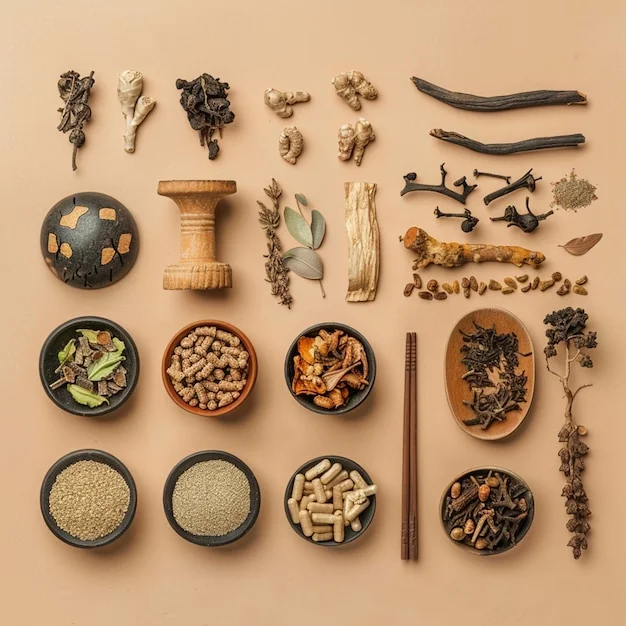
Pippalyadi Churna is a classical Ayurvedic polyherbal powder formulation built around Pippali (Piper longum) — long pepper — as its principal ingredient. It is prescribed primarily to strengthen digestive fire (Agni), clear respiratory congestion, and balance Vata-Kapha vitiation. Unlike single-herb Pippali Churna sold by commercial brands, Pippalyadi Churna is a compound formula documented in texts like the Charaka Samhita and Bhaishajya Ratnavali, where multiple herbs work synergistically to amplify therapeutic outcomes.
If you've been searching for a trustworthy, in-depth guide that covers everything from classical references and ingredient breakdowns to dosage, anupana, side effects, drug interactions, and even seasonal intake guidance — you're in the right place. This article fills the gaps left by most online resources and gives you practical, evidence-informed information you can actually use.
What Is Pippalyadi Churna?
Definition and Meaning (Churna Kalpana)
- In Ayurvedic pharmaceutics (Bhaishajya Kalpana), Churna refers to a finely powdered dosage form prepared by drying, grinding, and sieving medicinal herbs through a specific mesh size (typically 80–100#).
- The term Pippalyadi simply means "starting with Pippali" — indicating that Pippali is the first and most important ingredient in the recipe.
Churna Kalpana is one of the five fundamental dosage forms (Pancha Kashaya Kalpana) described in classical Ayurveda. Compared to decoctions or medicated ghee, churna is convenient to prepare, has a longer shelf life (approximately 2 months as per Sharangdhara Samhita, though modern airtight packaging extends this), and delivers concentrated herbal actives directly to the GI tract.
Historical References in Ayurvedic Texts
Pippalyadi Churna finds mention in several authoritative Ayurvedic treatises:
- Charaka Samhita (Chikitsa Sthana 3/219–221) — described in the context of Grahanidosha Chikitsa (management of malabsorption syndromes and chronic diarrhea).
- The original Sanskrit shloka reads: "पिप्पल्यादि चूर्णं ग्रहणीदोषनाशनम्..."
- Bhaishajya Ratnavali — presents a slightly modified version with additional herbs aimed at broader digestive and respiratory conditions.
- Sharangdhara Samhita — references general Churna Kalpana rules that govern preparation standards for formulas like Pippalyadi Churna.
This is worth noting because the exact composition can vary between texts. We'll explore those variations in the ingredients section below.
Difference Between Pippalyadi Churna, Pippalyadi Ghrita, and Other Forms
This is a point of confusion that no other online resource addresses properly. Multiple formulations carry the name "Pippalyadi" but differ drastically in form, preparation, and clinical application:
| Feature | Pippalyadi Churna | Pippalyadi Ghrita | Pippalyadi Yoga / Kashaya |
|---|---|---|---|
| Dosage form | Fine powder (Churna) | Medicated clarified butter (Ghrita) | Tablet/Decoction |
| Preparation | Grinding & sieving | Ghee cooked with herbal decoction & paste (Sneha Kalpana) | Varies by text |
| Primary use | Digestive & respiratory disorders | Gynecological conditions (anovulation, infertility), deeper tissue nourishment | Condition-specific |
| Bioavailability | Moderate — GI-tract focused | High — lipid-soluble actives reach deeper dhatus | Varies |
| Anupana flexibility | Can be taken with honey, water, milk, ghee | Usually self-sufficient | Usually self-sufficient |
| Shelf life | ~2–6 months | ~16 months (per classical texts) | Varies |
If your practitioner has recommended "Pippalyadi" without specifying the form, always clarify — because the therapeutic outcomes are quite different.
Pippalyadi Churna Ingredients (Composition)
Pippali (Piper longum) – The Key Ingredient
Pippali is classified as having Katu (pungent) Rasa, Snigdha (unctuous) and Laghu (light) Guna, and a unique pharmacological property: despite being pungent, it possesses Madhura Vipaka (sweet post-digestive effect). This makes it a rare herb that stimulates digestion without excessively aggravating Pitta dosha — unlike black pepper or ginger, which can be overtly heating.
- From a modern pharmacological perspective, Pippali contains piperine, a bioavailability enhancer. A landmark 1998 study published in Planta Medica demonstrated that piperine increases the bioavailability of curcumin by 2000%.
- This principle extends to other herbs in the churna — Pippali essentially acts as a "carrier" that helps the body absorb co-administered herbal compounds more efficiently.
Key pharmacological actions of Pippali include:
- Deepana-Pachana — kindles digestive fire and digests toxins (Ama)
- Kaphahara — reduces Kapha accumulation in respiratory and GI tracts
- Rasayana — rejuvenative, especially for the respiratory system (Shwasahara)
- Immunomodulatory — a 2015 study in the Journal of Ethnopharmacology confirmed immunostimulant activity of Piper longum extracts in animal models
Complete List of Herbal Ingredients with Sanskrit & Latin Names
The Charaka Samhita version of Pippalyadi Churna typically contains the following ingredients in equal proportion:
| # | Sanskrit Name | Botanical / English Name | Key Property |
|---|---|---|---|
| 1 | Pippali | Piper longum (Long Pepper) | Deepana, Kaphahara |
| 2 | Pippalimula | Piper longum root | Shoolahara (analgesic) |
| 3 | Chavya | Piper retrofractum (Java Long Pepper) | Vata-Kaphahara |
| 4 | Chitraka | Plumbago zeylanica (Leadwort) | Strongest Agni-deepana herb |
| 5 | Shunthi | Zingiber officinale (Dry Ginger) | Amapachana, anti-inflammatory |
| 6 | Maricha | Piper nigrum (Black Pepper) | Kaphahara, bioavailability enhancer |
| 7 | Yavakshara | Barley alkali preparation | Alkalizing, digestive |
| 8 | Hingu | Ferula assa-foetida (Asafoetida) | Vatanulomana (carminative) |
| 9 | Saindhava Lavana | Rock salt | Deepana, electrolyte balance |
| 10 | Ajamoda | Trachyspermum roxburghianum (Celery seed) | Spasmolytic, carminative |
Note: Some versions from Bhaishajya Ratnavali may add or substitute herbs like Haritaki (Terminalia chebula) or Vidanga (Embelia ribes). Always check which textual reference your specific product follows.
Variations of the Formula in Different Classical Texts
This is something no other online article covers — and it matters clinically.
- Charaka Samhita version — focused heavily on Grahani Chikitsa, with a composition geared towards restoring intestinal enzyme function and absorbing nutrients properly. Contains Yavakshara and Hingu prominently.
- Bhaishajya Ratnavali version — may include additional herbs like Haritaki and Ajwain for broader GI applicability, including chronic constipation-dominant IBS patterns.
- Regional textual variations — Kerala Ayurvedic tradition sometimes modifies Pippalyadi formulations based on local herbal availability and practitioner lineage (Guru-Shishya parampara).
When purchasing a commercial product, check the label for the source text reference. Reputable manufacturers like Kottakkal Arya Vaidya Sala, AVP, or SDM typically mention the textual source on their packaging.
How Is Pippalyadi Churna Prepared? (Preparation Method)
The classical preparation follows strict Churna Kalpana guidelines from Sharangdhara Samhita:
- 1.Collection & authentication — Each raw herb is sourced, identified botanically, and checked for adulterants. Quality herbs should be fresh within the last harvesting season.
- 2.Drying — Herbs are shade-dried (Chhaya Shushka) to preserve volatile oils and active compounds. Direct sunlight degrades piperine and essential oils.
- 3.Individual powdering — Each herb is powdered separately. This is important because different herbs have different hardness levels; combined grinding leads to uneven particle size.
- 4.Sieving — Powdered herbs are passed through a fine sieve (80# mesh or finer) to ensure uniformity.
- 5.Mixing — Equal quantities (unless otherwise specified) are blended homogeneously using the traditional Khalva Yantra (mortar & pestle) or modern mechanical blenders.
- 6.Storage — Stored in airtight, moisture-proof containers away from direct sunlight.
Shelf life: Classical texts prescribe 2 months for churna formulations. However, modern GMP-manufactured products with nitrogen-flushed packaging and moisture barriers can remain effective for 2–3 years. Always check the expiry date and store in a cool, dry place.
Therapeutic Benefits of Pippalyadi Churna
Digestive System — Agni, Ama, Indigestion, Bloating
This is the primary indication. Pippalyadi Churna acts as a potent Deepana (appetizer) and Pachana (digestive) agent.
It is classically indicated for:
- Grahani Dosha — chronic malabsorption syndrome (often compared to IBS and sprue in modern medicine)
- Agnimandya — weak digestive fire leading to incomplete digestion
- Adhmana — bloating and abdominal distension
- Aruchi — anorexia or loss of taste/appetite
- Ama — metabolic toxins resulting from poor digestion
The mechanism is multifaceted. Chitraka and Pippali together stimulate gastric acid secretion and enzymatic activity. Hingu and Ajamoda act as carminatives, reducing gas formation. Shunthi provides anti-inflammatory protection to the gastric mucosa — so the formulation stimulates digestion without causing gastric irritation, which is a common problem with single hot-potency herbs.
A 2017 observational study published in the International Journal of Ayurveda Research evaluated Pippalyadi Churna in 30 patients with Grahani Dosha and reported significant improvement in bowel consistency, appetite, and abdominal pain scores over an 8-week treatment period.
Respiratory System — Cough, Asthma, Bronchitis
Pippali has been called Shwasahara — "destroyer of breathing difficulties." The churna is useful in:
- Kasa — chronic cough, especially productive cough with thick Kapha sputum
- Shwasa — bronchial asthma, especially Kapha-predominant variants
- Peenasa — chronic rhinitis and sinusitis
Piperine has demonstrated bronchodilatory activity in animal models (a 2013 study in Respiratory Physiology & Neurobiology), while Maricha acts as a mucolytic, thinning out thick secretions. The warming nature of the entire formulation helps liquefy and expel accumulated Kapha from the lungs.
Immune System Support & Detoxification
By improving Agni and clearing Ama, Pippalyadi Churna indirectly strengthens Vyadhikshamatva (immunity). Proper digestion is considered the foundation of immunity in Ayurveda — when Agni is strong, Ojas (vital essence) is produced; when Agni is weak, Ama accumulates and compromises immune defense.
Nervous System & Cognitive Benefits
Pippali has shown neuroprotective properties. A 2019 study in Biomedicine & Pharmacotherapy found that piperine modulates neurotransmitter levels (serotonin, dopamine) and demonstrates anti-depressant activity in rodent models. While Pippalyadi Churna is not a primary Medhya (nootropic) formulation, its Vata-balancing properties can support cognitive clarity and mental calmness, especially when cognitive fog stems from poor digestion.
Cardiovascular & Musculoskeletal Benefits
Chitraka has demonstrated anti-atherogenic potential, and the overall Ama-clearing action of the churna may help reduce inflammatory markers associated with joint pain and stiffness. Classical texts reference its use in Amavata (rheumatoid arthritis) as a supportive formula — not a standalone treatment.
Reproductive Health — Anovulation & Infertility
- While Pippalyadi Ghrita is more commonly used for reproductive conditions, certain practitioners use the churna form as part of multi-drug protocols for Vandhyatva (infertility). A clinical case study published in the Journal of Ayurveda and Integrated Medical Sciences (2020) documented successful management of anovulatory cycles using Pippalyadi formulation alongside Shatavari and Ashwagandha.
- This should not be self-prescribed — always consult a qualified Ayurvedic practitioner for fertility-related treatment.
How Pippalyadi Churna Works – Mechanism of Action
Ayurvedic Perspective (Dosha Balancing & Agni Enhancement)
The formulation primarily pacifies Vata and Kapha doshas while cautiously managing Pitta.
Here's how:
- Katu Rasa (pungent taste) + Ushna Virya (hot potency) = directly counteracts Kapha's cold, heavy, sluggish qualities
- Deepana-Pachana action = strengthens Jatharagni (central digestive fire) and Dhatvagni (tissue-level metabolic fire)
- Vatanulomana = normalizes the downward movement of Vata (Apana Vayu), correcting constipation and bloating
- Srotoshodhana = clears channel blockages (Sroto-avarodha), particularly in Annavaha Srotas (digestive channels) and Pranavaha Srotas (respiratory channels)
Modern Pharmacological Evidence
While large-scale RCTs on the complete Pippalyadi Churna formula are limited, individual ingredient pharmacology is well-documented:
- Piperine — enhances bioavailability of co-administered compounds by inhibiting hepatic and intestinal glucuronidation (Biochemical Pharmacology, 1998)
- Plumbagin (from Chitraka) — anti-inflammatory, anti-microbial, and hepatoprotective (Phytomedicine, 2012)
- 6-Gingerol & 6-Shogaol (from Shunthi) — anti-emetic, prokinetic, and COX-2 inhibitory activity
- Ferulic acid (from Hingu) — antispasmodic and carminative effects on intestinal smooth muscle
The combination of these pharmacologically active compounds creates what modern pharmacology would call a multi-target therapeutic approach — attacking digestive and respiratory pathology from multiple biochemical angles simultaneously.
Dosage & Administration
Recommended Dosage for Adults and Children
| Age Group | Dosage | Frequency |
|---|---|---|
| Adults (above 16 years) | 3–6 grams (approx. ½ to 1 teaspoon) | Twice daily, before meals |
| Children (5–16 years) | 1–3 grams (¼ to ½ teaspoon) | Once or twice daily, before meals |
| Children below 5 years | Not recommended without practitioner supervision | — |
| Elderly (above 65 years) | 2–4 grams | Once or twice daily |
Important: These are general guidelines. Actual dosage should be determined by a qualified Ayurvedic practitioner based on your Prakriti (constitution), Vikriti (current imbalance), Bala (strength), and Koshtha (bowel habit).
Anupana (Medium of Intake) — How It Changes the Therapeutic Effect
- This is a crucial concept that most online resources completely ignore.
- Anupana — the medium with which you take the churna — directly influences where and how the medicine acts:
| Anupana | Best For | Rationale |
|---|---|---|
| Warm water | General digestive disorders, bloating | Enhances absorption, supports Agni |
| Honey (Madhu) | Kapha disorders, respiratory congestion, obesity | Honey is Kapha-reducing; carries medicine to Kapha sites |
| Warm milk | Debilitated patients, Vata disorders, tissue nourishment | Milk is Rasayana; nourishes while treating |
| Ghee (Ghrita) | Pitta-sensitive individuals, deeper tissue penetration | Ghee is lipophilic carrier, reduces heat of formula |
| Buttermilk (Takra) | Grahani, IBS-like conditions, chronic diarrhea | Takra is the best anupana for Grahani per Charaka |
For Grahani specifically, Charaka recommends taking Pippalyadi Churna with buttermilk (Takra) — this combination is considered a gold standard.
Duration of Treatment
Typical treatment duration ranges from 4 to 12 weeks, depending on the condition. Chronic conditions like Grahani may require longer courses with intermittent breaks. Continuous use beyond 3 months without practitioner monitoring is not advisable due to the formula's strong Ushna Virya.
Best Season for Intake (Ritucharya)
Nobody talks about this online, but it genuinely matters.
- Best seasons: Hemanta (early winter) and Shishira (late winter) — Agni is naturally strongest during cold months, and the body can handle Ushna Virya formulations well
- Use with caution: Grishma (summer) and Sharad (autumn) — Pitta tends to be aggravated; reduce dosage or combine with a cooling anupana like milk
- Acceptable: Varsha (monsoon) — digestive capacity typically weakens during rains, making Agni-enhancing formulas appropriate
Pathya-Apathya: Diet & Lifestyle During Treatment
Following proper dietary discipline (Pathya) amplifies the churna's effects. Ignoring it can reduce efficacy or even cause adverse reactions.
Pathya (Recommended):
- Light, warm, freshly cooked meals
- Moong dal, old rice (Purana Shali), buttermilk
- Warm water throughout the day
- Regular meal timing — avoid skipping meals
- Mild physical activity like walking or yoga
Apathya (To Avoid):
- Heavy, cold, and raw foods — salads, cold drinks, ice cream
- Excessive oily or deep-fried foods
- Incompatible food combinations (Viruddha Ahara) — milk with fish, fruit with meals
- Day-time sleeping (Divaswapna) — slows metabolism
- Excessive alcohol consumption
- Stale or reheated food
Side Effects, Precautions & Contraindications
Are There Any Side Effects of Using Pippalyadi Churna?
- When taken in the correct dosage with appropriate anupana, side effects are rare.
- However, potential issues include:
- Gastric irritation or acidity — especially in Pitta-predominant individuals or when taken on an empty stomach without proper anupana
- Loose stools — particularly if Chitraka proportion is high and the patient has Mridu Koshtha (sensitive bowels)
- Excessive body heat — prolonged use in hot weather can aggravate Pitta, leading to skin rashes, burning sensation in urination, or mouth ulcers
Contraindications by Prakriti (Constitution)
- Pitta Prakriti individuals — should use with caution and preferably with ghee or milk as anupana; not suitable for those with active Pitta conditions (gastritis, peptic ulcers, bleeding disorders)
- Pregnant women — Ushna Virya herbs like Chitraka are traditionally contraindicated in pregnancy as they may stimulate uterine contractions
- Lactating mothers — use only under practitioner guidance
- Active GI bleeding or inflammatory bowel disease — the stimulating nature of the formula can worsen these conditions
Drug Interactions
This is a gap that no competitor addresses, and it's quite important in today's context where many patients take both Ayurvedic and allopathic medicines:
- Anticoagulants (Warfarin, Heparin) — Piperine may alter drug metabolism via CYP450 enzyme inhibition, potentially increasing bleeding risk
- Antidiabetic medications — Pippali has hypoglycemic potential; combined use may cause excessive blood sugar drop
- Antihypertensives — Some ingredients have mild vasodilatory effects; monitor blood pressure
- Phenytoin, Carbamazepine, and other CYP3A4 substrates — Piperine significantly alters the pharmacokinetics of these drugs (documented in Clinical Pharmacokinetics, 2000)
Always inform your doctor — both Ayurvedic and allopathic — about all medicines you are concurrently taking.
Quality Standards & How to Buy Authentic Pippalyadi Churna
Where Can I Buy Authentic Pippalyadi Churna?
Look for products from reputable manufacturers that follow:
- GMP (Good Manufacturing Practices) certification by AYUSH Ministry
- FSSAI licensing for food-grade supplements
- Textual reference clearly mentioned on the label (e.g., "As per Charaka Samhita Ch.Chi. 3/219")
- Batch testing for heavy metals (lead, mercury, arsenic) and microbial contamination
Trusted manufacturers include Kottakkal Arya Vaidya Sala, AVN Arogya (Madurai), SDM Ayurveda (Udupi), Nagarjuna Ayurveda, and Kerala Ayurveda Ltd. Commercial e-pharmacies like 1mg, Amrutam, and Amazon India stock these products — but always verify the manufacturer and batch details.
Storage Guidelines
- Store in a clean, dry, airtight container — preferably glass or food-grade plastic
- Keep away from direct sunlight and moisture
- Do not refrigerate (moisture condensation can spoil the powder)
- Use a dry spoon every time; never introduce moisture into the container
- Discard if the powder develops an off-smell, color change, or clumping
Pippalyadi Churna vs. Similar Ayurvedic Formulas
| Parameter | Pippalyadi Churna | Trikatu Churna | Sitopaladi Churna | Lavanbhaskar Churna |
|---|---|---|---|---|
| Primary focus | Grahani, broad digestive + respiratory | Bioavailability, acute Kapha | Cough, fever, respiratory | Appetite, bloating, acid reflux |
| Key ingredients | Pippali + 9 herbs | Only Pippali, Maricha, Shunthi | Vamshalochana, Pippali, Ela, Twak, Mishri | Rock salt, Pippali, Bhunimba, etc. |
| Potency (Ushna) | Moderate-high | High | Mild-moderate | Moderate |
| Pitta safety | Moderate — needs anupana management | Low — can aggravate easily | High — Mishri cools | Moderate |
| Best for | Chronic malabsorption, IBS, productive cough | Acute cold, congestion, sluggish metabolism | Dry/wet cough, low-grade fever | Chronic indigestion, GERD |
If your primary complaint is chronic digestive disorder with malabsorption, Pippalyadi Churna is typically the better choice over Trikatu (which is more acute and aggressive) or Sitopaladi (which is respiratory-focused).
Frequently Asked Questions (FAQ)
Can Pippali Be Taken Daily?
Pippali as a single herb can be taken daily in small doses for limited periods — usually as part of Vardhamana Pippali (graduated dosage protocol). However, Pippalyadi Churna as a compound formula should be taken for defined courses (4–12 weeks) under practitioner guidance, not indefinitely.
Is Pippali Good for Fatty Liver?
There is preliminary evidence suggesting hepatoprotective effects. A 2016 study in the Journal of Medicinal Food found that piperine reduced hepatic fat accumulation in high-fat-diet-induced fatty liver models in rats. However, Pippalyadi Churna is not a first-line Ayurvedic treatment for fatty liver — formulations like Arogyavardhini Vati or Bhumyamalaki are more specifically indicated.
How Long Does It Take to See Results from Pippalyadi Churna?
Most patients report noticeable improvement in appetite and digestion within 1–2 weeks. Respiratory benefits may take 3–4 weeks. Chronic conditions like Grahani may require 6–12 weeks for substantial improvement. Individual responses vary based on disease chronicity, constitution, and adherence to Pathya.
What Is the Best Ayurvedic Medicine for Diabetes?
While this is not the primary indication for Pippalyadi Churna, it's a commonly asked question. For diabetes (Prameha), classical Ayurvedic formulations like Chandraprabha Vati, Nisha Amalaki, and Katakakhadiradi Kashaya are more specifically indicated. Pippali does have hypoglycemic properties, but Pippalyadi Churna alone is not sufficient for diabetes management.
How Does Pippalyadi Churna Improve Digestion?
It works on multiple levels — Pippali and Chitraka stimulate gastric enzyme secretion, Hingu and Ajamoda act as carminatives to reduce gas, Shunthi protects the gastric lining from irritation, and Saindhava Lavana enhances electrolyte balance and water absorption in the intestines. The net result is stronger Agni, better nutrient absorption, and reduced Ama formation.
Can Pippalyadi Churna Help with Respiratory Conditions?
Yes. Its Kapha-reducing and bronchodilatory properties make it effective for productive cough, chronic bronchitis, and mild-to-moderate asthma — particularly when these conditions coexist with digestive weakness. For purely respiratory conditions without digestive involvement, your practitioner might prefer Sitopaladi Churna or Kanakasava instead.
Conclusion
Pippalyadi Churna is a time-tested, multi-herb Ayurvedic formulation that excels at restoring digestive strength and clearing respiratory congestion. What makes it special is the synergistic combination of Pippali with Chitraka, Shunthi, Hingu, and other herbs — each reinforcing the other's therapeutic action while minimizing potential side effects.
However, like any potent Ayurvedic medicine, it demands respect: proper dosage, appropriate anupana, seasonal awareness, dietary discipline, and awareness of contraindications and drug interactions. Self-medication based on internet reading is never a substitute for personalized consultation with a qualified Ayurvedic practitioner who can assess your unique constitution and condition.
If you found this guide helpful, consult an experienced Ayurvedic doctor to determine whether Pippalyadi Churna is the right formulation for your specific health concern — and to get a personalized dosage, anupana, and dietary plan tailored to your body.
Scientific Sources
- Prevalence and Perception of Complementary and Alternative Medicine Use Among Childhood Cancer Patients: A Mixed-Methods Study — Ganguly S et al., 2025, Pediatric blood & cancer
- Integrative therapeutics for ocular surface disorders — Kourosh A et al., 2024, Current opinion in allergy and clinical immunology
- Systematic Review and Meta-analysis Indicating Curcumin to Enhance the Synergistic Potential of Paclitaxel and Reduce Cell Viability, Tumor Volume, and Drug Resistance in Different Cancers — Fatima Y et al., 2025, Current medicinal chemistry
- Mutagenic, Carcinogenic, and Teratogenic Effect of Heavy Metals — Dasharathy S et al., 2022, Evidence-based complementary and alternative medicine : eCAM
- A review: traditional herbs and remedies impacting pathogenesis of Parkinson's disease — Sharma V et al., 2022, Naunyn-Schmiedeberg's archives of pharmacology
- Therapeutic Uses of Triphala in Ayurvedic Medicine — Peterson CT et al., 2017, Journal of alternative and complementary medicine (New York, N.Y.)
- Herbal Treatment for Dermatologic Disorders — Benzie IFF et al., 2011
- Neem (Azadirachta indica): A Miracle Herb; Panacea for All Ailments — Tufail T et al., 2025, Food science & nutrition
- Curcumin: a potential candidate in prevention of cancer via modulation of molecular pathways — Rahmani AH et al., 2014, BioMed research international
- Tinospora cordifolia, a safety evaluation — Chandrasekaran CV et al., 2009, Toxicology in vitro : an international journal published in association with BIBRA
- Phytochemical and pharmacological properties of Gymnema sylvestre: an important medicinal plant — Tiwari P et al., 2014, BioMed research international
- Shatavari (Asparagus racemosus Willd) root extract for postpartum lactation: A randomised, double-blind, placebo-controlled study — Ajgaonkar A et al., 2025, Journal of obstetrics and gynaecology : the journal of the Institute of Obstetrics and Gynaecology
- Herbal remedies and other complementary and alternative treatments for diabetes mellitus — Schatz H, 2009, Experimental and clinical endocrinology & diabetes : official journal, German Society of Endocrinology [and] German Diabetes Association
- Transforming Medicinal Oil into Advanced Gel: An Update on Advancements — Maurya R et al., 2024, Gels (Basel, Switzerland)
- Neuronutrient impact of Ayurvedic Rasayana therapy in brain aging — Singh RH et al., 2008, Biogerontology
- Global hazards of herbal remedies: lessons from Aristolochia: The lesson from the health hazards of Aristolochia should lead to more research into the safety and efficacy of medicinal plants — Grollman AP et al., 2016, EMBO reports
- The evolution of ancient healing practices: From shamanism to Hippocratic medicine: A review — Elendu C, 2024, Medicine
- Hematopoietic toxicity from lead-containing Ayurvedic medications — Kales SN et al., 2007, Medical science monitor : international medical journal of experimental and clinical research
- Chemical composition, antioxidant, antimicrobial, and wound healing effects of Trachyspermum roxburghianum (DC.) H.Wolff essential oil: An in vivo and in silico approach — Kalaskar M et al., 2024, Journal of ethnopharmacology
- Mechanisms of action of Sri Lankan herbal medicines used in the treatment of diabetes: A review — Samarakoon DNAW et al., 2020, Journal of integrative medicine
Ask Ayurvedic doctor a question and get a consultation online on the problem of your concern in a free or paid mode.
More than 2,000 experienced doctors work and wait for your questions on our site and help users to solve their health problems every day.
Related articles