FREE! Ask Ayurvedic Doctors 24/7

 Fast responses
 1000+ verified doctors
Panchakarma: Ayurvedic Detox and Rejuvenation Therapy
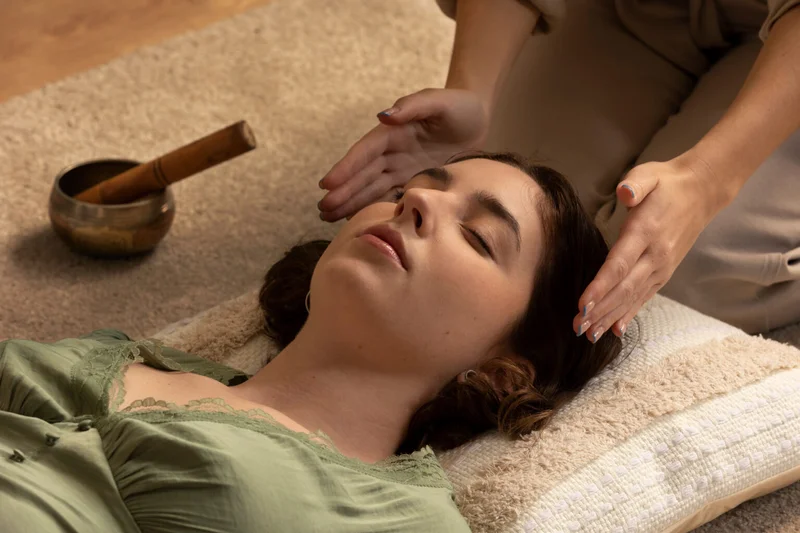
- Panchakarma is Ayurveda's most powerful system of purification and rejuvenation — a set of five therapeutic procedures designed to cleanse the body of accumulated toxins, restore doshic balance, and renew vitality at every level: physical, mental, and spiritual.
- The word itself comes from Sanskrit: pancha (five) and karma (actions or procedures). Unlike trendy modern detox programs that rely on juice fasts or supplements, Panchakarma is a medically supervised, individualized protocol rooted in over 3,000 years of clinical tradition, described in foundational Ayurvedic texts like the Charaka Samhita and Sushruta Samhita.
Whether you're exploring Panchakarma for chronic health issues, seasonal detoxification, or deep rejuvenation, this guide covers everything — from the five core procedures and preparation phases to costs, contraindications, diet protocols, and how to choose a qualified centre.
What Is Panchakarma Treatment and How Does It Detoxify the Body?
- Panchakarma is a comprehensive bio-cleansing therapy that works by mobilizing and eliminating ama — the Ayurvedic concept of undigested metabolic waste and environmental toxins that accumulate in tissues over time. According to Ayurveda, when your digestive fire (Agni) becomes weakened through poor diet, stress, irregular routines, or seasonal changes, food isn't fully metabolized.
- The residue — ama — lodges in channels (srotas) throughout the body, creating blockages that eventually manifest as disease.
Panchakarma addresses this at the root. Rather than suppressing symptoms, it systematically draws toxins from deep tissues back into the gastrointestinal tract, and then eliminates them through the body's natural exit routes: the mouth, rectum, nasal passages, skin, and blood.
The Tridosha Foundation: Vata, Pitta, and Kapha
- Every Panchakarma protocol begins with understanding your unique doshic constitution (Prakriti) and current state of imbalance (Vikriti).
- The three doshas — Vata (air and space), Pitta (fire and water), and Kapha (earth and water) — govern all physiological and psychological functions. When one or more doshas become aggravated, specific Panchakarma procedures are selected to bring them back into equilibrium.
- For example, Vamana (therapeutic emesis) primarily targets excess Kapha, while Virechana (purgation) addresses Pitta disorders.
- This is why Panchakarma is never a one-size-fits-all program — your treatment plan is entirely personalized based on pulse diagnosis, physical examination, and your health history.
The Role of Agni (Digestive Fire)
Agni is the metabolic intelligence that governs digestion, absorption, and assimilation. When Agni is strong, the body efficiently processes food and experiences. When it's weak or irregular, ama forms. One of Panchakarma's primary goals is restoring Agni to its optimal state, which is why the therapy includes specific dietary protocols and herbal formulations before, during, and after the cleansing procedures.
Panchakarma vs. Modern Detox Programs
| Feature | Panchakarma | Juice Cleanses | Colon Hydrotherapy | Biohacking Protocols |
|---|---|---|---|---|
| Duration | 7–28 days | 3–7 days | Single session | Ongoing |
| Personalization | Fully individualized by dosha and condition | Generic | Generic | Self-directed |
| Medical supervision | Required (Ayurvedic physician) | Rarely | Sometimes | Rarely |
| Addresses root cause | Yes (doshic imbalance) | No | No | Partially |
| Post-treatment protocol | Yes (Paschat Karma) | Rarely | No | Varies |
| Research-backed detox | Yes — up to 50% reduction in PCBs and lipophilic toxicants (Herron & Fagan, 2002) | Limited evidence | Limited evidence | Varies |
| Holistic (mind + body) | Yes | No | No | Partially |
A landmark study published in Alternative Therapies in Health and Medicine found that participants undergoing Panchakarma showed a reduction of up to 50% in PCBs (polychlorinated biphenyls) and other fat-soluble environmental contaminants — a level of detoxification that no conventional medical procedure has replicated.
The Three Phases of Panchakarma Treatment
- Panchakarma isn't just the five main procedures.
- It's a carefully orchestrated three-phase protocol: Purvakarma (preparation), Pradhana Karma (main procedures), and Paschat Karma (post-treatment care). Skipping any phase compromises the entire treatment.
Purvakarma: Preparation Procedures
- Before the body can eliminate deep-seated toxins, those toxins must first be loosened and mobilized from the tissues where they've accumulated.
- Purvakarma achieves this through two primary techniques:
Snehana (Oleation Therapy): This involves both internal and external application of medicated oils and ghee. Internally, patients consume increasing quantities of medicated ghee (ghrita) over 3–7 days, which saturates the tissues and dissolves lipophilic toxins. Externally, full-body oil massages (Abhyanga) using warm herbal oils soften tissues and push toxins toward the gastrointestinal tract. Swedana (Sudation/Steam Therapy): After oleation, the patient undergoes various forms of therapeutic sweating — steam chambers, herbal bolus application, or warm poultices. The heat opens channels (srotas), dilates pores, and further liquefies ama so it can move to the digestive tract for elimination.
The combination of Snehana and Swedana is critical. Think of it like soaking a stained cloth in warm soapy water before scrubbing — without this preparatory step, the deep-seated "stains" (toxins) simply won't budge.
Pradhana Karma: The Five Core Procedures
These are the actual five actions that give Panchakarma its name.
Paschat Karma: Post-Treatment Rejuvenation
- Often overlooked — even by some practitioners — Paschat Karma is essential for consolidating the benefits of Panchakarma.
- It includes:
- Samsarjana Krama: A graduated dietary protocol that slowly rebuilds Agni over 3–7 days, starting with rice water and thin porridge before reintroducing regular foods
- Rasayana therapy: Rejuvenative herbs and formulations (like Chyawanprash, Ashwagandha, or Brahmi) to rebuild tissues
- Lifestyle modifications: Daily routine (Dinacharya) recommendations, exercise guidelines, and stress management practices
- Follow-up consultations: Monitoring progress and adjusting herbal support
What Are the 5 Steps of Panchakarma?
Each of the five procedures targets specific doshas and conditions. Your Ayurvedic physician will prescribe one or several based on your individual assessment — not every patient receives all five.
1. Vamana (Therapeutic Emesis)
Primary target: Kapha dosha
Vamana is a controlled, medically supervised process of therapeutic vomiting. After several days of Purvakarma (oleation and sudation), the patient consumes specific emetic substances — commonly a decoction of Madanphala (Randia dumetorum) along with licorice tea or milk — to induce expulsion of accumulated Kapha from the stomach and respiratory tract.
Best suited for: Chronic asthma, bronchitis, chronic sinusitis, skin disorders like psoriasis, obesity, and hypothyroidism. What to expect: The procedure typically takes 1–2 hours. Patients may have 4–8 bouts of vomiting. Afterward, there's a characteristic feeling of lightness in the chest and clarity in the sinuses. Rest is essential for the remainder of the day.
2. Virechana (Therapeutic Purgation)
Primary target: Pitta dosha
Virechana uses herbal laxatives to induce controlled purgation, eliminating excess Pitta and toxins through the bowels. Common purgative herbs include Trivrit (Operculina turpethum), Haritaki (Terminalia chebula), and castor oil preparations.
Best suited for: Skin diseases (eczema, acne, dermatitis), liver disorders, hyperacidity, chronic fever, jaundice, and inflammatory conditions. What to expect: After ingesting the purgative medicine early morning, patients may have 15–30 bowel movements over 4–6 hours. The process is monitored by the physician who assesses the quality and quantity of elimination to determine completion.
3. Basti (Medicated Enema)
Primary target: Vata dosha
- Considered by many classical texts as the most important of all five karmas, Basti involves administering medicated decoctions and oils through the rectum.
- There are two main types:
- Niruha Basti (Kashaya Basti): Decoction-based enema using herbal preparations, honey, rock salt, and oils
- Anuvasana Basti (Sneha Basti): Oil-based enema using medicated sesame oil or ghee
A typical Basti protocol involves alternating between these two types over 8, 16, or 30 days depending on the condition.
Best suited for: Lower back pain, sciatica, arthritis, constipation, neurological disorders, infertility, and virtually all Vata-dominant conditions.
4. Nasya (Nasal Administration)
Primary target: Doshas accumulated above the clavicle
Nasya involves the instillation of medicated oils, herbal juices, or powders through the nostrils. The nose is considered the gateway to the head (shirasya dwaram) in Ayurveda, and Nasya directly influences the brain, sinuses, and sense organs.
Best suited for: Chronic sinusitis, migraines, cervical spondylosis, facial paralysis, memory enhancement, premature greying, and nasal polyps. What to expect: After gentle facial massage and steam, the patient lies with their head tilted back. 4–8 drops of medicated oil are instilled in each nostril. Mild discomfort and post-nasal drip are normal. The entire procedure takes about 30 minutes.
5. Rakta Moksha (Blood Purification)
Primary target: Pitta-related blood disorders
Rakta Moksha involves the controlled removal of small quantities of impure blood. Traditional methods include leech therapy (Jaloukavacharana) and venipuncture. Leech therapy in particular has gained renewed scientific interest — leeches secrete hirudin (an anticoagulant) and other bioactive compounds with anti-inflammatory properties.
Best suited for: Chronic skin diseases, varicose veins, gout, eczema, non-healing ulcers, and certain inflammatory joint conditions.
> Note: Some Ayurvedic traditions, particularly those following the Charaka school, count only the first four procedures as Panchakarma, substituting Rakta Moksha with different types of Basti. The Sushruta school includes Rakta Moksha as the fifth karma.
Supportive Therapies During Panchakarma
Beyond the five main procedures, Panchakarma centers typically offer complementary treatments that enhance the overall therapeutic outcome:
| Therapy | Description | Key Indications |
|---|---|---|
| Shirodhara | Continuous stream of warm medicated oil poured over the forehead | Anxiety, insomnia, neurological disorders, mental fatigue |
| Kati Basti | Warm oil pooled over the lower back within a dough ring | Lumbar spondylosis, sciatica, disc problems |
| Janu Basti | Warm oil pooled over the knee joint | Osteoarthritis, knee pain, joint stiffness |
| Akshi Tarpana | Medicated ghee pooled around the eyes within a dough ring | Eye strain, dry eyes, early cataracts, vision improvement |
| Pinda Sweda | Massage with warm herbal boluses (rice, herbs, sand) | Muscular pain, joint stiffness, neurological weakness |
| Udvartana | Dry herbal powder massage in upward strokes | Obesity, cellulite, Kapha disorders, skin rejuvenation |
These therapies are prescribed alongside the main Panchakarma procedures based on individual needs.
Panchakarma Diet: What to Eat Before, During, and After
Diet is arguably the most overlooked yet critical component of Panchakarma. Getting the dietary protocol wrong can undermine the entire treatment.
Before Panchakarma (3–5 Days)
Begin simplifying your diet gradually. Reduce heavy, processed, and fried foods. Minimize caffeine, alcohol, sugar, and dairy. Start eating warm, cooked, easily digestible meals. The goal is to start lightening the digestive load before oleation begins.
During Panchakarma
Kitchari — a simple porridge of split mung dal and basmati rice cooked with digestive spices (cumin, coriander, turmeric, ginger) — is the standard dietary staple during Panchakarma. It's considered a "complete" food that provides balanced nutrition without taxing Agni. Foods to include: Steamed vegetables, warm soups, herbal teas (ginger, cumin, fennel), small amounts of ghee, seasonal fruits Foods to strictly avoid: Raw salads, cold foods and drinks, leftover or reheated food, meat, eggs, fermented foods, refined sugar, caffeine, alcohol, fried food
After Panchakarma (Samsarjana Krama)
This graduated refeeding protocol is crucial:
- Days 1–2: Thin rice water (Manda) or plain rice gruel
- Days 3–4: Thick rice porridge (Vilepi) with a pinch of salt
- Days 5–6: Light kitchari with minimal spices
- Days 7 onwards: Gradually reintroduce regular foods, one item at a time
Rushing back to your normal diet after Panchakarma is the single biggest mistake patients make. Your Agni is like a freshly kindled flame after the cleansing — overwhelming it with heavy food extinguishes it.
How Long Does Panchakarma Take?
The duration depends on the individual's condition, the number of procedures prescribed, and the depth of detoxification needed.
| Duration | Best For | What's Included |
|---|---|---|
| 7 days | General wellness, mild imbalances, seasonal detox | 3–4 days Purvakarma + 1–2 main procedures + initial Paschat Karma |
| 14 days | Moderate chronic conditions, deeper cleansing | Full Purvakarma + 2–3 main procedures + proper Paschat Karma |
| 21 days | Chronic diseases, significant doshic imbalance | Complete protocol with extended Purvakarma and multiple procedures |
| 28+ days | Severe chronic conditions, deep rejuvenation (Rasayana) | Full Panchakarma cycle with extended rejuvenation phase |
Most traditional Ayurvedic physicians recommend a minimum of 14 days for meaningful results. Seven-day programs can offer a helpful reset but may not be sufficient for chronic conditions.
Best Season for Panchakarma (Ritucharya)
Ayurveda strongly links Panchakarma timing to seasonal cycles:
- Vamana: Best in late spring (Vasant Ritu, March–April) when Kapha naturally accumulates and liquefies
- Virechana: Best in early autumn (Sharad Ritu, September–October) when Pitta aggravates
- Basti: Best in monsoon season (Varsha Ritu, July–August) when Vata increases
- General detox: Seasonal junctions (Ritu Sandhi) — the 14-day transition period between any two seasons — are considered ideal for preventive Panchakarma
Is Panchakarma Really Effective? Scientific Evidence
The scientific research on Panchakarma, while still growing, offers compelling evidence:
Harvard/University of Arizona Longitudinal Study (2017): Published in the Journal of Alternative and Complementary Medicine, this study followed 20 female participants through a 6-day Panchakarma program. Researchers measured quality of life, social support, behavioral changes, and depression scores. Participants showed statistically significant improvements across multiple domains, and many reported sustained healthy behavioral changes months after the program — suggesting Panchakarma functions not just as detox but as a catalyst for lifestyle transformation. Lipophilic Toxicant Reduction (Herron & Fagan, 2002): This study demonstrated that Panchakarma reduced blood levels of PCBs and lipid-soluble environmental toxicants by up to 50%. This is particularly noteworthy because the body has no other known efficient mechanism for eliminating these fat-stored pollutants. Metabolic and Immune Markers: A 2019 study published in Scientific Reports (Nature) analyzed blood samples from 12 subjects before and after a 5-day Panchakarma intervention. The researchers found significant changes in plasma metabolites associated with inflammation, cardiovascular risk, and gut microbiome diversity. Clinical Observations Across Indian Teaching Hospitals: Thousands of documented case studies from AYUSH-affiliated institutions demonstrate Panchakarma's effectiveness in managing rheumatoid arthritis, irritable bowel syndrome, chronic skin diseases, anxiety disorders, and infertility — though many of these lack the rigor of randomized controlled trials.
The evidence base is promising, and more robust clinical trials are underway. What's clear is that Panchakarma offers measurable physiological changes that go well beyond placebo.
Panchakarma for Specific Health Conditions
| Condition | Primary Procedures | Supporting Therapies | Typical Duration |
|---|---|---|---|
| Rheumatoid Arthritis | Basti, Virechana | Pinda Sweda, Janu Basti | 21–28 days |
| Chronic Skin Diseases | Virechana, Rakta Moksha, Vamana | Lepam (herbal paste application) | 14–21 days |
| Infertility (Female) | Basti (Uttara Basti), Virechana | Shirodhara, Nasya | 21–28 days |
| Infertility (Male) | Basti, Virechana | Rasayana therapy | 14–21 days |
| Chronic Stress/Anxiety | Basti, Nasya | Shirodhara, Abhyanga | 14–21 days |
| Obesity | Vamana, Virechana | Udvartana, Lekhana Basti | 21–28 days |
| Migraine/Sinusitis | Nasya, Virechana | Shirodhara | 7–14 days |
| Lower Back Pain/Sciatica | Basti | Kati Basti, Pinda Sweda | 14–21 days |
Contraindications: Who Should NOT Undergo Panchakarma
This is a critical section that most resources fail to address adequately. Panchakarma is powerful medicine, and it's not suitable for everyone.
Absolute contraindications:
- Pregnancy and the immediate postpartum period (first 3 months)
- Children under 10 years and elderly above 70 years (modified protocols may be considered)
- Acute fever or active infections
- Severe anemia or extreme debility/emaciation
- Uncontrolled hypertension or recent cardiac events
- Active bleeding disorders
- Malignant tumors under active treatment (consult both oncologist and Ayurvedic physician)
- Severe dehydration or electrolyte imbalance
Relative contraindications (require careful physician assessment):
- Diabetes (type 1 — with strict monitoring; type 2 — generally safe with adjustments)
- HIV/AIDS (modified gentle protocols may be appropriate)
- Mental health crisis or acute psychosis
- Extreme obesity (BMI > 40) — requires modified approach
- Recent surgery (wait minimum 6 months)
Always disclose your complete medical history, current medications, and supplements to your Ayurvedic physician before beginning Panchakarma.
Expected Side Effects and the Healing Crisis
During and after Panchakarma, some temporary discomfort is not only normal — it's expected. Knowing what's typical versus what requires medical attention makes a big difference.
Normal during treatment:
- Fatigue and increased need for sleep
- Mild headaches (especially during the first 2–3 days)
- Temporary worsening of existing symptoms
- Emotional releases — crying, irritability, vivid dreams
- Loose stools or temporary digestive changes
- Mild body aches
- Nasal congestion or runny nose (especially after Nasya)
Seek immediate medical attention if:
- Severe, persistent vomiting or diarrhea leading to dehydration
- Chest pain or heart palpitations
- High fever (above 102°F / 39°C)
- Severe abdominal pain
- Fainting or loss of consciousness
- Signs of allergic reaction (swelling, difficulty breathing, rash)
The concept of a "healing crisis" (Pratyavartana) is recognized in Ayurveda — as toxins mobilize and leave the body, there can be a temporary intensification of symptoms. This typically resolves within 24–48 hours.
Panchakarma Treatment Price List: What Does It Cost?
Costs vary dramatically based on location, facility type, and program length.
| Location/Type | 7-Day Program | 14-Day Program | 21-Day Program |
|---|---|---|---|
| Kerala (India) — Budget | ₹15,000–30,000 ($180–360) | ₹25,000–50,000 ($300–600) | ₹40,000–75,000 ($480–900) |
| Kerala (India) — Premium | ₹50,000–1,50,000 ($600–1,800) | ₹1,00,000–3,00,000 ($1,200–3,600) | ₹1,50,000–5,00,000 ($1,800–6,000) |
| Delhi/Mumbai (India) | ₹30,000–80,000 ($360–960) | ₹60,000–1,50,000 ($720–1,800) | ₹1,00,000–2,50,000 ($1,200–3,000) |
| Rishikesh/Dharamsala | ₹20,000–60,000 ($240–720) | ₹40,000–1,00,000 ($480–1,200) | ₹60,000–1,50,000 ($720–1,800) |
| Sri Lanka | $400–1,200 | $800–2,500 | $1,200–4,000 |
| Europe/USA | $2,000–5,000 | $4,000–10,000 | $6,000–15,000 |
What affects the price: Accommodation quality, doctor-to-patient ratio, quality of herbal medicines and oils, inclusion of Rasayana (rejuvenation) herbs, additional therapies like Shirodhara, and whether it's an inpatient or outpatient program.
Can I Do Panchakarma at Home?
The short answer: partially. Some preparatory and supportive practices can be safely done at home, but the five main procedures (Pradhana Karma) require medical supervision and should never be attempted alone.
Safe for home practice:
- Self-Abhyanga (self-massage with warm sesame or coconut oil) — 15 minutes before bathing daily
- Pratimarsha Nasya — 2 drops of plain sesame oil or Anu Taila in each nostril daily (preventive, not therapeutic)
- Kitchari cleanse — 3–5 days of a simplified mono-diet
- Triphala — ½ teaspoon with warm water before bed for gentle bowel cleansing
- Tongue scraping and oil pulling as daily detox practices
- Steam inhalation with eucalyptus or ajwain seeds
Never attempt at home:
- Vamana (therapeutic vomiting) — risk of aspiration, electrolyte imbalance
- Virechana with strong purgatives — risk of severe dehydration
- Basti (medicated enemas) — requires precise formulation and technique
- Rakta Moksha — obvious reasons
- Any procedure without proper Purvakarma preparation
How to Find a Trusted Panchakarma Centre
- Choosing the right centre is probably the most important decision you'll make.
- Here's what to look for — and what to run from.
Green Flags
- Physician holds a BAMS degree (Bachelor of Ayurvedic Medicine and Surgery) minimum, registered with a State Medical Board
- Initial consultation includes pulse diagnosis (Nadi Pariksha), detailed health history, and individualized treatment plan
- Centre is NABH-accredited or affiliated with recognized Ayurvedic institutions
- Staff-to-patient ratio allows genuine individual attention
- Clean, hygienic therapy rooms with proper disposal protocols
- Willingness to share the specific herbs, oils, and formulations being used
- Transparent about what Panchakarma can and cannot do for your condition
Red Flags
- No qualified doctor on-site, only "therapists" or "practitioners"
- One-size-fits-all programs with no individualization
- Promises of "guaranteed cures" for serious diseases
- Reluctance to discuss your existing medications or medical conditions
- Extremely low prices that seem too good to be true (quality medicines and oils are expensive)
- No post-treatment follow-up protocol
- Pushing unnecessary add-on treatments to inflate the bill
Frequently Asked Questions
What is Swedana Karma in Panchakarma, and how does it promote healing?
Swedana is the therapeutic application of heat and steam to induce sweating. It's a key Purvakarma (preparatory) procedure performed after Snehana (oleation). By inducing controlled perspiration, Swedana opens the body's microchannels (srotas), liquefies ama (toxins), and directs them toward the gastrointestinal tract for elimination. There are over 13 types of Swedana described in classical texts, ranging from full-body steam chambers to localized applications using herbal boluses (Pinda Sweda). It also relieves muscle stiffness, reduces pain, and improves circulation — making the body optimally prepared for the main Panchakarma procedures.
What is the Basti Panchakarma procedure and what are its benefits?
Basti involves administering medicated decoctions and oils through the rectum. It's considered the most important of the five karmas by Acharya Charaka, who stated that Basti alone constitutes "half of the entire treatment in Ayurveda." This is because Basti directly targets Vata dosha — the primary driver of all disease in Ayurvedic theory. Benefits include relief from constipation, lower back pain, arthritis, neurological disorders, and even infertility. A standard Basti protocol (Karma Basti) spans 30 days, though shorter 8-day and 16-day protocols are commonly used.
How many times a year should one undergo Panchakarma?
For general health maintenance, classical Ayurveda recommends Panchakarma at least once or twice per year — ideally at the junction of seasons (especially spring and autumn). People with chronic conditions may benefit from more frequent shorter protocols as directed by their physician. Healthy individuals looking for prevention can follow an annual full Panchakarma cycle.
Can Panchakarma help with weight loss?
- Panchakarma can support weight loss, but it's not primarily a weight-loss program. Procedures like Vamana, Virechana, and Udvartana (herbal powder massage) help eliminate excess Kapha and improve metabolism. Many patients report losing 3–5 kg during a 14-day program. However, sustainable weight management requires ongoing dietary and lifestyle changes after treatment.
- Think of Panchakarma as the reset button — not the entire solution.
Is Panchakarma safe during menstruation?
Generally, Panchakarma procedures are paused during menstruation, as Ayurveda considers this a natural cleansing process that should not be interfered with. Treatment typically resumes once the menstrual period ends. This should be discussed with your physician during the initial consultation so the treatment schedule can be planned accordingly.
Final Thoughts: Why Modern Life Makes Panchakarma More Relevant Than Ever
We live in an era of processed foods, environmental pollutants, chronic stress, sedentary habits, and relentless screen time. Our bodies accumulate toxins from sources that didn't exist when Ayurveda was codified thousands of years ago — yet the principles of accumulation and purification remain remarkably relevant.
Panchakarma offers something that no pill, supplement, or weekend juice cleanse can: a systematic, medically supervised reset of your body's detoxification pathways, metabolic function, and nervous system. The Harvard-affiliated research showing behavioral and psychological benefits months after treatment suggests that Panchakarma's effects go beyond physical detox — it can genuinely change how you relate to your body and your health choices.
If you're considering Panchakarma, start with a consultation with a qualified Ayurvedic physician. Be honest about your health history, set realistic expectations, and commit to the full protocol — including the post-treatment dietary and lifestyle recommendations. The investment of time and effort pays dividends that last far beyond the treatment itself.
This article is for informational purposes only and should not replace professional medical advice. Always consult a qualified Ayurvedic practitioner and, where applicable, your primary healthcare provider before undertaking Panchakarma or any detoxification program.
Scientific Sources
- Ayurveda and Panchakarma: measuring the effects of a holistic health intervention — Conboy L et al., 2009, TheScientificWorldJournal
- Tryambak Mahadev Gogate (1913-1998): A Pioneer of Panchakarma Therapies of Ayurveda — Kulkarni SP et al., 2024, Cureus
- Knowledge, attitude and practice towards Ayurveda among patients attending cardiology and neurology clinics at a tertiary care institute in India — Sharma G et al., 2023, The National medical journal of India
- Ancient wisdom of ayurveda vis-à-vis contemporary aspect of materiovigilance — Sumersingh Rajput D et al., 2022, Journal of Ayurveda and integrative medicine
- Case Report: The role of Panchagavya and Panchakarma treatment in the management of radiotherapy and chemotherapy side effects in infiltrative ductal carcinoma — Sawarkar P et al., 2023, F1000Research
- Management of psoriasis with Ayurveda Panchakarma and Manibhadragula as Shodhana Rasayana - a case report — Sambhu COP et al., 2022, Journal of complementary & integrative medicine
- Ayurveda for management of migraine: A narrative review of clinical evidence — Soman A et al., 2022, Journal of family medicine and primary care
- Ayurveda panchakarma treatment success in a case of chronic spontaneous urticaria non-responding to conventional medicine-A case study — S KR et al., 2022, Journal of Ayurveda and integrative medicine
- A Scoping Review of Ayurveda Studies in Women with Polycystic Ovary Syndrome — Rao VS et al., 2023, Journal of integrative and complementary medicine
- Ayurvedic Stress Management: Balancing Mind Body in Men Women — Swaroop A, 2025, Advances in mind-body medicine
- Ayurvedic Therapies to Target the Microbiome: Evidence and Possibilities — Vijayanna ST et al., 2024, Alternative therapies in health and medicine
- Management of Parkinson's disease in Ayurveda: Medicinal plants and adjuvant measures — Pathak-Gandhi N et al., 2017, Journal of ethnopharmacology
- Panchakarma in autoimmune pancreatitis: A single-case study — Patil RP et al., 2019, Ayu
- An Ayurvedic personalized prophylactic protocol in COVID-19 — Nair PP et al., 2022, Journal of Ayurveda and integrative medicine
- Ayurvedic management in cervical spondylotic myelopathy — Singh SK et al., 2017, Journal of Ayurveda and integrative medicine
- Adverse drug reaction and concepts of drug safety in Ayurveda: An overview — Ajanal M et al., 2013, Journal of young pharmacists : JYP
- Ayurveda, yoga, and acupuncture therapies in alleviating the symptom score among patients with spinal cord injury - A systematic review — Kj S et al., 2023, Journal of Ayurveda and integrative medicine
- Ayurvedic Management of Presbycusis (Project TOPMAC): Protocol for an Exploratory Randomized Controlled Trial — V KK et al., 2024, JMIR research protocols
- Need for Flipped Classroom Model in Ayurveda Education — Pardhekar AD et al., 2025, Journal of pharmacy & bioallied sciences
- Eighteen months of non-union of an upper third tibial fracture treated with Ayurvedic herbal medicines and Panchakarma: A case report — Sardeshmukh SP et al., 2025, Journal of Ayurveda and integrative medicine
Ask Ayurvedic doctor a question and get a consultation online on the problem of your concern in a free or paid mode.
More than 2,000 experienced doctors work and wait for your questions on our site and help users to solve their health problems every day.
Related articles