FREE! Ask Ayurvedic Doctors 24/7

 Fast responses
 1000+ verified doctors
Nimba Patra – Ayurvedic Neem Leaf for Detoxification & Healing
Nimba Patra is the Sanskrit name for neem leaves — the fresh or dried foliage of the Azadirachta indica tree, one of the most pharmacologically studied plants in Indian medicine. In Ayurveda, Nimba Patra is classified as a Tikta Rasa (bitter-tasting) herb that pacifies Pitta and Kapha doshas, purifies blood, clears skin disorders, and strengthens immunity. Whether you chew raw leaves on an empty stomach, brew a decoction (kashaya), or take standardized Nimba Patra Churna, this single herb addresses an extraordinary range of health conditions — from stubborn acne to blood sugar dysregulation.
This guide goes far beyond what you'll find elsewhere. We cover the classical Ayurvedic pharmacology, break down the actual phytochemicals responsible for neem's effects, cite specific clinical studies, compare Nimba Patra with other parts of the neem tree, and give you step-by-step preparation recipes. Let's get into it.
What Is Nimba Patra?
Botanical Profile (Azadirachta indica)
Nimba Patra refers specifically to the leaves of Azadirachta indica A. Juss., a fast-growing evergreen tree belonging to the family Meliaceae (mahogany family). The tree is native to the Indian subcontinent and thrives in tropical and semi-tropical climates. It is commonly known as Indian Lilac in English, Neem in Hindi, Vepa in Telugu, Veppilai in Tamil, and Nimba in Sanskrit.
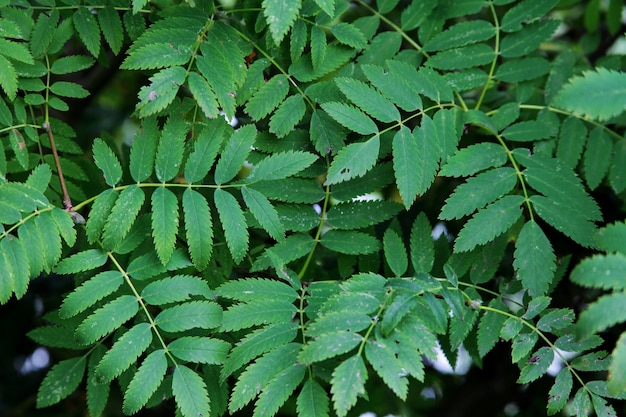
A mature neem tree can reach 15–30 meters in height and produces compound pinnate leaves, each bearing 20–31 serrated leaflets. The leaves are the most widely used part in traditional medicine — more accessible and safer for daily use than the bark or seeds.
Nimba Patra in Classical Ayurvedic Texts
Neem is not a folk remedy that somehow slipped into modern wellness circles. It holds a documented place in the foundational texts of Ayurveda:
- Charaka Samhita (Sutra Sthana, Chapter 4) lists Nimba under Tikta Skandha (the group of bitter herbs) and recommends it for Kushtha (skin diseases), Prameha (urinary/diabetic disorders), and Jwara (fevers).
- Sushruta Samhita (Sutra Sthana 38) categorizes Nimba under Aragvadhadi Gana and Lakshadi Gana, highlighting its role in wound healing, ulcers, and Pitta-vitiating conditions.
- Bhavaprakasha Nighantu (Haritakyadi Varga) describes Nimba Patra as Raktashodhaka (blood purifier) and Krimighna (destroyer of worms/parasites). The shloka "Nimbo laghu sheeto tikto grahi vata kaphajwarahrit" summarizes its core properties concisely.
These are not vague references. They are specific pharmacological classifications that have guided Ayurvedic practitioners for well over a thousand years.
Cultural & Historical Significance
In Indian culture, neem transcends medicine. Branches are hung over doorways during festivals to ward off negative energy. Neem twigs (datwan) have been used as natural toothbrushes for centuries. In rural India, neem leaves are placed among stored grains and clothing to repel insects — a practice validated by modern research on azadirachtin's insecticidal properties.
During the spring festival of Ugadi in South India, fresh neem flowers and leaves are eaten with jaggery — symbolizing the acceptance of both bitter and sweet experiences in life. This cultural integration ensures that neem remians one of the most recognized medicinal plants across India, from tribal communities to urban Ayurvedic clinics.
Ayurvedic Properties (Dravyaguna)
Rasa, Guna, Veerya, Vipaka
Understanding the Ayurvedic pharmacological profile of Nimba Patra is essential for proper therapeutic application:
| Property | Value | Clinical Significance |
|---|---|---|
| Rasa (Taste) | Tikta (Bitter), Kashaya (Astringent) | Cleanses tissues, reduces inflammation |
| Guna (Quality) | Laghu (Light), Ruksha (Dry) | Easy to digest; reduces excess moisture and Kapha |
| Veerya (Potency) | Sheeta (Cooling) | Pacifies Pitta, reduces heat-related disorders |
| Vipaka (Post-digestive effect) | Katu (Pungent) | Stimulates metabolism, aids elimination |
Dosha Karma — Pitta-Kapha Shamaka
- Nimba Patra is primarily a Pitta-Kapha Shamaka herb, meaning it pacifies both Pitta (heat/inflammation) and Kapha (congestion/excess moisture) doshas.
- This dual action explains its broad therapeutic range: it can cool inflamed skin (Pitta) while simultaneously drying up excess secretions and clearing congestion (Kapha).
However — and this is a critical safety point most sources overlook — Nimba Patra can aggravate Vata dosha with prolonged or excessive use. Its Ruksha (dry) and Sheeta (cold) qualities can increase dryness, gas, and joint stiffness in Vata-predominant individuals. This is why Ayurvedic physicians often combine neem with Vata-balancing herbs like ghee or sesame oil for long-term protocols.
Prabhava (Special Therapeutic Action)
Beyond its predictable pharmacology based on Rasa-Guna-Veerya-Vipaka, Nimba Patra exhibits a Prabhava — a special, clinically observed effect that cannot be fully explained by its basic properties alone. Its extraordinary Raktashodhaka (blood-purifying) action and Krimighna (anti-parasitic) potency are considered Prabhava effects. No other single herb in Ayurveda matches neem's breadth of antimicrobial activity across bacteria, fungi, viruses, and parasites simultaneously.
Chemical Composition & Active Compounds
This is where most Ayurvedic neem content falls completely short. The biological actions of Nimba Patra are driven by specific, well-characterized phytochemicals. Understanding them helps you appreciate why neem works and where the scientific evidence is strongest.
Key Phytochemicals
| Compound | Class | Primary Bioactivity |
|---|---|---|
| Nimbin | Limonoid / Triterpenoid | Anti-inflammatory, antipyretic, antihistaminic |
| Nimbidin | Limonoid | Inhibits NF-κB signaling pathway; strong anti-inflammatory |
| Azadirachtin | Tetranortriterpenoid | Insecticidal, antibacterial (disrupts bacterial cell membrane integrity) |
| Nimbolide | Limonoid | Anticancer activity; induces apoptosis in multiple cancer cell lines |
| Quercetin | Flavonoid | Antioxidant, anti-inflammatory, mast cell stabilizer |
| Gallic acid | Phenolic acid | Antioxidant, antimicrobial |
| Catechin | Flavanol | Cardiovascular protective, free radical scavenging |
| Gedunin | Limonoid | Antimalarial, antifungal |
Mechanism highlight: Nimbidin specifically inhibits the NF-κB inflammatory signaling cascade — the same pathway targeted by pharmaceutical anti-inflammatory drugs like corticosteroids. A 2004 study published in Phytomedicine demonstrated that nimbidin suppressed NF-κB activation and COX-2 expression in macrophages, providing a molecular explanation for neem's traditional anti-inflammatory use (Schumacher et al., 2011, Evid Based Complement Alternat Med).
Azadirachtin, on the other hand, disrupts bacterial membrane integrity and interferes with insect hormonal regulation — explaining both its antimicrobial and pest-control properties.
Nutritional Profile of Neem Leaves
Fresh neem leaves (per 100 g) contain:
- Protein: ~7.1 g
- Vitamin C: ~218 mg (significantly higher than most leafy greens)
- Calcium: ~510 mg
- Iron: ~3.4 mg
- Carotene (Vitamin A precursor): ~1,998 µg
- Fiber: ~6.2 g
- Amino acids: Glutamic acid, aspartic acid, alanine, and several essential amino acids in trace amounts
- This nutritional density is often completely ignored.
- Neem leaves aren't just a "medicine" — they contribute meaningful micronutrient value, particularly Vitamin C and calcium.
Health Benefits of Nimba Patra
Skin Disorders — Acne, Eczema, Psoriasis
This is the most well-established application. Nimba Patra's combined anti-inflammatory (nimbidin), antibacterial (azadirachtin), and blood-purifying actions make it a first-line Ayurvedic intervention for virtually all skin conditions.
A 2013 study in the Asian Pacific Journal of Tropical Biomedicine confirmed that neem leaf extracts showed significant antibacterial activity against Propionibacterium acnes (the primary bacterium responsible for acne) and Staphylococcus epidermidis. In a separate 2019 clinical study, topical neem leaf paste applied for 4 weeks showed statistically significant improvement in mild-to-moderate acne lesions compared to placebo (Alzohairy, 2016, Evid Based Complement Alternat Med).
For chronic conditions like psoriasis and eczema, Ayurvedic practitioners typically recommend both internal consumption (Nimba Patra Churna or decoction) and external application (neem paste or neem oil) simultaneously — the antar-bahir parimarjana approach.
Blood Purification & Detoxification
In Ayurveda, impure blood (Dushta Rakta) is considered a root cause of skin diseases, boils, and chronic inflammatory conditions. Nimba Patra is classified as one of the premier Raktashodhaka (blood-purifying) herbs.
Modern research supports this concept through a different lens: neem leaf extract enhances hepatic detoxification enzymes (glutathione-S-transferase, catalase) and shows significant free radical scavenging activity, effectively assisting the body's detoxification pathways. A 2014 study in BMC Complementary and Alternative Medicine demonstrated that aqueous neem leaf extract provided hepatoprotective effects in acetaminophen-induced liver damage in rats — protecting the organ most responsible for blood purification.
Traditionally, seasonal blood detoxification using Nimba Patra is recommended during Vasanta Ritu (spring) and Sharad Ritu (autumn) — the two seasonal junctions when Pitta and Kapha accumulations tend to manifest as disease.
Immune System Support
Nimba Patra's immunomodulatory activity is dose-dependent. At moderate doses, neem leaf extract stimulates both cell-mediated and humoral immunity. A 2011 study showed that neem leaf glycoprotein (NLGP) activated macrophages and T-helper cells while upregulating cytokine production (Bose et al., Immunobiology, 2009).
However — and this nuance matters — at very high doses or with excessively prolonged use, neem can actually suppress certain immune parameters. This is why Ayurvedic protocols are typically cycled (e.g., 4–6 weeks on, 2 weeks off) rather than used indefinitely.
Blood Sugar Regulation & Diabetes Management
Multiple studies support neem's hypoglycemic effect. A 2000 study published in the Indian Journal of Physiology and Pharmacology showed that aqueous neem leaf extract significantly reduced blood glucose levels in alloxan-induced diabetic rabbits. A human pilot study (Waheed et al., 2006) demonstrated modest but statistically significant reduction in fasting blood glucose after 8 weeks of neem leaf tablet supplementation.
The mechanism involves enhancement of insulin secretion from pancreatic beta cells and increased peripheral glucose uptake. Nimba Patra also appears to reduce oxidative stress in pancreatic tissue — a major factor in diabetic pathology.
Important note for diabetic patients
If you are already taking hypoglycemic medications (metformin, glipizide, insulin), adding Nimba Patra may potentiate their effects and cause hypoglycemia. Always consult your physician before combining neem with prescription diabetes drugs.
Digestive Health & Intestinal Worms
The Krimighna (anti-parasitic) property of Nimba Patra is well-documented in all major Ayurvedic texts. Neem leaf extract has demonstrated anthelmintic activity against Haemonchus contortus and other intestinal parasites in both in-vitro and in-vivo models.
Beyond parasites, Nimba Patra improves digestive function through its bitter taste, which stimulates the secretion of digestive enzymes and bile. It also has a mild Grahi (absorbent) quality, making it useful in conditions involving loose stools or intestinal hyperactivity — though this same drying quality can cause constipation in Vata-types if used excessively.
Oral, Hair & Eye Health
- Oral health: Neem leaf extract shows potent activity against Streptococcus mutans, the primary bacteria responsible for dental cavities. Neem-based mouthwashes have been clinically shown to reduce plaque indices and gingival inflammation (Chatterjee et al., 2011, J Indian Soc Periodontol).
- Hair health: Neem leaf paste or neem-infused coconut oil is traditionally used for dandruff, scalp infections, and to strengthen hair follicles. Its antifungal activity against Malassezia furfur (the fungus responsible for dandruff) provides the scientific basis.
- Eye health: Classical texts reference Nimba Patra in formulations for Netra Roga (eye disorders), particularly conjunctivitis and eye itching caused by Pitta vitiation. However, direct ocular application should only be done under professional supervision.
Respiratory Infections & Fever
The antipyretic (Jwarahara) properties of neem are attributed primarily to nimbin and nimbidin. Traditional Ayurvedic practice uses neem leaf decoction for managing fevers associated with malaria, viral infections, and seasonal flu. Gedunin, another neem compound, has shown specific antimalarial activity in laboratory studies.
Anti-inflammatory & Pain Relief
Through NF-κB pathway inhibition and COX-2 suppression, nimbidin provides genuine anti-inflammatory action. This makes Nimba Patra relevant for inflammatory joint conditions, though it must be used carefully since its cold, dry qualities can aggravate Vata-type joint problems. Practitioners often combine neem with warming, anti-Vata herbs like Guggulu or Ashwagandha for musculoskeletal conditions.
Scientific Evidence & Clinical Research
Let's be direct: the clinical evidence for neem is more robust than most Ayurvedic herbs, but still has gaps.
Here is an honest assessment:
| Research Area | Evidence Level | Key Studies |
|---|---|---|
| Antibacterial activity | Strong (extensive in-vitro, some clinical) | Reviewed in Subapriya & Nagini, 2005 (Curr Med Chem Anti-Cancer Agents) |
| Antifungal activity | Strong (in-vitro, some clinical) | Mahmoud et al., 2011 |
| Hypoglycemic effect | Moderate (animal models strong; human trials limited) | Waheed et al., 2006; Khosla et al., 2000 |
| Anti-inflammatory | Strong (molecular mechanisms well-characterized) | Schumacher et al., 2011 |
| Anticancer (nimbolide) | Preliminary (cell line studies; no human trials yet) | Gupta et al., 2013 (Toxicol Appl Pharmacol) |
| Immunomodulatory | Moderate (animal studies; limited human data) | Bose et al., 2009 |
| Hepatoprotective | Moderate (animal models) | Baligar et al., 2014 |
| Wound healing | Moderate (animal + limited clinical) | Emran et al., 2015 |
A critical gap remains: large-scale, randomized, double-blind, placebo-controlled human trials are still lacking for most therapeutic applications. The traditional evidence is extensive, the preclinical science is compelling, but gold-standard clinical trials need more investment.
Nimba Patra vs. Other Parts of the Neem Tree
One question nobody else seems to answer: how does Nimba Patra compare to other neem-derived products? Here's a clear breakdown.
| Part | Sanskrit Name | Primary Use | Potency | Safety Profile |
|---|---|---|---|---|
| Leaves | Nimba Patra | Blood purification, skin, immunity, diabetes | Moderate | Safest for daily internal use |
| Bark | Nimba Twak | Fever, dental disorders, intestinal worms | Strong | More potent; not for prolonged use |
| Seeds/Kernel | Nimba Beeja | Dermatological oils, pest control | Very Strong | Toxic in high doses; primarily external |
| Oil (from seeds) | Nimba Taila | Skin infections, hair care, insecticidal | Strong | External use preferred; bitter and potent |
| Flowers | Nimba Pushpa | Kapha disorders, intestinal parasites, ritual use | Mild | Very safe; eaten traditionally |
| Fruit | Nimba Phala | Piles, urinary disorders | Moderate | Less commonly used internally |
Key takeaway: Nimba Patra (leaves) offers the best balance of therapeutic potency and safety for regular use. The bark is stronger but harder on the system. Seeds and seed oil are too potent for casual internal consumption and carry toxicity risks.
How to Use Nimba Patra — Forms & Preparation Recipes
Available Forms
- Fresh leaves — chewed raw or juiced (Swarasa)
- Dried leaf powder — Nimba Patra Churna
- Decoction — Nimba Kashaya
- Paste — Nimba Lepa (external)
- Oil infusion — Nimba Taila (external)
- Capsules/Tablets — standardized extracts for convenience
Step-by-Step Preparation Recipes
Nimba Swarasa (Fresh Neem Juice)
- Wash 15–20 fresh neem leaves thoroughly
- Grind with 2 tablespoons of water in a mortar or blender
- Strain through clean cloth
- Drink 10–20 ml on an empty stomach, preferably in the morning
- Follow with warm water — the taste is intensely bitter
Nimba Kashaya (Neem Decoction)
- Take 1 tablespoon of dried Nimba Patra (roughly 5 g)
- Add to 200 ml of water in a saucepan
- Boil on low flame until reduced to approximately 50 ml (quarter volume)
- Strain and allow it to cool to lukewarm temperature
- Drink once daily, 30 minutes before meals
Nimba Lepa (Neem Paste for Skin)
- Grind fresh neem leaves with a small amount of water and a pinch of turmeric
- Apply evenly to affected skin areas
- Leave on for 20–30 minutes
- Wash off with lukewarm water
- Use 3–4 times per week for acne; daily for acute skin infections
Nimba Taila (Neem-Infused Oil for Hair & Scalp)
- Coarsely crush 2 cups of fresh neem leaves
- Heat 1 cup of coconut oil or sesame oil on low flame
- Add crushed leaves; cook on lowest heat for 20–25 minutes
- Remove from heat, allow to cool completely
- Strain and store in a glass bottle
- Apply to scalp 30 minutes before washing hair
Dosage Guidelines
| Form | Recommended Dose | Frequency | Best Timing |
|---|---|---|---|
| Fresh leaf juice (Swarasa) | 10–20 ml | Once daily | Empty stomach, morning |
| Dried powder (Churna) | 1–3 g | Once or twice daily | Before meals, with warm water or honey |
| Decoction (Kashaya) | 40–50 ml | Once daily | Before meals |
| Capsules/Tablets | 250–500 mg | Once or twice daily | Per product label |
| External paste (Lepa) | As needed | 3–5 times per week | On clean, dry skin |
Duration: For most conditions, a typical course is 4–6 weeks. For chronic skin conditions, treatment may extend to 8–12 weeks but should include periodic breaks and medical supervision. Avoid continuous use beyond 12 weeks without professional guidance.
Safety, Contraindications & Drug Interactions
Who Should Avoid Nimba Patra?
- Pregnant women: Neem has shown anti-fertility and abortifacient properties in animal studies. Strictly avoid during pregnancy.
- Women trying to conceive: Both male and female fertility may be temporarily affected. Discontinue at least 2–3 months before planned conception.
- Children under 5 years: The dosage is difficult to calibrate, and the intense bitterness may cause nausea or vomiting.
- Vata-predominant individuals with dryness symptoms: Use only in small doses and combine with ghee or sesame oil to counterbalance Ruksha (drying) quality.
Drug Interactions
This is an area virtually no Ayurvedic content addresses, yet it's crucial:
| Drug Class | Interaction Risk | Mechanism |
|---|---|---|
| Hypoglycemic drugs (metformin, glipizide, insulin) | High — risk of hypoglycemia | Additive blood sugar lowering |
| Immunosuppressants (cyclosporine, tacrolimus) | Moderate — may counteract drug effects | Neem stimulates immune function |
| Anticoagulants/Antiplatelets (warfarin, aspirin) | Moderate — may increase bleeding risk | Neem may have mild antiplatelet activity |
| Lithium | Low-Moderate — may affect lithium excretion | Diuretic-like properties of neem |
| Antidiabetic herbs (Gudmar, Karela) | Moderate — additive hypoglycemia | Stacking hypoglycemic agents |
Impact on Vata Dosha — A Safety Nuance
With prolonged or high-dose use, Nimba Patra's Ruksha and Sheeta qualities can significantly aggravate Vata. Symptoms of Vata aggravation include dry skin (paradoxically worsening the condition you're trying to treat), constipation, bloating, anxiety, and joint stiffness. If you notice any of these, reduce the dose or discontinue use.
Harvesting, Storage & Quality Control
Seasonality of Collection
The highest concentration of active compounds in neem leaves occurs during the pre-monsoon period (March–June in India). Leaves harvested during this window contain peak levels of azadirachtin and nimbidin. Post-monsoon leaves have lower bioactive content due to dilution from heavy rainfall.
Proper Drying & Storage
- Harvest mature, disease-free leaves — avoid yellowing or insect-damaged leaves
- Wash gently in clean water and pat dry
- Spread in a single layer on clean cloth in a shaded, well-ventilated area
- Avoid direct sunlight — UV exposure degrades azadirachtin
- Dry for 5–7 days until leaves become crisp and brittle
- Grind to powder and store in airtight glass jars away from moisture and light
- Properly stored Nimba Patra Churna retains potency for 6–12 months
How to Identify Authentic Nimba Patra Churna
- Color: Olive-green to dark green. If brownish or grey, the leaves were likely sun-dried (degraded) or old.
- Taste: Intensely bitter. If only mildly bitter, it may be adulterated with other leaf powders.
- Smell: Characteristic pungent, slightly sulphurous aroma. Absence of this smell suggests stale product.
- Source traceability: Look for products that specify the region of harvest. Premium Nimba Patra Churna often comes from areas like Baripada (Mayurbhanj, Odisha) or Rajasthan where neem grows abundantly in mineral-rich soil.
Nimba Patra in Cosmetology — DIY Recipes
Neem Face Mask for Acne-Prone Skin
- 1 tsp Nimba Patra Churna
- ½ tsp turmeric powder
- 1 tsp raw honey
- Rose water to form a paste
Mix well, apply to face avoiding eye area, leave for 15–20 minutes, wash with lukewarm water. Use 2–3 times weekly.
Neem Scalp Tonic for Dandruff
- 2 tbsp dried neem leaves
- 1 cup boiling water
- Steep for 30 minutes, strain
- Use as a final hair rinse after shampooing.
- The antifungal properties help control Malassezia — the fungus behind most dandruff cases.
Neem Skin Toner
- Prepare Nimba Kashaya (decoction) as described above
- Dilute 1:1 with rose water
- Store in a spray bottle in the refrigerator (use within 5 days)
- Spritz on face after cleansing
Frequently Asked Questions (FAQ)
What is Nimba Patra in English?
Nimba Patra translates to "neem leaves" in English. The botanical name is Azadirachta indica, and it is also called Indian Lilac. "Nimba" is the Sanskrit name for the neem tree, and "Patra" means leaf.
What is the use of Nimba tree?
Every part of the neem tree has documented medicinal uses in Ayurveda. The leaves (Nimba Patra) are used for skin diseases, blood purification, and immunity. The bark (Nimba Twak) treats fevers and dental issues. The seeds yield neem oil for skin care and pest control. Even the flowers are eaten for digestive and anti-parasitic benefits.
Which diseases are cured by neem?
Ayurveda traditionally uses Nimba Patra for skin disorders (acne, eczema, psoriasis), blood impurities, intestinal parasites, fevers, diabetes management, dental infections, respiratory infections, and wound healing. While "cure" is a strong word, clinical and traditional evidence supports therapeutic benefit across all these conditions.
What happens if we eat neem leaves daily?
- Eating 4–5 fresh neem leaves daily on an empty stomach is a common Ayurvedic practice for general detoxification and immunity. However, daily use should be limited to 4–6 weeks at a stretch. Prolonged daily consumption can aggravate Vata dosha, leading to dryness, constipation, and potential fertility issues.
- Cycle your use — take a 2-week break every 6 weeks.
What is Nimba Patra Churna, and how is it used?
Nimba Patra Churna is a fine powder made from shade-dried neem leaves. It is used internally (1–3 g with warm water or honey, once or twice daily before meals) for blood purification, skin health, and diabetes support. It can also be mixed with water or rose water to make a topical paste for skin conditions.
Can Nimba Patra be used during pregnancy?
No. Nimba Patra should be strictly avoided during pregnancy. Animal studies have shown abortifacient and anti-implantation effects. It should also be avoided by women actively trying to conceive and by breastfeeding mothers, as safety data during lactation is insufficient.
Is there a difference between Nimba Patra and regular neem supplements?
Nimba Patra specifically refers to neem leaves, whereas commercial "neem supplements" may contain extracts from bark, seeds, or a combination of plant parts. Always check the label. For daily internal use, leaf-based products (Nimba Patra) are the safest option. Seed-based or bark-based extracts are more potent and carry higher risk of side effects.
Final Thoughts — Integrating Nimba Patra Into Your Wellness Routine
Nimba Patra stands out as one of Ayurveda's most versatile and well-supported herbs. Its unique combination of bitter taste, cooling energy, and broad-spectrum antimicrobial activity makes it relevant for modern health challenges — from antibiotic-resistant skin infections to metabolic syndrome.
- But respect its potency. Start with small doses, observe how your body responds, and don't exceed recommended durations without professional guidance. Combine it intelligently with dosha-balancing herbs if you are Vata-predominant.
- And if you are on any prescription medications — especially for diabetes, immune conditions, or blood thinning — consult both your Ayurvedic practitioner and your physician before starting Nimba Patra.
The ancient texts got it right. Modern science is catching up. And now you have the most complete guide available anywhere to use this remarkable leaf safely and effectively.
This article was written for educational purposes and does not replace professional medical advice. Consult a qualified Ayurvedic practitioner or healthcare provider before starting any new herbal regimen.
Scientific Sources
- Medicinal Plants and Bioactive Compounds for Diabetes Management: Important Advances in Drug Discovery — Shanmugam KR et al., 2021, Current pharmaceutical design
- The pleiotropic anti-cancer, antiviral, and anti-neuro-immunomodulatory role of methanolic neem bark extract — Bhattacharyya D et al., 2025, Journal of natural medicines
- In vitro antibacterial activity of nimbolide against Helicobacter pylori — Wylie MR et al., 2022, Journal of ethnopharmacology
- Neem components as potential agents for cancer prevention and treatment — Hao F et al., 2014, Biochimica et biophysica acta
- Neem (Azadirachta indica): A Miracle Herb; Panacea for All Ailments — Tufail T et al., 2025, Food science & nutrition
- Analysis of Inhibition Potential of Nimbin and its Analogs against NF-κB Subunits p50 and p65: A Molecular Docking and Molecular Dynamics Study — Khan A et al., 2024, Anti-cancer agents in medicinal chemistry
- Nimbin (N1) and analog N3 from the neem seeds suppress the migration of osteosarcoma MG-63 cells and arrest the cells in a quiescent state mediated via activation of the caspase-modulated apoptotic pathway — Sudhakaran G et al., 2023, Molecular biology reports
- Characterization of phytoconstituents of vital herbal oils by GC-MS and LC-MS/MS and their bioactivities — Gopalakrishnan AV et al., 2026, Journal of food science and technology
- Review on molecular and chemopreventive potential of nimbolide in cancer — Elumalai P et al., 2014, Genomics & informatics
- Antiosteoporosis and bone protective effect of nimbolide in steroid-induced osteoporosis rats — Huo J et al., 2022, Journal of biochemical and molecular toxicology
- Molecular Targets of Nimbolide for Anti-Cancer Therapy: An Updated Review — Elumalai P et al., 2022, Journal of environmental pathology, toxicology and oncology : official organ of the International Society for Environmental Toxicology and Cancer
- Nimbolide: promising agent for prevention and treatment of chronic diseases (recent update) — Rajendran P et al., 2024, Food & nutrition research
Ask Ayurvedic doctor a question and get a consultation online on the problem of your concern in a free or paid mode.
More than 2,000 experienced doctors work and wait for your questions on our site and help users to solve their health problems every day.
Related articles