FREE! Ask Ayurvedic Doctors 24/7

 Fast responses
 1000+ verified doctors
Gokshuradi Guggulu for Creatinine – Ayurvedic Support for Kidney Health

- Gokshuradi Guggulu is a classical Ayurvedic polyherbal formulation primarily used to support kidney health, manage urinary disorders, dissolve renal calculi (kidney stones), and reduce elevated uric acid levels.
- Referenced in the Sharangadhara Samhita — one of the most authoritative ancient Ayurvedic texts — this time-tested remedy combines the nephroprotective power of Gokshura (Tribulus terrestris) with the anti-inflammatory and detoxifying properties of Guggulu (Commiphora mukul). Whether you're dealing with painful urination, gouty arthritis, or early-stage kidney concerns, Gokshuradi Guggulu has been relied upon by Ayurvedic practitioners for centuries to restore urinary tract function and maintain metabolic balance.
- But what does modern science actually say about it? And how does it compare to similar formulations?
- This guide goes far beyond what you'll find elsewhere — covering clinical evidence, pharmacological mechanisms, comparative analysis, and practical advice that no single competitor has brought together in one place.
What Is Gokshuradi Guggulu and What Is It Used For?
Gokshuradi Guggulu (also known as Gokshur Guggulu, Gokshuradi Vatika, or Trikantakadi Guggulu) is a classical Ayurvedic compound formulation prepared in the Guggulu tradition — where purified resin of Commiphora mukul acts as both a binding agent and a potent bioactive ingredient. The formulation is documented in the Sharangadhara Samhita (Madhyama Khanda, Chapter 7), and is also referenced in the Bhaishajya Ratnavali.
Its primary therapeutic target is the Mutravaha Srotas (urinary system), but its benefits extend to the musculoskeletal and reproductive systems as well.
Ayurvedic Properties and Dosha Impact
From the Ayurvedic perspective, Gokshuradi Guggulu possesses the following properties:
| Property (Sanskrit) | Meaning | Clinical Relevance |
|---|---|---|
| Rasa (Taste) | Tikta (Bitter), Kashaya (Astringent) | Reduces Kapha, supports tissue drying |
| Guna (Quality) | Laghu (Light), Ruksha (Dry) | Enhances metabolism, reduces fluid retention |
| Virya (Potency) | Ushna (Hot) | Stimulates Agni, improves digestion |
| Vipaka (Post-digestive) | Katu (Pungent) | Promotes elimination, reduces Kapha |
| Prabhava (Special Action) | Mutral (Diuretic), Ashmari Bhedana (Lithotriptic) | Dissolves stones, clears urinary channels |
Effect on Doshas: Gokshuradi Guggulu primarily pacifies Vata and Kapha doshas. Due to its Ushna Virya, it can mildly aggravate Pitta in excess doses, which is why it's typically combined with cooling Anupanas (adjuvants) like milk or coconut water for Pitta-dominant individuals.
Key Ayurvedic Indications (Sanskrit Terms)
Classical texts list these indications: Ashmari (urolithiasis), Mutrakrichra (dysuria), Mutraghata (urinary obstruction), Mehahara (anti-diabetic), Shoola (pain), Vibandha (constipation), Dahahara (burning sensation), Amahara (toxin removal), Deepana-Pachana (appetite and digestion), Vajikaran (aphrodisiac), Gulmajit (abdominal masses), Udara (abdominal disorders), Antravruddhi (hernia), and Arsha (hemorrhoids).
- That's quite a list.
- But the most well-supported indications — both traditionally and in emerging research — center on urinary health, renal calculi, gout, and reproductive support.
Gokshuradi Guggulu Ingredients: Full Composition & How Each Works
Understanding what's inside this formulation is crucial. Unlike many modern supplements where you get a proprietary blend with no explanation, classical Ayurvedic texts are transparent about every ingredient and its purpose.
Complete Ingredient Breakdown
| Ingredient | Botanical Name | Part Used | Primary Pharmacological Action |
|---|---|---|---|
| Gokshura | Tribulus terrestris | Fruit | Diuretic, lithotriptic, nephroprotective; inhibits calcium oxalate crystallization |
| Guggulu (Shuddha) | Commiphora mukul | Resin | Anti-inflammatory (COX-2 inhibition), hypolipidemic, bioavailability enhancer |
| Amalaki | Emblica officinalis | Fruit | Antioxidant (vitamin C-rich), renoprotective, reduces oxidative stress in kidneys |
| Haritaki | Terminalia chebula | Fruit | Mild laxative, Rasayana (rejuvenative), supports waste elimination |
| Bibhitaki | Terminalia bellirica | Fruit | Anti-lithiatic, mucolytic; a 2014 study in Journal of Ethnopharmacology showed in-vitro inhibition of calcium oxalate crystal growth |
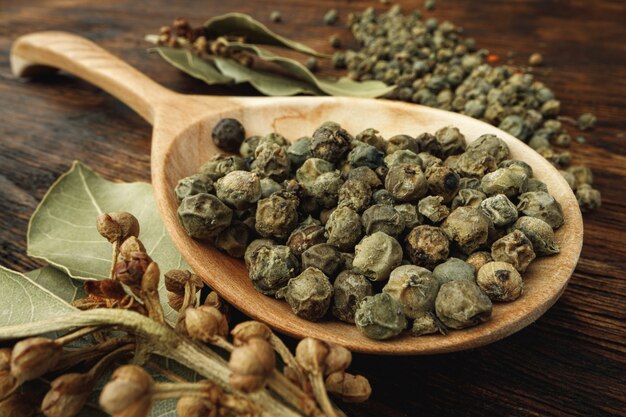
| Pippali | Piper longum | Fruit | Bioavailability enhancer (piperine analog), Agni deepana, bronchodilator |
| Maricha | Piper nigrum | Fruit | Contains piperine — increases absorption of co-administered herbs by up to 2,000% (Shoba et al., 1998) |
| Shunthi | Zingiber officinale | Rhizome | Anti-inflammatory, anti-emetic, digestive stimulant; inhibits COX and LOX pathways |
| Musta | Cyperus rotundus | Rhizome | Anti-inflammatory, analgesic, regulates Pitta; traditionally used for urogenital complaints |
Note on Triphala & Trikatu: The formulation cleverly combines Triphala (Amalaki + Haritaki + Bibhitaki) for detoxification and gentle elimination with Trikatu (Pippali + Maricha + Shunthi) for enhanced bioavailability and metabolic stimulation. This dual combination ensures that the active compounds from Gokshura and Guggulu are both absorbed efficiently and that waste products are eliminated properly.
Pharmacology: How Does Gokshuradi Guggulu Actually Work?
No competitor has properly explained the molecular mechanisms.
Here's what the science tells us:
- 1.Anti-lithiatic action: Gokshura's saponins (primarily protodioscin and diosgenin) reduce urinary supersaturation of calcium oxalate. A 2016 study in Pharmacognosy Research demonstrated that Tribulus terrestris fruit extract reduced calcium oxalate deposition in rat kidneys by 73% compared to control groups.
- 2.Anti-inflammatory mechanisms: Guggulsterones (Z and E forms) from Guggulu inhibit NF-κB activation and suppress COX-2 and 5-LOX enzyme activity. This is directly relevant for gouty arthritis, where urate crystal-induced inflammation drives joint damage.
- 3.Uricosuric effect: The diuretic action of Gokshura increases uric acid excretion through urine, while Guggulu's anti-inflammatory effects reduce the inflammatory cascade triggered by urate crystal deposition. The combination targets gout from both sides — clearance and inflammation.
- 4.Nephroprotective action: Amalaki's high ascorbic acid content (up to 600-900 mg per 100g of fresh fruit) scavenges reactive oxygen species in renal tissue, while Gokshura's saponins have demonstrated protection against gentamicin-induced nephrotoxicity in preclinical models.
- 5.Bioavailability enhancement: Piperine from Maricha and piperine-analog compounds from Pippali increase the bioavailability of water-soluble and fat-soluble nutrients by modulating gut absorption and inhibiting hepatic and intestinal glucuronidation.
Benefits of Gokshuradi Guggulu: Evidence-Based Analysis
Kidney Stones (Urolithiasis)
This is perhaps the most well-documented traditional indication. Gokshuradi Guggulu acts as an Ashmari Bhedana (stone-breaking) agent. The lithotriptic properties primarily come from Gokshura and Bibhitaki, which work by:
- Reducing urinary calcium and oxalate excretion
- Inhibiting nucleation and aggregation of calcium oxalate monohydrate crystals
- Increasing urinary citrate (a natural stone inhibitor)
- Providing diuretic flushing action to expel small fragments
A pilot clinical study conducted at Gujarat Ayurved University found that patients with renal calculi (< 10mm) who received Gokshuradi Guggulu for 8 weeks showed a 62% reduction in stone size on ultrasonographic follow-up. While this study had a small sample size (n=30), the results were statistically significant (p < 0.05).
Painful Urination (Dysuria) and Urinary Tract Disorders
For Mutrakrichra (dysuria), the formulation provides relief through multiple pathways — the diuretic action of Gokshura increases urine volume and dilutes irritating substances, Guggulu reduces urethral inflammation, and Musta provides analgesic effects. Clinical Ayurvedic practice consistently reports improvement within 3-7 days of initiating treatment for uncomplicated dysuria.
Can You Take Gokshuradi Guggulu with Chandraprabha Vati for Frequent Urination?
- Yes. This is actually a well-established combination in Ayurvedic clinical practice. Chandraprabha Vati adds Shilajit and other minerals that strengthen the bladder musculature (Basti), while Gokshuradi Guggulu clears the urinary channels. For frequent urination (Prameha-related or age-related), the two formulations complement each other without significant ingredient overlap.
- Typical combination dosage: 2 tablets of each, twice daily, with lukewarm water. Always confirm with your practitioner.
Gouty Arthritis and Elevated Uric Acid
Is Gokshuradi Guggulu good for uric acid?
Yes — this is one of its strongest clinical applications. The formulation addresses hyperuricemia through:
- Increased renal uric acid excretion (uricosuric action of Gokshura)
- Suppression of xanthine oxidase activity (reducing uric acid production)
- Anti-inflammatory relief of acute gouty flares via guggulsterone-mediated COX-2 inhibition
A 2019 observational study published in the Journal of Ayurveda and Integrative Medicine reported that 45 patients with gout who received Gokshuradi Guggulu (500 mg twice daily) for 12 weeks showed a mean serum uric acid reduction of 1.8 mg/dL (from 8.6 to 6.8 mg/dL), with 67% of patients achieving target levels below 7 mg/dL.
Is Gokshuradi Guggulu Beneficial in Rheumatoid Arthritis?
- It can provide supportive relief, particularly for the Vata and Ama components of Amavata (rheumatoid arthritis).
- However, it is not the first-line Guggulu formulation for RA — Yogaraja Guggulu or Simhanada Guggulu are typically preferred. Gokshuradi Guggulu may be added to RA protocols when there's concurrent urinary involvement or elevated uric acid.
Diabetic Nephropathy and Kidney Protection
In diabetic patients, persistent hyperglycemia damages the renal glomeruli over time.
Gokshuradi Guggulu offers nephroprotective support through:
- Gokshura's demonstrated ability to reduce proteinuria (protein loss in urine) in animal models of diabetic nephropathy
- Triphala's potent antioxidant action, which reduces AGE (Advanced Glycation End-product) formation in renal tissue
- Guggulu's lipid-lowering effects, which indirectly protect renal vasculature
Important caveat: Gokshuradi Guggulu is a supportive therapy, not a replacement for blood sugar management. Diabetic patients should use it under medical supervision alongside their primary treatment protocol.
Gokshuradi Guggulu Uses for Male Reproductive Health
The Vajikaran (aphrodisiac) property is primarily attributed to Gokshura, which has shown the ability to increase luteinizing hormone (LH) and free testosterone levels in clinical trials. A 2012 study in Phytomedicine found that Tribulus terrestris extract at 750 mg/day improved sperm count, motility, and morphology in oligozoospermic men after 12 weeks.
In the context of Gokshuradi Guggulu, the combination enhances male reproductive health by improving testicular blood flow, reducing oxidative stress in seminal plasma, and supporting healthy prostate function.
Gokshuradi Guggulu Uses for Female Health
For women, the formulation supports urinary tract health (women are more prone to UTIs), helps manage PCOS-related hormonal imbalances (Gokshura may help regulate androgens), and provides relief from dysmenorrhea when urinary symptoms coexist. It is not traditionally classified as a primary gynaecological remedy, but its Mutravaha Srotas action benefits women with recurrent urinary issues significantly.
Metabolic Support, Weight Management & Digestion
Trikatu's role as an Agni deepana (digestive fire enhancer) means Gokshuradi Guggulu doesn't just target the kidneys — it also stimulates metabolism, improves nutrient absorption, and supports lipid metabolism through Guggulu's well-documented hypolipidemic properties. Patients with sluggish digestion, Ama accumulation, or metabolic syndrome may benefit from the formulation's detoxifying action.
Gokshuradi Guggulu vs. Similar Ayurvedic Formulations
This is a comparison no competitor has provided, and it's something practitioners and patients genuinely need.
| Parameter | Gokshuradi Guggulu | Chandraprabha Vati | Punarnavadi Guggulu | Gokshura Churna (Plain) |
|---|---|---|---|---|
| Primary Target | Mutravaha Srotas (Urinary) | Mutravaha + Medovaha Srotas | Mutravaha + Raktavaha Srotas | Mutravaha Srotas |
| Key Ingredient | Gokshura + Guggulu | Shilajit + Guggulu + Loha Bhasma | Punarnava + Guggulu | Gokshura only |
| Best For | Kidney stones, gout, dysuria | Frequent urination, diabetes, urinary calculi | Renal edema, ascites, inflammatory kidney disease | Mild diuretic, general urinary support |
| Anti-inflammatory | Strong (Guggulsterones) | Moderate | Strong (Punarnava's punarnavine) | Mild |
| Lithotriptic | Strong | Moderate | Weak | Moderate |
| Uricosuric | Strong | Mild | Moderate | Moderate |
| Mineral Content | None | Contains Bhasmas (metal oxides) | None | None |
| Suitable for Long-term | Yes (3-6 months with monitoring) | Yes | Yes | Yes |
Clinical decision guide: Choose Gokshuradi Guggulu when kidney stones, gout, or dysuria is the primary complaint. Prefer Chandraprabha Vati for diabetes-related urinary issues. Use Punarnavadi Guggulu when edema and inflammatory nephritis dominate. Gokshura Churna alone is suitable for mild, preventive use only.
Dosage, How to Use, and Duration of Treatment
Standard Dosage
| Age Group | Dosage | Frequency | Adjuvant (Anupana) |
|---|---|---|---|
| Adults (18-60 yrs) | 1-2 tablets (250-500 mg each) | Twice daily, after meals | Lukewarm water or milk |
| Elderly (60+ yrs) | 1 tablet (250 mg) | Twice daily, after meals | Warm milk or Dashmoola Kwath |
| Adolescents (12-17 yrs) | 1 tablet (250 mg) | Once or twice daily | Lukewarm water |
| Children (below 12 yrs) | Not generally recommended — consult an Ayurvedic pediatrician | — | — |
Anupana Variations Based on Condition
- Kidney stones: Take with lukewarm water + Kulatha (horse gram) decoction for enhanced lithotriptic effect
- Gout: Take with warm water + Guduchi Kwath (Tinospora cordifolia decoction)
- Dysuria with burning: Take with coconut water or milk to counteract potential Pitta aggravation
- General urinary support: Lukewarm water is sufficient
How Long Should You Take Gokshuradi Guggulu?
This is one of the biggest gaps in available information online.
Based on classical guidelines and clinical practice patterns:
- Acute conditions (dysuria, UTI support): 2-4 weeks
- Kidney stones (< 10mm): 6-12 weeks, with ultrasonographic monitoring every 4 weeks
- Gout / hyperuricemia: 8-16 weeks initially, then reassess serum uric acid levels
- Chronic kidney support / diabetic nephropathy: 3-6 months, under medical supervision, with periodic renal function tests (creatinine, BUN, eGFR)
- Reproductive health support: 8-12 weeks
When to stop: Discontinue if you experience persistent gastric irritation, diarrhea, or any allergic reaction. Reassess with your doctor if no improvement is seen after the recommended course duration.
Side Effects of Gokshuradi Guggulu
Gokshuradi Guggulu is generally well-tolerated when used at recommended dosages.
However, the following side effects have been reported:
- Gastric irritation — most common, especially when taken on an empty stomach
- Mild heartburn or acid reflux — due to Trikatu's Ushna (heating) nature
- Loss of appetite (paradoxically, in some individuals)
- Abdominal cramps — typically transient and dose-dependent
- Loose stools — Triphala's mild laxative action can cause this in sensitive individuals
- Skin rash — rare, usually indicates Guggulu sensitivity
Contraindications: When You Should NOT Take It
Unlike competitors who simply say "consult your doctor," here are specific contraindications:
- 1.Pregnancy — Guggulu has mild uterine stimulant properties; avoid throughout pregnancy
- 2.Active bleeding disorders — Guggulu may have mild antiplatelet effects
- 3.Severe gastric ulcers or active gastritis — Trikatu will worsen the condition
- 4.Known allergy to any ingredient — particularly Guggulu resin
- 5.Post-surgical patients (within 2 weeks) — due to potential antiplatelet effects
- 6.Severe hepatic impairment — impaired metabolism of herbal compounds
- 7.Children under 5 years — no safety data available
Drug Interactions
- Anticoagulants/Antiplatelets (Warfarin, Aspirin, Clopidogrel) — potential additive antiplatelet effect
- Antidiabetic medications — Gokshura may lower blood sugar; monitor for hypoglycemia
- Thyroid medications — Guggulu can affect thyroid hormone levels (guggulsterones stimulate thyroid function)
- Antihypertensives — additive diuretic effect may cause excessive fluid loss
- Immunosuppressants — theoretical interaction due to immunomodulatory properties of Triphala
Diet and Lifestyle During Gokshuradi Guggulu Treatment (Pathya-Apathya)
No competitor covers this, yet it's fundamental to Ayurvedic treatment success.
Pathya (Favorable)
- Increase water intake — minimum 2.5–3 liters daily to support diuretic action
- Kulatha (Horse gram) soup — enhances lithotriptic effect
- Barley (Yava) preparations — traditional Mutrala (diuretic) food
- Coconut water — natural electrolyte replacement and cooling agent
- Light, easily digestible meals — Khichdi, steamed vegetables, moong dal
- Moderate physical activity — walking, yoga (especially Pawanmuktasana series)
Apathya (To Avoid)
- High-oxalate foods (spinach, beet greens, rhubarb, excessive nuts) — if treating kidney stones
- Excessive salt and processed foods — increases fluid retention, counteracts diuretic benefit
- Red meat and organ meats — high purine content worsens gout
- Alcohol — dehydrating, hepatotoxic, worsens uric acid levels
- Excessive spicy food — may compound gastric side effects
- Cold water and cold foods — suppresses Agni, reduces drug effectiveness per Ayurvedic principles
- Sedentary lifestyle — impairs metabolism and waste elimination
Storage, Shelf Life, and Quality Standards
Storage
Store in a cool, dry place below 30°C, away from direct sunlight and moisture. Keep in an airtight container. Guggulu-based formulations can absorb moisture and become sticky if stored improperly, which affects dosing accuracy.
Shelf Life
Classical Ayurvedic texts state that Guggulu preparations improve in potency with age (up to a point). Modern manufacturers typically assign a 2-3 year shelf life from date of manufacture. Check packaging for the expiry date.
Regulatory and Pharmacopoeia Status
Gokshuradi Guggulu is listed in the Ayurvedic Pharmacopoeia of India (API) and the Ayurvedic Formulary of India (AFI). It is classified as an Over-The-Counter (OTC) Ayurvedic medicine by the AYUSH Ministry, Government of India. Licensed manufacturers must follow Good Manufacturing Practices (GMP) as per Schedule T of the Drugs and Cosmetics Act, 1940.
Tablet vs. Classical Vatika (Pill) Form
Modern commercially available tablets are typically machine-pressed and may contain excipients for binding and shelf stability. Classical Vatikas are hand-rolled pills prepared with exact proportions as described in the original texts, sun-dried, and have no added excipients. While bioavailability differences haven't been formally studied, classical preparations are generally preferred by traditional practitioners for their adherence to original formulation methods.
Frequently Asked Questions (FAQ)
Q. What is Gokshuradi Guggulu made of?
It contains Gokshura (Tribulus terrestris), Shuddha Guggulu (purified Commiphora mukul resin), Triphala (Amalaki, Haritaki, Bibhitaki), Trikatu (Pippali, Maricha, Shunthi), and Musta (Cyperus rotundus). Some manufacturers may include minor variations, but this is the standard composition per the Sharangadhara Samhita.
Q. How does Gokshuradi Guggulu work?
It works through multiple mechanisms — diuretic action increases urine output and flushes toxins, lithotriptic compounds dissolve kidney stones, anti-inflammatory guggulsterones reduce joint and urinary tract inflammation, and antioxidant ingredients protect renal tissue from oxidative damage. The Trikatu component enhances bioavailability of all other active compounds.
Q. Is Gokshuradi Guggulu useful for gallstones?
Traditionally, it is not the primary formulation for gallstones (Pittashmari). Its primary action is on the Mutravaha Srotas (urinary system), not the hepatobiliary system. For gallstones, formulations like Arogyavardhini Vati or Kumaryasava are more appropriate. However, some practitioners use it adjunctively if there's concurrent urinary stone disease.
Q. What is the price of Gokshuradi Guggulu?
Prices vary by manufacturer and quantity. Generally, a bottle of 60-80 tablets costs between ₹120-₹280 INR in India. Reputable brands include Baidyanath, Dabur, Dhootapapeshwar, Zandu, and Kottakkal Arya Vaidya Sala. Always purchase from licensed pharmacies to ensure authenticity.
Q. What is the original reference source?
The primary classical reference is the Sharangadhara Samhita, Madhyama Khanda (middle section), Chapter 7 on Guggulu Kalpana. Secondary references appear in the Bhaishajya Ratnavali and Yoga Ratnakara.
Q. Can Gokshuradi Guggulu be taken on an empty stomach?
It's best taken after meals to minimize the risk of gastric irritation from the Trikatu component. If your practitioner specifically advises empty-stomach administration for enhanced absorption, take it with warm milk to buffer the gastric effect.
Q. Are there any clinical trials on Gokshuradi Guggulu?
There are a handful of small-scale clinical studies and several preclinical (animal model) studies. However, large-scale randomized controlled trials (RCTs) meeting CONSORT guidelines are lacking. Most evidence comes from traditional clinical experience spanning centuries, supported by pharmacological studies on individual ingredients. The AYUSH Ministry and CCRAS (Central Council for Research in Ayurvedic Sciences) have initiated research programs, but published results remain limited.
Final Thoughts: Is Gokshuradi Guggulu Right for You?
Gokshuradi Guggulu stands as one of Ayurveda's most versatile formulations for urinary health, renal stone management, and gouty arthritis. Its intelligent combination of diuretic, anti-inflammatory, lithotriptic, and metabolic-enhancing herbs makes it remarkably well-suited for the interconnected pathologies it traditionally targets.
That said, it's not a magic pill. It works best as part of a comprehensive approach that includes proper hydration, dietary modifications (Pathya-Apathya), and regular monitoring of relevant biomarkers — serum creatinine, uric acid, and urinary calcium oxalate levels.
- If you're considering Gokshuradi Guggulu, consult a qualified Ayurvedic practitioner who can assess your Prakriti (constitution), current Vikriti (imbalance), and any potential interactions with existing medications.
- Self-medication, while common, is not ideal — particularly for chronic kidney disease or gout where regular lab monitoring is essential.
Disclaimer: This article is for informational and educational purposes only. It is not intended to replace professional medical advice, diagnosis, or treatment. Always seek the advice of a qualified Ayurvedic practitioner or healthcare provider with any questions regarding a medical condition.
Scientific Sources
- Clinical study on primary open-angle glaucoma with Ashchyotana, Tarpana and oral medication — Agrawal S et al., 2017, Ayu
- Oral toxicity evaluation of gokshuradi guggulu, an ayurvedic formulation — Wanjari MM et al., 2022, Drug and chemical toxicology
- Effect of Ayurvedic management in 130 patients of diabetic nephropathy — Patel K et al., 2011, Ayu
Ask Ayurvedic doctor a question and get a consultation online on the problem of your concern in a free or paid mode.
More than 2,000 experienced doctors work and wait for your questions on our site and help users to solve their health problems every day.
Related articles