Ask Ayurvedic doctor a question and get a consultation online on the problem of your concern in a free or paid mode. More than 2,000 experienced doctors work and wait for your questions on our site and help users to solve their health problems every day.
FREE! Ask Ayurvedic Doctors 24/7

 Fast responses
 1000+ verified doctors
Body DetoxEar, Nose, and Throat DisordersGeriatrics & RejuvenationImmunodeficiencyInfertility TreatmentNutritionOrthopedic DisordersPediatricsRespiratory DisordersSexually Transmitted Diseases (STDs)Surgery RecoveryUrological DisordersVascular DisordersDental DisordersEndocrinological DisordersGastrointestinal DisordersYoga TherapyGeneral MedicineAllergic DisordersCardio DisordersGynecology and ObstetricsCosmetologySkin and Hair DisordersEye DisordersInfectious DiseasesMental DisordersNeurological DisordersOncologyPanchakarmaSexual Health & DisordersSports Medicine
Published on 02/25/25
(Updated on 07/06/26)
4,033
Madhuyashtyadi Taila – Traditional Ayurvedic Oil for Healing and Rejuvenation
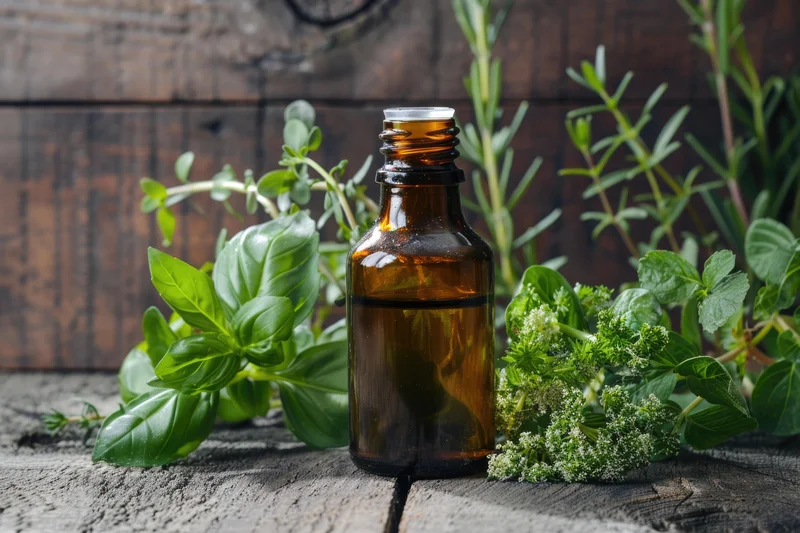
Madhuyashtyadi Taila is a classical Ayurvedic medicated oil primarily used for managing burning sensations, inflammatory skin conditions, joint inflammation, and Pitta-aggravated disorders. Referenced in revered texts like Sahasrayogam and Ashtanga Hridaya, this sesame-oil-based formulation combines the cooling potency of Yashtimadhu (licorice), Manjishtha (Indian madder), Chandana (sandalwood), and several other herbs to pacify excess Pitta and Vata doshas. Whether you're dealing with gouty arthritis, chronic dermatitis, or post-surgical wound healing, Madhuyashtyadi Taila has been a go-to external application in traditional Kerala Ayurveda for centuries — and its relevance continues to grow in modern integrative practice.
This comprehensive guide covers everything: full ingredient list with pharmacological properties, the classical method of oil preparation (Taila Paka Vidhi), mechanism of action, clinical indications, dosage guidelines, side effects, dietary recommendations during the course, and how it compares to similar Ayurvedic oils. Let's dive in.
What Is Madhuyashtyadi Taila?
Definition and Classical Reference
Madhuyashtyadi Taila (also spelled Madhuyashtyadi Thailam) is a polyherbal medicated oil where "Madhuyashti" refers to Glycyrrhiza glabra (licorice root), and "Taila" means oil. The suffix "-adi" indicates that licorice is the principal herb in a multi-ingredient formulation.
The most widely cited classical reference comes from Sahasrayogam, Tailayoga Prakarana — the section dedicated to medicated oil formulations in this Kerala Ayurvedic compendium. It is also mentioned in Ashtanga Hridaya, Chikitsa Sthana, Chapter 19 (Vatarakta Chikitsa), where medicated oils for Vatarakta (gouty arthritis) are elaborated upon. The Yogaratnakara similarly references licorice-dominant oil preparations for Pitta-Vata disorders.
> Classical Shloka (Sahasrayogam):
> "Madhuyashtyā samanvitam tailam ksheerapakena siddham, dāha-jwara-vātarakta-praśamanaṃ param"
> (Oil prepared with Madhuyashti through milk-decoction method is supreme in alleviating burning sensation, fever, and Vatarakta.)
Historical Origins and the Kerala Ayurveda Connection
- The formulation has deep roots in the Ashtavaidya tradition of Kerala, where Taila Paka (oil processing) was elevated to a fine art.
- Medieval Kerala physicians — particularly the lineages at Thrissur and Kottakkal — refined Madhuyashtyadi Taila for use in Panchakarma therapies like Abhyanga (oil massage) and Pizhichil (oil pouring). Over time, the recipe was standardized by pharmacies such as Kottakkal Arya Vaidya Sala, Vaidyaratnam, and Sitaram Ayurveda, making it commercially available while retaining the classical preparation method.
What makes this oil notable historically is its dual utility — it was prescribed both as a standalone external application for burns and wounds and as a Panchakarma adjunct oil for systemic Pitta pacification.
Madhuyashtyadi Taila Ingredients (Full Composition)
Key Herbs with Sanskrit, English & Latin Names
The formulation contains a carefully balanced combination of cooling, anti-inflammatory, and tissue-regenerating herbs. Below is the complete ingredient list as referenced in Sahasrayogam:
| Sanskrit Name | English Name | Latin Name | Part Used | Primary Action |
|---|---|---|---|---|
| Madhuyashti | Licorice | Glycyrrhiza glabra | Root | Anti-inflammatory, Pitta-shamaka |
| Manjishtha | Indian Madder | Rubia cordifolia | Root | Blood purifier, skin healer |
| Chandana | Sandalwood | Santalum album | Heartwood | Cooling, anti-burning |
| Sariva | Indian Sarsaparilla | Hemidesmus indicus | Root | Detoxifying, Pitta-pacifying |
| Padmaka | Wild Cherry | Prunus cerasoides | Heartwood | Cooling, anti-hemorrhagic |
| Ushira | Vetiver | Vetiveria zizanioides | Root | Cooling, anti-pruritic |
| Payasya | Vidarikanda | Pueraria tuberosa | Tuber | Rejuvenative, nourishing |
| Meda / Mahameda | Spikenard group | Polygonatum spp. | Tuber | Brimhana (nourishing) |
| Kumuda | White Water Lily | Nymphaea alba | Flower | Cooling, anti-Pitta |
| Utpala | Blue Lotus | Nymphaea stellata | Flower | Anti-burning, soothing |
Base Ingredients (Tila Taila, Kshira)
- Tila Taila (Sesame oil) — Sesamum indicum: The base oil. Sesame is chosen for its Yogavahi property, meaning it absorbs and potentiates the qualities of whatever herbs are processed into it, without losing its own inherent benefits. It has natural antioxidant activity (due to sesamin and sesamolin), excellent transcutaneous absorption, and is considered the best oil for Vata pacification.
- Kshira (Cow's milk) — Used as a co-processing liquid during the Taila Paka process. Milk adds Madhura rasa (sweet taste) and sheeta veerya (cooling potency), further enhancing the Pitta-pacifying nature of the final product.
Rasa, Veerya, Vipaka of Key Ingredients
Understanding the Dravyaguna (pharmacological) profile of each ingredient explains why this particular combination works:
| Ingredient | Rasa (Taste) | Veerya (Potency) | Vipaka (Post-digestive effect) |
|---|---|---|---|
| Madhuyashti | Madhura (Sweet) | Sheeta (Cooling) | Madhura |
| Manjishtha | Tikta, Kashaya (Bitter, Astringent) | Ushna (Warm) | Katu |
| Chandana | Tikta, Madhura | Sheeta | Katu |
| Sariva | Madhura, Tikta | Sheeta | Madhura |
| Ushira | Tikta, Madhura | Sheeta | Katu |
| Padmaka | Tikta, Kashaya | Sheeta | Katu |
The overwhelming dominance of Sheeta Veerya (cooling potency) and Madhura Rasa (sweet taste) makes this formulation powerfully Pitta-shamaka. Manjishtha, the lone Ushna Veerya herb, is included specifically for Rakta Shodhana (blood purification) — its warming quality is counterbalanced by the collective cooling effect of all other ingredients.
How Is Madhuyashtyadi Taila Prepared? (Taila Paka Vidhi)
This is something no online resource adequately covers, yet the preparation method directly impacts the oil's therapeutic potency. The classical Taila Paka Vidhi (oil cooking method) as per Sharngadhara Samhita, Madhyama Khanda, Chapter 9 involves these steps:
Step 1 — Kashaya Preparation (Herbal Decoction)
All herbs (Madhuyashti, Manjishtha, Chandana, etc.) are coarsely powdered. They are soaked in 16 parts water overnight, then slow-boiled and reduced to 1/4th volume. This concentrated decoction (Kashaya) captures the water-soluble active compounds.
Step 2 — Kalka Preparation (Herbal Paste)
- A separate fine paste is made from the same herbs.
- The ratio as per Sharngadhara is: Oil 1 part : Kalka 1/4 part : Kashaya 4 parts : Kshira (milk) 4 parts.
Step 3 — Taila Paka (Oil Cooking)
Sesame oil is heated in a wide-mouthed iron or earthen vessel. The Kalka is added first and lightly sautéed. Then Kashaya and Kshira are added simultaneously. The mixture is cooked on Mridu Agni (low flame) with continuous stirring.
Step 4 — Determining Paka (Doneness)
- Three stages of Paka are described: Mridu (soft), Madhyama (medium), and Khara (hard).
- For external application, Madhyama Paka is ideal — you test by rolling a small amount of Kalka between fingers; it should form a wick-like consistency (Varti) without sticking. The water content must be completely evaporated. When you sprinkle water drops on the hot oil, they crackle sharply — this confirms the absence of moisture.
Step 5 — Filtration and Storage
The oil is filtered through clean muslin cloth while still warm. It's stored in amber glass or stainless steel containers away from direct sunlight.
The entire process typically takes 6–8 hours. Commercial manufacturers like Kottakkal AVS and Vaidyaratnam follow this method using GMP-certified processes, though some offer a Chikkanapakam variant — a thicker, more concentrated version where the oil is cooked longer for enhanced potency, commonly prescribed for severe Vatarakta.
How Does Madhuyashtyadi Taila Work? (Mechanism of Action)
Ayurvedic Pharmacology (Dravyaguna Perspective)
From the Ayurvedic standpoint, the oil works through several interconnected mechanisms:
- 1.Pitta Shamana — The predominantly Sheeta Veerya and Madhura Rasa of the formulation directly counteracts aggravated Pitta dosha, reducing Daha (burning), Raga (redness), and Shotha (inflammation).
- 2.Rakta Prasadana (Blood Purification) — Manjishtha and Sariva purify Rakta dhatu (blood tissue), addressing the root cause of skin disorders and Vatarakta.
- 3.Twak Prasadana (Skin Nourishment) — Ingredients like Chandana and Kumuda act on Bhrajaka Pitta (the sub-dosha governing skin health), restoring normal skin metabolism.
- 4.Vata Anulomana via Srotas — Sesame oil's Vata-pacifying nature, combined with the Snigdha (unctuous) quality of the formulation, clears obstructed Srotas (channels), particularly Asthivaha and Majjavaha Srotas relevant to joint and bone disorders.
- 5.Ama Pachana at Tissue Level — The oil's transcutaneous absorption helps mobilize and digest Ama (metabolic toxins) lodged in superficial and deep tissues, which is especially useful in inflammatory joint conditions.
Modern Pharmacological Insights
While large-scale clinical trials specific to Madhuyashtyadi Taila are limited, the individual ingredients have been extensively studied:
- Glycyrrhizin from licorice has demonstrated significant anti-inflammatory activity by inhibiting phospholipase A2 and cyclooxygenase pathways. A 2018 study published in Journal of Ethnopharmacology confirmed glycyrrhizin's dose-dependent suppression of TNF-α and IL-6 in experimental models.
- Rubiadin and Purpurin from Manjishtha showed anti-arthritic potential in a 2020 study (Indian Journal of Pharmacology) through inhibition of NF-κB signaling.
- Santalol from sandalwood exhibits wound-healing and collagen-synthesis-promoting activity, as documented in Phytomedicine (2017).
- Sesame oil itself contains sesamin, which has clinically demonstrated antioxidant and anti-inflammatory properties.
The combined transcutaneous delivery of these phytocompounds through the sesame oil base — which naturally enhances skin permeability — creates a synergistic anti-inflammatory and tissue-regenerative effect that's more than the sum of individual parts.
Madhuyashtyadi Taila Benefits & Indications
Burning Sensation (Pittaja Daha)
The most classical indication. Whether it's generalised body burning, burning feet syndrome, or localised skin burning due to Pitta aggravation, this oil provides rapid relief through its Sheeta Veerya action. Apply gently to the affected area and leave for at least 30 minutes.
Fever Management (Jwara)
In Ayurveda, external oil application during the Avasheshavastha (residual phase) of fever — not during acute high fever — helps pacify residual Pitta. Madhuyashtyadi Taila applied to the scalp and soles of the feet is a traditional approach to manage post-febrile burning and restore equilibrium.
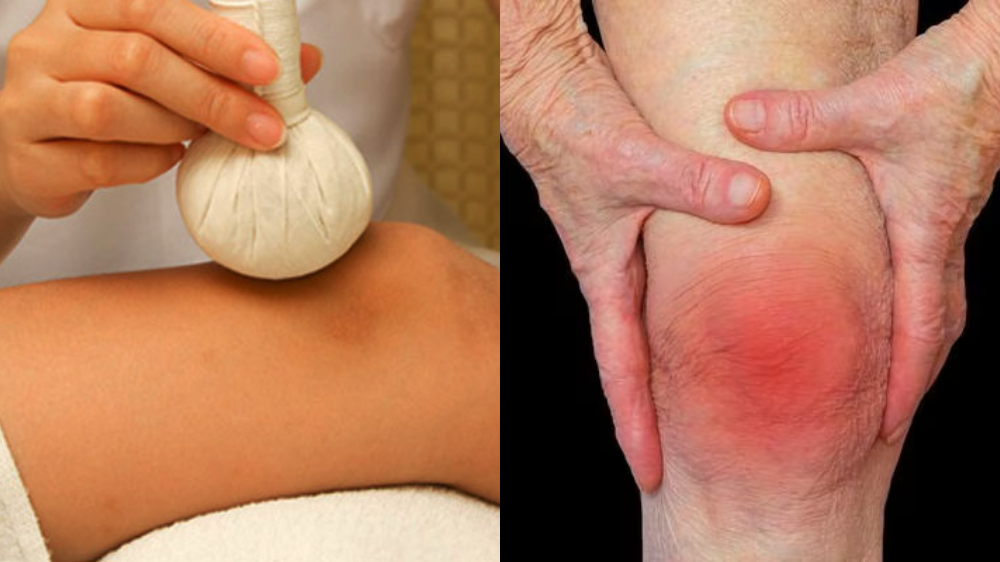
Gouty Arthritis (Vatarakta)
- This is perhaps the most therapeutically significant indication.
- Vatarakta — a condition involving simultaneous vitiation of Vata and Rakta (blood) — manifests as painful, inflamed joints, particularly in the big toe and smaller joints. The oil's dual Vata-Pitta shamaka action makes it specifically suited for this condition. The Chikkanapakam (thick) variant is often preferred for severe cases.
Inflammatory Skin Conditions
Eczema, dermatitis, psoriasis flares (especially the Pitta-dominant variety with redness and burning), and chronic non-healing wounds all respond well. Manjishtha's Rakta-shodhaka action combined with Chandana's cooling effect addresses both the systemic and local pathology.
Can Madhuyashtyadi Taila Help with Fissures?
Yes. For anal fissures, the oil is traditionally applied locally to soothe burning, reduce inflammation, and promote mucosal healing. It's particularly helpful for Parikartika (fissure) caused by Pitta aggravation. Apply a thin layer around the affected area after sitz bath for best results.
Application for Face and Skin Rejuvenation
- Madhuyashtyadi Taila can be used on the face for conditions like acne-related inflammation, sun damage, and hyperpigmentation. The sandalwood and licorice combination promotes even skin tone and collagen regeneration. For facial use, apply a small amount and massage gently for 5 minutes before washing with lukewarm water.
- Note: patch-test first if you have sensitive skin.
Application for Hair and Scalp
While not its primary indication, the oil's cooling properties make it useful for Pitta-type hair problems — premature greying, scalp burning, and heat-related hair fall. Massage into the scalp 30 minutes before washing.
Use in Panchakarma Therapies
Madhuyashtyadi Taila is regularly employed in several Panchakarma and Upakarma procedures:
- Abhyanga — Full body oil massage for systemic Pitta pacification
- Pizhichil — Continuous pouring of warm medicated oil over the body (Kerala specialty)
- Nasya — Nasal administration in small doses (2–4 drops per nostril) for headaches and burning eyes, though this requires practitioner supervision
- Pichu — Cotton pad soaked in warm oil applied to painful joints
- Basti — As Anuvasana Basti (oil enema) in some clinical protocols for Vatarakta
Don't wait or self medicate. Start chat with Doctor NOW
Dosage and How to Apply Madhuyashtyadi Taila
External Application (Primary Use)
| Application Type | Quantity | Frequency | Duration |
|---|---|---|---|
| Local application (joints, skin) | 5–10 ml | 1–2 times daily | 15–30 min before wash |
| Full body Abhyanga | 30–50 ml | Once daily or as directed | 30–45 min before bath |
| Scalp massage | 10–15 ml | 2–3 times per week | 30 min before wash |
| Pichu (cotton pad) | 15–20 ml | Once daily | 45–60 min |
| Facial application | 2–3 ml | Once daily | 10–15 min |
Internal Use and Nasya — Is It Only External?
Madhuyashtyadi Taila is primarily an external-use oil. However, in clinical Ayurvedic practice, it is sometimes used for:
- Nasya: 2–4 drops in each nostril for Pitta-type headaches (under practitioner guidance only)
- Anuvasana Basti: 60–90 ml as oil enema for Vatarakta (strictly clinical setting)
Self-administration internally is not recommended without a qualified Ayurvedic physician's prescription.
Application Technique for Best Results
- Warm the oil slightly by placing the bottle in hot water for 2–3 minutes (never microwave)
- Apply in the direction of hair growth for body application
- Use gentle, circular motions over joints; long strokes on limbs
- For foot application — which is a classically emphasized area — apply to the soles and between toes, but exercise caution on slippery surfaces afterward
- Allow absorption time of minimum 20 minutes before washing with lukewarm water and mild herbal cleanser
Comparison with Similar Ayurvedic Oils
This is a comparison no other resource provides, and it's genuinely useful for practitioners and patients choosing between formulations:
| Parameter | Madhuyashtyadi Taila | Chandanadi Taila | Pinda Taila | Ksheerabala Taila |
|---|---|---|---|---|
| Primary Dosha Action | Pitta-Vata shamaka | Pitta shamaka | Pitta-Rakta shamaka | Vata shamaka |
| Main Indication | Vatarakta, Daha, Jwara | Burning, headache | Gout, skin diseases | Neuromuscular disorders |
| Key Herb | Yashtimadhu (Licorice) | Chandana (Sandalwood) | Rakta Chandana, Manjishtha | Bala (Sida cordifolia) |
| Base | Sesame oil + Milk | Sesame oil + Milk | Sesame oil | Sesame oil + Milk |
| Cooling Potency | Very High | Very High | High | Moderate |
| Classical Text | Sahasrayogam | Sahasrayogam | Bhaishajya Ratnavali | Ashtanga Hridaya |
| Best For | Burning + Joint pain combo | Pure burning/headache | Severe skin + gout | Paralysis, nerve pain |
| Panchakarma Use | Abhyanga, Pizhichil, Pichu | Abhyanga, Shirodhara | Local application | Abhyanga, Pizhichil, Basti |
When to choose Madhuyashtyadi Taila specifically: When the presentation involves both burning sensation and joint inflammation — the classic Vatarakta picture. If it's purely neurological Vata disorder, Ksheerabala is more appropriate. For severe bleeding skin conditions, Pinda Taila excels.
Diet and Lifestyle During the Course (Pathya-Apathya)
This is a critical aspect that significantly affects treatment outcomes yet is universally ignored by online resources.
Pathya (Favorable)
- Diet: Bitter gourd, ash gourd, pomegranate, grapes, milk, ghee, rice, wheat, moong dal. Prefer cooling foods.
- Lifestyle: Avoid sun exposure on treated skin, wear loose cotton clothing, maintain regular sleep schedule, practice Sheetali/Sheetkari Pranayama.
- Seasonal Consideration: The oil is most effective during Greeshma Ritu (summer) and Sharad Ritu (autumn) when Pitta is naturally aggravated.
Apathya (To Avoid)
- Diet: Spicy food, fermented items, excessive salt, sour foods (except lime), alcohol, red meat, sesame-based foods (to avoid Pitta aggravation from diet while treating it externally).
- Lifestyle: Hot water baths immediately after application, vigorous exercise right after oil application, direct sun exposure on oiled skin.
Combination with Internal Medications (Anupana & Sahayoga)
For comprehensive treatment, Ayurvedic physicians often combine external Madhuyashtyadi Taila application with:
- Kaishor Guggulu or Amritadi Guggulu — tablets for Vatarakta
- Manjishtadi Kashayam — decoction for blood purification
- Guduchi Satva — powder for fever and immunity
- Avipattikara Churna — for associated digestive Pitta issues
Always consult your Ayurvedic doctor before combining therapies.
Side Effects, Precautions & Quality Standards
Are There Any Side Effects?
Madhuyashtyadi Taila is generally well-tolerated when used externally as directed.
However:
- Allergic reactions: Rare, but possible in individuals allergic to sesame or any constituent herb. Always do a patch test on a small area of the inner forearm and wait 24 hours before full application.
- Kapha aggravation: Excessive use in Kapha-dominant individuals (especially in cold, damp climates) may cause heaviness or oily skin congestion.
- Staining: The oil contains Manjishtha, which can stain light-colored fabrics. Use old towels during application.
Pregnancy and Lactation
External application during pregnancy is generally considered safe, but Nasya and Basti routes should be strictly avoided during pregnancy. During lactation, avoid applying on or near the breast area. Consult your obstetrician and Ayurvedic practitioner before use.
Pharmacopoeial Quality Standards
When purchasing Madhuyashtyadi Taila, look for products that comply with Ayurvedic Formulary of India (AFI) and Ayurvedic Pharmacopoeia of India (API) standards.
Key quality control parameters include:
| Parameter | Acceptable Range |
|---|---|
| Acid value | Not more than 6.0 |
| Saponification value | 185–195 |
| Iodine value | 100–120 |
| Peroxide value | Not more than 10.0 |
| Refractive index | 1.4600–1.4700 |
| Specific gravity | 0.910–0.930 |
Reputable manufacturers include Kottakkal Arya Vaidya Sala, Vaidyaratnam Oushadhasala, Sitaram Ayurveda, Nagarjuna Herbal Concentrates, and Aryavaidya Kalpashala. Verify the GMP certification and AYUSH license on the packaging.
Shelf Life and Storage
- Shelf life: 3 years from the date of manufacture (when unopened)
- After opening: Use within 12 months. Store in a cool, dry place away from direct sunlight. Amber glass bottles are preferable over plastic.
- Do not refrigerate — this can cause the oil to become cloudy and affect its consistency, though it doesn't reduce efficacy.
Myths and Realities About Madhuyashtyadi Taila
Myth 1: "It can cure gout permanently." Reality: Madhuyashtyadi Taila provides significant symptomatic relief and reduces inflammation in Vatarakta, but permanent management of gout requires addressing diet, lifestyle, and internal medication. The oil is one component of a holistic protocol. Myth 2: "Any licorice oil is the same as Madhuyashtyadi Taila." Reality: The specific combination of herbs, their ratios, the use of milk as a co-processing liquid, and the Taila Paka method are all critical. A simple licorice-infused oil does not replicate the classical formulation's efficacy. Myth 3: "It works only for skin conditions." Reality: While skin application is common, the oil's primary classical indication is Vatarakta (gouty arthritis). It's equally effective for joint inflammation, fever management, and as a Panchakarma oil.
Frequently Asked Questions (FAQ)
How should I apply Madhuyashtyadi Taila for best results?
Warm the oil gently, apply to the affected area with circular massage strokes, and leave for 20–30 minutes before washing with lukewarm water. For joint conditions, wrapping the area with a warm cotton cloth after application enhances penetration.
How does Madhuyashtyadi Taila promote tissue repair?
The combination of glycyrrhizin (from licorice), santalol (from sandalwood), and the antioxidant properties of sesame oil collectively stimulate fibroblast activity, promote collagen synthesis, and reduce oxidative damage at the tissue level — accelerating natural wound healing and skin regeneration.
Where can I purchase authentic Madhuyashtyadi Taila?
Buy directly from authorized ayurvedic pharmacy outlets or verified online stores of Kottakkal AVS, Vaidyaratnam, Sitaram Ayurveda, or Nagarjuna. Always check for AYUSH manufacturing license, GMP certification, and batch number on packaging. Amazon.in and AyurCentral are also reliable platforms.
What is the reference text (Shloka) for Madhuyashtyadi Taila?
The primary reference is Sahasrayogam, Tailayoga Prakarana. It is also referenced in Ashtanga Hridaya, Chikitsa Sthana, Chapter 19 (Vatarakta Chikitsa) and discussed in Yogaratnakara under medicated oil formulations.
Can it be used for children?
Yes, external application is generally safe for children above 2 years of age. Use reduced quantity (2–3 ml for local application) and always do a patch test first. Avoid Nasya in children unless specifically prescribed by a pediatric Ayurvedic specialist.
Is Madhuyashtyadi Taila the same as Madhuyashtyadi Thailam Chikkanapakam?
No. Chikkanapakam is a thicker, more concentrated version where the oil undergoes extended cooking. It's typically prescribed for more severe conditions, especially advanced Vatarakta with significant joint swelling. The regular variant is sufficient for mild to moderate conditions.
Final Thoughts
Madhuyashtyadi Taila stands as one of Ayurveda's most thoughtfully formulated medicated oils — a precision blend of cooling, anti-inflammatory, and tissue-nourishing herbs delivered through the unparalleled absorption vehicle of sesame oil. Its relevance spans from ancient Vatarakta management to modern applications in inflammatory skin conditions, post-surgical healing, and Panchakarma therapies.
The key to getting results? Use authentic, classically prepared products from reputable manufacturers, follow the correct application technique, support the treatment with appropriate diet and lifestyle modifications, and — most importantly — work with a qualified Ayurvedic practitioner who can tailor the protocol to your specific Prakriti and Vikriti.
If you're dealing with persistent burning sensations, inflammatory joint pain, or stubborn skin conditions that haven't responded to conventional approaches, Madhuyashtyadi Taila deserves a place in your therapeutic toolkit. Consult an Ayurvedic physician to determine whether this formulation is right for your unique constitution and condition.
Scientific Sources
- Properties of macerated herbal oil — Kantawong F et al., 2017, BioImpacts : BI
- Kampo herbal ointments for skin wound healing — Paul-Traversaz M et al., 2023, Frontiers in pharmacology
- Daily intranasal sesame oil instillation to improve nasal barrier function and mucosal immunity for respiratory health: A pilot randomized trial in healthy adults — Chaturvedi S et al., 2025, Complementary therapies in medicine
- Role of natural products in alleviation of rheumatoid arthritis-A review — Sharma D et al., 2021, Journal of food biochemistry
- Oil pulling for maintaining oral hygiene - A review — Shanbhag VK, 2017, Journal of traditional and complementary medicine
- Natural Oils for Skin-Barrier Repair: Ancient Compounds Now Backed by Modern Science — Vaughn AR et al., 2018, American journal of clinical dermatology
- Herbal Remedies for Hair Loss: A Review of Efficacy and Safety — Ahmed A et al., 2025, Skin appendage disorders
- The effect of oil pulling with coconut oil to improve dental hygiene and oral health: A systematic review — Woolley J et al., 2020, Heliyon
- African oils in dermatology — Ayanlowo O et al., 2022, Dermatologic therapy
- Coconut Oil and Immunity: What do we really know about it so far? — Joshi S et al., 2020, The Journal of the Association of Physicians of India
Questions from users
What is the best way to choose quality madhuyashtyadi taila for skin treatment?
Charles
7 days ago
When choosing a quality madhuyashtyadi taila for skin treatment, look for ones with AYUSH manufacturing license and GMP certification. Check that it's formulated with kshira, as this is key in the Taila Paka process. Also, ensure the shelf life and batch number are clear. This ensures better effectiveness, especially for Vata-related issues!
What is the shelf life of madhuyashtyadi taila once opened?
Paisley
16 days ago
Once you open a bottle of Madhuyashtyadi Taila, it's best to use it within about 6 months for optimal freshness and effectiveness. Keep it in a cool, dark place and seal it tightly to slow down oxidation. But hey, if it starts smelling off before then, it's time to get a new one. Always trust your senses!
Is it safe to use madhuyashtyadi taila during pregnancy for skin concerns?
Kennedy
33 days ago
It's generally considered safe for skin use during pregnancy, but it's always a good idea to do a patch test first. Just to be sure and to see how your skin reacts. Pregnancy can make your skin more sensitive! If you have specific concerns, consulting with an Ayurvedic practitioner might be helpful.
What is the best way to apply madhuyashtyadi taila for improving skin tone and texture?
Warren
42 days ago
To use madhuyashtyadi taila for improving skin tone and texture, gently massage a small amount onto clean skin, focusing on affected areas. Leave it on for 20-30 minutes and then wash off with lukewarm water. It's kind of like giving your skin a nourishing treat! Consistency matters here, so try to apply it daily.
How does madhuyashtyadi taila help with inflammation and tissue regeneration in the skin?
Vada
51 days ago
Madhuyashtyadi taila combines ingredients like honey, which has antibacterial benefits, with herbs that help reduce inflammation. This oil nourishes and hydrates the skin, supporting its natural healing process and enhancing tissue regeneration. It detoxifies the skin and aids in keeping wounds clean, promoting overall skin wellness.
Can madhuyashtyadi taila be used in combination with other Ayurvedic treatments?
Teagan
61 days ago
Yeah, definitely! Madhuyashtyadi taila can be used with other Ayurvedic treatments. Combining it with internal remedies like herbs or dietary changes could enhance healing by addressing both external symptoms and internal imbalances. Just makes sure they complement each other based on your dosha and consult an Ayurvedic practicioner if you're unsure!
Can I use madhuyashtyadi taila for wounds or cuts on my skin?
Sebastian
70 days ago
Yes, you can use madhuyashtyadi taila for wounds or cuts! It's actually great for soothing skin irritations and promoting wound healing. Just gently massage a small amount onto the affected area, and it should help in balancing aggravated doshas and facilitating healing. Just make sure the cut is clean before applying. 😊
What is the best way to store madhuyashtyadi taila to keep it effective?
Morgan
80 days ago
The best way to store madhuyashtyadi taila is, keep it in a cool, dry place away from direct sunlight. Make sure to seal the bottle tightly after use. Sunlight and heat can kinda degrade its components, affecting its effectiveness. Just avoid the fridge, tho, as extreme cold can also alter its consistency and properties. 😊
What are the historical uses of madhuyashtyadi taila in traditional Ayurvedic medicine?
Rowan
90 days ago
Madhuyashtyadi taila has been traditionally used for its healing and soothing properties in Ayurveda. Historically, it's been applied topically to relieve skin issues like dryness or inflammation and to support joint health. It's known for balancing pitta and vata doshas, helping to detoxify and nourish the skin. dabbing it on areas of concern can aid healing and rejuvenation.
What is the role of madhuyashtyadi taila in Ayurvedic detoxification practices?
Allison
99 days ago
Madhuyashtyadi taila is key in detoxifying by cleansing the skin and supporting tissue repair. It's great for nourishing and balancing the body by drawing out impurities and rejuvenating tissue. It taps into that Ayurvedic wisdom where detoxification means maintaining healthy skin and overall wellness.
Related articles

Gastrointestinal Disorders
Vata Prakopa Lakshana: A Comprehensive Guide to Symptoms, Causes, and Management
Discover Vata Prakopa Lakshana, its root causes, and evidence-based tips for managing Vata imbalance to enhance overall health and well-being.
3,086

Gastrointestinal Disorders
Kutajarishta Uses, Dose, Side Effects, And Ingredients
Exploration of Kutajarishta Uses, Dose, Side Effects, And Ingredients
3,137

Gastrointestinal Disorders
Ginger for Acidity: Ayurvedic Benefits and Tips
Is ginger good for acidity? Discover how ginger tea and water help relieve acid reflux, and how to use ginger safely in your Ayurvedic routine for digestion
6,171

Gastrointestinal Disorders
Shaddharanam Tablet – Benefits, Dosage, Side Effects, Ingredients
Exploration of Shaddharanam Tablet – Benefits, Dosage, Side Effects, Ingredients
2,149
Gastrointestinal Disorders
Tulasi Kantakari: Uses, Benefits, and Ayurvedic Applications
Discover the benefits, proper dosage, uses, and scientific evidence behind Tulasi Kantakari, a potent Ayurvedic herb for holistic health and wellness.
2,910
Gastrointestinal Disorders
Sthoulyahara Kashaya: The Comprehensive Guide to Benefits, Uses, Dosage, and Ayurvedic Insights
Discover the benefits, proper dosage, uses, and Ayurvedic foundations of Sthoulyahara Kashaya, a traditional herbal decoction for digestive and overall health.
4,842

Gastrointestinal Disorders
Khanjanikari Ras: Benefits, Uses & Ayurvedic Insights
Discover Khanjanikari Ras, an Ayurvedic remedy. Learn about its benefits, applications, ingredients, dosage, and how it supports overall health and wellness.
2,581

Gastrointestinal Disorders
Jatiphaladi Churna – Traditional Ayurvedic Powder for Digestive & Systemic Health
Discover the benefits and uses of Jatiphaladi Churna, a traditional Ayurvedic powder known for promoting digestive health, detoxification, and overall vitality through a blend of potent herbs.
2,711

Gastrointestinal Disorders
What Causes Constipation: Ayurvedic Reasons, Symptoms, and Treatment
What causes constipation? Learn Ayurvedic causes, symptoms, danger signs, and natural remedies for chronic and severe constipation, including diet and lifestyle tips
2,103
Gastrointestinal Disorders
Swarna Sutshekhar Ras: Benefits, Dosage & Ayurvedic Insights
Explore the benefits, proper dosage, uses, and Ayurvedic foundations of Swarna Sutshekhar Ras, a traditional herbal formulation for holistic health.
4,005
Related consultations on the topic
Legal
Additional Documents
© 2024 Ask Ayurveda. All rights reserved.