Ask Ayurvedic doctor a question and get a consultation online on the problem of your concern in a free or paid mode. More than 2,000 experienced doctors work and wait for your questions on our site and help users to solve their health problems every day.
FREE! Ask Ayurvedic Doctors 24/7

 Fast responses
 1000+ verified doctors
Body DetoxEar, Nose, and Throat DisordersGeriatrics & RejuvenationImmunodeficiencyInfertility TreatmentNutritionOrthopedic DisordersPediatricsRespiratory DisordersSexually Transmitted Diseases (STDs)Surgery RecoveryUrological DisordersVascular DisordersDental DisordersEndocrinological DisordersGastrointestinal DisordersYoga TherapyGeneral MedicineAllergic DisordersCardio DisordersGynecology and ObstetricsCosmetologySkin and Hair DisordersEye DisordersInfectious DiseasesMental DisordersNeurological DisordersOncologyPanchakarmaSexual Health & DisordersSports Medicine
Published on 02/26/25
(Updated on 07/06/26)
3,152
Best Ayurvedic Medicine for Asthma – Natural Remedies for Respiratory Wellness

Asthma affects over 339 million people worldwide, and India carries one of the heaviest burdens — with an estimated 30 million asthma patients across the country. If you're searching for ayurvedic medicine for asthma, here's the direct answer: herbs like Vasaka (Adhatoda vasica), Tulsi, Pippali, and Mulethi, combined with Panchakarma detox therapies and lifestyle modifications, form the backbone of Ayurvedic asthma management. These remedies work by balancing aggravated Kapha and Vata doshas, clearing airway obstruction, and addressing the root cause — not just suppressing symptoms.
- But there's much more to it than simply taking a herbal supplement. Ayurveda treats asthma (known as Tamaka Shwasa) through a comprehensive protocol that includes dietary changes, breathing exercises, seasonal routines, and detoxification.
- This guide covers everything — from the ancient Ayurvedic understanding of asthma to specific herbs with clinical evidence, Panchakarma procedures, dietary guidelines, and safe integration with modern medicine.
> Important disclaimer: Ayurvedic remedies should complement, not replace, your prescribed asthma medication. Always consult a qualified Ayurvedic practitioner and your pulmonologist before making changes to your treatment plan.
What Is Asthma According to Ayurveda (Tamaka Shwasa)?
In Ayurveda, asthma is primarily described under the term Tamaka Shwasa — a condition characterized by difficulty in breathing, wheezing, cough with mucus, and a feeling of tightness in the chest. The word Shwasa literally translates to "breathing difficulty," while Tamaka refers to darkness or suffocation, describing the sensation patients experience during an attack.
Unlike modern medicine which views asthma mainly as an inflammatory airway disease, Ayurveda sees it as a systemic disorder originating from impaired digestion and accumulated toxins that eventually block the respiratory channels.
The Role of Kapha and Vata Doshas in Asthma
The pathogenesis of Tamaka Shwasa involves two primary doshas:
- Kapha dosha — responsible for the excess mucus production, airway congestion, and the heaviness felt in the chest. When Kapha becomes aggravated (through cold foods, sedentary lifestyle, or seasonal changes), it accumulates in the lungs and blocks the Pranavaha Srotas (respiratory channels).
- Vata dosha — specifically Prana Vayu, which governs the movement of air in the body. When Vata is obstructed by excessive Kapha, it moves in the reverse direction (Pratiloma Gati), causing bronchospasm, wheezing, and breathlessness.
This dual dosha involvement explains why Ayurvedic treatment targets both — clearing Kapha-related congestion and restoring the natural downward flow of Vata.
The 5 Types of Shwasa in Ayurveda
Charaka Samhita, one of the foundational texts of Ayurveda, classifies breathing disorders into five distinct types. Understanding this classification helps practitioners determine prognosis and treatment approach:
| Type | Sanskrit Name | Severity | Prognosis |
|---|---|---|---|
| 1 | Maha Shwasa | Very severe, continuous heavy breathing | Asadhya (incurable) — considered fatal |
| 2 | Urdhva Shwasa | Prolonged upward breathing, gasping | Asadhya (incurable) |
| 3 | Chinna Shwasa | Interrupted, irregular breathing pattern (Cheyne-Stokes like) | Asadhya (incurable) |
| 4 | Tamaka Shwasa | Episodic wheezing, cough, breathlessness — correlates with bronchial asthma | Yapya/Sadhya (manageable/curable) |
| 5 | Kshudra Shwasa | Mild dyspnea on exertion | Sadhya (easily curable) |
Tamaka Shwasa is the most clinically relevant type and corresponds closely to what modern medicine calls bronchial asthma. It is considered manageable (Yapya) with proper treatment, and in some cases — especially when the condition is recent and the patient is young — it can even be cured (Sadhya).
Role of Agni (Digestive Fire) and Ama (Toxins) in Asthma
This is a critical concept that most resources overlook. In Ayurveda, the root of almost every chronic disease starts in the gut — and asthma is no exception.
Agni refers to the digestive fire responsible for metabolizing food. When Agni becomes weak (Mandagni), food isn't properly digested, producing a toxic metabolic waste called Ama. This Ama is sticky, heavy, and has Kapha-like qualities. Over time, it circulates through the body and lodges in weak points — in asthma patients, that's the lungs and respiratory channels.
The sequence looks like this:
- Weak Agni → undigested food → Ama formation
- Ama combines with Kapha → creates a thick, sticky obstruction
- This blocks Pranavaha Srotas → restricts airflow
- Vata gets disturbed → bronchospasm and breathlessness
This is why Ayurvedic treatment for asthma always begins with correcting digestion and eliminating Ama — before even focusing on lung-specific remedies.
How Does Ayurvedic Treatment Work for Asthma?
Ayurvedic asthma management is fundamentally different from the conventional approach. While modern medicine focuses on controlling inflammation and relaxing bronchial muscles (using inhalers and corticosteroids), Ayurveda aims to treat the root cause — the dosha imbalance, weakened Agni, and accumulated toxins.
Principles of Ayurvedic Asthma Management
The treatment follows a three-stage protocol:
- 1.Shodhana (Purification) — Detoxifying the body through Panchakarma procedures to eliminate Ama and excess Kapha
- 2.Shamana (Palliative treatment) — Using herbal medicines, dietary modifications, and lifestyle changes to balance doshas and manage symptoms
- 3.Rasayana (Rejuvenation) — Strengthening the respiratory system and immunity to prevent recurrence
This holistic approach is why many patients report not just improvement in breathing, but also better digestion, improved sleep, and reduced dependence on rescue inhalers over time.
Nidanarthakar Roga: The Gut-Lung Axis Connection
One of the most fascinating — and scientifically relevant — Ayurvedic concepts is Nidanarthakar Roga, which describes how one disease becomes the cause of another. In the context of asthma, Ayurvedic texts describe how digestive disorders (like chronic constipation or haemorrhoids) can trigger or worsen respiratory conditions.
Modern science is now catching up with this concept through research on the gut-lung axis. A 2019 study published in Frontiers in Microbiology confirmed that gut microbiome dysbiosis can influence pulmonary immune responses and contribute to asthma development. The communication between gut and lungs occurs through microbial metabolites, immune cells, and inflammatory mediators.
A clinical case published via PubMed described a patient with co-existing haemorrhoids (Arsha) and asthma (Tamaka Shwasa). When the digestive condition was treated first using Ayurvedic protocols, the asthma symptoms significantly improved — with Peak Expiratory Flow Rate (PEFR) increasing measurably, respiratory rate dropping from 28/min to 18/min, and mMRC dyspnea score showing marked improvement.
This validates the Ayurvedic principle: sometimes, to treat the lungs, you need to first treat the gut.
Panchakarma Therapies for Asthma
Panchakarma is Ayurveda's signature detoxification system — a set of five therapeutic procedures designed to cleanse the body of accumulated toxins. For asthma, three specific Panchakarma procedures are particularly effective. Surprisingly, none of the top-ranking articles currently cover this in detail, which is a significant gap.
Vamana Karma (Therapeutic Emesis)
Vamana is considered the primary Panchakarma therapy for asthma. It involves controlled, medicated vomiting to expel excess Kapha from the stomach and respiratory tract.
How it works:
- The patient undergoes 3-7 days of internal oleation (drinking medicated ghee in increasing doses)
- External oleation and steam therapy follow
- On the day of Vamana, specific emetic herbs (like Madanphala, Vacha, or rock salt with honey) are administered
- The procedure removes deep-seated Kapha and Ama from the respiratory system
When to do it: Ideally during Vasanta Ritu (spring season, March-April) when Kapha naturally aggravates.
A study published in Ayu Journal (2015) evaluated Vamana Karma in 30 patients with bronchial asthma and found statistically significant improvement in FEV1 (Forced Expiratory Volume) and reduction in frequency of asthma attacks over a 3-month follow-up period.
Virechana Karma (Therapeutic Purgation)
Virechana uses medicated purgatives to cleanse the gastrointestinal tract — addressing the gut-lung axis connection discussed earlier. It's particularly useful for patients whose asthma is associated with digestive issues, acidity or Pitta involvement.
Nasya Karma (Nasal Administration of Medicine)
Nasya involves instilling medicated oils or herbal preparations through the nostrils. Since the nose is considered the gateway to the head and lungs in Ayurveda, Nasya directly acts on the respiratory passages.
Common Nasya preparations for asthma:
- Anu Taila — balances all three doshas
- Shadbindu Taila — clears nasal congestion
- Pradhamana Nasya — insufflation of powdered herbs like Vacha or Vidanga
Typical protocol: 2-7 drops in each nostril, usually for 7 consecutive days per course.
> Note: Panchakarma procedures must be performed only under the supervision of a trained Ayurvedic physician. They require proper pre-procedure preparation (Purva Karma) and post-procedure dietary regimen (Samsarjana Krama).
Top 10 Ayurvedic Herbs and Medicines for Asthma
Here are the most effective Ayurvedic herbs for asthma, along with their mechanism, dosage, and available scientific evidence.
Vasaka (Adhatoda vasica) — The Premier Bronchodilator
Vasaka is perhaps the single most important herb in Ayurvedic respiratory medicine. Known as Malabar Nut, it contains the alkaloid vasicine (and its derivative bromhexine, which is actually used in modern cough syrups).
- Action: Bronchodilator, expectorant, anti-inflammatory, mild antihistamine
- How to use: Fresh leaf juice — 10-20 ml twice daily; or Vasaka Kwatha (decoction); also available as Vasarishta (fermented formulation)
- Evidence: A 2017 study in the Journal of Ethnopharmacology showed that vasicine has significant bronchodilatory activity comparable to theophylline in animal models
Tulsi (Ocimum sanctum) — The Respiratory Tonic
Holy Basil is not just a sacred plant — it's a powerful respiratory medicine. Tulsi contains eugenol, camphene, and cineole, which help open up airways and reduce allergic responses.
- Action: Anti-allergic, immunomodulatory, anti-inflammatory, mild expectorant
- How to use: 5-10 fresh leaves daily (chewed or in tea); Tulsi extract capsules — 300-600 mg daily; or Tulsi drops in warm water
- Evidence: A randomized controlled trial published in Journal of Ayurveda and Integrative Medicine (2017) found that Tulsi supplementation significantly improved lung function parameters in asthma patients
Pippali (Piper longum) — The Kapha Balancer
Long Pepper is one of Ayurveda's most potent Kapha-pacifying herbs. It has a unique property called bioavailability enhancement — it improves the absorption of other herbs taken alongside it.
- Action: Expectorant, bronchodilator, Agni-deepana (digestive stimulant), anti-allergic
- How to use: Pippali powder — ¼ to ½ teaspoon with honey, twice daily; or in the classical formulation Pippali Rasayana
- Special note: Traditionally used in Vardhamana Pippali — a graduated dosing protocol where Pippali dose is incrementally increased and then decreased, specifically for chronic respiratory conditions
Turmeric (Curcuma longa / Haridra) — The Anti-Inflammatory Powerhouse
Curcumin, the active compound in turmeric, is one of the most researched natural anti-inflammatory substances globally.
- Action: Anti-inflammatory (inhibits NF-κB pathway), antioxidant, immunomodulatory
- How to use: 1 teaspoon turmeric in warm milk at bedtime; curcumin supplements — 500 mg twice daily (preferably with piperine for absorption); turmeric steam inhalation
- Evidence: A 2014 study in the Journal of Clinical and Diagnostic Research showed curcumin supplementation improved FEV1 and reduced airway obstruction in bronchial asthma patients
Mulethi (Glycyrrhiza glabra / Licorice Root) — Natural Expectorant
Mulethi is a natural demulcent and expectorant that soothes inflamed airways and helps expel mucus. It also has mild corticosteroid-like activity.
- Action: Expectorant, anti-inflammatory, demulcent, anti-tussive
- How to use: Mulethi powder — ½ teaspoon with honey twice daily; or as a decoction with ginger
- Caution: Mulethi can raise blood pressure with prolonged use. Patients with hypertension should avoid it or use only under medical supervision. It should also not be used continuously for more than 4-6 weeks.
Shunthi (Zingiber officinale / Ginger) — Airway Relaxant
Ginger is a kitchen staple that doubles as a powerful respiratory medicine. It inhibits airway smooth muscle contraction and reduces mucus hypersecretion.
- Action: Bronchodilator, anti-inflammatory, Kapha-pacifying, Agni-stimulating
- How to use: Fresh ginger juice — 5 ml with honey; dried ginger powder (Shunthi) — ½ teaspoon in warm water; ginger-tulsi tea 2-3 times daily
Ashwagandha (Withania somnifera) — Adaptogen for Stress-Induced Asthma
Stress is a well-known asthma trigger. Ashwagandha addresses this by reducing cortisol levels and modulating the stress response — something conventional bronchodilators cannot do.
- Action: Adaptogenic, anti-stress, immunomodulatory, anti-inflammatory
- How to use: Ashwagandha churna — 3-6 grams with warm milk at night; or standardized extract — 300-600 mg daily
- Evidence: A 2012 RCT in the Indian Journal of Psychological Medicine showed Ashwagandha root extract safely reduced stress and serum cortisol levels by 27.9%
Shatavari (Asparagus racemosus) — Hormonal Balance for Women with Asthma
Women often experience asthma fluctuations linked to hormonal changes — premenstrual worsening, pregnancy-related changes, and menopausal triggers. Shatavari addresses this hormonal dimension.
- Action: Hormonal balancing, immunomodulatory, respiratory nourishing, Rasayana (rejuvenative)
- How to use: Shatavari churna — 3-6 grams daily with milk or warm water
Honey (Madhu) — The Natural Vehicle
In Ayurveda, honey is not just a sweetener — it's a medicine and a carrier (Anupana). Honey has natural Kapha-reducing properties and enhances the efficacy of herbs it's combined with.
- How to use: 1-2 teaspoons of raw, unprocessed honey with herbal powders; or mixed with black pepper and ginger for acute wheezing relief
- Important Ayurvedic rule: Never heat honey above 40°C — Ayurveda considers heated honey toxic (Ama-producing)
Kantakari (Solanum xanthocarpum) — The Lung Cleanser
Often overlooked in mainstream articles, Kantakari is a classical Ayurvedic herb specifically mentioned for Shwasa and Kasa (cough). It's a key ingredient in the important formulation Dashmool.
- Action: Expectorant, bronchodilator, anti-asthmatic, anti-allergic
- How to use: Kantakari Ghrita — 5-10 ml; decoction — 40-50 ml twice daily; also found in Kanakasava formulation
Comparative Table: Ayurvedic Herbs for Asthma at a Glance
| Herb | Primary Action | Dosage Range | Best For | Key Caution |
|---|---|---|---|---|
| Vasaka | Bronchodilator, expectorant | 10-20 ml juice | Wheezing, productive cough | Avoid in pregnancy |
| Tulsi | Anti-allergic, immunomodulatory | 5-10 leaves or 300-600 mg extract | Allergic asthma | May lower blood sugar |
| Pippali | Kapha-balancing, bioenhancer | ¼-½ tsp powder with honey | Chronic asthma with heavy mucus | High Pitta individuals use cautiously |
| Turmeric | Anti-inflammatory | 500 mg curcumin 2x daily | Inflammation-dominant asthma | May interact with blood thinners |
| Mulethi | Expectorant, demulcent | ½ tsp powder 2x daily | Dry cough with asthma | Contraindicated in hypertension |
| Shunthi | Airway relaxant | ½ tsp powder or 5 ml juice | Morning stiffness, cold-triggered asthma | Avoid in excess acidity |
| Ashwagandha | Adaptogenic, anti-stress | 300-600 mg extract | Stress-induced asthma | Avoid in hyperthyroidism |
| Shatavari | Hormonal balance | 3-6 g churna | Women with hormonal asthma triggers | Avoid in estrogen-sensitive conditions |
| Kantakari | Lung cleanser, anti-asthmatic | 40-50 ml decoction | Chronic obstructive symptoms | Use under guidance |
| Honey | Carrier, Kapha-reducer | 1-2 tsp | Adjunct to all herbal remedies | Never heat above 40°C |
Ayurvedic Diet for Asthma (Pathya-Apathya)
- Diet plays a massive role in Ayurvedic asthma management — arguably as important as the medicines themselves.
- The principle is simple: avoid Kapha-aggravating foods and favor those that are light, warm, and easy to digest.
Recommended Foods (Pathya)
- Warm, freshly cooked meals — soups, dahls, steamed vegetables
- Spices: Turmeric, ginger, black pepper, cumin, cinnamon, ajwain (carom seeds)
- Grains: Old rice (Purana Shali), barley, millet
- Light proteins: Moong dal, pigeon pea (toor dal)
- Warm fluids: Ginger tea, Tulsi tea, warm water with honey
- Fruits: Pomegranate, papaya, apples (room temperature)
- Garlic — 2-3 cloves daily, known Kapha-reducer and bronchodilator
Foods to Avoid (Apathya)
- Cold foods and beverages — ice cream, cold milk, refrigerated items
- Heavy, oily foods — deep-fried snacks, cheese, paneer in excess
- Curd/yogurt — especially at night (major Kapha-aggravator according to Ayurveda)
- Bananas — particularly for nighttime consumption
- Processed and packaged foods — contain preservatives that trigger inflammation
- Excessive sweets — increases Kapha and Ama production
- Fish and heavy meats — difficult to digest, increase Kapha
Meal Timing Matters
- Eat your largest meal at lunch when Agni is strongest (Pitta kala).
- Dinner should be light and consumed before 7:30 PM.
- Never eat when the previous meal hasn't been digested — this is the fastest way to create Ama.
Don't wait or self medicate. Start chat with Doctor NOW
Seasonal Management of Asthma (Ritucharya)
Asthma shows clear seasonal patterns, and Ayurveda has a built-in system for managing this through Ritucharya (seasonal regimen).
- Hemanta-Shishira (Winter: Nov-Feb) — Kapha accumulation period. Focus on warm foods, Agni-boosting spices. Perform Abhyanga (oil massage) regularly. This is a good season for taking Chyawanprash daily.
- Vasanta (Spring: Mar-Apr) — Kapha aggravation season. Highest risk for asthma exacerbations. This is the ideal time for Vamana Karma. Avoid heavy foods, increase physical activity, take honey with warm water daily.
- Grishma (Summer: May-Jun) — Kapha naturally pacified. Generally easier period for asthma patients. Stay hydrated but avoid excessively cold drinks.
- Varsha (Monsoon: Jul-Sep) — Vata aggravation. Humidity can trigger attacks. Use ginger-turmeric preparations, avoid damp environments, and practice regular fumigation of living spaces with Vacha or neem.
- Sharad (Autumn: Oct-Nov) — Secondary risk period. Pitta aggravation can inflame already sensitive airways. Light, cooling diet with bitter vegetables is recommended.
Ayurvedic Medicine for Asthma in Children
- Pediatric asthma is increasingly common in India, yet ayurvedic approaches for children are rarely discussed in detail.
- Children's bodies respond differently to herbs — dosages must be adjusted and certain herbs must be avoided.
Safe Herbs for Children (Age 5+)
- Tulsi — 2-3 leaves with honey daily; very safe and gentle
- Turmeric milk — ¼ teaspoon turmeric in warm milk at bedtime
- Honey with black pepper — ½ teaspoon honey + pinch of black pepper for mild wheezing
- Sitopaladi Churna — a classical formulation safe for children; ¼ to ½ teaspoon with honey, 2-3 times daily
- Chyawanprash — 1 teaspoon daily for general immunity and respiratory strength
What to Avoid in Children
- Pippali in high doses (too heating)
- Ashwagandha without physician guidance
- Any Panchakarma procedure without expert supervision
- Self-medication with potent formulations
Dosage Calculation for Children (Young's Rule in Ayurveda)
A traditional Ayurvedic guideline suggests: Child's dose = (Age of child ÷ Age + 12) × Adult dose. However, for safety, always consult a pediatric Ayurvedic specialist.
Can I Stop Using My Inhaler If I Follow Ayurvedic Remedies?
This is probably the most common question — and the answer needs to be clear and honest.
No, you should not abruptly stop your inhaler or any prescribed medication. Asthma is a serious condition where sudden withdrawal of bronchodilators or corticosteroids can trigger life-threatening attacks.
Safe Integration Protocol
Here's how Ayurvedic treatment can be responsibly integrated with modern medicine:
- 1.Phase 1 (Months 1-3): Start Ayurvedic herbs alongside your regular medication. Focus on diet, lifestyle changes, and gentle pranayama. Monitor symptoms with a peak flow meter.
- 2.Phase 2 (Months 3-6): If symptoms improve consistently, consult your pulmonologist about gradually reducing rescue inhaler usage. Continue Ayurvedic treatment.
- 3.Phase 3 (Months 6-12): With continued improvement, your doctor may consider stepping down controller medications. Panchakarma can be introduced at this stage.
- 4.Long-term maintenance: Even after significant improvement, keep rescue medication accessible. Continue Ayurvedic Rasayana herbs and seasonal routines.
Potential Herb-Drug Interactions to Be Aware Of
| Ayurvedic Herb | Conventional Drug | Interaction Risk |
|---|---|---|
| Mulethi | Corticosteroids | May enhance potassium loss — monitor electrolytes |
| Ashwagandha | Immunosuppressants | May counteract immunosuppressive effects |
| Turmeric | Blood thinners (Warfarin) | May increase bleeding risk |
| Pippali | Theophylline | May enhance absorption, increasing drug levels |
Always inform both your Ayurvedic practitioner and allopathic doctor about all medications and supplements you're taking.
Pranayama and Yoga for Asthma
Breathing exercises aren't just supplementary — they're a core part of Ayurvedic asthma treatment.
Most Effective Pranayama Techniques
- Anulom Vilom (Alternate Nostril Breathing) — Balances Vata and calms the nervous system. Practice for 10-15 minutes daily. A 2013 study in the International Journal of Yoga showed this improved FEV1 and PEFR in asthma patients after 12 weeks.
- Bhastrika (Bellows Breath) — Clears Kapha from the respiratory tract. Start with 10-15 breaths per round, 3 rounds. Avoid during active asthma attacks.
- Kapalbhati — Forceful exhalation technique that clears mucus. Practice on empty stomach, 30-60 strokes per round.
- Bhramari (Bee Breathing) — The humming vibration opens up sinuses and has a calming effect on bronchospasm.
Important Precautions
- Never practice forceful pranayama during an active asthma episode
- Start slowly — 5 minutes daily, gradually building up
- Practice in a clean, warm, well-ventilated environment
- Early morning (Brahma Muhurta — around 4:30-5:30 AM) is considered the ideal time
Frequently Asked Questions
Can Ayurveda cure asthma permanently?
Ayurveda considers Tamaka Shwasa as Yapya Vyadhi — a manageable condition. In cases where asthma is recent-onset (Nava Jeerna), the patient is young, and the dosha imbalance is not deep-rooted, significant long-term remission is possible. For chronic, long-standing asthma, Ayurveda can substantially reduce symptom frequency and severity, lower dependency on inhalers, and improve overall quality of life. "Permanent cure" depends on individual factors including genetics, compliance with treatment, and lifestyle changes.
Which ayurvedic syrup is best for asthma?
Classical Ayurvedic syrups (Asava/Arishta formulations) that are well-regarded include Kanakasava — containing Kanaka (Datura stramonium) and Vasaka as primary ingredients. Vasarishta is another effective formulation for productive cough with wheezing. These are fermented preparations with better bioavailability. Dosage is typically 15-20 ml with equal quantity of water, twice daily after meals. Consult a practitioner for the right formulation for your specific dosha imbalance.
How long does it take to see results with Ayurvedic remedies?
Most patients notice initial improvements in 2-4 weeks — particularly in cough frequency and mucus production. Significant changes in wheeze frequency and inhaler dependency typically take 2-3 months. Panchakarma procedures can show quicker results, sometimes within days. Long-term dosha rebalancing and sustained remission may take 6-12 months of consistent treatment.
Can dietary changes alone help manage asthma?
- Diet alone won't control moderate-to-severe asthma, but its impact is substantial. Many patients report noticeable improvement just by eliminating cold dairy products, curd, and heavy fried foods. Adding Kapha-pacifying spices like ginger, turmeric, and black pepper to daily cooking can reduce baseline inflammation.
- Diet works synergistically with herbs and pranayama — it's one pillar of a multi-pillar approach.
Is yoga effective for asthma?
Yes. A 2016 Cochrane systematic review evaluating 15 randomised trials (1048 participants) found that yoga probably leads to small improvements in quality of life and symptoms in people with asthma. The review noted moderate-quality evidence for improved symptom scores. Yoga is most effective as a complementary practice alongside medication — not a standalone treatment.
Can stress worsen asthma?
- Absolutely. Psychological stress triggers the hypothalamic-pituitary-adrenal axis, increasing cortisol and inflammatory cytokines, which can directly provoke bronchospasm.
- Ayurveda has long recognized this connection — Manasika factors (mental/emotional causes) are listed among the Nidana (causative factors) of Tamaka Shwasa. This is precisely why adaptogenic herbs like Ashwagandha and stress-reducing practices like Pranayama and meditation are integral to the Ayurvedic treatment protocol.
How to clear lungs from asthma?
Ayurveda recommends a multi-pronged approach: Vamana Karma for deep cleansing, daily steam inhalation with Eucalyptus or Ajwain, Nasya with medicated oils, Kapha-pacifying diet, and regular Pranayama practice. Drinking warm water throughout the day, consuming a teaspoon of honey with a pinch of Trikatu (combination of black pepper, long pepper, and dry ginger) on empty stomach, and chest application of warm sesame oil with rock salt are all effective daily practices for keeping lungs clear.
Conclusion: A Balanced Path to Respiratory Wellness
Ayurvedic medicine for asthma offers something that purely symptom-based treatment cannot — a comprehensive system that addresses why you developed asthma in the first place. From correcting digestive imbalances and eliminating toxins through Panchakarma, to using time-tested herbs like Vasaka and Tulsi, to following seasonal regimens and practicing Pranayama — the Ayurvedic approach treats you as a whole person, not just a pair of inflamed airways.
But — and this is crucial — Ayurveda works best when approached with patience, consistency, and proper guidance. Self-medication with random herbal supplements won't give you the results that a personalized treatment protocol from a qualified Ayurvedic physician will.
Your next steps:
- Consult a qualified Ayurvedic practitioner (BAMS/MD Ayurveda) for a personalized Prakriti assessment and treatment plan
- Start with simple, safe additions: Tulsi tea, turmeric milk, and ginger-honey preparation daily
- Begin Anulom Vilom pranayama — 10 minutes every morning
- Clean up your diet using the Pathya-Apathya guidelines above
- Keep your pul
Scientific Sources
- Combating the psychological impact of COVID-19 pandemic through yoga: Recommendation from an overview — Kulkarni MS et al., 2022, Journal of Ayurveda and integrative medicine
- Desiring foods: Cultivating non-attachment to nourishment in Buddhist Sri Lanka — Van Daele W, 2016, Appetite
- Recommendations of the committee on complementary medicine and nutrition in ayurvedic medicine, homeopathy, nutrition and Mediterranean diet(https://pubmed.ncbi.nlm.nih.gov/37212842/) — Keyßer G et al., 2023, Zeitschrift fur Rheumatologie
- An observational study of motivation and outcomes for training in Ayurveda — Edwards MT et al., 2026, Explore (New York, N.Y.)
- From nature's bounty to drug discovery: Leveraging phytochemicals and molecular approaches to combat multi-drug-resistant (MDR) tuberculosis — Nalam SM et al., 2024, The Indian journal of tuberculosis
- Dosha phenotype specific Ayurveda intervention ameliorates asthma symptoms through cytokine modulations: Results of whole system clinical trial — Joshi KS et al., 2017, Journal of ethnopharmacology
- Triphala in prevention of dental caries and as an antimicrobial in oral cavity- a review — Shanbhag VK, 2015, Infectious disorders drug targets
- Of odysseys and miracles: A narrative approach on therapeutic mobilities for ayurveda treatment — Kaspar H et al., 2023, Social science & medicine (1982)
- Modernization of Ayurveda: a brief overview of Indian initiatives — Mukherjee A et al., 2014, Natural product communications
- Ayurveda for Modern Obstetrics — Pisani-Conway C, 2021, Clinical obstetrics and gynecology
- Culture and complementary therapies — Engebretson J, 2002, Complementary therapies in nursing & midwifery
- The Genus Terminalia (Combretaceae): An Ethnopharmacological, Phytochemical and Pharmacological Review — Zhang XR et al., 2019, Natural products and bioprospecting
- Beyond the East/West Dichotomy-The Course Yoga: Theory and Practice Conveys the Benefits of an Ayurvedic Lens for Global Health — Klatt M et al., 2019, Global advances in health and medicine
- Ayurveda and medicalisation today: The loss of important knowledge and practice in health? — Mathpati MM et al., 2020, Journal of Ayurveda and integrative medicine
- Indian Ayurvedic medicine: Overview and application to brain cancer — Newton HB, 2024, Journal of Ayurveda and integrative medicine
- Some observations on the practice of social and preventive medicine in ancient India — Gupta SC, 1970, Social science & medicine
- Ayurvedic treatments for diabetes mellitus — Sridharan K et al., 2011, The Cochrane database of systematic reviews
- Investigating the Anti-Cancer Properties of 6-Shogaol in Zingiber officinale — Hafuth S et al., 2022, Critical reviews in oncogenesis
- Traditional systems of medicine — Shankar K et al., 2004, Physical medicine and rehabilitation clinics of North America
- Ayurvedic preparations of Raudra Rasa inhibit agonist-mediated platelet activation and restrict thrombogenicity without affecting cell viability — Chaurasia SN et al., 2023, FEBS open bio
Questions from users
What lifestyle practices can enhance the effectiveness of Ayurvedic treatments for asthma?
Oakley
6 days ago
To boost Ayurvedic asthma treatments, keep your gut happy! Eat easy-to-digest foods and avoid anything too heavy or processed. Morning pranayama (breathing exercises) help balance doshas and strengthen lungs. Stay calm and manage stress—it's key! Make sure to avoid cold environments that can trigger asthma symptoms too.
What is the process of diagnosing asthma in Ayurveda?
Una
16 days ago
In Ayurveda, diagnosing asthma starts by understanding doshas and checking for imbalances. It looks at weak Agni (digestion), leads to Ama (toxins) build-up, and then assesses how Ama combines with Kapha to block Pranavaha Srotas (respiratory channels). This blockage can disturb Vata, causing symptoms like breathlessness. A detailed look at your lifestyle, diet, and routine helps too.
What are the potential side effects of using Ayurvedic medicine for asthma?
Phoenix
32 days ago
While Ayurveda usually focuses on natural ingredients with minimal side effects, it's still possible to experience some, like digestive issues or allergic reactions, 'cause everyone’s body is different. It’s always a good idea to consult with a qualified Ayurvedic practitioner to personalize treatment and ensure it fits your specific needs and constitution.
What is the role of diet in Ayurvedic treatment for asthma?
Miles
41 days ago
Diet plays a critical role in managing asthma in Ayurveda. It's all about balancing your doshas and supporting your agni (digestive fire). Avoiding heavy, cold, and oily foods is key, as these can aggravate kapha dosha, which is linked to respiratory issues. Instead, favor warm, light meals with spices like ginger n black pepper. They can help clear the channels and boost digestion!
What lifestyle changes in Ayurveda can help improve overall lung health for asthma sufferers?
Addison
51 days ago
For lung health in Ayurveda, focus on Vata and Kapha balance. Try pranayama (breathing exercises), like anulom vilom, to boost lung capacity. Stay away from cold, damp conditions and stick to a warm diet with ginger and turmeric. Regular light exercise, and maintaining a strong agni (digestive fire), helps too! Take care not to stress too much; calming activities like yoga are really beneficial.
Is it safe to use Ayurvedic treatments for asthma alongside conventional medications?
Vance
61 days ago
Absolutely, it's generally safe to combine Ayurvedic treatments with conventional meds, but you really should chat with your doctor first to avoid any interactions or overlaps. In Ayurveda, balancing doshas and boosting your resp system are the key, and these can complement your current treatment. Just make sure everyone's on board with your plan!
What are the long-term benefits of using Ayurvedic medicine for asthma management?
Makayla
70 days ago
The long-term benefits of Ayurvedic medicine for asthma include better management of symptoms, reduced severity of attacks, and overall improved lung health. Ayurveda aims to restore the balance of doshas, especially by pacifying vata and kapha, often responsible for respiratory issues. It might also help strengthen your immunity, thanks to those herbs like turmeric or tulsi! But remember, results can vary, so it's wise to consult an Ayurvedic practitioner for personalized advice.
Can I use Ayurvedic medicine for asthma in combination with homeopathy?
Paige
80 days ago
You can consider using both Ayurvedic medicine and homeopathy for asthma, but it's important to tread carefully. These practices follow different principles and could interact in unpredictable ways. It's best to discuss this with a healthcare professional who understands both fields. That way you can avoid any potential conflicts and ensure you're on the right path!
How does Ayurveda address the emotional aspects of managing asthma symptoms?
Lindsey
89 days ago
Ayurveda sees emotions as closely tied to our physical health, including conditions like asthma. It suggests emotional healing through practices like meditation, yoga, and pranayama to calm the mind and reduce stress, which can trigger or worsen symptoms. Balancing doshas, esp. Vata & Kapha, helps manage both emotional and physical aspects of asthma.
Is it safe to use Ayurvedic medicine for asthma during pregnancy?
Aubrey
99 days ago
Ayurvedic medicine can be helpful for asthma but during pregnancy, it's super important to be extra careful. Always consult with a qualified Ayurvedic practitioner and your healthcare provider before starting any treatment. Pregnant bodies are different, so professional insight will ensure safety! Better safe than sorry, you know?
Related articles

Respiratory Disorders
Vyoshadi Vatakam Benefits, Dose, Side Effects, How To Use, Ingredients
Exploration of Vyoshadi Vatakam Benefits, Dose, Side Effects, How To Use, Ingredients
1,820

Respiratory Disorders
Kokilaksha Kashayam Benefits, Dosage, Side Effects, Ingredients, Reference
Exploration of Kokilaksha Kashayam Benefits, Dosage, Side Effects, Ingredients, Reference
2,171

Respiratory Disorders
Kanth Sudharak Vati
Exploration of Kanth Sudharak Vati
3,188

Respiratory Disorders
Bhunimbadi Kadha – Benefits, Dose, Side Effects, Ingredients
Exploration of Bhunimbadi Kadha – Benefits, Dose, Side Effects, Ingredients
5,404
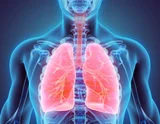
Respiratory Disorders
Respiratory system
The respiratory system is a combination of organs and tissues associated with breathing.
3,030

Respiratory Disorders
Sameer Pannag Ras Benefits, Dosage, Side Effects, Ingredients
Exploration of Sameer Pannag Ras Benefits, Dosage, Side Effects, Ingredients
2,281

Respiratory Disorders
How to Make Ginger Tea for Cough: Ayurvedic Recipes and Benefits
Exploration of Natural Ginger Tea Remedies for Cough Relief
8,947

Respiratory Disorders
Apamarga Kshara Uses: Comprehensive Guide for Health & Wellness
Discover apamarga kshara uses, benefits, and scientific insights. Learn how this Ayurvedic remedy supports health, backed by credible medical research.
3,131

Respiratory Disorders
Is Tea Good for Sore Throat: Ayurvedic Guide on Best Teas
Exploration of Ayurvedic and Herbal Teas for Sore Throat Relief
7,821

Respiratory Disorders
Tribhuvan Kirti Ras Benefits, Dosage, Ingredients, Side Effects
Exploration of Tribhuvan Kirti Ras Benefits, Dosage, Ingredients, Side Effects
4,575
Related consultations on the topic
Legal
Additional Documents
© 2024 Ask Ayurveda. All rights reserved.