Ask Ayurvedic doctor a question and get a consultation online on the problem of your concern in a free or paid mode. More than 2,000 experienced doctors work and wait for your questions on our site and help users to solve their health problems every day.
FREE! Ask Ayurvedic Doctors 24/7

 Fast responses
 1000+ verified doctors
Body DetoxEar, Nose, and Throat DisordersGeriatrics & RejuvenationImmunodeficiencyInfertility TreatmentNutritionOrthopedic DisordersPediatricsRespiratory DisordersSexually Transmitted Diseases (STDs)Surgery RecoveryUrological DisordersVascular DisordersDental DisordersEndocrinological DisordersGastrointestinal DisordersYoga TherapyGeneral MedicineAllergic DisordersCardio DisordersGynecology and ObstetricsCosmetologySkin and Hair DisordersEye DisordersInfectious DiseasesMental DisordersNeurological DisordersOncologyPanchakarmaSexual Health & DisordersSports Medicine
Published on 02/27/25
(Updated on 07/07/26)
4,902
Azoospermia Treatment in Ayurveda – Natural Solutions for Male Infertility
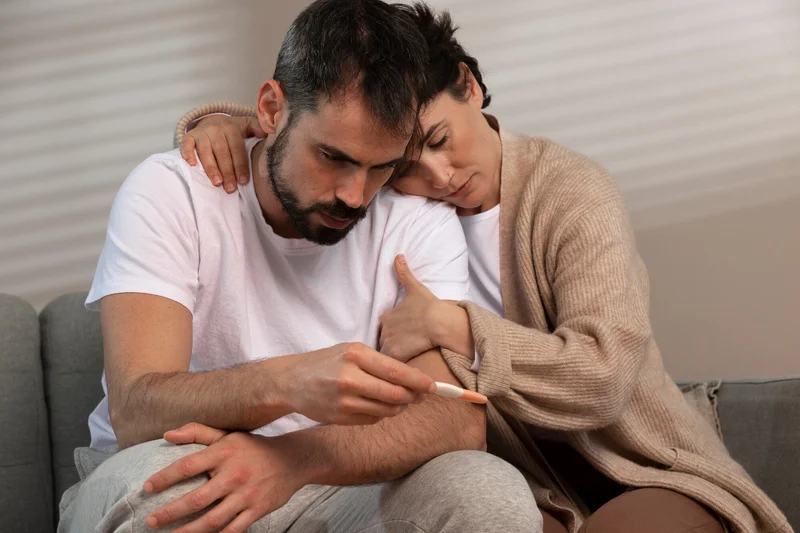
Azoospermia — the complete absence of sperm in the ejaculate — affects roughly 1% of all men and accounts for 10–15% of male infertility cases. If you've been diagnosed and are wondering whether Ayurveda can help, the short answer is: yes, documented case reports show that Ayurvedic protocols have restored sperm counts from zero to millions in select patients. A 2023 case report published in the Journal of Indian System of Medicine (LWW) documented a man's sperm concentration rising from 0 to 28 million/mL after six months of Vajikarana-based treatment. That said, outcomes depend heavily on the type and underlying cause of azoospermia, and not every case responds the same way.
This guide breaks down everything you need to know — from the Ayurvedic pathophysiology of nil sperm count to specific herbs, Panchakarma protocols, dietary changes, yoga practices, and realistic expectations. We've pulled data from published clinical case reports, classical Ayurvedic texts, and modern research to give you the most comprehensive resource available on this topic.
What Is Azoospermia and Why Does It Happen?
Azoospermia is diagnosed when a semen analysis — performed at least twice — reveals zero spermatozoa in the ejaculate. The World Health Organization (WHO) defines a normal sperm concentration as ≥15 million/mL, so azoospermia represents the extreme end of male factor infertility.
Types of Azoospermia
Understanding the classification is critical because it determines whether Ayurvedic treatment (or any treatment) is likely to succeed.
| Type | What's Happening | Common Causes | Ayurvedic Prognosis |
|---|---|---|---|
| Obstructive (OA) | Sperm production is normal, but a physical blockage prevents release | Vasectomy, infections (epididymitis), congenital absence of vas deferens, ejaculatory duct cysts | Moderate to good — Ayurveda can address inflammation and blockages through Basti and anti-inflammatory herbs |
| Non-Obstructive (NOA) | The testes fail to produce sperm adequately | Klinefelter syndrome, cryptorchidism, varicocele, hormonal imbalances, Y-chromosome microdeletions, chemotherapy damage | Variable — hormonal and idiopathic cases respond better; genetic causes are more challenging |
| Pre-testicular | Hormonal signals from the brain (hypothalamus/pituitary) are disrupted | Hypogonadotropic hypogonadism, pituitary tumors, anabolic steroid use | Good — Ayurvedic Rasayana and Vajikarana herbs can modulate the HPG axis |
Common Symptoms Beyond Infertility
Most men discover azoospermia only when they fail to conceive.
But there are often accompanying signs:
- Low libido or erectile dysfunction
- Reduced facial or body hair
- Gynecomastia (enlarged breast tissue)
- Small or undescended testicles
- Chronic fatigue and disturbed sleep
- Muscle mass loss or changes in body composition
- In the 2023 LWW case report mentioned earlier, the patient also presented with an Insomnia Severity Index of 18 and a Fatigue Severity Scale score of 45 — both of which improved dramatically (to 8 and 25, respectively) alongside the sperm count restoration.
- This tells us something important: azoospermia is often a systemic issue, not just a reproductive one.
How Azoospermia Is Diagnosed
Diagnosis typically involves:
- Semen analysis (minimum two samples, 2–3 weeks apart)
- Hormonal profiling — FSH, LH, testosterone, prolactin, estradiol
- Physical examination — testicular size, varicocele, vas deferens palpation
- Genetic testing — karyotype analysis, Y-chromosome microdeletion screening
- Scrotal ultrasound or testicular biopsy (when needed to differentiate OA from NOA)
An Ayurvedic physician (Vaidya) will also assess Prakriti (constitution), Agni (digestive fire), and the state of Shukra dhatu through pulse diagnosis (Nadi Pariksha) and detailed history-taking.
The Ayurvedic Understanding of Azoospermia: Shukra Kshaya and Dhatu Theory
Ayurveda doesn't just see azoospermia as "no sperm." It views it as a deep-seated depletion of the body's most refined tissue — Shukra dhatu (reproductive tissue). The condition is classically described as Shukra Kshaya or Ksheena Shukra in texts like Charaka Samhita, Sushruta Samhita, and Ashtanga Hridaya.
The Seven Dhatus and Why Shukra Is the Last
Ayurveda describes seven sequential tissues (Sapta Dhatu) that are nourished one after another through the process of Dhatu Parinamana (tissue transformation):
- Rasa (plasma) → 2. Rakta (blood) → 3. Mamsa (muscle) → 4. Meda (fat) → 5. Asthi (bone) → 6. Majja (marrow/nerve) → 7. Shukra (reproductive tissue)
Shukra is the final dhatu. This means it only receives nourishment after all six preceding tissues have been adequately fed. If Agni (digestive fire) is weak, or if Ama (metabolic toxins) accumulates at any level, the nutrient cascade breaks down before reaching Shukra. This is why Ayurveda treats azoospermia as a whole-body condition, not just a testicular problem.
The Role of Agni and Ama in Sperm Production
Here's where Ayurvedic pathophysiology gets genuinely insightful. Weak Jatharagni (primary digestive fire) leads to incomplete digestion, producing Ama — a sticky, toxic metabolic residue. This Ama circulates through the body and can obstruct the Srotas (channels), including Shukravaha Srotas (reproductive channels).
The result? Even if testicular tissue is potentially functional, the channels carrying nutrients to it — and sperm away from it — become blocked or impaired. This conceptual framework actually maps quite well onto modern understanding of inflammatory obstruction and oxidative stress damage to spermatogenesis.
Dosha-Specific Patterns of Azoospermia
Not all azoospermia presents the same way in Ayurveda. The dominant dosha imbalance shapes both the cause and the treatment approach:
Vata-Type Azoospermia
- Characteristics: Low semen volume, dryness, pain during ejaculation, anxiety, insomnia, variable libido
- Typical causes: Excessive physical exertion, stress, irregular diet, aging
- Treatment focus: Warm, nourishing therapies; oil-based Basti; Ashwagandha, Shatavari, ghee-based preparations
Pitta-Type Azoospermia
- Characteristics: Burning sensation during ejaculation, yellowish semen, inflammation, irritability, excessive heat
- Typical causes: Infections, chronic inflammation, alcohol, spicy foods, anger
- Treatment focus: Cooling herbs (Shatavari, Yashtimadhu, Chandana); Virechana; pitta-pacifying diet
Kapha-Type Azoospermia
- Characteristics: Thick but sperm-less semen, heaviness, obesity, lethargy, low libido
- Typical causes: Obesity, sedentary lifestyle, excess mucus, channel blockage
- Treatment focus: Stimulating herbs (Shilajit, Gokshura, Pippali); detoxification; weight management
Which Treatment Is Best for Azoospermia? Ayurveda vs. Modern Medicine
This is one of the most-asked questions, and it deserves an honest comparison.
| Parameter | Modern Medicine | Ayurveda |
|---|---|---|
| Primary approach | Surgical sperm retrieval (TESE, micro-TESE), hormonal therapy, IVF/ICSI | Vajikarana Chikitsa, Panchakarma, herbal formulations, diet & lifestyle |
| Invasiveness | High (surgery, hormone injections) | Low (oral medicines, external therapies) |
| Time to results | Immediate (sperm retrieval for IVF) vs. 3–6 months (hormonal therapy) | 3–9 months typically |
| Side effects | Surgical risks, hormonal side effects (mood swings, acne, fluid retention) | Minimal when prescribed by qualified Vaidya |
| Cost (India) | ₹1,50,000–₹5,00,000+ for micro-TESE + IVF cycle | ₹15,000–₹60,000 for 3–6 month protocol |
| Best suited for | Confirmed genetic azoospermia, failed conservative treatment, time-sensitive cases | Idiopathic NOA, hormonal imbalances, post-infectious obstruction, mild testicular failure |
| Natural conception possibility | Usually no (requires IVF/ICSI) | Yes, if sperm production is restored |
| Holistic benefits | Limited to reproductive outcome | Improves energy, sleep, immunity, mental health simultaneously |
Can You Combine Ayurveda with IVF?
Absolutely — and many couples do. Ayurvedic treatment can improve the quality of whatever sperm is retrieved surgically, potentially increasing IVF success rates. Some clinics in India now offer integrative protocols where Vajikarana therapy runs for 3 months before a planned micro-TESE procedure.
Ayurvedic Herbs and Formulations for Azoospermia Treatment
This is where we get specific. The following herbs have documented Shukrala (sperm-promoting), Vajikarana (aphrodisiac), and Rasayana (rejuvenative) properties in classical texts and, increasingly, in modern pharmacological research.
Key Single Herbs (Dravya)
| Herb | Sanskrit Name | Mechanism of Action | Suggested Dosage | Evidence |
|---|---|---|---|---|
| Ashwagandha (Withania somnifera) | Ashwagandha | Reduces cortisol and oxidative stress; improves testosterone, LH; enhances spermatogenesis | 500–600 mg standardized extract, twice daily | A 2013 study in Evidence-Based Complementary and Alternative Medicine showed 167% increase in sperm count in infertile men over 90 days |
| Kapikacchu (Mucuna pruriens) | Kapikacchu / Atmagupta | Contains L-DOPA; improves dopamine levels, testosterone, LH, FSH; reduces oxidative damage to sperm | 5 g seed powder or 500 mg extract, twice daily | Research published in Fertility and Sterility (2010) demonstrated significant improvement in sperm parameters |
| Gokshura (Tribulus terrestris) | Gokshura | Mild androgen-enhancing; improves libido and sperm motility; supports urinary tract health | 500 mg extract or 3–5 g powder, twice daily | Shown to increase DHEA and support testosterone in clinical settings |
| Safed Musli (Chlorophytum borivilianum) | Shweta Musli | Potent Vajikarana; rich in saponins; improves sperm count, motility, and semen volume | 500 mg–1 g, twice daily | Traditional use supported by animal studies showing spermatogenic recovery |
| Shatavari (Asparagus racemosus) | Shatavari | Nourishes Shukra dhatu; cools Pitta; adaptogenic; supports hormonal balance | 500 mg–1 g, twice daily | Used extensively in Vajikarana formulations per Charaka Samhita |
| Shilajit (Mineral pitch) | Shilajit | Rich in fulvic acid; enhances mitochondrial energy, testosterone; reduces oxidative stress | 250–500 mg purified Shilajit, twice daily | A 2010 study in Andrologia showed 61.4% increase in sperm count after 90 days |
| Amalaki (Emblica officinalis) | Amalaki | Powerful antioxidant; protects Shukra dhatu from oxidative damage; Rasayana | 500 mg–1 g, twice daily | Supports overall dhatu nourishment; part of Triphala and Chyawanprash |
Classical Compound Formulations
- Chyawanprash — The quintessential Rasayana; nourishes all seven dhatus sequentially
- Musli Pak — Safed Musli-based formulation specifically for Vajikarana
- Ashwagandhadi Churna — Classical combination for Vata-related depletion
- Phala Ghrita — Medicated ghee specifically indicated for reproductive disorders in Charaka Samhita
- Sukumara Kashayam — Used for clearing Shukravaha Srotas obstruction
- Dhatupaushtik Churna — Multi-herb combination targeting Shukra dhatu nourishment
> Important note: Dosages mentioned above are general guidelines from classical texts and published research. Individual prescriptions should always come from a qualified Ayurvedic practitioner (BAMS/MD Ayurveda) who can assess your specific Prakriti, Vikruti, and underlying pathology. Self-medication is discouraged.
Panchakarma Protocol for Azoospermia: Step-by-Step Detoxification
Panchakarma isn't just a "spa treatment" — it's a systematic bio-purification protocol that clears Ama from deep tissues and reopens blocked Srotas. For azoospermia, a carefully sequenced Panchakarma program can dramatically improve the effectiveness of subsequent Vajikarana therapy.
Phase 1: Purvakarma (Preparation) — Days 1–7
- Snehana (Internal oleation): Medicated ghee (often Phala Ghrita or Mahatiktaka Ghrita) in gradually increasing doses for 3–7 days. This softens Ama and prepares it for elimination.
- Abhyanga (External oleation): Full-body massage with Bala Taila or Ksheerabala Taila — nourishes Vata and supports reproductive tissues.
- Swedana (Sudation): Herbal steam therapy to open channels and mobilize toxins.
Phase 2: Pradhana Karma (Main Procedures) — Days 8–21
Virechana (Therapeutic Purgation)
Clears Pitta and removes Ama from the GI tract and liver. Especially important for Pitta-type azoospermia or when infections/inflammation are involved. Typically uses Trivrit lehya or Eranda taila (castor oil) based purgatives.
Basti (Medicated Enema) — The Most Critical Procedure
Basti is considered the most important Panchakarma for Vata disorders, and since Shukra Kshaya is primarily a Vata condition (depletion, dryness, obstruction), Basti is central to azoospermia treatment.
- Anuvasana Basti: Oil-based enema using Phala Ghrita, Bala Taila, or Ashwagandha Ghrita — deeply nourishing
- Niruha/Kashaya Basti: Decoction-based enema for cleansing — often uses Dashamoola kashaya
- Uttara Basti: A specialized procedure where medicated oil is administered through the urethral route — directly targets the reproductive system. This is specifically indicated in classical texts for Shukra-related disorders.
A typical Basti protocol alternates between Anuvasana and Niruha Basti over 8, 16, or 30 days (Yoga Basti, Kala Basti, or Karma Basti respectively).
Nasya (Nasal Administration)
Medicated oil administered through the nostrils — influences the hypothalamic-pituitary axis, which governs GnRH, FSH, and LH secretion. Anu Taila or Brahmi Ghrita Nasya can help restore hormonal signaling in pre-testicular azoospermia.
Phase 3: Paschat Karma (Post-Procedure Rejuvenation) — Days 22–30+
After purification, the body is exceptionally receptive to nourishment. This is when Vajikarana and Rasayana medicines are introduced for maximum absorption and efficacy. The patient follows a graded diet (Samsarjana Krama) to rebuild Agni before starting full herbal protocols.
Don't wait or self medicate. Start chat with Doctor NOW
How to Reverse Azoospermia Naturally: Diet, Lifestyle, and Yoga
Medicines and Panchakarma are only part of the equation. Classical Ayurveda places equal emphasis on Ahara (diet) and Vihara (lifestyle) — and honestly, ignoring these while taking herbs is like filling a leaky bucket.
Shukrala Diet: Foods That Nourish Reproductive Tissue
Foods to emphasize daily:
- Warm cow's milk with a pinch of saffron and a teaspoon of ghee (before bed)
- Almonds (soaked overnight, peeled) — 7–10 daily
- Dates and figs — 3–4 daily
- Urad dal (black gram) — the most Shukrala among pulses
- Sesame seeds and sesame oil
- Pomegranate and banana
- Honey (raw, unheated) as a Yogavahi (carrier)
- Ghee — liberally, unless Kapha is dominant
- White onion and garlic — specifically mentioned in Vajikarana texts
Foods to avoid or minimize:
- Excessively spicy, sour, and salty foods (aggravate Pitta, damage Shukra)
- Processed and packaged foods (high in preservatives that mimic endocrine disruptors)
- Alcohol and caffeine (directly toxic to spermatogenesis)
- Soy products in excess (phytoestrogens can interfere with testosterone)
- Cold foods and beverages (weaken Agni)
- Refined sugar and maida (white flour)
Daily Lifestyle Recommendations (Dinacharya)
- Sleep by 10 PM — Pitta kala (10 PM–2 AM) is when the body repairs and builds tissues
- Wake before 6 AM — Brahma muhurta optimizes hormonal rhythms
- Avoid excessive heat — hot tubs, saunas, tight underwear, laptops on lap (testicular temperature sensitivity is well-documented even in modern urology)
- Regular sexual activity but not excessive — Charaka Samhita advises moderation based on season and constitution
- Stress management — chronic stress elevates cortisol, directly suppresses GnRH and testosterone
- Avoid smoking and recreational drugs — these are classified as Shukra-hara (sperm-destroying) in Ayurvedic pharmacology
Yoga and Pranayama for Azoospermia
Specific asanas improve pelvic blood flow, reduce stress hormones, and support the endocrine system:
| Asana/Practice | How It Helps |
|---|---|
| Sarvangasana (Shoulder Stand) | Stimulates thyroid, improves hormonal cascade, increases blood flow to pelvic region upon release |
| Halasana (Plow Pose) | Stretches and stimulates the reproductive organs; calms the nervous system |
| Dhanurasana (Bow Pose) | Massages the abdominal organs, strengthens the lower back and pelvic floor |
| Paschimottanasana (Seated Forward Bend) | Directly compresses and stimulates the reproductive organs |
| Ashwini Mudra | Rhythmic contraction of the anal sphincter — strengthens pelvic floor and Apana Vayu (governs reproductive functions) |
| Bhastrika Pranayama | Energizing breath that improves oxygenation and metabolism |
| Nadi Shodhana (Alternate Nostril Breathing) | Balances sympathetic/parasympathetic nervous system; reduces cortisol |
| Meditation / Yoga Nidra | Proven to reduce stress hormones that suppress spermatogenesis |
Practice for 30–45 minutes daily. Ideally morning time, on an empty stomach.
Vajikarana Chikitsa: Ayurveda's Specialized Fertility Science
Vajikarana is not just "taking aphrodisiac herbs." It's one of the eight branches (Ashtanga) of Ayurveda — a fully systematized specialty dedicated to reproductive health, sexual vitality, and progeny. The word comes from Vaji (horse), signifying the virility and stamina this therapy aims to restore.
Principles from Classical Texts
Charaka Samhita (Chikitsa Sthana, Chapter 2) devotes an entire chapter to Vajikarana, emphasizing that it should be administered:
- Only after proper Shodhana (purification/Panchakarma)
- In a person who follows appropriate Ahara and Vihara
- Under the guidance of an experienced Vaidya
- With specific seasonal and constitutional considerations
Sushruta Samhita adds that Vajikarana herbs work at two levels: Shukra Janana (generating new sperm) and Shukra Pravartaka (promoting ejaculation of existing sperm). For azoospermia, Shukra Janana herbs are the primary focus. Ashtanga Hridaya further classifies reproductive disorders into Beejopaghata (damage to the seed/sperm itself), which closely maps to the modern concept of non-obstructive azoospermia.
A Typical 6-Month Vajikarana Protocol
Based on published case reports and classical guidelines, here's what a structured treatment plan might look like:
Month 1–2: Deepana-Pachana and Shodhana (Digestion correction & Purification)
- Agni-boosting herbs: Trikatu, Chitrakadi Vati
- Panchakarma: Virechana followed by Yoga Basti (8 days)
- Diet: Light, warm, freshly cooked meals
Month 3–4: Vajikarana Initiation
- Begin core herbs: Ashwagandha 500 mg BD, Kapikacchu 500 mg BD, Gokshura 500 mg BD
- Medicated ghee: Phala Ghrita 10 mL at bedtime with warm milk
- Shilajit 250 mg with milk, morning
- Continue supportive Basti (Kala Basti — 16 days if needed)
Month 5–6: Rasayana and Consolidation
- Continue Vajikarana herbs
- Add Rasayana: Chyawanprash 10 g daily, Amalaki 500 mg BD
- Musli Pak or Ashwagandhadi Lehya for sustained Shukra nourishment
- Repeat semen analysis at month 6
> This is a representative protocol. Your actual treatment will differ based on prakriti assessment, dosha imbalance, severity, and co-existing conditions.
Real Case Reports: Documented Azoospermia Reversal Through Ayurveda
Case 1: Zero to 28 Million/mL (Published in Journal of Indian System of Medicine, 2023)
- A male patient with non-obstructive azoospermia underwent a Vajikarana-based Ayurvedic protocol for 6 months.
- Results:
- Sperm concentration: 0 → 28 million/mL
- Progressive motility: 0 → 50%
- Normal morphology: 0 → 96%
- Insomnia Severity Index: 18 → 8
- Fatigue Severity Scale: 45 → 25
This peer-reviewed case study, published on the LWW (Lippincott Williams & Wilkins) academic platform, represents one of the strongest pieces of evidence for Ayurvedic management of azoospermia.
Case 2: From Zero to 20 Million (ResearchGate, 2024)
A case report titled "From Zero to Twenty Million: Successful Management of Azoospermia through Vajikarana Chikitsa" documented another successful reversal using a combination of classical Vajikarana formulations and Panchakarma procedures. The patient achieved natural conception following treatment.
Case 3: Multiple Published Case Studies (IJAPR, WJPMR, IJFMR)
Several additional case reports in journals like International Journal of Ayurveda and Pharma Research, World Journal of Pharmaceutical and Medical Research, and International Journal for Multidisciplinary Research have documented partial-to-complete restoration of spermatogenesis using Ayurvedic approaches. Most involve 4–9 month treatment durations.
What the evidence tells us: Ayurvedic treatment appears most effective for idiopathic non-obstructive azoospermia and hormonal/pre-testicular azoospermia. Cases with confirmed genetic abnormalities (like complete AZFa or AZFb microdeletions on the Y chromosome) have poorer prognosis with any treatment, including Ayurveda.
What Is the Best Ayurvedic Treatment for Male Infertility?
Male infertility isn't always azoospermia — it includes oligospermia (low count), asthenospermia (poor motility), and teratospermia (abnormal morphology). The good news is that Vajikarana Chikitsa addresses all these parameters simultaneously because it works on the fundamental level of Shukra dhatu quality.
The "best" treatment depends on:
- 1.Underlying cause — hormonal, obstructive, genetic, lifestyle-related
- 2.Dosha imbalance — determines herb selection
- 3.Agni status — Panchakarma may be needed before herbs can work
- 4.Duration of infertility — longer durations may need more intensive protocols
- 5.Age — men under 40 generally respond better
- 6.Willingness to commit — Ayurveda requires 3–9 months of disciplined adherence
For most cases of male infertility (not just azoospermia), a combination of Panchakarma purification + Vajikarana herbs + Shukrala diet + Yoga constitutes the most comprehensive approach.
Frequently Asked Questions
How long does Ayurvedic treatment for azoospermia take?
- Most published case reports show results between 3–6 months, though some complex cases require up to 9–12 months. Spermatogenesis itself takes approximately 74 days for one complete cycle, so a minimum of 3 months is biologically necessary to see changes in sperm production.
- Patience is not optional here — it's built into the biology.
Can homeopathy cure azoospermia?
While some homeopathic practitioners claim success with azoospermia, there is significantly less published clinical evidence compared to Ayurveda. The Ayurvedic approach has the advantage of multiple peer-reviewed case reports, a systematized specialty (Vajikarana), and specific protocols for reproductive tissue regeneration. That said, both systems emphasize individualized treatment, and what works for one patient may not work for another.
Can I take Ayurvedic medicines while undergoing IVF or ICSI?
Yes, many reproductive medicine specialists in India are open to integrative approaches. Ayurvedic herbs like Ashwagandha and Shilajit can improve sperm quality even in cases where sperm is retrieved surgically for ICSI. However, always inform both your Ayurvedic doctor and fertility specialist about all medications to avoid interactions.
Are there any age limitations for Vajikarana therapy?
Classical texts recommend Vajikarana for men between ages 16–70, though realistically, men between 25–45 show the best response. After 50, the natural decline in Shukra dhatu capacity means results take longer and may be less dramatic. There is no strict upper age cutoff if overall health is reasonable.
What if my azoospermia is caused by Klinefelter syndrome or genetic factors?
Genetic causes are the most challenging for any system of medicine, including Ayurveda. Complete absence of certain gene regions (like AZFa) means the biological machinery for sperm production is missing. In such cases, Ayurveda can still improve general hormonal health, libido, energy, and quality of life — but expecting full spermatogenesis restoration would be unrealistic. Partial improvements are possible in some genetic conditions (e.g., AZFc microdeletions, mosaic Klinefelter).
Are there side effects of Ayurvedic treatment for azoospermia?
When prescribed by a qualified BAMS or MD (Ayurveda) practitioner, side effects are rare. Some patients may experience mild digestive changes when starting Panchakarma or new herbs. Shilajit can occasionally cause mild warmth or acidity in Pitta-predominant individuals. The key is proper Prakriti assessment and gradual dose escalation.
Take the First Step Toward Natural Fertility Restoration
- Azoospermia is a daunting diagnosis, but it doesn't have to be a final verdict.
- The published evidence — from case reports in peer-reviewed journals to thousands of years of classical Ayurvedic wisdom — shows that many cases of nil sperm count can be improved or reversed through systematic Vajikarana Chikitsa, Panchakarma, and dedicated lifestyle changes.
The most important thing is to get a proper evaluation from both a modern urologist/andrologist (to clarify the type and cause) and a qualified Ayurvedic practitioner (to design a personalized protocol). Combining diagnostic precision with holistic treatment gives you the best chance.
Don't wait. Spermatogenesis declines with age, and the earlier you begin treatment, the better your prospects. Whether you pursue Ayurveda alone or integrate it with assisted reproduction, giving your body the support it needs to produce healthy sperm is never a wasted effort.
Scientific Sources
- Ayurveda for Animals — Dohmen L, 2025, The Veterinary clinics of North America. Small animal practice
- Botanical drugs in Ayurveda and Traditional Chinese Medicine — Jaiswal Y et al., 2016, Journal of ethnopharmacology
- Ayurvedic plumbism — Sadler M et al., 2017, Internal medicine journal
- Cancer--an ayurvedic perspective — Balachandran P et al., 2005, Pharmacological research
- Traditional Chinese Medicine and Traditional Indonesian Medicine: A Comparative Review of Herbal Medicines Restricted in Pregnancy — Jun P et al., 2021, Chinese journal of integrative medicine
Questions from users
Is it safe to use Ayurvedic supplements during IVF treatments?
Millie
6 days ago
It is crucial to consult your fertility specialist before using Ayurvedic supplements during IVF treatments. IVF is a sensitive process that can be affected by various factors, including supplement interactions. Some Ayurvedic herbs may interact with medications or have side effects that could impact hormone levels or uterine lining, potentially affecting the IVF process. While some claim benefits in improving reproductive health, scientific evidence is limited and varies. Always coordinate with your doctor to ensure safety and compatibility with your IVF protocol.
What is Vajikarana therapy and how does it help with male infertility?
Xander
15 days ago
Vajikarana therapy is an ancient Ayurvedic treatment focusing on improving sexual vitality and fertility, especially in men. It involves using specific herbs, like Ashwagandha and Shatavari, to balance doshas, boost stamina and improve shukra dhatu. Helping with male infertility by addressing root causes like stress or poor nourishment. It's kinda holistic.
Can Ayurveda help in treating male infertility caused by stress and anxiety?
Uriah
32 days ago
Yes, Ayurveda can help with male infertility caused by stress and anxiety. Stress can imbalance Vata dosha, affecting Shukra dhatu (reproductive tissue). Incorporating Ashwagandha or Brahmi might be helpful, as well as stress-reducing practices like meditation. Tailoring a plan with an Ayurvedic doctor would be ideal!
What is the importance of hormonal balance for male fertility in Ayurvedic medicine?
Lillian
42 days ago
Hormonal balance is super important in Ayurveda for male fertility because it helps maintain healthy Shukra Dhatu, which is linked to reproductive health. Vata imbalance can mess with this by causing poor circulation and hormonal issues. Good herbs and food choices can help balance this, but it's best to consult with an Ayurvedic practitioner for personalized advice!
Can Ayurveda be used to prevent azoospermia before it occurs?
Lillian
51 days ago
Ayurveda can help maintain reproductive health, potentially preventing issues like azoospermia. Balancing the doshas, especially Vata and Pitta, supports the Shukra Dhatu (reproductive tissues). Focus on a nourishing diet, regular exercise, herbs like Ashwagandha and Shatavari, and reduce stress! But, always consult with a qualified Ayurvedic practitioner for personalized advice.
What is the role of Ashwagandha in boosting male fertility according to Ayurveda?
Meredith
61 days ago
Ashwagandha is great for boosting male fertility in Ayurveda by improving sperm count, motility, and overall vitality. It's also known for reducing stress, which is a factor in fertility issues. It's not a magic fix, but part of a holistic approach, you know, with diet and lifestyle being equally important.
Can Ayurvedic detox programs like Panchakarma improve male fertility?
Samuel
70 days ago
Yeah totally, Panchakarma can help with male fertility by cleansing toxins (ama) which can improve dosha balance and the quality of Shukra Dhatu, that's crucial for sperm health. Along with Panchakarma, consider diet changes, stress management, and avoiding toxins like alcohol or tobacco. Make sure to check with a certified practitioner for personalized advice!
What is Shukra Dhatu and why is it important for male reproductive health in Ayurveda?
Lila
80 days ago
Shukra Dhatu is one of the seven dhatus (tissues) in Ayurveda, linked to reproductive health and vitality. It's crucial because it nourishes and supports the male reproductive system, influencing semen quality and strength. When Shukra is balanced and healthy, it means good reproductive health, vitality, and overall strength. If its imbalanced, it can lead to issues like decreased fertility or vitality. To boost Shukra, Ayurveda recommends a balanced diet, and herbs like Ashwagandha, and lifestyle changes that suit your dosha.
Is it safe to combine Ayurvedic remedies with conventional treatments for azoospermia?
Vada
89 days ago
Combining Ayurvedic remedies with conventional treatments for azoospermia can be safe, but it's super important to do this under the guidance of both an Ayurvedic practitioner and a medical doctor. They can help ensure everything is working together smoothly. Keep an open convo with both to manage doshas and maintain balance, you know?
Can a vegetarian diet support Ayurvedic treatments for improving male fertility?
Ellie
99 days ago
Definitely, a vegetarian diet can support Ayurvedic treatments for male fertility! Including foods like whole grains, nuts, seeds, and fresh fruits helps nourish Shukra Dhatu, enhancing sperm quality. Also, herbs like Shatavari and Ashwagandha are beneficial. Just be sure to balance your doshas too, especially your Vata and Pitta.
Related articles

Sexual Health & Disorders
Flavoured Condoms Side Effects: Ayurvedic Insight on Safety
Discover the potential side effects of flavoured condoms, including allergies, irritation, and intimate discomfort. Learn Ayurvedic views and safer alternatives
13,777

Sexual Health & Disorders
Does Garlic Increase Testosterone: Ayurvedic Insights for Men
Does garlic increase testosterone? Discover how garlic benefits male hormones, energy, and vitality. Learn Ayurvedic views and when to eat garlic for best results
16,539

Sexual Health & Disorders
What Is Viagra? Uses, Effects, and Ayurvedic View on Sexual Health
What is Viagra? Explore the meaning, common uses, side effects of sildenafil tablets, and Ayurvedic perspectives on natural sexual wellness support
3,672

Sexual Health & Disorders
Himplasia Tablet
Exploration of Himplasia Tablet
3,189

Sexual Health & Disorders
Tentex Royal vs Tentex Forte: Which Ayurvedic Formula Works Better?
Tentex Royal vs Tentex Forte — which is better? Compare their benefits, uses, reaction time, ingredients, and side effects. Choose the best Ayurvedic option
17,880

Sexual Health & Disorders
Tentex Forte Tablet
Exploration of Tentex Forte Tablet
15,776

Sexual Health & Disorders
Tentex Royal Capsule
Exploration of Tentex Royal Capsule
3,619

Sexual Health & Disorders
Vigomax Forte Tablet
Exploration of Vigomax Forte Tablet
3,436

Sexual Health & Disorders
Does Masturbation Decrease Stamina? Myths, Truths, and Ayurvedic View
Does masturbation decrease stamina? Learn its real effects on physical and sexual energy, side effects, and how Ayurveda views masturbation and vitality
7,984
Related consultations on the topic
Legal
Additional Documents
© 2024 Ask Ayurveda. All rights reserved.