Ask Ayurvedic doctor a question and get a consultation online on the problem of your concern in a free or paid mode. More than 2,000 experienced doctors work and wait for your questions on our site and help users to solve their health problems every day.
FREE! Ask Ayurvedic Doctors 24/7

 Fast responses
 1000+ verified doctors
Body DetoxEar, Nose, and Throat DisordersGeriatrics & RejuvenationImmunodeficiencyInfertility TreatmentNutritionOrthopedic DisordersPediatricsRespiratory DisordersSexually Transmitted Diseases (STDs)Surgery RecoveryUrological DisordersVascular DisordersDental DisordersEndocrinological DisordersGastrointestinal DisordersYoga TherapyGeneral MedicineAllergic DisordersCardio DisordersGynecology and ObstetricsCosmetologySkin and Hair DisordersEye DisordersInfectious DiseasesMental DisordersNeurological DisordersOncologyPanchakarmaSexual Health & DisordersSports Medicine
Published on 03/12/25
(Updated on 07/08/26)
4,115
Ayurvedic Medicine for Blood Clots: A Science-Based Overview
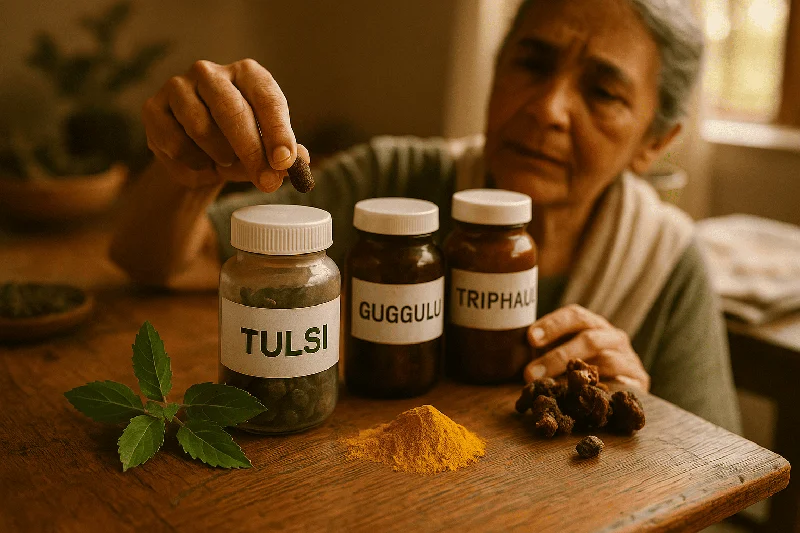
- Blood clots can be life-threatening — and if you're looking for ayurvedic medicine for blood clots, you likely want answers that are both natural and grounded in real evidence.
- Here's the short version: Ayurveda offers several well-documented herbs and formulations — including Turmeric (Haridra), Guggulu, Brahmi, and specialized Panchakarma therapies — that support healthy circulation and may help prevent abnormal clot formation. However, blood clots are a medical emergency, and ayurvedic treatment works best as a complementary approach alongside proper medical supervision.
Now, let's go deep into everything you need to know — from the Ayurvedic understanding of clot formation through doshas, to specific herbs, dosages, diet, yoga, and when to absolutely see a doctor.
What Are Blood Clots and Why Should You Care?
A blood clot (thrombus) is a semi-solid mass of blood cells, fibrin, and platelets that forms inside a blood vessel. Under normal circumstances, clotting is a protective mechanism — it stops bleeding when you get a cut. The problem starts when clots form inside your veins or arteries without an injury, partially or fully blocking blood flow.
According to the U.S. Centers for Disease Control and Prevention (CDC), venous thromboembolism (VTE) — which includes deep vein thrombosis (DVT) and pulmonary embolism (PE) — affects approximately 900,000 Americans every year. In India, studies suggest the incidence of DVT ranges from 17.4 to 48.3 per 100,000 population, though underreporting is a significant issue.
How Blood Clots Form (Pathophysiology)
The clotting process involves a cascade of reactions. When a blood vessel is damaged, platelets rush to the site and stick together. Simultaneously, clotting factors in your blood activate a chain reaction that converts prothrombin into thrombin, which then converts fibrinogen into fibrin threads. These fibrin threads weave through the platelet plug to form a stable clot.
Trouble arises when elevated cholesterol, chronic inflammation, or endothelial damage triggers this cascade inappropriately. High levels of inflammatory markers like C-reactive protein (CRP) can activate prothrombotic pathways even without vessel injury. That's the root mechanism behind most pathological clots.
Types of Blood Clots: Arterial vs Venous Thrombosis
Not all clots are the same. Understanding the difference matters for treatment.
| Feature | Arterial Thrombosis | Venous Thrombosis |
|---|---|---|
| Location | Arteries (heart, brain) | Veins (legs, pelvis, lungs) |
| Common conditions | Heart attack, stroke | DVT, pulmonary embolism |
| Main cause | Atherosclerosis, plaque rupture | Slow blood flow, hypercoagulability |
| Clot composition | Platelet-rich ("white clot") | Fibrin-rich ("red clot") |
| Conventional treatment | Antiplatelet drugs (aspirin) | Anticoagulants (heparin, warfarin) |
Deep Vein Thrombosis (DVT) and Pulmonary Embolism
DVT occurs when a clot forms in the deep veins, usually in the legs. If a piece of this clot breaks off and travels to the lungs, it becomes a pulmonary embolism — a potentially fatal condition. Symptoms of PE include sudden shortness of breath, chest pain, and coughing up blood. This is a medical emergency. No herb can replace emergency care in this situation.
Causes and Risk Factors for Blood Clots
Medical and Lifestyle Risk Factors
- Prolonged immobility — long flights, bed rest after surgery, desk jobs
- Obesity — BMI above 30 increases clotting risk significantly
- Smoking — damages blood vessel linings and promotes clot formation
- Recent surgery — especially orthopedic procedures (hip/knee replacement)
- Cancer and chemotherapy — certain cancers increase blood coagulability
- COVID-19 — a 2021 study in Thrombosis Research found that up to 31% of ICU patients with COVID-19 developed thrombotic complications
- Sedentary lifestyle — reduced muscle pump activity slows venous return
Genetic and Hormonal Factors
Factor V Leiden mutation is the most common inherited thrombophilia, present in about 5% of Caucasian populations. Hormonal contraceptives and hormone replacement therapy (HRT) also elevate risk — combined oral contraceptives increase VTE risk 3-4 fold. Pregnancy is another significant factor due to increased estrogen and pressure on pelvic veins.
Symptoms of Blood Clots by Location
Recognizing symptoms early can literaly save your life.
Here's what to watch for:
Blood Clots in the Legs and Arms
- Swelling in one leg (or arm), often sudden
- Pain or tenderness, especially when standing or walking
- Warm skin over the affected area
- Red or discolored skin
- Visible surface veins becoming more prominent
Blood Clots in the Lungs, Brain, and Abdomen
- Lungs (PE): Sudden shortness of breath, sharp chest pain that worsens with breathing, rapid heart rate, coughing up blood
- Brain (stroke): Sudden numbness on one side, confusion, trouble speaking, severe headache, vision problems
- Abdomen: Severe abdominal pain, nausea, vomiting, bloating — often misdiagnosed as other GI conditions
- Heart: Chest heaviness, pain radiating to jaw or left arm, sweating, nausea
If you experience any of these symptoms, seek emergency medical care immediately. Do not attempt to treat acute clots with herbs alone.
Ayurvedic Understanding of Blood Clots Through Doshas
This is where most online resources fall short. None of the top-ranking articles currently provide a thorough Ayurvedic pathophysiology of thrombosis. Let's change that.
Raktadhatu, Doshas, and the Mechanism of Clotting in Ayurveda
- In Ayurveda, blood clots are understood through the concept of Raktadhatu (blood tissue) vitiation.
- The classical texts — Charaka Samhita, Sushruta Samhita, and Ashtanga Hridayam — describe conditions analogous to thrombosis under terms like Raktavrita Vata (Vata obstructed by vitiated blood) and Siragranthi (venous nodular formation, referenced in Sushruta Samhita, Nidana Sthana).
Here's how the three doshas contribute:
- Vata (Vyana Vayu specifically) — governs circulation. When Vyana Vayu is disturbed, blood flow becomes irregular or sluggish. This is the Ayurvedic equivalent of Virchow's "stasis" factor.
- Pitta (Ranjaka Pitta) — governs the quality and composition of blood. Aggravated Pitta creates excessive heat and inflammation in the blood, leading to what Ayurveda calls Saama Rakta — blood laden with toxins (Ama). This parallels the modern understanding of inflammatory-driven coagulation.
- Kapha — governs viscosity and cohesion. Excess Kapha increases blood viscosity and promotes stagnation — think of it as the "thickness" component that makes clots more likely.
The concept of Ama (metabolic toxins) is central here. When Agni (digestive fire) is impaired, Ama accumulates in Raktadhatu, creating a sticky, pro-coagulant environment. This is remarkably similar to how modern medicine describes the role of oxidized LDL and inflammatory cytokines in thrombosis.
Differential Approach by Prakriti (Body Constitution)
Ayurveda never prescribes a one-size-fits-all solution.
Your Prakriti matters:
| Prakriti | Primary Risk Pattern | Preferred Herbs | Panchakarma Focus |
|---|---|---|---|
| Vata type | Poor circulation, dryness of vessels, stasis from immobility | Ashwagandha, Guggulu, Eranda (castor oil) | Basti (medicated enemas), Abhyanga |
| Pitta type | Inflammatory blood, hypercoagulability from heat | Guduchi, Shatavari, Haridra (Turmeric) | Virechana (therapeutic purgation), Raktamokshana |
| Kapha type | Thick, viscous blood; high cholesterol; sluggish flow | Trikatu, Guggulu, Punarnava | Vamana (emesis), Udvartana (dry powder massage) |
Top Ayurvedic Medicines and Herbs for Blood Clots
Now, the part you've been waiting for. Let's look at specific herbs and formulations with actual evidence behind them.
Turmeric (Haridra / Curcuma longa)
Curcumin, the active compound in turmeric, is probably the most well-studied natural anticoagulant. A 2012 study published in BMB Reports found that curcumin inhibits thrombin and Factor Xa activity, key enzymes in the coagulation cascade. Another study in Phytomedicine (2019) showed curcumin modulates platelet aggregation through COX-1 inhibition — similar to aspirin's mechanism but gentler.
Suggested use: 500 mg standardized curcumin extract twice daily with black pepper (Piperine) for enhanced bioavailability. Consult your doctor if on warfarin.
Guggulu (Commiphora mukul)
Guggulu has been used in Ayurveda for centuries for Medoroga (lipid disorders) and circulatory conditions. Research published in Journal of Medicinal Food (2009) demonstrated that guggulsterones lower LDL cholesterol and inhibit platelet aggregation. It also reduces CRP levels, tackling the inflammatory component of thrombosis.
Key formulation: Triphala Guggulu, Kaishore Guggulu — both widely available and used traditionally for blood purification.
Brahmi (Bacopa monnieri)
Brahmi isn't just a brain tonic. A 2018 study in Biomedicine & Pharmacotherapy showed that Bacopa monnieri extracts exhibit significant fibrinolytic activity — meaning they help break down existing clots. Its antioxidant properties also protect vascular endothelium from damage.
Guduchi (Tinospora cordifolia)
Guduchi, often called "Amrita" (nectar), is one of Ayurveda's most versatile herbs. It has demonstrated anti-inflammatory and immunomodulatory effects that help reduce Saama Rakta. A 2017 study in Indian Journal of Pharmacology confirmed its role in reducing inflammatory markers that contribute to clot formation.
Sarpagandha Ghan Vati (Rauwolfia serpentina)
This is a more specialized preparation. Sarpagandha contains the alkaloid reserpine, which has documented antihypertensive and mild anticoagulant properties. A 2020 study highlighted its interaction with the endocannabinoid system (ECS), which regulates vascular tone and platelet function. Use only under professional supervison due to its potent effects on blood pressure.
Other Notable Herbs and Formulations
- Neem (Azadirachta indica) — blood purifier with demonstrated antiplatelet activity (2016, Journal of Ethnopharmacology)
- Tulsi (Ocimum sanctum) — a 2014 study in EXCLI Journal showed eugenol in Tulsi inhibits platelet aggregation
- Dhamasa (Fagonia cretica) — traditionally used as a blood thinner in Unani and Ayurveda; limited but promising preclinical data
- Punarnava (Boerhavia diffusa) — reduces Kapha-related fluid retention and supports venous return
- Vijaya (Cannabis sativa) — emerging research suggests cannabinoids may have anticoagulant and antihypertensive properties, though legal restrictions apply in many Indian states
Clinical Ayurvedic Formulations Used in DVT Treatment
From documented clinical cases (notably from Ayurvedic hospitals in Kerala), the following formulations have been used with reported success:
| Formulation | Action | Usage Context |
|---|---|---|
| Chirabilwadi Kashayam | Reduces swelling, improves venous circulation | DVT with edema |
| Guduchyadi Kashaya | Anti-inflammatory, blood purification | Inflammatory thrombosis |
| Guggulu Panchapala Choorna | Lipid management, anticoagulant support | Chronic venous insufficiency |
| Gokshura Punarnavadi Kashaya | Diuretic, reduces venous congestion | DVT with fluid retention |
| Drakshadi Panam | Pitta pacification, blood nourishment | Post-acute phase recovery |
| Dhanwantharam Tailam (external) | Improves local circulation | Massage for affected limbs |
| Sahacharadi Tailam (external) | Vata pacification, reduces pain and stiffness | DVT with Vata predominance |
A published case study from an Ayurvedic hospital in Kerala documented a DVT patient treated with Panchakarma and these formulations. After 15 days, swelling reduced by approximately 60%, and by one month, the patient regained near-normal mobility with measurable improvement in Doppler ultrasound findings.
Don't wait or self medicate. Start chat with Doctor NOW
Panchakarma as a Systematic Approach to Blood Clots
Panchakarma isn't a single treatment — it's a comprehensive detoxification system. For thrombosis and circulatory disorders, specific procedures are indicated:
Virechana (Therapeutic Purgation)
Indicated primarily for Pitta-type thrombosis with inflammatory blood. Virechana eliminates excess Pitta and Ama from the blood through the GI tract. Typically performed after a preparation phase (Snehana and Swedana) lasting 3-7 days.
Basti (Medicated Enemas)
The cornerstone of Vata management. For Vata-driven circulatory stasis, Anuvasana Basti (oil enema) with Dhanwantharam Tailam and Kashaya Basti (decoction enema) with Dashmoola are commonly used. Basti helps regulate Vyana Vayu and restore normal circulation patterns.
Raktamokshana / Siravedam (Therapeutic Bloodletting)
This is a classical Ayurvedic procedure described extensively in Sushruta Samhita. Siravedam (venipuncture-based bloodletting) was historically used for conditions involving vitiated blood. While it sounds radical, the concept shares principles with modern therapeutic phlebotomy used in polycythemia vera. It's performed only by trained Ayurvedic surgeons in clinical settings.
Important: Panchakarma for thrombotic conditions should only be performed in a reputable clinical facility with qualified Ayurvedic physicians. Never attempt these procedures based on internet information alone.
Ayurvedic Diet (Aahar) for Blood Clot Prevention
- Diet is medicine in Ayurveda. No supplement can overcome a poor diet.
- Here's what to include — and what to avoid.
Foods That Support Healthy Circulation
- Garlic — raw garlic contains allicin, a potent natural antiplatelet agent. A 2007 meta-analysis in Molecular Nutrition & Food Research confirmed its anticoagulant properties
- Ginger — gingerols inhibit thromboxane synthesis; use fresh ginger in cooking daily
- Leafy greens — despite containing vitamin K (which supports clotting), moderate intake provides antioxidants that protect vessels. Don't avoid them entirely unless instructed by your doctor
- Omega-3 rich foods — flaxseeds, walnuts, fish oil reduce inflammatory markers
- Pomegranate — rich in polyphenols with demonstrated antiplatelet effects
- Warm spices — cumin, coriander, fennel, black pepper, long pepper (Pippali) — improve Agni and reduce Ama
Foods to Reduce or Avoid
- Excessive dairy products (increases Kapha and blood viscosity)
- Deep-fried foods (promotes Ama and oxidized lipids)
- Refined sugar and processed carbs (triggers inflammation)
- Excessive red meat (increases homocysteine levels)
- Cold, heavy, stale food (weakens Agni, increases Ama)
- Excessive salt (contributes to fluid retention and hypertension)
Seasonal Diet Adjustments (Ritucharya)
Ayurveda recognizes that thrombosis risk varies with seasons — a factor no competing article addresses:
- Winter (Hemanta/Shishira) — Kapha accumulates; blood becomes more viscous. Increase warming spices, Trikatu, and warm water intake
- Summer (Grishma) — dehydration thickens blood. Prioritize hydration with cooling beverages like Draksha (grape) water and coconut water
- Monsoon (Varsha) — Vata aggravation impairs circulation. Include light, warm, freshly cooked meals. Avoid raw salads
- Autumn (Sharad) — Pitta peaks; inflammatory clotting risk highest. Use Guduchi, Amalaki, and Pitta-pacifying foods
Yoga and Pranayama for Blood Clot Prevention
Movement is perhaps the single most important preventive measure.
Here are specific practices:
Recommended Asanas
- Viparita Karani (Legs Up the Wall) — promotes venous return from legs; hold for 5-10 minutes daily
- Sarvangasana (Shoulder Stand) — improves overall venous drainage (avoid if you have uncontrolled hypertension)
- Pawanmuktasana series — joint rotations that activate the muscle pump in legs and arms
- Trikonasana (Triangle Pose) — opens up the pelvic region and improves lower limb circulation
- Supta Padangusthasana — stretches deep leg muscles and promotes blood flow
- Surya Namaskar — the ultimate full-body circulatory workout; 6-12 rounds daily
Pranayama Techniques
- Nadi Shodhana (Alternate Nostril Breathing) — balances Vata and Pitta, reduces sympathetic overdrive that promotes clotting; 10-15 minutes daily
- Bhramari (Humming Bee Breath) — reduces stress hormones (cortisol increases clotting tendency)
- Kapalabhati — stimulates abdominal circulation and improves venous return (avoid in acute DVT or PE)
Lifestyle Practices (Dinacharya and Vihar) for Prevention
Daily Regimen (Dinacharya)
- Abhyanga (self-oil massage) — daily warm sesame oil massage improves peripheral circulation. For Kapha types, use mustard oil. For Pitta types, use coconut oil
- Warm water intake — drink warm water throughout the day; cold water increases Kapha and sluggishes circulation
- Avoid prolonged sitting — take a 5-minute walk every 30-45 minutes. Simple calf raises at your desk help activate the venous muscle pump
- Early morning walk — 20-30 minutes of brisk walking before breakfast
- Avoid sleeping during the day — daytime sleep aggravates Kapha and promotes stasis
Comparing Allopathic vs Ayurvedic Approach: Side Effects
This comparison helps you make an informed choice:
| Parameter | Allopathic Anticoagulants | Ayurvedic Approach |
|---|---|---|
| Speed of action | Rapid (hours) | Gradual (weeks to months) |
| Use in emergencies | Essential and life-saving | Not appropriate for acute emergencies |
| Common side effects | Bleeding risk, bruising, GI upset, hair loss (warfarin), thrombocytopenia (heparin) | Generally mild; occasional GI discomfort |
| Long-term safety | Requires regular INR monitoring, diet restrictions | Considered safer for long-term use with supervision |
| Drug interactions | Numerous and potentially dangerous | Fewer documented, but caution with anticoagulant herbs + medications |
| Holistic benefit | Targets specific clotting mechanism | Addresses root cause (Ama, dosha imbalance, Agni) |
| Cost | Moderate to high (ongoing lab tests) | Generally lower |
Drug Interactions: Ayurvedic Herbs with Allopathic Anticoagulants
This is critically important and rarely discussed. If you're already on blood thinners, adding ayurvedic anticoagulant herbs without guidance can be dangerous.
- Turmeric + Warfarin — curcumin may potentiate warfarin's effect, increasing bleeding risk. A case report in American Journal of Health-System Pharmacy (2015) documented this interaction
- Garlic + Aspirin/Clopidogrel — additive antiplatelet effect; may cause excessive bleeding
- Guggulu + Statins — may enhance lipid-lowering effect; requires dose adjustment
- Sarpagandha + Antihypertensives — can cause dangerous hypotension
Rule of thumb: Always inform both your allopathic doctor and Ayurvedic practitioner about all medications and supplements you are taking. Never stop prescribed anticoagulants abruptly to switch to herbal alternatives.
Dosage Guide for Key Ayurvedic Blood Clot Herbs
- No competing article currently provides a consolidated dosage table.
- Here's a practical reference — but remember, individual dosages should be confirmed with your Ayurvedic practitioner based on your Prakriti, Vikriti, and current medications.
| Herb/Formulation | Standard Dosage | Timing | Duration | Notes |
|---|---|---|---|---|
| Turmeric (Curcumin extract) | 500 mg twice daily | After meals | 3-6 months | Take with Piperine (black pepper) |
| Guggulu preparations | 250-500 mg twice daily | After meals | 2-3 months, then reassess | Avoid in pregnancy |
| Brahmi | 300-450 mg daily | Morning, empty stomach | Ongoing | Safe for long-term use |
| Guduchi | 500 mg twice daily | Before meals | 1-3 months | Can use as Kashayam or tablets |
| Sarpagandha Ghan Vati | 250 mg once daily | Bedtime | As prescribed | Only under doctor's supervision |
| Triphala | 3-5 gm at bedtime | With warm water | Ongoing | Supports Agni and Ama removal |
| Chirabilwadi Kashayam | 15-20 ml twice daily | Before meals, warm | As prescribed | Specific to DVT management |
| Ashwagandha | 300-600 mg daily | With warm milk | 2-3 months | Good for Vata types |
Prognosis and Timeline: What to Expect from Ayurvedic Treatment
Patients often ask — how long does ayurvedic treatment take for blood clots?
Here's a realistic timeline:
- Week 1-2: Reduction in mild symptoms like heaviness, slight swelling improvement (with Panchakarma)
- Week 2-4: Noticeable decrease in swelling and pain; improved mobility
- Month 1-3: Significant improvement in circulation markers; reduced inflammatory markers on blood tests
- Month 3-6: Sustained improvement; focus shifts to prevention and maintenance
- 6 months+: Long-term preventive regimen with diet, lifestyle, and minimal herbal supplementation
For chronic conditions like post-thrombotic syndrome, treatment may take 6-12 months for meaningful results. Acute blood clots require conventional medical treatment first — Ayurveda supports recovery and prevents recurrence.
Frequently Asked Questions (FAQ)
Which medicine is best for removing blood clots?
For acute, life-threatening clots, allopathic medicines like heparin, warfarin, and thrombolytic agents (tPA) are the gold standard. For prevention and long-term management, ayurvedic medicines like Turmeric (Curcumin), Guggulu, and formulations like Chirabilwadi Kashayam offer evidence-backed support. The "best" medicine depends on whether you're dealing with an emergency or a chronic condition.
What stops blood clots naturally?
Regular physical activity, adequate hydration, anti-inflammatory diet rich in garlic, ginger, and turmeric, maintaining a healthy weight, and avoiding prolonged immobility are the most effective natural strategies. Specific ayurvedic herbs like Brahmi and Guduchi also support the body's natural fibrinolytic system.
Which are the natural blood thinners in Ayurveda?
- The most well-documented natural blood thinners in Ayurveda include Haridra (Turmeric), Lasuna (Garlic), Ardraka (Ginger), Guggulu, Brahmi, and Neem. Tulsi (Holy Basil) also shows antiplatelet activity.
- These work through various mechanisms — inhibiting platelet aggregation, reducing inflammation, and supporting healthy fibrinolysis.
What is the best medicine for blood clots?
- There's no single "best" medicine. For emergency situations, conventional anticoagulants save lives.
- For long-term prevention — especially in individuals with risk factors but no acute clot — ayurvedic formulations combined with diet and lifestyle changes offer a holistic approach with fewer side effects.
- The best approach is often integrative: using conventional medicine for acute management and Ayurveda for prevention and recovery.
How does Ayurvedic medicine work for blood clots?
- Ayurvedic medicines address blood clots through multiple pathways: reducing Ama (toxins) in the blood, balancing aggravated doshas (especially Pitta and Kapha), strengthening Agni (digestive fire) to prevent toxic accumulation, improving Vyana Vayu function for better circulation, and directly providing compounds with antiplatelet and anti-inflammatory properties.
- Unlike single-target drugs, Ayurveda treats the root cause — the dosha imbalance and Ama that create the clotting tendency in the first place.
What causes blood clots?
Blood clots result from three main factors (known as Virchow's triad): blood stasis (slow flow), endothelial injury (vessel damage), and hypercoagulability (blood that clots too easily). Risk factors include prolonged immobility, surgery, obesity, smoking, genetic mutations like Factor V Leiden, hormonal contraceptives, cancer, and COVID-19 infection. In Ayurvedic terms, the causes map to Vata imbalance (stasis), Pitta vitiation (vessel inflammation), and Kapha excess (blood viscosity).
Final Thoughts and Important Disclaimer
Ayurvedic medicine offers a genuinely valuable complementary approach to blood clot prevention and management. The herbs, Panchakarma therapies, dietary guidelines, and lifestyle practices discussed in this article have centuries of traditional use and growing scientific validation behind them.
But let's be absolutely clear about something.
Blood clots can kill. If you suspect you have an active blood clot — sudden leg swelling, chest pain, difficulty breathing, stroke symptoms — go to the emergency room. Do not wait. Do not try to treat it with turmeric tea. Get conventional medical care first, then explore Ayurveda for recovery and long-term prevention.
For those looking to prevent blood clots, reduce recurrence after treatment, or support overall circulatory health, the Ayurvedic approach described here — combining herbal medicines with Panchakarma, proper diet (Aahar), daily routine (Dinacharya), seasonal adjustments (Ritucharya), and yoga — offers a comprehensive system that addresses root causes rather than just symptoms.
Always consult a qualified Ayurvedic practitioner (BAMS or MD Ayurveda) before starting any herbal regimen, especially if you are on anticoagulant medications. The information in this article is for educational purposes and does not replace professional medical advise.
Scientific Sources
- Ayurveda and in silico Approach: A Challenging Proficient Confluence for Better Development of Effective Traditional Medicine Spotlighting Network Pharmacology — Sahu R et al., 2023, Chinese journal of integrative medicine
- Cancer--an ayurvedic perspective — Balachandran P et al., 2005, Pharmacological research
- Dentistry and Ayurveda--II.Basic principles — Amruthesh S, 2003, Indian journal of dental research : official publication of Indian Society for Dental Research
- Historical and cross-cultural perspectives on Parkinson's disease — Blonder LX, 2018, Journal of complementary & integrative medicine
- Hot and Cold Theory: Evidence in Physiology — Namiranian P et al., 2021, Advances in experimental medicine and biology
- RESEARCH ARTICLE: Ayurveda and the medical knowledge in ancient India: Shadows and realities — Sebastian CD, 2022, Indian journal of medical ethics
- Nano-ayurvedic medicine and its potential in cancer treatment — Lopus M, 2023, Journal of integrative medicine
- Ayurveda for comprehensive healthcare — Rastogi S, 2009, Indian journal of medical ethics
- Ayurveda — Padma TV, 2005, Nature
- Traditional Indian systems of medicine — Lodha R et al., 2000, Annals of the Academy of Medicine, Singapore
- An introduction to Ayurveda — Lad V, 1995, Alternative therapies in health and medicine
- Ayurveda in ankylosing spondylitis and low back pain — Falkenbach A et al., 2003, Annals of the rheumatic diseases
- Ayurveda(https://pubmed.ncbi.nlm.nih.gov/982009/) — Scharfetter C, 1976, Schweizerische medizinische Wochenschrift
- Prameha in Ayurveda: correlation with obesity, metabolic syndrome, and diabetes mellitus.Part 2--management of Prameha — Sharma H et al., 2011, Journal of alternative and complementary medicine (New York, N.Y.)
- Ayurveda and Epigenetics — Sharma H et al., 2020, Medicina (Kaunas, Lithuania)
- COMMENT: Ayurveda awaits a new dawn — Krishna GL, 2022, Indian journal of medical ethics
- Molecular approach to ayurveda — Tripathi YB, 2000, Indian journal of experimental biology
- Role of selected Indian plants in management of type 2 diabetes: a review — Saxena A et al., 2004, Journal of alternative and complementary medicine (New York, N.Y.)
- Public Health Approach of Ayurveda and Yoga for COVID-19 Prophylaxis — Tillu G et al., 2020, Journal of alternative and complementary medicine (New York, N.Y.)
- Scientific basis for the use of Indian ayurvedic medicinal plants in the treatment of neurodegenerative disorders: ashwagandha — Ven Murthy MR et al., 2010, Central nervous system agents in medicinal chemistry
Questions from users
What are the signs of a healing blood clot and when to seek help?
Skylar
4 days ago
Signs of a healing blood clot may include reduced swelling, decreased pain, and improved blood flow in the affected area, typically noticeable within days to weeks depending on the individual's condition and treatment. Actively monitor for any worsening symptoms such as new swelling, pain, or discoloration. Blood clots can be life-threatening; if you experience sudden leg swelling, chest pain, difficulty breathing, or stroke symptoms, seek immediate medical attention. While lifestyle changes and supplements like curcumin may support circulatory health, they should never replace prescribed treatments. Always follow up with your healthcare provider regularly to ensure safe recovery.
Is it normal to feel pain in my legs due to blood clots and what should I do about it?
Mason
14 days ago
Yes, leg pain can be a sign of a blood clot. Ayurveda suggests staying active, like taking short walks often, and keeping warm as it helps with circulation. But, if you think you have a blood clot, it's best to see a doctor right away. Herbs and lifestyle changes are for prevention, not for treating acute cases. 🙏
Can I use yoga practices from Ayurveda to improve my recovery from blood clots?
Raven
24 days ago
Yoga can definitely help with overall recovery, thanks to its benefits for circulation and stress reduction, which may aid healing. But it's super important to keep in touch with your doctor about it. Specific poses that gently enhance blood flow and relaxation could be good, just make sure they align with your treatment plan. Be gentle, and go slow!
What is the best way to monitor my blood clotting status while using Ayurvedic remedies?
Dylan
33 days ago
To monitor your blood clotting status while using Ayurvedic remedies, it's best to regularly visit a healthcare provider for blood tests, like PT/INR, to avoid any issues. Chat with your doctor about any herbs you're using—they can interact with medications. Remember, staying active & eating a balanced diet can support your healing.
Is it safe to use Ayurvedic herbs for blood clots if I have a pre-existing condition?
Makayla
42 days ago
Using Ayurvedic herbs for blood clots when you have a pre-existing condition can be risky. It's super important to consult with a healthcare provider, preferably one familiar with your medical history and Ayurveda. They can help navigate any interactions between the herbs and your current treatments. Always discuss changes with your doctor first!
What are some non-herbal Ayurvedic practices that can support blood clot prevention?
Tanner
51 days ago
Well, you got quite a bit going on with Ayurvedic practices beyond herbs! To help with blood clot prevention, try incorporating regular yoga and pranayama—like deep breathing exercises—into your routine to improve circulation. Also, balanced diet and maintaining good digestive fire or agni can enhance overall health. Warm water or ginger tea might be helpful as well. Consult a pro for more personalized suggestions!
What lifestyle practices in Ayurveda can help prevent blood clot formation?
Aaliyah
61 days ago
To help prevent blood clots, Ayurveda recommends lifestyle practices like regular exercise, maintaining a balanced diet with warm, cooked foods to keep your agni (digestive fire) strong, and using spices like turmeric and ginger to enhance circulation. Also, managing stress through yoga or meditation, and ensuring good sleep can be beneficial. Each person is unique though, so it's a good idea to consult with an Ayurvedic practitioner to tailor these practices to your dosha type.
Is it safe to use Ayurvedic supplements for improving circulation if I'm pregnant?
Elijah
71 days ago
Hey, being pregnant makes things a bit more sensitive, so it's best to be cautious. Ayurvedic supplements can be powerful but they might interact with your body's way differently during pregnancy. To be safe, chat with your healthcare provider or an Ayurvedic practitioner who understands both Ayurveda and pregnancy before trying them. Better safe than sorry, right? 😊
What is the Ayurvedic view on the connection between stress and blood clot formation?
Phillip
80 days ago
Stress in Ayurveda is seen as a factor that can imbalance the doshas, particularly Vata, which can affect circulation and potentially contribute to conditions like blood clot formation. Adopting stress management techniques like meditation or yoga can help balance Vata and support healthier blood flow. You might want to work on reducing Agni misbalances too, as they can affect your circulatory health.
What is the role of diet in supporting blood clot management alongside anticoagulants?
Una
90 days ago
Diet plays a significant role alongside anticoagulants. Eating foods rich in vitamin K, like leafy greens, can affect how these meds work, so it's crucial to keep your intake consistent. Ayurveda also emphasizes balancing your doshas and managing agni (digestive fire) through a sattvic diet to support overall health. If unsure, just check in with your doc or an Ayurvedic practitioner!
Related articles
Gastrointestinal Disorders
Vata Prakopa Lakshana: A Comprehensive Guide to Symptoms, Causes, and Management
Discover Vata Prakopa Lakshana, its root causes, and evidence-based tips for managing Vata imbalance to enhance overall health and well-being.
3,086

Gastrointestinal Disorders
Kutajarishta Uses, Dose, Side Effects, And Ingredients
Exploration of Kutajarishta Uses, Dose, Side Effects, And Ingredients
3,137

Gastrointestinal Disorders
Ginger for Acidity: Ayurvedic Benefits and Tips
Is ginger good for acidity? Discover how ginger tea and water help relieve acid reflux, and how to use ginger safely in your Ayurvedic routine for digestion
6,171

Gastrointestinal Disorders
Shaddharanam Tablet – Benefits, Dosage, Side Effects, Ingredients
Exploration of Shaddharanam Tablet – Benefits, Dosage, Side Effects, Ingredients
2,149
Gastrointestinal Disorders
Tulasi Kantakari: Uses, Benefits, and Ayurvedic Applications
Discover the benefits, proper dosage, uses, and scientific evidence behind Tulasi Kantakari, a potent Ayurvedic herb for holistic health and wellness.
2,910
Gastrointestinal Disorders
Sthoulyahara Kashaya: The Comprehensive Guide to Benefits, Uses, Dosage, and Ayurvedic Insights
Discover the benefits, proper dosage, uses, and Ayurvedic foundations of Sthoulyahara Kashaya, a traditional herbal decoction for digestive and overall health.
4,842

Gastrointestinal Disorders
Khanjanikari Ras: Benefits, Uses & Ayurvedic Insights
Discover Khanjanikari Ras, an Ayurvedic remedy. Learn about its benefits, applications, ingredients, dosage, and how it supports overall health and wellness.
2,581

Gastrointestinal Disorders
Jatiphaladi Churna – Traditional Ayurvedic Powder for Digestive & Systemic Health
Discover the benefits and uses of Jatiphaladi Churna, a traditional Ayurvedic powder known for promoting digestive health, detoxification, and overall vitality through a blend of potent herbs.
2,711

Gastrointestinal Disorders
What Causes Constipation: Ayurvedic Reasons, Symptoms, and Treatment
What causes constipation? Learn Ayurvedic causes, symptoms, danger signs, and natural remedies for chronic and severe constipation, including diet and lifestyle tips
2,103
Gastrointestinal Disorders
Swarna Sutshekhar Ras: Benefits, Dosage & Ayurvedic Insights
Explore the benefits, proper dosage, uses, and Ayurvedic foundations of Swarna Sutshekhar Ras, a traditional herbal formulation for holistic health.
4,005
Related consultations on the topic
Legal
Additional Documents
© 2024 Ask Ayurveda. All rights reserved.