Ask Ayurvedic doctor a question and get a consultation online on the problem of your concern in a free or paid mode. More than 2,000 experienced doctors work and wait for your questions on our site and help users to solve their health problems every day.


Body DetoxEar, Nose, and Throat DisordersGeriatrics & RejuvenationImmunodeficiencyInfertility TreatmentNutritionOrthopedic DisordersPediatricsRespiratory DisordersSexually Transmitted Diseases (STDs)Surgery RecoveryUrological DisordersVascular DisordersDental DisordersEndocrinological DisordersGastrointestinal DisordersYoga TherapyGeneral MedicineAllergic DisordersCardio DisordersGynecology and ObstetricsCosmetologySkin and Hair DisordersEye DisordersInfectious DiseasesMental DisordersNeurological DisordersOncologyPanchakarmaSexual Health & DisordersSports Medicine
Published on 07/14/25
(Updated on 08/12/26)
12,170
Ashwagandha: Benefits, Dosage, Side Effects & How to Choose the Right Supplement

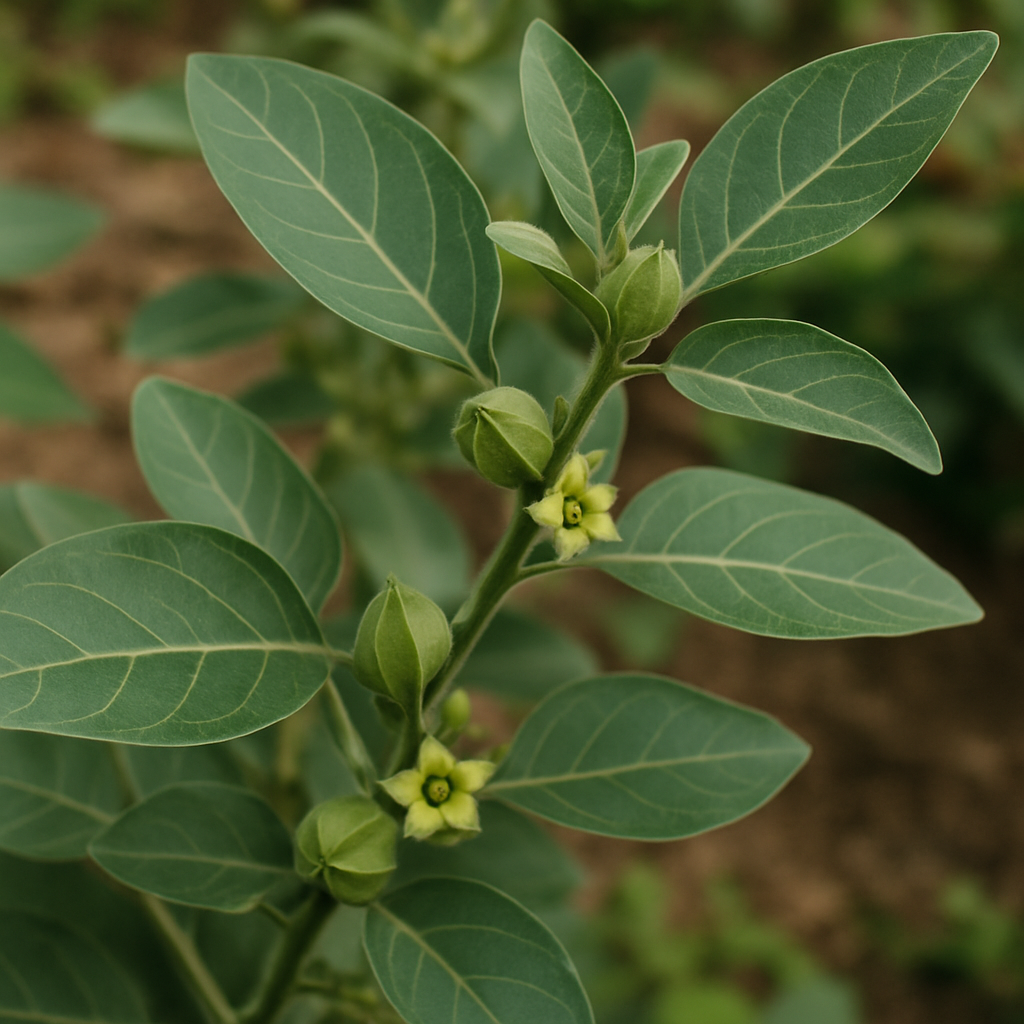
- Ashwagandha (Withania somnifera) is an ancient adaptogenic herb used for over 3,000 years in Ayurvedic medicine to reduce stress, improve sleep, boost energy, and support overall vitality. Often called "Indian ginseng" or "winter cherry," this small evergreen shrub from the Solanaceae (nightshade) family contains bioactive compounds called withanolides that help the body adapt to physical and mental stress.
- Modern research now backs many of these traditional claims — but the details matter. The extract type, dosage, timing, and your individual health profile all determine whether ashwagandha will actually work for you.
This guide covers everything from mechanism of action to brand comparisons, giving you the most complete, evidence-based resource available anywhere.
What Is Ashwagandha and How Does It Work?
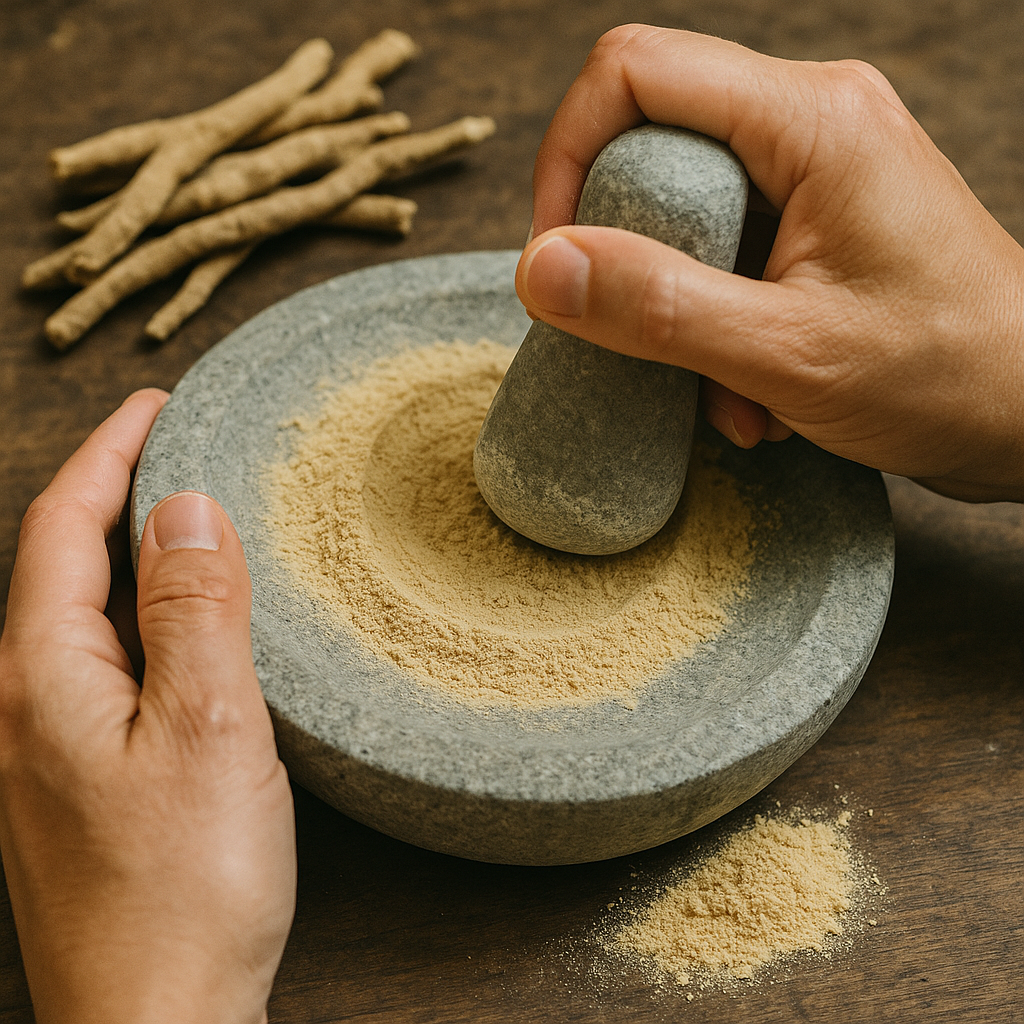
- Ashwagandha is a plant native to India, the Middle East, and parts of Africa.
- The name comes from Sanskrit — ashva (horse) + gandha (smell) — referring both to the root's distinct horse-like odor and the traditional belief that it imparts the strength of a stallion.
The root is the primary medicinal part, though some extracts use leaves as well (more on why this matters later). It grows in dry, subtropical regions and is cultivated extensively in Madhya Pradesh, Rajasthan, and other Indian states.
Mechanism of Action: Why Withanolides Matter
- The therapeutic effects of ashwagandha come primarily from withanolides — a group of naturally occurring steroidal lactones. The most studied include withanolide A, withaferin A, and withanone.
- Here's what they do at a cellular level:
- HPA axis modulation: Withanolides help regulate the hypothalamic-pituitary-adrenal axis, reducing cortisol output during chronic stress
- GABAergic activity: They mimic GABA (gamma-aminobutyric acid), promoting calmness and better sleep
- Anti-inflammatory action: Withaferin A inhibits NF-κB pathways, reducing systemic inflammation
- Antioxidant effects: Increases superoxide dismutase (SOD) and glutathione peroxidase activity
Clinical extracts are standardized to contain anywhere from 1.5% to 35% withanolides, and this concentration directly affects potency. A supplement with 5% withanolides is not the same as one with 35%, even if both say "ashwagandha" on the label.
Phytochemistry Beyond Withanolides
While withanolides get most of the attention, ashwagandha also contains alkaloids (tropine, cuscohygrine, isopelletierine), sitoindosides, iron, choline, and various amino acids. Sitoindosides VII–X, for example, have demonstrated anti-stress and immunomodulatory activity in animal studies. This complex phytochemical profile is part of why whole-root extracts sometimes perform differently than isolates.
Ashwagandha Benefits: What Does the Research Actually Show?
Let's break down the major evidence-backed benefits. I'll separate strong evidence from preliminary findings so you know what to realistically expect.
Stress and Anxiety Reduction
This is the most well-supported benefit. A landmark 2012 study published in the Indian Journal of Psychological Medicine found that 300 mg of KSM-66 ashwagandha extract twice daily reduced serum cortisol levels by 30.5% compared to placebo over 60 days. Participants also reported significantly lower scores on perceived stress scales.
- A 2019 systematic review and meta-analysis in Medicine examined five randomized controlled trials and confirmed that ashwagandha significantly reduces stress and anxiety compared to placebo.
- The effect sizes were moderate to large — not just statistically significant but clinically meaningful.
Does Ashwagandha Lower Cortisol Levels?
- Yes. Multiple studies confirm cortisol reduction.
- The magnitude depends on baseline stress levels — people with chronically elevated cortisol see the biggest drops (20–30%), while those with normal levels see modest changes.
- It's not a "cortisol crasher" — it's a modulator. This distinction matters.
Sleep Quality and Insomnia
A 2020 meta-analysis in PLOS ONE covering five RCTs found that ashwagandha significantly improved sleep quality, especially in people with diagnosed insomnia. The active compound triethylene glycol in the leaves may contribute to sedative effects, but root extracts also show strong results.
In one study, 600 mg of root extract daily improved sleep onset latency, total sleep time, and sleep efficiency after 10 weeks. Participants with insomnia benefited more than healthy sleepers.
Ashwagandha Benefits for Men
- Testosterone: A 2019 study in American Journal of Men's Health showed that 240 mg of ashwagandha extract (Shoden, 35% withanolides) increased DHEA-S and testosterone in overweight men aged 40–70 over 8 weeks
- Fertility: A 2013 study in Evidence-Based Complementary and Alternative Medicine found improved sperm count, motility, and volume in infertile men after 90 days of root powder supplementation
- Muscle strength: An 8-week RCT published in JISSN showed greater gains in muscle strength and recovery with 600 mg daily vs placebo in resistance-trained men
Ashwagandha Benefits for Women
- Menopause symptoms: A 2021 study in Journal of Obstetrics and Gynaecology Research found that ashwagandha reduced hot flashes, mood disturbances, and improved hormonal markers (FSH, LH, estradiol) in perimenopausal women
- Sexual function: A 2015 pilot study in BioMed Research International reported improvements in arousal, lubrication, orgasm, and satisfaction in healthy women taking 300 mg KSM-66 twice daily
- Thyroid function: Women with subclinical hypothyroidism showed normalized TSH and T4 levels after 8 weeks of supplementation in a 2018 Journal of Alternative and Complementary Medicine study
Physical Fitness and Athletic Performance
Ashwagandha isn't just for stress. A 2015 study in JISSN found that 600 mg of root extract daily significantly improved VO2 max (aerobic capacity) compared to placebo. Other studies show improved recovery from exercise-induced muscle damage, better endurance, and increased muscle mass when combined with resistance training.
Immune Function
Preliminary evidence suggests ashwagandha enhances immune function by increasing natural killer (NK) cell activity and boosting immunoglobulins. A 2009 study showed increases in CD4+ and CD8+ T-lymphocytes. However, this is also why people with autoimmune conditions should be cautious — stimulating an already overactive immune system isn't ideal.
How to Choose the Right Ashwagandha Supplement
- This is where most guides fail you.
- Not all ashwagandha supplements are equal — and the differences are not trivial.
Comparing Popular Branded Extracts: KSM-66 vs Sensoril vs Shoden
| Feature | KSM-66 | Sensoril | Shoden | Generic Powder |
|---|---|---|---|---|
| Plant part used | Root only | Root + leaves | Root + leaves | Usually root |
| Withanolide content | ~5% | ~10% | ~35% | 1.5–2.5% (variable) |
| Clinical studies | 24+ | 12+ | 6+ | Few, inconsistent |
| Best for | Stress, testosterone, fitness | Anxiety, cortisol, sleep | Low-dose potency | Budget/traditional use |
| Typical dose | 300–600 mg/day | 125–250 mg/day | 120–240 mg/day | 1,000–3,000 mg/day |
| Extraction method | "Green chemistry" (milk-based) | Water-based | Proprietary | Varies |
KSM-66 has the largest body of clinical evidence and uses a root-only extraction process that mirrors traditional Ayurvedic preparation. It's the most versatile choice for most people. Sensoril includes leaf extracts, which means higher withanolide concentration (including withaferin A). It tends to be more sedating and is often better for anxiety and sleep-specific goals. Shoden is the newest, with 35% withanolide glycosides. It allows much lower doses. Limited but promising research so far.
How to Read the Label: Red Flags to Avoid
Here's what to actually look for on a supplement label — and what should make you walk away:
Green flags:
- Standardized withanolide percentage clearly stated
- Root extract specified (or root + leaf with rationale)
- Third-party testing mentioned (USP, NSF, ConsumerLab)
- Certificate of Analysis (COA) available on website
Red flags:
- "Proprietary blend" hiding the actual ashwagandha dose
- Leaf-only extract (higher withaferin A, potentially more cytotoxic)
- No standardization mentioned
- No third-party testing or heavy metal documentation
- Unrealistic claims ("cures" anything)
Quality and Safety Concerns on the Market
A 2019 ConsumerLab report found that some ashwagandha products contained lead levels exceeding California Prop 65 limits. Heavy metal contamination is a real issue, especially with products sourced from regions with contaminated soil. Always look for products tested by independent labs like NSF International, USP, or ConsumerLab.
The FDA does not approve dietary supplements before they go to market. This means quality control is entirely up to the manufacturer. Certifications like USDA Organic, Non-GMO Project Verified, or GMP (Good Manufacturing Practices) provide additional layers of reassurance, but they don't replace third-party potency and purity testing.
Ashwagandha Dosage: How Much to Take, When, and for How Long
Dosage by Goal
| Goal | Extract Type | Daily Dose | Duration to See Effects |
|---|---|---|---|
| Stress & anxiety | KSM-66 or Sensoril | 300–600 mg | 2–4 weeks |
| Sleep improvement | Root extract (any) | 300–600 mg | 6–8 weeks |
| Testosterone support | KSM-66 or Shoden | 300–600 mg (KSM-66) or 120–240 mg (Shoden) | 8–12 weeks |
| Fitness & recovery | KSM-66 | 300–600 mg | 4–8 weeks |
| Immune support | Root extract | 300–600 mg | 4–8 weeks |
| General well-being | Any standardized extract | 250–500 mg | 4–6 weeks |
Most clinical trials use durations of 8–12 weeks. If you've seen no effect after 12 weeks at proper dosing, it's probably not working for you.
When and How to Take Ashwagandha
- Morning vs evening? It depends on your goal.
- For stress and energy — take it in the morning.
- For sleep — take it 1–2 hours before bed. Some people split the dose (morning and evening) for all-day coverage, which is how many clinical trials dosed it.
With food or empty stomach? Take it with food to reduce the chance of stomach upset and improve absorption of fat-soluble withanolides. Traditionally in Ayurveda, ashwagandha was mixed with warm milk and ghee — this actually makes pharmacological sense because the fat enhances bioavailability of the active compounds. Water vs milk? If using raw powder, warm milk (dairy or plant-based) is the traditional and arguably superior vehicle. Capsules can be taken with water and a meal.
Do You Need to Cycle Ashwagandha?
- Honestly, the research doesn't give us a definitive answer. Most studies run 8–12 weeks, and long-term data beyond 3 months is scarce.
- Here's the practical approach many practitioners recommend:
- 8 weeks on, 2 weeks off — a common cycling protocol
- 12 weeks on, 4 weeks off — more conservative approach
- Continuous use — acceptable at lower doses if monitored by a healthcare provider
The rationale for cycling is primarily theoretical: avoid downregulation of receptors and give the liver periodic rest. It's not backed by hard evidence, but it's a reasonable precaution.
Forms of Ashwagandha: Which Is Best?
| Form | Bioavailability | Convenience | Cost per Dose | Best For |
|---|---|---|---|---|
| Standardized capsules | High (if quality extract) | Very high | $$-$$$ | Most people |
| Raw root powder | Moderate (variable) | Moderate (taste is bitter) | $ | Traditional use, cooking |
| Tincture/liquid | Moderate-high | Moderate | $$$ | People who can't swallow pills |
| Gummies | Moderate (often underdosed) | Very high | $$$$ | Taste-sensitive users |
| Tea | Low (poor extraction) | High | $ | Relaxation ritual, mild effect |
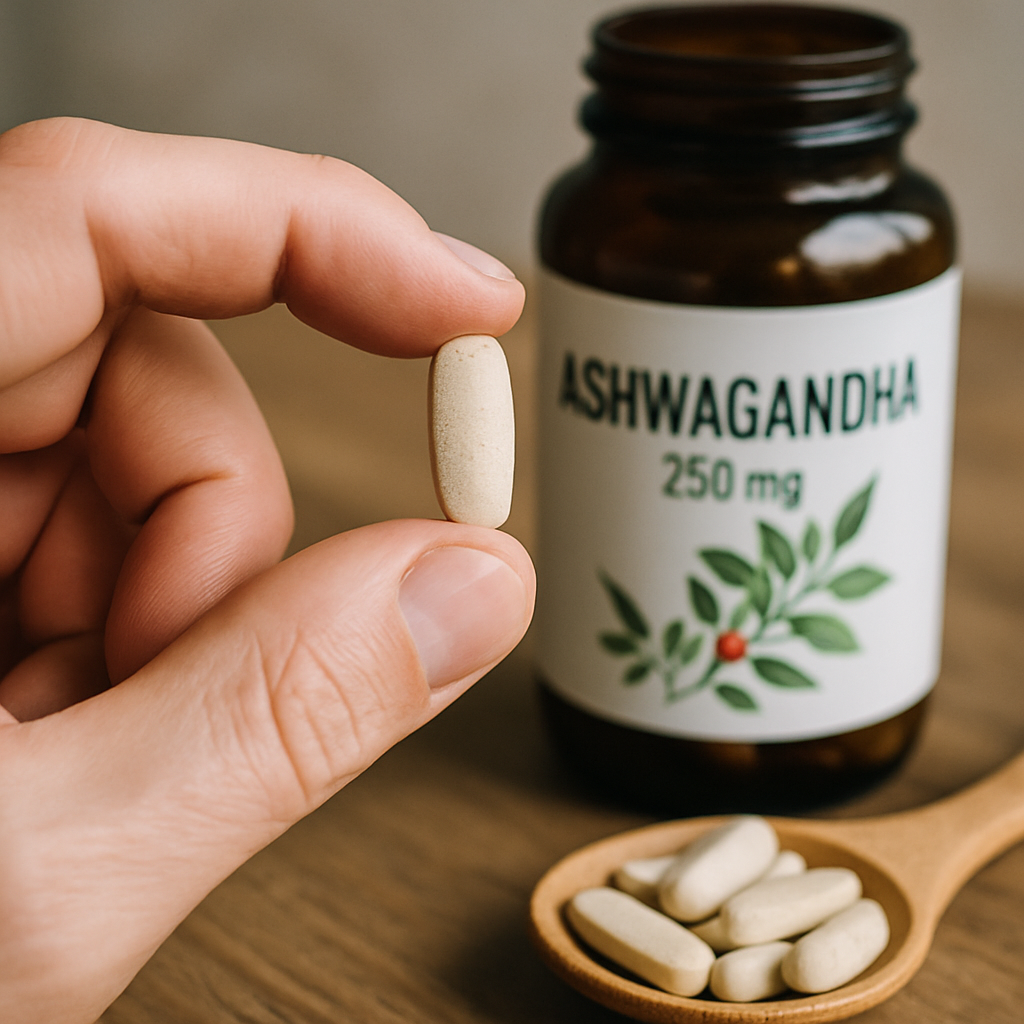
Capsules with standardized extracts remain the most practical option for consistent dosing. Gummies are popular but often contain less active ingredient and more sugar — check the withanolide content, not just the total mg of "ashwagandha."
Ashwagandha Side Effects and Safety
Common Side Effects
Most people tolerate ashwagandha well. The most frequently reported side effects in clinical trials include:
- Mild gastrointestinal upset (nausea, diarrhea, stomach discomfort)
- Drowsiness or sedation (especially with higher doses or Sensoril)
- Headache
- Upper respiratory symptoms (rare, in some studies)
These effects are usually dose-dependent and often resolve after the first week.
Serious Side Effects: When to Stop Immediately
While rare, serious adverse effects have been documented:
- Liver toxicity (hepatotoxicity): Multiple case reports describe liver injury linked to ashwagandha, sometimes requiring hospitalization. Symptoms include yellowing of the skin or eyes (jaundice), dark urine, severe fatigue, and upper right abdominal pain. The NIH LiverTox database lists ashwagandha as a known cause of clinically apparent liver injury.
- Allergic reactions: Hives, facial swelling, difficulty breathing, or anaphylaxis. Stop immediately and seek emergency care.
- Thyroid overstimulation: Ashwagandha can increase T3 and T4 levels. For people with hyperthyroidism or Graves' disease, this could be dangerous.
If you experience any of these symptoms, discontinue use and consult a doctor immediately.
Who Should NOT Take Ashwagandha?
- Pregnant or breastfeeding women — some animal studies suggest potential for miscarriage at high doses
- People with autoimmune diseases (lupus, rheumatoid arthritis, MS) — may stimulate immune activity
- Those with hyperthyroidism — may further elevate thyroid hormones
- Liver disease patients — given hepatotoxicity reports
- Hormone-sensitive conditions (certain breast, prostate, uterine cancers) — ashwagandha has hormonal activity
- People scheduled for surgery — may affect anesthesia and blood sugar levels; stop at least 2 weeks before
Ashwagandha and Thyroid: A Detailed Look
- This topic deserves special attention because it's often glossed over. A 2018 study showed that ashwagandha normalized thyroid hormones in subclinical hypothyroidism — which is potentially helpful.
- But the flip side: if you already have normal or elevated thyroid function, ashwagandha can push T3 and T4 too high, causing symptoms like rapid heartbeat, weight loss, tremors, and anxiety.
If you're on thyroid medication (levothyroxine, methimazole), ashwagandha may interfere with dosing. Always involve your endocrinologist before combining the two.
Don't wait or self medicate. Start chat with Doctor NOW
Drug and Supplement Interactions
Medication Interactions
Ashwagandha may interact with:
- Sedatives and benzodiazepines — additive drowsiness
- Thyroid medications — may alter thyroid hormone levels
- Immunosuppressants — may counteract the drug's effect
- Diabetes medications — may lower blood sugar further
- Blood pressure medications — may enhance hypotensive effects
- Alcohol — increased sedation and potential liver strain
Can You Combine Ashwagandha with Other Supplements?
| Combination | Safety | Notes |
|---|---|---|
| Ashwagandha + Magnesium | ✅ Generally safe | Synergistic for sleep and relaxation |
| Ashwagandha + L-Theanine | ✅ Generally safe | Good stack for calm focus |
| Ashwagandha + Rhodiola | ⚠️ Use with caution | Both are adaptogens; may over-modulate HPA axis. Alternate rather than stack. |
| Ashwagandha + Melatonin | ⚠️ Start low | Combined sedation; reduce melatonin dose |
| Ashwagandha + GABA | ⚠️ Monitor | Both have GABAergic activity; excessive sedation possible |
| Ashwagandha + Ginseng | ⚠️ Use with caution | Different mechanisms, but both affect cortisol and energy |
Ashwagandha vs Other Adaptogens
If you're wondering how ashwagandha stacks up against other popular adaptogens, here's a side-by-side comparison:
| Feature | Ashwagandha | Rhodiola Rosea | Panax Ginseng | Maca |
|---|---|---|---|---|
| Primary effect | Calming adaptogen | Stimulating adaptogen | Energizing adaptogen | Hormonal balancer |
| Best for | Stress, sleep, anxiety | Fatigue, mental focus | Energy, cognition | Libido, fertility |
| Mechanism | HPA modulation, GABAergic | MAO inhibition, serotonin | Ginsenosides, nitric oxide | Unknown (likely hormonal) |
| Sedating? | Mildly, yes | No, stimulating | Mildly stimulating | No |
| Clinical evidence | Strong (50+ RCTs) | Moderate (20+ RCTs) | Strong (100+ RCTs) | Moderate (15+ RCTs) |
| Ideal timing | Evening or split dose | Morning | Morning | Any time |
Bottom line: Ashwagandha is the best choice if anxiety, stress, or sleep is your primary concern. Rhodiola is better for fatigue and mental performance. They complement each other but are best alternated rather than stacked long-term.
Ashwagandha for Specific Groups
For Students During Exam Periods
The combination of stress reduction and cognitive support makes ashwagandha particularly useful during high-pressure academic periods. A study on healthy adults showed improved reaction time, task performance, and attention with 300 mg KSM-66 twice daily. Start 2–3 weeks before exams begin for best results.
For Older Adults
Age-related cognitive decline, poor sleep, and reduced muscle mass are areas where ashwagandha shows promise. Older adults should start at lower doses (150–300 mg of standardized extract) and increase gradually. Monitor thyroid function since aging affects thyroid sensitivity.
For Athletes and Fitness Enthusiasts
Take 300–600 mg of KSM-66 about 30–60 minutes pre-workout or post-workout. Studies show benefits for VO2 max, strength gains, and recovery. Ashwagandha also helps with cortisol management during overtraining periods.
Long-Term Safety: What We Know and Don't Know
- Here's the uncomfortable truth: most ashwagandha studies run for 8–12 weeks. We have very limited data on continuous use beyond 3 months.
- What we do know:
- 12-week studies: Generally show good safety profiles with mild side effects
- Beyond 3 months: Anecdotal reports and traditional use suggest safety, but clinical data is thin
- Liver concerns: The hepatotoxicity case reports mostly involved prolonged use or high doses
- Hormonal effects: Long-term modulation of cortisol, thyroid hormones, and testosterone might have downstream effects we haven't fully mapped
Practical recommendation: Use for 8–12 weeks, take a break, reassess your goals and how you feel. Get liver function and thyroid panels checked if you plan on prolonged supplementation.
How to Store Ashwagandha
- Store ashwagandha supplements in a cool, dry place away from direct sunlight. Capsules and tablets typically have a shelf life of 2–3 years from the manufacturing date. Raw powder should be kept in an airtight container and used within 6–12 months for optimal potency.
- Avoid storing in the bathroom — humidity degrades withanolide content over time.
FAQ
Is it OK to take ashwagandha daily?
Yes, for most healthy adults, daily use for up to 12 weeks is considered safe based on clinical trial data. Beyond that, consider cycling (8 weeks on, 2 weeks off) until longer-term studies provide clearer guidance. Always consult a healthcare provider if you have pre-existing conditions.
Is ashwagandha safe for the liver and kidneys?
For most people at standard doses, yes. However, there are documented cases of ashwagandha-related liver injury, particularly with higher doses or prolonged use. No significant kidney toxicity has been reported in clinical studies. If you have existing liver or kidney disease, consult your doctor before starting.
What should I know about ashwagandha before using it?
It's not a magic pill. Ashwagandha works gradually (2–12 weeks depending on the goal), works best as part of a healthy lifestyle, and isn't appropriate for everyone. Check for drug interactions, choose a standardized extract, and start with the lowest effective dose. Pregnant women, people with autoimmune conditions, and those on thyroid medication should avoid it unless cleared by a physician.
What is ashwagandha used for traditionally vs modern use?
- Traditionally in Ayurveda, it was classified as a Rasayana (rejuvenator) used for general debility, sexual dysfunction, cognitive decline, and as a tonic for aging. Modern clinical research has validated several of these uses, particularly for stress, anxiety, sleep, male fertility, and physical performance.
- Some traditional uses — like treating "vata imbalances" — don't have a direct modern research equivalent yet.
Can ashwagandha cause weight gain or weight loss?
Ashwagandha itself doesn't directly cause significant weight changes. However, by reducing cortisol (which promotes fat storage, especially viscerally), it may indirectly help with stress-related weight gain. Some users report increased appetite due to reduced anxiety. Athletes using it for muscle building may see the scale go up due to lean mass gains.
Final Thoughts: Is Ashwagandha Worth It?
For the right person, with the right extract, at the right dose — ashwagandha is one of the most well-supported herbal supplements available. It's not a cure-all, but the evidence for stress reduction, sleep improvement, hormonal support, and physical performance is genuinely strong.
Here's your action plan:
- Define your goal — stress, sleep, fitness, hormonal support?
- Pick the right extract — KSM-66 for versatility, Sensoril for sleep/anxiety, Shoden for low-dose potency
- Start at the lower end of the dosing range and increase after 1–2 weeks
- Take it consistently for at least 4–8 weeks before judging effectiveness
- Monitor for side effects, especially if you have thyroid conditions or take medications
- Cycle your use — take breaks every 8–12 weeks
- Choose a third-party tested product to avoid heavy metal contamination and ensure label accuracy
- Don't just grab the cheapest option on the shelf.
- Your health is worth the extra diligence.
- And always — always — talk to your healthcare provider before adding any supplement to your routine, especially if you take prescription medications.
Scientific Sources
- Pharmacological evaluation of Ashwagandha highlighting its healthcare claims, safety, and toxicity aspects — Mandlik Ingawale DS et al., 2021, Journal of dietary supplements
- Can Ashwagandha Benefit the Endocrine System?-A Review — Wiciński M et al., 2023, International journal of molecular sciences
- Effects of Withania somnifera (Ashwagandha) on Stress and the Stress- Related Neuropsychiatric Disorders Anxiety, Depression, and Insomnia — Speers AB et al., 2021, Current neuropharmacology
- Clinician guidelines for the treatment of psychiatric disorders with nutraceuticals and phytoceuticals: The World Federation of Societies of Biological Psychiatry (WFSBP) and Canadian Network for Mood and Anxiety Treatments (CANMAT) Taskforce — Sarris J et al., 2022, The world journal of biological psychiatry : the official journal of the World Federation of Societies of Biological Psychiatry
- The benefits of ashwagandha (Withania somnifera) supplements on brain function and sports performance — Guo S et al., 2024, Frontiers in nutrition
- Neuroprotective Herbs for the Management of Alzheimer's Disease — Gregory J et al., 2021, Biomolecules
- Ashwagandha (Withania somnifera)-Current Research on the Health-Promoting Activities: A Narrative Review — Mikulska P et al., 2023, Pharmaceutics
- Plant-derived nootropics and human cognition: A systematic review — Lorca C et al., 2023, Critical reviews in food science and nutrition
- Withania somnifera (L.) Dunal (Ashwagandha): A comprehensive review on ethnopharmacology, pharmacotherapeutics, biomedicinal and toxicological aspects — Paul S et al., 2021, Biomedicine & pharmacotherapy = Biomedecine & pharmacotherapie
- Examining the Effects of Herbs on Testosterone Concentrations in Men: A Systematic Review — Smith SJ et al., 2021, Advances in nutrition (Bethesda, Md.)
- Ashwagandha-induced liver injury-A case series from India and literature review — Philips CA et al., 2023, Hepatology communications
- Effects of Ashwagandha (Withania somnifera) on Physical Performance: Systematic Review and Bayesian Meta-Analysis — Bonilla DA et al., 2021, Journal of functional morphology and kinesiology
- Medicinal Plants for Insomnia Related to Anxiety: An Updated Review — Borrás S et al., 2021, Planta medica
- Examining the effect of Withania somnifera supplementation on muscle strength and recovery: a randomized controlled trial — Wankhede S et al., 2015, Journal of the International Society of Sports Nutrition
- Ayurvedic Herbal Medicines: A Literature Review of Their Applications in Female Reproductive Health — Patibandla S et al., 2024, Cureus
- A standardized Ashwagandha root extract alleviates stress, anxiety, and improves quality of life in healthy adults by modulating stress hormones: Results from a randomized, double-blind, placebo-controlled study — Majeed M et al., 2023, Medicine
- Efficacy and Safety of Ashwagandha Root Extract in Subclinical Hypothyroid Patients: A Double-Blind, Randomized Placebo-Controlled Trial — Sharma AK et al., 2018, Journal of alternative and complementary medicine (New York, N.Y.)
- Challenges in herbal-induced liver injury identification and prevention — Halegoua-DeMarzio D et al., 2025, Liver international : official journal of the International Association for the Study of the Liver
- Adaptogenic and Anxiolytic Effects of Ashwagandha Root Extract in Healthy Adults: A Double-blind, Randomized, Placebo-controlled Clinical Study — Salve J et al., 2019, Cureus
- Safety of Ashwagandha Root Extract: A Randomized, Placebo-Controlled, study in Healthy Volunteers — Verma N et al., 2021, Complementary therapies in medicine
Questions from users
What dosage of ashwagandha is recommended for beginners?
Client_158d3d
25 days ago
For beginners taking ashwagandha, a starting dose of 150-300 mg of standardized extract per day is generally recommended. This dose can help in managing stress and anxiety by leveraging ashwagandha's well-supported calming effects. It's important to choose a standardized extract to ensure consistency and efficacy. Watch for any side effects like thyroid overstimulation, and if you experience unusual symptoms, seek medical advice promptly. Always consult a healthcare professional before beginning any supplement, especially if you have existing health conditions or are taking other medications.
Does ashwagandha have side effects or risks associated with long-term use?
Client_943243
35 days ago
Ashwagandha, while generally safe for short-term use, can have side effects or risks associated with long-term use. Potential side effects include gastrointestinal distress, headache, drowsiness, and potentially more serious risks like changes in thyroid function. Taking ashwagandha long-term can affect your thyroid, especially if you have normal or elevated thyroid levels, potentially causing symptoms like rapid heartbeat or anxiety. It's crucial to monitor your symptoms and consult a healthcare provider if you experience unusual side effects or if you're considering using it for extended periods, especially if you're on thyroid or other medication.
Can ashwagandha help improve physical performance and endurance?
Client_8a72db
44 days ago
Yes, ashwagandha can help improve physical performance and endurance. Studies have shown that ashwagandha supplementation enhances aerobic capacity and increases muscle strength, likely due to its adaptogenic properties that help reduce stress and improve recovery. Typically, noticeable improvements can be observed after 8 to 12 weeks of daily supplementation. Look for ashwagandha extracts standardized to contain withanolides for effectiveness. Be aware of potential mild side effects like digestive upset. If you have health conditions or take medications, consult a doctor before beginning supplementation.
How long does it take to feel the effects of ashwagandha?
Client_3eec6d
54 days ago
The effects of ashwagandha can typically be felt within 2 to 12 weeks, depending on the individual and the specific health concern being addressed. High-quality extracts like KSM-66 or Sensoril, often containing higher percentages of withanolides, may provide benefits such as reduced stress and improved cognitive function within this timeframe. However, individual results can vary. If after 12 weeks you don't notice improvements, or if you experience any adverse side effects, consult with a healthcare professional. It's also important to confirm proper dosage and ensure the supplement's quality before starting.
What is the best way to prepare ashwagandha powder for optimal absorption and effectiveness?
Client_16c98c
64 days ago
For optimal absorption of ashwagandha powder, it's best to mix it with warm milk, either dairy or plant-based like almond or coconut. This traditional method leverages the milk as a carrier, making it easier for your body to absorb ashwagandha. Adding a pinch of black pepper can also help boost absorption due to its piperine content.
Can ashwagandha increase appetite during stressful periods?
Client_d83d04
73 days ago
Yes, ashwagandha can increase appetite by reducing anxiety during stressful times. This happens often when stress is lowered, and we feel calmer. The body may naturally want a little more nourishment. However, everyone's response can be a bit different, so it's good to pay attention to how your body reacts. 😊
Can ashwagandha help with anxiety during stressful events or just for general stress relief?
Client_802e77
82 days ago
Yes, it can help with anxiety during stressful events and for general stress relief too! Ashwagandha is great at balancing those stress hormones, you know, like cortisol, which kinda helps our body manage stress better. Just be sure to take it with food to get those benefits without upsetting your stomach too much. Agni, or your digestive fire, will thank you!
What is the best time of day to take ashwagandha for maximum effectiveness?
Client_8cdccb
91 days ago
For maximum effectiveness, taking ashwagandha really depends on what you want to achieve. If you're looking for stress relief or boosting energy, morning might be best. For better sleep or calmness, try it in the evening. Splitting the dose, as you mentioned, morning and evening is a good option as well. Also, taking it with food can help improve absorption.
Is it better to take ashwagandha in powder form or capsules for effectiveness?
Client_7888a0
100 days ago
It kinda depends on personal preference and digestion. Ashwagandha powder can be more potent since it's less processed and you can taste it (helps digestion), but it's got a strong flavor. Capsules are easier to take but sometimes have fillers. Consider your dosage, digestive fire (agni), and what feels best for your body.
Is it safe to take ashwagandha if I have a history of liver issues?
Client_542caa
110 days ago
If you have a history of liver issues, it's probably best to be cautious with ashwagandha. The NIH points out that ashwagandha has been linked to liver injuries, especially with high doses or long-term use. It might be a good idea to chat with your healthcare provider and consider alternative herbs, maybe ones that support liver health like turmeric or guduchi. Make sure it's a good fit for you!
Related articles

General Medicine
Ashwagandha Bala Lakshadi Taila: Benefits & Usage
Explore the benefits, proper dosage, uses, and scientific research behind Ashwagandha Bala Lakshadi Taila, a potent Ayurvedic herbal oil blend.
5,229

General Medicine
Akik Pishti – Benefits, Dosage, Ingredients and Side Effects
Exploration of Akik Pishti – Benefits, Dosage, Ingredients and Side Effects
2,039

General Medicine
Rajat Bhasma – Benefits, Dosage, Ingredients, Side Effects and Preparation
Exploration of Rajat Bhasma – Benefits, Dosage, Ingredients, Side Effects and Preparation
2,721

General Medicine
Trin Panchmool Kwath – Benefits, Dosage, Ingredients, Side Effects
Exploration of Trin Panchmool Kwath – Benefits, Dosage, Ingredients, Side Effects
2,423

General Medicine
Trivang Bhasma – Benefits, Dosage, Ingredients, Side Effects
Exploration of Trivang Bhasma – Benefits, Dosage, Ingredients, Side Effects
4,407

General Medicine
Praval Bhasma Benefits, Dosage, Ingredients, Side Effects, Peparation
Exploration of Praval Bhasma Benefits, Dosage, Ingredients, Side Effects, Peparation
4,175

General Medicine
Phalasarpis Benefits – Natural Ayurvedic Rejuvenation & Vitality Booster
Explore the phalasarpis benefits, a traditional Ayurvedic formulation renowned for its rejuvenative, aphrodisiac, and holistic health properties. Enhance vitality and promote overall wellness naturally with phalasarpis.
3,159

General Medicine
How to Make Mosquito Repellent at Home: Natural Ways to Keep Mosquitoes Away
Learn how to make mosquito repellent at home using natural ingredients. Discover Ayurvedic tips to get rid of mosquitoes naturally and protect your home
9,002

General Medicine
Which Juice Is Good for Piles?
Discover which juice is good for piles. Learn about the best fruit and vegetable juices like aloe vera, radish, and mosambi that support digestion and healing
8,931

General Medicine
Clevira Tablet
Exploration of Clevira Tablet
2,459
Related consultations on the topic
Legal
Additional Documents
© 2024 Ask Ayurveda. All rights reserved.