Ask Ayurvedic doctor a question and get a consultation online on the problem of your concern in a free or paid mode. More than 2,000 experienced doctors work and wait for your questions on our site and help users to solve their health problems every day.


Body DetoxEar, Nose, and Throat DisordersGeriatrics & RejuvenationImmunodeficiencyInfertility TreatmentNutritionOrthopedic DisordersPediatricsRespiratory DisordersSexually Transmitted Diseases (STDs)Surgery RecoveryUrological DisordersVascular DisordersDental DisordersEndocrinological DisordersGastrointestinal DisordersYoga TherapyGeneral MedicineAllergic DisordersCardio DisordersGynecology and ObstetricsCosmetologySkin and Hair DisordersEye DisordersInfectious DiseasesMental DisordersNeurological DisordersOncologyPanchakarmaSexual Health & DisordersSports Medicine
Published on 08/06/25
(Updated on 08/11/26)
5,731
How to Prepare Rosemary Water for Hair Growth: Ayurvedic Recipe and Daily Use Guide

If you’re wondering how to prepare rosemary water for hair growth, you’re in the right place. Rosemary water has been cherished for centuries, especially in Ayurvedic and natural hair care circles, for its amazing ability to boost hair health. From thickening thinning strands to improving scalp circulation, rosemary water benefits for hair are vast and proven by many who swear by it.
In this article, we'll cover not only how to make rosemary water for hair but also the best ways on how to use rosemary water for hair growth effectively in your daily routine. Plus, we’ll explore some less-known rosemary water uses for hair that might just surprise you. Whether you’re battling hair loss, looking to add shine, or simply want to maintain a healthy scalp, rosemary water is a simple, natural remedy you can make at home. So let’s dive in!
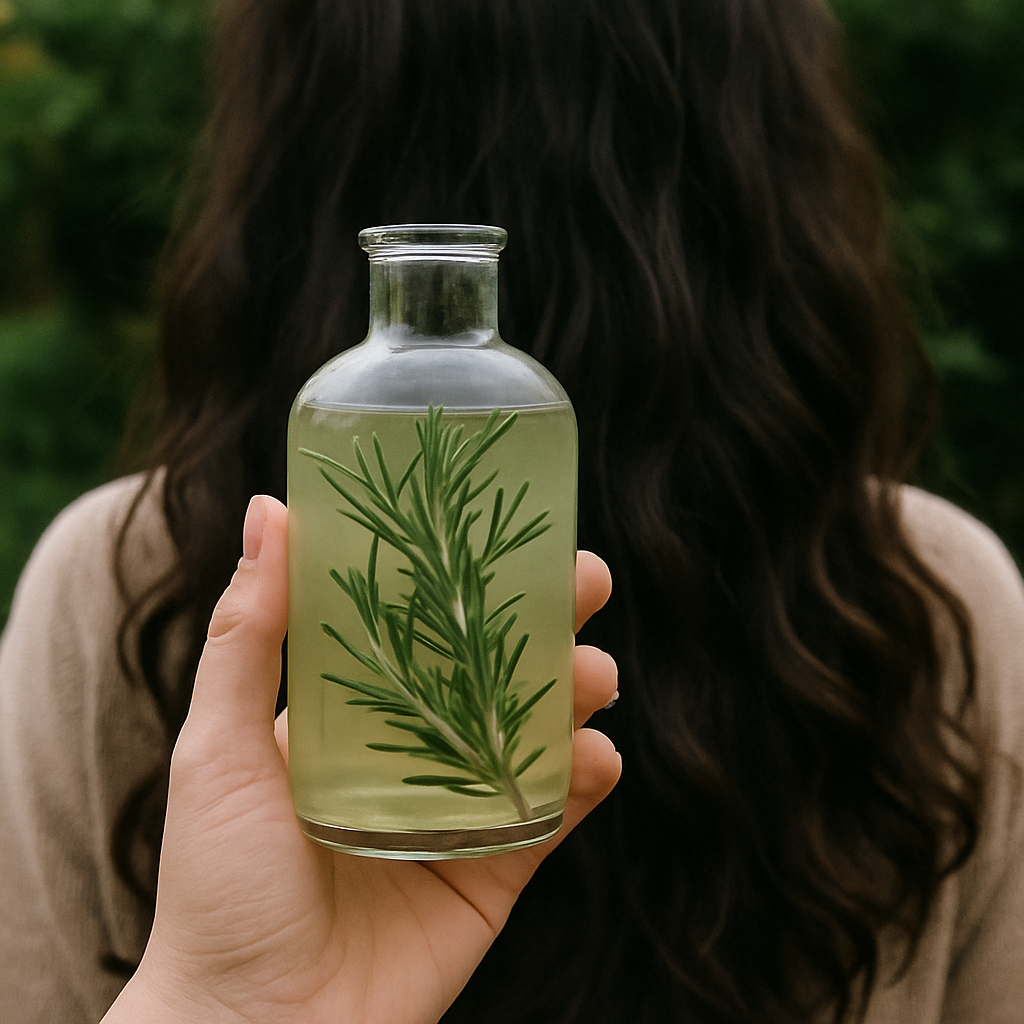
Why Use Rosemary Water for Hair Growth?
Rosemary Water Benefits for Hair Strength and Thickness
Rosemary water is famous for its ability to stimulate hair follicles, which can encourage stronger, thicker hair growth. When applied regularly, rosemary can improve blood flow to the scalp, bringing vital nutrients to the roots. This not only supports healthy hair growth but also helps reduce hair thinning and premature hair loss. Unlike harsh chemical treatments, rosemary water benefits for hair come from its natural compounds, which soothe the scalp and reduce inflammation that might cause follicle damage.
Many users report less breakage and more manageable hair texture with consistent use. Plus, rosemary’s antimicrobial properties help keep the scalp clean and reduce dandruff, which is often a culprit in poor hair health.
Ayurvedic View on Rosemary and Scalp Circulation
From an Ayurvedic perspective, rosemary is classified as a warming herb that promotes circulation. According to Ayurveda, good blood flow to the scalp is essential for nourishing hair follicles and maintaining their health. Rosemary water works by balancing the scalp's doshas (bodily energies), improving circulation and detoxifying the scalp from buildup or impurities that clog follicles.
In simple terms, if your scalp isn’t healthy, your hair can’t be either — rosemary water helps fix that! It’s a gentle, natural way to boost scalp vitality, something Ayurveda has recommended for centuries.

How to Prepare Rosemary Water for Hair Growth at Home
Rosemary Water for Hair Recipe: Step-by-Step
Making rosemary water at home is super easy, and you don’t need any fancy ingredients or tools. Here’s a quick recipe to get you started:
-
Take about 2-3 tablespoons of fresh rosemary leaves (or 1-2 tablespoons of dried rosemary if fresh isn’t available).
-
Boil 2 cups of water in a pot.
-
Once boiling, remove the pot from heat and add the rosemary leaves.
-
Let the mixture steep for 20-30 minutes so the rosemary infuses well.
-
Strain the water into a clean bottle or spray container.
-
Let it cool completely before using.
This simple rosemary water for hair recipe can be stored in the fridge for up to a week. Always shake before use!
How to Make Rosemary Water for Hair Using Fresh or Dried Leaves
Both fresh and dried rosemary leaves work great for making rosemary water. Fresh leaves tend to give a stronger scent and possibly more potent infusion, but dried leaves are convenient and last longer in your pantry. Just adjust the quantity accordingly — use a little less dried rosemary since it’s more concentrated.
Remember, the goal is to extract the active compounds like rosmarinic acid and antioxidants, which help stimulate hair growth and soothe the scalp. Steeping the leaves properly is key to making effective rosemary water for hair growth.
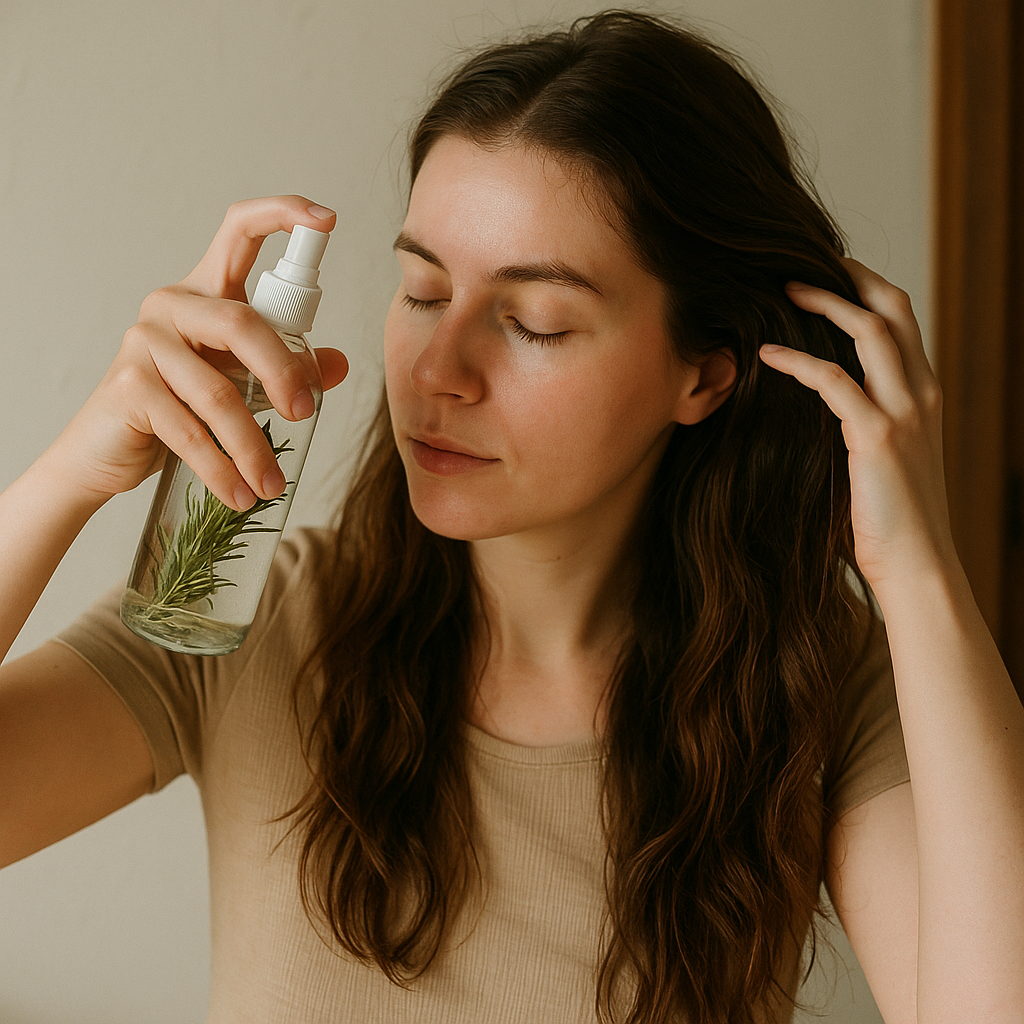
How to Use Rosemary Water for Hair Growth Effectively
How to Apply Rosemary Water to Hair and Scalp
Once you have your homemade rosemary water ready, the next important step is how to apply rosemary water on hair for best results. You can use a spray bottle to mist it evenly over your scalp and hair roots, which helps with easy absorption and even coverage. Gently massage the rosemary water into your scalp with your fingertips — this not only feels great but also boosts circulation even more.
Many people prefer to apply rosemary water after washing their hair when the scalp is clean, but you can also use it anytime your scalp feels dry or itchy. Just be sure not to drench your hair; a light mist is enough to reap the benefits of rosemary water for hair without making it greasy or heavy.
How to Use Rosemary Water for Hair Growth in Daily Routine
Wondering when to use rosemary water for hair? For optimal results, make it part of your daily hair care routine. You can apply rosemary water in the morning to freshen up your scalp or at night before bed. Some users enjoy leaving it overnight for maximum effect — but more on that in a bit.
If you’re using it daily, consistency is the key. Over time, you’ll likely notice your hair feels thicker, looks shinier, and scalp health improves overall. Incorporating rosemary water into your routine is simple and doesn’t require much time, which makes it ideal for busy people wanting natural hair care solutions.
Can I Use Rosemary Water on My Hair Everyday or Overnight?
This question pops up a lot: can I use rosemary water on my hair everyday overnight? The short answer: yes, but with some caution. Using rosemary water overnight can allow deeper absorption into your scalp, potentially enhancing hair growth effects. However, if you have sensitive skin or scalp, it’s a good idea to start slowly, maybe every other night, to see how your scalp reacts.
Daily use is generally safe for most people, but if your scalp feels irritated or dry, take breaks or dilute the rosemary water with more plain water. Remember, natural doesn’t always mean no reactions—everyone’s scalp is different!
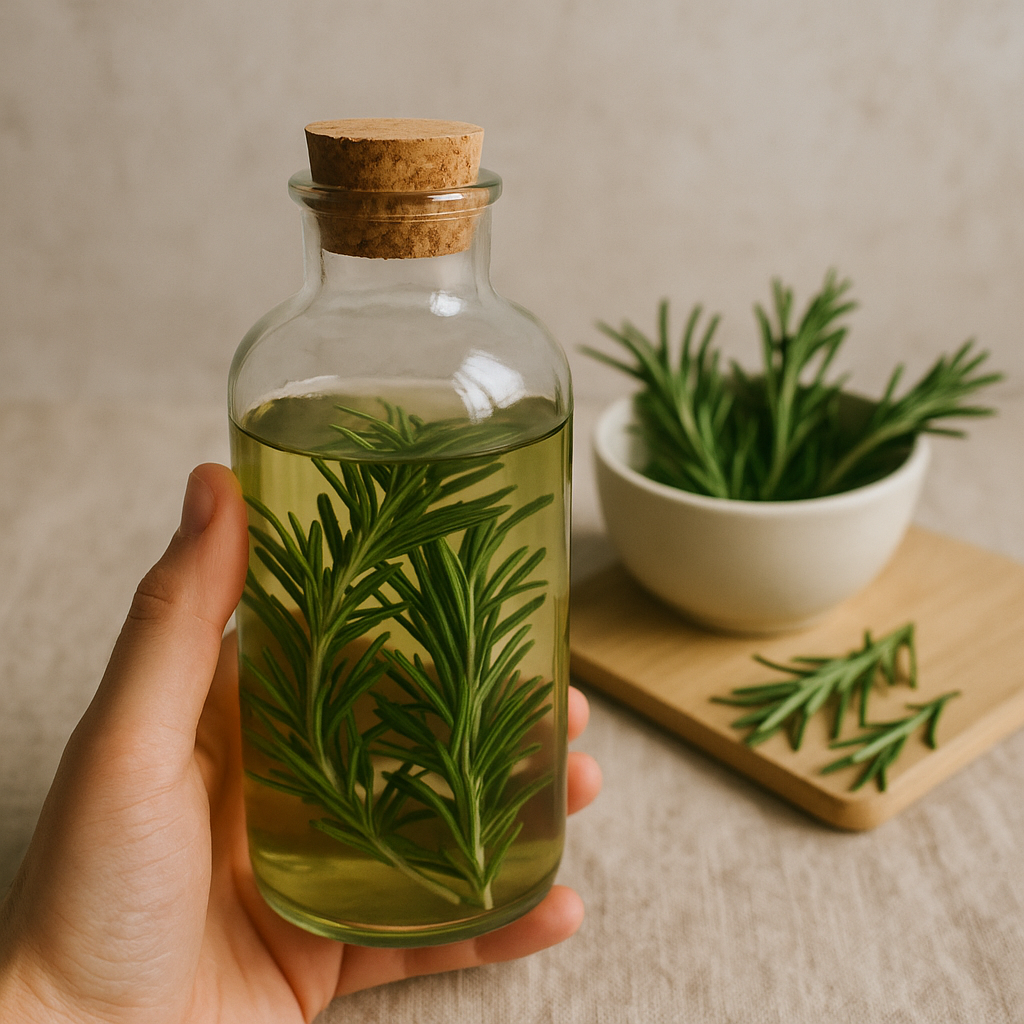
Other Uses of Rosemary Water for Hair and Wellness
Rosemary Water Uses for Hair Shine, Frizz, and Scalp Health
Besides boosting hair growth, rosemary water has several other useful rosemary water uses for hair. It’s a great natural tonic to tame frizz and add a lovely shine without weighing hair down. After applying rosemary water, your hair often feels softer and looks healthier — a simple way to enhance your natural hair texture.
Moreover, rosemary’s antimicrobial properties can help maintain a clean scalp environment, reducing itchiness, dandruff, and scalp irritation. So it’s not just about growth; rosemary water also supports overall hair wellness.
Combining Rosemary Water with Oils or Herbs
If you want to step up your hair care game, try combining rosemary water with oils or herbs. Many people mix rosemary water with essential oils like lavender or peppermint for an invigorating scalp massage. Others add a few drops of coconut or jojoba oil after applying rosemary water to lock in moisture.
Experimenting with these combinations can personalize your routine, making the benefits of rosemary water for hair even more effective and enjoyable.
Conclusion
Rosemary water is a simple, natural, and effective remedy that anyone can prepare at home to boost hair growth and improve overall hair health. From understanding how to make rosemary water for hair growth to learning the best ways how to apply rosemary water to hair, this versatile solution offers many benefits like strengthening hair, improving scalp circulation, reducing dandruff, and adding shine. Whether you use it daily, overnight, or combine it with other oils, rosemary water fits easily into any hair care routine.
Remember, consistency is key! Regular use can lead to noticeable improvements, but it’s important to pay attention to how your scalp responds and adjust accordingly. So why not give this age-old Ayurvedic recipe a try? Your hair might just thank you with healthier, fuller locks.
If you found this guide helpful, share it with friends or family who might be looking for natural ways to enhance their hair growth journey.
FAQs
Can I use rosemary water on my hair every day?
Yes, you can use rosemary water daily. Many find it beneficial for maintaining scalp health and encouraging hair growth. Just watch for any irritation and dilute if necessary.
When to apply rosemary water to hair — morning or night?
Both times work well! Applying in the morning refreshes the scalp, while nighttime use allows rosemary water to absorb deeply overnight.
Does rosemary water really help with hair loss or thinning?
While individual results vary, rosemary water is known to stimulate scalp circulation and strengthen hair follicles, which can reduce hair loss and promote thicker hair over time.
Can rosemary water be mixed with other oils or ingredients?
Absolutely! Mixing rosemary water with essential oils like lavender or carrier oils such as jojoba can enhance its benefits and improve scalp nourishment.
Questions from users
How to make homemade rosemary water for hair treatment?
Client_f19c2f
1 day ago
To make homemade rosemary water for hair treatment, start by boiling a handful of fresh or dried rosemary leaves in two cups of water for about 20 minutes. After boiling, let it steep until cool, strain out the leaves, and store the water in a spray bottle. Use rosemary water as a rinse after shampooing or spray it onto your scalp and hair daily. While rosemary water can promote hair growth and improve scalp health, results may take several months. Be cautious if you have sensitive skin to avoid irritation. If scalp issues persist, consider consulting a doctor.
Can I combine rosemary water with other essential oils for better hair health?
Client_785704
6 days ago
Yes, you can combine rosemary water with other essential oils for better hair health. Essential oils like lavender, peppermint, and tea tree have complementary properties that can enhance rosemary's effects. For example, adding peppermint oil can stimulate blood flow to the scalp, while tea tree oil can address dandruff issues. Typically, you'll want to mix a few drops of your chosen essential oils into the rosemary water before application. Monitor for any allergic reactions and consult a healthcare professional if you experience persistent scalp issues or hair loss.
How does rosemary water affect hair texture and shine?
Client_e4caea
11 days ago
Rosemary water can enhance hair texture and shine by improving scalp health and stimulating circulation. A healthy scalp often leads to softer, shinier hair. Typically, rosemary water is sprayed onto the hair or massaged into the scalp a few times a week, though some people use it daily. You should notice improvements in hair texture and shine within a few weeks, but results can vary. Watch for any signs of irritation, especially if used daily, and consult a doctor if you experience persistent scalp redness or discomfort.
How does rosemary water compare to other natural hair treatments?
Client_098024
16 days ago
Rosemary water can be an effective natural hair treatment, especially when compared to other options like coconut oil or aloe vera. It is particularly beneficial for promoting hair growth, reducing scalp inflammation, and improving hair texture due to its natural compounds like rosmarinic acid and antioxidants. While coconut oil is excellent for moisturizing, and aloe vera is known for soothing, rosemary water stands out for its potential in stimulating blood flow to the scalp, which can enhance nutrient delivery to hair follicles. Consistent use over several weeks is key, but individual results will vary. If you experience irritation or no improvement, consult a healthcare provider.
How long does it take to see results from using rosemary water on hair?
Client_ad136e
26 days ago
You might start to see improvements in your hair within 4 to 6 weeks of consistent use of rosemary water. This herbal remedy is believed to promote circulation in the scalp, which can enhance hair health and appearance over time. For optimal results, try applying rosemary water to your hair and scalp daily or at least a few times a week. If you experience any scalp irritation or dryness, consider diluting the solution further or using it less frequently. If problems persist, consult a dermatologist to ensure there are no underlying scalp conditions.
How often should I use rosemary water for hair growth?
Client_8f4b3a
36 days ago
For optimal hair growth, you can use rosemary water daily. Apply it after washing your hair when the scalp is clean to maximize absorption and boost circulation with a gentle massage. If daily use seems too frequent, start with 2-3 times a week. Expect to see noticeable improvements in a few months of consistent use. If you experience any irritation or unusual hair loss, discontinue use and consult a healthcare professional. Rosemary water may be beneficial, but it's not a substitute for addressing underlying health conditions affecting hair growth.
What are the potential benefits of using rosemary water for hair conditioning?
Client_da6ab5
46 days ago
Using rosemary water for hair conditioning can offer several potential benefits. It may promote hair growth, improve circulation to the scalp, and strengthen hair strands. When using rosemary water, some people notice shinier and smoother hair over time. Typically, positive results might be observed after consistent application over several weeks. Always watch for irritation and dilute as necessary. If you experience any adverse effects, discontinue use and consult a dermatologist, especially if you have a sensitive scalp or skin conditions.
What is the best method to dilute rosemary water for sensitive scalps?
Client_2a9a2f
55 days ago
To dilute rosemary water for a sensitive scalp, mix it with equal parts of plain water to reduce its concentration. If irritation persists, increase the dilution by mixing one part rosemary water with two or more parts of plain water. Use a spray bottle for even application, and try incorporating soothing essential oils like lavender to help calm the scalp. Perform a patch test before widespread use and limit application to every other night initially. If irritation continues, discontinue use and consult a dermatologist.
Can I use rosemary water for scalp massages to relieve itchiness?
Client_72692e
65 days ago
Yes, you can absolutely use rosemary water for scalp massage to relieve itchiness! Its natural properties help boost circulation and soothe the scalp. Just remember to listen to your scalp and see what works best for you. Mixing with essential oils can enhance the massage too, lavender or peppermint might be nice additions!
Can rosemary water be used on a sensitive scalp without irritation?
Client_634f59
74 days ago
Rosemary water is generally gentle, but if you have a sensitive scalp, it's best to do a patch test first. everyone's skin can react differently. If you mix it with calming oils like coconut or almond, it might be less irritating. But, listen to your scalp—if it starts feeling itchy or irritated, it may not be right for you.
Related articles

Skin and Hair Disorders
Ayurvedic Hair Dye Black: Natural Color, Ancient Wisdom
So, I’ve got a confession to make — I used to really stress about my hair turning gray. Not in a midlife-crisis kind of way, but every time I looked in the mirror, the silvery strands caught my eye like little traitors. I tried every off-the-shelf hair dy
6,452

Skin and Hair Disorders
How to Control Sweating: Natural Ways to Stay Fresh
Learn how to control excessive sweating naturally. Discover Ayurvedic tips for face, scalp, underarms, and palms. Stay fresh and confident in summer heat
4,254

Skin and Hair Disorders
How to Apply Egg on Hair: Ayurvedic Guide to Benefits & Growth
How to apply egg on hair? Discover egg hair mask recipes, benefits of egg for hair growth, how to use egg white, and possible side effects of applying egg
19,213

Skin and Hair Disorders
Understanding Skin Pigmentation Problems
Skin pigmentation problems can be caused by factors such as sun exposure and hormonal changes, affecting skin tone and texture.
2,591

Skin and Hair Disorders
Corn Treatment in Ayurveda: Natural Remedies for Smooth and Healthy Skin
Learn about Ayurvedic treatments for corns, focusing on natural remedies to remove and prevent corns, soothe discomfort, and promote skin health.
7,183

Skin and Hair Disorders
Utsadana – Ayurvedic Therapeutic Massage for Detoxification and Vitality
Learn about Utsadana, an Ayurvedic therapeutic massage that promotes detoxification, relieves stress, and rejuvenates the body through a combination of herbal pastes and oils.
3,643

Skin and Hair Disorders
What Is Kushta Roga in Ayurveda? Meaning, Symptoms, and Healing
What is Kushta Roga in Ayurveda? Learn about its meaning, types, symptoms, and Ayurvedic treatments for skin disorders traditionally known as Kushta diseases
8,762

Skin and Hair Disorders
How to Drink Saffron for Skin Whitening: Ayurvedic Tips That Work
Discover how to drink saffron for skin whitening, including saffron milk and saffron water. Learn when to consume kesar and how it benefits glowing skin
7,705

Skin and Hair Disorders
Best Ayurvedic Medicine for Fungal Infection – Natural Herbal Solutions
Discover the best Ayurvedic medicines for treating fungal infections. Learn about natural remedies, benefits, dosage, usage, and scientific evidence behind these herbs.
6,729
Related consultations on the topic
Legal
Additional Documents
© 2024 Ask Ayurveda. All rights reserved.