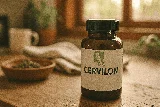
Kumari Asava No 3

Introduction
If you’ve ever dived into the world of Ayurvedic medicine, you’ve probably heard of Kumari Asava No 3. This popular herbal tonic is touted for a spectrum of benefits, from improving digestion to supporting women’s health. In fact, Kumari Asava No 3 appears in many classical texts and modern formulations alike. It’s an alcohol-based fermented extract, with aloe vera (kumari) as its star ingredient. You’ll see it referenced as an “Ayurvedic digestive tonic,” “herbal supplement for menstrual balance,” or simply “natural remedy.”
Some say it’s a bit bitter, others swear by its cooling effect. Either way, it’s earned its place as a reliable Ayurvedic medicine.
In this article we’ll break down what Kumari Asava No 3 really is, dig into its history, spell out its ingredients, talk about clinical benefits, dosage guidelines, possible side effects, and even answer frequently asked questions at the end. By the time you finish, you’ll feel confident whether to add this herbal formulation to your wellness routine.
What is Kumari Asava No 3?
So, what’s in the name? “Kumari” refers to aloe vera one of Ayurveda’s go-to herbs for Pitta balance, skin health, and digestion. “Asava” means it’s a fermented extract, like a herbal wine, made by letting select ingredients soak in a natural sugar or jaggery solution. And “No 3”? That’s just the third variation of Kumari Asava in certain classical pharmacopeias. You might see Kumari Asava No. 1 or No. 2 elsewhere each slightly tweaked in composition.
Historical Background
Historically, Kumari Asava appears in the Charaka Samhita and Sushruta Samhita ancient Ayurvedic texts dating back thousands of years. Traditional healers used it to treat indigestion, menstrual irregularities, low appetite, and even as a rejuvenative tonic. Real-life example: a 16th-century Prince in Rajasthan reportedly took it to ease his chronic gastritis. Fast forward to today, many clinics in India still prepare it fresh, while big herbal brands bottle and export it worldwide.
Composition & Ingredients
The strength of Kumari Asava No 3 lies in its carefully balanced mix of primary and secondary herbs, fermented to perfection. Let’s break down what goes into this Ayurvedic tonic.
Primary Herbs
- Aloe vera (Kumari): The main ingredient, prized for cooling properties, Pitta pacification, and soothing inflammation in the gut lining.
- Haritaki: A potent mild laxative that supports regular bowel movements and detoxification.
- Vibhitaki: Complementing Haritaki, it has similar digestive benefits and helps clear ama (toxins).
- Triphala: A classic combination of Haritaki, Vibhitaki, and Amalaki supports digestion, immunity, and eye health. In some recipes, Triphala powder is added to reinforce the trio further.
Secondary Components
- Jaggery or sugar: Serves as the fermenting base and natural preservative.
- Black pepper & Long pepper (Pippali): Work as bio-enhancers, improving the absorption of all active compounds.
- Cleome gynandra or other regional herbs: A few drops depending on local tradition, fine-tuning properties for menstrual cramps and hormonal support.
- Boiling water & Natural yeast culture: The fermenting medium some practitioners even collect wild fermentation agents from neem leaves or homemade dregs.
Note: Formulations vary across traditions. Some add Zingiber officinale (ginger) or Cinnamon for extra warmth. Kumari Asava No 3 specifically focuses on cooling, so ginger is minimized or omitted.
Mechanism of Action
Ever wonder how a fermented aloe vera tonic actually works? It’s not just placebo. Ayurveda frames it in terms of dosha balance, ama elimination, and improving agni (digestive fire). From a modern lens, fermentation breaks down complex molecules into bioavailable nutrients and beneficial probiotics. Let’s dive deeper.
Digestive Health
The gut is where it all begins. Kumari Asava No 3:
- Enhances enzymatic activity: Fermentation yields organic acids and enzymes that support digestion.
- Soothes mucosal lining: Aloe vera’s polysaccharides can calm irritation in the stomach and intestines helpful for dyspepsia, acid reflux, or mild gastritis.
- Promotes regularity: Triphala components gently stimulate bowel movements without harsh cramping you’d get from strong laxatives.
Imagine you had a heavy feast curries, pickles, fried snacks your Pitta might flare up, leading to heartburn. A couple of teaspoons of Kumari Asava No 3 after dinner can help rebalance, cool things down, and keep your digestion humming.
Metabolism & Pitta Dosha
Aloe vera is classically Pitta-pacifying cooling, sweet, and slightly astringent in taste. When combined with partners like Haritaki and Vibhitaki, the formula:
- Balances metabolic heat
- Reduces inflammation at a cellular level
- Supports healthy lipid profiles (some studies suggest)
As a result, folks with Pitta imbalance those prone to acid reflux, skin rashes, and irritability often report calmer digestion, fewer bouts of hyperacidity, and a generally cooler system when using this asava regularly.
Clinical Benefits & Uses
Beyond basic digestive support, Kumari Asava No 3 shines in several niches. Below are real-life scenarios and clinical indications where this herbal tonic is especially praised.
Women’s Health & Reproductive Support
- Menstrual cramps & irregular cycles: The cooling effect of aloe combined with hormone-modulating Triphala can relieve cramps and bring cycle regularity. Anecdotal reports say it’s a gentler alternative to NSAIDs.
- Pre-menstrual syndrome (PMS): Mood swings and bloating often accompany PMS. Pippali and black pepper gently stimulate circulation and reduce water retention.
- Post-partum recovery: Traditional midwives use Kumari Asava No 3 as a restorative tonic to rebuild strength and tone the uterus.
Tip: One local healer in Kerala recommends taking it warm diluted in lukewarm water during the first three days of the menstrual cycle for enhanced relief.
General Wellness & Immunity
Even if you don’t have specific complaints, many use Kumari Asava No 3 as a daily health tonic:
- Boosts immunity: Triphala’s antioxidants plus fermentation-produced probiotics create a gut-rich flora environment—key for immune resilience.
- Skin health: Aloe and Triphala support clear skin by detoxifying from within.
- Energy & mental clarity: Improved digestion means better nutrient absorption so you feel more energized, less brain fog.
Real life example: A busy Mumbai executive reported fewer sick days and better stress tolerance after integrating 15 ml of Kumari Asava No 3 into his morning routine for three months.
Dosage, Preparation & Side Effects
Using Kumari Asava No 3 correctly maximizes benefits and minimizes any adverse reactions. Here’s a practical guide.
How to Use Kumari Asava No 3
- Standard dose: 10–20 ml, twice a day, after meals. Always dilute with warm water or herbal decoction for better absorption.
- Children’s dose: Half the adult dose, or as advised by an Ayurvedic practitioner. Often mixed with a teaspoon of honey for taste.
- Timing: After breakfast and dinner. Avoid taking on an empty stomach to prevent slight giddiness.
- Duration: Minimum 30 days for chronic issues; can be taken long-term with monthly breaks.
Home preparation: While most people buy ready-made bottles, traditionalists collect fresh aloe vera gel, add jaggery and selected herbs, then ferment under cloth for 7–10 days. Not for the faint-hearted!
Precautions & Possible Side Effects
- Mild diarrhea or loose stools if overdosed—scale back to half dose if this happens.
- Alcohol content: Typically low (<5%), but important for children, pregnant women, and those avoiding alcohol entirely.
- Allergy risk: Rare, but test a drop on your tongue first if you have known allergies to aloe vera or related plants.
- Consultation: Always talk to a qualified Ayurvedic practitioner before combining with prescription drugs possible herb–drug interactions.
Small slip I often see: people forget it’s an asava (fermented tonic), so they treat it like a paste. That won’t work! It must be liquid and fermented to mobilize the active compounds.
Conclusion
So there you have it a deep dive into Kumari Asava No 3, from its historical roots in classical Ayurveda to its modern-day applications as a digestive enhancer and women’s health ally. Whether you’re battling indigestion, irregular cycles, or just want a natural immunity boost, this herbal formulation offers a time-tested solution. Remember, it’s not a miracle overnight; consistency is key. And because it’s fermented, the synergistic mix of probiotics, enzymes, and phytochemicals can take a few weeks to truly settle in your system.
Next steps? Grab a bottle from a reputable Ayurvedic pharmacy or consult your local Vaidya if you fancy making it at home. Try a 30-day course and notice how your digestion, energy levels, and overall well-being shift.
FAQs
1. What’s the difference between Kumari Asava No 3 and No 1?
The main difference lies in the herb ratios and additional spices. No 3 emphasizes cooling and Pitta pacification (more aloe vera, less ginger), whereas No 1 may include warming herbs like ginger and cinnamon for Vata and Kapha balance.
2. Can pregnant women take Kumari Asava No 3?
Generally, pregnant women are advised to avoid asavas due to alcohol content and strong digestive effects. Always consult your Ayurvedic doctor before using any tonic during pregnancy.
3. Is Kumari Asava No 3 vegan-friendly?
Yes, it is completely plant-based. The fermentation uses natural yeast or sugarcane jaggery—no animal products involved.
4. How long can I store an opened bottle?
Store in a cool, dark place. Once opened, aim to use it within 2–3 months. Keep the cap tightly closed. Some people refrigerate to prolong shelf life, which is fine too.
5. Can I mix it with other Ayurvedic tonics?
You can, but be cautious about cumulative dosages and herb interactions. Combining with another asava might increase alcohol content or digestive potency—so halve the doses or seek professional guidance.
6. Does Kumari Asava No 3 help with weight loss?
Indirectly, yes—by improving digestion, reducing bloating, and helping balance metabolism. It’s not a fat-burner per se, but better digestive fire (agni) often translates to improved nutrient utilization and weight management.
7. Where can I buy authentic Kumari Asava No 3?
Look for licensed Ayurvedic pharmacies or brands certified by GMP (Good Manufacturing Practices). Check for expiration date, ingredient list, and preferably third-party lab testing.
8. Are there any age restrictions?
Ideal for adults over 16. For younger children, reduce the dose significantly, or use milder formulations like Kumari Arishtam instead.
9. How quickly will I notice benefits?
Some people feel milder digestion and reduced acidity within a week. For chronic issues like menstrual irregularities, it can take 4–6 weeks of consistent use.
10. Can I make Kumari Asava No 3 at home?
Yes, with fresh aloe gel, herbs, jaggery, and a clean fermentation vessel. But be prepared for a bit of trial and error—fermentation is as much art as science!
Ask Ayurvedic doctor a question and get a consultation online on the problem of your concern in a free or paid mode.
More than 2,000 experienced doctors work and wait for your questions on our site and help users to solve their health problems every day.
Related articles