Ask Ayurvedic doctor a question and get a consultation online on the problem of your concern in a free or paid mode. More than 2,000 experienced doctors work and wait for your questions on our site and help users to solve their health problems every day.
FREE! Ask Ayurvedic Doctors 24/7

 Fast responses
 1000+ verified doctors
Body DetoxEar, Nose, and Throat DisordersGeriatrics & RejuvenationImmunodeficiencyInfertility TreatmentNutritionOrthopedic DisordersPediatricsRespiratory DisordersSexually Transmitted Diseases (STDs)Surgery RecoveryUrological DisordersVascular DisordersDental DisordersEndocrinological DisordersGastrointestinal DisordersYoga TherapyGeneral MedicineAllergic DisordersCardio DisordersGynecology and ObstetricsCosmetologySkin and Hair DisordersEye DisordersInfectious DiseasesMental DisordersNeurological DisordersOncologyPanchakarmaSexual Health & DisordersSports Medicine
Published on 11/06/24
(Updated on 07/09/26)
2,934
Constipation Relief with Ayurveda

Constipation is one of the most common digestive complaints worldwide, and Ayurveda offers a time-tested, root-cause approach to fix it — not just mask the symptoms. In Ayurvedic medicine, constipation (known as Vibandha or Malabaddhata) results from a Vata dosha imbalance that causes dryness, hardness, and sluggish movement in the colon. Treatment focuses on restoring moisture, warmth, and proper downward flow (Apana Vayu) through herbs like Triphala and Haritaki, dietary changes, lifestyle adjustments, and Panchakarma therapies like Basti.
This guide covers everything — from understanding why constipation happens according to Ayurveda, to specific remedies, dosages, protocols for acute vs. chronic cases, and scientific evidence backing these approaches. Whether you've been struggling for days or years, there's an Ayurvedic path forward.
What Is Constipation? The Ayurvedic Perspective
Modern medicine defines constipation as having fewer than three bowel movements per week, often with hard stools, straining, and a feeling of incomplete evacuation. Ayurveda goes deeper.
In Ayurvedic pathology (Samprapti), constipation begins when aggravated Vata dosha — characterized by dry, cold, light, and mobile qualities — accumulates in the Purishavaha Srotas (the channel responsible for fecal elimination). This excess Vata absorbs moisture from the intestines, making stools hard and difficult to pass.
The Role of Agni and Ama
- Your digestive fire (Agni) is central to everything. When Agni is weak or irregular (Vishama Agni, typically seen in Vata-dominant individuals), food isn't properly digested.
- This creates Ama — a toxic, sticky residue that clogs the intestinal channels and further impairs peristalsis.
Think of it this way: weak Agni means incomplete digestion, which produces Ama, which blocks the pathways, which worsens Vata, which dries out the colon even more. It's a vicious cycle.
Apana Vayu: The Downward Force
Apana Vayu is the sub-type of Vata responsible for all downward movements — bowel elimination, urination, menstruation, and childbirth. When Apana Vayu is disturbed, the natural downward push that moves stool through the colon becomes erratic or weakened. Restoring Apana Vayu function is the primary therapeutic goal in Ayurvedic constipation treatment.
The Concept of Vega Dharana (Suppression of Natural Urges)
One cause that Ayurveda uniquely highlights is Vega Dharana — the habitual suppression of natural urges. Ignoring the urge to defecate (due to busy schedules, travel, or social situations) directly disturbs Apana Vayu and is considered a major cause of chronic constipation.
This is particularly relevent for women and children. Women often suppress urges due to workplace constraints or social discomfort, while children may avoid school bathrooms. Over time, the body "forgets" its natural rhythm, and constipation becomes chronic.
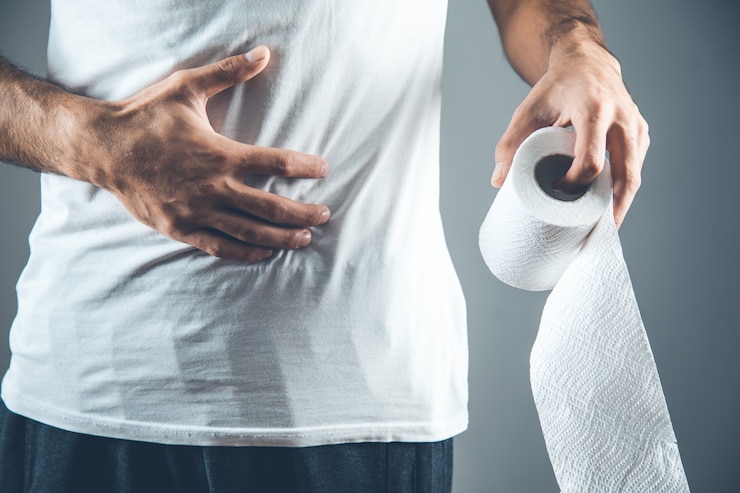
Causes of Constipation According to Ayurveda
- Understanding the causes helps you target the right solution.
- Ayurveda identifies several interconnected factors:
Dietary Causes (Ahara)
- Dry, cold, and rough foods — excessive raw salads, crackers, dried foods, and cold beverages aggravate Vata
- Low fiber intake — processed and refined foods lack the bulk needed for healthy stools
- Dehydration — insufficient water intake directly dries the colon
- Irregular meal timing — eating at different times each day disrupts Agni
- Excess caffeine and astringent foods — tea, coffee, and unripe bananas have a drying effect
Lifestyle Causes (Vihara)
- Sedentary lifestyle — lack of physical movement slows intestinal motility
- Irregular sleep patterns — disrupted circadian rhythms disturb Vata
- Excessive travel — movement and instability aggravate Vata dosha
- Stress and anxiety — the gut-brain connection is well-recognized in Ayurveda; mental tension directly impacts digestive function
The Mind-Gut Connection
Ayurveda recognized thousands of years ago what modern science now calls the "gut-brain axis." Stress, anxiety, and overthinking are Vata-aggravating mental states that directly impair digestion and elimination. A 2021 review published in Neurogastroenterology & Motility confirmed that psychological stress significantly alters colonic transit time and gut motility — validating what Ayurvedic texts have taught for centuries.
Types of Constipation by Dosha (Prakriti-Based Approach)
This is something most resources miss entirely. Ayurveda doesn't treat all constipation the same way. Your constitutional type (Prakriti) determines both why you're constipated and what will work best.
| Feature | Vata-Type Constipation | Pitta-Type Constipation | Kapha-Type Constipation |
|---|---|---|---|
| Stool character | Dry, hard, pellet-like | Dry but with burning sensation | Sticky, mucus-coated, heavy |
| Associated symptoms | Gas, bloating, abdominal pain | Heartburn, irritability, yellowish coating | Heaviness, lethargy, loss of appetite |
| Primary cause | Dryness, cold, irregular routine | Excess heat drying fluids | Sluggish metabolism, congestion |
| Key remedy | Warm oil massage + ghee internally | Cooling laxatives (Amalaki, Avipattikar) | Stimulating herbs (Trikatu, dry ginger) |
| Best herb | Haritaki with warm water | Amalaki or Triphala with cool water | Bibhitaki with honey |
| Diet focus | Warm, oily, moist foods | Cooling, hydrating foods | Light, warm, spiced foods |
| Oil for Abhyanga | Sesame oil | Coconut oil | Mustard oil |
Most constipation cases in clinical practice are Vata-type, but treating a Pitta-type constipation with heavy oiling (a Vata protocol) can actually make things worse. This is why personalization matters.
How to Relieve Constipation in Ayurveda: Natural Remedies and Home Solutions
Let's get practical. These are proven home remedies you can start today, organized from simplest to most targeted.
Instant and Quick-Relief Remedies
Warm water on an empty stomach: Drink 2-3 glasses of warm (not hot) water first thing in the morning. This stimulates peristalsis and hydrates the colon. Adding a squeeze of lemon enhances the effect. Ghee with warm milk at bedtime: Mix 1-2 teaspoons of pure cow's ghee in a glass of warm milk and drink before sleep. Ghee lubricates the intestinal walls and is one of the most effective Vata-pacifying substances in Ayurveda. A 2018 pilot study at a Jamnagar Ayurvedic hospital found that ghee with milk at bedtime improved bowel frequency in 78% of participants within one week. Soaked raisins or figs: Soak 10-12 raisins or 2-3 dried figs in water overnight. Eat them first thing in the morning along with the water. These fruits are natural, mild laxatives rich in soluble fiber.
- Castor oil (Eranda Taila): Take 1-2 teaspoons of food-grade castor oil with warm milk or warm water at bedtime.
- This is a powerful Vata-pacifying laxative.
- Note: castor oil should not be used daily — it's best for occasional acute relief. Avoid during pregnancy.
How to Clear Constipation in 30 Minutes
For urgent relief, try this Ayurvedic protocol:
- Drink a glass of warm water with 1 teaspoon of ghee and a pinch of rock salt
- Gently massage the lower abdomen in clockwise circles for 5 minutes
- Sit in Vajrasana (kneeling pose) for 10-15 minutes
- Try Pawanmuktasana (wind-relieving pose) — lying on your back, bring knees to chest and hold
This combination stimulates Apana Vayu, warms the digestive tract, and physically encourages bowel movement. It won't work every single time, but many people find relief within 20-30 minutes.
Ginger and Herbal Teas
Fresh ginger tea — made by boiling 1 inch of crushed ginger in 2 cups of water for 5 minutes — stimulates Agni and promotes intestinal motility. Drinking it 30 minutes before meals is ideal.
Another effective preparation: boil 1 teaspoon each of cumin, coriander and fennel seeds (CCF tea) in 2 cups of water. This classic Ayurvedic digestive tea reduces bloating, kindles Agni, and gently supports elimination.
What Are the Natural Laxatives in Ayurveda? Key Herbs and Formulations
Ayurveda has an extensive pharmacopoeia for constipation. Here are the most important herbs and formulations, with specific dosages and evidence.
Triphala: The Gold Standard
Triphala — a combination of three fruits: Amalaki (Emblica officinalis), Bibhitaki (Terminalia bellirica), and Haritaki (Terminalia chebula) — is the single most recommended Ayurvedic remedy for constipation.
How it works: Triphala acts as a mild laxative, prokinetic agent, and colon tonic. Unlike harsh stimulant laxatives, it strengthens intestinal muscles over time rather than creating dependency. Scientific evidence: A 2017 randomized controlled trial published in the Journal of Alternative and Complementary Medicine found that Triphala significantly improved bowel frequency, stool consistency, and straining compared to placebo in patients with functional constipation. A 2019 study in BMC Complementary Medicine and Therapies confirmed its prokinetic and laxative effects through regulation of serotonin and acetylcholine pathways in the gut. Dosage: 1-2 teaspoons (3-6 grams) of Triphala churna with warm water at bedtime. Start with a lower dose and increase gradually. For Pitta constitutions, take with cool water or a small amount of ghee.
Haritaki: The "King of Medicines"
Called Harade in Hindi, Haritaki is considered the single most important herb in Ayurveda. It is one of the three components of Triphala and can be taken alone for more targeted laxative action.
Dosage: 3-5 grams of Haritaki churna with warm water at bedtime. It's especially effective for Vata-type constipation.
Isabgol (Psyllium Husk)
- While technically not a classical Ayurvedic herb, Isabgol has been used in Indian medical tradition for centuries.
- It acts as a bulk-forming laxative — absorbing water and adding volume to stools.
Dosage: 1-2 tablespoons mixed in warm water or buttermilk at bedtime. Always drink adequate water when taking Isabgol.
Complete Guide to Ayurvedic Formulations for Constipation
| Medicine | Type | Best For | Dosage | When to Take | Expected Effect |
|---|---|---|---|---|---|
| Triphala Churna | Powder | All types, chronic constipation | 3-6 g | Bedtime with warm water | 3-7 days for regularity |
| Haritaki Churna | Powder | Vata-type, hard dry stools | 3-5 g | Bedtime with warm water | 1-3 days |
| Abhayarishta | Liquid (fermented) | Chronic constipation with gas | 15-30 ml | After meals with equal water | 1-2 weeks |
| Avipattikara Churna | Powder | Pitta-type, with acidity/burning | 3-5 g | Before meals with cool water | 5-7 days |
| Gandharvahastadi Kashaya | Decoction | Vata-type with severe bloating | 15-30 ml | Before meals | 3-5 days |
| Eranda Taila (Castor Oil) | Oil | Acute constipation, occasional use | 5-10 ml | Bedtime with warm milk | 6-8 hours |
| Danrvadi Kwatha | Decoction | Constipation with liver sluggishness | 15-20 ml | Before meals | 1-2 weeks |
| Phala Varti (Rectal Suppository) | Suppository | Severe acute constipation, fecal impaction | As prescribed | As needed | 15-60 minutes |
- Important note on laxative caution: Even Ayurvedic laxatives should not be used indefinitely without guidance. Long-term use of strong purgatives like castor oil can create dependency and weaken natural peristalsis.
- Triphala is an exception — it can be used long-term as it tonifies rather than just stimulating the colon. Always consult a qualified Ayurvedic practitioner for chronic cases.
Don't wait or self medicate. Start chat with Doctor NOW
Which Panchakarma Therapy Works Best for Constipation?
For moderate to severe or chronic constipation that doesn't respond to home remedies, Panchakarma therapies offer deeper intervention.
Basti (Medicated Enema): The Primary Therapy
- Basti is considered the most effective Panchakarma procedure for Vata disorders, including chronic constipation.
- There are two main types:
- Anuvasana Basti (Oil enema): Using medicated oils like sesame oil or Sahachara taila, this lubricates the colon and pacifies Vata. It's retained in the body and nourishes the intestinal tissues.
- Niruha Basti (Decoction enema): A larger-volume enema using herbal decoctions (like Dashamula kashaya) mixed with honey, rock salt, and medicated oils. This cleanses the colon and restores Apana Vayu function.
A typical protocol involves alternating these two types over 8, 15, or 30 days depending on severity.
Clinical evidence: A case study published in PMC (2020) documented a patient with Hirschsprung disease-related severe constipation who underwent a Panchakarma protocol including Basti, Virechana, and Abhyanga over 90 days. Using the MOS-36 quality-of-life scale, the patient showed significant measurable improvement in bowel function, abdominal comfort, and overall wellbeing — with sustained results at 6-month follow-up.
Virechana (Therapeutic Purgation)
Virechana is a controlled, medicated purgation primarily indicated for Pitta-type constipation and cases where toxin accumulation (Ama) is significant. It involves preparatory oleation (internal ghee consumption for 3-7 days), followed by administration of a purgative medicine like Trivrit lehya or Ichchabhedi rasa.
This is a supervised clinical procedure. Do not attempt at home.
Abhyanga and Swedana (Oil Massage and Steam Therapy)
External therapies support the internal treatments:
- Abhyanga: Full-body warm oil massage with sesame oil or medicated oils. Calms Vata, improves circulation, and stimulates the enteric nervous system.
- Swedana: Steam therapy after Abhyanga. Opens channels (Srotas), liquefies Ama, and promotes downward movement.
Even self-administered abdominal massage with warm sesame oil in clockwise direction for 10 minutes daily can significantly improve bowel regularity.
- Acute vs Chronic Constipation: A Step-by-Step Protocol
No other resource gives you a clear decision framework, so here it is.
Acute Constipation (Less than 2 weeks)
Step 1: Warm water + ghee in the morning; ghee with warm milk at bedtime Step 2: If no relief in 24 hours — Triphala churna (5g) at bedtime Step 3: If no relief in 48 hours — Castor oil (1-2 tsp) with warm milk at bedtime Step 4: If still no relief — consult a practitioner; consider Phala Varti (suppository) or clinical Basti
Chronic Constipation (More than 4 weeks)
Phase 1 — Foundation (Weeks 1-2):
- Fix hydration: minimum 8 glasses warm/room-temperature water daily
- Establish routine: wake by 6 AM, attempt bowel movement at same time daily
- Start Triphala churna: 3g at bedtime, gradually increase to 6g
- Daily abdominal self-massage with warm sesame oil
Phase 2 — Deepening (Weeks 3-4):
- Add Abhayarishta: 15ml after lunch and dinner
- Introduce CCF tea before meals
- Start gentle yoga: Vajrasana after meals, Pawanmuktasana in the morning
- Evaluate: if improvement is noted, continue Phase 2 for another 2 weeks
Phase 3 — Resolution (If needed):
- Consult an Ayurvedic physician for constitutional assessment
- Consider Basti therapy (8-day protocol minimum)
- Address root cause: stress management, Agni restoration, dosha-specific diet
- Maintenance: Triphala long-term (3g daily), lifestyle modifications permanent
Diet and Lifestyle for Constipation Relief (Dinacharya)
Ayurvedic Dietary Guidelines
Foods to favor:
- Warm, cooked, moist foods — soups, stews, khichdi, daliya (porridge)
- Healthy fats — ghee, sesame oil, olive oil
- Cooked vegetables — pumpkin, zucchini, spinach, beets, sweet potato
- Fruits — ripe bananas, papaya, pears, stewed apples, soaked prunes
- Whole grains — oats, whole wheat, rice (moderately)
- Warm spices — cumin, ginger, fennel, asafoetida (hing), black pepper
Foods to reduce or avoid:
- Cold, dry, processed foods — chips, crackers, cold cereals
- Excessive raw vegetables and salads (especially in winter)
- Frozen foods and ice-cold beverages
- Excess caffeine and black tea
- White bread, refined flour products (maida)
- Unripe bananas, pomegranate (astringent fruits)
Sample Daily Menu for Constipation Relief
| Meal | What to Eat |
|---|---|
| On waking | 2 glasses warm water with lemon; soaked raisins/figs |
| Breakfast (7-8 AM) | Oatmeal porridge cooked with ghee, cinnamon, and stewed apple |
| Mid-morning | CCF tea or ginger tea |
| Lunch (12-1 PM) | Khichdi with ghee, cooked vegetables, buttermilk with roasted cumin |
| Afternoon | Warm water; a ripe banana or papaya |
| Dinner (6-7 PM) | Vegetable soup or light dal with chapati and a teaspoon of ghee |
| Bedtime | Warm milk with ghee + Triphala churna |
Yoga and Breathing Practices
Specific asanas stimulate the digestive organs and activate Apana Vayu:
- Vajrasana (Thunderbolt Pose) — sit in this pose for 5-10 minutes after every meal
- Pawanmuktasana (Wind-Relieving Pose) — compresses the ascending and descending colon
- Malasana (Deep Squat) — mimics the natural squatting posture for elimination
- Ardha Matsyendrasana (Seated Spinal Twist) — massages abdominal organs
Pranayama: Nadi Shodhana (Alternate Nostril Breathing) balances the nervous system and calms Vata. Practice for 5-10 minutes daily, preferably in the morning.
- Ayurveda vs Western Medicine for Constipation: A Comparison
| Aspect | Ayurvedic Approach | Western Medical Approach |
|---|---|---|
| Philosophy | Treat root cause (dosha imbalance) | Manage symptoms |
| Primary tools | Herbs, diet, lifestyle, Panchakarma | OTC laxatives, prescription drugs, sometimes surgery |
| Personalization | Based on Prakriti (constitution) | One-size-fits-most protocols |
| Side effects | Minimal when properly prescribed | Dependency, electrolyte imbalance, cramping |
| Long-term efficacy | Addresses underlying imbalance; sustainable | Symptoms often return when medication stops |
| Speed of relief | Moderate (days to weeks for chronic cases) | Fast (hours for stimulant laxatives) |
| Evidence base | Growing; traditional texts + emerging RCTs | Extensive clinical trials |
| Best for | Chronic functional constipation, holistic wellness | Acute emergencies, structural causes, severe cases |
- Neither approach is inherently superior.
- The smartest path is often integrative — using Ayurvedic methods for long-term management while relying on conventional medicine for acute complications like fecal impaction or bowel obstruction.
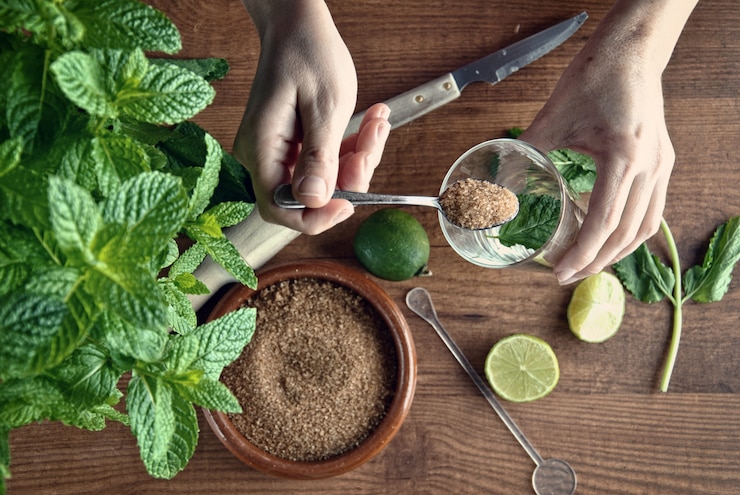
Complications of Untreated Constipation
Ignoring chronic constipation isn't just uncomfortable — it can lead to serious health problems:
- Hemorrhoids (piles) — straining damages rectal blood vessels
- Anal fissures — hard stools tear the anal lining
- Rectal prolapse — chronic straining can cause rectal tissue to protrude
- Fecal impaction — hardened stool mass that cannot be passed naturally
- Chronic bloating and gas — fermenting stool produces excessive gas
- Ayurveda also recognizes deeper connections. According to classical texts and modern clinical observation, chronic constipation is linked to migraine headaches, depression, skin disorders, and even rheumatoid arthritis.
- Constipation isn't just a gut problem — it's a systemic signal that your body's elimination pathways are compromised.
Contraindications: Who Should Be Cautious
| Remedy | Avoid or Use Caution If |
|---|---|
| Castor oil | Pregnancy, children under 12, intestinal obstruction, inflammatory bowel disease |
| Triphala | Pregnancy (first trimester), severe diarrhea, very young children |
| Virechana | Pregnancy, elderly/debilitated patients, rectal bleeding, children |
| Basti | Intestinal perforation, severe anemia, active infection |
| Isabgol | Intestinal obstruction, difficulty swallowing (always take with adequate water) |
| Strong purgatives | Long-term unsupervised use in any patient |
If you are pregnant, nursing, or managing a serious medical condition, always consult both your Ayurvedic practitioner and your primary healthcare provider before starting any treatment.
Frequently Asked Questions (FAQ)
Can Ayurvedic medicines help with constipation?
- Yes, absolutely.
- Ayurvedic medicines — particularly Triphala, Haritaki, and Abhayarishta — have demonstrated effectiveness in clinical studies and centuries of traditional use. A 2017 RCT confirmed Triphala's superiority over placebo for functional constipation. Unlike many conventional laxatives, well-chosen Ayurvedic remedies address the root cause rather than just forcing evacuation.
What is the best Ayurvedic medicine for constipation without side effects?
Triphala churna is widely considered the safest and most effective option for long-term use. It tonifies the colon rather than merely stimulating it, which means it doesn't create dependency. For Pitta-type constipation with acidity, Avipattikara churna is a better choice. For Vata-type with severe bloating, Gandharvahastadi kashaya works well.
What is the best Ayurvedic medicine for constipation and gas?
When constipation is accompanied by gas and bloating — a classic Vata pattern — Abhayarishta (15-30ml after meals) combined with Hingvasthaka churna works effectively. Ghee with a pinch of asafoetida (hing) taken with warm water is a simple home remedy for this combination.
What are Pitta constipation remedies?
- Pitta-type constipation involves dry stools with a burning sensation, sometimes alternating with loose motions.
- Cooling remedies work best: Amalaki churna (3-5g with cool water), Avipattikara churna, aloe vera juice (30ml on an empty stomach), and gulkand (rose petal preserve, 1-2 teaspoons with milk). Avoid hot spices and fermented foods.
What are Vata constipation remedies?
- Vata-type constipation — characterized by dry, hard, pellet-like stools with gas — responds best to warmth, moisture, and oil.
- Key remedies: ghee internally (1-2 tsp with warm milk), sesame oil abhyanga, Haritaki with warm water, Dashamula kashaya, and a diet of warm, cooked, well-oiled foods. Regularity of routine is critical.
Is there any Ayurvedic case study proving these treatments work?
Yes. A notable case study published in PMC documented successful Ayurvedic treatment of a patient with chronic constipation secondary to Hirschsprung disease. The protocol included Snehapana (internal oleation), Virechana, and a series of Basti treatments over 90 days. Using the MOS-36 quality of life assessment, the patient showed statistically significant improvement in bowel function maintained at 6-month follow-up.
How long does Ayurvedic treatment for constipation take?
For acute constipation, relief can come within hours to 1-3 days using remedies like castor oil or ghee with warm milk. For chronic constipation, expect 2-4 weeks of consistent treatment with Triphala, dietary changes, and lifestyle modification before significant improvement. Panchakarma protocols typically run 2-4 weeks for lasting results.
Start Your Journey to Natural Digestive Health
Constipation doesn't have to be your daily struggle. Ayurveda offers a comprehensive, personalized, and sustainable approach — one that works with your body rather than against it.
Start simple: warm water in the morning, ghee at night, and Triphala at bedtime. Pay attention to your body's signals and don't suppress natural urges. Build consistency before complexity.
If home remedies don't bring relief within 2-3 weeks, or if you experience blood in stools, severe abdominal pain, unexplained weight loss, or sudden changes in bowel habits, consult a qualified Ayurvedic practitioner and your healthcare provider promptly.
- Your gut health is the foundation of your overall wellbeing.
- In the words of the ancient Ayurvedic text Charaka Samhita: "When digestion is sound, the whole body thrives. When digestion fails, disease follows."
Scientific Sources
- Effect of hydrotherapy, balneotherapy, and spa therapy on blood pressure: a mini-review — Moini Jazani A et al., 2023, International journal of biometeorology
- Quantitative analysis of effectiveness and associated factors of exercise on symptoms in osteoarthritis: a pharmacodynamic model-based meta-analysis — Han S et al., 2024, British journal of sports medicine
- Herbal Medicine and Voice Quality: Uncovering the Impact Through Acoustic Analysis — Damirchian RH et al., 2024, Journal of voice : official journal of the Voice Foundation
- Streptococcus agalactiae Infection in Nile Tilapia (Oreochromis niloticus): A Review — Abdallah ESH et al., 2024, Biology
- The Efficacy and Safety of Traditional Chinese Medicine Qufenghuoxue Formula on Treating Peripheral Neuropathy Induced by Paclitaxel in Advanced Lung Cancer: A Randomized Clinical Trial — Song Y et al., 2025, Supportive care in cancer : official journal of the Multinational Association of Supportive Care in Cancer
- Depression and Its Phytopharmacotherapy-A Narrative Review — Dobrek L et al., 2023, International journal of molecular sciences
- The therapeutic importance of acid-base balance — Quade BN et al., 2021, Biochemical pharmacology
- Lemon-derived nanoparticle-functionalized hydrogels regulate macrophage reprogramming to promote diabetic wound healing — Jin E et al., 2025, Journal of nanobiotechnology
- Medicinal Plants Used for Anxiety, Depression, or Stress Treatment: An Update — Kenda M et al., 2022, Molecules (Basel, Switzerland)
- Herbal Remedies and Their Possible Effect on the GABAergic System and Sleep — Bruni O et al., 2021, Nutrients
- Chinese herbal medicine-derived extracellular vesicles as novel biotherapeutic tools: present and future — Zhang J et al., 2024, Journal of translational medicine
- Efficacy of herbal medicine (cinnamon/fennel/ginger) for primary dysmenorrhea: a systematic review and meta-analysis of randomized controlled trials — Xu Y et al., 2020, The Journal of international medical research
- A critical review of Ginger's (Zingiber officinale) antioxidant, anti-inflammatory, and immunomodulatory activities — Ayustaningwarno F et al., 2024, Frontiers in nutrition
- Ayurvedic Herbal Medicines: A Literature Review of Their Applications in Female Reproductive Health — Patibandla S et al., 2024, Cureus
- Zingiber officinale var. rubrum: Red Ginger's Medicinal Uses — Zhang S et al., 2022, Molecules (Basel, Switzerland)
- Polycystic ovaries and herbal remedies: A systematic review — Manouchehri A et al., 2023, JBRA assisted reproduction
- Nutritional and herbal interventions for polycystic ovary syndrome (PCOS): a comprehensive review of dietary approaches, macronutrient impact, and herbal medicine in management — Muhammed Saeed AA et al., 2025, Journal of health, population, and nutrition
- Dietary supplements for dysmenorrhoea — Pattanittum P et al., 2016, The Cochrane database of systematic reviews
- Fennel — 2006
Questions from users
How long does it take for Ayurvedic remedies to relieve constipation?
Hudson
3 days ago
Ayurvedic remedies for constipation can take anywhere from a few days to several weeks to show effects, depending on the individual's body type and the severity of the constipation. Basic remedies like consuming warm water with lemon can offer relief within days by promoting gentle bowel movements. For more chronic cases, therapies such as oleation and specific purgatives might require 3 to 7 days for preparatory steps, with continued treatment over weeks or even 90 days. If constipation persists despite these treatments, or if there are other worrying symptoms like severe pain or blood in stools, it’s essential to consult a healthcare provider.
What is Avipattikara churna and how does it help with constipation?
Lillian
13 days ago
Avipattikara churna is a classic Ayurvedic formulation used mostly for Pitta-type constipation, often associated with acidity or heat in the body. It works by cooling and cleaning the digestive tract, balancing Pitta dosha, and promoting regular bowel movements without causing much discomfort. Always remember to consult with an Ayurvedic practitioner their advice can be really helpful!
Can I use Ayurvedic oils for massage to help relieve constipation symptoms?
Millie
22 days ago
Yes, Ayurvedic oils, like castor or sesame oil, can help relieve constipation by balancing Vata dosha. Massaging your abdomen gently with warm oil can stimulate the digestive system and promote bowel movements. Doing this regularly might help bring back moisture and balance to the colon. :)
What is the best time to take Triphala for better digestive health?
Joshua
31 days ago
For better digestion, take Triphala at bedtime with warm water. It helps balance your Agni (digestive fire) by working overnight. If you're dealing with constipation, it might work within 20-30 mins for some, but generally it helps regulate everything when taken regularly. Stay consistent and listen to how your body feels!
What is CCF tea and how does it help with digestion?
Liam
40 days ago
CCF tea is a simple blend made from cumin, coriander, and fennel seeds. It's great for digestion because it calms Vata, which can get a bit turbulent and helps get circulation movin’ while stimulating the enteric nervous system. Drinking it like 30 minutes before meals can give your digestive fire that gentle boost it needs.
What daily routines can I follow to improve my digestive health according to Ayurveda?
Stella
56 days ago
For better digestion, try eating at the same time every day to help your body set a rhythm. Sip warm water throughout the day to keep your agni (digestive fire) strong. Do a bit of yoga or gentle exercises to maintain circulation and limit raw or heavy foods if they tend to upset your tummy. And keep stress low, as it can throw your doshas out of balance!
What lifestyle changes can help balance my Vata dosha to prevent constipation?
Lucy
65 days ago
For balancing Vata dosha and easing constipation, try sticking to a warm and nourishing routine. Eat cooked, well-spiced foods, and drink warm liquids. Regularity helps too, so try to eat and sleep at the same times every day. Gentle activities like yoga or walking can also help get things moving. Just listening to your body, ya know?
Is it safe to take over-the-counter laxatives while using Ayurvedic remedies for constipation?
Summer
75 days ago
Taking both over-the-counter laxatives and Ayurvedic remedies together can sometimes be too much and might mess with your system. It's best to stick to one approach at a time. Ayurveda focuses on balancing your body naturally, so consider giving it some time to work, or chat with a health professional familar with Ayurveda to guide ya!
What foods should I avoid to prevent worsening constipation according to Ayurveda?
Abigail
85 days ago
In Ayurveda, it's best to avoid cold, heavy, dry foods like dried fruits and processed items!!! Also, reduce intake of things like cheese and red meat. Focus on warm, cooked meals with good oils, like ghee. Also, spices like ginger, cumin, fennel can boost digestion. Keep your digestive fire (agni) strong!
What are the signs of Vata imbalance that I should watch for related to digestion?
Bella
94 days ago
Signs of Vata imbalance in digestion often include gas, bloating, dry or hard stools, and irregular bowel movements. You might also feel a sense of restlessness or anxiety around mealtime. If you notice these, try warm, moist foods and spices like cumin or ginger to help stabilize things a bit. Just listen to how your body reacts.
Related articles

Gastrointestinal Disorders
Pittashamak Vati: Balance Your Pitta with Effective Ayurvedic Remedies
Discover Pittashamak Vati, an Ayurvedic remedy to balance Pitta dosha. Learn its benefits, usage guidelines, dosage, and scientific insights for optimal health.
4,451

Gastrointestinal Disorders
Effective Ayurvedic Treatment for BPH: Natural Remedies and Solutions
Discover effective ayurvedic treatment for BPH methods, natural remedies, and holistic approaches to manage benign prostatic hyperplasia using ancient wisdom.
3,751

Gastrointestinal Disorders
What Causes Constipation: Ayurvedic Reasons, Symptoms, and Treatment
What causes constipation? Learn Ayurvedic causes, symptoms, danger signs, and natural remedies for chronic and severe constipation, including diet and lifestyle tips
2,102

Gastrointestinal Disorders
Sukshma Triphala Vati Uses, Benefits, and Dosage Guide
Discover the powerful uses of Sukshma Triphala Vati, its health benefits, dosage guidelines, and Ayurvedic significance in daily wellness.
4,221
Gastrointestinal Disorders
Prasham Tablet - Ayurvedic Respiratory Support and Immune Boosting Tablets
Explore the benefits, correct dosage, potential side effects, and scientific research supporting Prasham Tablet, an effective Ayurvedic medicine.
3,797

Gastrointestinal Disorders
What Foods Neutralize Stomach Acid Immediately: Ayurvedic Food Guide
Exploration of Foods and Tips to Quickly Neutralize Stomach Acid Naturally
2,505

Gastrointestinal Disorders
How to Remove Gas from Stomach Instantly: Home Remedies and Ayurvedic Tips
How to remove gas from stomach instantly? Discover Ayurvedic home remedies, yoga poses, and natural ways to relieve gas and prevent bloating fast
4,407
Gastrointestinal Disorders
Sudha Varga in Ayurveda – Health Benefits and Scientific Insight
Explore the Ayurvedic concept of Sudha Varga, its therapeutic uses, and the latest scientific findings supporting its role in holistic health.
3,026

Gastrointestinal Disorders
Patolakaturohinyadi Kashayam – Benefits, Dose, Side Effects, Ingredients
Exploration of Patolakaturohinyadi Kashayam – Benefits, Dose, Side Effects, Ingredients
3,497

Gastrointestinal Disorders
Laghu Sutshekhar Ras Benefits, Dosage, Ingredients, Side Effects
Exploration of Laghu Sutshekhar Ras Benefits, Dosage, Ingredients, Side Effects
9,010
Related consultations on the topic
Legal
Additional Documents
© 2024 Ask Ayurveda. All rights reserved.