Ask Ayurvedic doctor a question and get a consultation online on the problem of your concern in a free or paid mode. More than 2,000 experienced doctors work and wait for your questions on our site and help users to solve their health problems every day.
FREE! Ask Ayurvedic Doctors 24/7

 Fast responses
 1000+ verified doctors
Body DetoxEar, Nose, and Throat DisordersGeriatrics & RejuvenationImmunodeficiencyInfertility TreatmentNutritionOrthopedic DisordersPediatricsRespiratory DisordersSexually Transmitted Diseases (STDs)Surgery RecoveryUrological DisordersVascular DisordersDental DisordersEndocrinological DisordersGastrointestinal DisordersYoga TherapyGeneral MedicineAllergic DisordersCardio DisordersGynecology and ObstetricsCosmetologySkin and Hair DisordersEye DisordersInfectious DiseasesMental DisordersNeurological DisordersOncologyPanchakarmaSexual Health & DisordersSports Medicine
Published on 06/02/25
(Updated on 06/23/26)
2,403
How to Cure IBS Permanently: Ayurvedic Approach to Digestive Relief

Are You Fed Up with Short-Term Solutions and Repeated IBS Flare-Ups?
Many patients spend countless hours researching how to properly treat IBS, only to be advised that it is a lifetime ailment. What if there was a more comprehensive, long-term answer based on ancient wisdom? Ayurveda, India's traditional system of medicine, takes a holistic approach to digestive health that goes beyond symptom care.
Rather than just asking, "Can IBS be cured permanently?" Ayurveda teaches us how to restore balance at the root level—mind, body, and spirit.
In this article, we'll look at how to permanently treat irritable bowel syndrome utilizing Ayurvedic principles. You will learn about the underlying imbalances that cause IBS, the best irritable bowel syndrome treatments from an Ayurvedic perspective, and how to live a gut-friendly lifestyle. We will also discuss important topics such as the irritable bowel syndrome diet and items that you should avoid.

What is Irritable Bowel Syndrome (IBS), and What Are Its Causes?
Irritable bowel syndrome (IBS) is a chronic gastrointestinal disorder. It includes symptoms such as bloating, abdominal pain, gas, cramps, and diarrhea, constipation, or a combination of the two.
Medical science explains it as a functional sickness, which suggests that diagnostic testing finds no structural abnormalities, regardless of the fact that the pain is real.
How Ayurveda Explains IBS as Grahani and Agni Imbalance
In Ayurveda, IBS is associated with Grahani, a disorder characterized by dysfunction of the small intestine and digestive fire (Agni). Agni is considered the sacred fire that regulates digestion and metabolism. When Agni becomes irregular, it leads to Ama (toxins), bloating, irregular feces, and tiredness.
Ayurveda does not isolate symptoms but sees IBS as a systemic issue rooted in imbalance. The goal is to restore Agni, cleanse the digestive tract, and rebalance the doshas—Vata, Pitta, and Kapha.
Vata, Pitta, or Kapha Dominance and IBS Symptoms
Each person has a unique constitution (Prakriti), and the manifestation of IBS symptoms will vary based on doshic imbalance:
-
Vata-type IBS: Gas, bloating, variable appetite, anxiety, constipation.
-
Pitta-type IBS: Burning sensation, acid reflux, diarrhea, irritability.
-
Kapha-type IBS: Heaviness, sluggish digestion, mucus in stool, lethargy.

Causes and Aggravators of IBS
Stress, Poor Digestion, and Irregular Eating
Modern life is fast, stressful, and filled with poor dietary habits—all of which directly contribute to IBS. Chronic stress can weaken Agni and dysregulate the gut-brain axis.
Foods That Trigger IBS and Weaken Agni
Common irritable bowel syndrome foods to avoid:
-
Cold or raw vegetables (e.g., cabbage, broccoli)
-
Carbonated drinks and artificial sweeteners
-
Excess caffeine and alcohol
-
Leftovers and refrigerated meals
Lifestyle Habits That Interrupt the Gut-Mind Connection
Factors such as poor sleep, lack of exercise, screen overload, and stress interfere with the gut-mind connection. Ayurveda stresses the importance of calming both body and mind for digestive healing.

How to Cure IBS Permanently with Ayurveda
Ayurveda doesn’t suppress symptoms—it addresses the root causes. It aims to:
-
Restore doshic balance
-
Strengthen Agni (digestive fire)
-
Eliminate Ama (toxins)
Herbal Treatments and Classical Formulations for Grahani
-
Kutaja – for diarrhea-dominant IBS
-
Bilva (Bael fruit) – improves sluggish digestion
-
Mustaka and Ativisha – detoxify and balance Vata
-
Triphala – regulates bowel movements
-
Takra (spiced buttermilk) – used in therapies like Takra-Siddha Basti
Daily Routine to Support Gut Healing and Restore Rhythm
Key components of Dinacharya (daily routine):
-
Wake by 6 a.m.
-
Perform Abhyanga (oil massage)
-
Drink warm water with ginger or cumin
-
Regular meal times
-
Avoid overeating and snacking
Ayurvedic Therapies Like Panchakarma and Basti
For chronic cases, Panchakarma is highly beneficial. Especially:
-
Anuvasana Basti – oil-based, nourishing
-
Niruha Basti – decoction-based, cleansing
Other therapies:
-
Shirodhara – calming for the mind
-
Takradhara – Pitta-pacifying
Don't wait or self medicate. Start chat with Doctor NOW
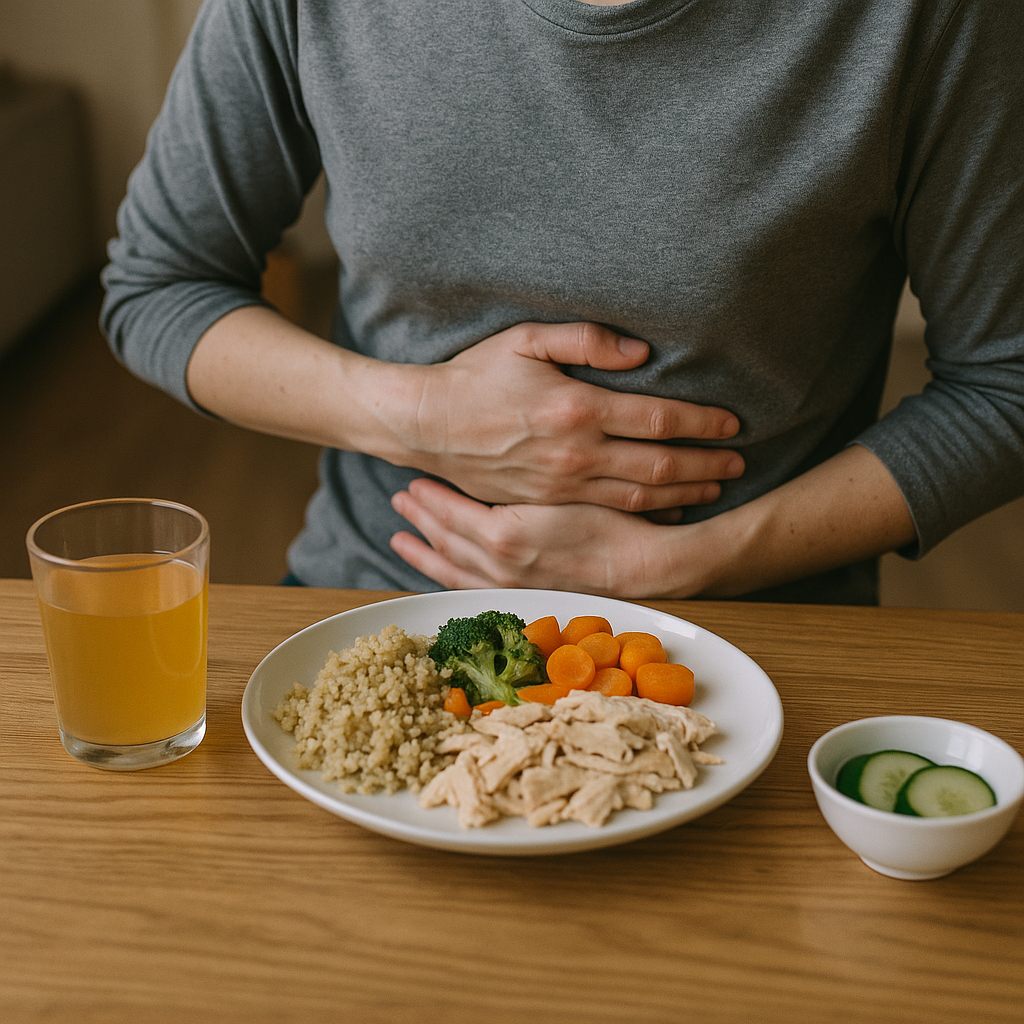
Irritable Bowel Syndrome Diet and Food Guidelines
Food is medicine in Ayurveda. Focus on digestion-friendly, dosha-balancing foods.
Irritable Bowel Syndrome Foods to Avoid Based on Dosha
-
Vata IBS: Avoid dry, raw, fermented foods
-
Pitta IBS: Avoid spicy, sour, and fried foods
-
Kapha IBS: Avoid sweet, heavy, and dairy-based foods
Nourishing, Gentle Foods That Rebuild Digestive Fire
-
Cooked vegetables (carrots, zucchini)
-
Mung dal khichadi
-
Rice porridge with Ayurvedic spices
-
Herbal teas (fennel, ajwain, coriander)
Mindful Eating and Proper Food Combining
Ayurvedic eating habits include:
-
No distractions while eating
-
Thorough chewing
-
Avoid incompatible combinations (e.g., fruit + dairy)
Conclusion
Healing from IBS doesn’t have to be a lifelong struggle. Ayurveda offers real, lasting solutions by addressing the root causes through personalized care, diet, herbs, and lifestyle changes.
It takes effort and consistency—but the outcome is a healthier, more balanced life.
FAQs
What’s the Role of Gut-Brain Balance in Managing IBS?
Mental stress directly impacts digestion. Practices like yoga, meditation, and Abhyanga help regulate the gut-brain connection—especially important for Vata-type IBS.
Which Herbs Are Best for Calming Vata- or Pitta-Related IBS?
For Vata:
-
Ashwagandha
-
Ginger
-
Trikatu
For Pitta:
-
Shatavari
-
Amalaki
-
Guduchi
How Long Does It Take to See Results from Ayurvedic Treatment?
-
1–2 weeks: Initial symptom relief
-
4–6 weeks: Significant improvement
-
3–6 months: Deeper, lasting transformation
Questions from users
Is it safe to combine Ayurveda with conventional treatments for IBS?
Abigail
1 hour ago
Combining Ayurveda with conventional treatments for IBS can be safe, but it's best to talk to your doctor or an Ayurvedic practitioner. Both approaches can complement each other, with Ayurveda focusing on balance, diet, and lifestyle, and conventional treatments managing immediate symptoms. Just be sure to coordinate so nothing clashes!
What is the link between stress and Agni imbalance in managing IBS symptoms?
Mason
9 days ago
Stress can weaken Agni, the digestive fire, leading to imbalances and accumulation of Ama (toxins) which worsen IBS symptoms like bloating and fatigue. To manage it, focus on stress-reduction strategies like meditation or yoga, along with a diet that supports your Agni. It's about finding a balance that works for you, really!
What Ayurvedic herbs are most recommended for long-term IBS relief?
Mateo
18 days ago
For long-term relief from IBS with Ayurveda, consider herbs like Triphala for digestion, fennel for calming the gut, and ashwagandha for stress relief. They help balance the doshas, especially Vata, which often plays a role in IBS. Always important to consult an Ayurvedic practitioner to personalize based on your unique constitution!
What calming techniques in Ayurveda can help alleviate IBS symptoms?
Tanner
27 days ago
For calming IBS symptoms with Ayurveda, focus on techniques like pranayama (deep breathing), meditation, and gentle yoga. These can help balance vata dosha which is often linked to IBS. Also try warm teas like ginger or fennel, they can soothe your digestive fire. Remember, everyone's unique so it might need a little trial and error!
What is the role of personalized care in Ayurveda for treating digestive issues?
William
37 days ago
Personalized care is huge in Ayurveda! It means tailoring treatments to fit your unique dosha and digestive system. Agni, or your digestive fire, can be balanced through specific diets, herbs, and lifestyle tweaks. The key is that what's good for one person might not be great for another, so it's all about finding what works for your body!
What is Grahani in Ayurveda, and how does it relate to IBS symptoms?
Anthony
47 days ago
Grahani is an Ayurvedic term for an issue with the small intestine where digestive fire, or Agni, is imbalanced. This fire is crucial for breaking down food. Just like IBS, it involves symptoms like bloating, gas, tummy pain, and irregular bowel movements. Think of it as a mismatch in how the gut should work and how it's actually functioning. Balancing Agni, through diet, lifestyle and herbs, can really help soothe symptoms.
Can I use Ayurvedic meditation techniques to support my IBS treatment?
Olivia
56 days ago
Absolutely! Ayurvedic meditation techniques can indeed support IBS treatment. They help calm the nervous system and balance the doshas, especially Vata, which is often linked to digestive issues. Try practicing meditation along with a routine that also nurtures your Agni and balances diet to fully support digestion. Remember to be consistent, our bodies love routine!
What are the psychological approaches in Ayurveda for managing IBS symptoms effectively?
Leo
66 days ago
In Ayurveda, the mind-body connection is super important for managing IBS. Techniques like meditation and Pranayama (breathing exercises) help calm the mind and reduce stress, which can flare up IBS. Understanding your dosha type can guide personalized practices. It's all about syncing your mind and body interactions.
What is the connection between Agni and emotional health in managing IBS symptoms?
Lincoln
75 days ago
Agni isn't just about digestion; it's tied to emotions too. When Agni is balanced, our body and mind are steady. In IBS, weak Agni can lead to emotional imbalance, which may heighten stress and anxiety, worsening IBS symptoms. Strengthening Agni with diet, lifestyle and stress management can help, keeping both digestion and emotions in harmony.
What are some signs that my Agni is out of balance, and how can I recognize them?
Joshua
152 days ago
If your Agni's outta whack, you might notice bloating, irregular bowel movements, fatigue or even mood swings,. Your digestion feels sluggish or heavy and sometimes food just don't sit right. Look at your routine, diet and stress levels - sometimes simple tweaks like mindful eating or avoiding certain foods can help re-balance things.
Related articles

Gastrointestinal Disorders
Annadrava Shoola – Ayurvedic Approach to Managing Deep-Seated Pain
Discover targeted Ayurvedic therapies for managing chronic pain and restoring balance with annadrava shoola solutions.
2,211

Gastrointestinal Disorders
Vilwadi Gulika Benefits, Dosage, Ingredients, And Side Effects
Exploration of Vilwadi Gulika Benefits, Dosage, Ingredients, And Side Effects
1,368

Gastrointestinal Disorders
Arka Vati – Traditional Ayurvedic Tablet for Detoxification and Digestive Wellness
Discover Arka Vati, a time-honored Ayurvedic tablet designed to support detoxification, enhance digestive health, and promote overall well-being through natural herbal extracts.
2,983

Gastrointestinal Disorders
Trivrit Lehyam – Traditional Ayurvedic Formula for Detox
Discover Trivrit Lehya benefits, uses, proper dosage, and the Ayurvedic wisdom behind this powerful herbal formulation. Enhance your wellness naturally.
3,519

Gastrointestinal Disorders
What Causes Jelly-Like Mucus in Stool
What causes jelly-like mucus in stool? Discover Ayurvedic causes of digestive mucus, types like clear or red jelly, and natural ways to balance your gut and reduce symptoms
29,068

Gastrointestinal Disorders
Mandur Powder: An Ayurvedic Remedy for Overall Health and Wellness
Mandur Powder is a calcined form of iron oxide that undergoes a meticulous purification process as per Ayurvedic methods. It is combined with herbal ingredients to enhance its therapeutic properties.
2,284

Gastrointestinal Disorders
Indukantham Kwatham Tablets Uses: Benefits & Research Insights
Explore Indukantham Kwatham tablets uses, benefits, research-backed insights, and expert tips on dosage, safety, and real-world applications.
3,276

Gastrointestinal Disorders
Does Black Tea Cause Acidity?
Discover if black tea causes acidity, its effects on digestion, and ways to reduce discomfort. Learn when black tea is good for acidity and Ayurvedic tips
13,215

Gastrointestinal Disorders
Mustharishtam Uses, Dose, Ingredients, And Side Effects
Exploration of Mustharishtam Uses, Dose, Ingredients, And Side Effects
1,205

Gastrointestinal Disorders
Hinguvachadi Choornam Benefits, Dosage, Ingredients, Side Effects
Exploration of Hinguvachadi Choornam Benefits, Dosage, Ingredients, Side Effects
2,419
Related questions on the topic
Legal
Additional Documents
© 2024 Ask Ayurveda. All rights reserved.