Ask Ayurvedic doctor a question and get a consultation online on the problem of your concern in a free or paid mode. More than 2,000 experienced doctors work and wait for your questions on our site and help users to solve their health problems every day.
FREE! Ask Ayurvedic Doctors 24/7

 Fast responses
 1000+ verified doctors
Body DetoxEar, Nose, and Throat DisordersGeriatrics & RejuvenationImmunodeficiencyInfertility TreatmentNutritionOrthopedic DisordersPediatricsRespiratory DisordersSexually Transmitted Diseases (STDs)Surgery RecoveryUrological DisordersVascular DisordersDental DisordersEndocrinological DisordersGastrointestinal DisordersYoga TherapyGeneral MedicineAllergic DisordersCardio DisordersGynecology and ObstetricsCosmetologySkin and Hair DisordersEye DisordersInfectious DiseasesMental DisordersNeurological DisordersOncologyPanchakarmaSexual Health & DisordersSports Medicine
Published on 05/27/25
(Updated on 06/05/26)
star_border 4.86
27,968
What Causes Jelly-Like Mucus in Stool

Okay, so — you’re doing your thing, going about your day, and then you notice something weird in the toilet. Clear jelly-like mucus in stool. Maybe yellow jelly-like mucus in stool. And the first thing you think is: Is that normal? Should I be worried? Totally understandable.
Here’s the thing — mucus in stool isn’t always a red flag. Our intestines naturally produce a little bit of mucus to keep everything moving along. But when there’s a lot of mucus, especially if it’s jelly-like, stringy, or colored, that’s when you start wondering what your gut is trying to tell you.
This article dives deep into the causes of jelly-like mucus in stool — both from a conventional medical and Ayurvedic perspective. You’ll learn what your body might be signaling, what those colors mean (yep, brown jelly mucus in stool has its own story), and what you can do to get your gut back in balance.
What Is Mucus in Stool According to Ayurveda
Ayurveda sees the body a bit differently from modern medicine. Where Western doctors might focus on inflammation or infections, Ayurvedic practitioners look at elemental imbalances — Vata, Pitta, Kapha — and the strength of the digestive fire, or Agni. From this lens, jelly-like mucus in stool is often a symptom of deeper digestive confusion.
Kapha Accumulation and Weak Digestive Fire (Mandagni)
So let’s talk about Kapha for a second. Kapha is the dosha tied to water and earth — think structure, lubrication, heaviness. Sounds a bit like mucus already, doesn’t it? When Kapha builds up too much, it gets thick, sticky, cold — and shows up as excessive mucus. If you’re seeing lots of mucus in stool, and you tend toward feeling heavy, sluggish, or cold, your Kapha might be off the charts.
Now pair that with a weak digestive fire — known as Mandagni — and things get worse. The fire’s supposed to transform your food, right? But if it’s weak, digestion is incomplete, leading to undigested residues that start fermenting, rotting, and yep — turning into more mucus. Imagine a pot of soup left on low heat all day without ever boiling. That’s your gut on Mandagni.
How Ama and Incomplete Digestion Create Mucus
Now we come to Ama. Oh, Ama. This is the gunk of Ayurveda — toxic sludge from half-digested food that couldn’t transform into proper nutrients. Ama clogs up channels in the body, slows down processes, and causes all kinds of weird symptoms, including (you guessed it) jelly-like mucus in stool.
One time I had a client — let's call her Priya — who swore she was eating healthy: smoothies, protein bars, a lot of raw veggies. But her digestion was shot. She had bloating, fatigue, and yes, brown jelly mucus in stool that freaked her out. Turned out her diet, while Instagram-worthy, was totally wrong for her body type. Cooling, damp, raw foods were just feeding her Kapha and drowning her Agni. Once we switched things up — warming foods, spices, cooked meals — mucus gone in two weeks. Wild.
And that’s the thing — when digestion is incomplete, the body tries to protect itself. It coats the offending material in mucus. A defense mechanism, sure. But one that’s worth paying attention to.
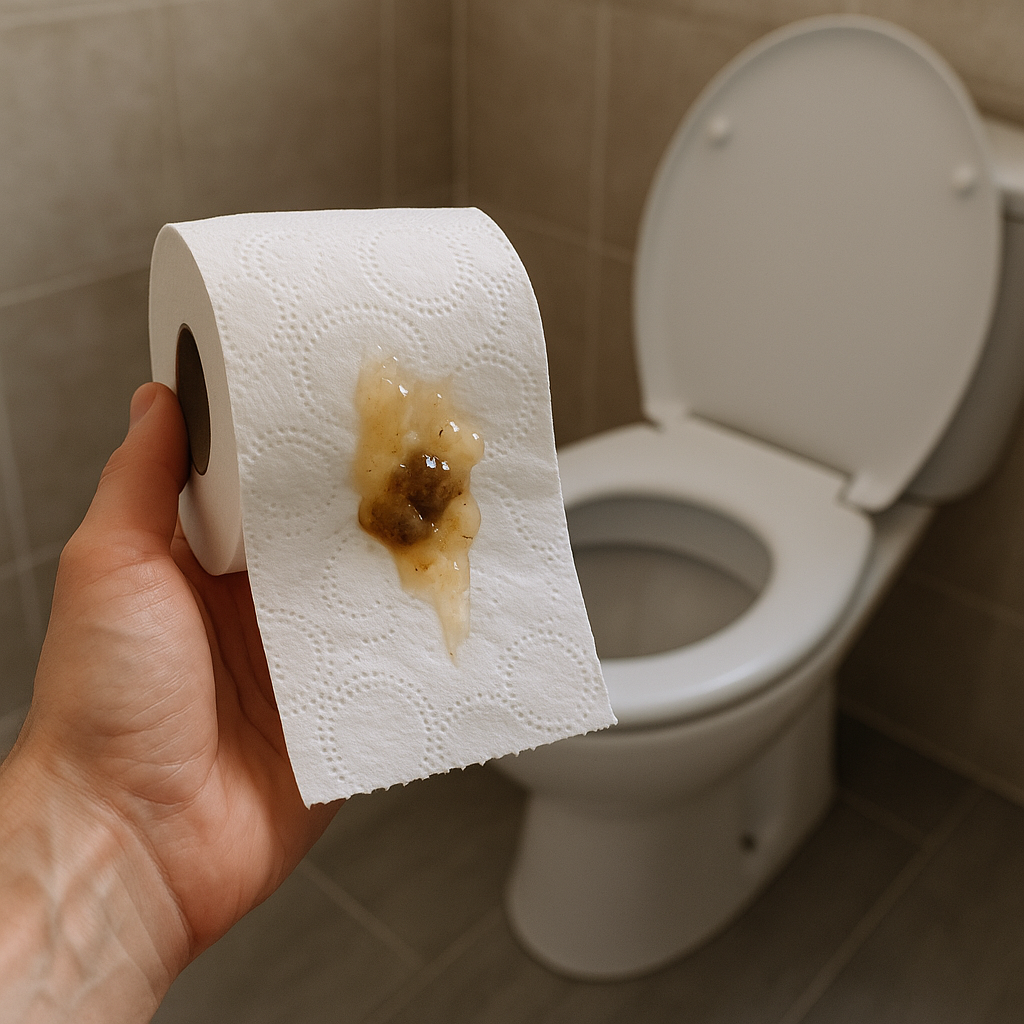
What Causes Jelly-Like Mucus in Stool
Alright, let’s talk causes — the why behind that weird jelly in your poop.
Here’s the part where it gets a little tricky, because the cause isn’t one-size-fits-all. For some, it’s a temporary gut reaction to something they ate. For others, it could signal deeper imbalances. Modern medicine tends to associate mucus in stool with inflammation, IBS, infections, even food sensitivities. But Ayurveda? It sees it as a communication from your gut’s intelligence. When the body’s out of sync, it sends signals. Mucus is just one of them.
Triggers by Dosha Type and Poor Dietary Combinations
You know how some people seem to eat whatever they want and feel fine, while others get gut drama from the smallest indulgence? Yeah, that’s often about dosha constitution.
If you're Kapha-dominant, mucus is kind of your default setting. You’re more prone to buildup — slow digestion, congestion, heaviness. A diet full of dairy, wheat, sugar, and cold drinks? Recipe for mucus overload.
Pitta types, on the other hand, have sharper digestion — but they're more prone to inflammation. So for them, mucus may show up after irritation — almost like a bandage over inflamed gut lining. Think spicy foods, alcohol, or stress triggering a flare.
Then there’s Vata — dry, irregular, easily imbalanced. For them, mucus might actually be the body’s way of desperately trying to re-lubricate a dry, irritated colon. Ever see yellow jelly-like mucus in stool with constipation? Classic Vata-Kapha crossover.
And let’s not even get started on those tragic food combos — fruit with dairy, cold smoothies with oily meals, or late-night cheese boards. According to Ayurveda, incompatible foods create ama, and ama loves to manifest as mucus.
When Mucus Signals Inflammation or Gut Disruption
So, when should you worry?
If the mucus is persistent, or if it’s accompanied by blood, diarrhea, or sharp pain — that’s not something to mess around with. You could be dealing with:
-
Inflammatory bowel diseases (like Crohn’s or ulcerative colitis)
-
Infections (bacterial, parasitic, etc.)
-
Lactose or gluten intolerance
-
IBS-D or IBS-M (yep, mucus is a classic IBS symptom)
And yes, clear jelly-like mucus in stool can sometimes be the early warning sign of these conditions. It’s like your gut whispering, “Hey, something’s off down here.”
Still, don’t panic — mucus alone doesn’t mean disaster. It just means listen up.
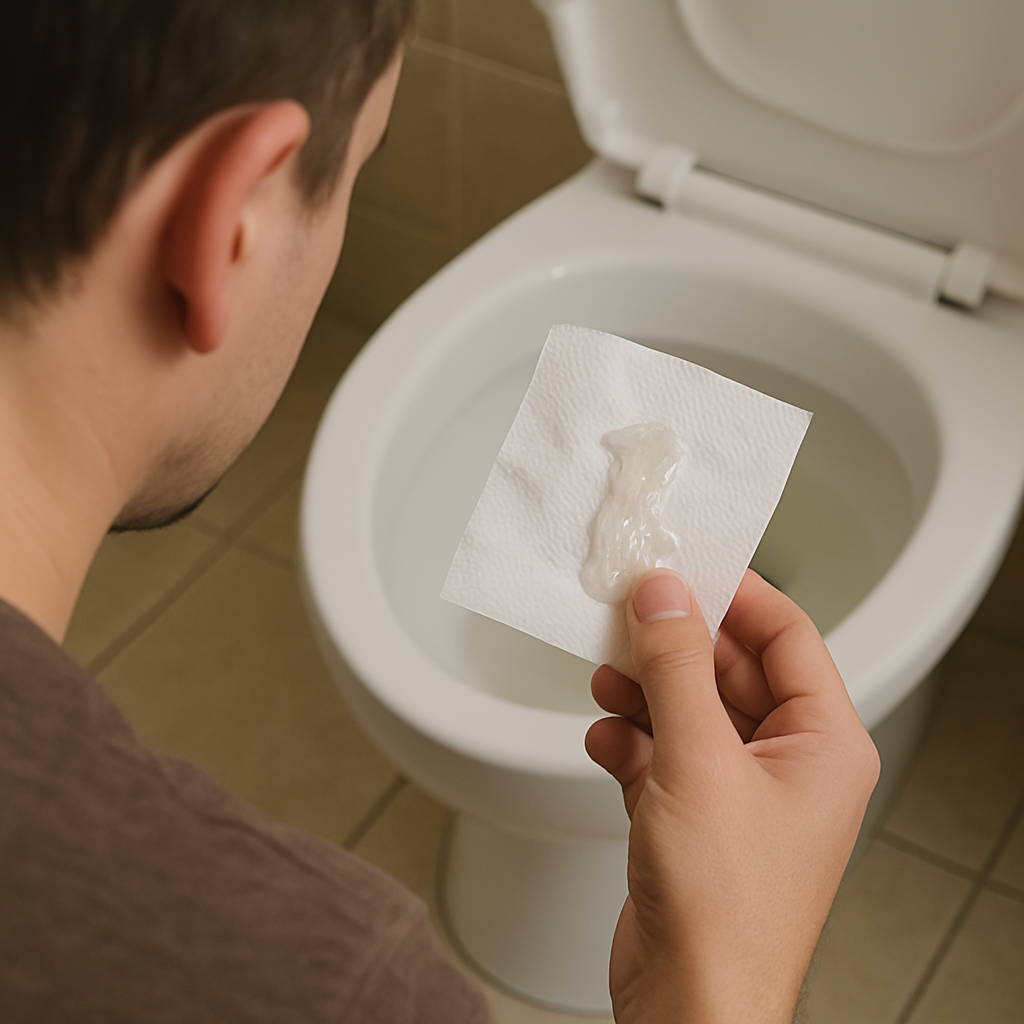
Types of Jelly Mucus in Stool and Their Meanings
Colors tell stories. And even if it’s a little gross to think about, noticing what kind of mucus you’re dealing with can help you figure out what’s up.
-
Clear jelly-like mucus in stool: This is the most common — often tied to general gut irritation or Kapha excess. Think “protective mucus.”
-
Yellow jelly-like mucus in stool: Usually indicates some level of inflammation or infection. Can also be related to bile imbalance.
-
Brown jelly mucus in stool: Trickier. Might be mucus mixed with fecal matter, possibly due to incomplete digestion or ama.
-
Lots of mucus in stool: Quantity matters too. A little is normal. A lot might mean your gut is constantly fending off irritation — from food, stress, or deeper inflammation.
It might feel awkward to track this stuff, but honestly? Your poop is your body’s progress report. It doesn’t lie.
Ayurvedic Treatment and Remedies for Mucus in Stool
Alright, so we’ve talked about the what and the why. Now let’s get into the what to do about it. If you’re dealing with jelly-like mucus in stool, especially the clear or yellow kind, Ayurveda doesn’t just patch the symptom — it goes for the root. Literally.
1. Rekindling the digestive fire (Agni)
Everything starts here. If your Agni is off, your body can't properly digest food — period. You’ve got to bring that fire back.
-
Sip warm water throughout the day — not cold.
-
Avoid iced drinks, especially with meals.
-
Use digestive spices: cumin, coriander, ginger, black pepper, fennel.
2. Clear out the Ama
Remember that toxic sludge we talked about? You need to burn it off or flush it out.
-
Triphala at night helps gently cleanse the colon.
-
Panchakarma (if supervised) is a more intensive detox that can remove deep-seated mucus and toxins.
-
Light, easy-to-digest foods for a few days — think khichdi, soups, soft-cooked veggies.
3. Balance the doshas
Depending on your dominant imbalance:
-
For Kapha: Reduce dairy, sugar, heavy foods. Go for light, dry, warming meals. Think millet over wheat, ginger tea over smoothies.
-
For Pitta: Focus on cooling inflammation with herbs like coriander, licorice, and aloe vera. No chili-loaded curries, please.
-
For Vata: Warm, moist, grounding foods. Cooked oats, ghee, sesame oil massages. Get that colon re-lubricated — but with nourishment, not mucus.
4. Herbs that help
A few favorites in the Ayurvedic toolkit for mucus in stool:
-
Kutaj: Classic herb for gut issues and diarrhea with mucus.
-
Bilva (Bael): Strengthens the intestines and clears ama.
-
Haritaki: Part of Triphala, helps scrape away old toxins and mucus.
Always good to check with a practitioner before diving into herbs, though. Bodies are unique.
Conclusion
So, what causes jelly-like mucus in stool? Honestly — a lot of things. From dietary slip-ups to deeper imbalances in digestion or inflammation. But the body’s message is usually clear: something’s out of alignment.
Ayurveda gives us a way to decode that message. Not just by labeling symptoms, but by tuning in. Listening. And that might be the most important part — actually paying attention to what your gut is trying to say.
If you’re seeing clear jelly-like mucus in stool or even yellow or brown varieties, don't just dismiss it. It’s not just mucus. It’s information.
And yeah, it might be a little gross, but healing often starts in the messiest places. Literally.
Don't wait or self medicate. Start chat with Doctor NOW
FAQs
What deficiency causes mucus in the stool?
There’s no one-size answer, but deficiencies in digestive enzymes or bile can contribute. In Ayurveda, it’s more about Agni (digestive fire) being weak. Sometimes, chronic mucus in stool may reflect a deeper nutritional imbalance — like low fat absorption due to poor bile flow.
How much mucus is too much mucus in stool?
A little is okay. Your colon uses it as a lubricant. But if you're seeing a lot — especially daily, or with color, blood, or pain — that’s a flag. Time to investigate. Even Ayurveda says, don’t normalize what’s abnormal just because it’s consistent.
Can lactose intolerance cause mucus in stool?
Yes, definitely. Especially the clear or yellow jelly-like kind. When lactose isn’t digested properly, it irritates the gut lining. The body then secretes mucus to coat and protect the area — think of it as damage control.
Questions from users
What is the role of stress in increasing mucus production in the stool?
Logan
2 days ago
Stress can definitely play a role in increasing mucus production in the stool. In Ayurveda, stress can aggravate Vata and lead to imbalances, affecting digestion and leading to more mucus. The body's response to stress can create digestive fire issues, making the gut produce more mucus as a lubricant. Reducing stress through calming practices like meditation or yoga might help with this. Keep an eye on triggers to understand your body's signals better!
Can I use herbs like aloe vera to reduce inflammation causing mucus in my stool?
Scarlett
12 days ago
Yeah, aloe vera can be helpful for calming inflammation and soothing the digestive tract, especially for Pitta imbalances. Remember, it's best to keep your diet cool and soothing too – like avoiding spicy or hot foods for a while. If the issue persists, though, consulting with an Ayurvedic practitioner might be a wise step. Stay well! 🌿
Is it safe to consume raw foods if I have mucus in my stool?
Lincoln
21 days ago
If you have mucus in your stool, it's a sign there might be an imbalance, like excess Kapha or low Agni. Raw foods, which are cooling and damp, might increase Kapha and muddy digestion. It’s usually better to focus on warm, cooked foods that strengthen Agni and balance the doshas. But, it's always good to listen to your body and see how it responds!
What are some Ayurvedic herbs that can help improve gut health and digestion?
Michael
31 days ago
Oh, there are quite a few great herbs in Ayurveda for boosting gut health! Triphala is a favorite for gentle detoxification and digestion support. Ginger can be warming and help with agni (digestive fire). Cumin, coriander, and fennel are also amazing for balancing doshas and reducing ama (toxins). Remember, it's always good to consider your dosha before trying new things!
What is the Ayurvedic perspective on the role of digestive fire in stool mucus issues?
Quinn
41 days ago
Ayurveda sees digestive fire, or "agni," as a key factor in handling mucus in stool. Weak agni can lead to improper digestion, causing build up of ama (toxins), leading to mucus. Strengthening agni can help, so try warming spices and avoid heavy, cold foods. Consider a check on your dosha type to get personalizd advice.
What is the connection between lactose intolerance and mucus in stool?
Avery
50 days ago
Lactose intolerance can lead to mucus in stool cause undigested lactose irritates your gut lining. This reaction triggers excess mucus production to protect the intestinal walls. If lactose bothers you, reducing diary can help. Ayurveda would also suggest focusing on balancing agni (digestive fire) to improve your digestion.
Can I treat inflammatory bowel diseases with dietary changes alone?
Theodore
60 days ago
Dietary changes can help a lot, but for inflammatory bowel diseases like Crohn’s or ulcerative colitis, it's usually a combination with other treatments that works best. Check your doshas and balance your Agni (digestive fire), but also please consult with a healthcare pro. You might need personalized approach to tackle this.
Is there a way to identify food sensitivities that might be causing mucus issues in my stool?
Henry
137 days ago
Yeah, pinning down food sensitivities can be a bit of a puzzle! Think about what you eat regularly. Each dosha reacts differently—Kapha types are often more prone to mucus. Maybe start by keeping a food journal. Notice what you eat and any symptoms after. Tracking patterns can give you clues. Try reducing common irritants like dairy or wheat, just one at a time tho. If you're histuck, consulting an Ayurvedic practitioner can be really insightful too!
What are some daily habits or practices I can adopt to maintain good gut health overall?
Quincy
146 days ago
You can try a few daily habits to boost gut health. Start with warm, simple, home cooked meals – avoid cold, heavy, or complicated foods. Drinking warm water or herbal teas through the day helps too. Also, move a bit, like walking after meals, to stoke that digestive fire. Tune in to how your stomach's feeling, your body will tell what it needs!
How does the body naturally regulate mucus production in the intestines?
James
163 days ago
The body naturally regulates mucus in the intestines to keep a smooth environment, aiding digestion. Ayurveda sees mucus as a protective layer, like a cushion. When balance goes off, we look to rekindle the "digestive fire" with things like warm water, staying away from cold stuff, and using warming spices. It's all about maintaining that harmony!
Related articles

Gastrointestinal Disorders
Virechana Dravya: A Comprehensive Ayurvedic Detox Guide
Discover the benefits of Virechana Dravya for Ayurvedic detoxification, backed by scientific insights, safety guidelines, and expert tips.
2,602

Gastrointestinal Disorders
Audumbaravleha – Ayurvedic Remedy for Digestive and Respiratory Health
Savor the benefits of Audumbaravleha, an Ayurvedic herbal jam that boosts immunity, aids digestion, and promotes overall wellness. Discover the sweet path to natural h
2,868

Gastrointestinal Disorders
Jatamayadi Choornam Benefits, How To Use, Side Effects, Ingredients
Exploration of Jatamayadi Choornam Benefits, How To Use, Side Effects, Ingredients
1,426

Gastrointestinal Disorders
Vaishvanara Churna Benefits, Dosage, Ingredients, Side Effects
Exploration of Vaishvanara Churna Benefits, Dosage, Ingredients, Side Effects
2,048

Gastrointestinal Disorders
Changeri Ghrita – Ayurvedic Medicine & Snehakarma for Digestive Health
Learn how changeri ghrita soothes digestive issues and prepares the body for snehakarma detoxification naturally.
2,287

Gastrointestinal Disorders
Kutajarishtam Uses: A Comprehensive, Evidence-Based Overview
Discover kutajarishtam uses, benefits, and evidence-based insights for digestive support. Learn about dosage, side effects, and overall efficacy.
2,593

Gastrointestinal Disorders
Herbolax Capsule
Exploration of Herbolax Capsule
2,059

Gastrointestinal Disorders
Kutaj Parpati Vati Uses – Natural Ayurvedic Remedy for Digestive & Hepatic Health
Explore Kutaj Parpati Vati uses in Ayurveda, a traditional remedy for digestive disorders, dysentery, and hepatic detoxification. Learn about its key benefits, ingredients, and usage guidelines for holistic well-being.
2,269

Gastrointestinal Disorders
How to Get Rid of a Stomach Ache in 5 Minutes: Quick Ayurvedic Relief
Get rid of a stomach ache in 5 minutes: discover Ayurvedic remedies, yoga poses, essential oils, and quick tips for gas pain, IBS, and stomach cramps relief
3,395

Gastrointestinal Disorders
Amlapitta Mishran Benefits, Dosage, Ingredients, Side Effects
Exploration of Amlapitta Mishran Benefits, Dosage, Ingredients, Side Effects
3,304
Related questions on the topic
Legal
Additional Documents
© 2024 Ask Ayurveda. All rights reserved.