Ask Ayurvedic doctor a question and get a consultation online on the problem of your concern in a free or paid mode. More than 2,000 experienced doctors work and wait for your questions on our site and help users to solve their health problems every day.
FREE! Ask Ayurvedic Doctors 24/7

 Fast responses
 1000+ verified doctors
Body DetoxEar, Nose, and Throat DisordersGeriatrics & RejuvenationImmunodeficiencyInfertility TreatmentNutritionOrthopedic DisordersPediatricsRespiratory DisordersSexually Transmitted Diseases (STDs)Surgery RecoveryUrological DisordersVascular DisordersDental DisordersEndocrinological DisordersGastrointestinal DisordersYoga TherapyGeneral MedicineAllergic DisordersCardio DisordersGynecology and ObstetricsCosmetologySkin and Hair DisordersEye DisordersInfectious DiseasesMental DisordersNeurological DisordersOncologyPanchakarmaSexual Health & DisordersSports Medicine
Published on 02/20/25
(Updated on 06/16/26)
2,365
Changeri Ghrita – Ayurvedic Medicine & Snehakarma for Digestive Health
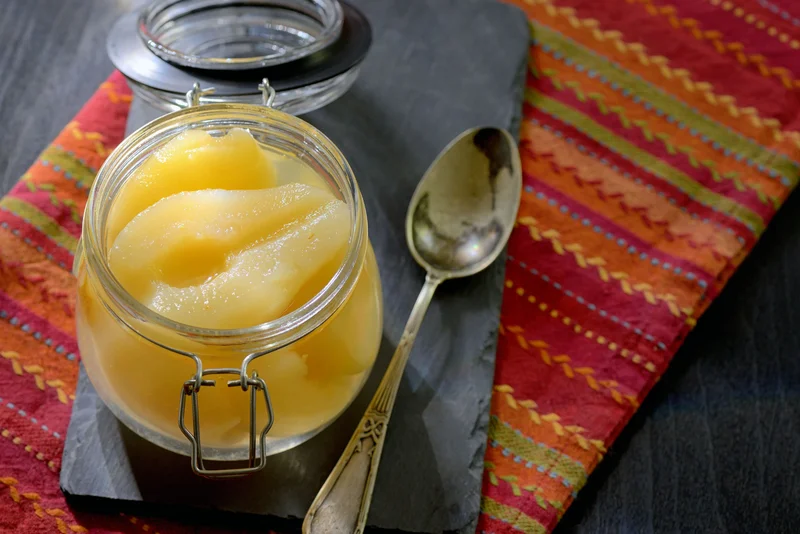
- Changeri Ghrita is a classical Ayurvedic medicated ghee formulation primarily used for digestive disorders such as malabsorption syndrome (Grahani Roga), chronic diarrhea, bloating, and hemorrhoids.
- Referenced in Bhaishajya Ratnavali — one of the most authoritative Ayurvedic pharmacopoeias — this preparation combines the sour, digestive-stimulating properties of Changeri (Oxalis corniculata) with clarified butter, curd, and a carefully selected group of herbs. It serves both as an internal medicine and as a preparatory agent in Panchakarma snehakarma procedures. If you've been searching for a comprehensive, evidence-backed resource on this formulation, you're in the right place.
What Is Changeri Ghrita?
Changeri Ghrita belongs to the Sneha Kalpana (medicated fat preparations) category of Ayurvedic pharmacy. The word "Changeri" refers to the plant Oxalis corniculata (Indian sorrel or wood sorrel), which is the principal herb that gives this formulation its name and its therapeutic identity. "Ghrita" simply means ghee — clarified butter that acts as both the base and the delivery vehicle for the herbal compounds.
Unlike many modern supplements, Changeri Ghrita is not a recent invention. It is a time-tested formulation documented in classical texts, designed to restore Agni (digestive fire), correct the pathology of Grahani (the duodenum and small intestine in Ayurvedic anatomy), and balance disturbed doshas — particularly Pitta and Kapha.
Classical Reference (Bhaishajya Ratnavali)
The primary classical reference for Changeri Ghrita is found in Bhaishajya Ratnavali, specifically in the Grahani Roga Chikitsa Prakarana (chapter on treatment of malabsorption syndrome). Bhaishajya Ratnavali, authored by Govind Das Sen in the 18th century, is considered one of the most comprehensive compilations of Ayurvedic formulations. Some scholars also trace variants of this formulation to the Kottakkal tradition of Kerala, where it is sometimes referred to as Changeryadi Ghritam.
- The formulation's mention in such an authoritative text gives it significant credibility within the Ayurvedic medical community.
- Practitioners across India — from Kerala's Ashtavaidya lineages to North Indian Ayurvedic hospitals — continue to prescribe it for Grahani-related conditions.
Sanskrit Shloka with Translation
The original Sanskrit verse from Bhaishajya Ratnavali describes the formulation as follows:
> चांगेरीरसमादाय दध्ना सार्धं विपाचयेत् |
> सर्पिषा सह संयुक्तं ग्रहणीदोषनाशनम् ||
Translation: "Take the juice of Changeri (Oxalis corniculata), cook it together with curd (dadhi) and ghee (sarpis). This preparation destroys the disorders of Grahani."
This shloka establishes three core ingredients — Changeri swarasa (juice), dadhi (curd), and sarpi (ghee) — as the foundation of the formulation, with additional herbs added depending on the specific recension followed.
Historical Origin and the Kerala Connection
While the Bhaishajya Ratnavali codified the formula, oral traditions in Kerala associate early variants with Vaidya families who specialized in Grahani treatment. The Kottakkal Arya Vaidya Sala has been manufacturing Changeryadi Ghritam for decades, following manuscripts that predate the printed editions of Bhaishajya Ratnavali. Some historians suggest the formula's roots go back to the 15th century or earlier, when Kerala Vaidyas received patronage from the Travancore royal family to document and standardize herbal preparations.
This dual lineage — North Indian textual tradition and South Indian practical tradition — makes Changeri Ghrita one of those rare formulations validated by both scholastic and clinical heritage.
Key Ingredient — Changeri (Oxalis corniculata)
No competitor has thoroughly explored the star ingredient that gives this formulation its name. Understanding Changeri is essential to understanding why this ghrita works.
Botanical Profile and Chemical Composition
Changeri (Oxalis corniculata L.) is a small, creeping perennial herb belonging to the family Oxalidaceae. Known commonly as Indian sorrel, creeping wood sorrel, or Amrul in Hindi, it grows abundantly across India — in gardens, along pathways, and in cultivated fields. Its trifoliate leaves (resembling clover) and small yellow flowers make it easily identifiable.
The chemical composition of Changeri includes:
| Compound | Pharmacological Relevance |
|---|---|
| Oxalic acid | Contributes sour taste; digestive stimulant in small doses |
| Flavonoids (vitexin, isovitexin) | Antioxidant, anti-inflammatory activity |
| Vitamin C (ascorbic acid) | Immune support, antioxidant |
| Tannins | Astringent action, useful in diarrhea |
| Phenolic compounds | Hepatoprotective, antimicrobial |
| Malic acid | Enhances absorption, supports metabolism |
A 2020 study published in the Journal of Ethnopharmacology confirmed significant antioxidant and anti-inflammatory activity in Oxalis corniculata extracts, supporting the traditional use of Changeri in inflammatory digestive conditions.
Rasa, Virya, Vipaka and Pharmacological Actions
In Ayurvedic pharmacology (Dravyaguna Shastra), Changeri is characterized as:
- Rasa (Taste): Amla (sour), with secondary Kashaya (astringent)
- Virya (Potency): Ushna (hot)
- Vipaka (Post-digestive effect): Amla (sour)
- Guna (Qualities): Laghu (light), Ruksha (dry)
- Prabhava (Special action): Deepana (appetite stimulant), Pachana (digestive), Grahi (absorbent — reduces excessive intestinal secretion)
The Grahi property is particularly significant. In Ayurveda, a Grahi substance is one that stimulates digestion while simultaneously reducing excess liquid in the intestines. This dual action makes Changeri uniquely suited for conditions where both weak digestion and loose stools coexist — exactly the pathology of Grahani Roga.
Why Changeri Is Central to This Formulation
The formulation could have been built around any number of digestive herbs. So why Changeri?
The answer lies in its Amla Rasa (sour taste) combined with Ushna Virya (hot potency). In Ayurvedic theory, the sour taste directly stimulates Agni (digestive fire) and enhances the secretion of digestive enzymes. The hot potency ensures that the metabolic correction goes deep — not just at the stomach level but at the Dhatwagni (tissue-level metabolism) as well.
Additionally, the sourness of Changeri synergizes perfectly with dadhi (curd) — another sour substance — to create a formulation that is intensely Agni-promoting without being excessively Pitta-aggravating, because the ghee base provides a cooling, lubricating counterbalance.
Complete Ingredient List of Changeri Ghrita
Herbal Ingredients with Botanical Names
The complete ingredient list varies slightly between different recensions, but the most commonly followed version from Bhaishajya Ratnavali includes:
| Sanskrit Name | Botanical / Common Name | Part Used | Primary Role |
|---|---|---|---|
| Changeri | Oxalis corniculata (Indian Sorrel) | Whole plant juice (Swarasa) | Principal drug — Deepana, Pachana, Grahi |
| Sarpi (Ghrita) | Clarified butter (Cow ghee) | — | Base/vehicle, Pitta-pacifying |
| Dadhi | Curd / Yogurt | — | Sour catalyst, Agni stimulant |
| Shunthi | Zingiber officinale (Ginger) | Rhizome | Digestive stimulant, anti-emetic |
| Maricha | Piper nigrum (Black Pepper) | Fruit | Bioavailability enhancer, Kapha-reducing |
| Pippali | Piper longum (Long Pepper) | Fruit | Deepana, Rasayana, absorption enhancer |
| Jeeraka | Cuminum cyminum (Cumin) | Seed | Carminative, anti-bloating |
| Saindhava Lavana | Rock Salt | — | Deepana, electrolyte balance |
The combination of Shunthi, Maricha, and Pippali constitutes the famous Trikatu — a classical Ayurvedic trio renowned for enhancing bioavailability and stoking digestive fire.
Role of Dadhi (Curd) in the Formulation
- This is an aspect no competitor has adequately explained. Dadhi (curd/yogurt) is an unusual ingredient in ghrita preparations. Most Ayurvedic ghrita formulations use water-based decoctions (kashaya) or plant juices (swarasa) as the liquid medium.
- The inclusion of curd raises an important question: why?
In Ayurvedic food science, dadhi is classified as Amla Vipaki (sour post-digestive effect) and Grahi (absorbent). When combined with ghee and heated following the Sneha Kalpana protocol, curd undergoes chemical transformation — the lactic acid bacteria are destroyed, but the organic acids (lactic acid, citric acid) remain.
These acids serve multiple functions:
- They enhance the extraction of fat-soluble phytochemicals from the herbs into the ghee medium
- They contribute additional sour taste that reinforces the Amla Rasa of Changeri
- They provide a natural emulsification effect, improving the bioavailability of the final product
- The Grahi property of dadhi complements the Grahi property of Changeri, making the formulation doubly effective against diarrhea
- However, Ayurveda also warns that dadhi should not be heated in most culinary contexts (dadhi na parinaamayet).
- The Sneha Kalpana process is an exception — the controlled, prolonged heating with ghee neutralizes the potentially harmful Abhishyandi (channel-blocking) quality of curd while retaining its therapeutic benefits.
Role of Ghee (Sarpi) as Vehicle and Medicine
Ghee is not merely a passive carrier here. In Ayurveda, cow ghee (Go-ghrita) is considered the best Anupana (vehicle) for transporting medicinal compounds deep into tissues. It is Pitta-pacifying, Vata-pacifying, and has the unique property of Yogavahi — meaning it takes on the qualities of whatever substance it is processed with, without losing its own inherent properties.
In the context of Changeri Ghrita, ghee performs a critical balancing act: it prevents the intensely sour and hot qualities of Changeri and dadhi from aggravating Pitta beyond therapeutic levels.
How Is Changeri Ghrita Prepared? (Sneha Kalpana Method)
Step-by-Step Traditional Process
The preparation follows the classical Sneha Paka Vidhi described in Sharangdhara Samhita:
- 1.Collection of Changeri Swarasa: Fresh Changeri plants are washed, crushed in a stone mortar, and the juice is extracted through a clean cloth. Approximately 4 parts juice is required for 1 part ghee.
- 2.Preparation of Kalka (herbal paste): The secondary herbs — Shunthi, Maricha, Pippali, Jeeraka, Saindhava — are finely powdered and made into a paste with a small amount of water. The ratio is typically 1/4th of the ghee quantity.
- 3.Combining ingredients: Cow ghee is placed in a heavy-bottomed vessel (preferably bronze or stainless steel). The herbal paste (kalka) is added first, followed by the Changeri juice and dadhi.
- 4.Slow cooking (Manda Agni): The mixture is heated on a low flame with continuous stirring. The temperature should be maintained around 90–100°C — never a rolling boil. This slow process can take anywhere from 6 to 12 hours depending on the quantity.
- 5.Monitoring moisture content: As the preparation cooks, the water content from the juice and curd gradually evaporates. The mixture will pass through several stages: initial frothing, middle-stage thickening, and final-stage clarification.
- 6.Testing for completion: The preparation is complete when specific signs (Sneha Siddhi Lakshana) appear.
- 7.Filtration and storage: The hot ghrita is filtered through a clean muslin cloth into a dry, airtight glass or earthen container.
Signs of Proper Preparation (Sneha Siddhi Lakshana)
The classical texts describe very specific signs that indicate the ghrita is properly prepared:
- Varti-vat kalka — The herbal paste residue can be rolled into a wick-like shape without sticking or crumbling
- Shabdahinata — No crackling or hissing sound when a drop is placed on fire (indicates complete moisture removal)
- Gandha-varna-rasa utpatti — Characteristic aroma, color, and taste have fully developed
- Phenodgama — Froth appears and then subsides completely
If the ghrita is undercooked (Mridu Paka), it will retain moisture and spoil quickly. If overcooked (Khara Paka), it becomes granular and loses therapeutic potency. The perfectly cooked (Madhyama Paka) Changeri Ghrita should have a golden-amber color, a pleasant sour-aromatic smell, and a smooth, semi-solid consistency at room temperature.
How to Use Changeri Ghrita: Dosage & Administration
Recommended Dosage for Adults
| Condition | Dosage | Frequency | Duration |
|---|---|---|---|
| Grahani Roga (IBS/Malabsorption) | 10–15 ml (1 tablespoon) | Twice daily, before meals | 1–3 months |
| Chronic Diarrhea | 5–10 ml | Twice daily | 2–4 weeks |
| Hemorrhoids (Arsha) | 10 ml | Twice daily | 4–6 weeks |
| Bloating & Indigestion | 5 ml | Twice daily | 2–3 weeks |
| Snehakarma (Panchakarma prep) | Escalating dose (30–100 ml) | Once daily, early morning | 3–7 days |
Important: These dosages are general guidelines. The exact dose should always be determined by a qualified Ayurvedic practitioner based on your Prakriti (constitution), Vikriti (current imbalance), Agni status, and body weight.
Dosage for Children
For children aged 5–12 years, the dose is typically 1/4 to 1/2 of the adult dose (approximately 2.5–5 ml), administered mixed with warm water or warm milk. Children below 5 years should only take this formulation under direct medical supervision.
Dosage for Elderly Patients
Elderly patients often have diminished Agni and may not tolerate full doses of ghrita preparations. Start with 5 ml once daily and gradually increase to 5 ml twice daily based on tolerance. Monitor for signs of Ama (undigested metabolic waste) such as a coated tongue, loss of appetite, or heaviness after meals.
Best Time to Take and Anupana (Co-drink)
- Timing: Best taken on an empty stomach, 30 minutes before meals. The morning dose (before breakfast) is considered most effective as Agni is naturally rising during this period.
- Anupana options: Warm water is the standard anupana. Buttermilk (Takra) can be used for patients with predominant Kapha symptoms. Warm milk is appropriate for Vata-dominant patients with emaciation.
- Seasonal adjustments: During summer (Grishma Ritu), reduce the dose slightly as Pitta naturally increases. During monsoon (Varsha Ritu), when digestive disorders peak, the standard dose is most appropriate.
Internal vs. External Application
Most practitioners prescribe Changeri Ghrita for internal consumption. However, classical texts also mention its external application in specific conditions:
- Gudabhransa (Rectal Prolapse): Gentle application around the anal region to provide lubrication and reduce inflammation
- Yonibhransa (Uterine Prolapse): Application on the lower abdomen and pelvic region as adjunct therapy
- Parikartika (Anal Fissure): Local application for soothing and healing
When used externally, the ghrita should be warmed slightly (to body temperature) and applied in gentle circular motions. External use does not require dosage restrictions but should still be done under practitioner guidance.
Don't wait or self medicate. Start chat with Doctor NOW
Benefits and Indications of Changeri Ghrita
Digestive Health Benefits
The primary therapeutic domain of Changeri Ghrita is the gastrointestinal system:
- - Grahani Roga (Malabsorption Syndrome / IBS): This is the foremost indication.
- The formulation corrects the dysfunction of Grahani — the site of Agni in the GI tract — by simultaneously kindling digestive fire and reducing excessive intestinal secretion.
- Atisara (Chronic Diarrhea): The Grahi properties of both Changeri and dadhi make this formulation highly effective in conditions where food passes through the intestines without proper digestion.
- Arsha (Hemorrhoids): By improving digestive function and regularizing stool consistency, Changeri Ghrita addresses one of the root causes of hemorrhoids — chronic digestive irregularity.
- Adhmana (Bloating): Trikatu and Jeeraka in the formulation are potent carminatives that relieve trapped gas.
Effect on Doshas
- Vata: Pacifies Apana Vayu (downward-moving Vata responsible for elimination) through the lubricating quality of ghee
- Pitta: The ghee base prevents Pitta aggravation despite the sour and hot qualities of other ingredients. Net effect is Pitta-balancing when taken in correct doses
- Kapha: The Trikatu component and the Ushna Virya of Changeri counteract Kapha accumulation in the digestive tract
Role in Panchakarma Protocols
Changeri Ghrita is used in the Purvakarma (preparatory phase) of Panchakarma, specifically during Snehapana (internal oleation). Before Virechana (therapeutic purgation) or Basti (medicated enema), the patient undergoes 3–7 days of escalating ghrita intake to saturate the tissues and mobilize toxins.
When the patient's primary condition is Grahani-related, Changeri Ghrita is preferred over plain ghee or other medicated ghee formulations because it simultaneously treats the underlying condition while performing the oleation function. After Virechana, smaller maintenance doses may be continued as Samsarjana Krama (post-Panchakarma dietary regimen) transitions back to normal diet.
- ## Changeri Ghrita vs.
- Other Ghrita Preparations: A Comparison
- No other resource online provides a clear comparison between Changeri Ghrita and similar formulations.
- This table should help you — and your practitioner — choose the right ghrita:
| Parameter | Changeri Ghrita | Dadimadi Ghrita | Chitrakadi Ghrita | Phala Ghrita |
|---|---|---|---|---|
| Primary Indication | Grahani, Diarrhea | Grahani, Acid Peptic Disorders | Grahani, Hemorrhoids, Ascites | Infertility, Reproductive Health |
| Key Herb | Changeri (Oxalis corniculata) | Dadima (Pomegranate) | Chitraka (Plumbago zeylanica) | Phala (Various fruits) |
| Dosha Action | Balances all three | Pitta-pacifying primarily | Strong Kapha-Vata reducing | Vata-Pitta balancing |
| Contains Curd? | Yes | No | No | No |
| Suitability for Pitta Prakriti | Moderate (use lower dose) | Excellent | Poor (too hot) | Good |
| Snehakarma Use | Yes | Limited | Yes | Limited |
| Classical Source | Bhaishajya Ratnavali | Ashtanga Hridaya | Chakradatta | Kashyapa Samhita |
Side Effects, Contraindications & Drug Interactions
Known Side Effects
Changeri Ghrita is generally considered safe when taken in prescribed doses under practitioner supervision.
However, potential side effects include:
- Mild loose stools in the first 2–3 days (usually self-limiting as the body adjusts)
- Increased Pitta symptoms (acidity, heartburn) if dose is too high or if taken by a Pitta-dominant individual without dose modification
- Nausea if taken without proper Agni assessment — patients with very weak Agni (Mandagni) may not be able to digest the ghrita initially
- Weight gain with prolonged use at high doses, as it is fundamentally a fat-based preparation
Contraindications
- Acute fever (Jwara)
- Acute indigestion or Ama condition (when tongue is heavily coated)
- Hyperlipidemia or high cholesterol (relative contraindication — use under supervision)
- Obesity (Sthoulya)
- Pregnancy — unless specifically prescribed by an experienced practitioner
- Jaundice or acute liver disease
Interaction with Allopathic Medications
This is a critical gap that no competitor has addressed. If you are taking any of the following medications, consult both your Ayurvedic and allopathic physician before starting Changeri Ghrita:
- Antidiabetic drugs (Metformin, Glimepiride): Ghrita preparations may alter absorption rates and blood sugar response
- Anticoagulants (Warfarin, Aspirin): Some ingredients like Pippali may have mild blood-thinning properties; combined use requires monitoring of INR values
- Antihypertensives: Saindhava Lavana (rock salt) in the formulation contains sodium; while the quantity is small, patients on sodium-restricted diets should be informed
- Statins (Atorvastatin, Rosuvastatin): Concurrent use of high-fat ghrita preparations with cholesterol-lowering drugs creates conflicting therapeutic goals
Dietary Recommendations During the Course (Pathya-Apathya)
Pathya (Favorable Diet)
- Old rice (Purana Shali): Light, easy to digest, does not burden Agni
- Moong dal (Green gram soup): The gold standard Ayurvedic recuperative food
- Buttermilk (Takra): Called Grahani rogasya aushadham — "the medicine for Grahani" in classical texts
- Pomegranate (Dadima): Grahi and Deepana, supports the action of the ghrita
- Warm, freshly cooked food: Always preferred over refrigerated or reheated meals
- Ginger tea: Supports Agni and reduces bloating
Apathya (Foods to Avoid)
- Heavy, oily, and fried foods
- Raw salads and cold beverages
- Milk combined with sour or salty foods (Viruddha Ahara — incompatible food combinations)
- Fermented foods in excess (paradoxically, while dadhi is in the formulation, excessive curd consumption alongside it can aggravate Kapha)
- Refined sugar and processed carbohydrates
- Alcohol
How to Identify Quality Changeri Ghrita & Storage
Visual Identification of a Genuine Product
Since you're likely purchasing from a pharmacy rather than preparing it at home, here's how to check quality:
- Color: Should be golden-amber to light brownish-green. Pure yellow (like plain ghee) suggests insufficient herbal processing. Very dark brown suggests overcooking.
- Smell: A pleasant, mildly sour-herbaceous aroma. Should not smell rancid, musty, or excessively pungent.
- Texture: Semi-solid at room temperature (20–25°C), melting easily when placed on warm skin. Should not be gritty or grainy.
- Taste: Predominantly sour with mild bitterness and a ghee-like smoothness. Should not taste burnt or overly salty.
- Packaging: Should list batch number, manufacturing date, expiry date, and the classical reference. GMP certification is a plus.
Storage and Shelf Life
- Store in a cool, dry place away from direct sunlight
- Use a clean, dry spoon every time — never introduce moisture into the container
- Properly prepared and stored ghrita has a shelf life of approximately 16 months to 2 years
- Ayurvedic texts actually state that Purana Ghrita (aged ghee) gains potency over time — however, this applies to plain ghee, not necessarily to herb-infused ghrita where plant compounds may degrade
- Signs of spoilage: Rancid smell, change in color to greyish, mold formation, excessively sour or off-taste
Frequently Asked Questions (FAQ)
What is the common name for Changeri?
Changeri (Oxalis corniculata) is commonly known as Indian sorrel, creeping wood sorrel, or Amrul / Amboti in Hindi. In Tamil it's called Puliyarai, in Malayalam Puliyarila, and in Kannada Hulisoppu. It's a small creeping herb with clover-like leaves and tiny yellow flowers, found abundantly across India.
How to use Changeri Ghrita?
Take 5–15 ml (approximately 1–3 teaspoons) on an empty stomach, 30 minutes before meals, with warm water as anupana. Start with a lower dose for the first few days and increase gradually. For Panchakarma snehakarma, escalating doses from 30 ml up to 100 ml per day are administered under strict medical supervision.
Can Changeri Ghrita be used during pregnancy?
Generally, ghrita preparations are considered safe in Ayurveda during pregnancy, but Changeri Ghrita specifically contains Trikatu (which is Ushna Virya) and strong Agni-stimulating herbs. It should only be taken during pregnancy if explicitly prescribed by an experienced Ayurvedic gynecologist who can assess the individual case.
Where can I find the classical reference for Changeri Ghrita?
The primary reference is Bhaishajya Ratnavali, Grahani Roga Chikitsa Prakarana. Secondary references can be found in texts from the Kerala Ayurvedic tradition. For academic review, a critical analysis has been published on ResearchGate (2024) that compiles references across multiple texts.
Is Changeri Ghrita the same as Changeryadi Ghritam?
They are closely related but not always identical. "Changeryadi" (meaning "Changeri and others") typically refers to the Kerala formulation manufactured by pharmacies like Kottakkal Arya Vaidya Sala, which may include slight variations in secondary ingredients based on regional manuscript traditions. The therapeutic actions are broadly similar.
How long does it take for Changeri Ghrita to show results?
For chronic Grahani conditions, most patients report noticeable improvement in stool consistency and appetite within 7–14 days. However, for complete correction of the underlying pathology, a course of 1–3 months is typically recommended. For acute bloating or indigestion, relief may come within 2–3 days.
Conclusion
Changeri Ghrita stands as one of Ayurveda's most targeted formulations for digestive disorders — a preparation where every ingredient has a clear, synergistic role in restoring the function of Grahani and Agni. From the Grahi action of Changeri and dadhi, to the bioavailability-enhancing power of Trikatu, to the tissue-nourishing and Pitta-balancing properties of cow ghee — this is classical Ayurvedic pharmacology at its most elegant.
- Whether you're dealing with chronic malabsorption, persistent diarrhea, or preparing for a Panchakarma cleanse, Changeri Ghrita deserves serious consideration as part of your treatment plan.
- But always — and this cannot be stressed enough — work with a qualified Ayurvedic practitioner who can assess your unique constitution, current imbalances, and potential interactions with any other medication you may be taking.
Have more questions about Changeri Ghrita or other Ayurvedic formulations? Consult with our verified Ayurvedic doctors for personalized guidance tailored to your specific health needs.
Scientific Sources
- Health benefits of ghee: Review of Ayurveda and modern science perspectives — Kataria D et al., 2024, Journal of Ayurveda and integrative medicine
- From tradition to science: Possible mechanisms of ghee in supporting bone and joint health — Falahatzadeh M et al., 2024, Prostaglandins & other lipid mediators
- Panchgavya: A precious gift to humankind — Bajaj KK et al., 2022, Journal of Ayurveda and integrative medicine
- Preparation and physicochemical characterization of ghee and mūrcchita ghŗ̥ta — Lamsal B et al., 2020, Journal of Ayurveda and integrative medicine
- Toxicity profile of honey and ghee, when taken together in equal ratio — Aditi P et al., 2020, Toxicology reports
Questions from users
What is the best time of day to take changeri ghrita for digestive benefits?
Julian
13 days ago
The best time to take changeri ghrita is often in the morning, on an empty stomach. This helps kickstart your digestion for the day. But everyone’s different, so it's a good idea to chat with an Ayurvedic pro to personalize it based on your unique body constitution (prakriti) and digestive fire (agni). If mornings don’t work, some take it before meals too.
What can I do if I experience diarrhea while taking changeri ghrita?
Nathan
22 days ago
If you're getting diarrhea while taking changeri ghrita, it might be a sign that the dosage isn't quite right for you. Stop taking it for now, and consult your Ayurvedic practitioner. They can help adjust your dosage or suggest another approach to balance your doshas. Stay hydrated and keep an eye on your digestive fire (agni) to make sure it's not too agitated.
How does changeri ghrita interact with other Ayurvedic treatments for better results?
Una
32 days ago
Changeri ghrita can enhance other Ayurvedic treatments by working synergistically. It can be combined with herbs that balance your dominant dosha or boost digestive fire (agni). It prepares the body, so treatments like snehakarma or basti work more effectively. Consult an Ayurvedic practitioner for tailored advice, cause it's all about finding what works best for you!
Is it safe to combine changeri ghrita with other herbal remedies?
Maya
41 days ago
Combining changeri ghrita with other herbal remedies can be safe, but it really depends on your body type (prakriti) and any existing imbalances (vikriti). It's best to consult with an Ayurvedic practitioner, as they can offer personalized advice based on your constitution and health needs. Better safe than sorry, yeah?
Can I use changeri ghrita as a long-term treatment for digestive issues?
Kendall
51 days ago
You can use changeri ghrita for digestive issues, but it's best to chat with an Ayurvedic practitionar before going long-term. They'll help you balance doshas and check if it's right for your prakriti (constitution). Keeping an eye on any changes in your body is important too, okay? If anything feels off, don't wait, let your health expert know!
What happens if I take changeri ghrita with food instead of on an empty stomach?
Wyatt
61 days ago
If you take changeri ghrita with food, it might not be absorbed as well, 'cause taking it on an empty stomach is believed to enhance its absorption and effectiveness. But it's not a strict no-no! Just keep an eye if you feel any digestive discomfort. If you do, it might be good to chat with an Ayurvedic practitioner.
What is changeri ghrita and how does it help with digestive health?
Wallace
70 days ago
Changeri ghrita is an Ayurvedic herbal ghee made with changeri (Oxalis corniculata). It's great for digestive health cause it helps balance Pitta and Kapha doshas, improves agni (digestive fire), and cleanses ama (toxins). It's useful for stuff like bloating or diarrhea. Always best to talk to an Ayurvedic practitioner for proper guidance though!
Can I use changeri ghrita while pregnant or breastfeeding?
Presley
80 days ago
Using changeri ghrita during pregnancy or breastfeeding should be done with caution. It's always best to consult with an Ayurvedic practitioner first. They can consider your unique dosha balance and other factors to tailore the usage to your specific situation. Better safe than sorry, right?
What are the main differences between changeri ghrita and other Ayurvedic formulations for digestion?
Lincoln
157 days ago
Changeri ghrita is unique primarily for its use of changeri (Oxalis corniculata), a herb targeting digestive issues like bloating and malabsorption. Unlike other formulations, It often acts as a preparatory agent in treatments. Its focus on balancing Vata and strengthening agni really sets it apart. Other formulations might emphasize different herbs or dosha balancing.
What ingredients are typically found in changeri ghrita, and how do they contribute to its effects?
Skylar
163 days ago
Changeri ghrita typically includes changeri (Oxalis corniculata), along with other herbs like triphala and licorice. These ingredients work together to balance pitta dosha and boost digestive agni, improving absorption and reducing issues like bloating and diarrhea. It's got different herbs, so it works on multiple levels, adjusting digestion and soothing the gut. If you're not feeling the expected effects or if symptoms linger, it’s a good idea to chat with an Ayurvedic practitioner. They can provide specific recommendations based on your unique prakriti or constitution.
Related articles
Gastrointestinal Disorders
Madhuyashtyadi Taila – Traditional Ayurvedic Oil for Healing and Rejuvenation
Discover the benefits and uses of Madhuyashtyadi Taila, a potent Ayurvedic herbal oil renowned for its wound healing, rejuvenation, and detoxification properties, enhancing overall wellness.
3,727

Gastrointestinal Disorders
Patanjali Pachak Shodhit Harad Tablet
Exploration of Patanjali Pachak Shodhit Harad Tablet
2,311

Gastrointestinal Disorders
Amorex Tablet: Ayurvedic Benefits and How It Supports Well-being
Discover the uses, benefits, proper dosage, and scientific research behind Amorex Tablet, a potent pharmaceutical formulation for enhancing health and well-being.
3,878

Gastrointestinal Disorders
Vettumaran Gulika Benefits Dosage Ingredients Side Effects
Exploration of Vettumaran Gulika Benefits Dosage Ingredients Side Effects
1,937

Gastrointestinal Disorders
Kalamegha Strong: Benefits, Dosage & Science-Backed Insights
Discover the proven benefits, proper dosage, uses, and scientific research behind Kalamegha Strong, the powerful Ayurvedic formulation for liver health and overall wellness.
3,792

Gastrointestinal Disorders
Best Ayurvedic Medicine for Stomach Ulcer
Best Ayurvedic Medicine for Stomach Ulcer
3,410

Gastrointestinal Disorders
Dasamoolarishtam and Jeerakarishtam Benefits – Ayurvedic Tonic for Health
Discover the health benefits of Dasamoolarishtam and Jeerakarishtam, two powerful Ayurvedic tonics that support digestion, immunity, and overall well-being.
5,801

Gastrointestinal Disorders
Mahashankha Vati Benefits, Dosage, Ingredients, Side Effects
Exploration of Mahashankha Vati Benefits, Dosage, Ingredients, Side Effects
7,699

Gastrointestinal Disorders
Effective Ayurvedic Treatment for BPH: Natural Remedies and Solutions
Discover effective ayurvedic treatment for BPH methods, natural remedies, and holistic approaches to manage benign prostatic hyperplasia using ancient wisdom.
3,502

Gastrointestinal Disorders
H Pylori and Ayurveda – Natural Gut Health Solutions
Explore how Ayurveda addresses H. pylori infection naturally. Learn about holistic treatments, herbal remedies, dosage, precautions, and scientific perspectives.
6,830
Related questions on the topic
Legal
Additional Documents
© 2024 Ask Ayurveda. All rights reserved.