Ask Ayurvedic doctor a question and get a consultation online on the problem of your concern in a free or paid mode. More than 2,000 experienced doctors work and wait for your questions on our site and help users to solve their health problems every day.
FREE! Ask Ayurvedic Doctors 24/7

 Fast responses
 1000+ verified doctors
Body DetoxEar, Nose, and Throat DisordersGeriatrics & RejuvenationImmunodeficiencyInfertility TreatmentNutritionOrthopedic DisordersPediatricsRespiratory DisordersSexually Transmitted Diseases (STDs)Surgery RecoveryUrological DisordersVascular DisordersDental DisordersEndocrinological DisordersGastrointestinal DisordersYoga TherapyGeneral MedicineAllergic DisordersCardio DisordersGynecology and ObstetricsCosmetologySkin and Hair DisordersEye DisordersInfectious DiseasesMental DisordersNeurological DisordersOncologyPanchakarmaSexual Health & DisordersSports Medicine
Published on 06/17/25
(Updated on 06/17/26)
2,597
Is Ghee Good for Health? Ayurvedic Benefits and Daily Use

Is ghee good for health? If you've ever wandered through a health food aisle, chatted with a nutritionist, or scrolled Instagram wellness reels, you've probably heard that ghee is good for health. But what does that really mean? From Ayurvedic traditions to modern diets, ghee has made a big comeback — and for good reason.
The benefits of eating ghee daily are being rediscovered, not just by health-conscious foodies but by anyone curious about adding more wholesome fats into their life. But here’s the thing — not all ghee is the same, and not everyone should eat it the same way. You might be wondering: what are the benefits of ghee? which ghee is good for health? and even, how much ghee is good for health?
This article breaks it all down — from ghee’s ancient Ayurvedic roots to how it can improve your digestion, boost your skin glow, and more. Just don’t be surprised if you end up spreading a little on your toast tomorrow.
What Is Ghee and Its Role in Ayurveda
How Ghee Is Made and Used Traditionally
Ghee is essentially clarified butter. It's made by simmering unsalted butter slowly until the milk solids separate and brown at the bottom, then removing the clear golden fat on top. What’s left behind is pure ghee — rich, aromatic, and shelf-stable.
In Ayurvedic medicine, ghee is more than just a fat. It's considered sattvic, or life-giving. It’s used in cooking, massage, cleansing rituals, and even certain herbal remedies. It’s believed to nourish ojas — the essential energy or life-sap in the body.
And unlike modern processed oils, traditional ghee is free from hydrogenation, artificial additives, or preservatives. (Though let’s be honest — not all ghee on store shelves lives up to that standard.)
Ghee as an Ojas-Enhancing Superfood
One of the main reasons why ghee is good for health in Ayurveda is its ability to build ojas. In simple terms, ojas supports vitality, immunity, mental clarity, and emotional strength. When you eat high-quality ghee — especially from grass-fed cows — it’s thought to help lubricate the joints, nourish tissues, and support the subtle energies of the body.
Is pure ghee good for health, though? Absolutely — especially when it’s made the traditional way, from ethically sourced A2 cow milk. This type of ghee retains the healthy short-chain fatty acids like butyrate, which supports gut lining and digestion.
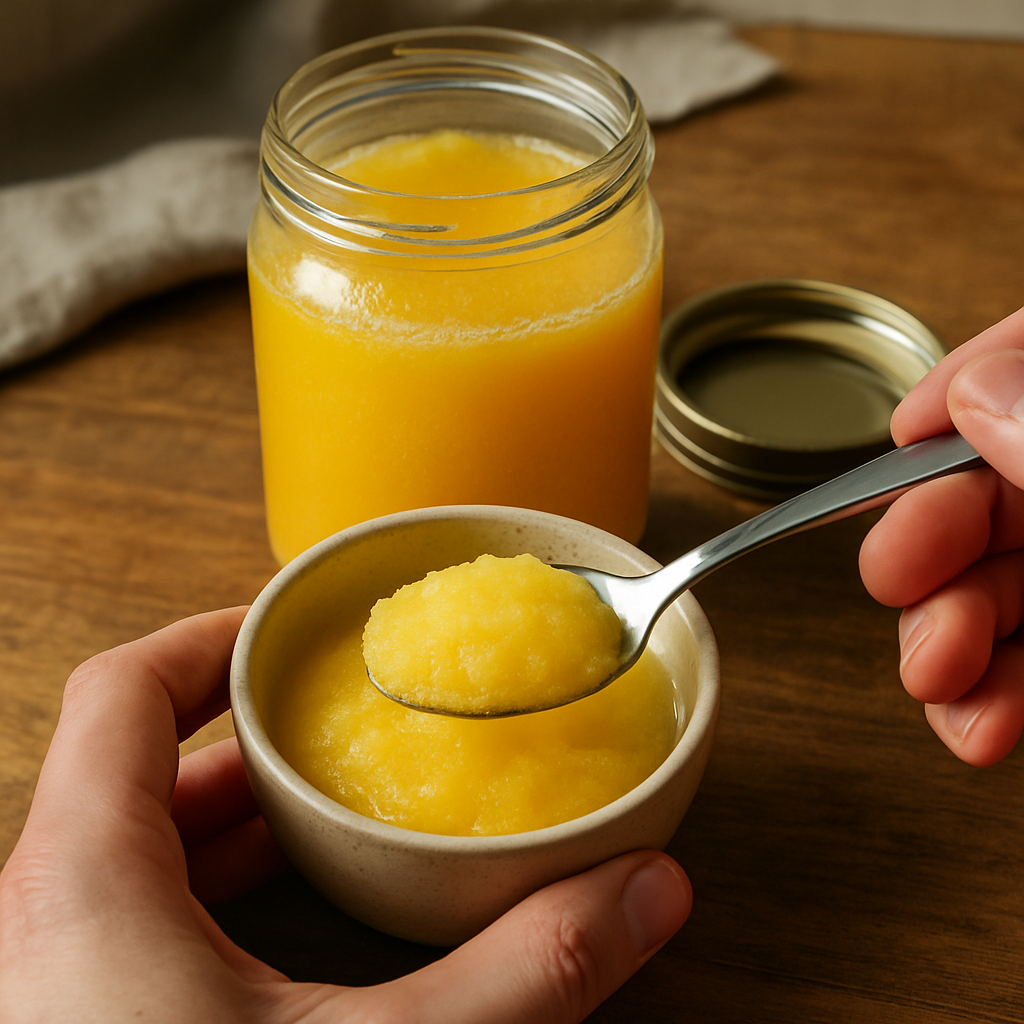
Is Ghee Good for Health?
Digestion, Immunity, Brain, and Skin Support
Here’s the thing — fat isn't the enemy. In fact, ghee contains healthy fats that are essential for brain function, hormonal health, and cell regeneration. Some of the top benefits of eating ghee daily include:
-
Improved digestion due to the presence of butyric acid.
-
Better absorption of fat-soluble vitamins like A, D, E, and K.
-
Boosted immunity and a calming effect on inflammation.
-
Cognitive support — healthy fats fuel brain function and mood.
And here’s a surprise: the benefits of ghee on face aren’t just hype. Used as a moisturizer, it can soothe dry patches, reduce inflammation, and even add a natural glow. (Just patch-test first if your skin is sensitive.)
But not all ghee is created equal. Which ghee is good for health — cow ghee or buffalo ghee? We’ll get to that in a bit.
Is Pure Ghee Better Than Processed Ghee?
Yes, by a landslide. Most commercial ghees are made with speed and profit in mind — using milk from factory-farmed animals or blending in palm oil (!!). On the other hand, pure desi ghee, made from grass-fed cow’s milk using traditional methods, is nutrient-dense and way more bioavailable.
So if you're wondering is eating ghee daily good for health, the answer leans towards yes — if it’s the real deal.

How to Use Ghee for Maximum Benefits
Ghee is versatile — and that’s part of its charm. Whether you stir it into morning tea (hello, bulletproof coffee alternative), drizzle it over rice, or slather it on your face before bed, there are multiple ways to tap into its natural goodness.
But to get the most out of it, you need to know how much ghee is good for health and which kind to actually buy.
How Much Ghee Is Good for Health Daily
This is a bit of a gray area, depending on your body type, activity level, and overall diet. But generally, Ayurveda recommends 1 to 2 teaspoons daily for most people. That’s enough to support digestion and nourish the tissues without overdoing it.
If you're active, pregnant, or recovering from illness, your body might benefit from a little more. But if you live a sedentary lifestyle or struggle with high cholesterol or fatty liver, moderation is key.
And don’t just slather it on everything. Combine it with warm, whole foods — like lentils, steamed veggies, or porridge. This makes it easier for your body to absorb the nutrients and stay in balance.
Funny enough, some people think adding ghee to fast food makes it “healthier.” Nope. That’s not how it works!
Benefits of Ghee on Face and External Use
This might surprise you: ghee isn’t just for eating. Using it externally can also bring visible benefits. Ghee is rich in antioxidants and fatty acids that deeply hydrate the skin. It's especially good for people with dry, cracked, or irritated skin.
Here's a quick DIY: Warm a little pure ghee between your fingers and dab it gently under your eyes or on dry cheeks. Leave it on overnight — just a thin layer — and rinse off in the morning. It's like an ancient Ayurvedic night cream.
Some people even use it on chapped lips or heels. Though yes, it can feel a bit greasy. If that bugs you, just use it sparingly.
The benefits of ghee on face include:
-
Deep moisturization without clogging pores (for most skin types).
-
Natural glow from vitamin E and fatty acids.
-
Soothing inflamed or wind-chapped skin.
Which Ghee Is Good for Health: Cow vs Buffalo
Now, this is a hot topic. Both have their place, but they’re not quite the same.
-
Cow ghee is lighter, easier to digest, and traditionally favored in Ayurveda. It's ideal for daily use and is packed with nutrients like omega-3s and butyrate.
-
Buffalo ghee, on the other hand, is thicker and heavier. It contains more fat, making it richer and better suited for folks needing extra calories or those with high physical activity levels.
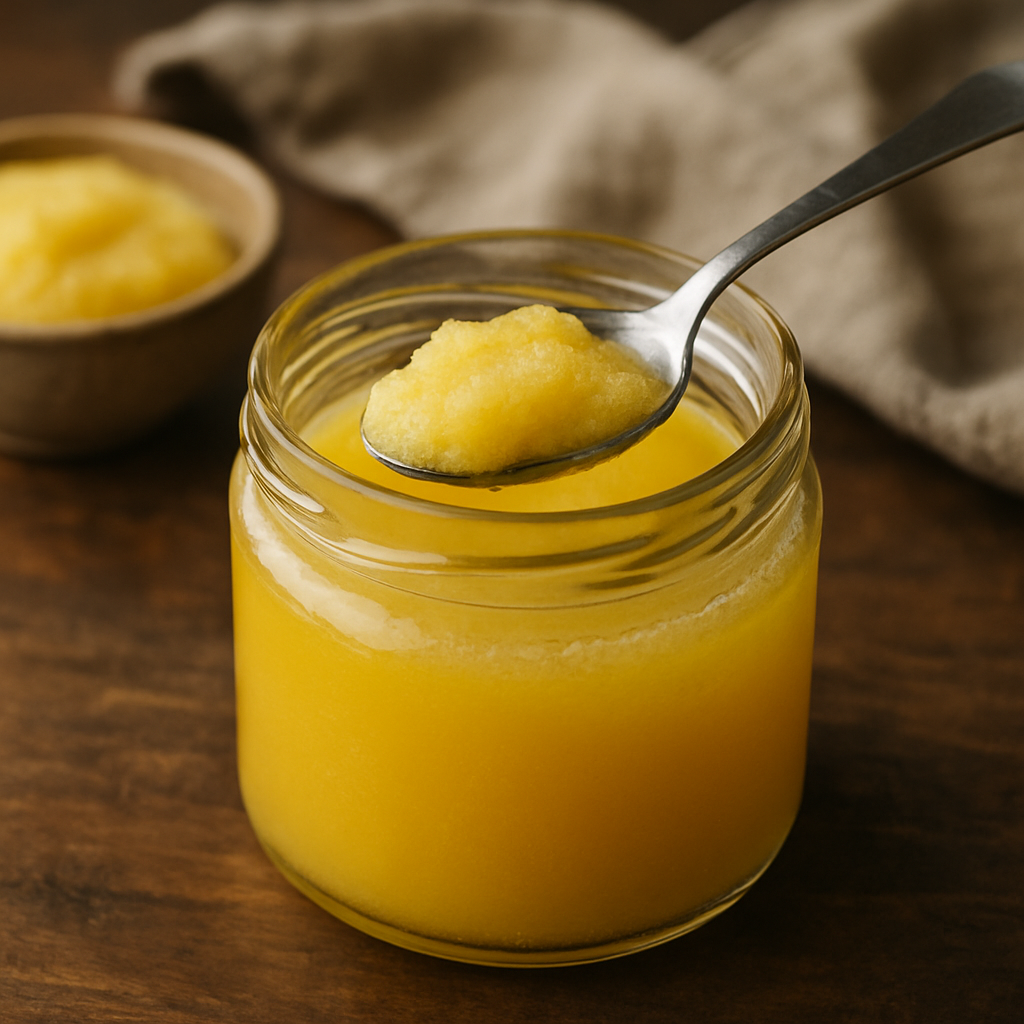
So, which ghee is good for health? If you're looking for a general daily health boost — cow ghee wins. Especially the kind made from A2 milk (from native Indian cows like Gir or Sahiwal), which many believe is more nourishing and easier on the gut.
Look for labels that say “grass-fed,” “cultured,” or “hand-churned” if you can. They usually indicate a more traditional, nutrient-rich product.
When to Avoid or Limit Ghee Consumption
Okay, so ghee is a superfood — but that doesn’t mean it’s right for everyone all the time.
For people with certain health conditions, it’s best to approach ghee with a little caution. If you have high cholesterol, are overweight, or struggle with fatty liver disease, talk to your doctor before making ghee a daily thing. Ghee is calorie-dense and, although it contains healthy fats, too much of anything can throw the body off balance.
Also — and this is rarely mentioned — ghee can sometimes aggravate people with sluggish digestion or extreme Kapha dosha imbalances (in Ayurvedic terms). If you feel heavy or bloated after eating ghee, reduce the quantity or pause it for a while.
Another tip? Store it right. Leaving ghee open to air and moisture can cause it to spoil faster. That weird sour smell? Yeah, that’s not the “authentic aroma,” it’s just bad storage.
And don’t believe the myth that ghee never goes bad — it definitely can.
Conclusion
So, is ghee good for health? For most people — absolutely. When sourced and used properly, it offers a wide range of benefits that support digestion, skin, brain function, and overall vitality. Whether you're asking why ghee is good for health, is eating ghee good for health, or curious about its skincare potential, the answer often circles back to: yes, but with intention.
Ghee isn’t just a trendy ingredient — it’s a time-tested, Ayurveda-backed powerhouse. Just be mindful of quality, quantity, and your individual needs.
As for how much ghee is good for health, think of it like seasoning — a little goes a long way. And if you’re wondering is pure ghee good for health, remember: traditional, small-batch cow ghee (especially from grass-fed or desi cows) is your best bet.
Try adding it to your morning toast, your lentils, or even your skincare — just maybe not all on the same day 😉
Don't wait or self medicate. Start chat with Doctor NOW
FAQs
Q: Is eating ghee daily good for health?
A: Yes, for most people, 1–2 teaspoons a day of pure cow ghee can support digestion, energy, and immunity. But always consider your health status and lifestyle before making it a daily habit.
Q: Can ghee improve skin health when used externally?
A: Definitely. Ghee is rich in antioxidants and healthy fats that hydrate the skin, reduce inflammation, and give a natural glow. Just apply a small amount and avoid if you're acne-prone.
Q: What are the signs of too much ghee in the diet?
A: Feeling heavy, bloated, sluggish digestion, or unexplained weight gain might be signs you’re overdoing it. Cut back and see how you feel.
Q: Is pure ghee good for health?
A: Pure, traditionally made ghee from grass-fed cows is highly beneficial. It contains nutrients like butyric acid and omega-3s that support gut and brain health. Just avoid heavily processed or adulterated varieties.
Call to Action:
Curious to try ghee in your daily routine? Start small — experiment with a teaspoon on your rice or a dab on your dry skin. And if you found this guide helpful, share it with a friend or two. After all, real wellness spreads best when it’s shared 💛
Questions from users
What are the benefits of using ghee as a night cream for skin hydration?
Miles
6 days ago
Using ghee as a night cream can really boost skin hydration! It soothes dry patches, calms inflammation, and adds a natural glow. Plus, it nourishes your ojas, boosting energy and vitality. The absence of artificial additives makes it super safe, though it might feel a bit greasy. Just use a thin layer, and you're good!
Is it safe to eat ghee if I have lactose intolerance?
Hailey
15 days ago
Yes, ghee is usually safe for those with lactose intolerance. When ghee is properly made, the milk solids, which contain lactose and casein, are removed during the clarification process. So you should be fine enjoying it! But if you're unsure, start with a small amount and see how you feel. Listen to your body always!
What is the best kind of ghee to use for skin hydration?
Riley
24 days ago
The best ghee for skin hydration is usually cow ghee. It’s rich in vitamins like A, D, E, and antioxidants that are great for your skin. Just ensure it’s pure and preferably organic. You might want to do a patch test first to be sure it’s suitable for your skin.
What is the best way to store ghee to extend its shelf life?
Zuri
34 days ago
To store ghee and extend its shelf life, you should keep it in an airtight container in a cool, dry place. Avoid direct sunlight and moisture, cuz that can spoil it faster. Some folks prefer the fridge for long-term storage, but room temperature is fine if it's used regularly. Just make sure it's sealed well to keep it fresh!
Is ghee beneficial for improving brain function and focus?
Peyton
44 days ago
Absolutely, ghee is known for its positive impact on brain function. It's rich in healthy fats that support cognitive function and focus. Ayurveda says ghee nourishes the ojas—vital life essence which brings clarity and mental peace! Just remember, moderation is key as ghee is quite calorie-dense... Enjoy in balance! 🧠✨
Can I use ghee for cooking at high temperatures without losing its benefits?
Luke
53 days ago
Yes, ghee is great for high-temp cooking because it doesn't easily burn or lose its good stuff. It has a high smoke point, so it keeps its properties better than most oils. It's especially great for balancing Vata & Pitta. Just keep an eye on the quantity, too much can make you feel heavy and bloated.
Is it safe to use ghee on my skin daily for moisturizing?
Asher
63 days ago
Yes, it's safe to use ghee daily on your skin for moisturizing, especially if you have dry skin. It's soothing, can reduce inflammation, and even add a nice glow. Just apply a thin layer. But make sure your skin doesn’t react to it—everyone’s different! Test it out on a small patch first.
What is the difference in nutritional value between pure ghee and processed ghee?
Yolanda
72 days ago
Pure ghee is typically richer in nutrients compared to processed ghee. It's packed with beneficial components like butyric acid and omega-3s which support gut and brain health. Processed ghee might lose some of these nutrients during processing. Always go for pure if you can for the best health benefits!
Can I use ghee in my coffee for added health benefits?
Lila
82 days ago
Absolutely, you can use ghee in coffee! Ghee, being rich in healthy fats, can enhance your ojas and support digestion. But, make sure you're using high-quality, traditionally made ghee from A2 cow milk to really get those benefits. Just keep in mind that everyone's constitution is unique, so listen to your body's response.
Can ghee be used as a substitute for oil in baking, and would it affect the texture?
Nathan
162 days ago
You bet! Ghee can def be used instead of oil in baking. It'll give your baked goods a richer flavor and the texture might be a bit softer or denser coz ghee is solid at room temp. Just melt it before using, same amount as oil. Keep in mind your dosha too— if you’re kapha, use it sparingly. Try it and see how it suits your taste and digestion! 😊
Related articles

Nutrition
Kapha Diet: Insights from Ayurveda
The Kapha Diet is a central aspect of Ayurveda, focusing on balancing the Kapha dosha for enhanced physical and mental well-being.
2,720

Nutrition
Drakshadi Ghrita: Balancing Pitta, Vata, and Rakta
Discover how Drakshadi Ghrita, a medicated ghee, treats diseases related to Pitta, Vata, and Rakta. Learn its benefits, usage guidelines, and Ayurvedic insights for overall well-being.
4,615

Nutrition
How to Eat Fenugreek Seeds: Ayurvedic Guide to Daily Use and Benefits
How to eat fenugreek seeds? Learn the best ways to consume fenugreek for hair, hormones, diabetes, and more. Can we eat them raw or without soaking?
15,378

Nutrition
Patanjali Divya Herbal Peya
Exploration of Patanjali Divya Herbal Peya
5,994

Nutrition
Is Mango Good for Digestion? Ayurvedic Insights and Gut Health Benefits
Exploration of How Mangoes Can Boost Your Digestion Naturally
4,792

Nutrition
Guduchi Satva: Benefits, Dosage, Ingredients, Side Effects
Exploration of Guduchi Satva: Benefits, Dosage, Ingredients, Side Effects
2,380

Nutrition
Is Intermittent Fasting Good for Health? Ayurvedic Perspective on Fasting Benefits
Explore the health benefits of intermittent fasting, its Ayurvedic perspective, and whether intermittent fasting is good for health long-term
1,860

Nutrition
How to Increase Metabolism: Ayurvedic Methods, Food, and Lifestyle Boosters
How to increase metabolism naturally? Discover Ayurvedic metabolism boosters, foods that burn fat, effective lifestyle tips, and herbal supplements
2,183
Nutrition
Vidaryadi Ghritam Uses and Health Benefits in Ayurveda
Learn about the Ayurvedic formulation Vidaryadi Ghritam, its traditional uses, clinical relevance, and benefits for fertility, immunity, and strength.
3,019

Nutrition
Mastering the Art of Drinking Water
Staying hydrated is essential for maintaining overall health, as water is vital for numerous bodily functions.
2,943
Related questions on the topic
Legal
Additional Documents
© 2024 Ask Ayurveda. All rights reserved.