Ask Ayurvedic doctor a question and get a consultation online on the problem of your concern in a free or paid mode. More than 2,000 experienced doctors work and wait for your questions on our site and help users to solve their health problems every day.
FREE! Ask Ayurvedic Doctors 24/7

 Fast responses
 1000+ verified doctors
Body DetoxEar, Nose, and Throat DisordersGeriatrics & RejuvenationImmunodeficiencyInfertility TreatmentNutritionOrthopedic DisordersPediatricsRespiratory DisordersSexually Transmitted Diseases (STDs)Surgery RecoveryUrological DisordersVascular DisordersDental DisordersEndocrinological DisordersGastrointestinal DisordersYoga TherapyGeneral MedicineAllergic DisordersCardio DisordersGynecology and ObstetricsCosmetologySkin and Hair DisordersEye DisordersInfectious DiseasesMental DisordersNeurological DisordersOncologyPanchakarmaSexual Health & DisordersSports Medicine
Published on 06/17/25
(Updated on 07/12/26)
star_border 5
3,472
How to Make Ghee at Home: Ayurvedic Methods

Golden, aromatic, and deeply rooted in ancient Indian tradition — ghee is much more than just clarified butter. If you’ve been wondering how to make ghee, whether from butter, cream, milk, or curd, you’re in the right place. This guide walks you through every method step-by-step, especially focusing on Ayurvedic techniques that emphasize health and balance. Whether you're exploring how to make ghee at home for the first time or looking to try a new method — say, how to make ghee from curd or how to make ghee from milk — we’ve got you covered.
Making ghee isn’t just about cooking; it’s a kind of meditation. A slow process that rewards you with a golden, nutty-smelling elixir that’s not only shelf-stable but also rich in health benefits. Let’s dive into the essence of ghee in Ayurveda before getting our hands greasy.
What Is Ghee and Why It's Essential in Ayurveda
Meaning and Role of Ghee in Ayurvedic Cooking
In Ayurveda, food isn’t just fuel. It’s medicine, energy, and ritual. Ghee — known traditionally as "ghrita" — is considered one of the most sattvic foods, meaning it promotes clarity, calmness, and pure energy. It's not just a cooking fat but a carrier of nutrients and a healer of the digestive system.
The ancient texts speak highly of homemade ghee, made slowly and mindfully, often from cow milk or cultured curd. Unlike industrial versions, homemade ghee is said to be more nourishing because it's made with intention and care.
Health Benefits of Homemade Ghee
There’s a reason ghee is called “liquid gold.” It's lactose-free, making it ideal for those with dairy sensitivities. Rich in butyric acid, it supports digestion and has anti-inflammatory properties. It’s a favorite among nutritionists and yogis alike for its ability to lubricate joints and promote brain function.
When you make ghee at home, especially using traditional methods, you maintain the integrity of the fat. Commercial ghee often lacks the subtlety of flavor and nutrients preserved when you use low heat and time-tested techniques. And if you're making ghee from curd, it's even richer — more deeply rooted in Ayurvedic practice and believed to be easier to digest.
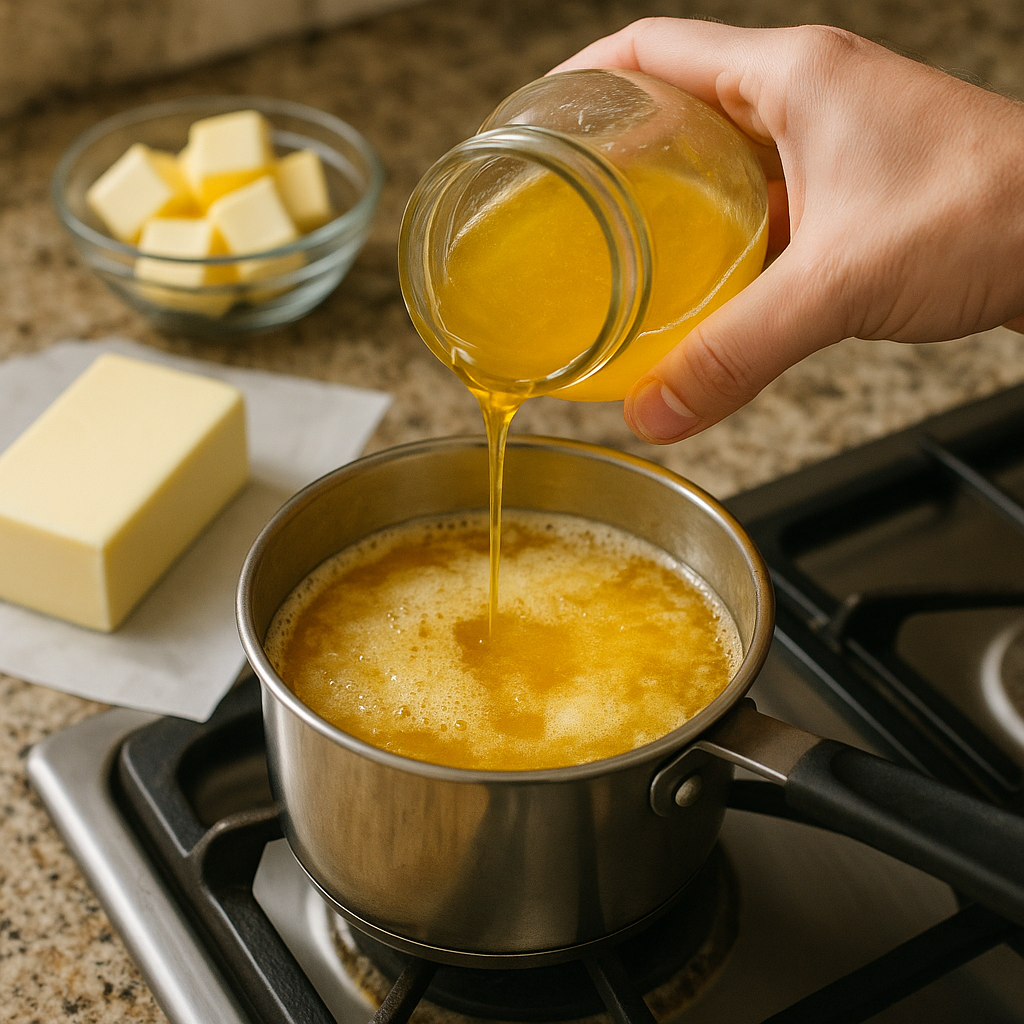
How to Make Ghee at Home: Traditional Methods
So — you’re ready to learn how to make homemade ghee? Let’s begin with the most common method.
How to Make Ghee from Butter
This is the simplest and most beginner-friendly method.
You’ll need:
-
Unsalted, high-quality butter (preferably from grass-fed cows)
Steps:
-
Melt butter in a heavy-bottomed saucepan over low to medium heat.
-
Once it melts, it will foam — let it.
-
Continue simmering; the milk solids will sink, and the fat will turn golden and clear.
-
Once the bubbling slows and you notice a nutty aroma, remove it from heat.
-
Strain through cheesecloth into a jar.
And voila! Ghee. This method is quick, but note — it lacks the probiotic goodness of ghee made from curd or milk.
How to Make Ghee from Milk or Curd
Now this ones a bit more traditional — and takes longer. But the results are worth it.
Steps:
-
Start with full-fat cow milk. Boil it and let it cool.
-
Add a spoon of yogurt to culture it and make curd. Wait overnight.
-
Once you have curd, churn it to get white butter.
-
Heat this butter slowly to transform it into ghee.
This method — how to make ghee from curd — is deeply Ayurvedic. It preserves the probiotic fermentation and enhances digestibility. Honestly, it just tastes... better?
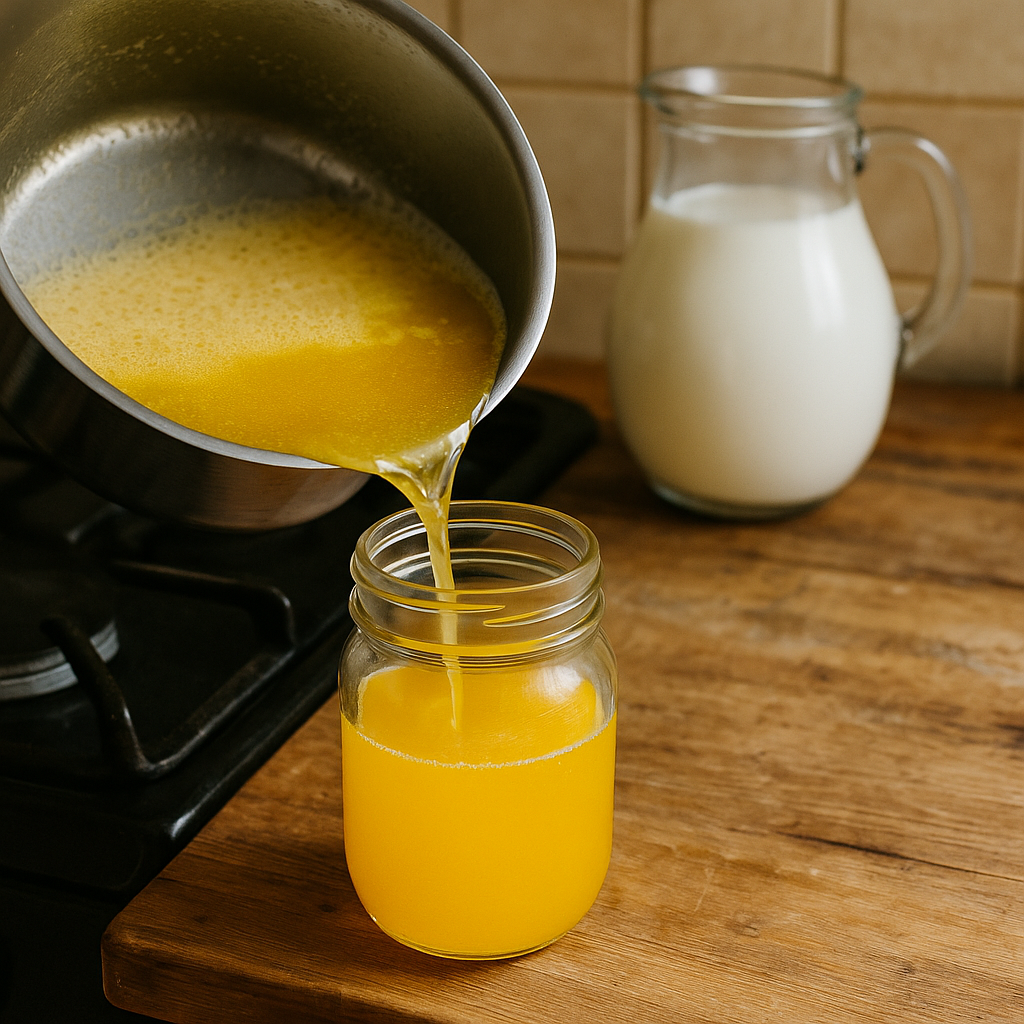
How to Make Ghee from Cream
If you’ve been saving up malai (the thick layer of cream from boiled milk) in your fridge, you’re in luck — because you can turn that into delicious, nourishing ghee too. Learning how to make ghee from cream is a rewarding process that many Indian households have passed down for generations.
Steps:
-
Collect cream (malai) daily from boiled full-fat milk and store it in the fridge for about 7–10 days.
-
Once you have enough, churn it — either using a hand blender or traditional wooden churner — until the butter separates from the buttermilk.
-
Wash the butter in cold water to remove any lingering milk solids.
-
Heat the butter slowly on low flame in a heavy-bottomed pan.
-
As it melts and begins to bubble, keep stirring occasionally. Watch as it turns golden and the milk solids sink to the bottom.
-
Once it gives off a rich, caramel-like smell and becomes clear, it’s done. Strain and store.
This method — how to make ghee from cream — is especially satisfying because it uses ingredients you’d otherwise discard or forget. It’s perfect for those who boil milk daily and hate waste (like me, I can't stand seeing good cream go to waste!).

How to Make Ghee in a Pressure Cooker
Yes, you heard right — you can make ghee without standing over the stove forever. If you’re short on time or want a more hands-off method, here’s how to make ghee in pressure cooker.
Note: This method works best with unsalted butter.
Steps:
-
Place butter in a stainless steel bowl.
-
Put a trivet or stand inside the pressure cooker and add a cup of water.
-
Set the bowl of butter on the trivet, close the lid without the whistle.
-
Heat on medium-low for about 20–25 minutes.
-
Check occasionally — you should see the butter transforming into a deep golden liquid.
-
Carefully remove the bowl, let it cool a bit, then strain.
Is it traditional? Nope. But is it practical? Absolutely. This is a great modern spin for people who want homemade ghee but don’t want to watch it like a hawk. (Trust me — one distracted scroll through Instagram and you’ve burned your ghee. Learned that the hard way.)
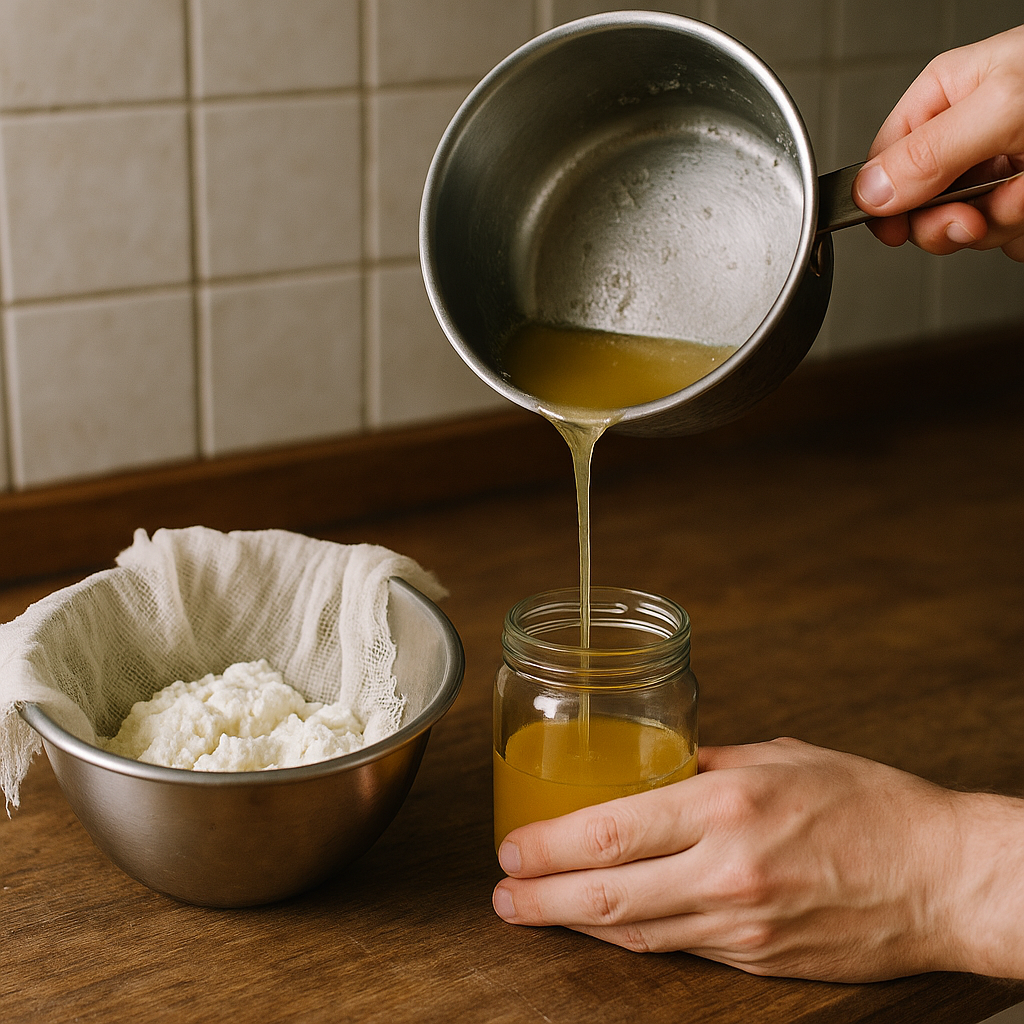
Tips for Perfect Homemade Ghee
Making ghee is both art and science. Here’s how to get it just right.
Identifying the Right Texture, Aroma, and Color
Good ghee should be golden and translucent — not cloudy or overly dark. The aroma should be nutty, never burnt or sour. When it cools, it solidifies into a grainy or smooth texture, both of which are totally normal. Texture often depends on room temperature and how slowly it cooled down.
Common Mistakes to Avoid When Making Ghee
-
Using salted butter – it messes with flavor and leaves too many solids behind.
-
Overheating – burnt ghee smells acrid and loses nutritional value.
-
Not straining properly – leftover solids can spoil the ghee sooner.
-
Rushing the process – low and slow wins here. Every time.
Also, don’t cover the pan while making ghee. Steam can create moisture that ruins the final product’s shelf life. Learned this after my ghee went funky in a week (never again!).
How to Know When Ghee Is Ready
Here’s the trick: when it stops bubbling and you can see the bottom of the pan clearly through the golden liquid, it’s done. Wait a moment longer and you'll smell that unmistakable toasted aroma — that’s your cue to remove it from heat.
Don't wait or self medicate. Start chat with Doctor NOW
Ayurvedic Uses of Ghee in Daily Life
So now that you know how to make ghee at home, what do you do with it? In Ayurveda, ghee isn’t just food — it’s a multi-purpose tool for healing, nourishment, and balance. Here’s how it’s used beyond cooking.
Ghee as Medicine, Cooking Medium, and Beauty Ingredient
In traditional Ayurvedic medicine, ghee is used in treatments like nasya (nasal drops), basti (medicated enemas), and even netra tarpana (eye therapy). It’s believed to lubricate internal organs, sharpen the mind, and soothe inflammation.
As a cooking medium, it enhances the agni — digestive fire — and helps in the assimilation of nutrients. Ghee doesn't go rancid quickly, and it has a high smoke point, making it ideal for frying or sautéing.
For skincare, it can be applied to lips, elbows, or even under the eyes to soften and hydrate. Honestly, I once used it on a rash and it worked better than store-bought creams (not a scientific study or anything, just... wow).
How to Use Ghee According to Dosha Type
Ayurveda categorizes individuals into three doshas: Vata, Pitta, and Kapha. Ghee benefits each dosha differently, and knowing how to tailor your ghee use can increase its effectiveness.
-
Vata types (dry, cold, airy): Ghee is amazing. It grounds and moisturizes — use it liberally in food or even as a body oil.
-
Pitta types (hot, sharp, intense): Ghee cools and soothes. Perfect for reducing internal heat. Best used raw or added to food post-cooking.
-
Kapha types (heavy, sluggish, moist): Use sparingly. Ghee can be a bit too grounding for Kapha; opt for small amounts or try it in herbal preparations.
Conclusion
So there you have it — a deep dive into how to make ghee, whether you're starting with butter, cream, milk, or curd, or even experimenting with the pressure cooker method. Ghee is more than just a cooking fat; it’s tradition, it’s medicine, it’s food for the soul. Making your own is one of those small, ancient rituals that connect you to something bigger — something slower, and more meaningful.
Whether you're learning how to make ghee from cow milk the traditional way or trying shortcuts, it’s always worth it to do it yourself. You get better flavor, more control, and an end product that feels truly yours.
So next time you see that layer of cream forming on your milk or a block of butter in the fridge, think twice before buying store-bought ghee. You already have everything you need to make your own liquid gold.
FAQs
How is ghee from curd different from ghee from butter?
Ghee made from curd involves fermentation and churning, which adds probiotic benefits and enhances digestibility. Ghee from butter skips that step and is faster, but lacks some traditional Ayurvedic qualities.
Can I make ghee without heating it on the stove?
Technically, yes — you can use a pressure cooker or slow cooker. However, heat is essential for the transformation process. Cold-processing doesn’t yield the same depth of flavor or therapeutic value.
Is ghee from cow milk better than other types?
Ayurveda strongly favors ghee made from cow milk, especially Indian desi cows. It’s believed to be more sattvic and beneficial for all three doshas. Buffalo milk ghee is heavier and better suited for specific therapeutic uses.
✨ Ready to give it a shot?
Now that you know how to make ghee from milk, butter, cream — even how to make ghee in a pressure cooker — try it at home. And don’t forget to share this guide with a friend who could use a bit of homemade golden magic in their life. Who knows, it might just become your favorite ritual too.
Questions from users
How can I gauge the flavor profile of homemade ghee?
Sofia
12 hours ago
To gauge the flavor profile of homemade ghee, start by noting its aroma, which should be nutty and pleasant, not burnt or sour. Taste a small amount; well-made ghee should have a rich, slightly sweet, nutty flavor with no off tastes. The texture should be smooth and creamy, without any graininess or separation. Achieving these qualities typically requires careful cooking where the ghee stops bubbling and becomes clear. If your ghee doesn’t match these criteria, consider adjusting your technique or ingredients. Consult a healthcare professional if you plan to use ghee for medicinal purposes.
What is the best temperature to cook ghee to preserve its nutrients and flavor?
Tiffany
10 days ago
For making ghee, aim to cook it on a low to medium heat. You want it to gently simmer rather than boil which helps preserve the nutrients and retains a beautiful nutty flavor. The temp ideally between 80-95°C (176-203°F) works best. This may take some patience but it’s worth it for the flavor & quality! 🙌
What is the best way to make ghee from leftover butter after cooking?
Grace
19 days ago
To make ghee from leftover butter, slowly melt the butter over low heat until milk solids separate and sink. Once it smells caramel-like and turns clear, it's ready to strain. Just don't rush it, patience is key to good ghee! If it's your first time, keep an eye on that color and smell—it’s your guide. If you have leftover spices or herbs, you can toss them in too for extra flavor!
What is the process for clarifying butter to make ghee at home?
Sage
28 days ago
To clarify butter and make ghee at home, just heat unsalted butter in a pot on medium-low. Let it melt and simmer until the milk solids separate and turn golden brown. Then, skim off the foam from the top, strain through a fine mesh or cheesecloth, and store it! Takes patience, but it's worth it. Watch it - don't let it burn. Enjoy the process!
Is it safe to use ghee for frying at high temperatures?
Christian
37 days ago
It's usually safe to use ghee for frying at higher temps because it has a high smoke point (around 485°F!). This makes it good for cooking without burning and keeping the nutty flavor intact. Just be sure not to let it overheat, though — watch it closely! Too much heat can damage its beneficial properties.
What is the best way to choose high-quality ghee for cooking and health benefits?
Claire
47 days ago
The best way to choose high-quality ghee is to look for one made from grass-fed cow's milk, ideally from desi cows if possible. Also, go for ghee that is traditionally processed, as it’ll have richer flavor and more nutrients. Organic and cultured ghee are great choices too. Smell it for that nutty aroma, that's a good sign!
Can I make ghee from heavy cream instead of butter or milk?
Mateo
57 days ago
Yes, absolutely! You can totally make ghee from heavy cream. It's all about simmering the cream to separate the fats from the milk solids and water. Just keep an eye on it, stir occasionally, and make sure it doesnt burn. Once you see clear golden butterfat, strain it for your homemade ghee. Enjoy your delicious, personalized ghee!
What are the benefits of using ghee in cooking for lactose-intolerant individuals?
Sierra
66 days ago
Great question! One benefit of ghee for lactose-intolerant folks is, it usually contains minimal lactose since butter’s milk solids are removed. Plus, ghee supports digestion due to its butyrate content, which promotes a healthy gut. Its nourishing qualities also help balance all doshas without aggravating them! Just make sure it’s pure ghee.
Can ghee be used as a moisturizer for sensitive skin types?
Theodore
76 days ago
Yes, ghee can definitely be used as a moisturizer for sensitive skin. Its natural, nourishing qualities make it soothing and hydrating. But, just to be sure, test a small patch of skin first, just in case there's any irritation. It's rich in fatty acids, good for calming and softening the skin.
What is the best way to use ghee for enhancing flavors in dishes?
Joseph
85 days ago
Adding ghee to cooked dishes is a great way to enhance flavors! Just drizzle it over veggies or mix it into grains like rice or quinoa after they're done cooking. This keeps its nutty aroma intact. For more robust taste, you could try a tadka - heat it with spices like cumin or mustard seeds before adding to the dish.
Related articles

Nutrition
Fatty Liver Diet Chart Indian: An Ayurvedic Take on What to Eat, When, and Why It Matters
Let’s not sugarcoat this (and I mean that literally): fatty liver is becoming ridiculously common — and yes, especially in India. You might’ve heard your uncle casually mention his liver “getting fatty” while polishing off a third helping of butter-laden
3,847

Nutrition
Patanjali Divya Herbal Peya
Exploration of Patanjali Divya Herbal Peya
6,439

Nutrition
How to Consume Watermelon Seeds: Ayurvedic Guide to Benefits and Safe Use
How to consume watermelon seeds for health benefits? Learn the best ways to eat, roast, and use watermelon seeds, plus Ayurvedic tips for safe daily intake
10,742

Nutrition
Patanjali Divya Sarvakalp Kwath Powder
Exploration of Patanjali Divya Sarvakalp Kwath Powder
3,030

Nutrition
What Are the Benefits of Muskmelon: Ayurvedic and Nutritional Guide
Exploration of Discover the Health and Skin Benefits of Muskmelon
3,146
Nutrition
Vidaryadi Ghritam – Traditional Ayurvedic Medicated Ghee for Holistic Wellness
Discover Vidaryadi Ghritam, a time-honored Ayurvedic medicated ghee formulation designed to rejuvenate tissues, balance doshas, and support nerve and digestive health naturally.
4,008

Nutrition
Is Sabudana Good for Health? Ayurvedic Benefits and Nutrition
Exploration of Is Sabudana a Healthy Addition to Your Diet? Exploring Benefits and Drawbacks
7,019

Nutrition
What Is the Use of Walnut: Ayurvedic Benefits and Daily Applications
Exploration of Discover the Versatile Uses of Walnuts in Health, Beauty, and Ayurveda
3,836

Nutrition
Elaneer Kuzhambu Benefits, Dosage, Ingredients, And Side Effects
Exploration of Elaneer Kuzhambu Benefits, Dosage, Ingredients, And Side Effects
2,174

Nutrition
Curd Benefits for Stomach: What Ayurveda Has to Say (And Why You Should Care)
If you’ve ever reached for a bowl of curd after a heavy meal, you’re not alone. I do it. My grandma did it. Half of India probably does it. But here’s the question we often forget to ask: why does curd feel so comforting to the stomach? And more important
5,441
Related consultations on the topic
Legal
Additional Documents
© 2024 Ask Ayurveda. All rights reserved.