Ask Ayurvedic doctor a question and get a consultation online on the problem of your concern in a free or paid mode. More than 2,000 experienced doctors work and wait for your questions on our site and help users to solve their health problems every day.
FREE! Ask Ayurvedic Doctors 24/7

 Fast responses
 1000+ verified doctors
Body DetoxEar, Nose, and Throat DisordersGeriatrics & RejuvenationImmunodeficiencyInfertility TreatmentNutritionOrthopedic DisordersPediatricsRespiratory DisordersSexually Transmitted Diseases (STDs)Surgery RecoveryUrological DisordersVascular DisordersDental DisordersEndocrinological DisordersGastrointestinal DisordersYoga TherapyGeneral MedicineAllergic DisordersCardio DisordersGynecology and ObstetricsCosmetologySkin and Hair DisordersEye DisordersInfectious DiseasesMental DisordersNeurological DisordersOncologyPanchakarmaSexual Health & DisordersSports Medicine
Published on 06/19/25
(Updated on 07/09/26)
3,032
What Are Healthy Fats: Types, Benefits, and Food Sources

Ever wondered, what are healthy fats and why they matter? You're not alone. Despite years of being told to avoid fat like the plague, modern nutrition has turned the tables. Healthy fats are not just okay—they're essential. They help with brain function, energy production, skin health, and hormone regulation. Yet, there’s still a lot of confusion out there.
In this guide, we’ll break down the types of healthy fats, how they compare to unhealthy ones, and which healthy fats foods to include in your everyday meals. If you’ve ever found yourself googling a healthy fats list or trying to understand sources of healthy fats, you’re in the right place. We’ll also look at insights from Ayurveda to see how ancient wisdom aligns with modern science.
So, let’s dive in—because your body (and maybe even your brain) is literally made from fat. No kidding.
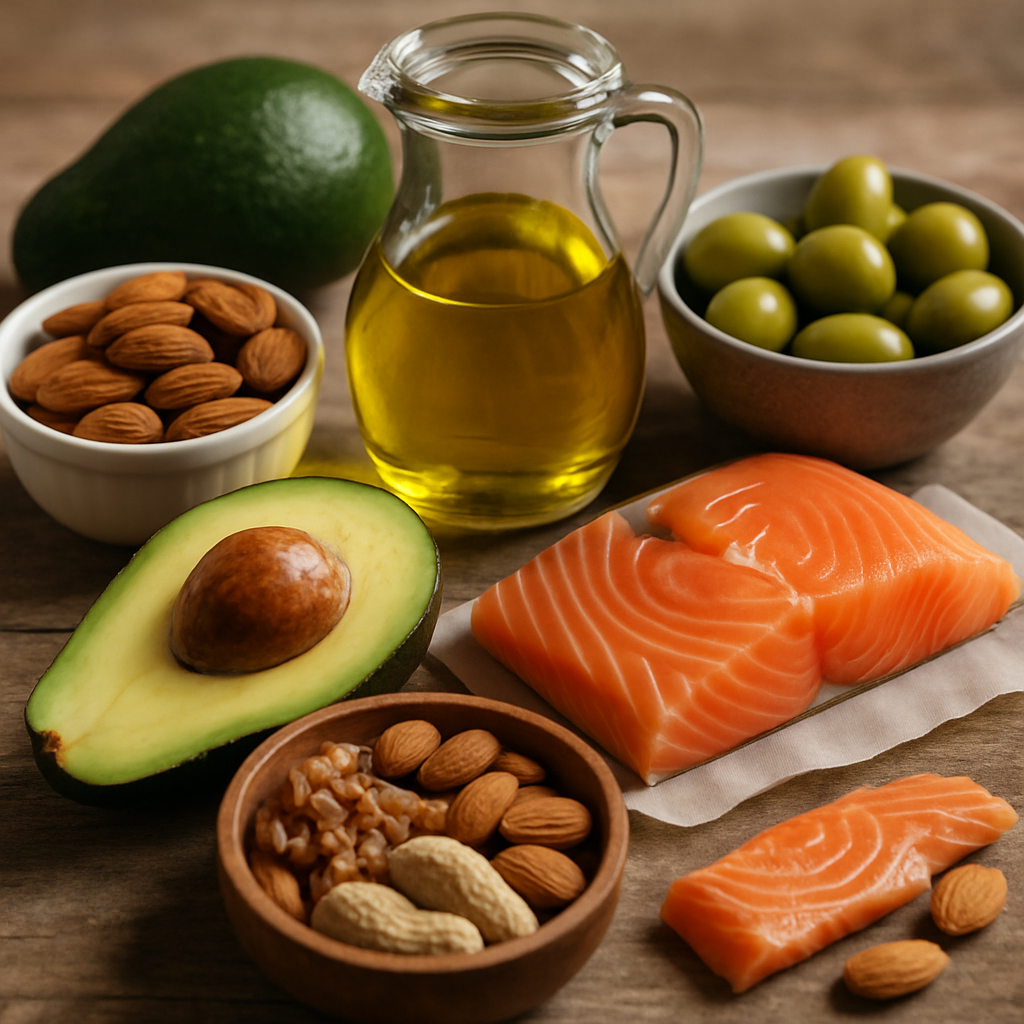
What Are Healthy Fats and Why Do We Need Them?
Healthy fats are types of dietary fats that promote well-being rather than contribute to health problems. They mostly come from plant-based oils, nuts, seeds, fish, and avocados. These fats help absorb essential vitamins (A, D, E, and K), maintain cell structure, and even boost mood.
They’re typically unsaturated fats, which are categorized into two types: monounsaturated fats (MUFAs) and polyunsaturated fats (PUFAs). These are the "good guys" your body actually craves. In contrast, trans fats and excessive saturated fats—like those in fried foods and processed snacks—can increase the risk of heart disease.
But here's the twist: Not all saturated fats are evil. Ghee and coconut oil, which we’ll talk about more in the Ayurveda section, can actually be beneficial in moderation.
Healthy Fat Percentage for Daily Nutrition
You don’t need to count grams obsessively, but knowing the rough range helps. Around 25-35% of your daily calories should come from fat, with the bulk being healthy fat sources. That means for a 2,000-calorie diet, around 500-700 calories (or 55-75 grams) can come from fat.
Still, balance is key. Too little fat can mess with your hormones, energy levels, and even your ability to think straight.
Difference Between Healthy and Unhealthy Fats
Here’s a quick snapshot to clear the fog:
-
Healthy fats: Found in olive oil, avocado, nuts, seeds, and fatty fish. They support heart health, reduce inflammation, and are part of a balanced diet.
-
Unhealthy fats: Like trans fats (think margarine and baked goods) and some saturated fats in processed meats, they increase LDL ("bad") cholesterol and the risk of cardiovascular disease.
And just to throw a wrench in things, some natural saturated fats—like in dairy or dark chocolate—aren’t so bad when eaten in moderation. The devil is in the dose, right?
Healthy Fats List and Their Benefits in Ayurveda
Ayurveda, the traditional Indian system of medicine, has long emphasized the value of healthy fats. According to this ancient practice, fats aren't just fuel—they’re deeply nourishing for the body and mind.
Best Healthy Fats to Eat for Energy and Digestion
In Ayurveda, fats play a vital role in agni, or digestive fire. Consuming the right kinds of fat helps keep your digestion strong and steady. Here are a few healthy fats to eat that align with both Ayurvedic and modern nutritional science:
-
Ghee: Clarified butter that supports digestion and brain function. It’s also considered sattvic, or pure, in Ayurveda.
-
Coconut oil: Rich in medium-chain triglycerides (MCTs) that are easy to digest and provide quick energy.
-
Avocados: Cooling, nourishing, and high in monounsaturated fats—great for calming vata dosha.
-
Nuts and seeds: Almonds, walnuts, flaxseeds, and chia seeds offer fiber and omega-3 fatty acids.
These aren’t just calorie bombs; they’re tools to support your well-being—physically and mentally.
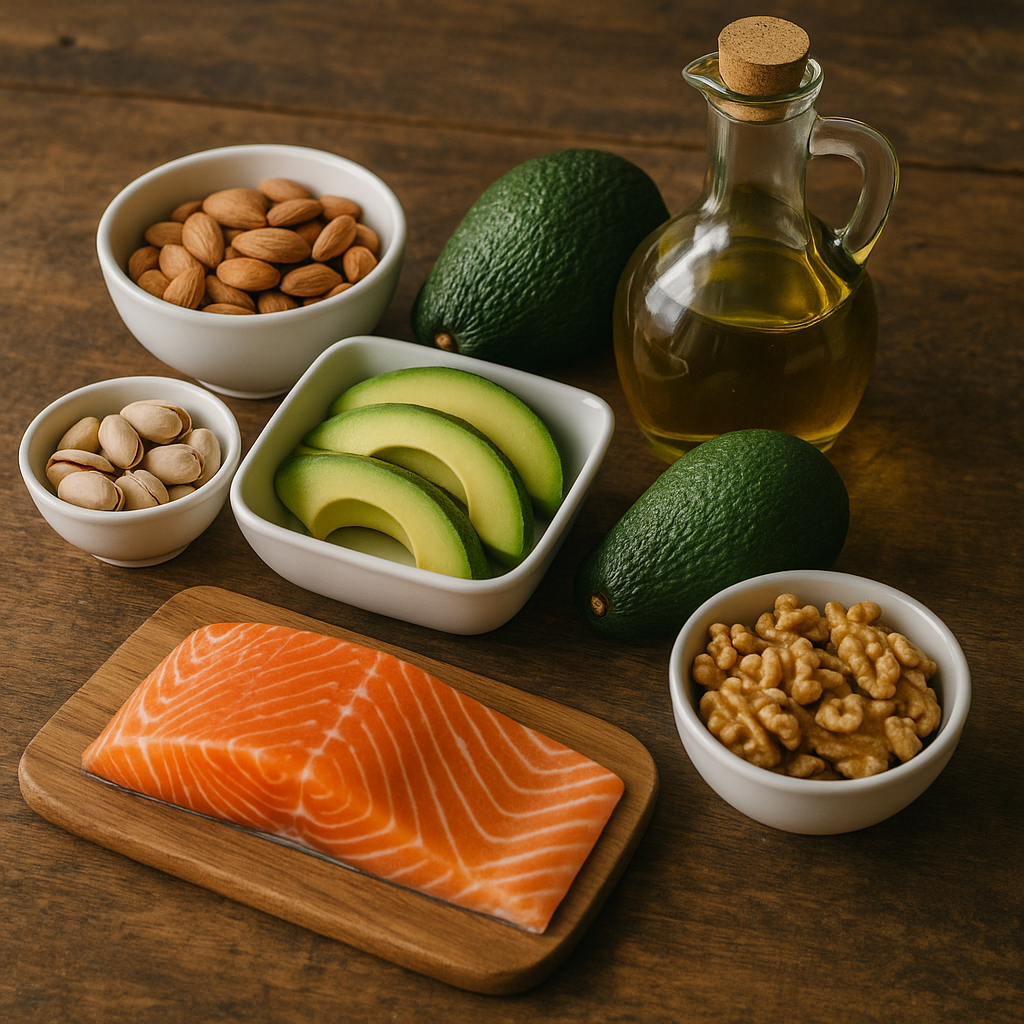
Healthy Fats Food and Natural Sources
Alright—so we’ve covered the “why.” Now let’s talk about the “what.” You might be wondering where to find these healthy fats foods without falling into the rabbit hole of expensive supplements or mystery seed oils. Good news: a lot of them are already in your pantry—or they should be.
Eating whole food sources of healthy fat is one of the easiest ways to stay on track without stressing about labels. Think real, recognizable ingredients.
Whole Food Sources of Healthy Fat
Here's a quick breakdown of some top-tier healthy fat sources that are both practical and nutrient-dense:
-
Avocados – Creamy, delicious, and absolutely loaded with monounsaturated fat. Add them to toast, smoothies, or eat 'em straight with a pinch of sea salt.
-
Fatty fish – Salmon, sardines, mackerel, and trout are excellent healthy fat foods, rich in omega-3s that support heart and brain function.
-
Olives and olive oil – One of the oldest healthy fat sources known to humankind. A cornerstone of the Mediterranean diet for good reason.
-
Nuts – Almonds, cashews, macadamias, and pistachios are great for snacking or adding crunch to salads and oatmeal.
-
Seeds – Flaxseeds, chia seeds, pumpkin seeds, and sunflower seeds are small but mighty. They pack both fats and fiber.
-
Eggs – Often wrongly demonized, eggs (especially the yolks) are actually a fantastic healthy fat food. Plus, they come with protein and vitamins like B12 and D.
Quick side note—some people avoid whole-fat dairy like the plague. But in moderation, things like Greek yogurt or full-fat cheese can be part of a healthy diet, too. Don't toss the baby with the bathwater, ya know?
How to Incorporate Healthy Fats in Daily Meals
Okay, you’ve got the list. But how do you use it without turning your kitchen into a chemistry lab?
Here are a few easy, totally non-intimidating ways to get more healthy fats to eat into your daily routine:
-
Drizzle olive oil on cooked veggies or over salad (and don’t be shy—go generous)
-
Add nut butter to smoothies, toast, or even oatmeal
-
Throw avocado into breakfast wraps, burrito bowls, or even desserts (yes, avocado mousse is a thing)
-
Cook with ghee or coconut oil instead of generic vegetable oil—they both have high smoke points and add flavor
-
Top dishes with a handful of nuts or seeds. It takes 3 seconds but adds crunch and nutrition.
One thing to keep in mind is balance. You don't want to eat three tablespoons of peanut butter and call it a day. Combine healthy fats with fiber and protein to help stabilize blood sugar and keep you fuller longer.
Oh—and don’t stress about being perfect. Some days you’ll overdo it on almond butter, some days you’ll forget to eat any fat at all. It’s fine. Really.
Conclusion
Healthy fats aren’t just a “trend” or some weird fitness guru obsession—they’re essential. Whether you’re boosting your energy, supporting digestion, or just trying to build a better relationship with food, knowing your healthy fats list is a huge step.
By understanding the difference between good and bad fats, and learning how to incorporate the best sources of healthy fats into your meals, you’re already ahead of the curve. Mix modern nutrition with some ancient wisdom (looking at you, Ayurveda), and you’ll find that food doesn’t just feed the body—it can heal it, too.
So next time you ask yourself, what are healthy fats and why do they matter? Just look at your next meal.
FAQs
What are the healthiest fats to eat?
This is probably one of the most common questions—and a great one.
The healthiest fats to eat generally come from whole, unprocessed sources. Top of the list?
-
Avocados – full of monounsaturated fats that support heart and brain health.
-
Salmon and sardines – rich in omega-3 fatty acids, which reduce inflammation and protect your heart.
-
Nuts and seeds – almonds, chia seeds, walnuts, and flax are all powerful little fat bombs (in a good way).
-
Extra virgin olive oil – anti-inflammatory and full of antioxidants.
-
Ghee and coconut oil – especially when used in cooking, these offer traditional flavor and healthy saturated fat in moderation.
It’s not just about eating fat—it’s about eating the right kinds of fat. Choose options from your healthy fats list and rotate them to keep things interesting. Nobody wants to eat the same thing forever, right?
Can healthy fats improve skin and brain function?
Oh heck yes.
Consuming the right healthy fats food can support skin hydration, elasticity, and even help with conditions like eczema. Omega-3 fatty acids in particular are known for their skin-healing properties. They can reduce inflammation and protect the skin barrier.
And for the brain? Let’s just say your noggin loves fat. The human brain is nearly 60% fat, and getting enough of the right fats—especially omega-3s—can improve cognitive function, memory, and even mood. If you’ve ever felt foggy or irritable on a low-fat diet, that’s probably why. Your brain was starving, literally.
Don't wait or self medicate. Start chat with Doctor NOW
Call to Action: Start Small, Think Big
Alright. You now know what are healthy fats, why they matter, and how to get them into your life without turning into a nutrition robot.
Here’s your challenge: Start with one change this week.
Maybe it’s switching your cooking oil from vegetable oil to ghee or olive oil. Or maybe it’s adding a few slices of avocado to your lunch. Whatever it is, let it be simple. Let it be doable.
You don’t have to overhaul your entire diet overnight. This isn’t a boot camp. It’s a conversation between you and your body. One that says: “Hey, I care. I’m listening.”
Bookmark this article. Share it with your friend who still thinks fat = evil. Heck, print it out and stick it to the fridge.
Remember: Healthy fats aren't just something to “fit in” to your diet—they’re the foundation of real, lasting health.
And honestly? They're delicious too. So enjoy 'em.
Thanks for reading. If you found this helpful, feel free to share it with someone who needs to hear that not all fats are bad. The more we understand food, the more empowered we become to make better choices.
💬 Got a question about fats or nutrition in general? Drop a comment or reach out—we love nerding out about this stuff.
Questions from users
How long does it take to notice benefits of healthy fats on mood?
Joshua
4 days ago
The benefits of healthy fats, such as omega-3 fatty acids, on mood can begin to manifest within a few weeks to several months, depending on various factors like dietary consistency and individual metabolism. Healthy fats are found in sources like fatty fish, walnuts, flaxseeds, and chia seeds. Consuming these regularly can contribute to improved mood and cognitive function. However, if symptoms of mood disorders persist despite dietary changes, it's important to consult a healthcare professional to rule out underlying conditions.
Is it safe to eat avocado every day for health benefits?
Allison
13 days ago
Eating avocado every day can be safe for most ppl, as it's a great source of healthy fats and nutrients. Just keep balance in mind: too much can lead to excess calories which might not align with your body's needs. Especially if your digestive fire (agni) is strong, avocados can be part of your daily diet, otherwise, just go slow.
What is the best way to cook fatty fish to retain its healthy fats?
Genesis
23 days ago
Grilling or baking is great for preserving those omega-3s in fatty fish like salmon or mackerel. Keep the cooking time short and avoid high heat to prevent losing the healthy fats. Maybe toss in some herbs or a light drizzle of olive oil for flavor. But don't overcook them, you want them tender, not dry.
What are the best nuts and seeds for snacking that provide healthy fats?
Xander
32 days ago
Almonds, cashews, macadamias, and pistachios are definitely champs for healthy fats in nuts. Throw in flaxseeds, chia seeds, pumpkin seeds, and sunflower seeds for seeds options - they're small but powerful. They give a delicious crunchy boost, and they're good for you. You don't need to change everything at once, just start snacking better!
What healthy fats are best for improving skin hydration and elasticity?
Miles
41 days ago
Ghee is a top pick, especially in Ayurveda, it's great for skin hydration and elasticity! Plus, foods like avocados and nuts (like almonds) are also awesome for this. They're rich in healthy fats and really help nourish the skin from the inside out. You know, just balance it with your own dosha type! 😊
What are the health benefits of including avocados in my diet?
Grayson
50 days ago
Avocados are awesome! They've got loads of monounsaturated fats which are great for heart health. They also help keep your skin glowing and your digestion smooth. Plus, they make everything taste creamy and delicious. Just don't overdo it because they are quite calorie-dense. Keepin' it balanced is key!
Is it normal to feel foggy or irritable on a low-fat diet?
Sofia
60 days ago
Totally normal! A low-fat diet can mess with you! Your brain loves healthy fats for focus and mood, so feeling foggy or irritable is common when they're lacking. Think about adding back in some healthy fats like avocados, nuts, or olive oil. Listen to your body—it'll tell you what it needs!
Is it true that not all saturated fats are bad for you?
Sofia
70 days ago
Totally, not all saturated fats are bad! In moderation, they're a natural part of the diet and found in foods like coconut oil and certain animal fats. They're not the same as trans fats, which should definitely be avoided. The key's balance—just be mindful of the sources and quantities in your meals.
What is the difference between good fats and bad fats in our diet?
Connor
79 days ago
Good fats are those that support your agni (digestive fire) and overall balance. These include unsaturated fats like those found in olive oil, avocados, and nuts. They’re nourishing. Bad fats, like trans fats and too much saturated fat, can agitate your doshas and disturb digestion. It's all about balance and moderation to support your prakriti!
What is the role of healthy fats in maintaining overall health and wellness?
Reese
89 days ago
Healthy fats are like the unsung heroes of our diet! They support brain function, help absorb essential vitamins, and can actually improve heart health. In Ayurveda, healthy fats also help balance vata dosha and nourish ojas, kinda like boosting your body's vitality. Just remember to rotate your sources: avocado, nuts, fish, you name it!
Related articles

Nutrition
Is Milk Good for Piles?
Is milk good for piles or not? Learn what Ayurveda says about drinking milk, buttermilk, and milk with ghee during piles, and which types may help or harm
6,560

Nutrition
Which Fruit Is Not Good for Piles: What to Avoid and What to Eat
Learn which fruit is not good for piles and which fruits help relieve symptoms. Discover piles fruits to avoid and best fruit juice for piles naturally
6,555

Nutrition
How to Eat Mustard Seeds: Ayurvedic Guide and Practical Tips
Discover how to eat mustard seeds with Ayurvedic guidance, delicious recipes, roasted and yellow mustard seed uses, and safe daily intake tips
8,868

Nutrition
Can We Eat Raw Garlic: Health Benefits, Risks, and Ayurvedic Insights
Can we eat raw garlic daily? Explore the benefits, side effects, and best times to eat raw garlic, plus Ayurvedic tips for safe and effective use
26,592

Nutrition
What Is Makhana? Ayurvedic Benefits, Nutrition and Side Effects
Exploration of Discover the Nutritional and Health Benefits of Makhana: A Versatile Superfood
9,171

Nutrition
How to Use Barley Seeds: Recipes and Ayurvedic Benefits
Exploration of Explore the Versatility and Health Benefits of Barley Seeds in Everyday Life
3,671

Nutrition
Unlocking Cardamom's Health Secrets
Cardamom has been a cornerstone of Ayurvedic medicine for centuries, valued for its numerous health benefits.
5,455

Nutrition
Discover Amla's Health Wonders
Amla, or Indian gooseberry, is a vital component in Ayurveda, renowned for its high vitamin C content and rejuvenating properties.
3,489

Nutrition
Medohar Guggulu: Uses, Dose, Ingredients, Side Effects
Exploration of Medohar Guggulu: Uses, Dose, Ingredients, Side Effects
6,449

Nutrition
Dietetics and Its Solutions in Ayurveda
Ayurveda, also called the Science of Life has a two-folded aim, which is “Swasthasya Swasthya Rakshanam” i.e. to preserve the good health of the healthy, and “Aturasya Vikara Prashamanam” which means to cure the disease of the diseased.
3,118
Related consultations on the topic
Legal
Additional Documents
© 2024 Ask Ayurveda. All rights reserved.