FREE! Ask Ayurvedic Doctors 24/7

 Fast responses
 1000+ verified doctors
What Is Idiyappam? Traditional Recipe, Benefits, and How to Eat It

Ever stumbled upon a plate of soft, lacy noodle-like strings served with coconut milk or spicy curry and wondered, “What is idiyappam?” You’re not alone. Idiyappam, sometimes called string hoppers, is a beloved traditional dish from South India and Sri Lanka. Known for its delicate texture and mild flavor, this dish is not only delicious but also surprisingly healthy. From learning how to make idiyappam, understanding idiyappam ingredients, to exploring its pairing with coconut milk — we’ve got everything covered in this guide.
Whether you're looking for an authentic idiyappam recipe or curious about idiyappam benefits and how it fits into a balanced diet, this article is your one-stop read. Let’s dig in — there's more to this humble dish than meets the eye.
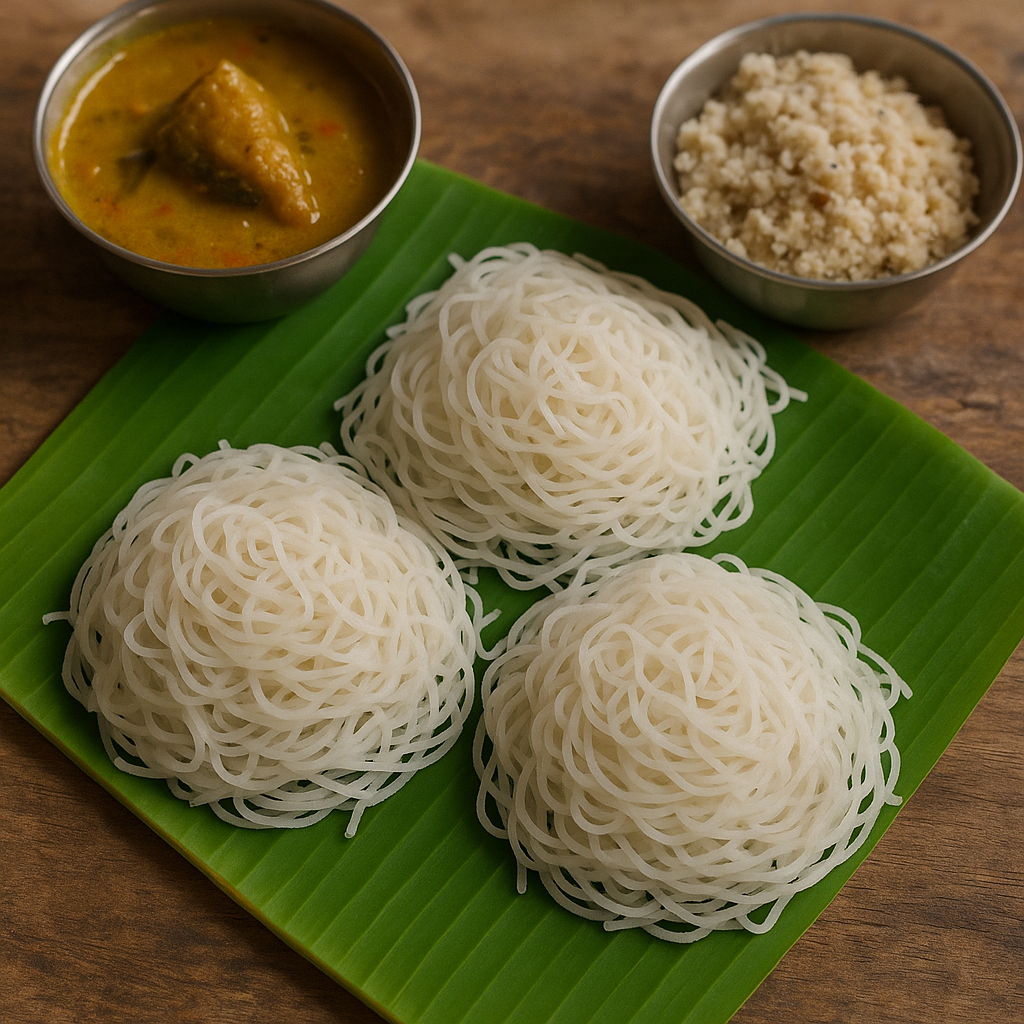
What Is Idiyappam and Where It Comes From
Idiyappam as a South Indian and Sri Lankan Staple
Idiyappam is a traditional dish made primarily from rice flour, water, and a pinch of salt — that’s it! It’s steamed, light, and often served for breakfast or dinner. The name "idiyappam" comes from Tamil and Malayalam, and the food has been part of these cultures for centuries.
This noodle-like creation is soft, fluffy, and slightly chewy — not unlike rice noodles, but made in a very unique way. In South Indian homes, especially in Tamil Nadu and Kerala, idiyappam is comfort food. It’s the kind of thing your grandmother would make on a lazy Sunday morning. In Sri Lanka, it’s equally beloved, often paired with spicy coconut sambol or meat curries.
Other Names and Cultural Significance
Depending on where you are, idiyappam food goes by different names. In Sri Lanka, it's more commonly called string hoppers. In Telugu, it's referred to as “sevai,” although there are slight differences in preparation. Despite the regional variations, the essence remains the same: a steamed, rice-based noodle that pairs with nearly anything.
Some households even have heirloom wooden presses passed down through generations to make perfect strands. And believe it or not, some folks still make it completely by hand, which—let’s be honest—takes a bit of muscle!
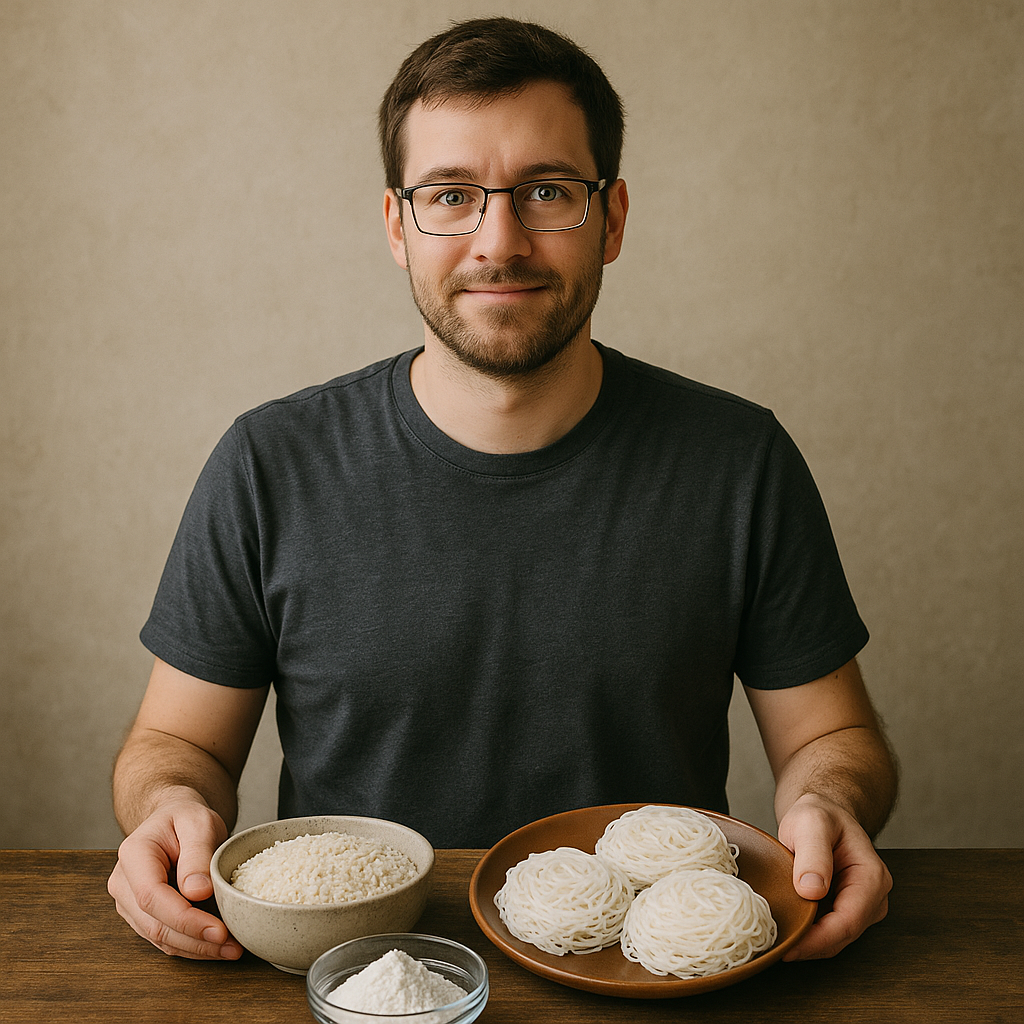
Idiyappam Ingredients and How It’s Made
So, what is idiyappam made of exactly? The ingredient list is surprisingly short, which makes the dish incredibly approachable.
Basic Idiyappam Ingredients:
-
Rice flour (also called idiyappam powder)
-
Water
-
Salt
-
Oil or ghee (optional, for greasing)
That’s really it! No eggs, no dairy — making it naturally vegan and gluten-free. Now, some people try to shortcut the process with store-bought rice noodles. But true idiyappam is freshly made and steamed to perfection.
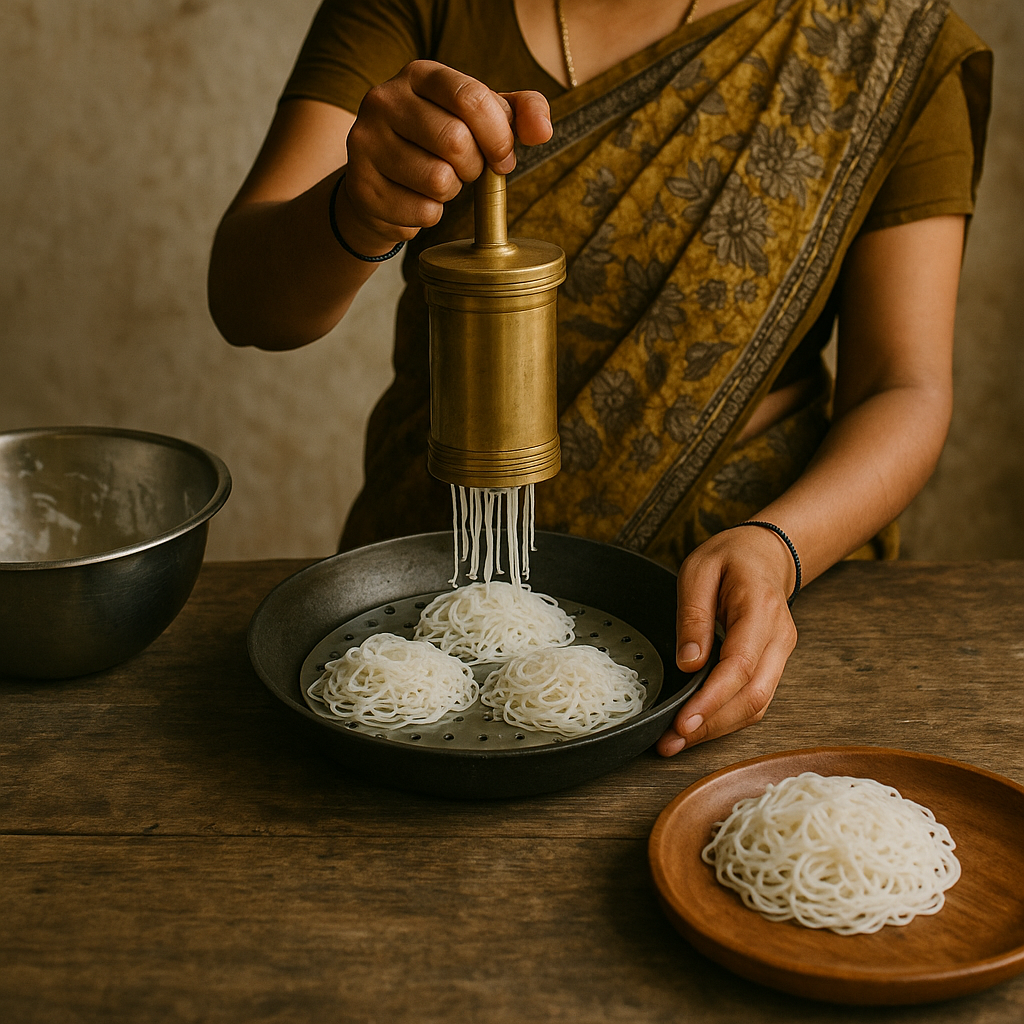
Idiyappam Recipe: Step-by-Step Preparation
Let’s get into how to make idiyappam at home. It’s simpler than you might think, especially with modern kitchen tools. Here's the basic idiyappam recipe:
-
Boil water with a pinch of salt.
-
Add the hot water gradually to idiyappam powder, stirring continuously.
-
Knead the mixture into a smooth, pliable dough (careful, it’s hot!).
-
Load the dough into an idiyappam press or string hopper mold.
-
Squeeze out the dough onto greased idli plates or banana leaves in a spiral shape.
-
Steam for 8–10 minutes — and done!
Idiyappam Cooking Time and Texture Tips
The typical idiyappam cooking time is around 10 minutes, depending on the thickness of the noodles and the intensity of your steamer. Don't overcook, or the noodles become rubbery (learned that the hard way once). The ideal texture? Soft, springy, with just a bit of bite.
Also, if your idiyappam turns dry, you might’ve used too much flour or not enough water. It’s a delicate balance, but you'll get the hang of it.
What Is Idiyappam Powder and How to Use It
Now you might be wondering, “What exactly is idiyappam powder?” It’s a finely ground rice flour made especially for this dish. While you can technically use regular rice flour, idiyappam powder is often roasted lightly and sifted fine, giving it that smooth, soft texture.
Available in most Indian grocery stores, especially under South Indian brands, it saves a ton of prep time. Just make sure the powder is fresh — stale flour = sad idiyappam.
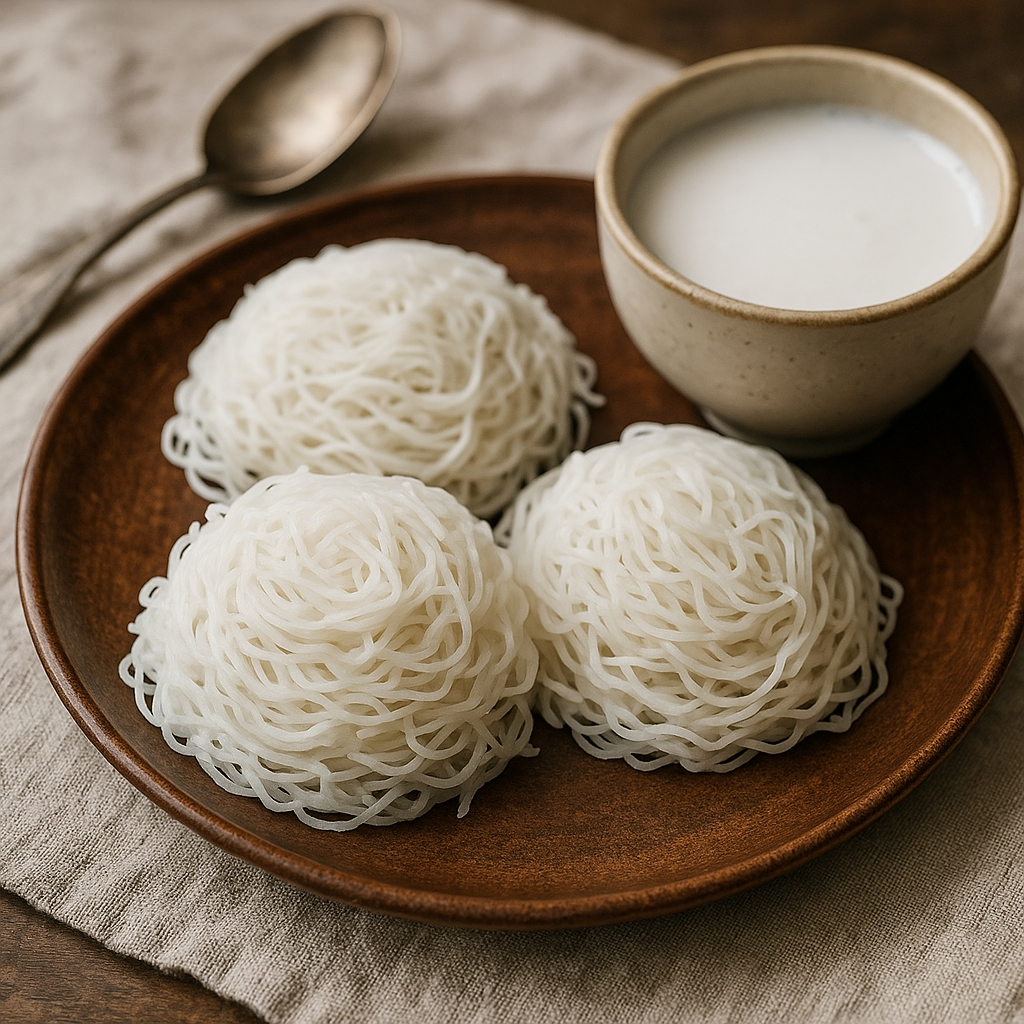
Idiyappam and Coconut Milk: Classic Combination
There’s a reason why idiyappam and coconut milk are a match made in culinary heaven. The soft, neutral flavor of the steamed rice noodles pairs beautifully with the rich, slightly sweet creaminess of coconut milk. In many traditional South Indian homes, this combo is a breakfast staple — and honestly, it feels like a warm hug on a plate.
Some folks like to add a touch of jaggery (unrefined cane sugar) or cardamom to the coconut milk for extra flavor. Others prefer a savory spin with spiced coconut chutney or even lentil curry. Either way, the result is comfort food at its finest. If you've never tried idiyappam soaked in sweetened coconut milk, you're missin' out big time.
Idiyappam Calories and Nutritional Profile
Now let's get into the numbers — because, let’s face it, we all ask at some point: Is idiyappam healthy?
Here’s a quick rundown of idiyappam calories:
-
One medium serving (about 100 grams) of plain idiyappam contains roughly 130–150 calories.
-
It’s low in fat, especially if you skip ghee or oil.
-
Made with rice flour, it's naturally gluten-free.
-
When paired with protein-rich sides like lentils, eggs, or curries, it becomes a balanced meal.
But here’s the catch — idiyappam is carb-heavy (like most rice-based foods). So if you're watching your blood sugar or on a strict low-carb diet, you might wanna moderate the portion size. That said, it’s still way better than processed alternatives, and there’s no added preservatives or junk involved.
Idiyappam Benefits and Digestive Qualities
So, is idiyappam healthy? In many ways, yes!
Here are some of the key idiyappam benefits:
-
Easy to digest – Because it's steamed and low in fat, it’s super gentle on the stomach. Ideal for people recovering from illness or just needing something light.
-
Gluten-free – A blessing for those with celiac disease or gluten sensitivity.
-
Low in sodium – Great for people managing their blood pressure.
-
No oil required – Unlike many fried snacks or breads, idiyappam can be prepared with zero oil.
It’s also super versatile. Whether you're eating it with a sweet dip or spicy curry, you're getting a meal that’s clean, filling, and traditional. Just keep in mind, portion control matters — eating five servings just cause it’s light doesn’t make it guilt-free 😅 (guilty as charged).
How to Eat Idiyappam: Traditional and Modern Pairings
Wondering how to eat idiyappam? You're not alone! While the classic coconut milk combo is hard to beat, there are actually loads of fun and tasty ways to enjoy it.
Traditional Pairings:
-
Coconut milk (sweetened or spiced)
-
Vegetable stew (Kerala style)
-
Egg curry or chicken curry
-
Dal (lentil) curry
-
Chutneys (coconut, tomato, or mint)
Modern Twists:
-
Tossed with garlic butter and herbs
-
Stir-fried with veggies and soy sauce (kind of like Asian noodles)
-
Served with a yogurt dip and roasted peanuts
-
Even topped with scrambled eggs and sautéed onions
Yep, idiyappam food can go fusion if you want. The texture of idiyappam holds up well to different flavor profiles, making it a super adaptable base for experimenting in the kitchen.
And here's a fun hack: If you have leftover idiyappam, don’t toss it. Refrigerate it overnight, then stir-fry with spices for a quick, filling lunch the next day.
Conclusion
So, let’s circle back — what is idiyappam really all about?
It’s more than just a steamed noodle dish. Idiyappam is heritage. It’s the smell of freshly steamed rice noodles wafting through a quiet kitchen. It’s the gentle pairing with coconut milk that makes you feel like you're wrapped in a blanket of nostalgia. It’s also incredibly versatile, health-friendly, and surprisingly easy to make at home.
From understanding the idiyappam ingredients to mastering the idiyappam recipe, this humble dish offers a perfect blend of simplicity and nourishment. It's no wonder that people who try it once usually come back for more.
Whether you're new to South Indian cuisine or a long-time fan, learning how to make idiyappam can open the door to a whole new culinary tradition. Give it a shot, and hey — don’t be surprised if it becomes your next breakfast go-to.
Share this article with a friend who loves trying new foods or is just looking for something light and healthy to cook. And if you've already mastered the art of idiyappam? Leave a tip or two in the comments!
FAQs
What is idiyappam made of?
Idiyappam is made primarily from rice flour, water, and a little salt. Some versions use oil or ghee for greasing, but the base ingredients are extremely simple — no dairy, no eggs, no frills. Just clean, wholesome food.
What is the difference between idiyappam and appam?
Good question! While both are South Indian staples made from rice, appam is more like a pancake or crepe with crispy edges and a fluffy center. It’s made from fermented rice batter and often includes coconut milk. Idiyappam, on the other hand, is steamed and comes out in noodle form. Different shapes, different textures, but both equally delicious.
What is idiyappam called in English?
In English, idiyappam is commonly referred to as "string hoppers". The name comes from the way the dough is pressed into thin strands or strings, then arranged into flat nests or patties before steaming.
Are Sevai and idiyappam the same?
Ah, a slightly tricky one. Sevai and idiyappam are very similar — both involve pressing rice dough into thin strands. However, sevai is often boiled rather than steamed and is usually stir-fried after preparation. Idiyappam is typically steamed and served with coconut milk or curry. So yeah, same family — different personalities.
Final Thoughts (and a Quick Reality Check)
Let’s be real — no dish is perfect. You might mess up your first idiyappam dough (been there), or your steamer might betray you halfway through. Maybe you’ll overcook it, or forget to grease the plates and end up with one sticky disaster. That’s all part of the fun.
What matters is that you tried something new. You got curious about idiyappam food, and maybe even Googled things like "is idiyappam healthy" or "how to eat idiyappam" at 2 AM (no judgment here).
The next time you're craving something soothing, filling, and light — try idiyappam. You might even ditch the toast and cereal routine for good.
Ask Ayurvedic doctor a question and get a consultation online on the problem of your concern in a free or paid mode.
More than 2,000 experienced doctors work and wait for your questions on our site and help users to solve their health problems every day.
Related articles