Ask Ayurvedic doctor a question and get a consultation online on the problem of your concern in a free or paid mode. More than 2,000 experienced doctors work and wait for your questions on our site and help users to solve their health problems every day.
FREE! Ask Ayurvedic Doctors 24/7

 Fast responses
 1000+ verified doctors
Body DetoxEar, Nose, and Throat DisordersGeriatrics & RejuvenationImmunodeficiencyInfertility TreatmentNutritionOrthopedic DisordersPediatricsRespiratory DisordersSexually Transmitted Diseases (STDs)Surgery RecoveryUrological DisordersVascular DisordersDental DisordersEndocrinological DisordersGastrointestinal DisordersYoga TherapyGeneral MedicineAllergic DisordersCardio DisordersGynecology and ObstetricsCosmetologySkin and Hair DisordersEye DisordersInfectious DiseasesMental DisordersNeurological DisordersOncologyPanchakarmaSexual Health & DisordersSports Medicine
Published on 07/11/25
(Updated on 07/07/26)
star_border 5
12,473
What Is Durva Grass: Identification, Meaning, and Benefits

Ever wondered what is durva grass and why it's so revered in Indian culture and Ayurveda? Whether you’ve stumbled upon it during a ritual or heard about its healing powers, durva (sometimes spelled doob) is more than just a common weed—it’s a sacred plant loaded with health and spiritual significance. People often ask how to identify durva grass, or they’re curious about the durva meaning, both spiritually and medicinally. In this article, we’ll explore not just the durva plant itself but also its practical uses, healing properties, and how to recognize it in the wild.
We’ll cover everything from the origins of the term durva, to its physical characteristics and health benefits. And don't worry—we’ll make it conversational, easy-to-understand, and peppered with little quirks that make it feel truly human. Let's dive in.
What Is Durva Grass and What Does Durva Mean
Durva grass, scientifically known as Cynodon dactylon, is a fast-growing, mat-forming perennial plant commonly found in tropical and subtropical regions. While it might seem like just another patch of lawn grass to the untrained eye, its importance runs much deeper in Indian tradition. Durva has long been used in Hindu rituals, traditional medicine, and even natural skincare.
So, what is durva grass really? Think of it as nature's humble healer. With deep roots in Ayurveda and spiritual practices, this plant has gained attention not only for its symbolic value but for its array of practical benefits too.
Meaning of Durva in Sanskrit and Ayurveda
The durva meaning comes from Sanskrit. The word is believed to be a combination of duh (meaning "that which is difficult") and vra (meaning "to remove" or "to eliminate"). That’s poetic, isn’t it? It basically means “that which eliminates difficulties.” This aligns beautifully with the belief that the plant has the power to cleanse, heal, and purify—both physically and spiritually.
In Ayurveda, the durva plant is prized for its cooling nature. It balances the Pitta dosha (the energy of fire and metabolism) and is often used to treat skin conditions, inflammation, and bleeding issues. The fact that something so tiny and common can have such powerful properties is kinda mind-blowing.
How to Identify Durva Grass and Recognize Its Features
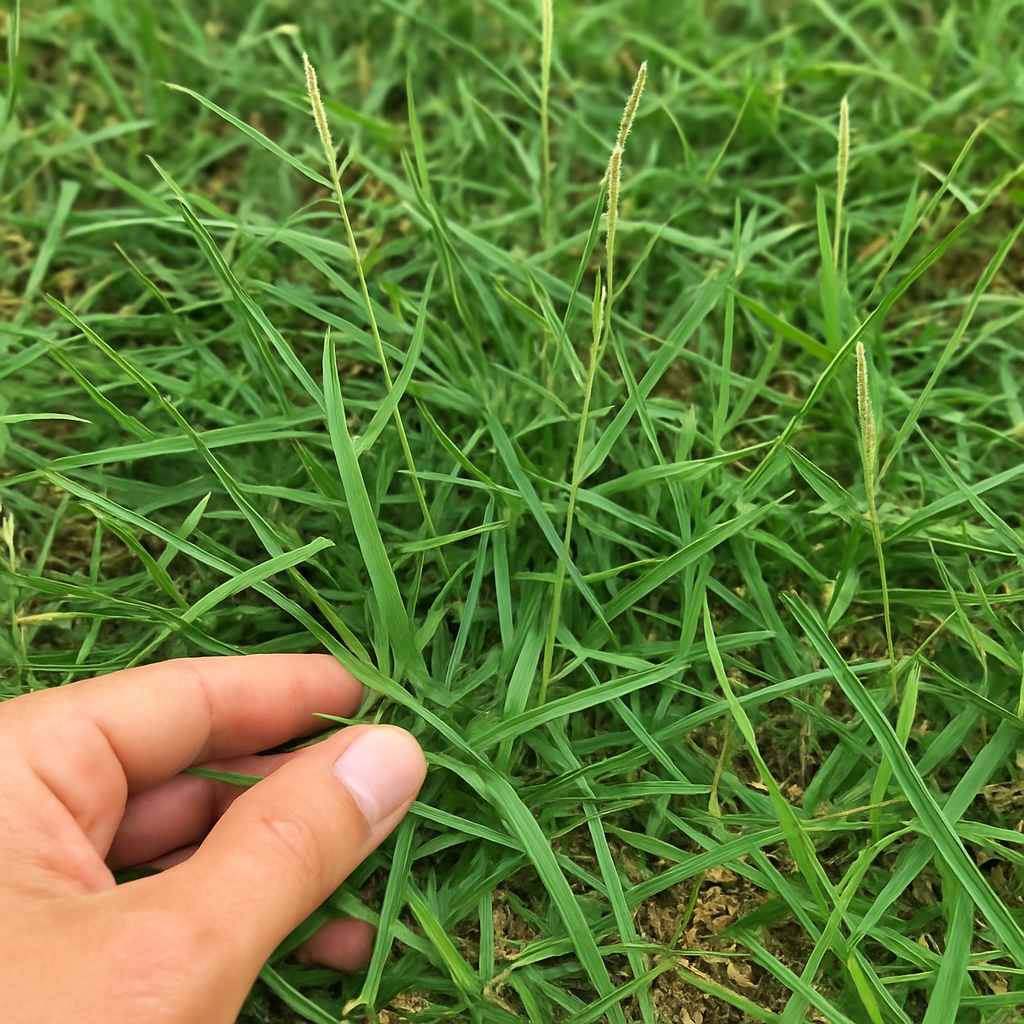
Okay, so how do you know if what you're looking at is durva grass? That’s a good question because a lot of grasses out there look pretty similar if you're not paying close attention.
Durva grass typically grows low to the ground and spreads quickly, forming a dense green carpet. It loves warm, sunny environments and is often found in gardens, open fields, and even cracks in sidewalks (yeah, it's that persistent). It's one of those plants that just doesn’t give up easily.
Visual Characteristics of Durva Leaves and Seeds
The durva leaves are slender, flat, and usually about 2–15 cm long. They taper to a fine point, and if you touch them, they feel smooth on top but a bit rough underneath. The color is a vibrant green, although it can turn a bit dull in dry conditions.
Now, when it comes to durva grass seeds, they’re teeny-tiny, oblong, and pale brown or grayish in color. You won’t spot them easily unless you get down real close. They're usually harvested when the grass matures and are used to propagate the plant or in herbal preparations.
Sometimes people confuse it with Bermuda grass (which it is, actually, in a botanical sense), but culturally, when someone says durva, they’re often referring to the specific grass used in pujas and traditional medicine.
Durva Grass Benefits and Traditional Uses in Ayurveda
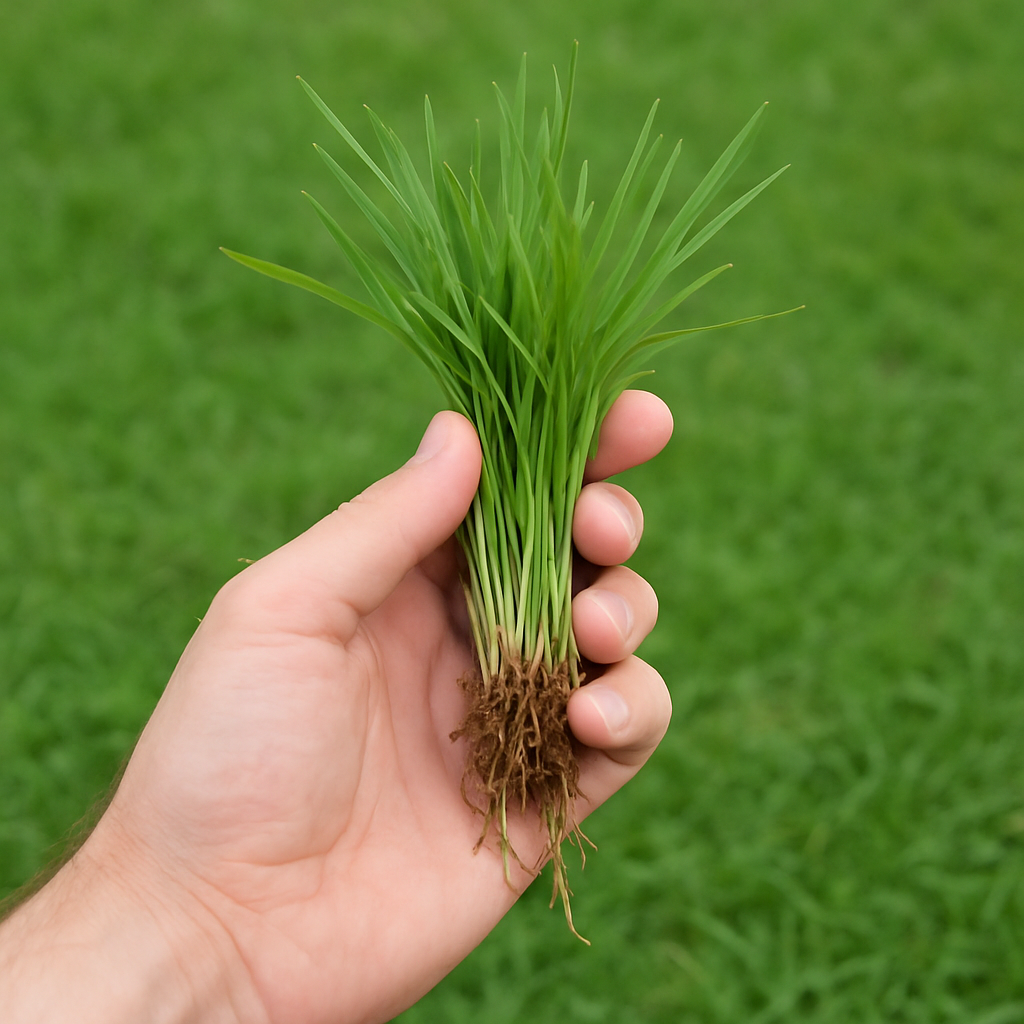
Alright, now that we’ve covered what is durva grass, its meaning, and how to spot it, let’s talk about why it’s so valued. Spoiler alert: the durva grass benefits go way beyond folklore. This isn’t just something your grandma swears by (though she’s probably right)—modern herbalists and Ayurvedic practitioners use it, too.
Durva is cooling, anti-inflammatory, mildly astringent, and surprisingly potent despite its ordinary appearance. From minor cuts to major doshic imbalances, this little plant has a laundry list of uses that might just make you want to grow it in your backyard. (Not joking, people actually do!)
Benefits of Durva Grass for Skin, Pitta, and Wound Healing
Let’s start with the skin—because honestly, who doesn’t want clearer, healthier skin without breaking the bank? One of the key benefits of durva grass is its natural ability to calm irritation. Its juice is often applied to rashes, eczema patches, or burns to reduce redness and promote healing. It’s gentle yet effective, making it great even for sensitive types (skin types, not people—though who knows?).
In Ayurveda, durva grass is often recommended for pacifying aggravated Pitta. Pitta governs heat, digestion, and transformation in the body, and when it’s out of balance, you get issues like acne, ulcers, inflammation—basically all things “hot.” Durva’s cooling nature is like a mini fire extinguisher for your body. Feeling overheated, inside or out? A durva paste or juice can help.
But here’s something super practical: if you’ve ever had a small cut or wound, durva juice can actually help stop the bleeding. Yep. The plant has hemostatic properties, meaning it can clot blood and close up wounds faster. That’s not just old wives’ tales; even modern studies back this up to some extent.
Uses of Durva Leaves and Seeds in Remedies
So, what do people actually do with durva leaves and durva grass seeds? Well, the leaves are most commonly used fresh. You can crush them into a paste or juice them to create a powerful topical or ingestible remedy. For example, durva juice is sometimes taken with honey to improve digestion or as a gentle detox.
Durva grass seeds, while less commonly used than the leaves, do have their place. They’re used in some traditional herbal formulas to support fertility, especially in women, and may even help in regulating menstrual cycles. They’re also sometimes ground into a powder and mixed into drinks or decoctions.
And here’s a fun fact: in some regions, durva leaves are offered in Hindu pujas to Lord Ganesha, symbolizing resilience and long life. It’s not just about worship—it’s about recognizing the inherent power of natural remedies. The line between ritual and remedy is blurry, and durva sits right in the middle of it.
Of course, not everyone uses it the same way. Regional traditions vary, and some folks even brew it into teas or use it in skin tonics. Just make sure you’re using clean, pesticide-free grass—especially if you're ingesting it. Safety first, right?
Conclusion
By now, you should have a pretty solid idea of what is durva grass, how to identify durva grass, and why it's earned such a respected spot in Ayurveda and Hindu traditions. From its soothing touch on inflamed skin to its spiritual role in sacred ceremonies, the durva plant is truly one of those under-the-radar treasures we often overlook.
And look—it’s not some exotic herb that’s hard to find or pronounce. It grows in parks, backyards, and cracks in sidewalks. That accessibility makes its power even more impressive, don't you think? Nature gave us this gift in plain sight, and all we needed to do was look down.
Whether you’re looking to heal a wound, cool an overheated system, or just reconnect with natural wellness, durva might be your new favorite plant ally. It’s not flashy, but it sure is mighty.
Final thought? Don't underestimate the small stuff. Sometimes, the humble patch of green you pass on your morning walk is packed with centuries of wisdom, healing, and resilience.
Don't wait or self medicate. Start chat with Doctor NOW
FAQs
What are the benefits of durva grass for skin or healing wounds?
Durva grass benefits the skin in a number of ways. It helps soothe rashes, reduce inflammation, and promote faster wound healing. The juice from durva leaves is often applied directly to the skin for minor burns, eczema, or bleeding cuts. Thanks to its cooling and antimicrobial properties, it’s especially useful for calming Pitta-related skin issues.
How are durva grass seeds and leaves used in Ayurvedic remedies?
Durva leaves are typically crushed or juiced for use in Ayurvedic preparations. You can apply the paste externally for wounds or drink the juice (with honey or water) to cleanse the digestive system or cool down internal heat. Durva grass seeds are less commonly used but sometimes ground into powders and added to herbal blends for supporting fertility or regulating the menstrual cycle.
Just a heads-up, tho: make sure you’re using durva from a clean, pesticide-free area if you're planning to ingest it. Nobody wants grass plus toxins, right?
Is durva plant safe for home use or internal consumption?
Generally speaking, yes—durva plant is safe for both external and internal use when used appropriately. But like with any herb or plant, moderation is key. If you're unsure, or if you have allergies or medical conditions, it's always a good idea to consult with an Ayurvedic practitioner or a healthcare provider first.
Oh, and pregnant women should avoid consuming durva without medical advice. Better to be safe than sorry, especially when dealing with natural medicines.
Curious to experience the benefits of durva grass for yourself? Next time you see that little patch of green poking up from the ground, don’t just walk past it—pick a leaf, try a juice, or simply appreciate its ancient wisdom. If you found this article helpful, why not share it with someone who could use a bit of natural healing in their life?
Got your own experience with durva grass? Drop a comment or tag us on social—we’d love to hear how you use this incredible plant in your daily routine 🌿
Questions from users
How can durva grass be used in herbal teas for health benefits?
Sierra
5 days ago
Durva grass can be used in herbal teas for potential health benefits such as detoxification, managing diabetes, and supporting digestion. To prepare a tea, clean and chop the fresh grass, steep it in hot water for around 10 minutes, and strain before drinking. Regular consumption may help improve metabolism and boost immunity, but observable effects typically require consistent intake over several weeks. It is generally safe, but if you're pregnant, nursing, or on medication, consult your healthcare provider before use. Always ensure the grass is clean and pesticide-free to avoid adverse effects.
What nutrients does durva grass contain and how do they benefit health?
Michael
15 days ago
Durva grass has several nutrients like proteins, fiber, some minerals, and chlorophyll. These can help in detoxifying the body, promoting digestion, and keeping skin healthy. It’s also believed to cool down inflammation. Just be careful about the source, cuz it needs to be clean and pesticide-free, especially if you plan on ingesting it!
What is the history and cultural significance of durva grass in Hindu traditions?
Uriah
24 days ago
Durva grass, known as doob, has a rich history in Hindu tradtions. It's often offered to Lord Ganesha during pujas and is seen as a symbol of resilience and long life. It's believed that this grass brings prosperity, peace, and removes obstacles. Culturally, it's very significant in rituals and is also valued in Ayurvedic practices.
What are the hemostatic properties of durva grass and how can they help in wound healing?
Liam
33 days ago
Durva grass is super handy for wound healing because it's hemostatic—meaning it helps blood clot, stopping bleeding faster. This can speed up the healing process by closing up wounds more quickly. Plus, durva's cooling and soothing effects can reduce inflammation around cuts or scrapes, which is also helpful. Just a heads up, it's still good to clean the wound and keep an eye on it though!
Is it safe to consume durva grass juice, and what are its potential health benefits?
Harper
42 days ago
Drinking durva grass juice is generally considered safe for most people. It's known for balancing Pitta dosha, which can help with inflammation, skin issues, and even stop bleeding. But just start small to see how your body reacts, and if you have any health conditions, it's best to consult with a healthcare professional! Always listen to your body's response.
What is the best time of year to plant durva grass for optimal growth?
Samuel
52 days ago
For planting durva grass, generally, the start of the monsoon or warm months is ideal due to the increased humidity and rain—this typically means spring or early summer in tropical regions. It gives the grass a nice head start and supports its fast, mat-forming growth habit. Make sure the soil is well-prepared and has good drainage.
Can I use durva grass seeds to help with fertility naturally?
Presley
61 days ago
Yes, durva grass seeds can be used to support fertility naturally. You can grind them into a powder and mix with other herbs to make a herbal blend. Just make sure you're sourcing durva from a clean area, without pesticides - really important when you're planning to consume it. Hope that helps and good luck!
What does durva grass look like and how can I identify it easily?
Thomas
71 days ago
Oh, it can be a tricky one. Durva grass is usually a vibrant green and grows like a ground hugger, not too tall. You'll find it spreading rapidly, making a nice thick carpet-like layer. Look for thin, needle-like leaves and a smooth texture. It's easy to get confused though, so just remember its bright color and creeping nature, really.
Can durva grass be used safely with other herbal remedies or medications?
Avery
81 days ago
Durva grass is generally safe with other remedies, but it's always a good move to check in with a practitioner or doc if you're on meds or using other herbs. Each body and situation's unique, you know? Be mindful about potential interactions, especially if dealing with dosha imbalances or specific health conditions.
What is the role of durva grass in traditional rituals and how is it used?
Gabriella
90 days ago
Oh, durva grass holds an interesting role in rituals! In Hindu traditions, it's often used during Ganesh Chaturthi, offered to Lord Ganesha as it symbolizes purity and prosperity. The process usually involves cleaning the grass and tying it together in small bunches before offering it. It's all about that connection between nature, devotion, and blessings!
Related articles

Body Detox
How to Detox Adrenal Glands Naturally: Ayurvedic Cleansing Guide
Learn how to detox adrenal glands naturally with Ayurvedic herbs, diet, and lifestyle tips. Discover remedies for adrenal fatigue and stress-related burnout
3,163

Body Detox
How to Reduce Vata from the Body Without Losing Your Mind (or Your Appetite)
In Ayurveda — that ancient, often misunderstood science from India that goes way deeper than turmeric lattes — Vata is one of the three doshas. Doshas are like energies or forces that make up your constitution. Vata is made of air and ether. So think: mov
2,768

Body Detox
Gandmool Meaning – Astrological Insights into Ganda Mool Nakshatras
Discover the meaning of Gandmool, an esteemed Ayurvedic herb known for its potent medicinal properties, detoxification benefits, and its role in enhancing overall wellness.
6,802

Body Detox
Vimliv Syrup: Benefits, Dosage & Science-Backed Insights
Discover the proven benefits, proper dosage, side effects, and scientific research behind Vimliv Syrup, the powerful Ayurvedic liver tonic.
2,945

Body Detox
Maha Manjishtadi Kashayam – Benefits, Dose, Side Effects, Ingredients, Reference
Exploration of Maha Manjishtadi Kashayam – Benefits, Dose, Side Effects, Ingredients, Reference
3,652

Body Detox
Vata Dosha Remedies That Actually Work: Ayurvedic Diet, Lifestyle & Real-World Advice to Feel Grounded Again
It’s not just an “Ayurveda thing.” It's a real-life thing. And yeah — Ayurveda has some wildly practical, deeply ancient, and surprisingly soothing ways to bring you back to center. This guide? Not another floaty wellness blog. This is the stuff that work
3,050

Body Detox
Can We Drink Water After Eating Watermelon? Ayurvedic Perspective and Facts
Wondering if you can drink water after eating watermelon? Learn the Ayurvedic view, possible side effects, and how long you should wait for better digestion
11,550

Body Detox
How to Clean Stomach in Morning: Natural Tips, Drinks, and Yoga
Learn how to clean stomach in morning with natural drinks, Ayurvedic tips, and yoga. Discover what to drink in the morning to clean your stomach fast
4,008

Body Detox
Mahatiktam Kashayam Benefits, Dosage, Side Effects, Ingredients, Reference
Exploration of Mahatiktam Kashayam Benefits, Dosage, Side Effects, Ingredients, Reference
2,170

Body Detox
Guggulu Marichadi Thailam: Benefits & Scientific Insights
Discover the Ayurvedic benefits, applications, proper usage, and scientific insights of Guggulu Marichadi Thailam, a traditional herbal oil for holistic healing.
2,845
Related consultations on the topic
Legal
Additional Documents
© 2024 Ask Ayurveda. All rights reserved.