Ask Ayurvedic doctor a question and get a consultation online on the problem of your concern in a free or paid mode. More than 2,000 experienced doctors work and wait for your questions on our site and help users to solve their health problems every day.
FREE! Ask Ayurvedic Doctors 24/7

 Fast responses
 1000+ verified doctors
Body DetoxEar, Nose, and Throat DisordersGeriatrics & RejuvenationImmunodeficiencyInfertility TreatmentNutritionOrthopedic DisordersPediatricsRespiratory DisordersSexually Transmitted Diseases (STDs)Surgery RecoveryUrological DisordersVascular DisordersDental DisordersEndocrinological DisordersGastrointestinal DisordersYoga TherapyGeneral MedicineAllergic DisordersCardio DisordersGynecology and ObstetricsCosmetologySkin and Hair DisordersEye DisordersInfectious DiseasesMental DisordersNeurological DisordersOncologyPanchakarmaSexual Health & DisordersSports Medicine
Published on 07/25/25
(Updated on 07/09/26)
star_border 5
12,672
Can We Eat Bel Patra and What Are the Benefits?

If you've ever asked yourself can we eat bel patra, you're not alone. With the rise of interest in ancient Ayurvedic remedies and natural superfoods, many are curious about the benefits of eating bel patra, also known as bael leaves. These sacred leaves, commonly offered to Lord Shiva in temples, are more than just religious symbols—they’re packed with health-promoting properties.
In this article, we’ll explore the lesser-known truth about bel patra leaves eating benefits, who can use them, and even the side effects of eating bel patra leaves if taken excessively. From digestion to immunity, and from spiritual significance to daily health, bel patra is both fascinating and practical. But before you go chewing on a handful of leaves, let’s dive deep into what Ayurveda—and common sense—has to say.
Can We Eat Bel Patra According to Ayurveda?
Ayurveda, India’s ancient system of natural healing, has long praised bel (Aegle marmelos) for its therapeutic value. The bel fruit is widely used in digestive tonics and summer coolers, but the bel patra—the leaves—are often overlooked despite their potent medicinal properties.
Ayurveda believes in the balance of the three doshas: Vata, Pitta, and Kapha. Bel patra is thought to help regulate all three, making it a tridoshic remedy. It’s especially beneficial for Pitta imbalances, which are often linked to heat, acidity, and inflammation in the body.
Can We Eat Bel Patra Leaves Directly?
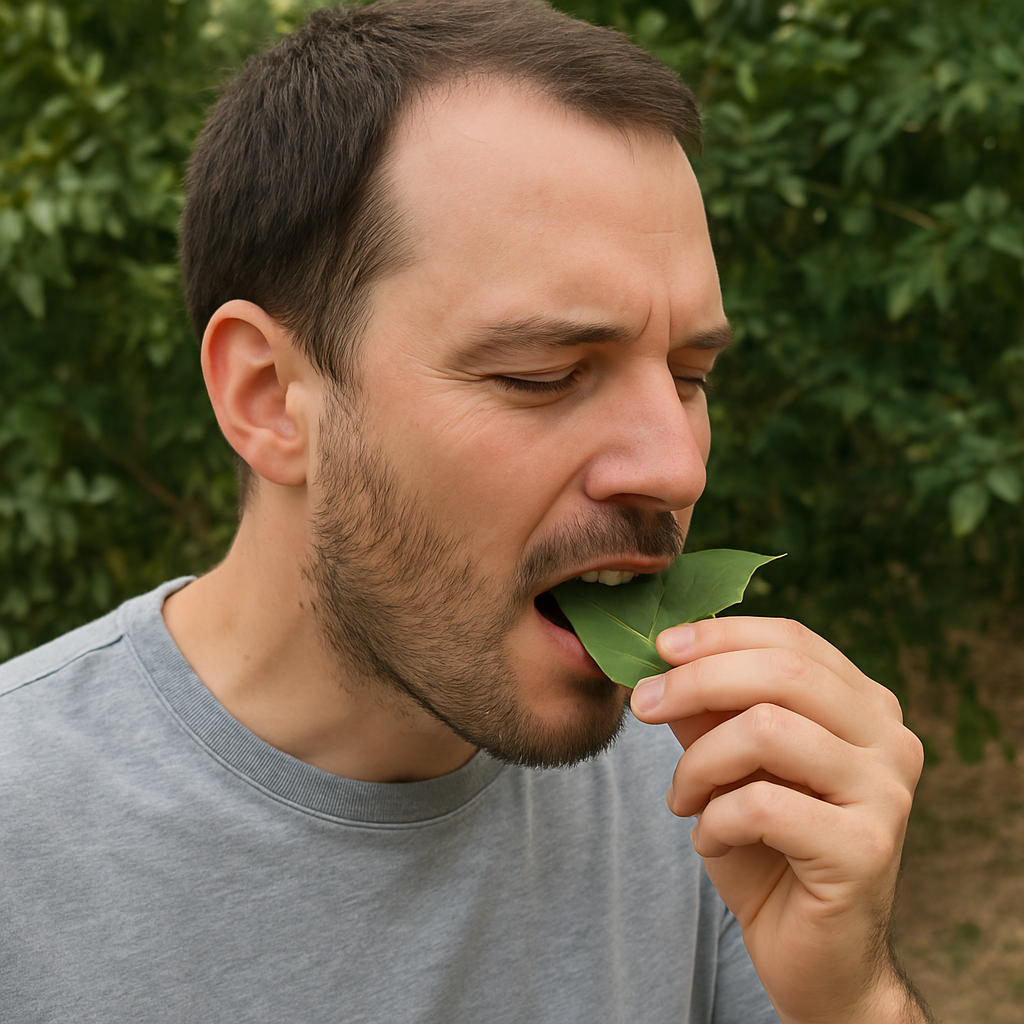
So, straight to the point—can we eat bel patra leaves directly? Yes, you actually can. But (and it’s a big but), they should be eaten in moderation and preferably on an empty stomach early in the morning. The leaves are quite bitter, so most people prefer to chew them raw or mix them in warm water with a few drops of honey. Some Ayurvedic doctors even recommend crushing the leaves and filtering the juice for consumption.
Eating bel patra benefits digestion, improves metabolism, and can even help detoxify the liver. But remember, too much of a good thing... well, we'll get to that soon.
Can We Eat Bel Patra Daily or Occasionally?
Now here’s a tricky one—can we eat bel patra daily? In theory, yes. In practice, maybe not. Daily consumption might offer steady health benefits, especially for those with chronic acidity, digestive issues, or weakened immunity. However, long-term daily use without guidance could lead to imbalances. Ayurveda emphasizes personalization. What works for one may not suit another.
Occasional consumption, like 2–3 times a week, is generally considered safe for most people. It's like herbal tea—you don’t need it every day, but it's a wonderful addition to your routine when used wisely.
A few folks even report feeling lighter, more focused, or even spiritually uplifted after taking bel patra in the morning. That might sound a bit woo-woo, but hey, plants have power. And maybe they’re trying to tell us something.
Benefits of Eating Bel Patra Leaves
Now that we’ve answered the question can we eat bel patra and talked about how often, let’s get into the real juice—the benefits of eating bel patra leaves. Whether you’re here for the physical perks, the spiritual vibes, or a bit of both, this little trifoliate leaf has a lot more to offer than meets the eye.
Bel Patra Benefits for Digestion and Immunity
One of the most celebrated bel patra benefits is its impact on digestion. If you’ve ever suffered from bloating, acidity, or sluggish bowel movements, you’ll understand the frustration of an uncooperative gut. Bel patra contains compounds like tannins, flavonoids, and mucilage, which can soothe the intestinal lining, reduce inflammation, and promote healthy digestion.
In traditional use, people often chew 2–3 fresh leaves on an empty stomach to kickstart digestion. Some even make a mild tea by boiling the leaves in water. The idea? Detoxify the gut, reduce stomach heat, and support nutrient absorption. And honestly, it works better than a lot of over-the-counter stuff that just masks symptoms.
And let’s not forget the immune-boosting power. Bel patra is loaded with antioxidants, which help fight off free radicals and reduce oxidative stress. That’s fancy talk for saying it helps your body protect itself. Regular (but not overdone) consumption of bel patra can make you feel more energetic and resilient, especially during seasonal changes when your immunity can take a hit.
Oh and here's a fun fact—some folks in rural India swear that bel leaves helped them recover faster from fevers and viral infections. Coincidence? Maybe. But it’s been used for centuries, so that counts for something.
Spiritual and Energetic Bel Patra Eating Benefits
Okay, let’s shift gears for a second. Bel patra isn’t just a physical tonic—it’s got serious spiritual street cred. In Hinduism, it’s considered sacred and is often offered to Lord Shiva during prayers. But why?
According to yogic texts, bel patra is believed to hold a high sattvic energy. That means it supports clarity, purity, and peace of mind. Some practitioners consume the leaf not just for health, but to enhance mental focus and spiritual growth. There’s even anecdotal evidence that eating bel patra helps calm the nervous system and reduce anxiety. Sounds wild, right? But many meditators swear by it.
That said, it’s not a magic bullet. It won’t give you instant enlightenment or six-pack abs. Still, the subtle energetic effects of this plant are definitely worth exploring if you're into holistic wellness.
So, the bel patra eating benefits go way beyond just the physical. It’s kind of like meditation in leaf form—subtle, powerful, and best experienced consistently.
Side Effects of Eating Bel Patra
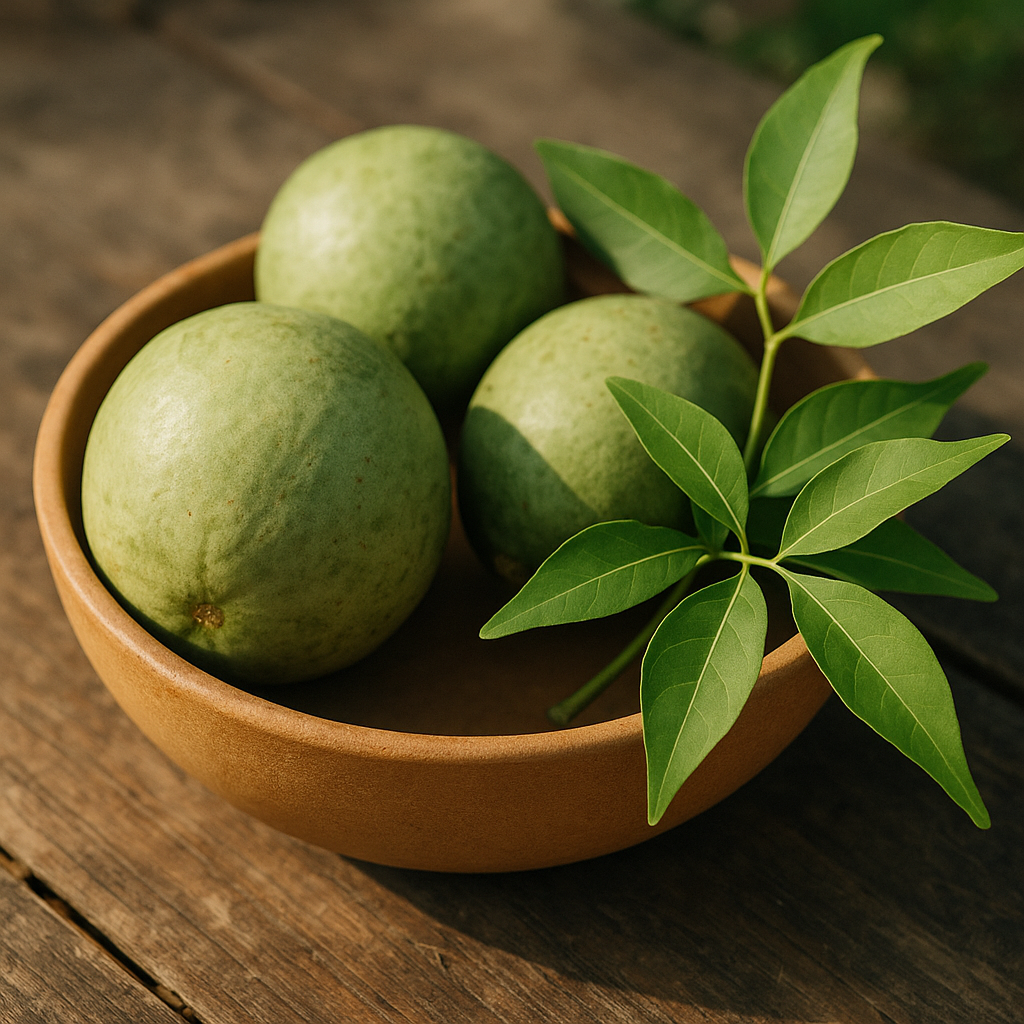
Now, before you start adding bel leaves to every salad or smoothie, a word of caution. Like any herb or remedy, too much of it—or using it without understanding your body—can backfire. That’s where we need to talk about bel patra eating side effects.
While side effects of eating bel patra leaves are generally mild, there are a few things to watch out for...
Bel Patra Eating Side Effects in Excess
So, what happens if you go overboard? While eating bel patra benefits are many, moderation is still key. Overconsumption—especially daily intake without supervision—can lead to minor but annoying issues.
Some people report nausea, slight stomach cramping, or even mild dizziness when they chew too many leaves at once. This is because bel patra is slightly astringent and cooling in nature. If your body type is already prone to “cold” digestion or constipation, too much bel could make things worse, not better.
Another possible concern is interaction with medications. Bel patra might mildly alter blood sugar levels or interact with certain digestive aids. So if you're on medications for diabetes or gut health, it's smart to check with a professional before making this a daily habit.
Also—and this might sound weird—some folks experience a dry throat or bitter aftertaste if they eat old or improperly stored leaves. The key? Fresh is best. Always.
Who Should Avoid Eating Bel Patra Leaves?
Here’s the deal—not everyone should munch on bel leaves.
-
Pregnant women: There’s limited research on how bel patra affects pregnancy. Traditionally, it's been avoided during the first trimester just to be safe.
-
People with low blood sugar: If you're hypoglycemic or already taking glucose-lowering meds, consult a doc before adding bel to your diet.
-
Kids under 5: Their digestive systems are delicate. Better to introduce such herbs later in life.
-
Those with sensitive digestion: If your gut reacts to cooling foods, bel patra might aggravate things.
When in doubt? Don’t self-prescribe. Nature is powerful—but it’s not always gentle.
Conclusion
So, let’s circle back to the big question: Can we eat bel patra?
Yes—we can eat bel patra, and in the right amounts, it can be a powerful tool for digestive health, immunity, and even spiritual balance. The benefits of eating bel patra leaves are backed by both Ayurveda and a growing base of modern natural wellness fans.
But it’s not for everyone. Overuse or misinformed use can lead to unwanted effects. That’s why it's always best to listen to your body—and ideally, your Ayurvedic practitioner.
Ultimately, bel patra leaves eating benefits are real, and they’re accessible. Add them to your morning routine occasionally, chew a leaf before meditation, or simply enjoy the connection to centuries of tradition.
But hey—don’t take our word for it. Try it out (safely), share your experience, and let nature do its thing.
Don't wait or self medicate. Start chat with Doctor NOW
FAQs
Can we eat bel patra raw or cooked?
Yes, bel patra can be eaten raw—preferably fresh and early in the morning. Cooking is not common but you can steep it in hot water to make a herbal tea. Avoid boiling it for too long, as that may destroy its active compounds.
Are there any side effects of eating bel patra leaves?
Yes, some people may experience nausea, dry mouth, or mild digestive upset if they consume too much. Individuals with low blood sugar or certain medical conditions should consult a professional before use.
Can we eat bel patra daily for long-term benefits?
You can, but moderation is key. It's generally safe 2–3 times a week. Daily use should be personalized and ideally supervised by an Ayurvedic expert to avoid imbalances.
Questions from users
How does consuming bel patra affect respiratory health and breathing?
Zachary
3 days ago
Consuming bel patra leaves may support respiratory health by reducing inflammation and possibly clearing mucus, thanks to its antioxidant and anti-inflammatory properties. While these benefits are based on traditional practices, scientific evidence is still limited. It is generally safe to consume bel patra 2-3 times a week, but excessive amounts may lead to digestive issues. If you experience any adverse symptoms or have pre-existing respiratory conditions, it is advisable to consult a healthcare professional.
What nutritional value do bel patra leaves offer compared to other herbs?
Owen
13 days ago
Bel patra leaves are quite unique compared to other herbs! They're known for helping to calm the nervs and possibly reducing anxiety. Nutritionally, they provide some essential vitamins and minerals, but they're not as packed as, say, spinach or kale. Best used as a supplement to a balanced diet for their calming benefits rather than as a nutritional powerhouse. Use thoughtfully! 🍃
Can bel patra help reduce anxiety and improve mental well-being?
Quinn
22 days ago
Bel patra might help with anxiety due to its calming properties on the nervous system, as anecdotal evidence suggests. However, it's always a good idea to consult with a healthcare professional or an Ayurvedic doctor to see if it's right for you. Balancing your doshas and keeping your agni strong with lifestyle and diet is also key for reducing anxiety.
What are some potential benefits of using bel patra for detoxifying the liver?
Caleb
31 days ago
Bel patra helps detoxify the liver mainly because of its ability to improve digestion and metabolism, which are crucial for liver health. It supports that liver’s natural detox process by enhancing “agni” or digestive fire, and boosts the elimination of toxins. But remember, balance is key—too much or misunderstood use can backfire!
What is the best way to identify if bel patra is fresh and high quality?
Kendall
40 days ago
To find fresh n' high quality bel patra, look for leaves that are vibrant green and have a smooth texture. They shouldn't have any cracks, spots or yellow edges. A subtle, pleasant aroma is a good sign too. If they feel brittle or dry, they may not be at their freshest. You can always trust your senses in this!
Can bel patra improve mental focus or should I combine it with other practices?
Nadine
49 days ago
Bel patra can help with mental focus, though its effects are more pronounced when paired with other practices. Consider combining it with mindfulness, yoga or pranayama for better results. Balancing your doshas and boosting your agni can also enhance the benefits. Experiment to see what works best for you!
Can bel patra help balance blood sugar levels for those with diabetes?
Caroline
59 days ago
Yeah, bel patra can help with balancing blood sugar levels! It's believed to have an impact on blood sugar control, especially in Ayurveda. But if you're diabetic or on glucose-lowering meds, it's a good idea to chat with your doc first, just to be on the safe side. Ayurveda often suggests looking at the whole lifestyle approach too—diet, stress, all that.
What is the best way to prepare fresh bel patra leaves for maximum flavor and health benefits?
Bella
69 days ago
To get the most flavor and health benefits from bel patra leaves, try chewing 2-3 fresh leaves on an empty stomach. This wakes up your digestive fire. Just be sure not to overdo it, since too many can be overpowering. If your tastebuds go, "nah," you might want to steep them in warm water for a delicate tea instead!
Is it safe to consume bel patra leaves in large amounts, and what are the risks?
Thomas
78 days ago
Eating bel patra leaves in large amounts may not be safe. It's good for digestion but too much can upset your dosha balance or even harm your liver over time. It can be tempting to self-prescribe, but I'd suggest checking in with an Ayurvedic practinioner for proper guidance. They're defintely not something you want to chug like water!
Can bel patra cause allergic reactions or sensitivities in some people?
Caleb
88 days ago
Yes, bel patra can cause sensitivities in some people. While it's generally safe, some folks might experience nausea, slight stomach cramps, or dizziness if they overconsume. Everyone's system is unique, so it's good to start slow and pay attention to how your body reacts.
Related articles

Nutrition
Is Milk Good for Piles?
Is milk good for piles or not? Learn what Ayurveda says about drinking milk, buttermilk, and milk with ghee during piles, and which types may help or harm
6,560

Nutrition
Which Fruit Is Not Good for Piles: What to Avoid and What to Eat
Learn which fruit is not good for piles and which fruits help relieve symptoms. Discover piles fruits to avoid and best fruit juice for piles naturally
6,555

Nutrition
How to Eat Mustard Seeds: Ayurvedic Guide and Practical Tips
Discover how to eat mustard seeds with Ayurvedic guidance, delicious recipes, roasted and yellow mustard seed uses, and safe daily intake tips
8,868

Nutrition
Can We Eat Raw Garlic: Health Benefits, Risks, and Ayurvedic Insights
Can we eat raw garlic daily? Explore the benefits, side effects, and best times to eat raw garlic, plus Ayurvedic tips for safe and effective use
26,592

Nutrition
What Is Makhana? Ayurvedic Benefits, Nutrition and Side Effects
Exploration of Discover the Nutritional and Health Benefits of Makhana: A Versatile Superfood
9,171

Nutrition
How to Use Barley Seeds: Recipes and Ayurvedic Benefits
Exploration of Explore the Versatility and Health Benefits of Barley Seeds in Everyday Life
3,671

Nutrition
Unlocking Cardamom's Health Secrets
Cardamom has been a cornerstone of Ayurvedic medicine for centuries, valued for its numerous health benefits.
5,455

Nutrition
Discover Amla's Health Wonders
Amla, or Indian gooseberry, is a vital component in Ayurveda, renowned for its high vitamin C content and rejuvenating properties.
3,489

Nutrition
Medohar Guggulu: Uses, Dose, Ingredients, Side Effects
Exploration of Medohar Guggulu: Uses, Dose, Ingredients, Side Effects
6,449

Nutrition
Dietetics and Its Solutions in Ayurveda
Ayurveda, also called the Science of Life has a two-folded aim, which is “Swasthasya Swasthya Rakshanam” i.e. to preserve the good health of the healthy, and “Aturasya Vikara Prashamanam” which means to cure the disease of the diseased.
3,118
Related consultations on the topic
Legal
Additional Documents
© 2024 Ask Ayurveda. All rights reserved.