Ask Ayurvedic doctor a question and get a consultation online on the problem of your concern in a free or paid mode. More than 2,000 experienced doctors work and wait for your questions on our site and help users to solve their health problems every day.
FREE! Ask Ayurvedic Doctors 24/7

 Fast responses
 1000+ verified doctors
Body DetoxEar, Nose, and Throat DisordersGeriatrics & RejuvenationImmunodeficiencyInfertility TreatmentNutritionOrthopedic DisordersPediatricsRespiratory DisordersSexually Transmitted Diseases (STDs)Surgery RecoveryUrological DisordersVascular DisordersDental DisordersEndocrinological DisordersGastrointestinal DisordersYoga TherapyGeneral MedicineAllergic DisordersCardio DisordersGynecology and ObstetricsCosmetologySkin and Hair DisordersEye DisordersInfectious DiseasesMental DisordersNeurological DisordersOncologyPanchakarmaSexual Health & DisordersSports Medicine
Published on 07/31/25
(Updated on 06/18/26)
2,615
Is Fenugreek Good for Diabetes? Ayurvedic Guide to Usage and Benefits

If you’ve been wondering is fenugreek good for diabetes, you're not alone. This humble herb has been used for centuries in traditional medicine, especially in Ayurveda, to help with a range of ailments—including blood sugar control. Lately, it’s gained popularity in modern wellness circles too. But let’s be honest, we all want practical, down-to-earth answers. Like what is the best way to take fenugreek seeds for diabetes control? Or how to use fenugreek seeds for diabetes without making things complicated?
Good news: you’re in the right place. In this guide, we’ll explore whether fenugreek for diabetes is actually effective, how to take it, how to make fenugreek water for diabetes at home, and why this spice might just be more than a kitchen staple. So let’s dig in.
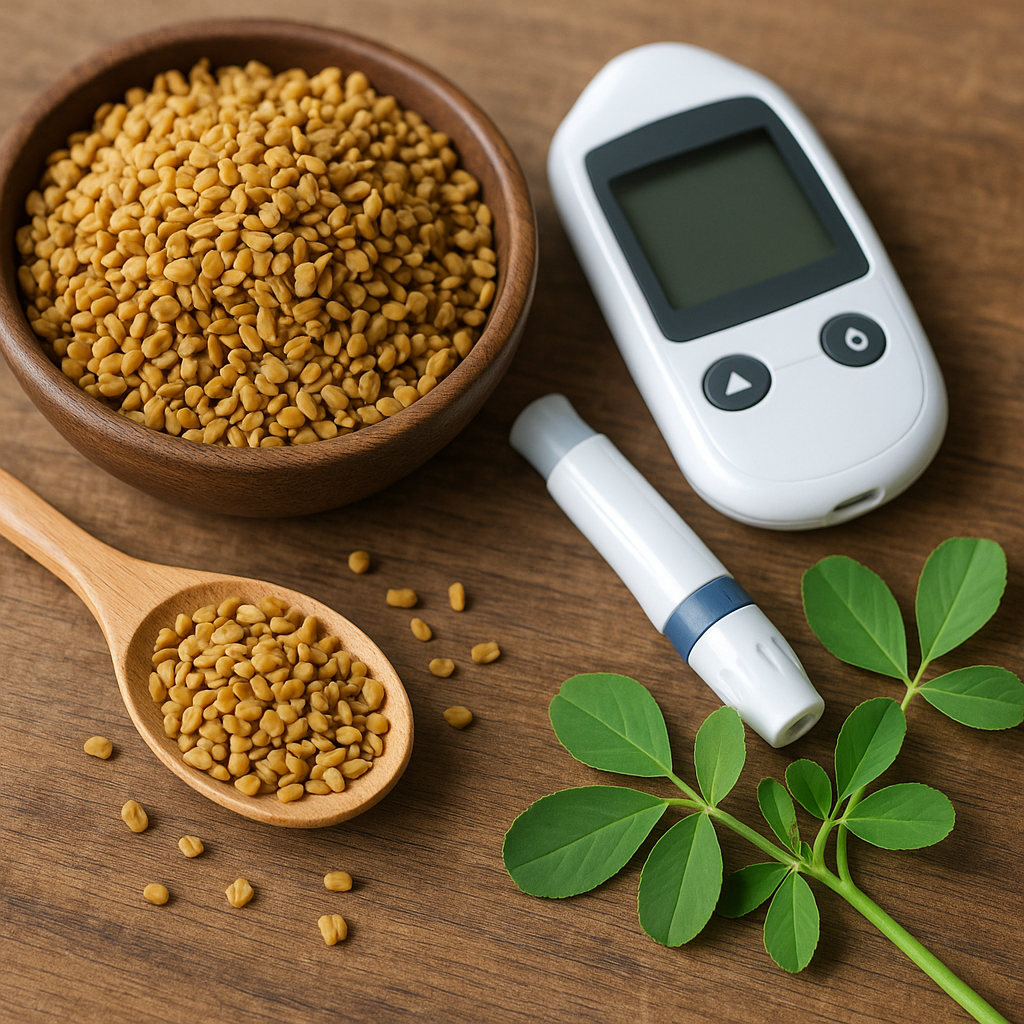
Is Fenugreek Good for Diabetes According to Ayurveda?
How Ayurveda Explains the Use of Fenugreek for Diabetes
In Ayurveda, fenugreek (known as "Methi") has long been prized for its medhya (intellect-enhancing) and deepana (digestive-stimulating) properties. But more relevant here—it’s classified as tikta rasa (bitter taste), which Ayurveda recommends for managing high blood sugar levels or what it calls "Madhumeha" (literally, "honey urine").
Fenugreek is thought to balance Kapha and Vata doshas, which are typically aggravated in type 2 diabetes. This makes it a go-to ingredient in Ayurvedic diabetic formulations. It doesn't just lower blood sugar—it also supports the digestive fire (Agni), which is often sluggish in diabetic conditions.
Why Fenugreek Is Good for Blood Sugar and Digestion
So, fenugreek and diabetes—what’s the connection from a scientific angle?
Fenugreek seeds contain soluble fiber, which slows digestion and the absorption of carbs and sugar. That can help in better glucose control. There’s also an alkaloid called trigonelline, along with amino acids like 4-hydroxyisoleucine, which have been shown in some studies to boost insulin sensitivity.
Many people swear by it. A friend of mine with borderline type 2 says her morning fenugreek routine has worked better than those overpriced supplements—though results, of course, may vary.
And, it’s not just about blood sugar. If you’re dealing with bloating, indigestion, or mild acid reflux (which weirdly often tags along with diabetes), fenugreek might lend a hand there too. Win-win.
What Is the Best Way to Take Fenugreek Seeds for Diabetes Control?
Fenugreek Seeds for Diabetes: How to Use Them Daily
Okay, so you’re sold on trying it. But how to take fenugreek seeds for diabetes without turning it into some complicated ritual?
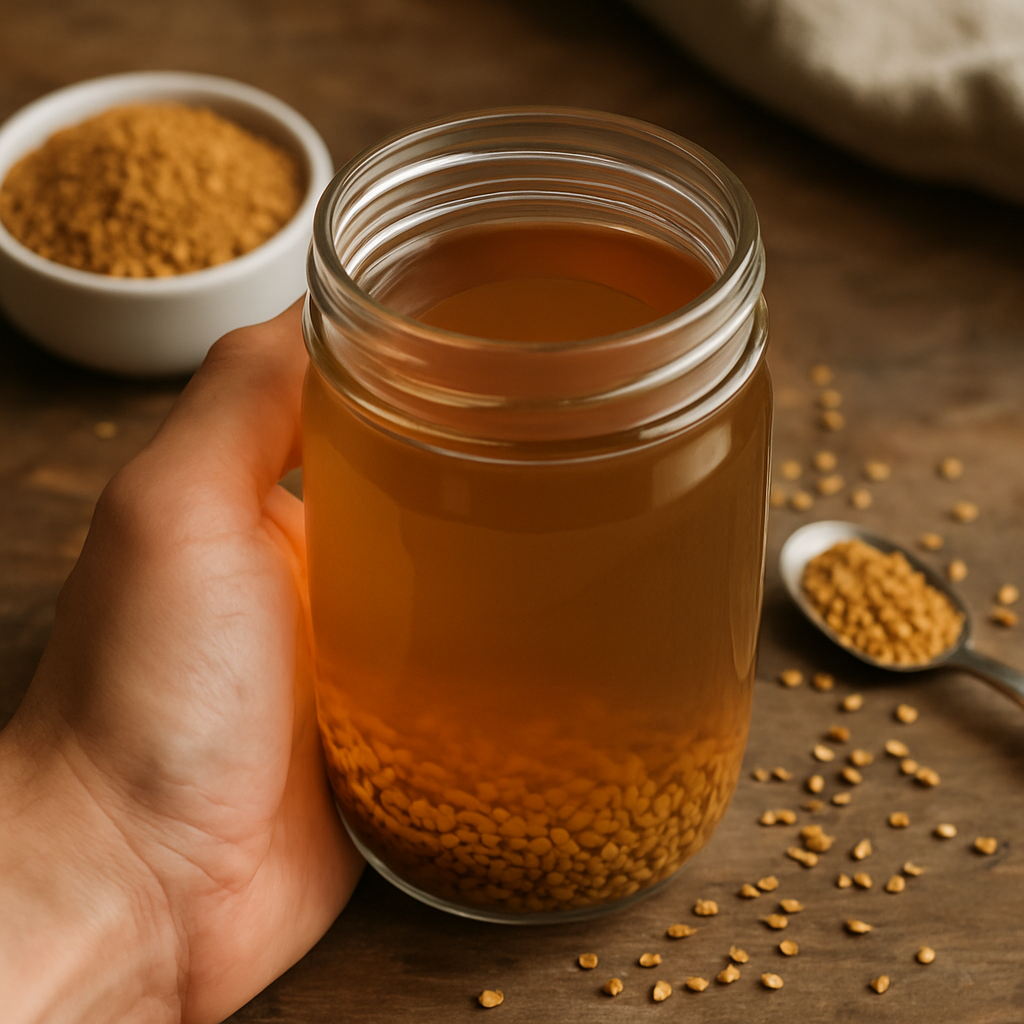
Here’s a simple daily routine: soak 1–2 teaspoons of fenugreek seeds in a glass of water overnight. Drink the water and chew the seeds first thing in the morning. This method is easy, effective, and doesn’t taste as bad as it sounds (you get used to it). This is hands down how to consume fenugreek seeds for diabetes in the most practical way.
Want a little more flavor? Mix the soaked seeds into yogurt, or sprinkle some powdered fenugreek on your dal or salad. Some people even use fenugreek tea bags—though frankly, the seeds give you more bang for your buck.
How to Eat Fenugreek Seeds for Diabetes Without Side Effects
Important heads-up: don’t go overboard.
While fenugreek is good for diabetes, taking too much can cause stomach upset, gas, or even a drop in blood sugar that’s too sharp—especially if you’re also on meds. Always start small, see how your body reacts, and maybe chat with your doc if you’re on insulin or any strong anti-diabetic medication.
And here's a little weird thing: some people report that their sweat or urine smells a bit like maple syrup after regular fenugreek intake. It’s harmless—but, yeah, kinda odd.
How to Make Fenugreek Water for Diabetes at Home
Making fenugreek water is easy—like, ridiculously easy. And it’s one of the most recommended ways if you're looking up how to use fenugreek seeds for diabetes. All you need are fenugreek seeds, water, and about 6 hours of patience. Okay, maybe a bit more if you like to soak ‘em overnight.
Step-by-step to Make Fenugreek Water:
-
Take 1 teaspoon of fenugreek seeds.
-
Rinse them gently under cold water (optional but helps remove dust).
-
Add to a glass or mug and pour in 1 cup of room-temperature water.
-
Let it soak overnight (or at least 6–8 hours).
-
In the morning, drink the water on an empty stomach. You can chew the soaked seeds if you’d like—they’re kinda bitter, though.
That’s it. That’s how to make fenugreek water for diabetes in the simplest form. No boiling. No fancy tools. Nothing wild.
Some people like to boil the seeds for 5–10 minutes and then drink the tea warm, which is fine too. It's slightly less potent than the raw-soaked method, but easier on the stomach if you're sensitive.
Pro tip: Try making a weekly batch by soaking seeds in a jar and straining a bit out daily. It saves time, and you'll be more likely to stick with it long term.
How to Use Fenugreek for Diabetes in Daily Life
How to Consume Fenugreek Seeds for Diabetes Management
Now you might be wondering—okay, I get the basics. But how to consume fenugreek seeds for diabetes without getting bored of the same old routine?
You’ve got a few tasty, practical options:
-
Soaked seeds in the morning (already covered—classic move)
-
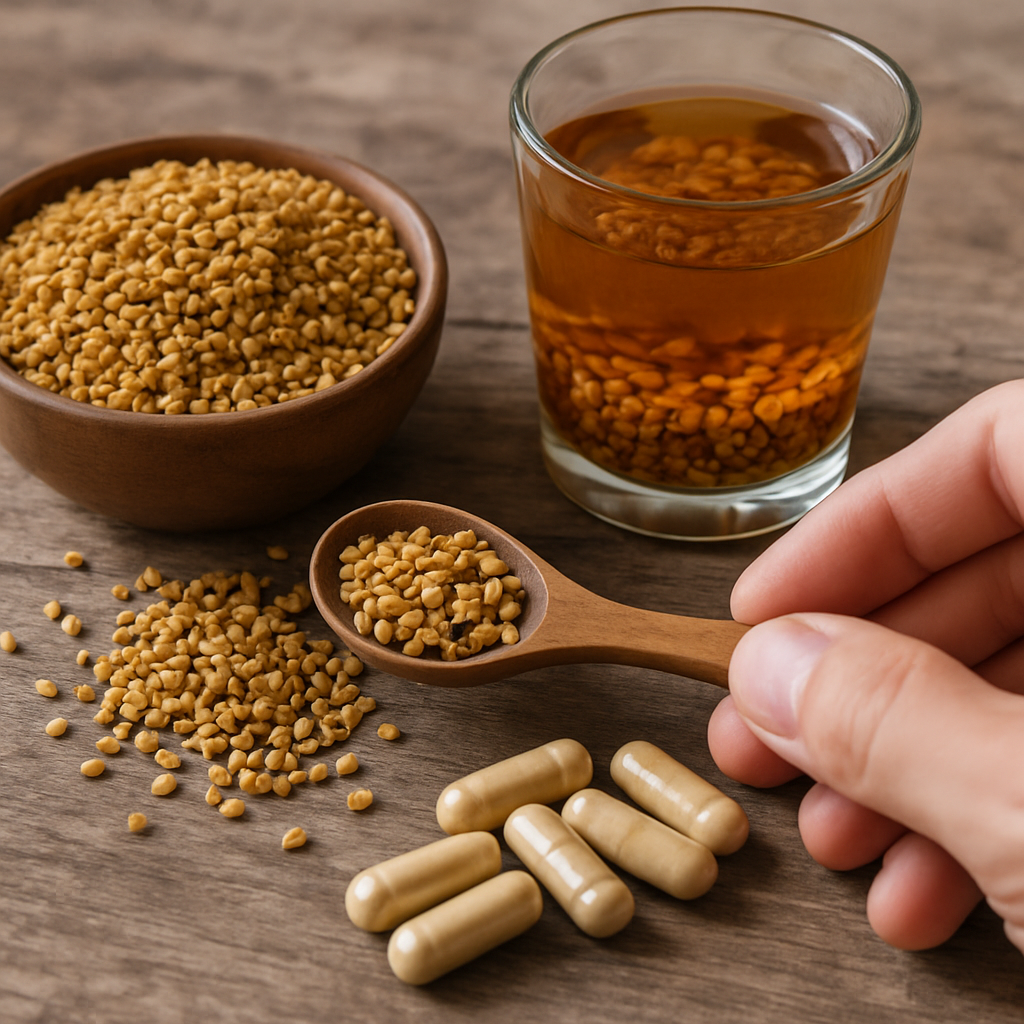
Fenugreek tea (boil 1 tsp seeds in 2 cups of water for 10 minutes, drink warm)
-
Fenugreek powder (¼ to ½ tsp mixed into yogurt, smoothies, or sprinkled over food)
-
Sprouted seeds (takes 3–4 days, but offers added nutrients and a nutty crunch)
If you’re a bit adventurous, you can also roast fenugreek seeds lightly in a pan, grind them, and use the powder in spice mixes. Just a pinch in curries, dals, or soups adds a rich depth—and you get the blood sugar benefits too.
Don’t forget: consistency beats quantity. It’s not about dumping a bunch of seeds into one meal and calling it a day. It’s about regular, manageable intake over time.
Combining Fenugreek with Diet and Lifestyle Changes
Look, fenugreek alone isn’t magic. If your daily diet is packed with sugar, refined carbs, and zero fiber—no amount of fenugreek will save you.
So what actually works? Think of fenugreek as part of your larger plan. Pair it with these changes:
-
Eat more whole grains, veggies, and protein.
-
Walk after meals (even just 10–15 minutes can help lower post-meal spikes).
-
Cut back on processed food. You don’t need to be perfect—just consistent.
-
Stay hydrated and track your sugar levels regularly.
Fenugreek and diabetes management go hand-in-hand—but it’s not a replacement for mindful living. Think of it as a sidekick, not the hero.
Also, listen to your body. If you feel dizzy, weak, or notice sudden drops in energy, it might be a sign that fenugreek is working a bit too well alongside your meds. That’s your cue to tweak the dosage or consult your doctor.
Conclusion
So… is fenugreek good for diabetes?
Yeah. It really is.
From both an Ayurvedic and modern nutritional perspective, fenugreek seeds for diabetes are more than just a trending wellness hack—they’ve actually earned their place in your daily routine. Whether you’re sipping fenugreek water, chewing soaked seeds, or mixing the powder into your meals, there are plenty of ways to get this humble herb working for your blood sugar.
Let’s not pretend it’s a miracle cure, though. It works best when paired with smart food choices, physical activity, and regular check-ins with your healthcare provider. If you’re thinking about how to use fenugreek for diabetes consistently and safely, remember that moderation and patience are key. Not to sound dramatic, but your pancreas will probably thank you.
And hey—fenugreek is good for diabetes, but it also supports digestion, reduces bloating, and even helps with cholesterol. So even if you're not diabetic, it's still worth adding to your routine.
So go ahead. Try it out. Experiment. Find what works for you.
Your journey toward better blood sugar doesn’t need to be all needles and no flavor.
Don't wait or self medicate. Start chat with Doctor NOW
FAQs
What is the best time to take fenugreek seeds for diabetes?
Most people prefer taking fenugreek seeds early in the morning on an empty stomach. This helps maximize absorption and gives your blood sugar a steady base for the day. That said, some folks take them before meals too—especially if managing post-meal spikes is their goal. Experiment and see what works best for you.
How much fenugreek water should I drink for blood sugar?
Generally, 1 cup of soaked fenugreek water (using 1 teaspoon of seeds) per day is enough to start with. Some people go up to 2 cups a day, split between morning and evening. Just don’t go overboard—it’s tempting, but more isn’t always better.
Can I use fenugreek along with medication?
Yes—but cautiously. Fenugreek can enhance the effect of your meds, especially insulin or metformin, leading to low blood sugar (aka hypoglycemia). If you're already on medication, it's a good idea to talk to your doctor or nutritionist before adding fenugreek daily. Better safe than face-planting mid-day, right?
Are there any side effects of fenugreek for diabetes?
For most people, side effects are mild—things like gas, bloating, or a maple syrupy body odor (no joke). Rarely, it can cause allergic reactions or interfere with blood sugar meds. That’s why we recommend starting small and keeping track of how your body responds. A food journal can help too, even if it feels a little nerdy.
Final Thought
Fenugreek and diabetes? It's a smart match.
Now that you know how to take fenugreek seeds for diabetes, how to prepare the water, and how to eat them without side effects, the next step is yours.
Try it for a week. See how you feel. Track your sugar levels. Adjust your diet.
And if this guide helped, share it. Someone else you know might be looking up “how to eat fenugreek seeds for diabetes” right now and feeling confused as heck. You could be the reason they finally feel like, “Hey, I got this.”
Stay curious, stay consistent—and keep rooting for your health.
Questions from users
Can fenugreek seeds help reduce cravings for sugary foods in diabetics?
Zoe
4 days ago
Fenugreek seeds can indeed help curb cravings for sugary foods in diabetics, thanks to their ability to moderate blood sugar levels. They help enhance insulin sensitivity and support healthy digestion, which can reduce those pesky cravings. But it's important to be mindful of the dosage and, as alway, check with healthcare professional to ensure it's right for you.
Can I take fenugreek seeds with other traditional diabetes treatments?
Jack
13 days ago
Absolutely, you can combine fenugreek seeds with other diabetes treatments. They can be a supportive addition, just don't replace your prescribed meds without consulting your doctor. Also, track your sugar levels to see how they affect you, cause everyone's different, you know? Consistency matters, so just keep at it!
What is the best way to store fenugreek seeds for maximum freshness and potency?
Paul
22 days ago
To keep fenugreek seeds fresh and potent, store them in an airtight container, away from light and moisture—your pantry is a great spot. Ensure it's cool and dry there to maintain quality. If buying bulk, consider glass jars instead of plastic. For longer storage, you could refrigerate them—just make sure the container is sealed tight!
What are the benefits of fenugreek seeds beyond blood sugar control?
Sofia
31 days ago
Fenugreek seeds are little wonder foods! Beyond helping control blood sugar, they support digestion, reduce bloating, and can lower cholesterol levels. They're rich in antioxidants and have anti-inflammatory properties too. It’s all about balancing your doshas. Pretty cool, right? Just be sure to listen to your body when trying them out.
Is it safe to drink fenugreek water every day for diabetes management?
Kennedy
41 days ago
Drinking fenugreek water daily can be generally safe for managing diabetes, as fenugreek supports blood sugar control. Just be mindful of possible allergic reactions or interactions with your diabetes meds. Best to start small, see how your body responds, and maybe chat with your healthcare provider for personalized advice!
What is the nutritional value of fenugreek seeds for diabetics?
Una
51 days ago
Fenugreek seeds are rich in soluble fiber, which is fantastic for helping slow down carb and sugar absorption—great for managing blood sugar levels. They also support your digestion by boosting Agni, which can be sluggish in diabetes. Try adding them before meals for best effect, but see how your body reacts 'cause we all different!
What is the best time of day to take fenugreek for diabetes management?
Maya
60 days ago
There's no hard rule, but taking fenugreek in the morning before breakfast might help to manage blood sugar levels throughout the day. You could also take it with meals to help lower post-meal blood sugar spikes. But experiment a bit to see what works best with your routine and body. Listen to your body!
Can I use fenugreek seeds to improve my digestion?
Lucas
70 days ago
Yes, fenugreek seeds can help improve digestion! Especially if you soak them overnight and drink the water or chew the seeds first thing in the morning. They can help balance your agni (digestive fire) and soothe the digestive tract. Just be cautious and don't overdo it, more isn't always better. Listen to your body and adjust as needed!
Can fenugreek help with post-meal blood sugar spikes?
Claire
79 days ago
Yes, fenugreek can help with post-meal blood sugar spikes. It has been seen to slow carb absorption & regulate blood sugar levels. Just watch out for any side effects like the maple syrup scent. Try taking it before meals and see how your body reacts. If you're on insulin, keep an eye out for low sugar levels!
What are the best whole grains to pair with fenugreek for better blood sugar control?
Vesper
157 days ago
Great question! Pairing fenugreek with whole grains like barley, quinoa, or brown rice can be beneficial for blood sugar control. These grains provide fiber and nutrients, helping slow digestion and balancing blood sugar levels. Also, try eating them in moderation and listen to your body's response. Cheers to good health! 🌾😌
Related articles

General Medicine
Mukta Sukti Bhasma Benefits, Dosage, Ingredients, Side Effects
Exploration of Mukta Sukti Bhasma Benefits, Dosage, Ingredients, Side Effects
1,528

General Medicine
What to Eat After Virechana: A Real Talk on Recovery, Rasas, and Rice Gruels
So, you've just gone through Virechana, huh? One of Ayurveda’s most potent detox therapies — the big purge, literally. Congratulations, seriously. That’s not something you casually do on a weekend. And now, you're sitting there, maybe a little light-heade
6,569

General Medicine
Kushmanda Rasayana for Weight Gain – Ayurvedic Solution for Healthy Weight Management
Discover how Kushmanda Rasayana can help with weight gain, including its Ayurvedic ingredients, therapeutic benefits, and how it promotes overall health and nourishment for natural weight gain.
4,113

General Medicine
Vrihat Vangeshwar Ras Benefits, Dosage, Ingredients, Side Effects
Exploration of Vrihat Vangeshwar Ras Benefits, Dosage, Ingredients, Side Effects
1,731

General Medicine
Satvapatana: A Path to Holistic Health and Well-Being
Explore how satvapatana merges ancient wisdom and modern science to support holistic healthcare, mental clarity, and overall well-being.
1,906

General Medicine
Nagaradi Choornam: Ayurvedic Uses, Benefits & Dosage Guide
Discover the benefits, uses, dosage, and Ayurvedic insights of Nagaradi Choornam. Learn how this traditional remedy supports digestive health and vitality.
3,656

General Medicine
Panchmahabhoot in Ayurveda – The Five Element Theory in Traditional Healing
Discover the profound insights of Panchmahabhoot in Ayurveda, exploring the five elements that form the foundation of Ayurvedic medicine and their applications in health, balance, and healing.
3,854

General Medicine
Kalyanakam Kashayam: Ancient Healing for Modern Wellness
Explore Kalyanakam Kashayam: a traditional Ayurvedic decoction that boosts immunity, detoxifies, and supports respiratory health for modern wellness.
5,338

General Medicine
Ayurvedic Medicine for Malaria: Science, Remedies & Research
Discover evidence-based insights on Ayurvedic medicine for malaria, including current research, practical applications, and safe treatment considerations.
2,859

General Medicine
Balaswagandhadi Thailam Benefits How To Use Ingredients Side Effects
Exploration of Balaswagandhadi Thailam Benefits How To Use Ingredients Side Effects
2,702
Related questions on the topic
Legal
Additional Documents
© 2024 Ask Ayurveda. All rights reserved.