
Ask Ayurvedic doctor a question and get a consultation online on the problem of your concern in a free or paid mode. More than 2,000 experienced doctors work and wait for your questions on our site and help users to solve their health problems every day.
FREE! Ask Ayurvedic Doctors 24/7

 Fast responses
 1000+ verified doctors
Body DetoxEar, Nose, and Throat DisordersGeriatrics & RejuvenationImmunodeficiencyInfertility TreatmentNutritionOrthopedic DisordersPediatricsRespiratory DisordersSexually Transmitted Diseases (STDs)Surgery RecoveryUrological DisordersVascular DisordersDental DisordersEndocrinological DisordersGastrointestinal DisordersYoga TherapyGeneral MedicineAllergic DisordersCardio DisordersGynecology and ObstetricsCosmetologySkin and Hair DisordersEye DisordersInfectious DiseasesMental DisordersNeurological DisordersOncologyPanchakarmaSexual Health & DisordersSports Medicine
Published on 04/09/25
(Updated on 07/06/26)
1,999
Satvapatana: A Path to Holistic Health and Well-Being
Introduction
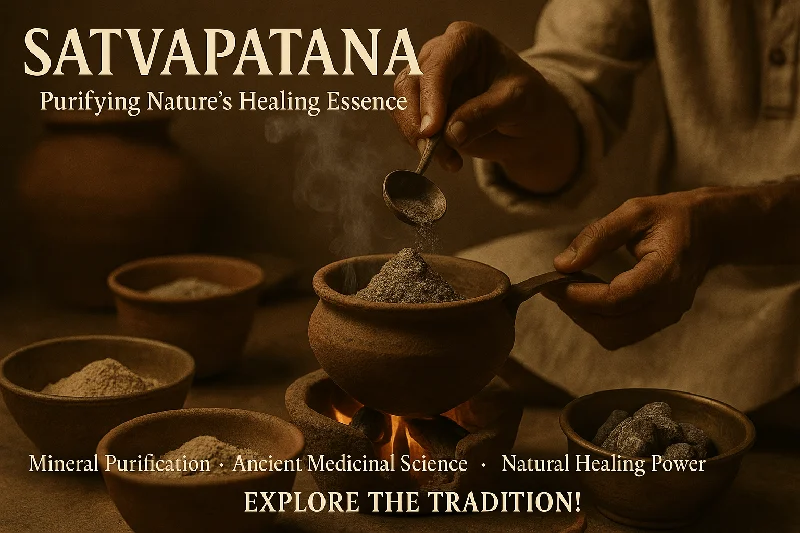
Imagine a world where the mind, body, and spirit function in perfect harmony. Throughout history, various healthcare systems have striven for this ideal by combining scientific principles, time-tested traditions, and a holistic worldview. One such concept is satvapatana, an approach rooted in ancient wisdom that is increasingly attracting attention from modern healthcare professionals and researchers.
Whether you are a curious individual seeking alternative health solutions or a medical practitioner exploring integrative therapies, satvapatana offers a fascinating glimpse into how traditional methods can interact with contemporary scientific understanding. In this article, we delve into the science behind satvapatana, explore the most recent research findings, and outline practical steps for applying this holistic concept in everyday life.
What Is Satvapatana?
Satvapatana is often described as a system or principle for aligning the mind, body, and environment to cultivate balanced well-being. The term itself originates from ancient Ayurvedic and related Eastern philosophical texts, pointing to an ongoing pursuit of mental clarity, emotional stability, and physiological balance. At its core, satvapatana encourages a deeper understanding of how the body’s internal mechanisms—and external factors—interact to create or disrupt wellness.
Core Elements of Satvapatana
-
Mind-Body Integration: Much like other holistic concepts, satvapatana posits that mental states (thoughts, emotions) can significantly impact physical health.
-
Lifestyle Adaptation: From dietary regulations to mindful exercises and rest, satvapatana promotes lifestyle strategies that foster resilience and stability.
-
Preventive Healthcare: Rather than focusing solely on disease treatment, satvapatana emphasizes preventing illness by sustaining harmony in daily routines.
-
Ethical and Social Dimension: Some classical references to satvapatana also highlight the role of community, environment, and ethical conduct as pivotal for maintaining an individual’s well-being.
Historical Foundations
While the term “satvapatana” may not be as widely recognized as other ancient wellness practices, it shares roots with foundational Ayurvedic and Yogic texts that date back thousands of years. Ancient healers perceived the human being as a microcosm of the broader universe, believing that health hinges on maintaining balance among various internal and external forces.
-
Ayurvedic Roots: Ayurveda—often cited as one of the world’s oldest organized healthcare systems—focuses on balancing the three doshas (Vata, Pitta, and Kapha). Though satvapatana is not directly synonymous with dosha theory, the overarching theme of balanced living resonates deeply with Ayurvedic principles.
-
Philosophical Context: Ancient Eastern philosophy underscores the interplay between the individual, society, and cosmos. Satvapatana exemplifies this holistic approach, proposing that true health is less about isolated organ systems and more about nurturing every aspect of life.
By bridging these ancient teachings with contemporary medical understanding, practitioners aim to offer a more comprehensive blueprint for health promotion.
Scientific Perspectives on Satvapatana
Modern science increasingly supports the view that integrative practices—ranging from mindfulness techniques to diet and exercise regimens—can promote better physical and mental health outcomes. While satvapatana’s direct mention in peer-reviewed literature is still evolving, many of its foundational elements find parallels in accepted scientific theories on stress management, neuroplasticity, and psychoneuroimmunology.
Psychoneuroimmunology and Stress
According to studies published in journals such as Frontiers in Psychology and Psychoneuroendocrinology, chronic stress can lead to a compromised immune system and exacerbate various health conditions (Source:
Neuroplasticity and Well-Being
Cutting-edge neuroscience underscores the brain’s capacity to reshape its neural pathways in response to experiences, also known as neuroplasticity. Techniques that resemble satvapatana practices—like focused attention, self-reflection, and mindful breathing—have been shown to enhance neuroplasticity, potentially improving emotional regulation and cognitive function (Source: Nature Reviews Neuroscience). These findings suggest that regular engagement in satvapatana-like activities might foster long-term mental health benefits.
Current Research Findings
Although formal research on the specific term “satvapatana” remains emerging, numerous studies correlate its central tenets with measurable health improvements:
-
Stress Reduction: A meta-analysis in the Journal of Alternative and Complementary Medicine found that mindfulness and holistic lifestyle interventions can significantly reduce perceived stress (Source:
PubMed ). -
Lifestyle Management: Observational studies in recognized medical journals indicate that structured routines—incorporating balanced meals, regular exercise, and mindful rest—can lead to better metabolic health and reduced risk for chronic diseases.
-
Holistic Therapies: According to the World Health Organization (WHO), complementary therapies, when used alongside standard treatments, can offer a wider scope of patient-centered care. Satvapatana fits into this holistic approach by emphasizing all-encompassing wellness, although it warrants further research specific to its name and methodology.
Don't wait or self medicate. Start chat with Doctor NOW
Practical Applications of Satvapatana
If you’re intrigued by satvapatana, you might wonder how to implement its principles in your everyday life or clinical practice. Below are some actionable steps and strategies:
-
Mindful Routines:
-
Morning Ritual: Begin the day with five minutes of introspection or light meditation to set a balanced mental tone.
-
Structured Meals: Plan consistent meal times focused on nutrient-dense foods. Ayurveda often recommends warm, freshly prepared meals to support digestion.
-
-
Emotional Awareness:
-
Journaling: Record your daily emotional states and triggers. Identifying patterns can help in making conscious lifestyle adjustments.
-
Social Support: Connect with a supportive network—family, friends, or community groups—to nourish emotional stability.
-
-
Physical Wellness:
-
Regular Exercise: Gentle yoga postures, brisk walking, or other low-impact exercises align well with satvapatana’s principle of balance.
-
Restful Sleep: Consistent sleep schedules can improve mood regulation and immune function.
-
-
Environmental Harmony:
-
Clean Spaces: Keeping your environment tidy and free from clutter fosters mental clarity.
-
Natural Elements: Incorporate green plants or natural lighting in living spaces to maintain a soothing atmosphere.
-
Step-by-Step Guide to Practicing Satvapatana
Below is a simple, structured approach you can try over several weeks. Adapt based on your comfort and any professional medical advice you receive:
-
Week 1: Observation and Reflection
-
Spend at least 10 minutes a day in quiet observation of your mental and emotional states.
-
Keep a journal documenting triggers, stressors, and positive experiences.
-
-
Week 2: Lifestyle Adjustments
-
Introduce or refine a balanced diet, focusing on whole foods and mindful eating.
-
Incorporate short mindfulness breaks—like breathing exercises—throughout the day.
-
-
Week 3: Physical Integration
-
Add 20-30 minutes of daily physical activity, emphasizing gentle, rhythmic movements (e.g., yoga, tai chi, or walking).
-
Pay attention to how exercise impacts your emotional well-being.
-
-
Week 4: Community and Environment
-
Seek a supportive group, whether online or in-person, to share experiences and learn from others practicing similar holistic methods.
-
Optimize your home and work environments for minimal stress—better lighting, organization, and natural décor can help.
-
-
Week 5 and Beyond: Ongoing Refinement
-
Revisit your journal entries to identify ongoing challenges or successes.
-
Adjust your routine to maintain harmony, consulting healthcare professionals as needed.
-
Potential Challenges and Considerations
No single therapy or wellness regimen suits everyone, and satvapatana is no exception. While it offers a multifaceted approach, it is crucial to address potential challenges:
-
Accessibility: Some techniques, such as specialized Ayurvedic dietary plans or guided mindfulness sessions, may be less available in certain regions.
-
Time Commitment: Integrating satvapatana practices into modern busy lifestyles may require scheduling adjustments and prioritizing self-care routines.
-
Medical Supervision: Individuals with specific health conditions—such as severe anxiety, chronic diseases, or autoimmune disorders—should consult qualified professionals before undertaking new holistic therapies.
Because satvapatana has been less researched compared to widely studied integrative methods (e.g., mindfulness-based stress reduction), additional rigorous research is recommended to establish standardized protocols.
Frequently Asked Questions
Q1: Is satvapatana similar to yoga or mindfulness practices?
Satvapatana shares core similarities with both yoga and mindfulness—particularly the emphasis on balancing mental, physical, and emotional health. However, it also incorporates dietary, environmental, and ethical dimensions that can extend beyond typical mindfulness or yoga sessions.
Q2: Can satvapatana be practiced alongside conventional medicine?
Yes. Many healthcare experts encourage integrative therapies like satvapatana to complement standard treatments, but always consult your physician or a qualified specialist for personalized advice.
Q3: How long does it take to see benefits?
Response times can vary widely. Some people notice improvements in stress management and emotional well-being within a few weeks, while others may require ongoing practice over several months.
Q4: Are there any side effects or risks to practicing satvapatana?
Satvapatana focuses primarily on self-awareness, balanced lifestyle changes, and constructive habits. While it generally poses minimal risks, drastic dietary changes or intense physical routines can strain the body if undertaken without professional guidance. Always proceed responsibly and with expert advice.
Conclusion
From its ancient origins to its modern-day applications, satvapatana stands out as an integrative framework that bridges the gap between holistic traditions and contemporary scientific insights. By addressing mental, physical, and environmental factors, satvapatana aims to create a harmonious balance that can enrich overall well-being. Research points to the potential benefits of stress reduction, improved immune function, and stronger emotional resilience—though more specific, high-quality studies on satvapatana itself are necessary to fully substantiate these claims.
Ready to get started on your journey toward holistic health and wellness? Share this article with friends, family, and healthcare professionals who may benefit from the wisdom of satvapatana. For personalized advice or more in-depth discussion, consider visiting AskAyurveda.com to ask a question and connect with experienced doctors. By nurturing each aspect of your being—mind, body, and environment—you take a proactive step toward lasting well-being.
Questions from users
How does neuroplasticity relate to stress management strategies in satvapatana?
Elijah
6 days ago
Neuroplasticity, the brain's ability to reorganize itself by forming new neural connections, plays a crucial role in stress management strategies like those advocated in satvapatana. By engaging in stress-reduction techniques such as meditation and adhering to a balanced routine and diet, the brain's neural pathways can be reshaped, potentially reducing levels of stress hormones such as cortisol and adrenaline. These changes can take several weeks to months to become noticeable. If stress remains high despite these strategies, consulting a healthcare professional is advisable.
What is the connection between satvapatana and stress reduction techniques?
Addison
16 days ago
Satvapatana involves aligning one's lifestyle with balanced living, similar to stress reduction techniques in Ayurveda. Both focus on harmonizing mind and body, promoting peace. While more specific research is needed, incorporating mindfulness or yoga can help align practices with satvapatana principles. 🌿
What is the importance of balance between Vata, Pitta, and Kapha in daily health?
Samantha
25 days ago
Balancing Vata, Pitta, and Kapha is key coz each dosha controls different body functions, like digestion, energy, and immunity. If they get outta whack, it can lead to health issues. So, keeping them balanced helps maintain peace in mind and body, ya know? It's like tuning a guitar—when everything's in harmony, it just feels right!
Can I practice satvapatana while following a specific diet or eating plan?
Robert
34 days ago
Absolutely, you can practice satvapatana while following a specific diet or eating plan. It's all about finding balance, right? Just keep in mind your diet should align with your prakriti (constitution) and current dosha balance. If you're unsure, consult with an Ayurvedic practitioner to harmonize everything safely. Moderation is key!
What is a good evening routine to complement a mindful morning ritual?
Samantha
43 days ago
For an evening routine, try winding down with gentle activities like herbal tea rituals or a warm bath with calming scents, like lavender. Light some candles & perhaps journal to reflect on your day. Doing light yoga or any other relaxing physical activity can help prepare your mind for restful sleep. Keep it simple but intentional!
What role does mindfulness play in the satvapatana approach to holistic health?
Virginia
52 days ago
Mindfulness in the satvapatana approach helps nurture life holistically by promoting self-awareness and emotional balance. By practicing mindfulness, like focused attention and mindful breathing, it supports better mental and emotional health, enhancing neuroplasticity and cognitive functioning. In ayurveda, it's like strengthening the mind's dosha balance!
What is satvapatana and how does it influence emotional well-being?
Ava
62 days ago
Satvapatana is all about fostering self-awareness and adopting balanced lifestyle changes. It basically means cultivating qualities like balance, purity, and clarity in our mind and lives. It helps emotional well-being by creating a supportive internal environment that eases stress and encourages positive habits and thinking. Kinda like weeding out emotional clutter to help you find a calmer state of mind!
Is it safe to practice satvapatana if I have existing health conditions?
Evelyn
72 days ago
It's tricky to give a direct answer since satvapatana isn't well-studied in scientific literature, but focussing on mental clarity and emotional stability through it could be beneficial. However, if you've got existing health issues, best to chat with an Ayurvedic practitioner or healthcare provider to adjust practices safely based on your unique needs and constitution.
What can I do to create a mindful morning ritual that suits my lifestyle?
Emily
81 days ago
Hey! When creating a mindful morning ritual, start with just 5 mins of introspection or meditation, helps set a balanced tone. Think about your dosha type too - vata, pitta, or kapha - and what suits you. Try doing gentle yoga stretches or a quiet nature walk if you're up to it. It's about finding what feels right and fitting to your lifestyle.
What is the relationship between Ayurveda and modern healthcare practices?
Walter
91 days ago
Ayurveda and modern healthcare are like two sides of the same coin, aiming for health but with different approaches. While modern healthcare often focuses on symptom-based treatment, Ayurveda looks at root causes, like balancing the three doshas & boosting agni. Some people use both, integrating Ayurveda for balancing life routines while continuing modern treatments. Always chat with your doc to find a balance that works for you!
Related articles

General Medicine
Punarnavadi Kashayam Benefits, Dose, Side Effects and Ingredients
Exploration of Punarnavadi Kashayam Benefits, Dose, Side Effects and Ingredients
3,053

General Medicine
Aravindasavam Uses, Dosage, Side Effects, And Ingredients
Exploration of Aravindasavam Uses, Dosage, Side Effects, And Ingredients
2,226

General Medicine
Alargin Tablets Benefits, How To Use, Ingredients, Side Effects
Exploration of Alargin Tablets Benefits, How To Use, Ingredients, Side Effects
1,294
General Medicine
Haridra Khanda for Cold – Ayurvedic Herbal Remedy for Respiratory Relief
Discover Haridra Khanda, an Ayurvedic herbal formulation renowned for relieving cold symptoms. Learn how Haridra Khanda balances doshas, reduces inflammation, and supports respiratory health naturally
4,017

General Medicine
Hajrul Yahood Bhasma – Benefits, Dosage, Ingredients and Side Effects
Exploration of Hajrul Yahood Bhasma – Benefits, Dosage, Ingredients and Side Effects
3,389

General Medicine
Dosha Gati – Decoding the Journey of Ayurvedic Doshas
Learn about dosha gati, the natural movement of Vata, Pitta, and Kapha, and how balancing them enhances well-being.
3,921

General Medicine
Zigma Corn Foot Cream: Fast Relief from Corns with Zigma Corn Foot Cream
Discover Zigma Corn Foot Cream, its benefits, proper dosage, uses, and the scientific evidence supporting this Ayurvedic cream for treating corns, calluses, and promoting overall foot health.
3,212

General Medicine
Praval Bhasma Benefits, Dosage, Ingredients, Side Effects, Peparation
Exploration of Praval Bhasma Benefits, Dosage, Ingredients, Side Effects, Peparation
3,568
General Medicine
Laxminarayan Ras: An Ayurvedic Remedy for Holistic Health
Laxminarayan Ras is an Ayurvedic herbo-mineral formulation primarily used to treat digestive issues, fever, and respiratory problems
2,436

General Medicine
Trishun Tablet
Exploration of Trishun Tablet
2,663
Related consultations on the topic
Legal
Additional Documents
© 2024 Ask Ayurveda. All rights reserved.