Ask Ayurvedic doctor a question and get a consultation online on the problem of your concern in a free or paid mode. More than 2,000 experienced doctors work and wait for your questions on our site and help users to solve their health problems every day.
FREE! Ask Ayurvedic Doctors 24/7

 Fast responses
 1000+ verified doctors
Body DetoxEar, Nose, and Throat DisordersGeriatrics & RejuvenationImmunodeficiencyInfertility TreatmentNutritionOrthopedic DisordersPediatricsRespiratory DisordersSexually Transmitted Diseases (STDs)Surgery RecoveryUrological DisordersVascular DisordersDental DisordersEndocrinological DisordersGastrointestinal DisordersYoga TherapyGeneral MedicineAllergic DisordersCardio DisordersGynecology and ObstetricsCosmetologySkin and Hair DisordersEye DisordersInfectious DiseasesMental DisordersNeurological DisordersOncologyPanchakarmaSexual Health & DisordersSports Medicine
Published on 03/05/25
(Updated on 07/07/26)
4,018
Haridra Khanda for Cold – Ayurvedic Herbal Remedy for Respiratory Relief
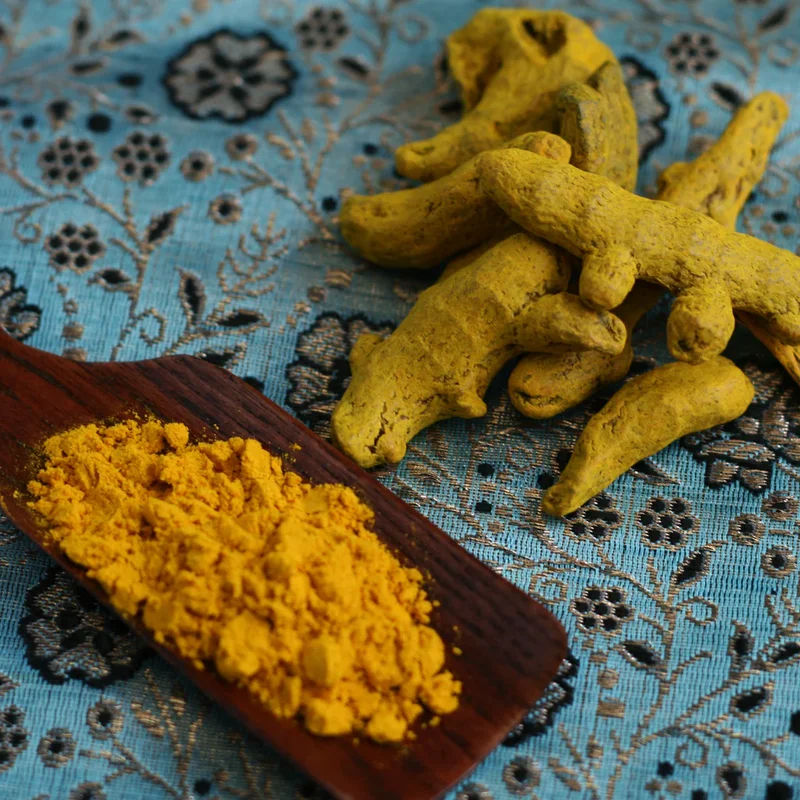
Haridra Khanda is a classical Ayurvedic granular formulation with turmeric (Curcuma longa) as its principal ingredient, traditionally used to treat allergic conditions like urticaria (hives), allergic rhinitis, skin disorders, and respiratory complaints. Unlike plain turmeric powder, Haridrakhanda is a synergistic blend of over 20 herbs, spices, ghee, milk, and sugar — processed together in a specific sequence described in ancient texts like the Sharangadhara Samhita and Bhaishajya Ratnavali. It acts as a natural antihistamine, anti-inflammatory, and immunomodulator, making it one of the most trusted Ayurvedic remedies for allergy-related problems across India.
If you're dealing with recurrent allergies, itchy skin, or seasonal colds — and wondering whether this centuries-old formula actually works — this guide covers everything: from its mechanism of action and scientific backing to detailed dosage schedules, side effects, and how it compares to modern antihistamines.
What Is Haridra Khanda?
Haridra Khanda (also spelled Haridrakhanda or Haridrakhandam) is a Khanda Kalpana — a class of Ayurvedic preparations where herbal powders are cooked with sugar syrup and ghee to form a semi-solid granular mixture. The word "Haridra" means turmeric, and "Khanda" refers to the granular or sugar-based medium used for processing.
It's classified under Kusthahara (anti-dermatosis) and Shwasahara (anti-respiratory distress) categories in Ayurveda. The formulation is documented in multiple classical texts, with slight variations in ingredient proportions depending on the source.
Historical Background & Ayurvedic References
The earliest references to Haridra Khanda appear in the Sharangadhara Samhita (Madhyama Khanda, Chapter 8), a foundational Ayurvedic pharmaceutical text from the 14th century CE. The formulation is also described in the Bhaishajya Ratnavali (Chapter 55 — Sheetapitta Udarda Kotha Chikitsa), where it is specifically recommended for Sheetapitta (urticaria) and Udarda (allergic rashes).
Even the Charaka Samhita, one of the oldest Ayurvedic texts, praises turmeric extensively as a Kusthaghna (skin disease destroyer) and Vishaghna (anti-toxic agent), though the complete Khanda formulation appears in later compilations. The Atharva Veda also references turmeric's healing properties in ritual and medicinal contexts.
Haridra Khanda vs Turmeric Powder — What's the Difference?
This is one of the most common questions people ask, and the answer matters alot.
Plain turmeric powder contains roughly 2–5% curcumin, with very poor bioavailability — studies show that curcumin alone is rapidly metabolized and eliminated, with less than 1% reaching systemic circulation (Anand et al., Molecular Pharmaceutics, 2007).
Haridra Khanda solves this problem through its traditional formulation design:
| Feature | Turmeric Powder | Haridra Khanda |
|---|---|---|
| Curcumin content | 2–5% | Enhanced by multiple processing steps |
| Bioavailability | Very low (<1%) | Significantly improved (piperine from black pepper, ghee as lipid carrier) |
| Scope of action | Limited anti-inflammatory | Antihistamine + anti-inflammatory + immunomodulatory |
| Taste | Bitter, hard to consume | Sweet granules, palatable |
| Synergistic herbs | None | 20+ herbs working together |
| Traditional processing | Simple drying & grinding | Multi-step cooking with milk, ghee, sugar syrup |
The inclusion of Maricha (black pepper, Piper nigrum) is particularly significant. A landmark 1998 study by Shoba et al. published in Planta Medica demonstrated that piperine enhances curcumin bioavailability by 2,000%. And the ghee (Ghrita) in the formulation acts as a lipid-based carrier, further improving absorption of fat-soluble curcuminoids.
Ayurvedic Pharmacology (Rasa, Guna, Veerya, Vipaka)
Understanding the Dravyaguna (pharmacological properties) of Haridra Khanda helps explain why it works on multiple levels:
- Rasa (Taste): Predominantly Tikta (bitter) and Katu (pungent), with Madhura (sweet) from sugar base
- Guna (Quality): Laghu (light), Ruksha (dry)
- Veerya (Potency): Ushna (hot)
- Vipaka (Post-digestive effect): Katu (pungent)
- Prabhava (Special action): Kusthahara (anti-dermatosis), Kandu-nashaka (anti-pruritic)
- Dosha Karma: Primarily pacifies Kapha and Pitta doshas; balances all three doshas when taken in appropriate doses
The Ushna Veerya explains its ability to clear Kapha accumulation in the respiratory tract — which is why it's effective for colds and nasal congestion, not just skin conditions.
Haridra Khanda Ingredients — Complete List with Scientific Names
The formulation contains a carefully designed combination of herbs, spices, and processing media. Below is the complete ingredient list as described in Sharangadhara Samhita, with scientific names and approximate traditional quantities:
| Ingredient (Sanskrit) | Botanical/English Name | Quantity | Role in Formula |
|---|---|---|---|
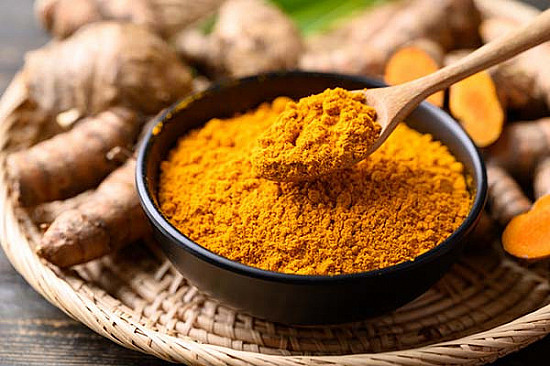
| Haridra Churna | Curcuma longa (Turmeric powder) | 48 g | Primary active — anti-inflammatory, antihistamine |
| Godugdha | Cow's milk | 768 ml | Processing medium, improves palatability |
| Goghrita | Cow's ghee | 48 g | Lipid carrier for bioavailability |
| Sharkara | Sugar | 384 g | Khanda base, preservative |
| Ela | Elettaria cardamomum (Cardamom) | 3 g each | Carminative, flavor |
| Tvak | Cinnamomum zeylanicum (Cinnamon) | 3 g | Antioxidant, digestive |
| Tejpatra | Cinnamomum tamala (Bay leaf) | 3 g | Aromatic, anti-inflammatory |
| Nagkeshar | Mesua ferrea | 3 g | Anti-allergic, hemostatic |
| Maricha | Piper nigrum (Black pepper) | 3 g | Bioenhancer (piperine) |
| Pippali | Piper longum (Long pepper) | 3 g | Respiratory tonic, bioenhancer |
| Shunthi | Zingiber officinale (Ginger) | 3 g | Anti-inflammatory, digestive |
| Vidanga | Embelia ribes | 3 g | Antiparasitic, immunomodulatory |
| Priyangu | Callicarpa macrophylla | 3 g | Anti-inflammatory, cooling |
| Haritaki | Terminalia chebula | 3 g | Rasayana, detoxifier |
| Trivrit | Operculina turpethum | 3 g | Mild laxative, Pitta pacifier |
| Mustak | Cyperus rotundus | 3 g | Digestive, anti-inflammatory |
| Dhataki | Woodfordia fruticosa | 3 g | Astringent, anti-microbial |
| Kankola | Piper cubeba | 3 g | Respiratory support |
| Jeeraka | Cuminum cyminum (Cumin) | 3 g | Digestive, carminative |
| Loh Bhasma | Iron calx (Ayurvedic iron ash) | 3 g | Hematinic, immunity |
Note: Exact quantities vary slightly between manufacturers and textual references.
How Each Ingredient Strengthens the Formula (Synergy)
What makes Haridra Khanda remarkable isn't just turmeric — it's how every component amplifies the others:
The Bioavailability Triad: Haridra provides curcumin, Maricha provides piperine (2,000% bioavailability boost), and Ghrita provides lipid solubilization. This three-way system is essentially what modern pharmaceutical science calls a "bioenhanced delivery system" — but it was designed centuries ago. The Trikatu Effect: Shunthi, Maricha, and Pippali together form Trikatu, a classical combination that enhances digestive fire (Agni) and ensures better absorption of all other herbs. A 2012 study in the Journal of Ayurveda and Integrative Medicine confirmed Trikatu's role in improving drug bioavailability. The Respiratory Support Group: Pippali, Ela, and Tvak work together to clear Kapha accumulation in the respiratory tract, explaining why Haridra Khanda is effective for colds, nasal congestion, and allergic rhinitis — not just skin conditions. The Anti-Allergic Core: Haridra, Nagkeshar, and Priyangu collectively inhibit histamine release and stabilize mast cells (more on the mechanism below). The Digestive Foundation: Mustak, Jeeraka, and Vidanga ensure proper digestion and prevent Ama (toxin) formation — because Ayurveda considers impaired digestion a root cause of allergic disorders.
How Does Haridra Khanda Work? (Mechanism of Action)
This is where every competitor falls short. They list properties but never explain how the formulation actually works at a biological level. Let's fix that.
The Antihistamine Pathway
Allergic reactions occur when mast cells release histamine in response to allergens. Curcumin, the primary active compound in Haridra, has been shown to inhibit mast cell degranulation and suppress histamine release. A 2008 study published in Molecular Nutrition & Food Research demonstrated that curcumin prevents the activation of IgE-mediated mast cells, essentially functioning as a natural mast cell stabilizer — similar to how cromoglycate works in conventional medicine.
NF-κB Inhibition — The Master Anti-Inflammatory Switch
Nuclear Factor kappa-B (NF-κB) is a protein complex that controls the transcription of DNA for inflammatory cytokines. When NF-κB is activated, it triggers a cascade of inflammation including IL-1, IL-6, TNF-α, and COX-2 enzymes.
Curcumin is a potent inhibitor of NF-κB activation. A 2004 review by Aggarwal & Shishodia in Annals of the New York Academy of Sciences documented how curcumin blocks NF-κB at multiple points in the signaling pathway. This explains why Haridra Khanda works across such a wide range of inflammatory conditions — from urticaria to rhinitis to eczema.
The Antioxidant Cascade
Curcumin neutralizes reactive oxygen species (ROS) and also boosts the body's own antioxidant enzymes — superoxide dismutase (SOD), catalase, and glutathione peroxidase. A 2019 meta-analysis in Phytotherapy Research confirmed that curcumin supplementation significantly increased serum SOD levels (p < 0.001). This antioxidant activity reduces oxidative stress-driven inflammation in skin and respiratory tissues.
Immunomodulation — Not Just Suppression
- Unlike conventional antihistamines that simply block histamine receptors, Haridra Khanda modulates immune function. Curcumin has been shown to regulate both Th1 and Th2 immune responses, shifting the balance away from the Th2-dominant pattern seen in allergic individuals.
- This is true immunomodulation — the immune system becomes more balanced, not suppressed.
Health Benefits and Uses of Haridra Khanda
Allergic Rhinitis and Respiratory Allergies
Haridra Khanda is arguably most effective for allergic rhinitis — sneezing, runny nose, nasal congestion, and itchy eyes triggered by dust, pollen, or weather changes. The combination of antihistamine action (curcumin), respiratory tract clearing (Trikatu + Pippali), and Kapha-pacifying properties makes it particularly effective for seasonal and perennial allergies.
A 2016 pilot study published in the Annals of Allergy, Asthma & Immunology found that curcumin supplementation (500 mg/day for 2 months) significantly reduced nasal symptoms and nasal airflow resistance in allergic rhinitis patients compared to placebo.
Cold and Cough Relief
Because of its Ushna Veerya and Kapha-pacifying nature, Haridra Khanda helps relieve cold symptoms by reducing mucus production, clearing nasal passages, and calming inflamed respiratory mucosa. It's traditionally taken with warm milk or warm water during acute cold episodes.
How to Remove Kapha in Throat
This is a frequently asked question. Haridra Khanda helps clear Kapha accumulation in the throat through its Ushna (warming) and Katu (pungent) properties. The Trikatu component specifically acts on the upper respiratory tract. For best results, take it with warm water and add a pinch of Sitopladi Churna for enhanced expectorant action.
Urticaria (Hives) and Skin Allergies
Urticaria (Sheetapitta in Ayurveda) is the condition most classically associated with Haridra Khanda. The raised, itchy welts of urticaria are caused by histamine release in the skin — exactly what curcumin inhibits. Clinical experience suggests that chronic urticaria patients often see improvement within 2–4 weeks of regular use, though acute episodes may respond within a few days.
Eczema, Pruritus, and Other Skin Disorders
The anti-pruritic (anti-itch) action of Haridra Khanda comes from multiple mechanisms: histamine suppression, NF-κB inhibition reducing inflammatory cytokines in the skin, and antioxidant protection of skin cells.
It's traditionally indicated for:
- Kushtha (chronic skin diseases)
- Kandu (itching/pruritus)
- Vicharchika (eczema)
- Dadru (ringworm/fungal infections)
- Vyanga (pigmentation disorders)
Haridra Khanda for Pigmentation
Some practitioners recommend Haridra Khanda for hyperpigmentation and uneven skin tone. Curcumin has demonstrated tyrosinase inhibitory activity in vitro, which can reduce melanin production. However, the evidence for oral curcumin improving pigmentation is limited — topical application alongside oral Haridra Khanda may yield better results for this specific concern.
Immune System Support
Beyond allergy management, Haridra Khanda functions as a Rasayana (rejuvenative) that strengthens overall immunity. The Loh Bhasma provides bioavailable iron for healthy red blood cells, Haritaki acts as a systemic detoxifier, and curcumin's immunomodulatory properties help the body mount appropriate responses to infections while reducing overreactive allergic responses.
Haridra Khanda Dosage — How Much and How to Take
Standard Dosage for Adults
The generally recommended dosage for adults is:
- Granules/Churna form: 3–6 grams (approximately ½ to 1 teaspoon), twice daily
- Tablet form: 1–2 tablets, twice daily (varies by manufacturer — check label)
- Timing: Before meals or after meals with an Anupana (vehicle)
Best Anupana (Vehicle):
- Warm milk — traditional, enhances absorption
- Warm water — suitable for those who avoid dairy
- Honey — for Kapha-dominant conditions (don't heat honey above 40°C)
Dosage for Children
For children aged 5–12 years, the typical dose is 1–3 grams once or twice daily, preferably mixed with milk to improve palatability. For children under 5, consult an Ayurvedic practitioner for appropriate dosing based on the child's Prakriti (constitution) and body weight.
Detailed Course Duration by Condition
This is something no competitor covers adequately.
Here's a practical guide:
| Condition | Suggested Duration | Expected Response Time |
|---|---|---|
| Acute urticaria/hives | 2–4 weeks | Few days for symptom relief |
| Chronic urticaria | 2–3 months | 2–4 weeks for noticeable improvement |
| Allergic rhinitis (seasonal) | 1–2 months during season | 1–2 weeks |
| Allergic rhinitis (perennial) | 3–6 months with breaks | 2–3 weeks |
| Eczema/chronic skin conditions | 3–6 months | 4–6 weeks |
| Cold/cough (acute) | 7–14 days | 3–5 days |
| General immunity building | 1–3 months | Gradual improvement |
Always take breaks between courses — typically 1–2 weeks off after every 2–3 months of continuous use.
Don't wait or self medicate. Start chat with Doctor NOW
Haridra Khanda vs Modern Antihistamines — A Practical Comparison
This is a comparison that many allergy sufferers want but nobody has published clearly:
| Parameter | Haridra Khanda | Modern Antihistamines (e.g. Cetirizine, Fexofenadine) |
|---|---|---|
| Speed of action | Gradual (days to weeks) | Rapid (30–60 minutes) |
| Drowsiness | None | Common with 1st gen; minimal with 2nd gen |
| Root cause treatment | Yes — modulates immune response | No — symptom relief only |
| Long-term safety | Generally safe for extended use | Long-term use debated; rebound effects possible |
| Drug interactions | Minimal (see section below) | Multiple interactions documented |
| Effectiveness for acute emergencies | Not suitable | Effective |
| Cost (monthly) | ₹100–300 | ₹50–200 |
| Requires prescription | No (OTC Ayurvedic product) | Some require prescription |
Bottom line: Haridra Khanda is better suited for chronic, recurring allergies where long-term management and root cause correction are needed. For acute allergic emergencies (severe urticaria, angioedema, anaphylaxis), conventional antihistamines and medical intervention remain essential.
Side Effects, Contraindications & Drug Interactions
Side Effects of Haridra Khanda
Haridra Khanda is generally considered safe when taken in recommended doses.
However, some individuals may experience:
- Mild gastric discomfort or acidity (due to Ushna Veerya — especially in Pitta-dominant individuals)
- Loose stools in rare cases
- Increased blood sugar if taken in large quantities (due to sugar content in the formulation)
No serious adverse effects have been reported in classical Ayurvedic literature or modern pharmacovigilance databases for this formulation.
Contraindications
- Pregnancy: Avoid unless specifically prescribed by a qualified Ayurvedic doctor — some ingredients may have uterine stimulant properties
- Lactation: Generally considered safe in moderate doses, but consult your practitioner
- Diabetes: The sugar base may affect blood sugar levels — diabetic patients should use sugar-free versions or consult their doctor for dose adjustments
- Severe liver or kidney disease: Use under medical supervision only
Drug Interactions — What to Watch Out For
This is a critical gap that no competitor addresses:
- Blood thinners (Warfarin, Aspirin, Clopidogrel): Curcumin has mild antiplatelet activity — concurrent use may increase bleeding risk. Monitor INR if on warfarin.
- Antidiabetic medications: The sugar in Haridra Khanda plus curcumin's own hypoglycemic effect can cause unpredictable blood sugar fluctuations
- Antacids and PPIs: May reduce the effectiveness of the Trikatu bioenhancer component
- Iron supplements: Loh Bhasma already provides iron — additional supplementation may cause iron overload in susceptible individuals
- Immunosuppressants: Curcumin's immunomodulatory action may interfere with drugs like cyclosporine or tacrolimus
When in doubt, maintain a 2-hour gap between Haridra Khanda and any allopathic medication.
Diet and Lifestyle During Haridra Khanda Course (Pathya-Apathya)
Ayurveda emphasizes that medication alone is insufficient — dietary and lifestyle modifications are equally important.
Here are the traditional Pathya-Apathya guidelines:
What to Eat (Pathya)
- Light, warm, freshly cooked meals
- Green vegetables, moong dal, old rice (Purana Shali)
- Warm water throughout the day
- Seasonal fruits (except sour ones during acute allergies)
- Small amounts of ghee and buttermilk
What to Avoid (Apathya)
- Cold foods and beverages (ice cream, cold drinks, refrigerated food)
- Heavy, oily, and fried foods
- Fermented foods (idli, dosa batter, pickles, curd at night)
- Known food allergens — common triggers like shellfish, peanuts, excessive dairy
- Viruddha Ahara (incompatible food combinations) — fish with milk, fruit with meals
- Excessive sour and salty foods (aggravate Pitta and worsen skin conditions)
- Alcohol and smoking
Lifestyle Recommendations
- Avoid exposure to known allergens (dust, pollen, pet dander) during the course
- Practice Nasya (nasal oil application) with Anu Taila for allergic rhinitis
- Pranayama — especially Nadi Shodhana and Bhastrika — supports respiratory health
- Adequate sleep (before 10 PM) — late nights aggravate Pitta and Vata
Manufacturers and Product Comparison
Haridra Khanda is manufactured by multiple reputed Ayurvedic companies across India.
Here's a comparison to help you choose:
| Manufacturer | Form | Pack Size | Approximate Price (₹) | Notable Feature |
|---|---|---|---|---|
| AVP (Arya Vaidya Pharmacy) | Granules | 100 g / 200 g | 150–280 | Traditional Kerala formulation |
| Vaidyaratnam | Granules | 100 g | 130–180 | Classical text-based preparation |
| Sri Sri Tattva | Granules/Tablets | 100 g / 60 tabs | 120–200 | Widely available online |
| Baidyanath | Granules | 100 g | 100–160 | Established North Indian brand |
| Dhootapapeshwar | Granules | 125 g | 170–250 | Pharmaceutical-grade quality control |
| Dabur | Granules | 150 g | 130–190 | Mass market availability |
Prices as of 2024–25; may vary by retailer and region.
Shelf Life and Storage
- Shelf life: Typically 2–3 years from manufacturing date (check packaging)
- - Storage: Keep in a cool, dry place away from direct sunlight.
- Close the container tightly after each use — the sugar base can absorb moisture and harden if exposed to humidity.
How to Prepare Haridra Khanda at Home
For those who prefer homemade preparations, here's the traditional method based on Sharangadhara Samhita:
Step 1: Take 48 g of Haridra Churna (fine turmeric powder) and cook it in 768 ml of cow's milk on low heat until the milk evaporates and a thick paste remains. Step 2: Add 48 g of ghee and roast the turmeric paste until it becomes fragrant and slightly golden. Step 3: Separately, prepare sugar syrup by dissolving 384 g of sugar in water and cooking until it reaches a single-thread consistency (Ektari Pak). Step 4: Add the roasted turmeric-ghee paste to the sugar syrup. Mix well. Step 5: Add 3 g each of all the Prakshepa Dravyas (Ela, Tvak, Tejpatra, Nagkeshar, Maricha, Pippali, Shunthi, Vidanga, Priyangu, Haritaki, Trivrit, Mustak, Dhataki, Kankola, Jeeraka) in fine powder form. Step 6: Add Loh Bhasma (3 g) and mix thoroughly. Step 7: Allow the mixture to cool. It should form a granular consistency. Store in an airtight glass container. Important: Loh Bhasma must be properly prepared (Shodhita and Marita) — never use raw iron filings. If you cannot source authentic Bhasma, it's safer to purchase commercially manufactured Haridra Khanda.
Specific Allergy Scenarios — When and How to Use
Dust Allergy
Dust mite allergy is one of the most common triggers in India. Take Haridra Khanda 3–5 g twice daily with warm milk for 2–3 months. Combine with Nasya using Anu Taila (2 drops in each nostril morning and evening) and environmental control measures — dust-proof pillow covers, regular vacuuming, HEPA air purifiers.
Pollen Allergy (Seasonal)
Start Haridra Khanda 2–4 weeks before the expected allergy season begins. This "pre-loading" allows the immunomodulatory effects to establish before allergen exposure peaks. Continue throughout the season.
Food Allergies
For mild food sensitivities (not anaphylactic allergies), Haridra Khanda can help reduce the inflammatory response. However, it is not a substitute for food avoidance in confirmed IgE-mediated food allergies. Use it as adjunct support with appropriate dietary modifications.
Cold Urticaria (Cold-Induced Hives)
- Haridra Khanda is particularly well-suited for Sheetapitta (cold-induced urticaria) because its warming potency directly counteracts the cold trigger.
- Take with warm water — avoid cold milk as the Anupana in this case.
Frequently Asked Questions (FAQ)
Is Haridra Khanda safe for children?
Yes, Haridra Khanda is generally safe for children above 5 years at reduced doses (1–3 g daily). For younger children, consult an Ayurvedic practitioner. The sugar base actually makes it palatable for kids, which is a practical advantage over bitter Ayurvedic medicines.
Can diabetic patients take Haridra Khanda?
The traditional formulation contains significant sugar. Diabetic patients should either use sugar-free versions (available from some manufacturers) or take it only under medical supervision with blood sugar monitoring. The curcumin itself has hypoglycemic properties, so the net effect on blood sugar can be unpredictable.
How long does it take for Haridra Khanda to show results?
For acute allergic symptoms, relief may begin within 3–5 days. For chronic conditions like persistent urticaria or perennial allergic rhinitis, expect 2–4 weeks for noticeable improvement. Full benefits for chronic conditions typically require 2–3 months of consistent use.
What form does Haridra Khanda come in?
It's most commonly available as sweet granules (Khanda). Some manufacturers also offer tablet and churna (powder) forms for convenience. The traditional granule form is considered most authentic and closest to the classical preparation method.
Can I take Haridra Khanda with allopathic medicines?
In most cases, yes — but maintain a gap of at least 2 hours between Haridra Khanda and any allopathic medication. Specifically avoid concurrent use with blood thinners without medical supervision, and inform your doctor if you're on immunosuppressants or antidiabetic drugs.
Can Haridra Khanda be taken during pregnancy?
It's generally advised to avoid Haridra Khanda during pregnancy unless specifically prescribed by a qualified Ayurvedic practitioner. Some of the ingredients may have mild uterine-stimulating properties. During lactation, it's considered relatively safer but should still be taken under guidance.
Is Haridra Khanda the same as Haridra Khanda Churna?
The terms are often used interchangeably by retailers. Technically, "Khanda" refers to the granular sugar-processed form, while "Churna" means simple powder. True Haridra Khanda should be processed with milk, ghee, and sugar syrup as per the classical method — not just a dry powder mixture.
Final Thoughts — Is Haridra Khanda Worth Taking?
Haridra Khanda represents a sophisticated example of ancient pharmaceutical wisdom that modern science is only now beginning to validate. The formulation elegantly solves curcumin's bioavailability problem through traditional processing techniques, delivers multi-target anti-allergic action through synergistic herbal combinations, and offers a safer long-term alternative to conventional antihistamines for chronic allergic conditions.
- That said, it's not a magic cure-all.
- It works best as part of a comprehensive approach — proper diet, lifestyle modifications, allergen avoidance, and appropriate medical care when needed. For severe or life-threatening allergic reactions, always seek emergency medical attention first.
If you're considering Haridra Khanda for your allergy or skin concerns, consult with a qualified Ayurvedic practitioner who can assess your Prakriti, identify your specific Dosha imbalance, and recommend the right dosage and duration for your individual situation.
Disclaimer: This article is for informational purposes only and does not replace professional medical advice. Always consult a qualified healthcare practitioner before starting any new supplement or medication.
Scientific Sources
- Ayurvedic herbal formulations Haridra Khanda and Manjisthadi Kwath (brihat) in the management of allergic rhinitis: A pharmacological study — Bhowmik R et al., 2024, Heliyon
- Standardization of the ayurvedic formulation Haridra Khanda using high-performance thin-layer chromatography-densitometry — Rout KK et al., 2008, Journal of AOAC International
- Ayurveda Modalities in Palmoplanter Psoriasis-A Case Report — Thakre T et al., 2024, Journal of pharmacy & bioallied sciences
Questions from users
What are the potential side effects of using Haridra Khanda regularly?
Reid
6 days ago
Haridra Khanda may cause side effects in some individuals, including digestive issues such as bloating, nausea, or diarrhea. Since it often contains sugar and ghee, those with diabetes or lactose intolerance should exercise caution. Regular use without consulting a healthcare professional isn't recommended, particularly for those with allergies or on medication. If you experience adverse effects or have a pre-existing condition, consult a doctor. Monitoring your body's response is crucial, and medical advice is advised if you have concerns about regular use.
What is the traditional method for preparing Haridra Khanda for best results?
Vanessa
15 days ago
The traditional method for preparing Haridra Khanda involves combining Haridra (turmeric) with milk, ghee (clarified butter), and sugar syrup. This isn't just a dry mix; these ingredients are cooked together. The milk enhances bioavailability, ghee aids absorption, and sugar balances turmeric's heat, making it more palatable and beneficial.
What are the recommended dosages for taking Haridra Khanda for cold symptoms?
Hunter
33 days ago
For haridra khanda, a common dosage is about 3-6 grams (or a teaspoon) once or twice daily after meals. It can be mixed in warm water or milk to enhance absorption. But, it's always a good idea to check with an Ayurvedic practitioner, as they can tailor the dosage based on your dosha balance and needs!
What is the role of herbal steam therapy when using Haridra Khanda for cold relief?
Christian
42 days ago
Herbal steam therapy plays an awesome role when used with Haridra Khanda for cold relief! It helps by opening up the airways, making it easier to breathe and clear mucus. This complements Haridra Khanda’s action by giving it an easier path to work, enhancing the overall effect. So, combining both could enhance your relief a lot!
What is the best method for preparing Haridra Khanda for cold relief at home?
Theodore
51 days ago
You can make haridra khanda at home by mixing turmeric (haridra), black pepper, long pepper, and sugar, with ghee and honey. Simply roast the spices slightly in ghee, then add sugar and honey to form a thick paste. It can be used in moderation to help with cold symptoms, but always check with a practitioner for your specific needs! 🌿
What is the best time of day to take Haridra Khanda for optimal immune support?
Grayson
61 days ago
The best time to take Haridra Khanda for immune support is usually in the morning on an empty stomach. This helps with absorption and engages your digestive fire, or agni, effectively. But remember, everyone is different so if it doesn’t agree with your digestion then try post-meal. What's most important is consistency with Ayurveda!
Can I take Haridra Khanda if I am pregnant or breastfeeding?
Ava
71 days ago
It's best to consult with an ayurvedic practitioner or a healthcare provider before taking Haridra Khanda while pregnant or breastfeeding. They can guide you as it might affect differently, considering your unique prakriti and health conditions. Always prioritize safety for you and your baby.
What is the role of turmeric in Haridra Khanda for treating cold symptoms?
Charles
80 days ago
Turmeric in Haridra Khanda mainly helps with its anti-inflammatory property. It reduces swelling in nasal passages and helps clear congestion. It's balancing for doshas, especially Kapha, which can get aggravated during a cold. Just be sure to check that any product you use sticks to traditional prep methods, that's important.
What is the best way to take Haridra Khanda for cold symptoms to maximize its benefits?
Natalie
90 days ago
To get the most out of Haridra Khanda for colds, take it with warm milk or water, 1-2 teaspoons, preferably on an empty stomach. This helps the absorption. If you're Kapha dosha is high, take it with honey instead. Always check your body response, everyone's different!
Can I use honey and ghee with Haridra Khanda for better throat soothing effects?
Robert
99 days ago
Absolutely! Mixing honey and ghee with Haridra Khanda can be really soothing for your throat. Both honey and ghee have calming, lubricating properties that can help reduce any irritation, and together they can enhance the herb's benefits. Just make sure to use them in moderation and not heat the honey, as it can alter its properties. 😊
Related articles

General Medicine
Cephagraine Tablet
Exploration of Cephagraine Tablet
1,825

General Medicine
Triphala Ghrita Benefits, Dosage, How To Use, Side Effects, Ingredients, Reference
Exploration of Triphala Ghrita Benefits, Dosage, How To Use, Side Effects, Ingredients, Reference
6,280
General Medicine
Ashwagandhadi Yamakam – Benefits, Uses & Dosage in Ayurveda
Discover the therapeutic benefits of Ashwagandhadi Yamakam, an Ayurvedic formulation known for enhancing vitality, supporting immunity, and promoting overall health.
4,916
General Medicine
Chandanbala Lakshadi Taila: Ayurvedic Oil for Strength and Wellness
Discover the benefits, proper dosage, uses, and scientific evidence behind Chandanbala Lakshadi Tail, a potent Ayurvedic herbal oil for holistic health.
2,779

General Medicine
Coccydynia Treatment in Ayurveda: Remedies for Tailbone Pain Relief
Explore Ayurvedic approaches to treating coccydynia, including uses, benefits, proper dosage, and scientific research supporting these natural remedies.
2,912

General Medicine
Heel Pain Remedies in Ayurveda for Natural Relief
Discover the best Ayurvedic remedies for heel pain, including natural treatments, causes, and lifestyle tips for long-term relief and comfort.
3,060

General Medicine
Ayurvedic Lifestyle: Complete Guide to Daily Practices, Diet, and Holistic Well-Being
The article explores Ayurveda, an ancient holistic medical system from India that promotes balance in mind, body, and spirit. Central to Ayurveda are the three doshas—Vata, Pitta, and Kapha—which represent unique blends of the five elements and influence.
4,279
General Medicine
Suvarna Bindu Therapy: Ayurveda’s Rejuvenating Elixir
Discover Suvarna Bindu therapy, an Ayurvedic rejuvenation technique for vitality, immunity, and overall well-being using gold-based formulations.
2,145

General Medicine
Shringyadi Churna: Evidence, Benefits, and Uses
Explore Shringyadi Churna—an Ayurvedic herbal blend supported by scientific insights. Learn about its uses, benefits, and research-backed evidence.
2,739

General Medicine
Brahmi Thailam Benefits, Use, Ingredients, Side Effects
Exploration of Brahmi Thailam Benefits, Use, Ingredients, Side Effects
1,897
Related consultations on the topic
Legal
Additional Documents
© 2024 Ask Ayurveda. All rights reserved.