Ask Ayurvedic doctor a question and get a consultation online on the problem of your concern in a free or paid mode. More than 2,000 experienced doctors work and wait for your questions on our site and help users to solve their health problems every day.
FREE! Ask Ayurvedic Doctors 24/7

 Fast responses
 1000+ verified doctors
Body DetoxEar, Nose, and Throat DisordersGeriatrics & RejuvenationImmunodeficiencyInfertility TreatmentNutritionOrthopedic DisordersPediatricsRespiratory DisordersSexually Transmitted Diseases (STDs)Surgery RecoveryUrological DisordersVascular DisordersDental DisordersEndocrinological DisordersGastrointestinal DisordersYoga TherapyGeneral MedicineAllergic DisordersCardio DisordersGynecology and ObstetricsCosmetologySkin and Hair DisordersEye DisordersInfectious DiseasesMental DisordersNeurological DisordersOncologyPanchakarmaSexual Health & DisordersSports Medicine
Published on 08/05/25
(Updated on 06/24/26)
star_border 4.5
10,395
How to Consume Sunflower Seeds: Ayurvedic Guide to Eating Them Daily and Safely

Sunflower seeds have been a beloved snack for centuries, but did you know that how to consume sunflower seeds properly can impact your health in surprising ways? From their crunchy texture to their impressive nutrient profile, sunflower seeds are packed with vitamins, minerals, and antioxidants. But many people wonder: can we eat sunflower seeds raw? What’s the best way to eat sunflower seeds for maximum benefits? And how much sunflower seeds to eat daily without overdoing it? Whether you’re curious about adding them to your diet for weight loss, hair growth, or simply as a tasty snack, this Ayurvedic guide will help you understand when to eat sunflower seeds, the best time to consume them, and even some easy recipes to get started.
Let’s dive in!
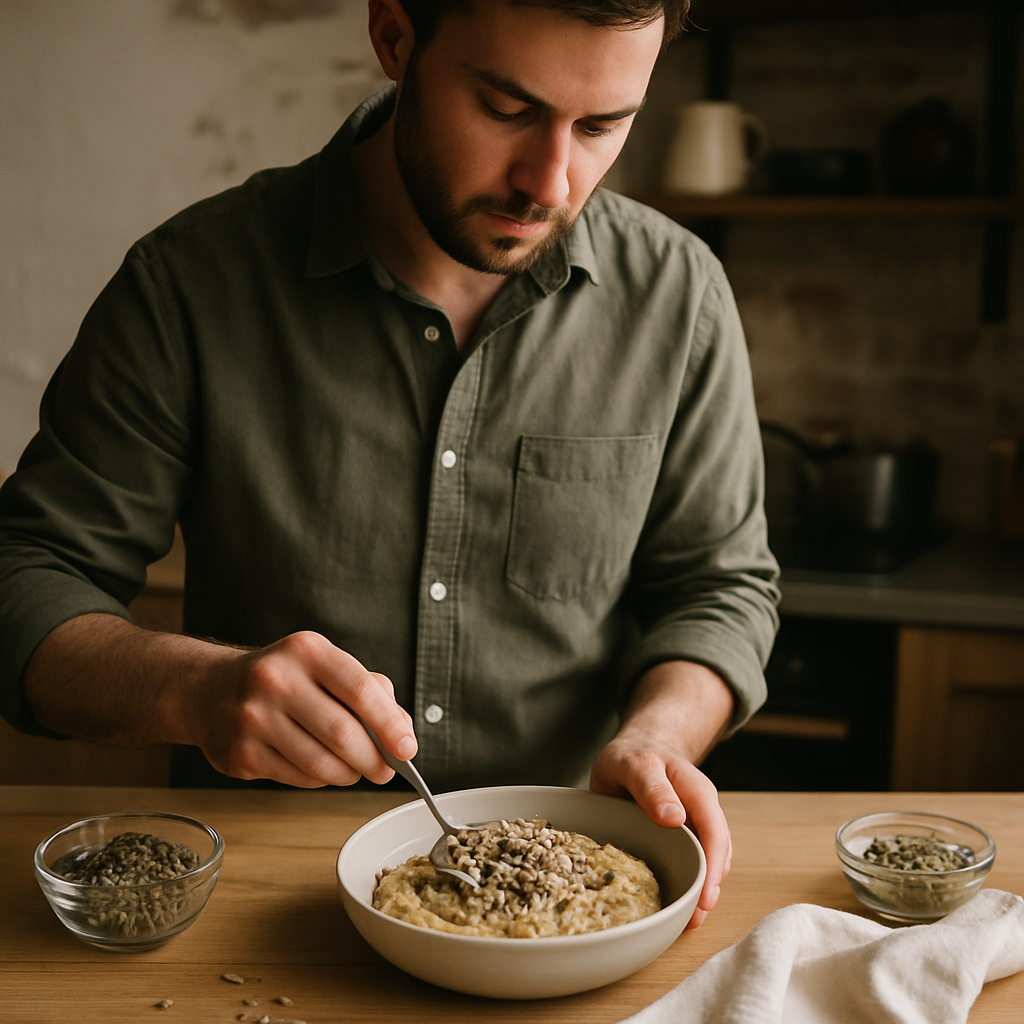
How to Consume Sunflower Seeds in Ayurveda
Ayurveda, the ancient Indian system of medicine, views sunflower seeds not just as food but as a therapeutic aid. They are considered balancing for the body’s doshas, especially beneficial for Vata and Kapha types due to their warming and nourishing properties. But can we eat sunflower seeds daily for health? Absolutely! Ayurveda suggests that incorporating sunflower seeds into your daily routine can promote energy, support digestion, and improve overall vitality—if eaten the right way.
Can We Eat Sunflower Seeds Daily for Health?
Yes, daily consumption of sunflower seeds can be healthful, but moderation is key. Sunflower seeds are rich in healthy fats, protein, and fiber, making them a great addition to your diet. However, too much can lead to digestive discomfort due to their high oil content. Ayurveda recommends eating a handful (around 20-30 grams) daily, which aligns well with modern nutrition advice. This quantity helps in reaping benefits like improved heart health, reduced inflammation, and better metabolism without taxing your digestion.
Best Time to Eat Sunflower Seeds for Digestion and Energy
According to Ayurveda, the best time to eat sunflower seeds is mid-morning or early afternoon. This timing supports digestion and provides a sustained energy boost during the day. Eating them on an empty stomach might be harsh for some, so pairing sunflower seeds with a small meal or as part of a snack is advisable. Also, avoid consuming them late at night, as their rich oils might disturb digestion and sleep quality.
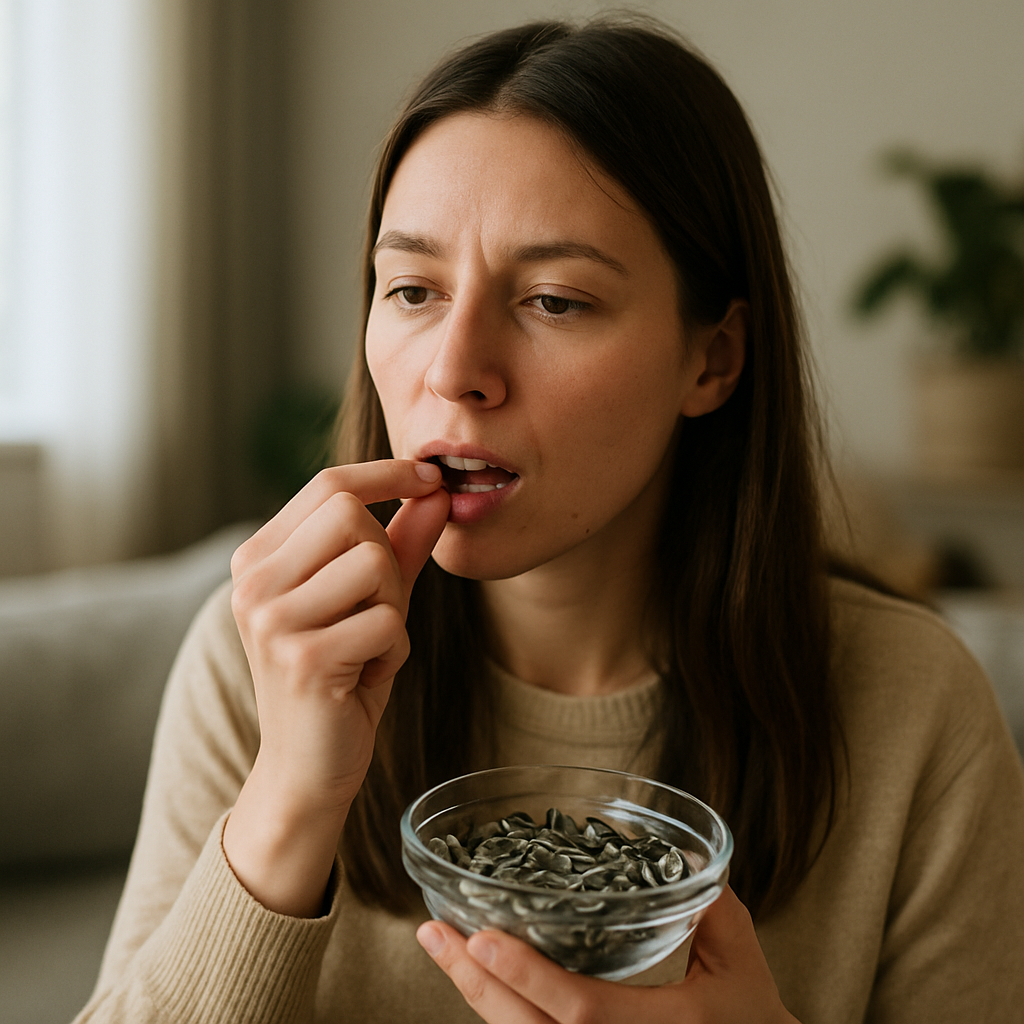
How to Eat Sunflower Seeds: Raw, Roasted, or Soaked?
When it comes to how to eat sunflower seeds, there are several options — raw, roasted, soaked, or even sprouted. Each method has its benefits and considerations.
Can We Eat Sunflower Seeds Raw or Unhulled?
Yes, can we eat sunflower seeds raw? The short answer is yes, but with a caveat. Raw sunflower seeds retain most of their natural enzymes and nutrients, making them a wholesome choice. However, unhulled (in-shell) seeds are harder to digest and less convenient. Also, raw seeds sometimes contain anti-nutrients like phytic acid, which may hinder mineral absorption if consumed in large amounts. Soaking raw seeds overnight can help reduce these compounds and improve digestibility.
Best Way to Eat Sunflower Seeds for Maximum Absorption
The best way to consume sunflower seeds to maximize nutrient absorption often involves roasting or soaking. Roasting not only enhances flavor but also reduces moisture and potential pathogens. Light roasting preserves most nutrients while improving digestibility. Alternatively, soaking seeds overnight activates enzymes and reduces anti-nutrients, making it easier for your body to absorb key minerals like magnesium and zinc.
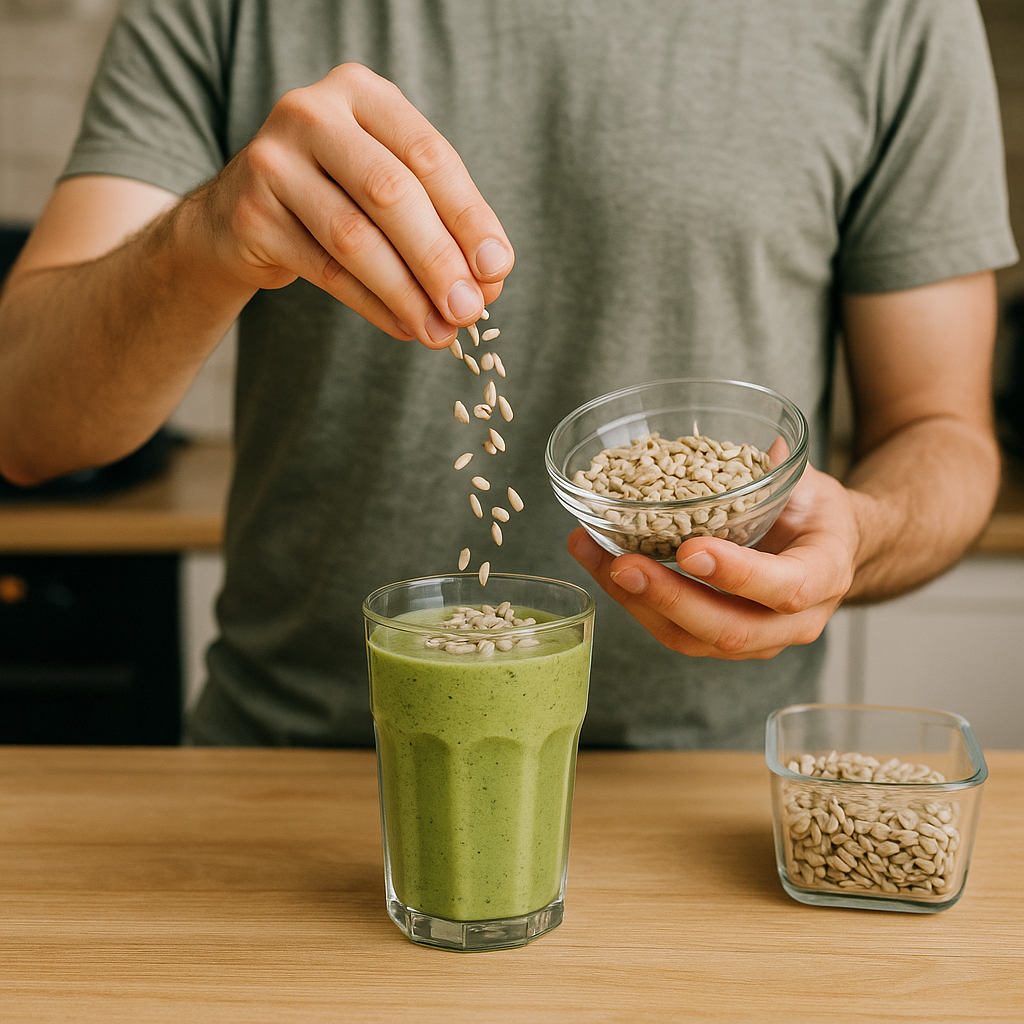
Some people prefer a mix of both: soak first, then lightly roast. This combo gives you the best of both worlds — flavor, digestibility, and nutrient density. Adding sunflower seeds to salads, yogurt, or smoothies is another tasty way to consume them without losing their health benefits.
How Much Sunflower Seeds to Eat Daily and Why It Matters
Determining how much sunflower seeds to eat daily isn’t just about portion control; it directly impacts how your body responds to their nutritional benefits. Overeating can lead to excess calorie intake and even digestive issues, while too little might mean missing out on their powerful nutrients.
Ideal Serving Size Based on Ayurveda
From an Ayurvedic standpoint, a moderate amount—about a small handful or roughly 20-30 grams per day—is recommended. This amount aligns with traditional wisdom that emphasizes balance and not overloading the digestive system. Ayurveda teaches that the body’s digestive fire, or agni, needs to be respected. Eating too many sunflower seeds at once might overwhelm this fire, leading to heaviness or bloating.
Eating this portion daily supports natural detoxification processes and nourishes the body without causing imbalance. Remember, moderation is the key—consuming sunflower seeds with mindfulness enhances their benefits significantly.
When to Consume Sunflower Seeds for Weight Management and Hormonal Support
Wondering when to consume sunflower seeds to help with weight loss? The best time would be as a mid-morning or afternoon snack. Their high fiber and protein content help you feel fuller longer, preventing overeating during main meals. Plus, their healthy fats provide steady energy without the sugar crash that comes with processed snacks.
For hormonal balance, sunflower seeds are a natural source of vitamin E and selenium, which are essential for regulating hormones and supporting thyroid health. Including sunflower seeds in your daily diet may help stabilize mood swings and reduce inflammation related to hormonal changes. So yes, learning how to consume sunflower seeds for weight loss and hormonal support can be pretty beneficial if done consistently and correctly.
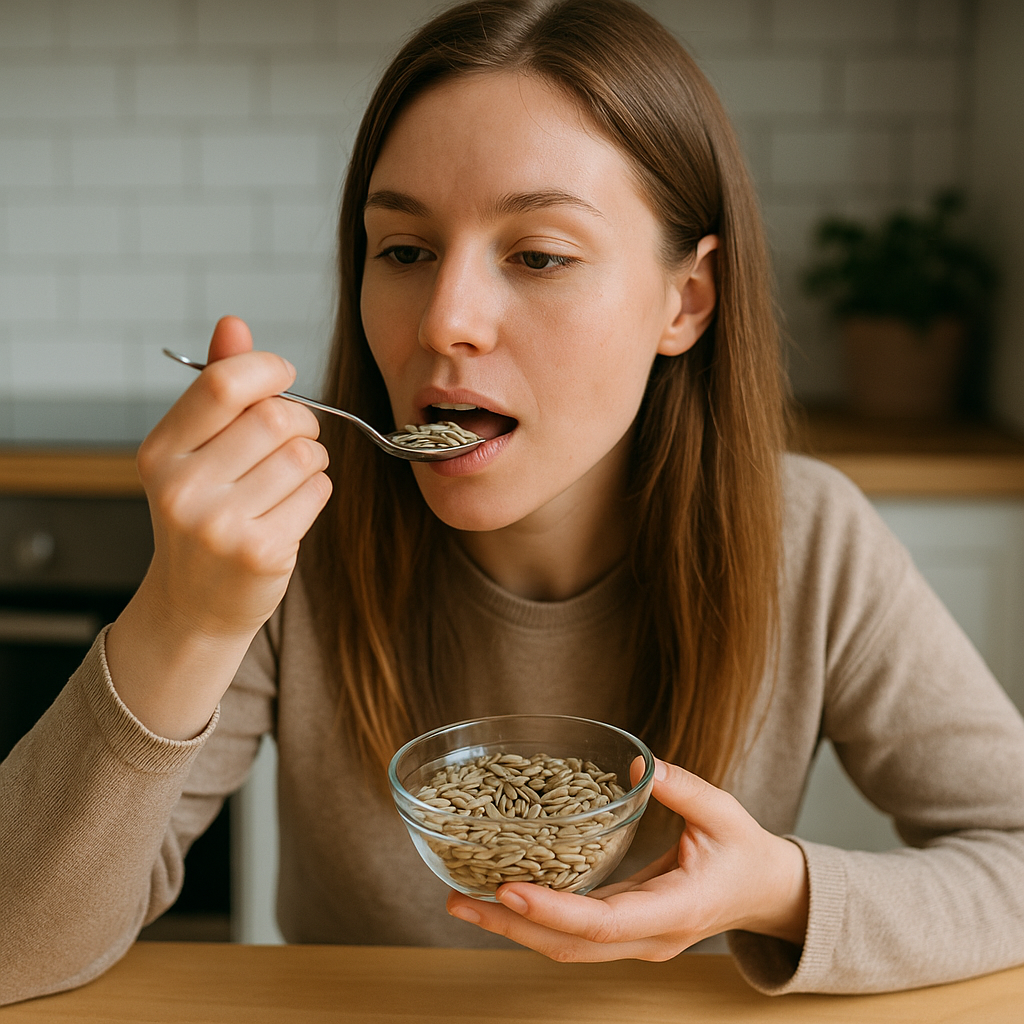
Sunflower Seeds Recipe and Integration in Daily Diet
If you’re wondering how to incorporate sunflower seeds into your meals easily, there are lots of simple and delicious ways! Whether you want to add them to your breakfast or enjoy them as snacks, sunflower seeds can be versatile.
Sunflower Seeds Recipe Ideas for Breakfast and Snacks
One of the easiest recipes is sprinkling roasted or soaked sunflower seeds over oatmeal or yogurt for a crunchy texture and nutty flavor. You can also blend them into smoothies to add creaminess and nutrition. Another favorite is sunflower seed butter, a great alternative to peanut butter, which you can spread on toast or add to sauces.
For snacks, try mixing sunflower seeds with dried fruits and nuts to make your own trail mix. You can also toss them into salads or roasted vegetable dishes for an added crunch. The options are almost endless!
How to Consume Sunflower Seeds for Hair Growth or Skin Nourishment
Sunflower seeds are rich in zinc, vitamin E, and healthy fats—all vital for healthy hair and glowing skin. Wondering how to consume sunflower seeds for hair growth? Incorporating a daily serving into your diet can nourish hair follicles and reduce scalp inflammation. Vitamin E acts as an antioxidant that protects skin from oxidative stress, keeping it youthful and radiant.
You might also consider making sunflower seed oil a part of your skincare routine or using it as a scalp massage oil. Consuming seeds regularly alongside a balanced diet enhances these beauty benefits from the inside out.
Conclusion
Sunflower seeds are a powerhouse of nutrition that can easily be incorporated into your daily diet for a variety of health benefits. Knowing how to consume sunflower seeds correctly—whether raw, roasted, or soaked—and understanding how much sunflower seeds to eat daily can make a big difference in how your body absorbs and utilizes their nutrients. Ayurveda offers timeless guidance, suggesting moderate intake and the best time to eat sunflower seeds is during mid-morning or early afternoon to optimize digestion and energy levels.
Whether you’re looking to lose weight, support hormonal health, or boost hair growth and skin nourishment, sunflower seeds offer a natural, tasty, and practical solution. They can be enjoyed as a simple snack, blended into recipes, or used as an ingredient in meals. The key is balance and consistency—not just munching on them mindlessly but making sunflower seeds a mindful part of your routine.
So go ahead, add a handful of sunflower seeds to your breakfast bowl or snack on them during the day. Your body—and your taste buds—will thank you! And remember, if you’re unsure about your specific needs, always consult with a healthcare provider or an Ayurvedic expert to tailor sunflower seed consumption to your personal health.
Don't wait or self medicate. Start chat with Doctor NOW
FAQs
Is it okay to eat raw sunflower seeds?
Yes, you can eat raw sunflower seeds. They are packed with nutrients, but soaking them first can improve digestion and reduce anti-nutrients like phytic acid. Eating them raw is perfectly fine in moderation.
How much sunflower seeds should I eat daily?
A small handful (about 20-30 grams) per day is ideal. This amount provides plenty of nutrients without overwhelming your digestive system or adding too many calories.
When is the best time to consume sunflower seeds?
The best time to eat sunflower seeds is mid-morning or early afternoon. This timing helps support digestion, provides sustained energy, and prevents late-night digestive issues.
Can sunflower seeds help with hair growth and skin health?
Yes! Sunflower seeds contain vitamin E, zinc, and healthy fats that nourish hair follicles and protect skin from oxidative stress, promoting healthier hair and glowing skin.
Questions from users
How do sunflower seeds compare to other seeds in terms of protein content?
Wesley
1 day ago
Sunflower seeds are pretty good for protein, but they're not the highest. They have more protein than chia seeds but less than pumpkin seeds. If you're looking to boost protein intake with seeds, mix and match different kinds to balance it out and get various nutrients too. Variety keeps things interesting and nutritious!
Is it safe to eat sunflower seeds if I have a nut allergy?
Wyatt
10 days ago
If you have a nut allergy, safety with sunflower seeds depends on your specific allergy. Sunflower seeds aren't nuts, but cross-contamination can happen in processing facilities. Best to check labels for any allergy warnings or consult your allergist to be on the safe side!
Can eating sunflower seeds help reduce inflammation related to hormonal changes?
Isaac
19 days ago
Yes, sunflower seeds can help with inflammation linked to hormonal changes! They're packed with nutrients like vitamin E and healthy fats, which are known to combat inflammation. But remember moderation—too much can upset the digestive system. Try a small handful daily, raw or roasted for better digestion. 🥜
What is the best time of day to eat sunflower seeds for optimal digestion?
Vesper
28 days ago
It’s best to eat sunflower seeds earlier in the day, like mid-morning or early afternoon. They have warming properties, so having them earlier aligns with the body's stronger digestive fire, or agni. Avoid late-night munching as they can disturb digestion and sleep. Super nourishing, but timing totally makes the magic happen!
Is it safe to eat raw sunflower seeds if I have diverticulitis?
Audrey
38 days ago
If you have diverticulitis, it's best to be cautious with raw sunflower seeds. They might irritate the digestive tract, especially during flare-ups. You might wanna stick to a low-fiber diet when symptoms are active. Always check with your healthcare provider to see what's best for you personally.
Can I use sunflower seeds in my smoothies for added nutrition?
Henry
48 days ago
Absolutely, you can! Adding sunflower seeds to your smoothies is a great way to boost nutrients like protein and healthy fats. Just keep in mind, shelled seeds are easier on digestion. Also, enjoy them in moderation to avoid any digestive burden. Definitely a tasty way to added texture and nutrition to your drink!
Can sunflower seeds help improve my digestion if I eat them regularly?
Elijah
57 days ago
Yeah, sunflower seeds can def help improve your digestion due to their fiber content. Fiber can bulk up the stool and keep things moving, you know? Just don't overdo it, too much might actually upset your stomach. Balance and a little bit with meals or snacks is optimal. Keep an eye on how your body feels and adjust as needed!
Is it safe to eat sunflower seeds every day for hair growth benefits?
Madison
67 days ago
Yes, it’s generally safe to eat sunflower seeds daily, but remember, moderation is key. Ayurveda emphasizes balance; a handful is enough to support hair health without overloading your system. Just be careful not to rely on them solely for nutrient intake or hair benefits. It's all about balancing them with other healthy foods!
Is sunflower seed butter a healthy alternative to peanut butter?
Sofia
77 days ago
Yeah, sunflower seed butter can be a healthy alternative to peanut butter! It's got lots of vitamins, minerals and antioxidants. Good for those with peanut allergies too. Just keep an eye on sugar and salt content in some brands. And if you have specific health needs, chatting with an Ayurvedic expert can be helpful.
What are the potential downsides of eating sunflower seeds daily that I should be aware of?
Ava
153 days ago
Eating sunflower seeds daily is mostly fine, but there are things to watch for. They can be heavy on calories, so too many might add up quickly. Phytic acid in raw seeds might interfere with mineral absorption, but soaking helps! Also, too much can imbalance vata, causing dryness, so stay mindful of your body's signals. 🌻
Related articles

Nutrition
How to Eat Chia Seeds with Water: Benefits, Timing, and Ayurvedic Methods
How to eat chia seeds with water? Discover when to drink chia water, how to use it for weight loss, benefits of soaking overnight, and Ayurvedic tips
14,626

Nutrition
How to Increase Metabolism: Ayurvedic Methods, Food, and Lifestyle Boosters
How to increase metabolism naturally? Discover Ayurvedic metabolism boosters, foods that burn fat, effective lifestyle tips, and herbal supplements
2,192

Nutrition
Patanjali Power Vita Granules
Exploration of Patanjali Power Vita Granules
2,240

Nutrition
Understanding Corn's Impact on Digestion and Health Benefits
Exploration of Understanding Corn's Impact on Digestion and Health Benefits
6,176

Nutrition
Spices: Beyond Just Flavor
Spices play a vital role in Ayurveda, functioning beyond seasonings to balance energies and promote overall wellness.
2,325

Nutrition
Exploring the Anti-Inflammatory Diet
The Anti-Inflammatory Diet is linked to Ayurveda, offering a holistic approach to naturally reduce inflammation.
2,773

Nutrition
Which Juice Is Good for Dehydration: Ayurvedic Guide to Hydrating Juices
Exploration of Ayurvedic Insights on the Best Juices for Dehydration
4,448
Nutrition
Mishreya in Ayurveda: Understanding Its Benefits and Uses
Learn about Mishreya, an Ayurvedic concept and remedy that combines various herbs, promoting balance and wellness. Discover its uses for digestive health, vitality, and more.
3,394

Nutrition
M2 Tone Syrup
Exploration of M2 Tone Syrup
4,698

Nutrition
What Is Kali Mirch? Ayurvedic Guide, Benefits and Uses
Exploration of The Benefits and Uses of Kali Mirch (Black Pepper) in Cooking and Health
4,712
Related questions on the topic
Legal
Additional Documents
© 2024 Ask Ayurveda. All rights reserved.