Ask Ayurvedic doctor a question and get a consultation online on the problem of your concern in a free or paid mode. More than 2,000 experienced doctors work and wait for your questions on our site and help users to solve their health problems every day.
FREE! Ask Ayurvedic Doctors 24/7

 Fast responses
 1000+ verified doctors
Body DetoxEar, Nose, and Throat DisordersGeriatrics & RejuvenationImmunodeficiencyInfertility TreatmentNutritionOrthopedic DisordersPediatricsRespiratory DisordersSexually Transmitted Diseases (STDs)Surgery RecoveryUrological DisordersVascular DisordersDental DisordersEndocrinological DisordersGastrointestinal DisordersYoga TherapyGeneral MedicineAllergic DisordersCardio DisordersGynecology and ObstetricsCosmetologySkin and Hair DisordersEye DisordersInfectious DiseasesMental DisordersNeurological DisordersOncologyPanchakarmaSexual Health & DisordersSports Medicine
Published on 03/04/25
(Updated on 07/07/26)
3,560
Mishreya in Ayurveda: Understanding Its Benefits and Uses
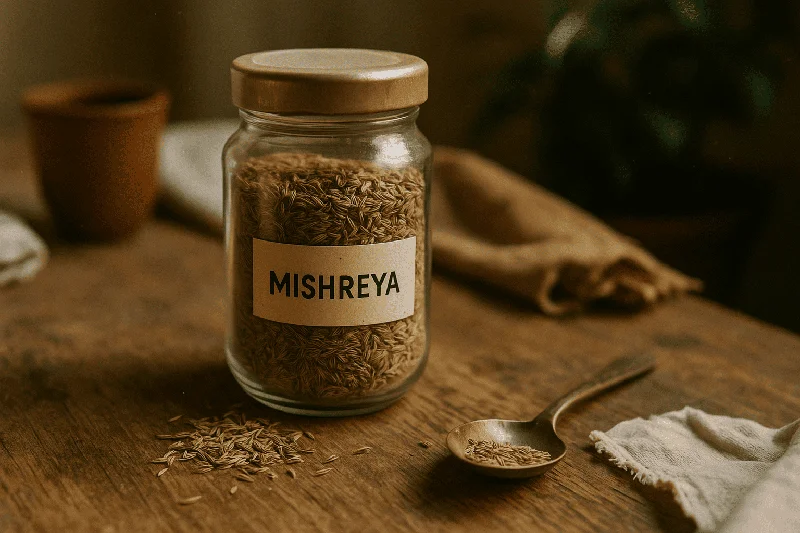
Mishreya is the Sanskrit name for fennel (Foeniculum vulgare Mill.), one of the most widely used herbs in Ayurvedic medicine. Known as Saunf in Hindi and simply as "fennel" in English, Mishreya belongs to the family Apiaceae (Umbelliferae) and has been a cornerstone of traditional Indian healing for thousands of years. It pacifies Vata and Pitta doshas, strengthens digestive fire (Agni), and offers a remarkable range of therapeutic actions — from relieving colic in newborns to supporting hormonal balance in adults.
If you've been searching for what Mishreya really means, what science says about it, or how to use it at home safely, this guide covers everything. We go beyond what other sources offer by including clinical research references, detailed dosage charts, contraindications, and practical recipes that you can actually follow.
What Is the Meaning of Mishreya?
The word Mishreya (मिश्रेया) comes from Sanskrit and literally translates to "that which is mixed" or "that which harmonizes." In classical Ayurvedic texts, the name reflects fennel's unique ability to blend with and enhance other herbs in compound formulations.
Mishreya in Classical Ayurvedic Texts
Mishreya is referenced extensively in foundational Ayurvedic scriptures. In Charaka Samhita, it is classified under Madhuraskandha — the group of herbs with predominantly sweet taste and sweet post-digestive effect. Sushruta Samhita lists it among cooling herbs suitable for Pitta disorders.
Perhaps the most detailed classical description appears in Bhavprakash Nighantu (verses 89–92), where the herb is praised in a shloka that describes it as sweet, cooling, digestive, and beneficial for the eyes:
> "Mishreya madhura sheeta deepani chakshushya hridya cha"
> (Mishreya is sweet, cooling, appetizing, beneficial for eyes, and pleasing to the heart.)
What Do We Call Mishreya in English and Other Languages?
Mishreya is known by many names across India and the world.
Here's a quick reference:
| Language | Name |
|---|---|
| Sanskrit | Mishreya, Madhurika, Shatapushpa, Mishi |
| Hindi | Saunf (सौंफ) |
| English | Fennel, Sweet Fennel |
| Tamil | Peruncheeragam (பெருஞ்சீரகம்) |
| Telugu | Sopu (సోపు) |
| Kannada | Badesopu (ಬಡೇಸೊಪು) |
| Malayalam | Perumjeerakam (പെരുംജീരകം) |
| Bengali | Mauri (মৌরি) |
| Marathi | Badishep (बडीशेप) |
| Gujarati | Variyali (વરિયાળી) |
| Arabic | Shamr |
| Persian | Razianeh |
| Latin (Botanical) | Foeniculum vulgare Mill. |
The Sanskrit synonym Shatapushpa (meaning "hundred flowers") beautifully describes the plant's characteristic umbel inflorescence.
Botanical Description and Taxonomy of Mishreya
Understanding the plant itself matters — especially if you plan to grow it or want to identify genuine fennel at market.
Full Botanical Classification
| Rank | Classification |
|---|---|
| Kingdom | Plantae |
| Division | Magnoliophyta |
| Class | Magnoliopsida |
| Order | Apiales |
| Family | Apiaceae (Umbelliferae) |
| Genus | Foeniculum |
| Species | F. vulgare |
Morphology: How to Identify the Plant
Foeniculum vulgare is an erect, aromatic, perennial herb that can grow up to 2–2.5 meters tall.
Here's what to look for:
- Stem: Hollow, smooth, glaucous (slightly waxy blue-green), with fine longitudinal striations
- Leaves: Highly dissected into threadlike, filiform segments; arranged alternately. The feathery appearance is unmistakable.
- Flowers: Small, yellow, arranged in large compound umbels (typically 10–25 rays per umbel). Flowering occurs between July and September in most Indian regions.
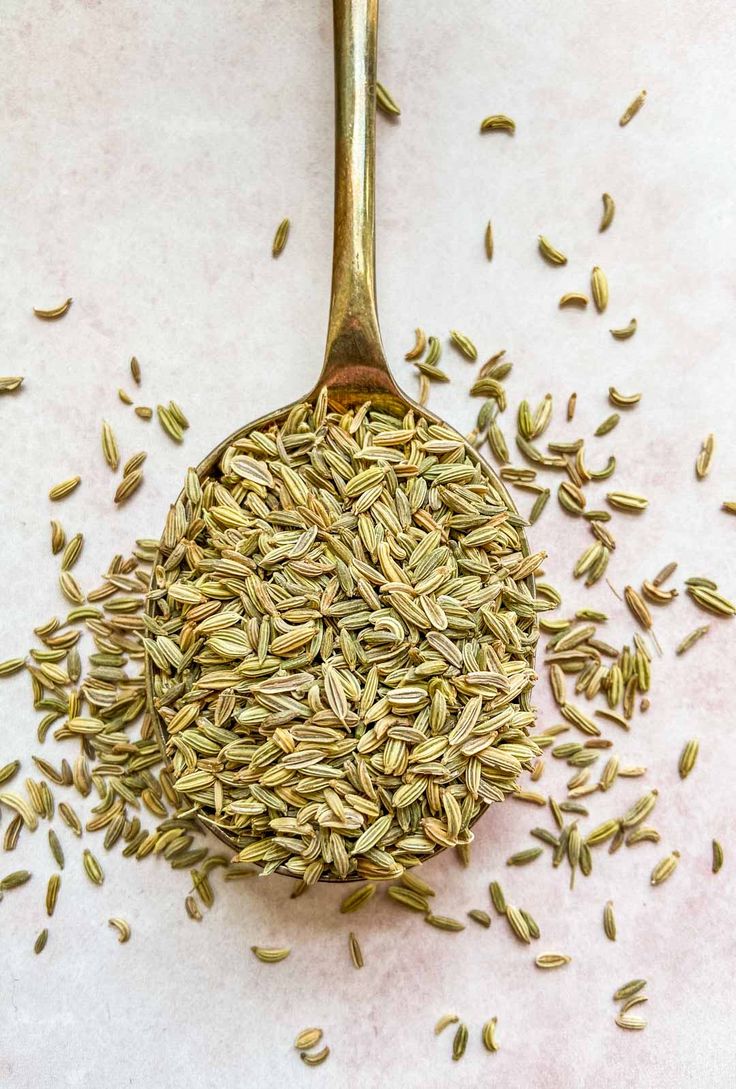
- Fruits (commonly called "seeds"): Oblong, ribbed, greenish-brown when dried, 4–8 mm long. These are the primary part used medicinally.
- Root: Taproot, somewhat fleshy, with aromatic properties
Parts of the Plant Used in Ayurveda
While the fruits (seeds) are by far the most commonly used part, Ayurvedic practice also utilizes:
- Seeds/Fruits: For churnas (powders), decoctions, and essential oil extraction
- Fresh leaves: In culinary preparations and mild digestive remedies
- Root: Occasionally in traditional formulations for urinary disorders
- Essential oil of seeds: Externally for massage and internally (in micro-doses) for specific conditions
Ayurvedic Properties (Rasa, Guna, Virya, Vipaka) and Doshic Action
This is where Mishreya truly shines. Its unique combination of Ayurvedic pharmacological properties makes it one of the few herbs that is both cooling and digestive — a rare and valuable trait.
Core Pharmacological Properties
| Property | Value |
|---|---|
| Rasa (Taste) | Madhura (Sweet), Katu (Pungent) |
| Guna (Quality) | Laghu (Light), Snigdha (Unctuous) |
| Virya (Potency) | Sheeta (Cooling) |
| Vipaka (Post-digestive effect) | Madhura (Sweet) |
| Dosha Effect | Pacifies Vata and Pitta; neutral to mildly increasing Kapha in excess |
Why This Matters Practically
Most digestive herbs in Ayurveda are heating (Ushna Virya) — think ginger, black pepper, or ajwain. Mishreya is a critical exception. Because it is Sheeta Virya (cooling), it can be safely used by Pitta-predominant individuals who suffer from acid reflux, burning sensations, or inflammatory digestive conditions. This is exactly why Ayurvedic practitioners often reach for it when patients can't tolerate hotter spices.
The Laghu (light) and Snigdha (unctuous) qualities mean it promotes digestion without drying out the tissues — making it sutable for Vata types as well.
Mishreya Benefits: Digestive, Hormonal, and Beyond
Digestive and Carminative Benefits
This is Mishreya's most celebrated role. The herb acts as a Deepana (appetizer) and Pachana (digestive), meaning it both stimulates appetite and helps break down food already consumed.
Specific digestive benefits include:
- Flatulence and bloating relief: Fennel relaxes smooth muscle in the intestinal wall, allowing trapped gas to pass. A 2003 study published in Alternative Therapies in Health and Medicine (Alexandrovich et al.) demonstrated that fennel seed oil emulsion eliminated colic symptoms in 65% of infants compared to 23.7% in the placebo group.
- IBS symptom reduction: A 2016 randomized clinical trial published in the Journal of Gastrointestinal and Liver Diseases (Portincasa et al.) found that a fennel-containing formulation significantly reduced abdominal pain and bloating in IBS patients over a 30-day period.
- Appetite stimulation: Fennel enhances secretion of gastric juices and bile, improving overall digestive efficiency.
- Nausea relief: The cooling nature makes it particularly effective for Pitta-type nausea with burning sensations.
Hepatoprotective and Antioxidant Properties
Mishreya demonstrates significant liver-protective activity. A 2011 study in Food and Chemical Toxicology (Özbek et al.) showed that fennel essential oil exhibited hepatoprotective effects against carbon tetrachloride-induced liver damage in rats, reducing elevated liver enzyme levels (ALT and AST) substantially.
The antioxidant action comes primarily from its phenolic compounds, flavonoids, and the essential oil constituent anethole, which scavenges free radicals and reduces oxidative stress markers.
Anti-inflammatory and Antimicrobial Actions
Fennel extract has shown inhibitory activity against both Gram-positive and Gram-negative bacteria in multiple in vitro studies. A 2012 study in BioMed Research International (Diao et al.) documented significant antibacterial effects of fennel essential oil against Staphylococcus aureus, E. coli, and Salmonella typhimurium.
Estrogenic Activity and Hormonal Benefits
This is one of the most pharmacologically interesting aspects of Mishreya. The compound anethole and its derivatives (diantheole and photoanethole) exhibit estrogenic activity.
Clinical and traditional applications include:
- Promoting lactation (Galactagogue): Widely used in postpartum care across India
- Easing menstrual discomfort: A 2012 RCT published in Ayu found that fennel extract capsules (30 mg, 4 times daily) significantly reduced dysmenorrhea severity compared to placebo
- Menopausal symptom relief: Preliminary evidence suggests benefit for hot flashes and vaginal dryness, though more research is needed
- Traditional use in supporting male vitality during andropause (referenced in classical texts)
Antidiabetic Properties
A 2008 study published in the Journal of Food Science (Koppula and Kumar) demonstrated that fennel seed extract stimulated alpha-cells of the pancreas and enhanced insulin secretion in animal models, resulting in a significant reduction of blood glucose levels. The essential oil also showed potential to improve glucose tolerance.
Myorelaxant and Spasmolytic Effects
Fennel exhibits a positive inotropic effect and inhibits acetylcholine-induced contractions of smooth muscle — including bladder muscle. This property has implications for conditions like overactive bladder and intestinal spasms. The spasmolytic activity is largely attributed to anethole and fenchone acting on calcium channels.
Anticoagulant Properties
An important but often overlooked property: coumarins present in fennel (and more prominently in the related species Ferula communis, or giant fennel) can inhibit vitamin K-dependent clotting factors. This is clinically relevant as a potential drug interaction (see Safety section below).
Chemical Composition and Nutritional Profile of Mishreya
Key Phytochemical Constituents
The essential oil of fennel seeds (yield: 1.5–3.5%) contains:
- Trans-anethole: 50–80% (primary active compound, responsible for the characteristic sweet aroma)
- Fenchone: 12–25%
- Estragole (methyl chavicol): 2–5%
- Limonene: 1–5%
- Alpha-pinene: trace to 2%
- Beta-carotene, camphene, myrcene: minor constituents
Nutritional Profile per 100 g of Fennel Seeds (USDA Data)
| Nutrient | Amount |
|---|---|
| Energy | 345 kcal |
| Protein | 15.8 g |
| Total Fat | 14.9 g |
| Carbohydrates | 52.3 g |
| Dietary Fiber | 39.8 g |
| Calcium | 1,196 mg |
| Iron | 18.5 mg |
| Magnesium | 385 mg |
| Phosphorus | 487 mg |
| Potassium | 1,694 mg |
| Vitamin C | 21 mg |
| Vitamin A | 135 IU |
The exceptionally high calcium content (1,196 mg per 100 g) and iron content (18.5 mg) make fennel seeds a noteworthy mineral source, especially for vegetarian and vegan populations in India.
Don't wait or self medicate. Start chat with Doctor NOW
How to Use Mishreya: Dosage, Home Remedies, and Recipes
Recommended Dosage by Form
| Form | Dosage | Frequency |
|---|---|---|
| Seed Powder (Churna) | 1–3 g (½ to 1 teaspoon) | 2–3 times daily, after meals |
| Decoction (Kashaya) | 50–100 ml prepared from 3–5 g seeds | 1–2 times daily |
| Essential Oil (internal) | 0.1–0.5 ml (in honey or warm water) | Under practitioner guidance only |
| Essential Oil (external/massage) | 3–5 drops diluted in 10 ml carrier oil | As needed |
| Cold Infusion (Hima) | 50–100 ml | 1–2 times daily |
General safe range for adults: 500 mg to 2 g of seed powder, taken 2–3 times daily. Always start with the lower dose and increase gradually.
Dosage for Children and Infants
- Infants (0–12 months): Fennel water (gripe water) — steep ½ teaspoon of crushed seeds in 150 ml boiled water for 15 minutes, strain, cool. Give 1–2 teaspoons as needed for colic (not exceeding 3–4 teaspoons per day).
- Children (1–5 years): ¼ teaspoon seed powder mixed with honey, once or twice daily
- Children (6–12 years): ½ teaspoon seed powder, twice daily after meals
> Important: Always consult a qualified Ayurvedic practitioner or pediatrician before giving any herbal preparation to infants.
Easy Home Recipes
Fennel Tea (Mishreya Kashaya)
- Lightly crush 1 tablespoon of fennel seeds using a mortar and pestle
- Add to 2 cups (400 ml) of water
- Bring to a boil, then simmer on low for 5–7 minutes
- Strain and add a teaspoon of raw honey (once cooled below 40°C) or a pinch of rock sugar
- Drink warm after meals
Fennel Water for Newborn Colic (Gripe Water)
- Soak ½ teaspoon of lightly crushed fennel seeds in 150 ml of freshly boiled water
- Cover and steep for 15–20 minutes
- Strain through a fine muslin cloth twice
- Let it cool to room temperature
- Offer 1–2 teaspoons via a sterile dropper or spoon
Fennel Digestive Churna (Multi-herb Blend)
Combine in equal parts:
- Mishreya (fennel seed powder)
- Ajwain (carom seed powder)
- Dhaniya (coriander seed powder)
- Sunthi (dry ginger powder)
Take ½ teaspoon after meals with warm water. This blend targets all three doshas and is excelent for general digestive support.
External Application of Fennel Oil
For painful, inflamed joints or muscular soreness, dilute 4–5 drops of fennel essential oil in 10 ml of sesame oil (Tila Taila). Gently massage into the affected area. The anti-inflammatory and analgesic properties of anethole, combined with sesame oil's warming quality, provide effective relief. Do a patch test on the inner wrist before full application.
Mishreya in Classical Ayurvedic Formulations
Fennel is not just a standalone remedy. It serves as a critical ingredient in many classical compound formulations:
| Formulation | Primary Indication | Role of Mishreya |
|---|---|---|
| Hingvashtak Churna | Bloating, flatulence, poor appetite | Carminative, flavor balancer |
| Lavanbhaskar Churna | Indigestion, constipation | Digestive stimulant |
| Shatavaryadi Churna | Female reproductive health, lactation | Synergist with Shatavari |
| Vatsakadi Churna | Diarrhea, dysentery | Spasmolytic support |
| Digestion Support (commercial) | General digestive wellness | Key ingredient |
| Detox Tea formulations | Ama (toxin) reduction | Flavoring + mild laxative |
Mishreyarka (Fennel Distillate) — Syrup Uses
Mishreyarka is the Ayurvedic distillate (arka) prepared from fennel seeds through a traditional distillation process.
It is widely used as:
- A pediatric digestive tonic (for colic, hiccups, and mild indigestion)
- An after-meal digestive aid for adults
- A cooling internal remedy during Pitta-aggravated conditions
Typical dosage of Mishreyarka syrup: 15–30 ml for adults, 5–10 ml for children above 5 years, mixed with equal water.
Mishreya vs Similar Herbs: How to Tell Them Apart
One common source of confusion: fennel is frequently mistaken for dill, anise, caraway, and ajwain.
Here's how they actually compare:
| Parameter | Mishreya (Fennel) | Shatapushpa (Dill, Anethum sowa) | Saunf Moti (Anise, Pimpinella anisum) | Ajwain (Carom, Trachyspermum ammi) |
|---|---|---|---|---|
| Family | Apiaceae | Apiaceae | Apiaceae | Apiaceae |
| Virya | Sheeta (Cool) | Ushna (Hot) | Ushna (Hot) | Ushna (Hot) |
| Primary Dosha Action | Vata ↓ Pitta ↓ | Vata ↓ Kapha ↓ | Vata ↓ Kapha ↓ | Vata ↓ Kapha ↓ |
| Main Chemical | Anethole | Carvone | Anethole | Thymol |
| Taste | Sweet, mildly pungent | Pungent, slightly bitter | Sweet, aromatic | Pungent, bitter |
| Safe for Pitta types? | Yes | Use with caution | Use with caution | No (too heating) |
Key distinction: Only Mishreya among these common spices is cooling. This is why Ayurvedic texts specifically recommend it for Pitta disorders where other carminatives might aggravate symptoms.
Safety, Side Effects, Contraindications, and Drug Interactions
No other resource on Mishreya covers this adequately. And honestly, it's information you need.
Potential Side Effects
- Allergic reactions: Rare, but people allergic to carrots, celery, or other Apiaceae family members may cross-react with fennel. Symptoms include skin rash, itching, or respiratory difficulty.
- Photosensitization: Topical application of fennel essential oil can increase sun sensitivity. Avoid direct sunlight on treated skin areas for at least 12 hours.
- Estrogenic effects at high doses: Excessive consumption may cause gynecomastia (breast enlargement) in males or premature thelarche in female children — documented in case reports.
Contraindications
- Pregnancy: Avoid therapeutic (high) doses. The estrogenic and uterine-stimulant activity poses theoretical risk. Culinary amounts (as a spice in food) are generally considered safe.
- Estrogen-sensitive conditions: Including breast cancer, endometriosis, uterine fibroids — due to phytoestrogenic activity
- Bleeding disorders: Due to coumarin content and potential anticoagulant effect
Drug Interactions
| Drug Class | Interaction | Severity |
|---|---|---|
| Anticoagulants (Warfarin, Heparin) | May enhance bleeding risk due to coumarins | Moderate to High |
| Estrogen-based medications (HRT, OCPs) | May amplify estrogenic effects | Moderate |
| Ciprofloxacin and similar antibiotics | Fennel may reduce absorption (documented in one animal study) | Low to Moderate |
| Antidiabetic drugs | May potentiate hypoglycemic effect | Low to Moderate |
Bottom line: If you're on any prescription medication, consult your physician or Ayurvedic practitioner before taking fennel in therapeutic doses.
Mishreya for Skin, Hair, and Cosmetic Use
This is an area that's been largely overlooked, yet fennel's antioxidant and anti-inflammatory properties make it genuinely useful for external beauty applications.
For Skin
- Anti-aging: Anethole and vitamin C content support collagen synthesis and neutralize free radicals. A fennel seed face wash (boil 1 tbsp seeds in 200 ml water, cool, and use as a rinse) can improve skin tone over time.
- Acne management: The antimicrobial property of fennel essential oil targets acne-causing bacteria. Dilute 2 drops in aloe vera gel and apply as a spot treatment.
- Under-eye puffiness: Cool fennel tea bags placed over closed eyes for 10 minutes can reduce puffiness due to the anti-inflammatory action.
For Hair
Fennel tea used as a final hair rinse after shampooing may help with dandruff and scalp inflammation. The antifungal properties of the essential oil target Malassezia species associated with seborrheic dermatitis.
Harvesting, Storage, and Quality Standards
Optimal Harvest Time
Fennel fruits are best harvested when they turn from green to yellowish-brown on the umbel — typically 120–150 days after sowing. In India, this generally falls between February and April for the Rabi (winter) crop.
Drying and Storage
- Dry harvested umbels in shade (not direct sunlight) for 5–7 days, turning them daily
- Thresh gently to separate seeds from stalks
- Store in airtight glass or food-grade containers away from moisture and light
- Properly stored fennel seeds retain potency for up to 2 years; ground powder should be used within 6 months
Pharmacopoeial Standards
Fennel is officially listed in both the Indian Herbal Pharmacopoeia and the British Pharmacopoeia, with documented standards for:
- Minimum volatile oil content: 1.4% v/w
- Trans-anethole content: not less than 60% of volatile oil
- Moisture content: not more than 10%
- Total ash: not more than 10%
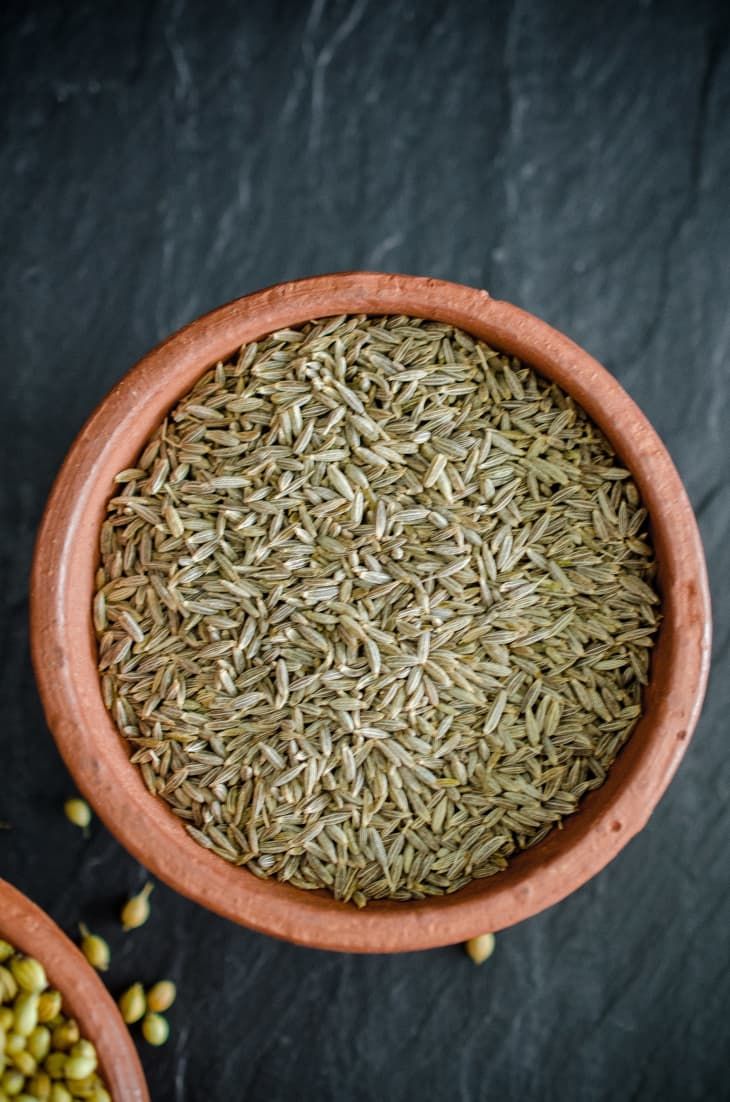
These standards help ensure you're getting genuine, therapeutically effective material. When purchasing, look for seeds that are aromatic, plump, and greenish-brown — dull, odorless seeds have likely lost their essential oil content.
Frequently Asked Questions (FAQ)
What is the meaning of Mishreya?
Mishreya is a Sanskrit word meaning "that which harmonizes" or "that which is mixed." In Ayurvedic medicine, it specifically refers to fennel (Foeniculum vulgare), a cooling, sweet herb used extensively for digestive health, hormonal balance, and general wellness.
What are the benefits of Saunf and Mishri together?
The combination of Saunf (fennel seeds) and Mishri (rock sugar/crystallized sugar) is a classic Indian after-meal digestive. Fennel provides carminative, spasmolytic action while Mishri adds a cooling, Pitta-pacifying sweet taste. Together, they freshen breath, reduce post-meal bloating, and promote gentle digestion without overheating the system.
What is fennel called in India?
Fennel has different names across Indian languages: Saunf (Hindi/Urdu), Peruncheeragam (Tamil), Sopu (Telugu), Badesopu (Kannada), Mauri (Bengali), Badishep (Marathi), and Variyali (Gujarati). In Ayurvedic Sanskrit texts, it's primarily called Mishreya or Madhurika.
What is the botanical name of Mishreya?
The botanical name is Foeniculum vulgare Mill., belonging to the family Apiaceae (also known as Umbelliferae).
What is Yavani and how is it different from Mishreya?
Yavani refers to Ajwain or carom seeds (Trachyspermum ammi). While both are Apiaceae family members and share some digestive benefits, Yavani is hot in potency (Ushna Virya) and primarily reduces Vata and Kapha, whereas Mishreya is cool (Sheeta Virya) and pacifies Vata and Pitta. They are complementary but not interchangeable.
Can Mishreya be given to babies?
Yes, in the form of fennel water (a traditional gripe water). Steep ½ teaspoon of lightly crushed fennel seeds in 150 ml of boiled water for 15–20 minutes, strain thoroughly, cool, and offer 1–2 teaspoons for colic relief. However, always consult a pediatrician before giving herbal preparations to infants under 6 months.
Is Mishreya safe during pregnancy?
In culinary amounts (as a spice in cooking), fennel is generally considered safe during pregnancy. However, therapeutic doses (supplements, concentrated extracts, or essential oil) should be avoided due to fennel's estrogenic and mild uterine-stimulant properties. Always consult your healthcare provider.
Conclusion: Why Mishreya Deserves a Place in Your Daily Routine
Mishreya is one of those rare Ayurvedic herbs that is simultaneously gentle and powerful. Its cooling potency makes it accessible to almost every constitution, its sweet taste makes it pleasant to consume, and its remarkable range of actions — digestive, hormonal, antimicrobial, hepatoprotective — makes it genuinely versatile.
Whether you chew a few seeds after lunch, sip fennel tea in the evening, or use it as part of a classical Ayurvedic formulation like Hingvashtak Churna, you're drawing on thousands of years of validated traditional wisdom now increasingly supported by modern pharmacological research.
- Start simple. Try a cup of Mishreya Kashaya tonight after dinner.
- Your digestion — and your doshas — will thank you.
If you found this guide helpful, consult a qualified Ayurvedic practitioner to personalize Mishreya usage for your specific Prakriti (constitution) and health goals.
Scientific Sources
- Ayurvedic management of systemic sclerosis - A case report — Parmar JR et al., 2024, Journal of Ayurveda and integrative medicine
- Management of juvenile spondyloarthropathy through Ayurveda:- a case report — Verma J et al., 2021, Journal of Ayurveda and integrative medicine
Questions from users
How does fennel oil improve glucose tolerance?
Mateo
5 days ago
Fennel oil may improve glucose tolerance by influencing various metabolic processes. While the exact mechanisms are not fully understood, it's believed to enhance insulin sensitivity or help regulate glucose metabolism, possibly through anti-inflammatory or antioxidant effects. These changes can potentially happen over weeks to months with consistent use. It is crucial to consult a healthcare provider before using fennel oil, especially for individuals with diabetes or those on medication, as there might be interactions or adverse effects.
Can Mishreya formulations help with hormonal balance in adults?
Warren
15 days ago
Yes, Mishreya, which is fennel, can support hormonal balance in adults. It's known for its estrogenic activity, which may help with hormonal issues. Though keep in mind, everyone's different, so response can vary. If you're considering it, maybe start with small amounts and see how your body responds. Always check with an Ayurvedic practitioner if needed!
Is it safe to use Mishreya formulations during pregnancy?
Reese
30 days ago
Using Mishreya formulations during pregnancy can be safe, but it's important to consult a qualified Ayurvedic practitioner or healthcare professional first. Pregnancy is a sensitive time, and each person has different needs and doshas. They can help you understand if it's suitable for your unique situation. Always better to be cautious!
Can I use Giloy and Guduchi together to enhance my immune system?
William
38 days ago
Absolutely, you can definitely use Giloy and Guduchi together. They're actually the same plant! It's great for boosting immunity by balancing your doshas and improving digestion. Just remember, always a good idea to chat with an Ayurvedic practitioner to see how it aligns with your unique body constitution. Stay healthy!
Can I use Mishreya formulations for seasonal allergies and respiratory health?
Sofia
48 days ago
Yes, you can use Mishreya formulations for seasonal allergies and respiratory health. Look for those containing herbs like tulsi or guduchi, which are known for their immune-boosting and respiratory-supporting properties. Always pay attention to your unique dosha balance, and if you have specific concerns, consulting an ayurvedic practitioner might be a good idea.
What is the role of Ajwain in Mishreya formulations for digestive health?
Isabella
58 days ago
Ajwain, or carom seeds, play a key role in Mishreya formulations by boosting Agni or digestive fire. They help balance doshas, aids in digestion, and relieve stomach discomfort. They work well with other ingredients like Triphala and Ginger to maximize the formulation’s digestive benefits. Ajwain is great for bloating too, tho.
Can I use Tulsi and Giloy together to improve my immune system?
Grayson
67 days ago
Yes, you can definitely use Tulsi and Giloy together! They are a great combo to boost immunity. Both herbs support your immune system, detox the body, and reduce inflammation. Just make sure to consult an Ayurvedic practitioner to see if they are right for your dosha and overall health condition. Some people need specific mixes based on their unique body constitution.
Can Mishreya formulations help with chronic inflammation and pain management?
Ava
77 days ago
Mishreya formulations can sometimes help with inflammation and pain, but it's really important to look at your overall doshic balance first. The right mix can soothe Pitta, which often drives inflammation. Please consult an Ayurvedic practitioner to find a formulation that'll work best for you. Individual needs vary a lot. 😊
Is it safe to combine Tulsi and Amla in a daily supplement routine?
Mason
86 days ago
Yes, Tulsi and Amla can be safely combined. They're both known for their health benefits - Tulsi supports the immune system, and Amla is rich in vitamin C . It can help balance your Tridosha - but always a good idea to check with an Ayurvedic practitioner to make sure it's right for you personally.
What is the best time of day to take ashwagandha and shatavari for maximum benefits?
Tenley
96 days ago
Taking ashwagandha and shatavari depends on what you're using them for, really. If you're looking for a calming effect or to help with sleep, evening might be best. But for boosting vitality and energy, taking it in the morning could work better. Watch how your body reacts — everyone's different! 😊
Related articles

Nutrition
How to Eat Munakka: Ayurvedic Benefits, Daily Intake and Recipes
Exploration of Discover the Ayurvedic Benefits and Ways to Eat Munakka
7,953

Nutrition
So, Is Curd Really That Great? Let’s Talk About the Disadvantages of Eating Curd
Okay, let’s just get this out of the way: curd is everywhere. It’s in our breakfasts, our lunches, sometimes even dinners (and yeah, raita counts). It’s been passed down generations like some sacred dairy relic, praised for its “cooling” effects, digestiv
3,295

Nutrition
Ayurvedic Diet: Eat for Balance, Energy, and Well-Being
Explore the Ayurvedic diet: how to eat for your dosha, enjoy easy Ayurvedic meals, and improve digestion, energy, and balance with this holistic nutrition approach
2,123

Nutrition
Is Curd Heating or Cooling? Ayurvedic Truths, Diet Tips & Lifestyle Insights
Ayurveda, the ancient Indian science of life, views curd as heating — yes, even though it’s stored cold and feels cool to the tongue. It’s heavy, sour, and increases Kapha and Pitta doshas — especially when consumed the wrong way. That means, curd can con
11,650

Nutrition
What Are Healthy Fats: Types, Benefits, and Food Sources
Learn what healthy fats are, their top food sources, and how to include good fats in your Ayurvedic diet. See the best healthy fat foods and daily balance tips
3,030

Nutrition
How to Eat Butter Fruit: Simple Ways, Raw or in Recipes
Learn how to eat butter fruit, the best time to consume it, and delicious butter fruit recipes for babies and breakfast. Discover if you can eat it raw
5,311

Nutrition
How to Consume Pumpkin Seeds: Ayurvedic Tips, Benefits, and Daily Use
How to consume pumpkin seeds? Discover the best time to eat them, how much to eat daily, and how to use pumpkin seeds for hair growth, weight, and energy
18,498

Nutrition
How to Use Anjeer: Ayurvedic Benefits and Daily Practices
Exploration of How to Safely Incorporate Anjeer into Your Daily Diet for Health Benefits
8,249

Nutrition
Navjeevan Ras Uses: Revitalizing Life Through Ayurveda and Modern Science
Discover Navjeevan Ras Uses in Ayurveda. Learn about its traditional rejuvenative benefits, scientific insights, usage guidelines, and lifestyle integration for holistic wellness.
4,196

Nutrition
Is Black Chana Good for Weight Loss? Ayurvedic Uses, Benefits, and Recipes
Is black chana good for weight loss? Learn about black chana benefits, boiled or roasted options, salad recipes, and how to eat black chana for weight loss
5,477
Related consultations on the topic
Legal
Additional Documents
© 2024 Ask Ayurveda. All rights reserved.