Ask Ayurvedic doctor a question and get a consultation online on the problem of your concern in a free or paid mode. More than 2,000 experienced doctors work and wait for your questions on our site and help users to solve their health problems every day.
FREE! Ask Ayurvedic Doctors 24/7

 Fast responses
 1000+ verified doctors
Body DetoxEar, Nose, and Throat DisordersGeriatrics & RejuvenationImmunodeficiencyInfertility TreatmentNutritionOrthopedic DisordersPediatricsRespiratory DisordersSexually Transmitted Diseases (STDs)Surgery RecoveryUrological DisordersVascular DisordersDental DisordersEndocrinological DisordersGastrointestinal DisordersYoga TherapyGeneral MedicineAllergic DisordersCardio DisordersGynecology and ObstetricsCosmetologySkin and Hair DisordersEye DisordersInfectious DiseasesMental DisordersNeurological DisordersOncologyPanchakarmaSexual Health & DisordersSports Medicine
Published on 04/28/25
(Updated on 07/12/26)
2,122
Ayurvedic Diet: Eat for Balance, Energy, and Well-Being
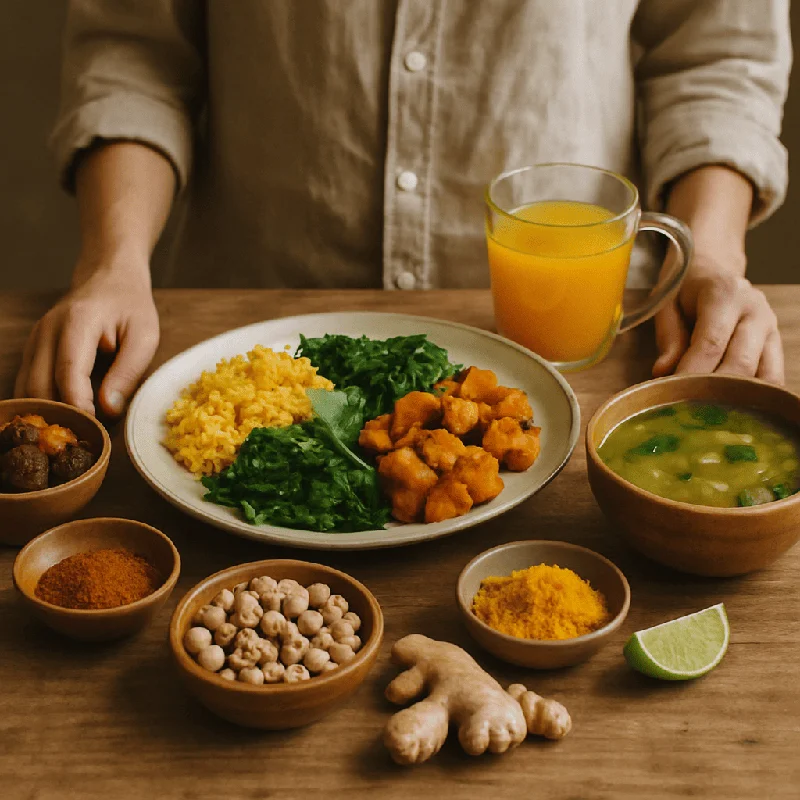
Sometimes, modern diets feel like a never-ending cycle of rules, restrictions, and guilt trips, don't they? You’re either counting calories or debating whether oat milk is "clean" enough. Ayurveda comes from a completely different place. It’s not about restriction — it’s about remembering how to nourish yourself in a way that feels good, natural, and, honestly, kind of ancient. (Because it is ancient.)
If you’re curious about the ayurvedic diet and looking for something more sustainable — something that feels aligned with your body's real needs rather than another trend — you’re in the right place. Whether you're a total beginner or someone who's already got a few easy ayurvedic meals up your sleeve, we're diving deep into this old but gold wisdom.
Let's get to it.
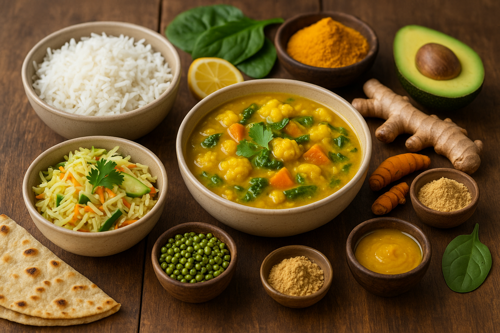
What Is the Ayurvedic Diet?
Origins and Holistic Nutrition Principles
First things first: Ayurveda is a 5,000-year-old healing system from India. It's not just about food — it's about living in harmony with nature, your body, and even the seasons. Nutrition in Ayurveda isn't calorie counting. It’s based on energy, taste, digestibility, and — here’s where it gets fascinating — your unique constitution, called your dosha.
The ayurvedic diet for beginners usually starts with learning about these doshas: Vata, Pitta, and Kapha. Each person is born with a dominant dosha, and depending on your dosha, your body will crave (and thrive on) different foods. It's crazy how spot-on this can be.
A little story: when I first got my Ayurvedic consultation, the practitioner told me I had a strong Pitta imbalance. At the time, I was obsessed with spicy food and iced coffee. Guess what made my digestion worse? You got it — spicy food and iced coffee. Ayurveda kind of laughed at me before gently steering me back toward cooling, grounding meals.
How It Differs from Modern Diets
This isn't "low carb" or "intermittent fasting" territory. The ayurvedic lifestyle diet emphasizes when you eat, how you eat, and what your body truly needs rather than what's trending on Instagram.
It’s built around mindful eating. Imagine sitting down with your food, appreciating its smell, color, and energy, eating without multitasking — no phones, no laptops, no doomscrolling. (Admittedly, sometimes easier said than done.)
Plus, an ayurveda diet tailors itself to the seasons. Heavy stews in winter, light, cooling salads in summer. Sounds almost... obvious? And yet, most modern diets treat us like robots that should eat the same 1200-calorie plan every day, regardless of whether it’s snowing or sweltering outside.
Also, certain food combos matter a lot. For instance, fruit should generally be eaten alone in Ayurveda because it digests much faster than other foods. (Tell that to my morning smoothie habit.)
Nutrition in Ayurveda Explained
The Six Tastes and Their Role in Balance
One thing that totally flipped my idea of nutrition was learning about the six tastes: sweet, sour, salty, pungent, bitter, and astringent. According to Ayurveda, every meal should ideally include all six to feel satisfied and keep your dosha in balance.
For example, if you have too much Vata energy (spacey, anxious, scattered), you need more grounding sweet and salty tastes. Meanwhile, fiery Pitta types need more sweet, bitter, and astringent foods to cool them down.
It’s less about making a spreadsheet of macros and more about tuning in to how you actually feel after you eat. (Novel, right?)
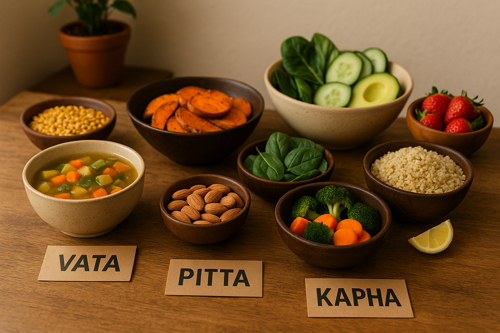
Foods for Vata, Pitta, and Kapha Doshas
Alright, so you’re probably wondering: What exactly should I eat for my dosha? Good question — and the answer isn’t just one-size-fits-all (thankfully).
Here’s a quick breakdown of what to eat for your dosha:
-
Vata foods (air and space elements): Think warm, moist, grounding. Sweet potatoes, cooked grains like rice and oats, warming spices like cinnamon and ginger. Heavy, nourishing meals help anchor airy Vata types, who are prone to feeling cold, dry, and anxious. Ice cream, though? Weirdly not great, even if it’s “sweet.”
-
Pitta foods (fire and water): Pittas need to cool it down. Literally. Go for cucumbers, sweet fruits, milk, and leafy greens. Minimize spicy, oily, and super salty foods — sorry, hot sauce lovers.
-
Kapha foods (earth and water): Kapha types do best with light, dry, and stimulating foods. Think spicy curries, steamed veggies, quinoa, and lots of herbs. Definitely avoid heavy dairy and fried foods unless you want to feel like a very sleepy potato.
You can totally find guides listing specific vata pitta kapha foods, but honestly? Don’t overthink it. Start by noticing — when you eat certain meals, do you feel sluggish, irritable, bloated, or calm? Your body knows.
Benefits of an Ayurvedic Diet
Digestion, Energy, Immunity, and Mental Clarity
If I had a dollar for every time someone said “I’m so bloated, I don’t know why,” I’d be writing this from a beachfront villa.
Here’s the thing: Ayurvedic digestion is the real MVP behind the whole system. Good digestion (or Agni, your digestive fire) is considered the cornerstone of health in Ayurveda. You can eat the best organic kale salads in the world, but if your digestion is weak, your body can’t absorb the nutrients.
An ayurvedic diet supports digestion through:
-
Eating at regular times
-
Favoring warm, cooked foods over cold salads and smoothies
-
Using spices like cumin, coriander, and fennel
-
Avoiding incompatible food combos (like milk + bananas, ouch)
It’s kind of wild how much better your energy and mental clarity feel once your gut isn’t throwing a tantrum after every meal. Some people even say their seasonal allergies or eczema improved just by fixing digestion. (I'm cautiously optimistic, but it does make a lot of sense.)
Supporting Long-Term Health and Longevity
Ayurveda isn’t really about quick fixes. It's a long game — a slow burn toward feeling better decade after decade.
Some early studies suggest that Ayurvedic practices — from mindful eating to seasonal cleanses — can lower inflammation markers, support heart health, and even help with mental health issues like anxiety.
Not gonna lie: there are skeptics. Ayurveda hasn’t been fully embraced by Western medicine, and yes, some stuff needs more rigorous studies. But honestly? Sometimes lived experience is a pretty good teacher.
I once chatted with this 70-year-old yoga teacher who'd been living mostly on best ayurvedic foods (like kitchari, mung beans, ghee) for 30+ years. Her skin glowed. Her energy put my 28-year-old self to shame. Coincidence? Maybe. Motivation? Definitely.
Ayurvedic Meals in Everyday Life
Easy Ayurvedic Meals for Beginners
If you’re thinking this sounds complicated — breathe. It really doesn’t have to be. Easy ayurvedic meals are all about simple, digestible combos.
Here are a few super beginner-friendly ideas:
-
Kitchari: A stew made of mung beans, basmati rice, and spices. Balancing for all doshas and seriously comforting.
-
Spiced oatmeal: Warm oats cooked with cardamom, cinnamon, and a dollop of ghee.
-
Lentil soup with cumin and turmeric: Healing, hearty, and digestion-friendly.
Notice how nothing is “raw” or “extreme”? It’s all gentle, cooked, spiced, and soothing to the belly.
A real tip: start small. One ayurvedic meal a day is better than stressing yourself out trying to overhaul everything overnight. (Trust me, I’ve tried. Stress = the opposite of healing.)
Cooking Tips and Food Combinations to Avoid
Alright, a few quick tips if you’re about to dive into the kitchen:
-
Cook fresh when you can. Ayurveda says food is most nourishing when eaten shortly after cooking. Leftovers = dull energy (or tamasic food, if you want to sound fancy).
-
Spice it up — seriously. Even just a sprinkle of cumin, coriander, turmeric, or ginger can work small wonders on digestion.
-
Respect the food combos. Certain combos — like dairy with sour fruits, or fish with milk — are considered a bad idea because they supposedly create “ama” (toxins). Honestly, I was skeptical at first. But avoiding weird combos did make my bloating way less awful.
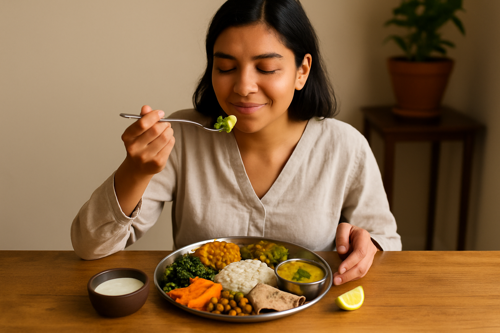
One more thing: mindful eating Ayurveda-style is not about being rigid. It’s more like creating a mealtime ritual. Sit down, smell your food, eat slowly. Maybe even (gasp) without your phone.
How to Start Your Ayurvedic Diet Journey
Starting anything new can feel overwhelming. Ayurveda knows this, and it’s actually pretty chill about it. Here’s a basic game plan:
-
Figure out your dosha. There are free quizzes online, but ideally, book a session with an Ayurvedic practitioner for a proper read.
-
Start adjusting one meal at a time. Breakfast is a good place to begin — maybe switch from cold smoothies to a warm, spiced porridge.
-
Simplify your meals. Instead of a fridge full of random superfoods, think basic: grains, vegetables, a few legumes, some healing spices.
-
Listen to your body. Sounds corny, but it’s kind of revolutionary if you’ve spent years ignoring your gut feelings (literally and metaphorically).
-
Embrace imperfection. You’re not going to nail “perfect” Ayurveda. That’s not even the point.
Honestly, Ayurveda feels less like a diet and more like... coming home to yourself.
Don't wait or self medicate. Start chat with Doctor NOW
Conclusion
In a world full of diet noise, the ayurvedic diet offers something refreshingly simple and wise: eat in a way that honors who you are, where you live, and how you feel. It’s not a list of forbidden foods or a shame spiral. It's a relationship — between you, your body, your food, and the rhythms of nature.
If you’re curious, I highly encourage you to explore further, maybe whip up some easy ayurvedic meals, or even schedule a consultation. Worst case? You eat a little more mindfully and feel a little better. Best case? It shifts your whole relationship with food and health.
Either way, you win.
Curious to find out your dosha and start living (and eating) in harmony with your body?
👉 Book a consultation with an Ayurvedic expert today — or subscribe to our newsletter for more real-world tips on ayurvedic diet, yoga, and mindful living!
FAQs
How do I determine my dosha?
The best way is by consulting an Ayurvedic practitioner who will assess your physical traits, emotional tendencies, and lifestyle. Online quizzes are fun and can offer clues, but a pro will give you much deeper insight.
What are the key components of a balanced Ayurvedic meal?
Simple, fresh, mostly cooked foods that incorporate the six tastes — sweet, sour, salty, bitter, pungent, and astringent. A balanced meal supports digestion, energy, and your dosha.
What foods should I avoid in an Ayurvedic diet?
Depends on your dosha! But generally, Ayurveda advises against heavily processed foods, leftovers, incompatible food combinations, and overly cold or raw foods that might weaken digestion.
Can I follow an Ayurvedic diet if I’m vegetarian or vegan?
Absolutely. In fact, a lot of traditional Ayurvedic meals are vegetarian. You might have to get creative with alternatives for ghee (like coconut oil), but the principles work beautifully with plant-based eating.
References
-
The Ayurvedic Institute -
National Ayurvedic Medical Association -
Chopra Center -
Kripalu Center for Yoga & Health -
Banyan Botanicals
Questions from users
What are some comforting Ayurvedic recipes to improve digestion?
Raven
17 hours ago
To improve digestion, try incorporating warming and soothing foods that are often highlighted in Ayurveda. Spiced oatmeal, made with cardamom, cinnamon, and ghee, can be comforting and supportive for digestion. Additionally, a lentil soup seasoned with cumin and turmeric is considered digestion-friendly due to its warmth and nutrient content. Both recipes are easy to digest and can help calm the digestive system. If you experience ongoing digestive issues or discomfort, consult a healthcare provider for personalized advice.
What is the role of spices in Ayurvedic cooking and how do they affect health?
Zachary
10 days ago
Spices in Ayurvedic cooking are like little superheroes! :-) They enhance flavors, support digestion (kind of kick-start that agni), balance doshas, and keep you warm or give coolness, depending on what's needed. Each spice has its own benefits, like turmeric for inflammation or cumin for digestion. So, they’re definitely more than just flavor enhancers.
What is the significance of eating warm foods for balancing Vata dosha?
Olivia
19 days ago
Eating warm foods helps balance Vata dosha 'cause Vata's cold, light, and dry nature can be harmonized by warmth and moisture. Warm foods, like soups or stews, provide grounding energy and help kindle agni, the digestive fire, which is crucial for Vata types. So, it's kind of like giving hapiness and cosiness to your belly!
What is the best way to balance Vata with Ayurvedic foods during the winter season?
Kiley
28 days ago
To balance Vata in winter, focus more on warm, heavy, and grounding foods. Think stews, soups, and cooked grains like rice or oats. Use warming spices like ginger and cinnamon to ignite agni. Favor sweet, salty, and sour tastes; avoid raw and cold foods. Foods like avocados, nuts, and dairy can nourish you. Little honey for sweetness is ok too!
Is it safe to eat leftovers on an Ayurvedic diet, or should they be avoided?
Yolanda
38 days ago
In Ayurveda, fresh food is best since it has the most prana (life force). Leftovers might lose some of that energy, so they're generally avoided. But hey, if you must eat them, just make sure they're stored properly and eaten within a day or so. Listen to your body, too! If leftovers make you feel sluggish, better stay away. 😊
What are the benefits of following an Ayurvedic diet for digestion and overall health?
Wallace
47 days ago
Following an Ayurvedic diet can totally benefit your digestion and overall health! It's all about balancing your doshas, which are basically your body's unique energies, with the right foods to support your body's natural rhythm. This can help smooth out digestion and improve your energy, sleep, and mood. Plus, Ayurveda emphasizes whole, natural foods, which supports the agni, or digestive fire. It's more about intuition and balance rather than strict rules like modern diets. It can get a bit personal though, so getting a local Ayurvedic practitioner's advice might help!
What should I avoid eating if I have a Vata dosha?
Charles
57 days ago
With a Vata dosha, best to avoid foods that are cold, dry, and raw, like salads and raw veggies. Also limit caffeine, like that iced coffee you're fond of. Instead, go for warm, cooked meals with some healthy oils to balance the dry, light nature of Vata. It helps keep everything chill! 😊 Try soups, stews, and cooked grains.
How can I adapt my Ayurvedic diet to seasonal changes throughout the year?
Mateo
66 days ago
To adapt your Ayurvedic diet with the seasons, think about what your body craves during different times of year. In the winter, focus on grounding, warming foods with spices like ginger and cinnamon. For summer, go for hydrating, cooling foods like cucumber and mint. Tune into how your body feels and adjust. A little trial and error can really help!
Can I eat frozen foods on an Ayurvedic diet, or should I avoid them?
Reese
76 days ago
It's best to avoid frozen foods on an Ayurvedic diet. They tend to have less prana (life force) and can be heavy on digestion, which could dampen your agni (digestive fire). Fresh, seasonal foods are usually more balancing for your doshas and support better digestion. If you have to eat frozen foods, try to cook them thoroughly to make them easier on your stomach!
What is the role of digestion in the Ayurvedic diet and how can I improve it?
Tucker
86 days ago
In Ayurveda, digestion or "agni" is super important. It's like your body's energy converter! If that fire’s burning bright, you absorb nutrients better, feel vital and balanced. To boost it, you can try eating warm, cooked foods, sipping ginger tea or eating at consistent times. And don’t stress while eating, stay present, it helps!
Related articles

Nutrition
Fatty Liver Diet Chart Indian: An Ayurvedic Take on What to Eat, When, and Why It Matters
Let’s not sugarcoat this (and I mean that literally): fatty liver is becoming ridiculously common — and yes, especially in India. You might’ve heard your uncle casually mention his liver “getting fatty” while polishing off a third helping of butter-laden
3,847

Nutrition
Patanjali Divya Herbal Peya
Exploration of Patanjali Divya Herbal Peya
6,439

Nutrition
How to Consume Watermelon Seeds: Ayurvedic Guide to Benefits and Safe Use
How to consume watermelon seeds for health benefits? Learn the best ways to eat, roast, and use watermelon seeds, plus Ayurvedic tips for safe daily intake
10,742

Nutrition
Patanjali Divya Sarvakalp Kwath Powder
Exploration of Patanjali Divya Sarvakalp Kwath Powder
3,030

Nutrition
What Are the Benefits of Muskmelon: Ayurvedic and Nutritional Guide
Exploration of Discover the Health and Skin Benefits of Muskmelon
3,146

Nutrition
Vidaryadi Ghritam – Traditional Ayurvedic Medicated Ghee for Holistic Wellness
Discover Vidaryadi Ghritam, a time-honored Ayurvedic medicated ghee formulation designed to rejuvenate tissues, balance doshas, and support nerve and digestive health naturally.
4,008

Nutrition
Is Sabudana Good for Health? Ayurvedic Benefits and Nutrition
Exploration of Is Sabudana a Healthy Addition to Your Diet? Exploring Benefits and Drawbacks
7,019

Nutrition
What Is the Use of Walnut: Ayurvedic Benefits and Daily Applications
Exploration of Discover the Versatile Uses of Walnuts in Health, Beauty, and Ayurveda
3,836

Nutrition
Elaneer Kuzhambu Benefits, Dosage, Ingredients, And Side Effects
Exploration of Elaneer Kuzhambu Benefits, Dosage, Ingredients, And Side Effects
2,174

Nutrition
Curd Benefits for Stomach: What Ayurveda Has to Say (And Why You Should Care)
If you’ve ever reached for a bowl of curd after a heavy meal, you’re not alone. I do it. My grandma did it. Half of India probably does it. But here’s the question we often forget to ask: why does curd feel so comforting to the stomach? And more important
5,441
Related consultations on the topic
Legal
Additional Documents
© 2024 Ask Ayurveda. All rights reserved.