Ask Ayurvedic doctor a question and get a consultation online on the problem of your concern in a free or paid mode. More than 2,000 experienced doctors work and wait for your questions on our site and help users to solve their health problems every day.
FREE! Ask Ayurvedic Doctors 24/7

 Fast responses
 1000+ verified doctors
Body DetoxEar, Nose, and Throat DisordersGeriatrics & RejuvenationImmunodeficiencyInfertility TreatmentNutritionOrthopedic DisordersPediatricsRespiratory DisordersSexually Transmitted Diseases (STDs)Surgery RecoveryUrological DisordersVascular DisordersDental DisordersEndocrinological DisordersGastrointestinal DisordersYoga TherapyGeneral MedicineAllergic DisordersCardio DisordersGynecology and ObstetricsCosmetologySkin and Hair DisordersEye DisordersInfectious DiseasesMental DisordersNeurological DisordersOncologyPanchakarmaSexual Health & DisordersSports Medicine
Published on 11/07/24
(Updated on 07/06/26)
3,928
Unlocking Strong Muscles with Ayurveda

Key Takeaways Shortly
-
A strong muscle diet emphasizes balanced nutrition, with Ayurveda offering unique insights for muscle development.
- Ayurveda's holistic approach supports muscle-building through specific dietary choices rooted in ancient principles.
- Incorporating protein-rich foods is essential, with Ayurveda recommending particular foods for muscle growth.
- Seamlessly integrate Ayurvedic foods into daily meals with practical tips for meal planning and preparation.
- Balance Ayurvedic principles with modern dietary practices to optimize a strong muscle diet.
Ever wondered what makes a diet perfect for building strong muscles? It's more than just hitting the gym. A strong muscle diet is all about giving your body the right fuel. This involves a balance of proteins, healthy fats, and essential nutrients.
In Ayurveda, the ancient Indian system of medicine, diet plays a crucial role in muscle-building. It emphasizes natural and wholesome foods. This article will explore how Ayurvedic principles can be your guide to a diet that not only builds muscles but also nourishes the body holistically.
Stay tuned as we unravel the secrets behind muscle-building foods and how they fit into a strong muscle diet.
Ayurvedic Approach to Muscle Building
Ayurveda, a practice with roots in ancient India, offers a unique perspective on muscle-building. This holistic system emphasizes balance in the body. It uses food as a tool for harmony and health. In Ayurveda, building strong muscles isn't just about lifting weights. It's about nourishing the body with the right foods and lifestyle choices.
Ayurvedic principles suggest that what you eat can significantly impact your strength. Incorporating warming spices like turmeric and ginger can improve digestion and nutrient absorption. These spices are believed to support muscle growth by increasing metabolism and reducing inflammation.
An example of an Ayurvedic diet for muscle-building might include protein-rich foods like lentils and beans. These are often paired with whole grains such as quinoa or brown rice. Such combinations provide essential amino acids, the building blocks of muscle tissue.
Hydration is another key element in Ayurveda. Drinking warm water throughout the day is recommended to flush out toxins. This supports overall bodily functions, including muscle recovery and growth.
The mind plays a crucial role, too. Stress management is vital in Ayurveda, as stress can hinder muscle development. Practices like yoga and meditation are encouraged for their calming effects.
"Take care of your body. It's the only place you have to live." - Jim Rohn
This quote underlines the Ayurvedic belief in treating the body with care and respect. This philosophy aligns with modern fitness goals, offering a comprehensive approach to building stronger muscles through diet and lifestyle.
Protein-Rich Foods in Ayurveda
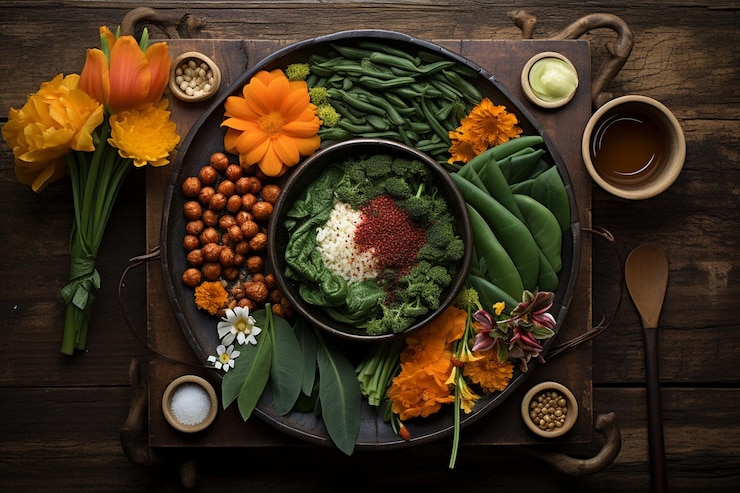
When we think about building muscles, protein often takes the spotlight. Ayurveda, the ancient Indian system of medicine, offers unique insights into how protein-rich foods can be integrated into a diet for strong muscles. Unlike the usual protein shakes and bars, Ayurveda emphasizes natural sources of protein. Lentils, beans, and nuts are at the heart of this approach. These foods not only provide essential nutrients but also align with Ayurvedic principles of balance and harmony.
Let's start with lentils. They're a powerhouse of protein and a staple in many Ayurvedic recipes. Lentils are easy to digest and help in muscle recovery and growth. Another great option is almonds, soaked overnight to make them easier to digest. Almonds are rich in protein and healthy fats, aiding muscle repair and energy.
Chickpeas are another favorite. Roasted or boiled, they make a tasty snack and are loaded with protein. Ayurveda suggests combining these with spices like cumin and turmeric for better digestion. As the famous nutritionist Marion Nestle said,
“The healthiest diet is the one with the least processed foods and the most natural ingredients.”
-Marion Nestle
Ayurveda also recommends dairy products like paneer and yogurt. They’re not just high in protein but also support gut health, which is crucial for overall fitness. Paneer can be added to curries, while yogurt can be consumed as a refreshing drink or dessert.
By incorporating these protein-rich foods, you can follow an Ayurvedic diet that supports muscle growth and overall health. This approach not only fuels your body but also nourishes your mind and spirit.
Incorporating Ayurvedic Foods Daily
Bringing Ayurvedic foods into your everyday meals can boost muscle strength while promoting overall health. Let's explore some simple ways to do this:
-
Start with Spices: Spices like turmeric, ginger, and cumin are staples in Ayurveda. They not only add flavor but also support digestion and muscle recovery. You can sprinkle them on your meals or use them in teas.
-
Whole Grains: Opt for grains like quinoa, brown rice, and barley. These grains are rich in fiber and help maintain energy levels, which is crucial for muscle-building Ayurveda practices. They also provide a steady source of carbohydrates.
-
Include Legumes: Lentils and chickpeas are protein-rich foods Ayurveda recommends. They are versatile and can be used in soups, stews, or salads. These legumes help in muscle repair and growth.
-
Dairy Products: Ghee and yogurt are traditional Ayurvedic foods. They provide healthy fats and probiotics. Ghee is great for cooking while yogurt can be a refreshing snack or breakfast addition.
-
Nuts and Seeds: Almonds, walnuts, and sunflower seeds offer healthy fats and protein. They make a great snack and can be sprinkled on cereals or salads to enhance the nutrient profile.
-
Herbal Teas: Teas made from herbs like tulsi (holy basil) and ashwagandha can be soothing. They help in reducing stress and improving endurance, which are important for maintaining strong muscles.
By integrating these Ayurvedic elements into your meals, you can enjoy a balanced diet that supports muscle health and overall well-being.

Balancing Ayurveda and Modern Diets
The journey to building strong muscles doesn't have to be a tug-of-war between ancient wisdom and modern science. By blending the principles of Ayurveda with contemporary dietary practices, you create a harmonious path to muscle strength. Ayurveda, with its focus on balance and natural living, offers insights into muscle-building through foods that are both nourishing and satisfying.
Incorporating protein-rich foods from Ayurveda into your meals can be as simple as adding lentils, nuts, and seeds. These foods not only build muscle but also support your body's overall health. Modern diets often emphasize protein powders and supplements, but Ayurveda encourages whole foods, providing a holistic approach to nutrition. By combining these methods, you can tailor a diet that suits your lifestyle and goals.
Your dietary choices should reflect your unique body and fitness aspirations. Finding a balance means listening to your body and adapting as you learn what works best. This might involve experimenting with different meals and noticing how they make you feel. The goal is to find a rhythm that supports your muscle-building journey in a sustainable way.
Engaging with both Ayurveda and modern dietary practices opens up a world of possibilities. It invites you to explore, question, and refine your approach to eating and living. If you’ve found this blend intriguing, why not share your thoughts or experiences? Your journey could inspire others to find their own balance. Engage with the community, share this article, or dive into more content on diet and wellness. Let's explore together and support each other in our quest for strength and health.
Don't wait or self medicate. Start chat with Doctor NOW
FAQ For Strong Muscles
What is a Strong Muscle Diet according to Ayurveda?
A strong muscle diet in Ayurveda focuses on balanced nutrition that includes a variety of natural and whole foods. Emphasizing the importance of digestion and metabolism, Ayurvedic principles advocate for a diet rich in proteins, healthy fats, and complex carbohydrates to support muscle growth and repair.
How does Ayurveda approach muscle building?
Ayurveda takes a holistic approach to muscle building, emphasizing the balance of mind, body, and spirit. It incorporates practices such as proper nutrition, routine, and lifestyle choices, including yoga and meditation, to enhance muscle strength and overall well-being.
Which protein-rich foods are recommended in Ayurveda for muscle growth?
Ayurveda recommends a variety of protein-rich foods such as lentils, chickpeas, mung beans, tofu, paneer, nuts, seeds, and dairy products like milk and yogurt. These foods are not only rich in protein but also provide essential nutrients that support muscle health.
How can I incorporate Ayurvedic foods into my daily routine for muscle strength?
Incorporating Ayurvedic foods can be simple and delicious. Start by including a variety of legumes, grains, and fresh vegetables in your meals. Use spices such as turmeric, cumin, and ginger to enhance flavor and digestion. Planning meals ahead and preparing them in a balanced way can make it easier to stick to an Ayurvedic diet.
Can I balance Ayurvedic principles with modern dietary practices for muscle building?
Yes, you can balance Ayurvedic principles with modern dietary practices by integrating the two. Focus on whole, natural foods and incorporate modern nutritional insights such as adequate protein intake and portion control. This balanced approach can help achieve optimal muscle growth and health.
What role does digestion play in Ayurveda for muscle development?
In Ayurveda, digestion is considered the cornerstone of health. Proper digestion ensures that nutrients are effectively absorbed and utilized by the body, which is crucial for muscle development. Ayurveda emphasizes eating mindfully, choosing easily digestible foods, and maintaining a consistent eating schedule to support digestion.
Are there specific Ayurvedic herbs that aid muscle building?
Yes, certain Ayurvedic herbs are known to support muscle growth and recovery. Ashwagandha, for instance, is renowned for enhancing strength and reducing muscle fatigue. Shatavari and Gokshura are also used to boost stamina and muscle mass. However, it's important to consult with a healthcare provider before starting any herbal supplements.
Questions from users
How long does it take to see muscle growth with an Ayurvedic diet?
Paisley
6 days ago
On an Ayurvedic diet, muscle growth typically starts to become noticeable after about 8 to 12 weeks, though this can vary based on individual factors such as diet adherence, exercise routine, and genetics. The diet emphasizes protein-rich foods like legumes, nuts, and seeds, along with warming spices to enhance digestion and nutrient absorption. To support muscle recovery and growth, it's important to integrate an appropriate exercise routine. Monitor your progress and consult a healthcare professional if you're not seeing results or if you experience health issues.
What is the best way to combine Ayurvedic practices with weight training for muscle strength?
John
16 days ago
Combining weight training with Ayurveda is pretty good idea! Focus on herbs like Ashwagandha and Shatavari—they're awesome for strength & recovery. Eat easily digestible foods like mung dal and whole grains to keep your digestion happy. Timing your meals around workouts also helps balance your energy. Oh! And listen to your body, that's really key.
What is the role of consistent eating schedules in Ayurveda for overall health?
Anthony
25 days ago
Consistent eating schedules are really important in Ayurveda. They help sync your body’s internal clock (or circadian rhythm) with nature, making digestion more efficient. Eating at the same time daily supports your agni (digestive fire), balances doshas, and keeps energy levels steady. Try to have meals at regular intervals, avoiding any random snacking!
What is the best time of day to consume protein-rich foods in Ayurveda for muscle growth?
Sandra
34 days ago
In Ayurveda, it's generally recommended to consume protein-rich foods around midday when your digestive fire, or agni, is at its strongest. This ensures optimal digestion and absorption of nutrients. But if you're an early riser or night owl, adjust according to your body's natural rhythm. Just listen to your body!
What is the role of meditation in improving muscle recovery according to Ayurveda?
Nova
43 days ago
In Ayurveda, meditation plays a key role in muscle recovery by calming the mind and reducing stress, which helps balance vata dosha. Less stress can improve circulation and boost agni, or digestive fire, aiding in better nutrient absorption. It also enhances prana (life energy), supporting your body's natural healing processes. Hope that helps!
What are the benefits of drinking ghee for muscle recovery in Ayurveda?
Michael
52 days ago
Drinking ghee can support muscle recovery in Ayurveda! It's known to enhance ojas, which is like the essence that keeps you energized and healthy. Ghee is also thought to nourish tissues, improve digestion, and reduce inflammation, all helping recovery. However, moderation is key; too much can imbalance doshas, especially if kapha is dominant.
What is the importance of digestion in Ayurveda for overall health and muscle development?
Caleb
62 days ago
Digestion is super important in Ayurveda as it's seen as the cornerstone of overall health and specifically crucial for muscle development. Proper digestion, or 'agni,' is believed to ensure that nutrients are efficiently absorbed, which helps in building and repairing muscle tissues. So, yeah, focusing on digestion supports muscle growth and overall well-being, too. If digestion's off, it's much harder for your body to absorb the proteins and nutrients it needs for strong, healthy muscles!
Can I use Ayurvedic spices to boost my metabolism for weight management?
Abigail
72 days ago
Absolutely! Spices like turmeric and ginger can definitely help boost metoblism, thanks to their warming properties which may help stoke your digestive fire or "agni". Just remember, balance is key—too many spices might disrupt your doshas. Maybe think about adding them gradually to meals, but chatting with a qualified Ayurvedic expert could be helpful too.
What are the benefits of yoga and meditation for muscle strength according to Ayurveda?
Ellie
81 days ago
Yoga and meditation in Ayurveda boost muscle strength by balancing doshas, improving circulation, and enhancing prana (vital energy). They foster a calm mind, which supports better muscle recovery. Meditation helps to focus mental energy aiding consistency in practice. Together, they keep the body's energy pathways clear, ensuring muscles get proper nutrients!
Is it safe to consume dairy like paneer and yogurt daily on an Ayurvedic diet?
Dylan
91 days ago
Yes, consuming dairy like paneer and yogurt daily can be safe in an Ayurvedic diet, but it depends on personal constitution (prakriti) and digestion (agni). If yogurt or paneer feels heavy or disrupts digestion, try using spices like ginger or cumin with them. If you notice any imbalance, like excess mucus, it might be good to cut back a bit. It's all about finding what feels best for your individual body!
Related articles
Nutrition
Fatty Liver Diet Chart Indian: An Ayurvedic Take on What to Eat, When, and Why It Matters
Let’s not sugarcoat this (and I mean that literally): fatty liver is becoming ridiculously common — and yes, especially in India. You might’ve heard your uncle casually mention his liver “getting fatty” while polishing off a third helping of butter-laden
3,847

Nutrition
Patanjali Divya Herbal Peya
Exploration of Patanjali Divya Herbal Peya
6,439

Nutrition
How to Consume Watermelon Seeds: Ayurvedic Guide to Benefits and Safe Use
How to consume watermelon seeds for health benefits? Learn the best ways to eat, roast, and use watermelon seeds, plus Ayurvedic tips for safe daily intake
10,742

Nutrition
Patanjali Divya Sarvakalp Kwath Powder
Exploration of Patanjali Divya Sarvakalp Kwath Powder
3,030

Nutrition
What Are the Benefits of Muskmelon: Ayurvedic and Nutritional Guide
Exploration of Discover the Health and Skin Benefits of Muskmelon
3,146

Nutrition
Vidaryadi Ghritam – Traditional Ayurvedic Medicated Ghee for Holistic Wellness
Discover Vidaryadi Ghritam, a time-honored Ayurvedic medicated ghee formulation designed to rejuvenate tissues, balance doshas, and support nerve and digestive health naturally.
4,008

Nutrition
Is Sabudana Good for Health? Ayurvedic Benefits and Nutrition
Exploration of Is Sabudana a Healthy Addition to Your Diet? Exploring Benefits and Drawbacks
7,019

Nutrition
What Is the Use of Walnut: Ayurvedic Benefits and Daily Applications
Exploration of Discover the Versatile Uses of Walnuts in Health, Beauty, and Ayurveda
3,836

Nutrition
Elaneer Kuzhambu Benefits, Dosage, Ingredients, And Side Effects
Exploration of Elaneer Kuzhambu Benefits, Dosage, Ingredients, And Side Effects
2,174

Nutrition
Curd Benefits for Stomach: What Ayurveda Has to Say (And Why You Should Care)
If you’ve ever reached for a bowl of curd after a heavy meal, you’re not alone. I do it. My grandma did it. Half of India probably does it. But here’s the question we often forget to ask: why does curd feel so comforting to the stomach? And more important
5,441
Related consultations on the topic
Legal
Additional Documents
© 2024 Ask Ayurveda. All rights reserved.