Ask Ayurvedic doctor a question and get a consultation online on the problem of your concern in a free or paid mode. More than 2,000 experienced doctors work and wait for your questions on our site and help users to solve their health problems every day.
FREE! Ask Ayurvedic Doctors 24/7

 Fast responses
 1000+ verified doctors
Body DetoxEar, Nose, and Throat DisordersGeriatrics & RejuvenationImmunodeficiencyInfertility TreatmentNutritionOrthopedic DisordersPediatricsRespiratory DisordersSexually Transmitted Diseases (STDs)Surgery RecoveryUrological DisordersVascular DisordersDental DisordersEndocrinological DisordersGastrointestinal DisordersYoga TherapyGeneral MedicineAllergic DisordersCardio DisordersGynecology and ObstetricsCosmetologySkin and Hair DisordersEye DisordersInfectious DiseasesMental DisordersNeurological DisordersOncologyPanchakarmaSexual Health & DisordersSports Medicine
Published on 08/07/25
(Updated on 07/12/26)
5,570
How to Digest Food Faster: Natural Tips and Remedies

Digesting food properly is something many of us take for granted—until it feels slow, heavy, or uncomfortable. Knowing how to digest food faster can really improve your daily comfort, energy levels, and even overall health. Whether you want to learn how to digest food easily or need quick ways on how to improve digestion fast, this guide has practical advice that actually works. We’ll cover everything from understanding food digestion time, natural remedies, and easy digestion tips, to the best foods that help and those you should avoid.
Digestion isn’t just about what you eat, but also how your body processes that food. If you’ve ever wondered how to digest food properly and felt frustrated by bloating or sluggish digestion, you’re not alone. Thankfully, there are simple changes you can make right now to speed up your digestive process naturally. Ready? Let’s dive into the science and solutions!
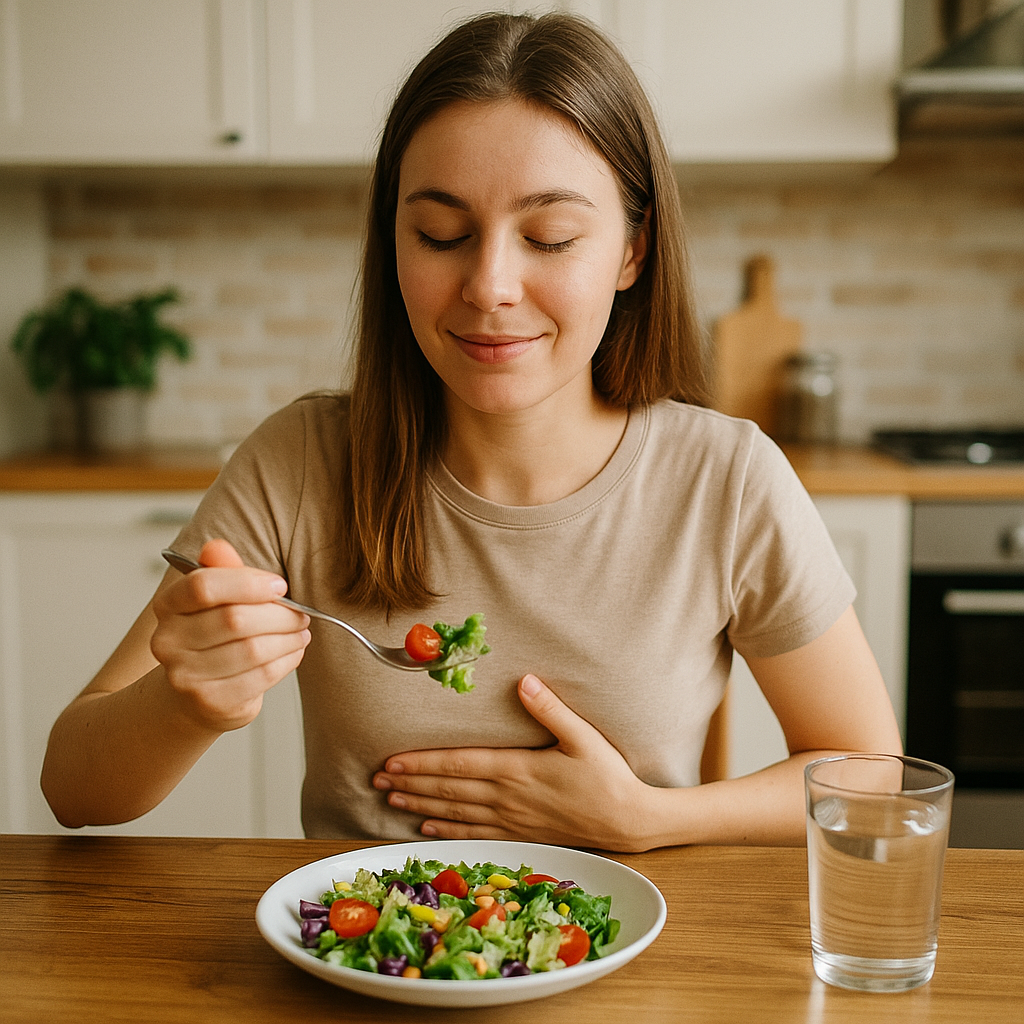
How Digestion Works and Why It Can Slow Down
Digestion is the complex process where your body breaks down food into nutrients it can absorb and use for energy, growth, and repair. It starts the moment you take a bite and continues all the way through your stomach and intestines. Normally, food digestion time varies depending on what you eat—some foods digest quickly, while others take longer.
But sometimes, digestion slows down, leading to discomfort like bloating, constipation, or that sluggish feeling after meals. This can be caused by many things: eating too fast, stress, dehydration, or consuming hard-to-digest foods. For example, heavy, greasy meals and processed foods are often hard to digest foods that weigh down your system. When your body struggles to break these down, you’ll feel the effects pretty quickly.
Another common reason for slow digestion is a lack of digestive enzymes or an imbalance in gut bacteria. These tiny helpers are crucial for breaking food down efficiently. Without enough of them, your food just sits longer in the stomach and intestines, making digestion slower and less effective.
Best Ways to Improve Digestion Quickly
Want to know how to improve digestion fast without rushing to medicine? The good news is, there are several natural methods you can try today. From simple lifestyle tweaks to easy habits, these techniques boost your digestive speed and efficiency.
Natural Techniques to Stimulate Digestion
One of the easiest ways to boost digestion naturally is to focus on your eating habits. Chewing food thoroughly is more important than many realize—breaking down food mechanically makes the chemical digestion in your stomach easier and faster. Don’t rush through meals! Eating slowly not only aids digestion but also helps you feel full and satisfied.
Another natural technique is to include foods that promote digestion, like ginger, fennel, and peppermint. These herbs have been used for centuries to calm the stomach and help move food through the digestive tract more quickly. Also, drinking warm water with lemon before meals can kickstart digestion by stimulating digestive juices.
Breathing and Food Digestion Exercises
You might not think about it, but your breath affects your digestion. Stress and shallow breathing can slow down digestion by triggering your body's fight-or-flight response, which diverts energy away from the digestive system.
Practicing deep breathing exercises after meals can help. Try inhaling deeply through your nose, holding for a few seconds, and exhaling slowly. This activates the parasympathetic nervous system—often called the "rest and digest" system—encouraging your body to focus on digestion.
Simple gentle movements like walking for 10-15 minutes post-meal can also aid digestion. This food digestion exercise helps food move through your intestines, reducing bloating and speeding up nutrient absorption.
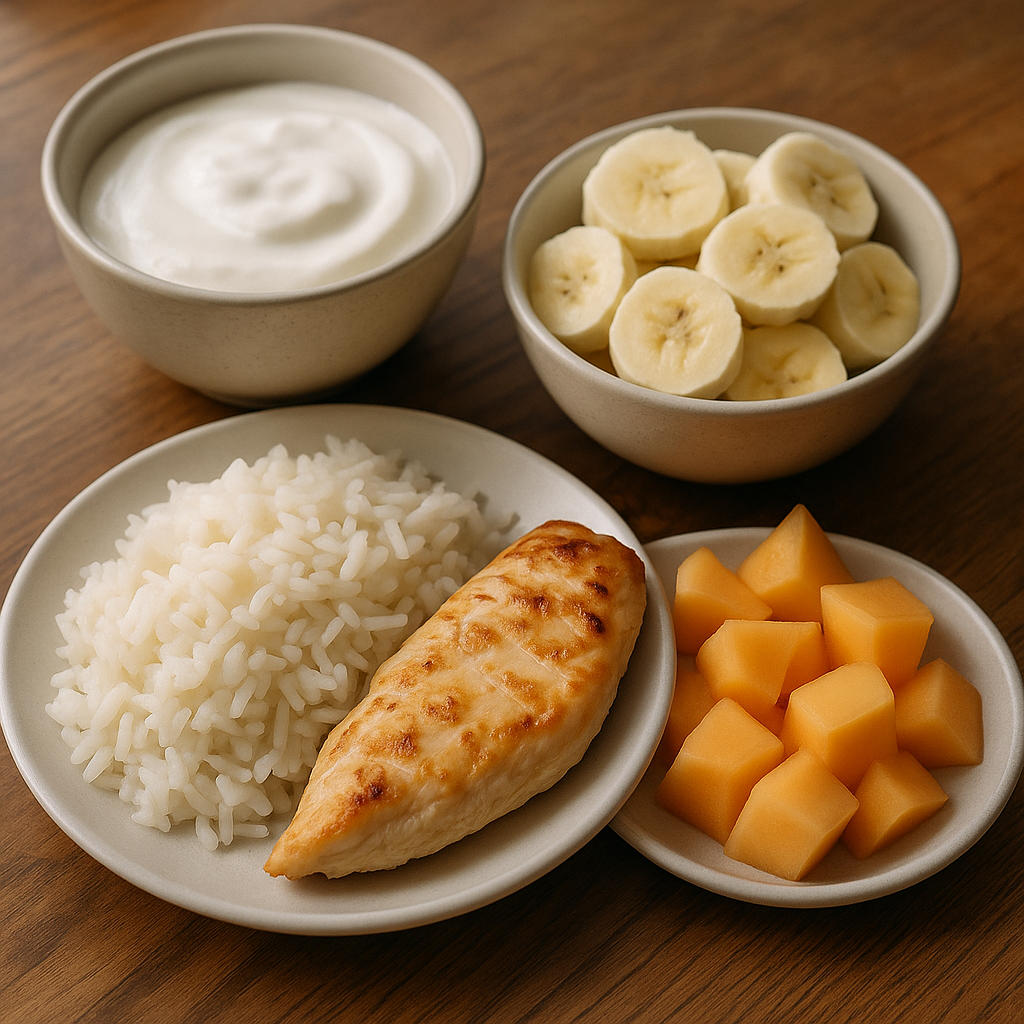
Fast-Digesting Foods and What to Avoid
Choosing the right foods can make a huge difference if you want fast digestion food options that don’t leave you feeling heavy or sluggish. Understanding which foods are easy digest food and which are hard to digest foods is key to keeping your digestive system running smoothly.
Easy-to-Digest Meals and Ingredients
Fast digesting foods usually have a high water content, are low in fiber, or are cooked well enough to break down complex structures. Some examples include:
-
Bananas: Soft and rich in pectin, they promote gentle digestion.
-
White rice: Compared to brown rice, it digests faster due to less fiber.
-
Yogurt: Packed with probiotics, it supports healthy gut bacteria and improves digestion naturally.
-
Cooked vegetables: Steamed or boiled veggies like carrots, zucchini, and spinach are easier on your stomach than raw ones.
-
Lean proteins: Chicken and fish are generally easier to digest than red meat.
Including these in your diet can help you learn how to digest food easily without putting stress on your gut.
Also, drinking plenty of fluids alongside your meals helps keep things moving. Staying hydrated supports the digestive enzymes and softens stool for easier elimination.
Hard-to-Digest Foods to Limit
On the other hand, some foods make digestion slow and difficult. It’s best to limit these, especially if you’re already struggling with digestion issues. Foods that are usually hard to digest include:
-
Fried and greasy foods
-
High-fat meats like bacon or sausage
-
Beans and legumes (they can cause gas and bloating)
-
Cruciferous vegetables like broccoli and cauliflower (when eaten raw)
-
Processed snacks and sugary treats
While these foods can be part of a balanced diet, eating too much or too often can clog up your digestive system, leaving you feeling bloated and uncomfortable.
Daily Habits That Help You Digest Food Faster
Improving digestion isn’t only about what you eat—how you eat matters just as much! Adopting the right daily habits can help you master how to digest food properly and boost your digestive speed.
Eating Schedule, Chewing, and Water Intake
Try to stick to a regular eating schedule. Your digestive system works best when it’s on a routine, so eating at similar times daily helps keep everything coordinated. Avoid snacking constantly throughout the day, which can overwhelm your digestive tract.
As mentioned before, chewing is crucial. Give each bite time to be broken down before swallowing. This simple step allows your digestive enzymes to work more effectively, speeding up the whole process.
Don’t forget to drink water! But be mindful—not too much water during meals as it may dilute digestive juices. Instead, sip water before or after eating to support easy digestion.
Post-Meal Activities That Speed Up Digestion
After eating, avoid lying down immediately as this can slow digestion and cause acid reflux. Instead, try light physical activity. A short walk helps stimulate digestion by encouraging the muscles in your gastrointestinal tract to contract and push food along.
On the other hand, intense workouts right after meals aren’t recommended since blood flow is directed away from the stomach during heavy exercise, slowing digestion.
Ayurvedic Tips for Better Digestion
Traditional systems like Ayurveda offer some timeless advice on how to improve digestion naturally using herbs, spices, and mindful practices.
Herbs, Spices, and Digestive Practices
Certain herbs like ginger, cumin, coriander, and fennel are famous for their digestive benefits. They can be taken as teas or added to meals to stimulate digestive enzymes and reduce bloating.
Ayurveda also suggests drinking warm water throughout the day to keep digestion running smoothly. Starting your day with a glass of warm lemon water can help “wake up” your digestive fire, known as agni.
Practicing mindful eating—being present while you eat, chewing slowly, and appreciating your food—is another way Ayurveda recommends improving digestion. This lowers stress and promotes better absorption of nutrients.
Don't wait or self medicate. Start chat with Doctor NOW
Conclusion
Improving how you digest food doesn’t have to be complicated or involve drastic changes. By understanding how to digest food faster and naturally, you can make simple tweaks that add up to big improvements in your overall health and comfort. From choosing fast digesting foods and avoiding heavy, hard to digest foods, to adopting mindful eating habits and gentle food digestion exercises, every step helps your body work smarter, not harder.
Remember, digestion isn’t just about what happens in your stomach—it’s a whole-body process influenced by what you eat, how you eat, and even how you breathe. Incorporating natural remedies, Ayurvedic practices, and paying attention to your body’s signals can transform your digestion and boost your energy. Start today by chewing your food better, adding some digestion-friendly herbs to your meals, and moving your body gently after eating.
If you enjoyed this guide and found it helpful, share it with your friends or family who might benefit from faster, easier digestion too. Your gut will thank you!
FAQs
What helps digest food faster after eating?
Light physical activity like walking and deep breathing exercises can help speed up digestion. Drinking warm water or herbal teas such as ginger or peppermint also stimulates digestive enzymes.
What to do when food is not digested?
If food feels stuck or your digestion is slow, try drinking plenty of fluids, eating easy-to-digest foods, and avoiding heavy or greasy meals. You can also practice gentle post-meal movement and consider digestive enzyme supplements if needed.
How to digest chicken fast?
Choose lean, cooked chicken without heavy sauces. Chew it thoroughly and pair it with easy digestion foods like cooked vegetables or rice to help your body break it down quicker.
How much time does rice take to digest?
White rice generally takes about 1 to 2 hours to digest, which is faster compared to brown rice due to its lower fiber content.
What should I avoid if my digestion is slow?
Limit fried foods, processed snacks, high-fat meats, raw cruciferous vegetables, and excessive sugary treats, as they can slow digestion and cause bloating.
Questions from users
How long should I wait to lie down after eating to aid digestion?
Christopher
8 hours ago
To aid digestion, it is recommended to wait at least two to three hours after eating before lying down. This allows your body to start the digestive process and helps prevent acid reflux or heartburn, which can occur if you lie down with a full stomach. Gentle activities like taking a walk can also enhance digestion, while certain herbs like ginger or peppermint might help soothe your stomach. If you consistently experience discomfort or digestive issues, it's advisable to consult a healthcare professional for personalized advice.
Is it safe to eat raw vegetables if I have slow digestion?
Theodore
9 days ago
If you have slow digestion, it's usually better to stick with cooked vegetables instead of raw ones. Raw veggies can be hard to digest, especially if your agni is weak. You might try gently steaming or sauteing them—they're easier on the stomach. Every body's different, so see how yours feels with small changes!
What are some common lifestyle changes that can help improve digestion naturally?
Sofia
19 days ago
To improve digestion naturally, try these lifestyle changes: eat mindfully, chew your food well to activate that "rest and digest" mode, and take a gentle post-meal walk (10-15 mins is great). Avoid too much water during meals as it might dilute those important digestive juices. Also, stay hydrated outside of mealtime and reduce stress levels.
Is it safe to do light exercise immediately after eating to help digestion?
Wade
28 days ago
Light exercise right after eating might not be the best idea. It's generally better to wait a bit. Ayurveda suggests gentle walks or breathing exercises, as these activities help stimulate agni (digestive fire) without straining your body. Be gentle and listen to your body's signals, that's key.
What is the best eating schedule for improving digestion throughout the day?
Thomas
37 days ago
For digestion, try to eat three meals around the same times each day, like breakfast at 8, lunch at 12, and dinner by 7. This helps synchronize your agni, or digestive fire. Chew food well and avoid cold drinks, especially with meals. Snacks, if needed, should be light and not too close to meal times. Keep meals balanced and avoid overeating. 😊
Can I drink water with meals, or will it interfere with digestion?
Leo
47 days ago
It's fine to drink some water with meals, just in moderation. Too much can dilute those digestive juices. Think sips, rather than gulping. It's all about balance and listening to your body's cues. If you're feeling thirsty, a little water won't harm, but try to keep it minimal during meals for best digestion. 😊
Can I drink warm water with lemon throughout the day for better digestion?
Levi
56 days ago
Totally, drinking warm water with lemon can be good for digestion, as it stimulates digestive juices. Just make sure not to overdo it, especially around meals, so you don't dilute those juices. Everyone's unique though, so notice how your body reacts, and adjust if needed. If you're unsure, maybe get advice from a local ayurvedic practitioner.
Is it normal to feel bloated after eating even when practicing mindful eating?
Lila
66 days ago
Feeling bloated after eating, even with mindful eating, isn't uncommon. Ayurveda links bloating to imbalanced doshas or weak agni. Check if certain foods or combinations trigger it and maybe adjust. Also, consider if you might be overeating or eating too fast despite mindfulness. A warm ginger tea might help too!
How to use warm lemon water for better digestion in the morning?
Samuel
76 days ago
Warm lemon water in the morning can really help kickstart your digestive fire, or agni. Just squeeze half a lemon into a cup of warm water and drink it on an empty stomach. It helps stimulate agni and cleanses your system. But, don't overdo the lemon since it’s quite acidic. Daily morning practice could balance digestion over time.
Can I use digestive enzyme supplements to help with chicken digestion?
Allison
85 days ago
Expensive as they can be, digestive enzyme supplements might be worth a try if you're struggling with digesting chicken. They can support your agni or digestive fire. But it's always best to tune in to your body - things like mindful eating and staying active after meals might also help without the need for extra pills.
Related articles

Gastrointestinal Disorders
Amavatari Capsules – Ayurvedic Digestive and Liver Support
Discover Amavatari Capsules benefits, uses, and dosage. Learn how this Ayurvedic supplement supports health, wellness, and vitality through traditional wisdom.
2,015

Gastrointestinal Disorders
Dhanwantara Vati: Ayurvedic Remedy for Holistic Healt
In Ayurveda, the ancient science of natural healing, Dhanwantara Vati holds a significant place for its wide-ranging therapeutic properties.
3,412

Gastrointestinal Disorders
Vilwadi Gulika Benefits, Dosage, Ingredients, And Side Effects
Exploration of Vilwadi Gulika Benefits, Dosage, Ingredients, And Side Effects
1,561

Gastrointestinal Disorders
Vilwadi Gutika: Scientific Insights & Practical Applications
Explore the science behind Vilwadi Gutika, its Ayurvedic origins, research findings, and expert tips for safe, effective use in holistic healthcare.
3,006

Gastrointestinal Disorders
What Causes Diarrhea: Ayurvedic Insights, Types, and Treatments
What causes diarrhea? Learn about types, Ayurvedic causes, natural remedies, and how to stop diarrhea fast. Discover herbal treatments and diet tips
2,743

Gastrointestinal Disorders
Agasthya Rasayanam for Weight Loss: An Ayurvedic Approach to Shed Extra Pounds
Agasthya Rasayanam is a powerful Ayurvedic remedy that supports weight loss by enhancing metabolism, detoxifying the body, and promoting gut health.
3,769

Gastrointestinal Disorders
Swarna Sutshekhar Ras: Benefits, Dosage & Ayurvedic Insights
Explore the benefits, proper dosage, uses, and Ayurvedic foundations of Swarna Sutshekhar Ras, a traditional herbal formulation for holistic health.
4,002

Gastrointestinal Disorders
How Long Does Diarrhea Last and How to Support Recovery Naturally
How long does diarrhea last? Discover diarrhea duration from food poisoning, norovirus, alcohol, or stress. Explore Ayurvedic ways to restore gut balance
2,051

Gastrointestinal Disorders
Is Curd Good for Piles? Ayurvedic View and Safe Dietary Use
Is curd good for piles? Learn what Ayurveda says about curd, curd rice, and combinations like onion or radish with curd. Find out how to eat it during piles
3,800

Gastrointestinal Disorders
Ayurveda's Guide to Conception
Ayurveda emphasizes the balance of doshas to support reproductive health, highlighting the importance of harmony in the body for fertility.
2,681
Related consultations on the topic
Legal
Additional Documents
© 2024 Ask Ayurveda. All rights reserved.