Ask Ayurvedic doctor a question and get a consultation online on the problem of your concern in a free or paid mode. More than 2,000 experienced doctors work and wait for your questions on our site and help users to solve their health problems every day.
FREE! Ask Ayurvedic Doctors 24/7

 Fast responses
 1000+ verified doctors
Body DetoxEar, Nose, and Throat DisordersGeriatrics & RejuvenationImmunodeficiencyInfertility TreatmentNutritionOrthopedic DisordersPediatricsRespiratory DisordersSexually Transmitted Diseases (STDs)Surgery RecoveryUrological DisordersVascular DisordersDental DisordersEndocrinological DisordersGastrointestinal DisordersYoga TherapyGeneral MedicineAllergic DisordersCardio DisordersGynecology and ObstetricsCosmetologySkin and Hair DisordersEye DisordersInfectious DiseasesMental DisordersNeurological DisordersOncologyPanchakarmaSexual Health & DisordersSports Medicine
Published on 08/08/25
(Updated on 07/07/26)
star_border 4.87
30,973
How to Eat Sesame Seeds: Tips, Benefits, and Precautions

Sesame seeds are small but mighty. If you’ve ever wondered how to eat sesame seeds or specifically how to eat black sesame seeds, you’re in the right place. These tiny seeds pack a nutritional punch and have been used for centuries in various cuisines and traditional medicine systems, especially Ayurveda. Knowing the best time to eat sesame seeds and how to eat sesame seeds daily can maximize their health benefits and make them an easy addition to your diet. But what exactly happens if we eat sesame seeds daily? And is it safe to eat them raw? Also, can we eat black and white sesame seeds together? This article covers all of that and much more, including who should avoid sesame seeds and the best ways to consume them.
Sesame Seeds in Ayurveda: Importance and Energetics
Sesame seeds hold a special place in Ayurveda, the ancient Indian system of healing. They are considered warming and nourishing, balancing the Vata and Kapha doshas while sometimes aggravating Pitta if consumed excessively. The seeds are valued for their ability to strengthen bones, improve skin health, and boost overall vitality. In Ayurveda, the energetic qualities of sesame seeds align with grounding and calming effects, making them a popular choice for balancing stress and promoting longevity.
Black vs White Sesame Seeds
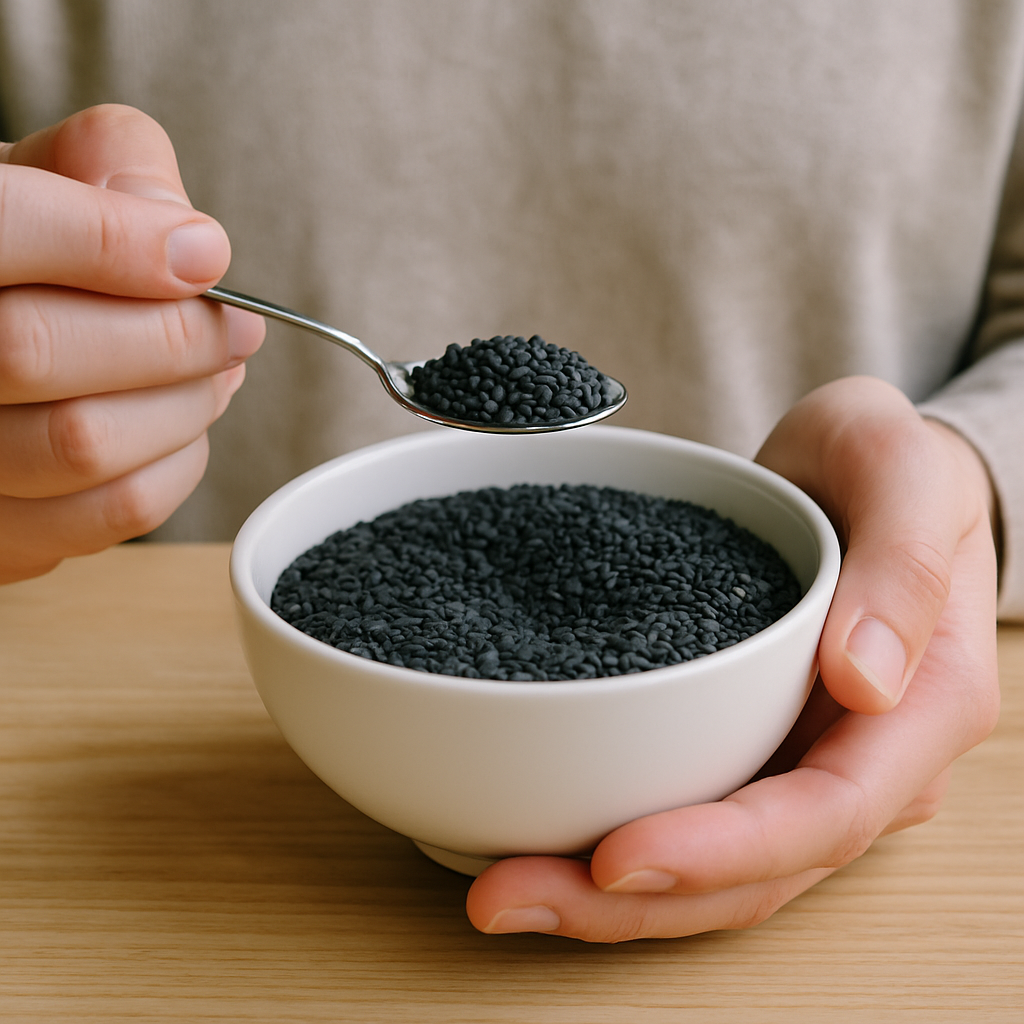
While both black and white sesame seeds are nutritionally beneficial, they do have some differences. Black sesame seeds are considered more potent and slightly more warming compared to white ones. Traditionally, black sesame seeds are prized for their supposed ability to promote hair health and prevent premature graying, likely due to their higher antioxidant content. White sesame seeds, on the other hand, are milder in flavor and more commonly used in cooking and baking.
Many people wonder, can we eat black and white sesame seeds together? The answer is yes — combining both can provide a broader spectrum of nutrients and flavors. However, black sesame seeds tend to have a stronger, earthier taste, so balancing the two might depend on personal preference.
Sesame Seeds Nutritional and Dosha Perspective
Nutritionally, sesame seeds are rich in healthy fats, protein, fiber, and essential minerals like calcium, magnesium, and iron. This makes them an excellent addition to vegetarian and vegan diets, supporting bone health and energy production. From a dosha perspective, their oily and warming nature makes sesame seeds especially good for calming dry, rough Vata types. However, if you have a Pitta constitution or are experiencing inflammation, it might be better to consume them in moderation.
Best Time and Frequency to Eat Sesame Seeds
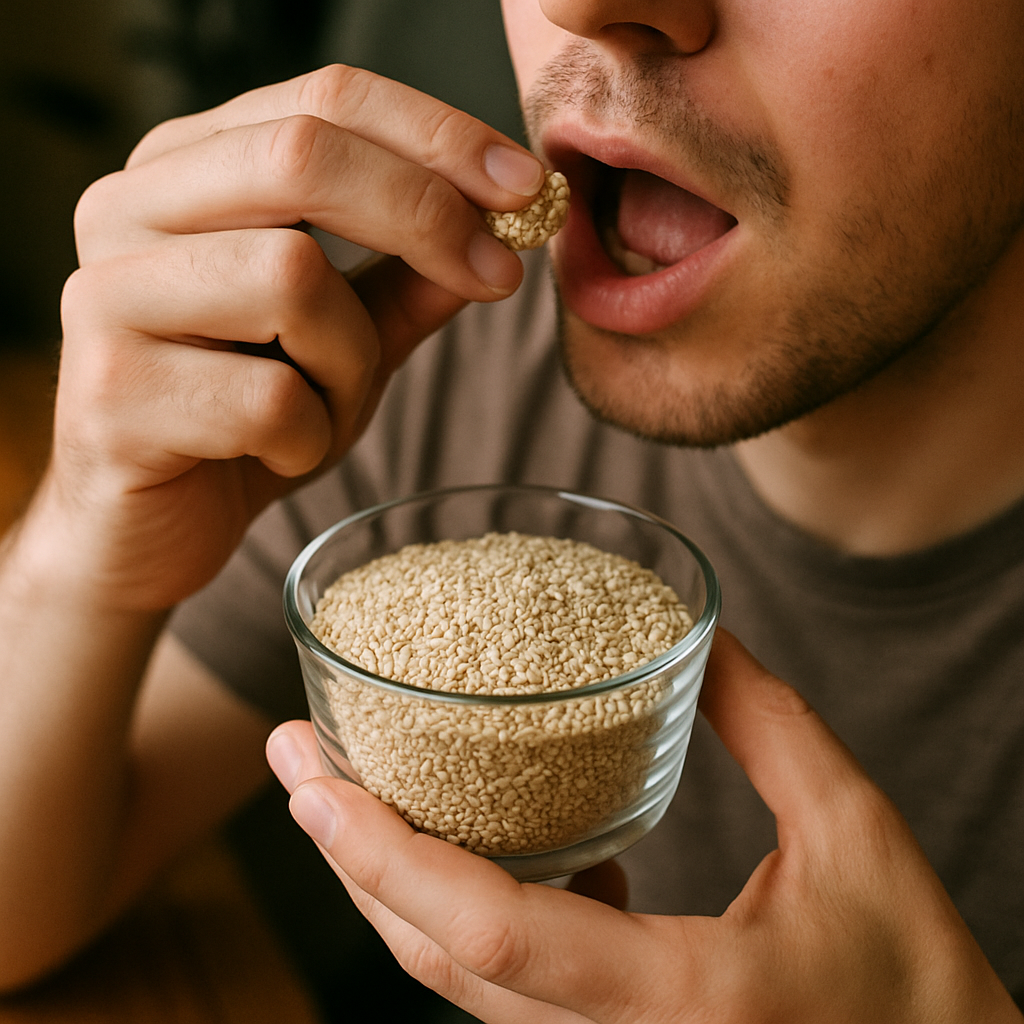
Now, when it comes to the best time to eat sesame seeds, Ayurveda and nutrition experts often recommend consuming them in the morning or evening. Eating sesame seeds in the morning can provide sustained energy throughout the day, thanks to their protein and healthy fat content. Alternatively, consuming them in the evening may help with relaxation and support restful sleep.
When to Eat Sesame Seeds for Maximum Absorption
To get the most out of sesame seeds, it’s best to consume them with a bit of warmth or after soaking. This improves digestion and nutrient absorption. Some practitioners suggest eating them with a little honey or ghee to enhance bioavailability. So, if you’re wondering how to consume sesame seeds properly, lightly roasting or soaking them overnight are excellent options.
Daily Quantity and Long-Term Use
So, how to eat sesame seeds daily without overdoing it? Moderation is key. Generally, 1 to 2 tablespoons per day is considered a healthy amount for most adults. This quantity provides a good balance of nutrients without overwhelming the digestive system. Eating sesame seeds daily over the long term can support bone strength, heart health, and even improve skin quality. But like anything, too much of a good thing can lead to unwanted effects — more on that later.
It’s also worth mentioning that consistency matters more than quantity. Including sesame seeds as part of your regular diet, rather than eating large amounts sporadically, allows your body to adjust and benefit optimally.
How to Eat Sesame Seeds: Raw, Roasted, or Soaked?
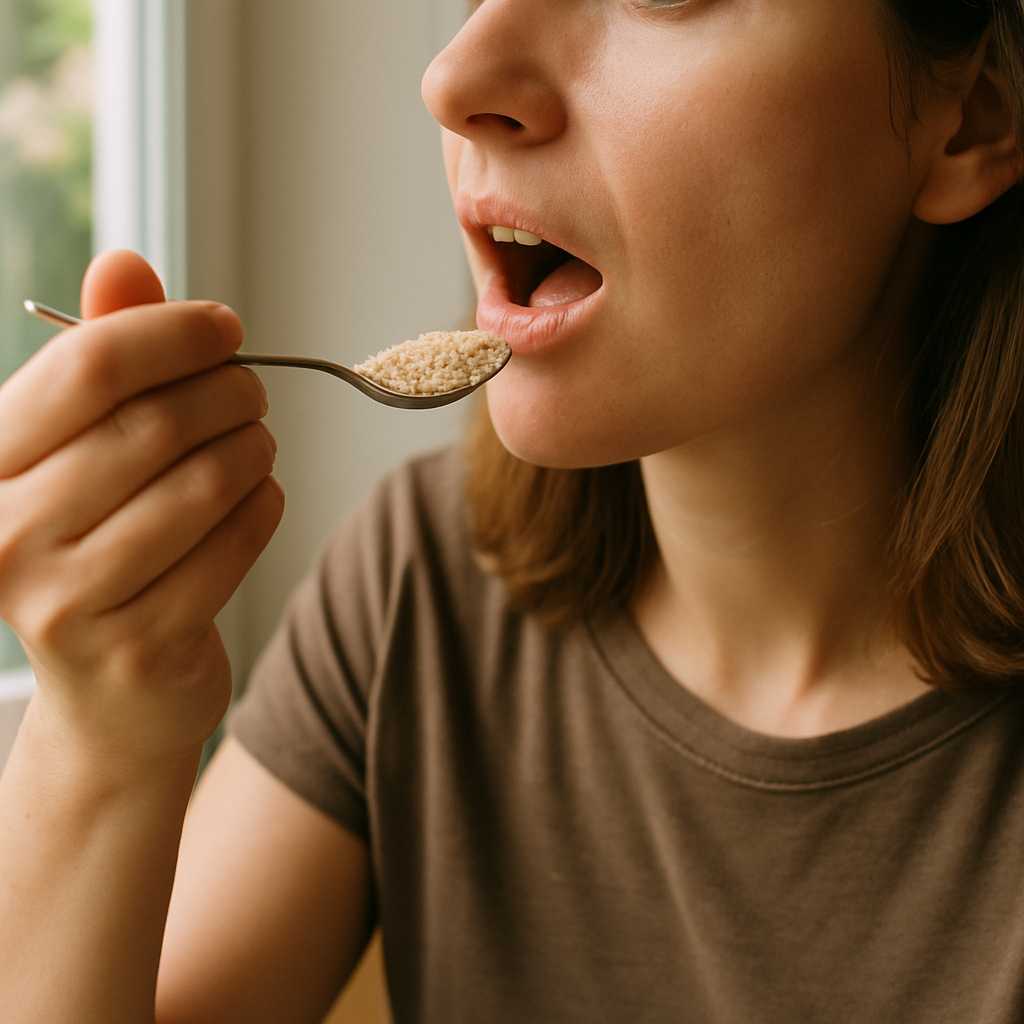
One common question is: can we eat raw sesame seeds? The answer is yes, you can eat them raw. However, raw sesame seeds have a slightly bitter, nutty flavor and may be harder to digest for some people. Lightly roasting sesame seeds brings out their natural oils and enhances the flavor, making them tastier and easier on the stomach. Roasted sesame seeds are great sprinkled on salads, in stir-fries, or mixed into baked goods.
Another popular method is soaking sesame seeds overnight or for a few hours before eating. Soaking helps to soften the seeds, reduce enzyme inhibitors, and improve nutrient absorption. This is especially useful if you’re consuming large amounts or have a sensitive digestive system.
If you’re asking yourself sesame seeds how to eat for maximum benefit, trying a combination of these methods might be best. For example, soaked seeds in smoothies, roasted seeds on toast, and raw seeds sprinkled on dishes.
Health Effects of Daily Sesame Consumption
What Happens If You Eat Sesame Seeds Daily?
Eating sesame seeds daily has many benefits. They are rich in antioxidants, which help protect cells from damage. Their high calcium content supports healthy bones and teeth, while the fiber promotes digestive health. Many people report improved skin texture and hair health, likely due to the seeds’ vitamins and minerals.
Moreover, sesame seeds have been linked to heart health benefits — they help lower cholesterol levels and may reduce blood pressure. Eating sesame seeds daily can also support hormonal balance and reduce inflammation thanks to their unique lignans and phytosterols.
What Happens If You Eat Too Much Sesame Seeds?
Like all things, too much sesame seeds can be a problem. Overconsumption might lead to digestive issues such as bloating, gas, or even allergic reactions in sensitive individuals. Because sesame seeds are high in fat, eating them in excess could contribute to unwanted weight gain. Some people may also experience irritation or worsen Pitta-related symptoms like acidity or skin rashes if they eat too many sesame seeds frequently.
Therefore, it’s important to listen to your body and adjust intake as needed.
Who Should Not Eat Sesame Seeds
While sesame seeds are generally safe and healthy for most people, there are some exceptions. Individuals with sesame allergies should absolutely avoid sesame seeds and sesame-containing products, as reactions can be severe. Also, people with certain digestive disorders like irritable bowel syndrome (IBS) might find sesame seeds irritating due to their fiber and fat content.
Pregnant women or those with specific health conditions should consult their healthcare provider before adding large amounts of sesame seeds to their diet, especially since sesame can sometimes interact with medications or exacerbate existing conditions.
Don't wait or self medicate. Start chat with Doctor NOW
Sesame Seed Uses in Food and Ayurveda
Culinary Uses of Sesame Seeds
Sesame seeds are incredibly versatile in the kitchen. They can be sprinkled raw or toasted over salads, blended into dressings, or ground into tahini — a staple in Middle Eastern cuisine. You’ll find sesame seeds in breads, crackers, sushi, and even desserts. They add a subtle nutty flavor and crunchy texture that enhance dishes effortlessly.
In many cultures, sesame seeds are used to coat meat or fish before cooking, adding flavor and helping to retain moisture. Additionally, sesame oil, extracted from seeds, is a popular cooking oil known for its rich aroma and health benefits.
Ayurvedic Uses of Sesame (Oil Pulling, Massage)
In Ayurveda, sesame seeds and their oil have a broader role beyond nutrition. Sesame oil is commonly used for oil pulling — swishing oil in the mouth to improve oral hygiene and detoxification. It is also prized for massage therapy (Abhyanga), where it’s believed to nourish skin, relax muscles, and balance the doshas.
Applying warm sesame oil on the body can help soothe joint pain and dryness, making it a cornerstone of Ayurvedic healing rituals.
Conclusion
Sesame seeds are a tiny superfood with a rich history and a multitude of health benefits. Knowing how to eat sesame seeds properly — whether raw, roasted, or soaked — and the best time to eat sesame seeds can maximize their nutritional value. Eating sesame seeds daily in moderation can improve bone health, skin, heart, and digestion. However, it’s important to be mindful of portion size and personal tolerance to avoid side effects.
Whether you enjoy black or white sesame seeds, use them in cooking, or appreciate their Ayurvedic uses, incorporating sesame seeds into your diet can be both delicious and rewarding. So why not start today? Sprinkle some on your meals or try a traditional sesame oil massage to experience the benefits firsthand!
FAQs
What is the best way to eat sesame seeds?
Lightly roasting or soaking sesame seeds improves digestibility and flavor. You can sprinkle them on dishes, blend into smoothies, or make tahini.
Can we eat sesame seeds during pregnancy?
In moderate amounts, sesame seeds are generally safe during pregnancy, but it’s best to consult your doctor first.
Can we eat sesame seeds during periods?
Yes, sesame seeds can be beneficial during periods as they help balance hormones and provide energy.
Can we eat sesame seeds in fast?
Yes, sesame seeds are often consumed during fasting for their nutrition and energy. Soaked or roasted seeds are preferable.
Questions from users
How can sesame seeds contribute to hormonal balance in women?
Quincy
6 days ago
Sesame seeds can support hormonal balance in women because they contain lignans and phytosterols, which may help modulate estrogen levels. Regular consumption—such as adding a tablespoon of roasted or soaked seeds to your diet daily—might contribute to hormonal health, but effects can vary. Improvements could take several weeks to notice. Watch for any digestive discomfort, and consult a doctor if you have a hormonal condition or if symptoms persist. While Ayurveda mentions sesame seeds for balancing certain body types, broad benefits stem mainly from their nutrient content.
Can I use sesame seeds in baking, and how do they affect the texture of the final product?
Emily
15 days ago
Yes, you can use sesame seeds in baking! They give a nice crunch and a nutty flavor to baked goods like bread or cookies. Just remember, if you want them to be easier to digest, roasting them lightly before mixing in could be a good idea. The texture becomes a bit more toasty, and they can help give that satisfying crisp.
What is the best way to prepare sesame seeds for better nutrient absorption?
Anna
25 days ago
Soaking sesame seeds overnight is a great way to boost nutrient absorption! It softens the seeds and reduces inhibitor enzymes, making it easier for your body to digest and absorb nutrients. Light roasting after soaking can also deepen flavor and help too. Keep in mind, everything in moderation, yeah? 🌿
What is the best time of day to eat sesame seeds for maximum health benefits?
Makayla
33 days ago
Sesame seeds can be eaten any time of day, though morning might be best for energy boost and digestion. Having them on an empty stomach helps nutrients get absorbed better. They're warming, so good for kicking off the day. But don't obsess too much—consistency over time matters more than the exact time! 😊
What is the role of sesame oil in massage therapy and its benefits for the body?
Christopher
43 days ago
Sesame oil is like a superstar in Ayurveda! It’s great for massage therapy, known as Abhyanga, because it helps to nourish your skin, relax muscles, and balance the doshas. Warm sesame oil can also soothe joint pain and dryness - making it a favorite in Ayurvedic rituals. It’s grounding and calming, which is just perfect for stress relief.
What is the best way to store sesame seeds for maximum freshness and flavor?
Warren
52 days ago
For max freshness and flavor, store sesame seeds in an airtight container, keeping them in a cool, dark place, like your pantry. For longer storage, toss them in the fridge or freezer, especially if they're hulled. Keeps them from going rancid and hold onto that flavor. Hope that helps!
What is the nutritional profile of sesame seeds and their health benefits?
Theodore
62 days ago
Sesame seeds have calcium, magnesium, and healthy fats. They also provide fiber, which is great for digestion. Ayurveda praises them for supporting bone health and digestion. For the health benefits, eat them in moderation. Roasting or soaking boosts absorption. If you're new to them, start small and see how they feel for you!
Can sesame seeds help improve my hair health and promote hair growth?
Julian
71 days ago
Yes, sesame seeds can be great for hair health! They are rich in nutrients like zinc and iron, which are vital for strong hair growth. Plus, they help balance your body's doshas. Just don't eat too much, and maybe try sesame oil for scalp massage. That could complement your diet nicely.
How many sesame seeds should I eat daily for optimal health benefits?
Violet
81 days ago
Aim for about 1 to 2 tablespoons of sesame seeds daily. They're nutritious but calorically dense, so it's best not to go overboard, especially if you're watching weight. Remember, roasted or soaked seeds are easier to digest and absorb. Just be sure to adjust based on how your body reacts; everyones different!
Is it safe for people with Pitta issues to eat sesame seeds regularly?
Michael
91 days ago
Sesame seeds have a warming and slightly oily nature, so they might be too heating for folks with Pitta issues, especially if eaten in large amounts. If you notice any irritation or "overheating," try reducing your intake or eat 'em with cooling foods like cucumber or coconut. And, keeping tabs on how you feel after eating is key!
Related articles

Nutrition
Which Juice Is Good for Dehydration: Ayurvedic Guide to Hydrating Juices
Exploration of Ayurvedic Insights on the Best Juices for Dehydration
4,690

Nutrition
So, Is Curd Really That Great? Let’s Talk About the Disadvantages of Eating Curd
Okay, let’s just get this out of the way: curd is everywhere. It’s in our breakfasts, our lunches, sometimes even dinners (and yeah, raita counts). It’s been passed down generations like some sacred dairy relic, praised for its “cooling” effects, digestiv
3,296

Nutrition
Curd Benefits for Stomach: What Ayurveda Has to Say (And Why You Should Care)
If you’ve ever reached for a bowl of curd after a heavy meal, you’re not alone. I do it. My grandma did it. Half of India probably does it. But here’s the question we often forget to ask: why does curd feel so comforting to the stomach? And more important
5,445

Nutrition
What Is Methi? Ayurvedic Guide to Seeds, Leaves, and Benefits
What is methi? Discover the benefits of methi seeds, leaves, water, and oil in Ayurveda. Learn how to use methi for digestion, hair, and daily wellness
8,257

Nutrition
Guduchi Swarasa: Unlocking Giloy’s Ayurvedic Potential
Discover the science and tradition behind Guduchi Swarasa, an Ayurvedic elixir hailed for its potential health benefits and time-tested therapeutic uses.
3,695

Nutrition
Fatty Liver Diet Chart Indian: An Ayurvedic Take on What to Eat, When, and Why It Matters
Let’s not sugarcoat this (and I mean that literally): fatty liver is becoming ridiculously common — and yes, especially in India. You might’ve heard your uncle casually mention his liver “getting fatty” while polishing off a third helping of butter-laden
3,849

Nutrition
Discovering the Ayurvedic Diet
The Ayurvedic Diet is a traditional Indian nutritional practice that aligns eating habits with one's dosha to promote health and balance.
2,503

Nutrition
Can Apple and Milk Be Taken Together? Ayurvedic Perspective
Can apple and milk be taken together safely? Discover Ayurvedic views, health benefits, and side effects of the apple and milk combination for daily diet
16,633

Nutrition
Is Buttermilk Good for Loose Motion: Ayurvedic Insights
Find out if buttermilk is good for loose motion, its benefits, risks, and how to drink it safely. Learn Ayurvedic remedies like methi seeds with buttermilk
11,122

Nutrition
Dietetics and Its Solutions in Ayurveda
Ayurveda, also called the Science of Life has a two-folded aim, which is “Swasthasya Swasthya Rakshanam” i.e. to preserve the good health of the healthy, and “Aturasya Vikara Prashamanam” which means to cure the disease of the diseased.
3,118
Related consultations on the topic
Legal
Additional Documents
© 2024 Ask Ayurveda. All rights reserved.