FREE! Ask Ayurvedic Doctors 24/7

 Fast responses
 1000+ verified doctors
Which Month to Use Saffron in Pregnancy?

Pregnancy is a time filled with excitement and a little bit of worry, especially when it comes to what you can or cannot consume. Among the many natural remedies and foods suggested for expecting mothers, saffron stands out for its potential benefits. But saffron during pregnancy raises many questions — when exactly is it safe? Which month use saffron in pregnancy is appropriate? From which month of pregnancy saffron can be taken without risks? Many women wonder when to drink saffron milk during pregnancy or how to consume saffron during pregnancy in a way that’s both beneficial and safe.
In this article, we’ll explore saffron uses during pregnancy, carefully addressing how to take saffron during pregnancy, recommended dosages, and the best timing for introducing saffron into your diet. Whether you're curious about the benefits or cautious about potential side effects, this guide aims to help you make informed decisions while nourishing yourself and your baby.
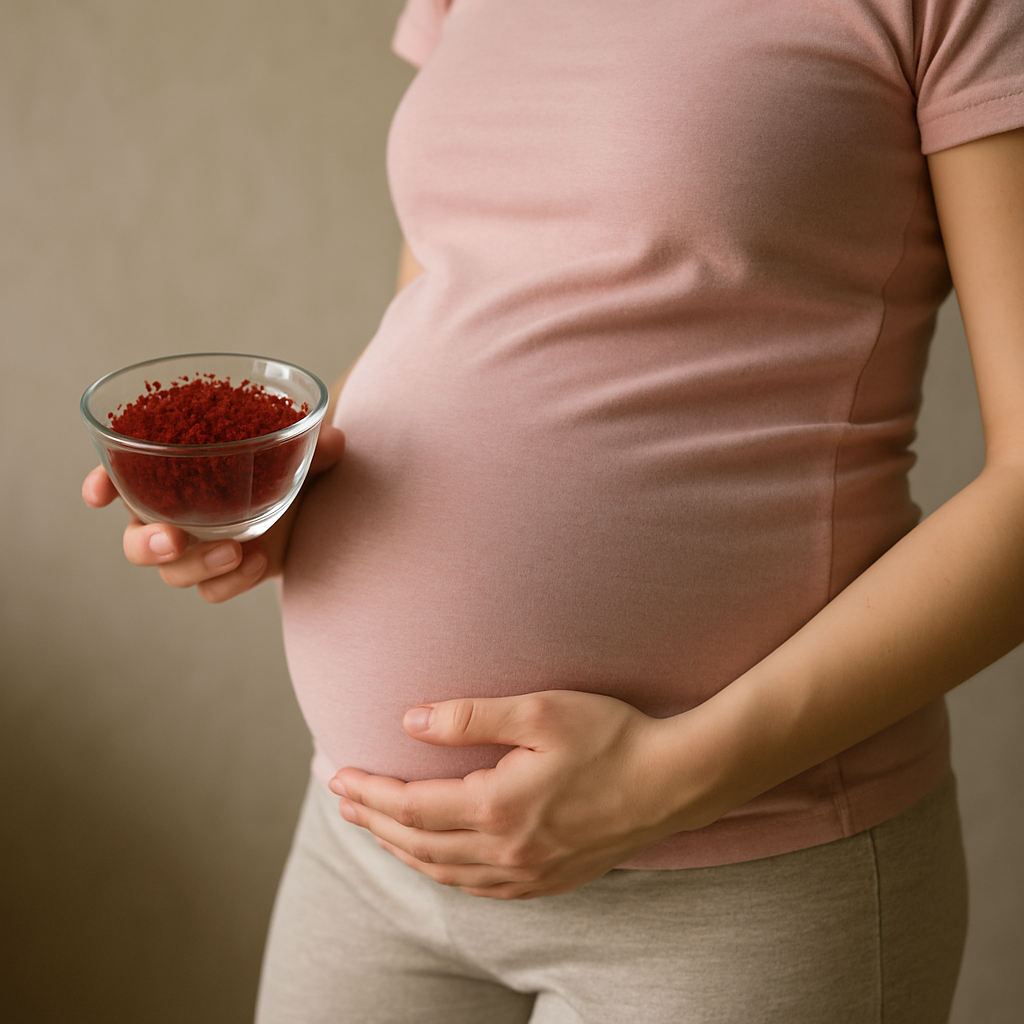
Saffron During Pregnancy: Is It Safe to Use?
Saffron has been cherished for centuries as a natural spice with medicinal properties. It’s packed with antioxidants, vitamins, and minerals that can support overall health. However, during pregnancy, safety is always the top priority. While saffron during pregnancy can offer benefits, it is crucial to use it cautiously.
Many experts suggest that saffron is safe when consumed in moderate amounts, such as the small doses typically used in cooking or in saffron milk. But excessive intake might not be recommended as it could stimulate uterine contractions or cause other unwanted effects. It’s always best to consult with a healthcare provider before adding saffron to your pregnancy diet, especially if you are unsure about the right timing or amount.
When to Start Taking Saffron During Pregnancy
Which Month Use Saffron in Pregnancy
Most healthcare professionals agree that saffron should not be consumed in the first trimester, when the baby is most vulnerable. The safest period to begin saffron use is usually after the first three months, often around the start of the second trimester. This means from the fourth month onward, it’s generally considered okay to introduce saffron, but again, moderation is key.
From Which Month Saffron Can Be Taken During Pregnancy
Many traditional practitioners recommend starting saffron from the fourth or fifth month of pregnancy. This is because the risk of miscarriage decreases significantly after the first trimester, and saffron’s properties might then be used to support better blood circulation and mood stabilization. However, the exact timing can vary from person to person, and some might wait longer depending on their pregnancy’s progression.
When to Drink Saffron Milk During Pregnancy
Saffron milk is a popular way to consume saffron during pregnancy, blending the spice with warm milk to enhance absorption and taste. The best time to drink saffron milk during pregnancy is usually at night before bed, starting from the fourth month. This can help with better sleep and provide gentle relaxation benefits. Avoid drinking it in excess or on an empty stomach to prevent nausea or other discomforts.
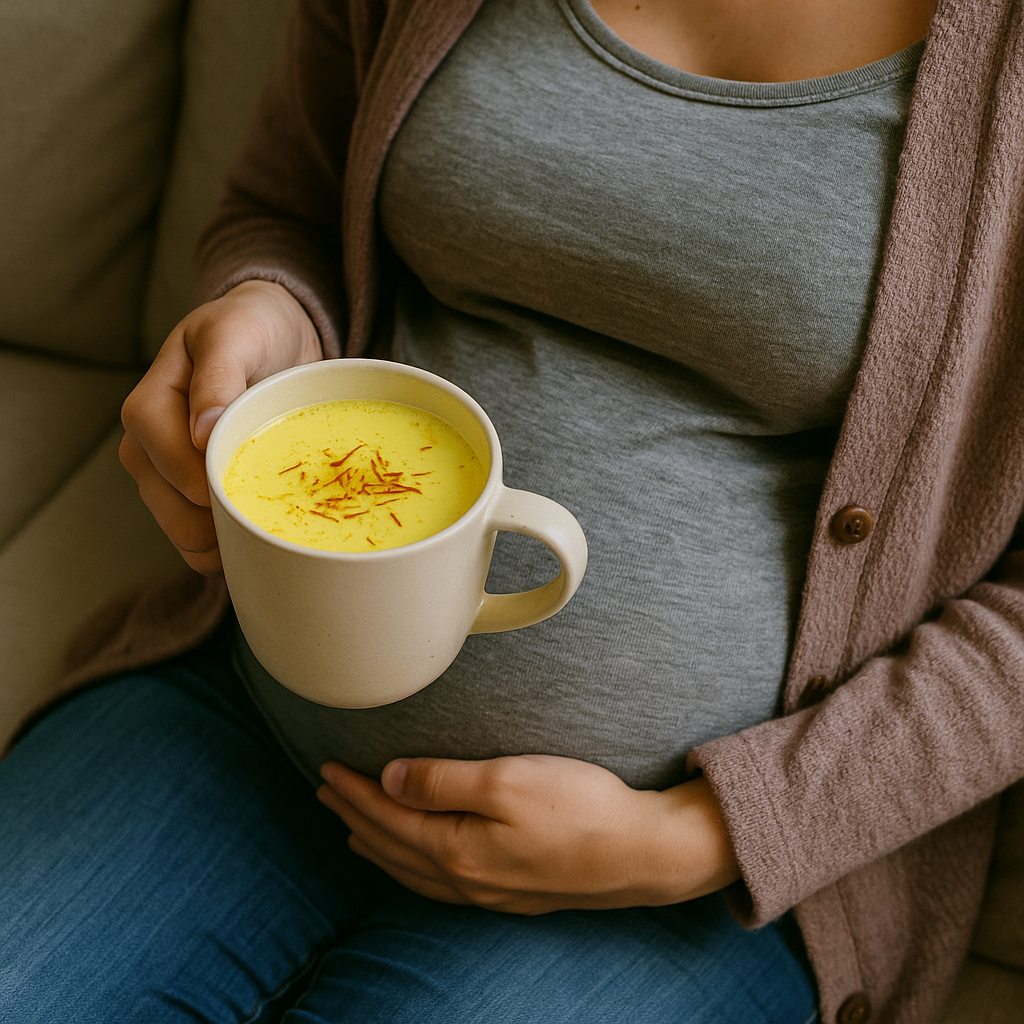
How to Consume Saffron Safely While Pregnant
How to Take Saffron During Pregnancy
Knowing how to take saffron during pregnancy is just as important as knowing when to take it. The key is to use saffron in small amounts—usually just a few strands at a time. You can soak them in warm milk or water for about 10 to 15 minutes before drinking. This helps release the beneficial compounds while making it easier to digest. You can also add saffron to your meals, but remember, a little goes a long way!
Don’t rush to consume large quantities thinking it will speed up the benefits. Overdoing saffron could cause side effects such as dizziness, nausea, or even uterine contractions, which is definitely something you want to avoid during pregnancy.
Recommended Dosage and Preparation Methods
Generally, consuming about 3 to 5 strands of saffron per day is considered safe for pregnant women. This small dose can be easily incorporated into saffron milk, teas, or even desserts like kheer or rice pudding. Preparation is simple: soak the saffron strands in warm milk for 10-15 minutes, then drink it slowly.
You should avoid buying saffron from unreliable sources, as there are many fake or low-quality saffron products out there. Pure saffron is deep red with a slightly bitter aroma — if it smells too sweet or looks yellowish, it might be adulterated. Better to spend a little more for quality than risk anything that might be harmful.
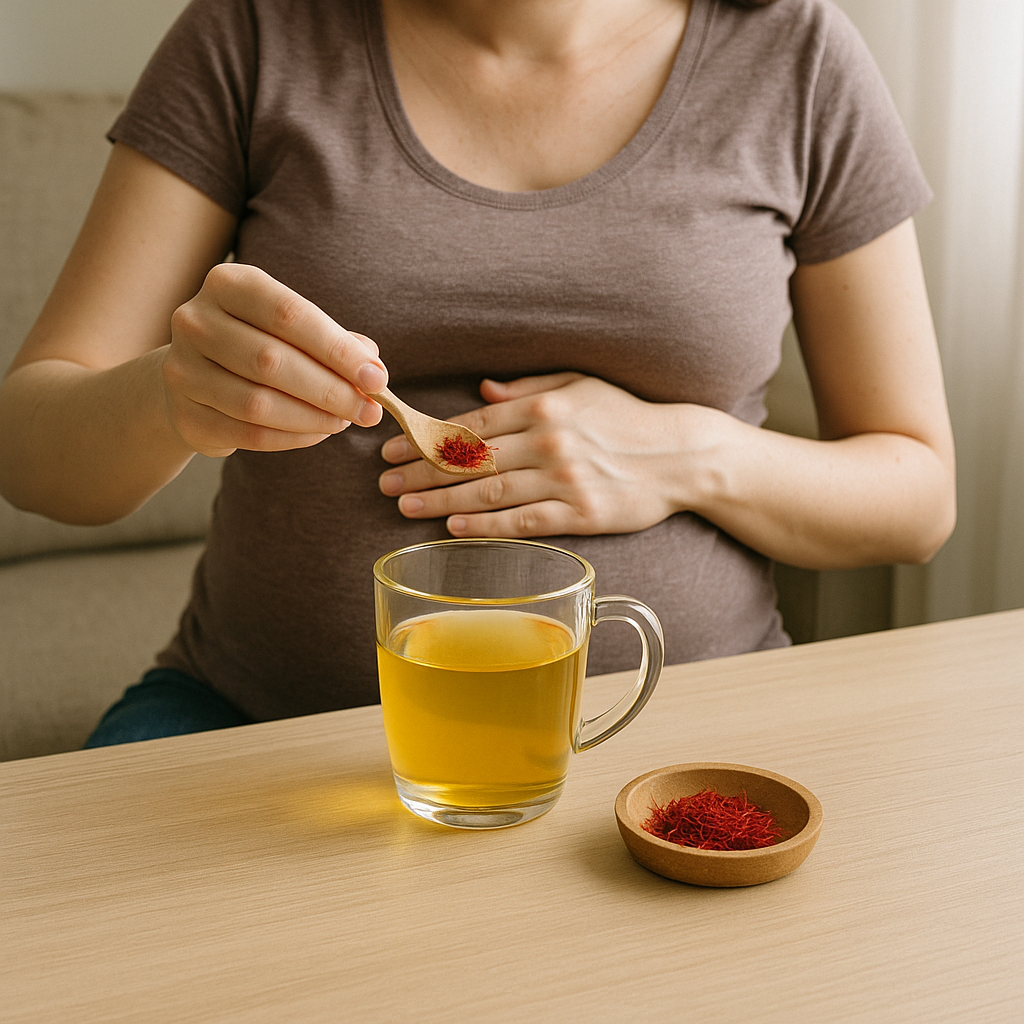
Benefits of Saffron Uses During Pregnancy
Saffron uses during pregnancy are often praised for their variety of potential benefits. For one, saffron is rich in antioxidants that help fight oxidative stress, which can be higher during pregnancy. This can support the immune system and overall well-being.
Another benefit is mood enhancement. Pregnancy can be emotionally challenging, with stress and anxiety often creeping in. Some studies and traditional wisdom suggest saffron may have mild antidepressant properties, helping expectant mothers feel calmer and happier.
Saffron might also help improve digestion and reduce common pregnancy-related discomforts such as bloating or constipation. And for those worried about skin changes during pregnancy, saffron is said to promote healthier, glowing skin—though this is more anecdotal than scientifically proven.
Precautions and Who Should Avoid Saffron
While saffron offers many benefits, it’s not for everyone. Pregnant women with a history of miscarriage or those experiencing high-risk pregnancies should be particularly cautious about saffron intake. It’s also advisable to avoid saffron if you have allergies or if your doctor has warned you against it.
Taking saffron in high doses is a big no-no. Excessive saffron could cause uterine contractions or premature labor, which poses serious risks. So stick to the recommended amounts, and always check with your healthcare provider before making any changes to your diet.
Conclusion
Saffron during pregnancy, when used correctly, can be a wonderful natural addition to your diet, offering potential benefits like mood support, improved digestion, and antioxidant protection. Remember, the golden rule is moderation: from which month we can take saffron during pregnancy is typically after the first trimester, starting around the fourth month, and always in small amounts. Knowing how to consume saffron during pregnancy safely, whether through saffron milk or culinary uses, helps maximize the benefits while minimizing risks.
Always consult your healthcare provider before introducing saffron or any new supplement into your pregnancy routine. By following the guidance above, you can enjoy the richness of saffron and support your pregnancy journey naturally and safely.
FAQs
Does saffron increase baby color?
There’s a popular belief that saffron can brighten the baby’s complexion, but scientifically, there’s no strong evidence to support this. It’s more of a cultural myth than a proven fact.
Can I drink saffron milk every day?
Drinking saffron milk in small amounts daily, especially after the first trimester, is generally safe. But don’t overdo it — limit to a few strands per day to avoid any side effects.
Is saffron hot or cold?
Saffron is considered warm or “hot” in traditional medicine systems. This means it can increase body heat slightly, so it’s good to consume it in moderation during pregnancy to keep balance.
Thanks for reading! If you found this article helpful, feel free to share it with friends or family members who might be curious about saffron during pregnancy. For more natural health tips and pregnancy advice, stay tuned or subscribe to our newsletter.
Ask Ayurvedic doctor a question and get a consultation online on the problem of your concern in a free or paid mode.
More than 2,000 experienced doctors work and wait for your questions on our site and help users to solve their health problems every day.
Related articles