Ask Ayurvedic doctor a question and get a consultation online on the problem of your concern in a free or paid mode. More than 2,000 experienced doctors work and wait for your questions on our site and help users to solve their health problems every day.
FREE! Ask Ayurvedic Doctors 24/7

 Fast responses
 1000+ verified doctors
Body DetoxEar, Nose, and Throat DisordersGeriatrics & RejuvenationImmunodeficiencyInfertility TreatmentNutritionOrthopedic DisordersPediatricsRespiratory DisordersSexually Transmitted Diseases (STDs)Surgery RecoveryUrological DisordersVascular DisordersDental DisordersEndocrinological DisordersGastrointestinal DisordersYoga TherapyGeneral MedicineAllergic DisordersCardio DisordersGynecology and ObstetricsCosmetologySkin and Hair DisordersEye DisordersInfectious DiseasesMental DisordersNeurological DisordersOncologyPanchakarmaSexual Health & DisordersSports Medicine
Published on 03/19/25
(Updated on 07/04/26)
star_border 5
4,885
Phala Ghrita in Pregnancy: Ayurvedic Insights & Modern Evidence

Phala Ghrita is a time-honored formulation in Ayurveda, often associated with supporting reproductive health and pregnancy. It is traditionally prepared with ghee (clarified butter) infused with specific herbs believed to nourish the mother and developing baby. In recent years, there has been growing interest in exploring the scientific basis behind these ancient remedies to determine their safety, efficacy, and relevance in modern prenatal care. Below, we delve into what Phala Ghrita is, how it is used during pregnancy, the research that supports or questions its benefits, and practical considerations for expectant mothers.
Table of Contents
- What Is Phala Ghrita?
- The Ayurvedic Perspective on Phala Ghrita
- Key Ingredients and Their Proposed Benefits
- Potential Benefits of Phala Ghrita in Pregnancy
- Scientific Research and Current Evidence
- How to Use Phala Ghrita (According to Ayurveda)
- Safety Considerations and Possible Side Effects
- FAQs About Phala Ghrita in Pregnancy
- Conclusion and Call to Action
- Disclaimer
What Is Phala Ghrita?
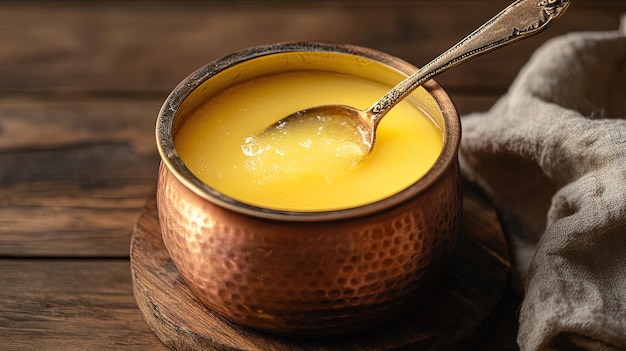
Phala Ghrita is a medicated ghee formulation rooted in Ayurvedic literature, primarily cited in classical texts like the Charaka Samhita and Sushruta Samhita. “Phala” translates to “fruit” in Sanskrit, symbolizing fertility, growth, and nourishment. The concoction typically includes cow’s ghee simmered with various herbs purported to have tonifying and rejuvenating properties.
Key Points:
- Ghee serves as a lipid medium that enhances the absorption of herbal compounds.
- Used traditionally to support women’s health, especially during preconception, pregnancy, and postpartum.
- Often recommended by some Ayurvedic practitioners for its balancing effects on “Vata,” “Pitta,” and “Kapha” doshas, which are the fundamental energies in Ayurveda.
While Phala Ghrita is considered a foundational recipe in Ayurvedic practice, modern research is still catching up to examine its therapeutic potential in a systematic manner.
The Ayurvedic Perspective on Phala Ghrita
According to Ayurveda, pregnancy is one of the most crucial stages in a woman’s life, requiring tailored dietary and lifestyle choices. The holistic system of Ayurveda emphasizes balancing the mother’s physical and mental states to ensure a healthy pregnancy and childbirth. Phala Ghrita, with its blend of herbs and clarified butter, is believed to:
- Nourish Shukra Dhatu (the reproductive tissue).
- Enhance Ojas (vital energy or immunity).
- Promote fetal development by providing essential nutrients.
In ancient Ayurvedic texts, formulations like Phala Ghrita are not merely dietary supplements but comprehensive therapeutic agents designed to support the mother’s body in various stages of pregnancy. The rationale is that a well-nourished mother is better equipped to support fetal growth, manage labor, and recover postpartum.
Key Ingredients and Their Proposed Benefits
While different versions of Phala Ghrita exist, many preparations may include herbs such as:
-
Shatavari (Asparagus racemosus)
- Frequently hailed as the “queen of herbs” in Ayurveda for its reputed ability to support female reproductive health.
- Believed to help balance hormones and improve lactation.
-
Ashwagandha (Withania somnifera)
- Known for its adaptogenic properties that may help the body cope with stress.
- Traditionally used to improve energy levels and general well-being.
-
Guduchi (Tinospora cordifolia)
- Considered an immunomodulator that potentially enhances the body’s defense system.
- May support digestion and metabolism.
-
Licorice (Glycyrrhiza glabra)
- Often used in herbal combinations for its anti-inflammatory and soothing properties.
- Believed to strengthen the respiratory and digestive systems.
-
Cow’s Ghee
- Rich in fat-soluble vitamins A, D, E, and K.
- Helps in better absorption of herbal constituents.
These ingredients are said to work synergistically. However, it is crucial to note that scientific evaluations are still in progress to confirm or refute many of these traditional claims.
Don't wait or self medicate. Start chat with Doctor NOW
Potential Benefits of Phala Ghrita in Pregnancy
1. Nutritional Support
Pregnancy increases the demand for vital nutrients like proteins, vitamins, and minerals. Ghee itself is a rich source of essential fatty acids that may help in nutrient absorption. If combined with nutrient-dense herbs, Phala Ghrita could serve as an additional source of support during pregnancy.
2. Stress Management
Some herbs commonly found in Phala Ghrita, such as Ashwagandha, have been researched for their adaptogenic and stress-reducing properties. Research from reputable journals indicates that adaptogens can help modulate the body’s stress response, potentially benefiting pregnant women who experience heightened emotional and physiological stress.
3. Digestive Harmony
A common belief in Ayurveda is that digestive fire, or “Agni,” must remain strong during pregnancy to ensure optimal nutrient absorption. Herbs like Guduchi and Licorice are traditionally used to maintain a healthy digestive tract, which could indirectly support fetal nutrition.
4. Immunological Support
Certain ingredients, including Guduchi and Shatavari, have been studied for their immunomodulatory effects. Although more robust research is needed, it is theorized that these herbs might offer mild immune support, thereby contributing to a healthier pregnancy environment.
Scientific Research and Current Evidence
Modern scientific investigations into Phala Ghrita are still in the preliminary stages. Most available studies are either pilot scale, animal-based, or rely on observational data. However, some points are worth noting:
- Herbal Efficacy: A 2018 review in the Journal of Ethnopharmacology highlighted the potential benefits of herbal ghee formulations in female reproductive health, albeit calling for larger, controlled human trials to establish safety and efficacy conclusively.
- Nutrient Absorption: Several peer-reviewed articles underscore that ghee acts as an excellent carrier (anupana) in Ayurvedic medicine, potentially enhancing the bioavailability of fat-soluble nutrients in herbs.
- Safety Profile: Most ghee-based formulations are generally considered safe for consumption in moderate amounts. However, research emphasizes caution due to variations in the source and quality of raw materials.
Despite these findings, standard clinical guidelines from Western medicine and recognized organizations (e.g., the World Health Organization, the American College of Obstetricians and Gynecologists) do not specifically endorse Phala Ghrita due to limited human clinical trials. Therefore, women interested in trying this remedy should consult both their obstetrician and an experienced Ayurvedic practitioner for personalized advice.
How to Use Phala Ghrita (According to Ayurveda)
In traditional Ayurvedic practice, Phala Ghrita is taken under professional supervision, and the usage can vary depending on individual constitution (Prakriti), season, and health status.
-
Dosage:
- Some Ayurvedic texts suggest consuming a teaspoon or two daily, mixed in warm water or milk, especially during the second and third trimesters.
- The exact amount can differ based on the mother’s digestive capacity and health needs.
-
Timing:
- Ayurveda often recommends taking it on an empty stomach to enhance absorption.
- However, modern practitioners may modify this based on a pregnant woman’s tolerance and potential morning sickness.
-
Dietary Considerations:
- Phala Ghrita is usually accompanied by a balanced diet rich in fruits, vegetables, whole grains, and proteins.
- Excessive intake of fatty substances during pregnancy can lead to complications like heartburn or gestational weight gain, so moderation is key.
-
Professional Guidance:
- Self-medication during pregnancy is discouraged.
- Consulting an Ayurveda practitioner or physician ensures proper formulation selection and safe dosage.
Safety Considerations and Possible Side Effects
While Phala Ghrita is largely perceived as safe in the Ayurvedic community, pregnant women should approach any herbal supplement with caution:
- Quality Control: Many herbal products on the market lack standardized manufacturing practices. It’s critical to choose products from reputable companies that comply with Good Manufacturing Practices (GMP).
- Allergic Reactions: If you are allergic to any constituent herb or dairy (in case of lactose intolerance or milk protein allergy), you may experience adverse effects.
- Excessive Weight Gain: Phala Ghrita is calorie-dense because of its ghee component. Overconsumption could lead to unhealthy weight gain during pregnancy.
- Potential Drug Interactions: Certain herbs might interact with prescribed medications, including those for hypertension, gestational diabetes, or thyroid imbalances.
Always inform your healthcare provider about any Ayurvedic or herbal supplements you are taking to ensure a holistic and safe prenatal care plan.
FAQs About Phala Ghrita in Pregnancy
1. Is Phala Ghrita scientifically proven to help with pregnancy?
Current scientific data is limited. Most claims originate from Ayurvedic traditions and preliminary studies. More clinical research is needed for a definitive conclusion.
2. Can I take Phala Ghrita without consulting a doctor?
It is generally advised against self-prescription during pregnancy. Always consult both your obstetrician and an Ayurvedic expert to evaluate if it is suitable for your specific situation.
3. Are there any known side effects?
Excessive use of ghee or herbs could lead to digestive issues or allergic reactions. Moderation and quality control are vital for safety.
4. How long should I take Phala Ghrita in pregnancy?
The duration depends on individual needs. Some take it throughout pregnancy, while others may only use it during specific trimesters. Professional guidance is essential.
5. Does Phala Ghrita replace prenatal vitamins?
No. Phala Ghrita is not a substitute for prenatal vitamins or mainstream prenatal care. It should only be considered as a complementary approach, if at all.
Conclusion and Call to Action
Phala Ghrita in pregnancy represents a fascinating convergence of traditional Ayurvedic wisdom and modern healthcare considerations. While anecdotal reports and limited studies hint at potential benefits—ranging from nutrient support to stress management—robust scientific investigations are still lacking. If you’re considering Phala Ghrita as part of your prenatal regimen, professional guidance is indispensable.
Call to Action:
- Share this article with friends, family, or medical professionals who might be curious about Ayurvedic remedies in pregnancy.
- Leave a comment below to share your personal experiences, questions, or insights about Phala Ghrita.
- Subscribe to our newsletter for more in-depth explorations of holistic health approaches backed by current research.
Disclaimer
This article is intended for educational purposes and should not replace professional medical advice. Always consult with a qualified healthcare provider before making decisions about prenatal supplements or treatments. The statements regarding Phala Ghrita are based on traditional Ayurvedic texts and limited scientific evidence. Individual results and experiences may vary. Reputable sources include the Charaka Samhita, Sushruta Samhita, peer-reviewed journals such as the Journal of Ethnopharmacology, and organizations like the WHO and major obstetrics associations. Ensure any products purchased meet quality assurance standards.
Questions from users
What is Phala Ghrita and how is it traditionally used in Ayurveda for pregnancy?
Charles
8 days ago
Phala Ghrita is a traditional Ayurvedic preparation made from clarified butter (ghee) infused with specific herbs. It's mainly used to support women's reproductive health and fertility, traditionally believed to help prepare and maintain a healthy pregnancy by balancing the doshas and improving the overall reproductive system. Just remember to consult with an Ayurvedic practitioner before use.
Is it safe to use ghee as a cooking oil during pregnancy?
Victoria
17 days ago
It's generally considered safe to use ghee as a cooking oil during pregnancy, as it’s nourishing and aids digestion. Just keep it in moderation - excessive consumption isn't great. Quality matters too! Make sure you’re getting high-quality, pure ghee. If there's concerns or dietary restrictions, chat with a healthcare provider or Ayurvedic doc!
Is it safe to use Phala Ghrita if I have a history of gestational diabetes?
Lillian
26 days ago
Using Phala Ghrita with a history of gestational diabetes can be tricky, because it's usually rich in ghee and might affect blood sugar levels. I'd recommend discussing this with an Ayurvedic practitioner who understands your dosha and health background, to make a safe choice. You got to listen to your body, it knows best!
Is Phala Ghrita effective for boosting energy levels during pregnancy?
Ruby
36 days ago
Phala Ghrita can complement energy levels during pregnancy but it's not like a direct energy booster. It supports overall nourishment and balances the doshas, which can indirectly improve your energy. It's best used with a balanced diet and under Ayurvedic practitioner's guidance! Always a good idea to check your individual needs first.
Can Phala Ghrita support weight gain during pregnancy, and is it safe to use?
Grace
45 days ago
Phala Ghrita can help with weight gain during pregnancy, as it's nourishing and supports digestion. But it's super important to consult with an ayurvedic doctor before using it, especially when pregnant. The safety and effectiveness can vary based on individual needs and quality of ingredients. So, always get personalized advice!
Can using Phala Ghrita help improve nutrient absorption during pregnancy?
Hannah
54 days ago
Yes, Phala Ghrita might support nutrient absorption by nurturing Agni (digestive fire) during pregnancy, as Ayurveda suggests. But everyone is different - it's essential to chat with your obstetrician and maybe an Ayurvedic practitioner to check it's right for you. Some focus on certain trimesters, others use it throughout. Just be mindful of any digestive or allergy concerns, as those can pop up for some folks.
Can I use Phala Ghrita to help with morning sickness during pregnancy?
Sierra
64 days ago
Yes, Phala Ghrita can be used to support pregnancy, but it's best to consult with a doc first to ensure it's suitable for you, especially if you're having morning sickness. Ayurveda is very personal, so what work's for one person may not work for another. Keep your agni (digestive fire) strong and listen to your body's signals.
Is Phala Ghrita recommended for postpartum recovery in Ayurveda?
Summer
74 days ago
Phala Ghrita can be helpful for postpartum recovery in Ayurveda because it supports reproductive health, but it's important to consult an Ayurvedic doctor before using it. They can check if it's a good fit for your unique balance of doshas and needs. Just a heads up, while it's popular in Ayurveda, it's not widely recognized in Western guidelines.
What is the role of Good Manufacturing Practices in choosing Ayurvedic supplements during pregnancy?
James
83 days ago
Good Manufacturing Practices (GMP) are super important when choosing Ayurvedic supplements, especially during pregnancy. They help ensure the product is safe and of high quality, because this phase is sensitive. Look for reputable companies that comply with GMP, so you know the supplements are free from contaminants and properly labeled. It's a bit like making sure your food is fresh and not expired!
Can I consume Phala Ghrita if I have lactose intolerance during pregnancy?
Bella
93 days ago
If you have lactose intolerance, it's best to be cautious with Phala Ghrita as it may contain dairy. You may wanna look for versions available without dairy or consult your healthcare provider or ayurvedic practitioner for alternatives. Remember, safety during pregnancy is top priority, so don't hesitate to reach out for professional advice.
Related articles

Gynecology and Obstetrics
Madhumalini Vasant Uses – An Ayurvedic Remedy for Diabetes and Blood Sugar Control
Learn about the uses of Madhumalini Vasant, an Ayurvedic formulation known for managing diabetes, balancing blood sugar levels, and promoting overall health.
2,680

Gynecology and Obstetrics
Tips for Regular Periods: Real Talk with an Ayurvedic Twist
That’s where Ayurveda comes in. Not as a quick fix, but as this quietly powerful system that’s been around for, oh, a few thousand years? I used to think it was all turmeric and oil massages, but wow, I was wrong. The Ayurvedic approach to regular periods
2,154

Gynecology and Obstetrics
Uttarbasti for Female Infertility: Ayurvedic Uttarbasti Treatments to Enhance Fertility
Explore Uttarbasti for female infertility, its benefits, proper dosage, uses, and the scientific evidence supporting this Ayurvedic treatment for enhancing fertility and reproductive health.
2,491

Gynecology and Obstetrics
Menosan Tablet
Exploration of Menosan Tablet
2,858

Gynecology and Obstetrics
How to Relieve Constipation During Pregnancy Immediately
Constipation during pregnancy isn't just “a bit uncomfortable.” It can be painful, frustrating, and sometimes even scary. I’ve had friends who said they cried in the bathroom. Others who were too embarrassed to bring it up at checkups. And some who popped
3,987

Gynecology and Obstetrics
Ashoka Vati: Benefits, Uses, and How It Supports Women’s Health Naturally
Discover the proven benefits, proper dosage, side effects, and scientific research behind Ashoka Vati, the powerful Ayurvedic remedy for women's health.
4,738

Gynecology and Obstetrics
Shatavari Gulam Uses, Dose, Ingredients, And Side Effects
Exploration of Shatavari Gulam Uses, Dose, Ingredients, And Side Effects
2,504

Gynecology and Obstetrics
Ayurvedic Medicine for Fertility: The Role of Punsavan Capsule
Explore how the Punsavan Capsule promotes fertility, increases the chances of pregnancy, and normalizes the menstrual cycle through traditional Ayurvedic wisdom.
3,186

Gynecology and Obstetrics
Maha Dhanwantharam Gulika – Safe Herbal Remedy for Pregnancy
Maha Dhanwantharam Gulika is a revered Ayurvedic remedy specifically formulated to support expectant mothers
3,410

Gynecology and Obstetrics
Ayurvedic Medicine for Abortion: Science, Safety & Insights
Discover the facts about Ayurvedic medicine for abortion. Explore scientific evidence, safety considerations, and expert guidelines for informed decisions.
4,312
Related consultations on the topic
Legal
Additional Documents
© 2024 Ask Ayurveda. All rights reserved.